The Most Overrated Plants In Pennsylvania Landscaping
Every region develops its landscaping habits, and Pennsylvania is no different. Drive through almost any suburban neighborhood and you’ll spot the same plants repeating themselves yard after yard, street after street, like everyone got together and agreed on a very short list without consulting anyone with an opinion.
Some of these plants have held their popular status for so long that nobody stops to ask whether they actually deserve it anymore. Overrated doesn’t mean terrible.
It means the gap between reputation and real-world performance is wider than it should be, or that better, more interesting options exist and keep getting ignored because these familiar names take up all the shelf space and all the conversation.
Pennsylvania gardeners are often loyal to plants out of habit more than genuine enthusiasm, and that loyalty comes at a cost.
A few entries on this list might genuinely surprise you, and at least one of them is probably growing in your yard right now.
1. Bradford Pear
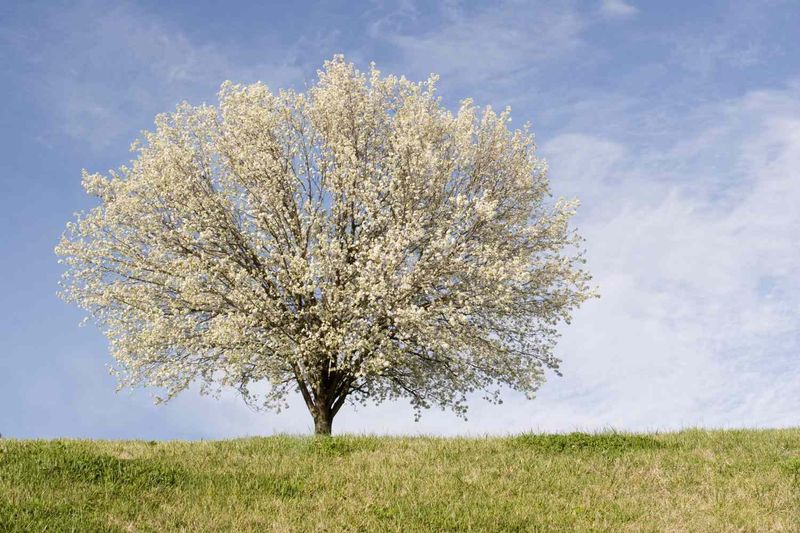
Few trees have fallen from grace quite like the Bradford Pear. Once planted on nearly every street and suburban yard across Pennsylvania, this tree seemed like the perfect choice.
It grew fast, bloomed beautifully in spring, and looked tidy. Sounds great, right? Not exactly.
The problem starts with the branches. Bradford Pear trees have a weak structure where multiple branches grow from the same point on the trunk.
Over time, the weight of those branches causes them to split and break, especially during Pennsylvania ice storms and heavy snow. Many homeowners have watched large sections of their trees crash down after a single bad storm.
Beyond the structural problems, Bradford Pear is now considered invasive in Pennsylvania. Birds eat the small fruits and spread seeds into natural areas, where wild pear trees take over fields and forest edges.
These wild trees are thorny and nearly impossible to remove once established. Pennsylvania has actually been working to discourage planting this species for years.
The smell of the blooms is another issue many people forget to mention. The white flowers produce an odor that many find unpleasant.
If you already have one, keep an eye on the branch structure and consider replacing it with a native alternative like serviceberry, which offers beautiful spring blooms without the headaches.
2. Boxwood
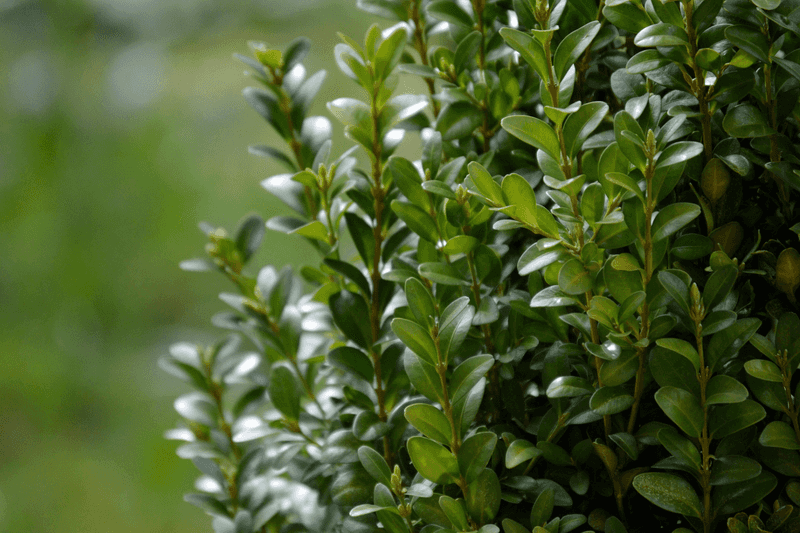
Walk through almost any older neighborhood in Pennsylvania and you will spot boxwood hedges lining front walkways and garden borders. They look sharp and formal, which is exactly why generations of homeowners have reached for them.
But keeping boxwood looking that good takes serious effort, and the problems have only gotten worse in recent years.
Boxwood blight is a major concern across Pennsylvania. This fungal disease spreads quickly and can wipe out entire hedges within a single growing season.
The leaves turn brown, drop off, and the plant looks like a skeleton. Once blight hits, it is extremely difficult to stop, and the fungus can linger in the soil for years, making replanting risky.
Winter burn is another common issue in Pennsylvania. Cold, dry winter winds pull moisture out of the leaves faster than the roots can replace it, leaving plants looking brown and patchy every spring.
Your Pennsylvania Garden Changes Every Week. Your Plan Should Too.
Gardening in Pennsylvania changes quickly throughout the season. Every Friday you’ll receive a simple weekly plan showing exactly what to plant, prune, fertilize, harvest, and protect so you never miss the right timing.
Gardeners often spend weeks trying to nurse their boxwood back to health after a tough winter.
Constant trimming is also required to keep that tidy look. Without regular shearing, boxwood gets leggy and uneven quickly.
If you love the formal hedge look, consider switching to native alternatives like inkberry holly or sweetshrub, which offer similar structure with far less maintenance and better support for local Pennsylvania wildlife.
3. Hostas
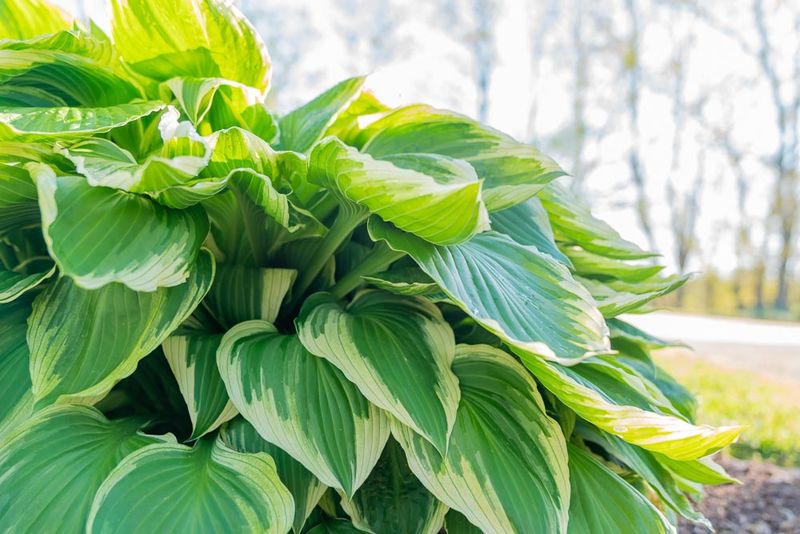
Hostas are practically everywhere in Pennsylvania shade gardens, and it is easy to understand why. They come in dozens of sizes and colors, they tolerate shade well, and they fill in bare spots quickly.
For many gardeners, they feel like a no-fail solution. But ask anyone who has fought deer or slugs in Pennsylvania, and they will tell you a different story.
Deer absolutely love hostas. In many parts of Pennsylvania, especially suburban areas near wooded land, deer will mow down an entire hosta bed overnight.
You plant them, they look amazing for a week, and then the deer find them. Some gardeners spend more money on repellent sprays than they ever spent on the plants themselves.
Slugs are the other major headache. These slimy pests chew irregular holes through hosta leaves, leaving the foliage looking ragged and unattractive by midsummer.
Wet Pennsylvania summers create perfect conditions for slug populations to explode. Managing them requires consistent effort and ongoing treatments.
Hostas also need steady moisture to look their best. During dry stretches, the leaf edges turn brown and crispy, which ruins the lush look that made them appealing in the first place.
If you want shade-tolerant plants that hold up better in Pennsylvania conditions, consider native options like wild ginger or Pennsylvania sedge, which require far less babysitting throughout the growing season.
4. Hybrid Tea Roses
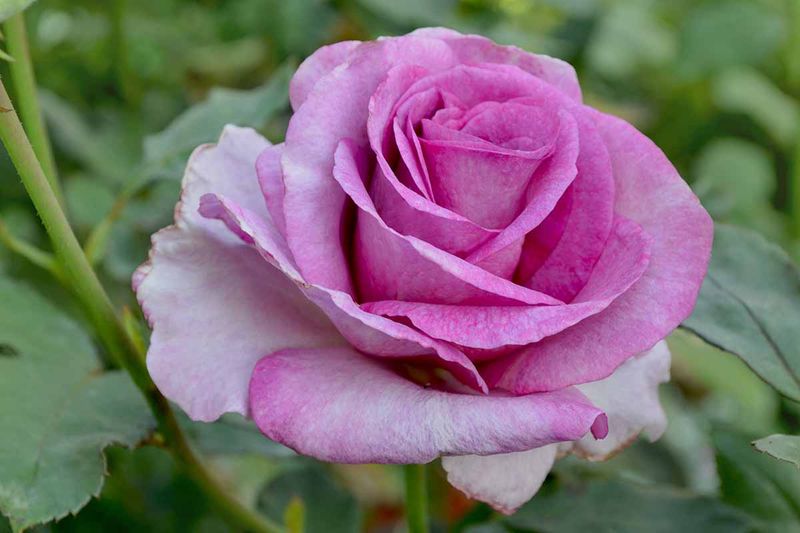
There is no denying that hybrid tea roses produce some of the most stunning flowers in the gardening world. Those perfectly formed blooms in deep reds, soft pinks, and bright yellows are genuinely beautiful.
But in Pennsylvania, growing hybrid tea roses is more like running a full-time maintenance operation than enjoying a garden.
Black spot fungal disease is a constant battle. Pennsylvania summers bring enough humidity and rain to make black spot almost unavoidable on hybrid teas.
The dark spots spread across the leaves, which then turn yellow and drop off. Without regular fungicide spraying on a strict schedule, the plants look terrible by August.
Aphids, Japanese beetles, and other insects are also drawn to hybrid tea roses like a magnet. Keeping them at bay requires frequent monitoring and treatment throughout the entire growing season.
Many Pennsylvania gardeners find themselves spraying every week just to keep the plants looking decent.
Winter protection adds another layer of work. Hybrid tea roses are not reliably cold-hardy in much of Pennsylvania.
Before the ground freezes, gardeners must mound soil around the base, wrap the canes, and hope for the best. After a particularly harsh Pennsylvania winter, many plants still do not survive.
If you love roses but want less stress, look into shrub roses or native wild roses, which handle Pennsylvania winters with much greater ease and require far less chemical intervention.
5. Burning Bush
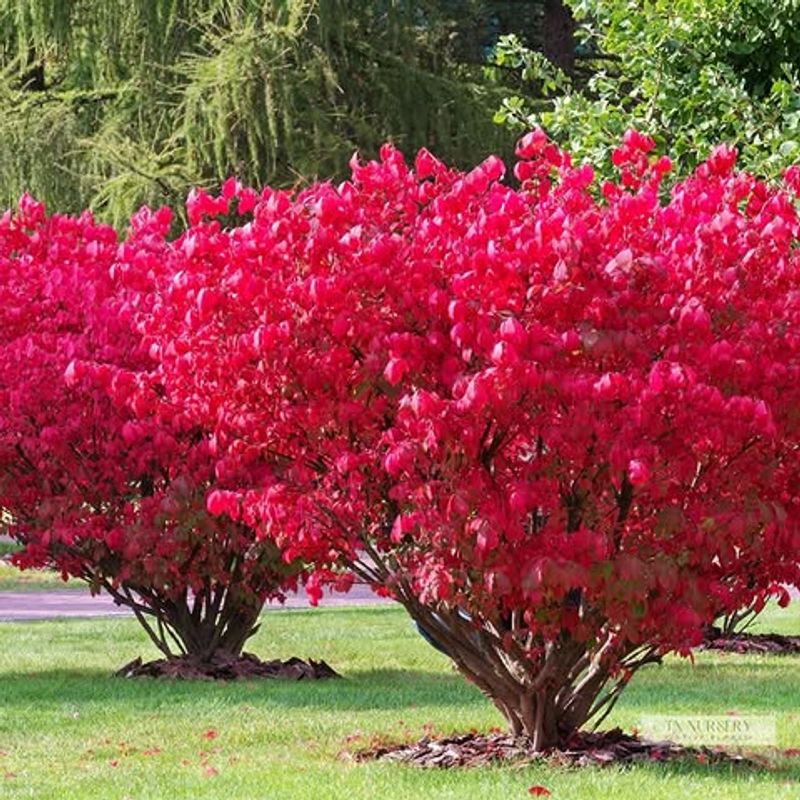
Every fall, burning bush puts on a show that stops people in their tracks. That intense, fiery red color is hard to match, and for decades it was one of the most popular shrubs sold at Pennsylvania nurseries.
But the more people looked closely at what burning bush was doing to the landscape, the more the picture changed.
Burning bush is officially recognized as invasive in Pennsylvania. Birds eat the berries and deposit the seeds in natural areas, where the plants sprout and spread aggressively.
Over time, burning bush crowds out native shrubs and wildflowers in forest edges, meadows, and along stream banks. Once it gets established in a natural area, removing it is a major undertaking.
Pennsylvania has been actively working to remove burning bush from natural lands and discourages its sale and planting. Some nurseries have already stopped carrying it.
Despite the warnings, it still shows up in landscapes because the fall color is so eye-catching and many people simply do not know about the ecological damage it causes.
The good news is that you do not have to give up on spectacular fall color. Native alternatives like Virginia sweetspire, highbush blueberry, or native viburnums offer gorgeous autumn foliage without spreading into Pennsylvania wild areas.
Making the switch is one of the most impactful choices a Pennsylvania homeowner can make for local ecosystems and wildlife habitat.
6. English Ivy
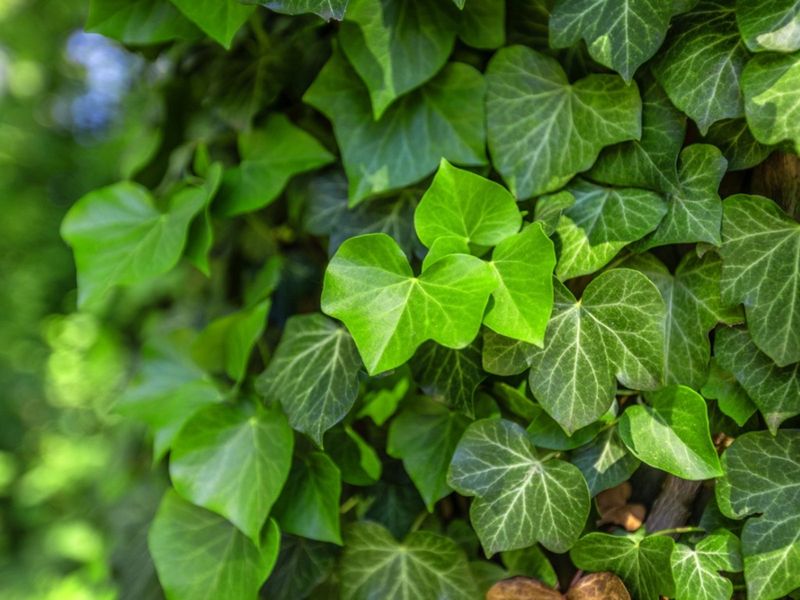
English ivy has a reputation for looking elegant, especially crawling up brick walls or spreading as a lush green groundcover. It feels classic and low-maintenance, which is why so many Pennsylvania homeowners have planted it over the years.
The reality, though, is that English ivy is one of the most problematic plants you can introduce to a Pennsylvania yard.
Once established, English ivy spreads relentlessly. It creeps across the ground and climbs trees, sometimes covering entire trunks and canopies.
When ivy climbs trees, it adds weight, traps moisture against the bark, and blocks sunlight from reaching the leaves. Over time, this weakens trees significantly and makes them far more vulnerable to storm damage.
Removing English ivy is genuinely one of the most frustrating garden tasks you will ever face. The roots grip the soil tightly and every small piece left behind can regrow.
Many Pennsylvania homeowners spend years trying to eradicate ivy they planted thinking it would be simple to manage. It also spreads into natural areas, where it forms dense mats that prevent native wildflowers and tree seedlings from growing.
Pennsylvania lists English ivy as a plant of concern due to its invasive behavior. If you need a groundcover, native alternatives like creeping phlox, wild ginger, or green-and-gold offer beautiful coverage without the aggressive spreading.
Your Pennsylvania garden and the surrounding natural areas will be much better off for making the switch.
7. Leyland Cypress
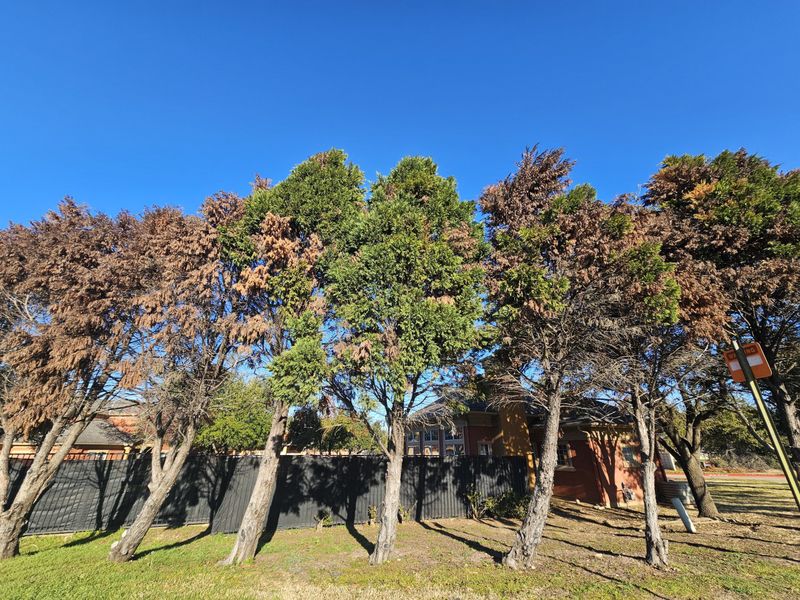
When Pennsylvania homeowners want fast privacy screening, Leyland Cypress is often the first tree they consider. It grows quickly, stays evergreen year-round, and creates a tall, dense barrier in just a few years.
That sounds perfect on paper, but Leyland Cypress has a track record of serious problems in Pennsylvania conditions that most people do not hear about until it is too late.
Seiridium canker is a fungal disease that devastates Leyland Cypress across Pennsylvania. It causes individual branches to turn brown and drop off, giving the tree a patchy, half-alive appearance.
Once canker takes hold, there is no reliable cure, and the disease spreads from tree to tree. Many Pennsylvania homeowners have planted a beautiful privacy row only to watch it slowly deteriorate over several years.
Storm damage is another major issue. Leyland Cypress grows so fast that the wood does not have time to develop strong structure.
Heavy snow loads and Pennsylvania ice storms frequently snap the tops off these trees or cause entire trunks to split. After a bad winter storm, a privacy screen of Leyland Cypress can look like a disaster zone.
Long-term, these trees simply do not hold up well in Pennsylvania’s climate. Better alternatives for privacy screening include native eastern red cedar, arborvitae varieties bred for disease resistance, or a mixed native hedge of viburnums and hollies that provides year-round screening while supporting local wildlife far more effectively.
8. Norway Maple
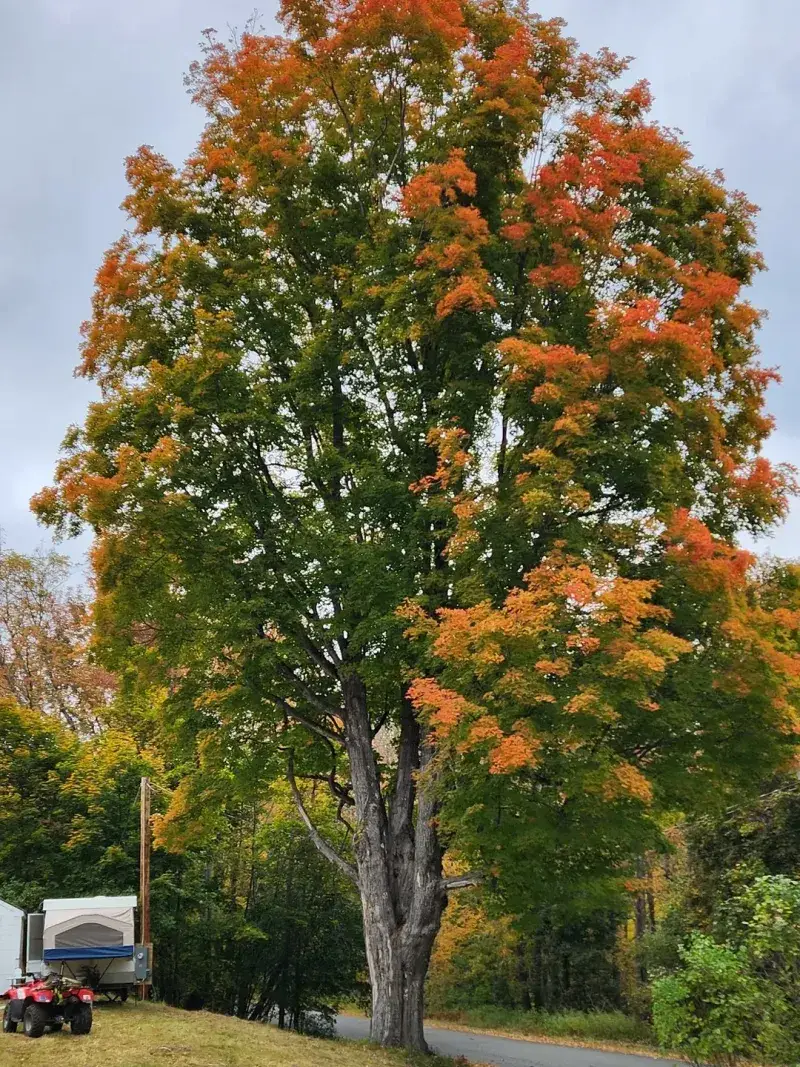
Norway Maple was planted all over Pennsylvania for decades because it seemed like a tough, reliable shade tree. It tolerates poor soil, pollution, and drought better than many other maples.
City planners and homeowners loved it. But Norway Maple has a dark side that became very clear once people started paying attention to what it was doing to the surrounding landscape.
The shade produced by Norway Maple is exceptionally dense. Few plants can survive beneath it.
Grass thins out, garden plants struggle, and even weeds have a hard time getting started under a mature Norway Maple canopy. Homeowners often end up with a large bare patch of soil under the tree that looks bare and unattractive no matter what they try to grow there.
Norway Maple is also invasive in Pennsylvania. The winged seeds, called samaras, spin down by the thousands and sprout readily in gardens, natural areas, and forest edges.
Young Norway Maple seedlings pop up everywhere and compete aggressively with native trees and wildflowers. In some Pennsylvania natural areas, Norway Maple has significantly changed the composition of forest understories.
If you want a large, beautiful shade tree that actually supports Pennsylvania’s ecosystem, native sugar maple, red maple, or tulip poplar are excellent choices.
They provide gorgeous seasonal color, support native insects and birds, and do not spread aggressively into natural areas the way Norway Maple has been doing across Pennsylvania for generations.