The North Carolina Planting Schedule That Shows What Goes In The Ground First
Planting at the right time can make or break a garden in North Carolina. With such a wide range of climates across the state, knowing what to plant first is one of the most important steps toward a productive season.
The Coastal Plain, Piedmont, and Mountain regions each warm up at different speeds, which means planting schedules can vary more than many gardeners expect.
Getting the order right helps plants establish strong roots and take full advantage of early seasonal conditions.
Gardeners who plant too late often miss that valuable window when certain crops perform their best. Starting with the right plants at the right moment leads to healthier growth and bigger harvests.
Once you understand which crops go into the ground first in North Carolina and why timing matters, planning your garden becomes much easier and far more rewarding.
1. Cool-Season Vegetables Are First In Early Spring
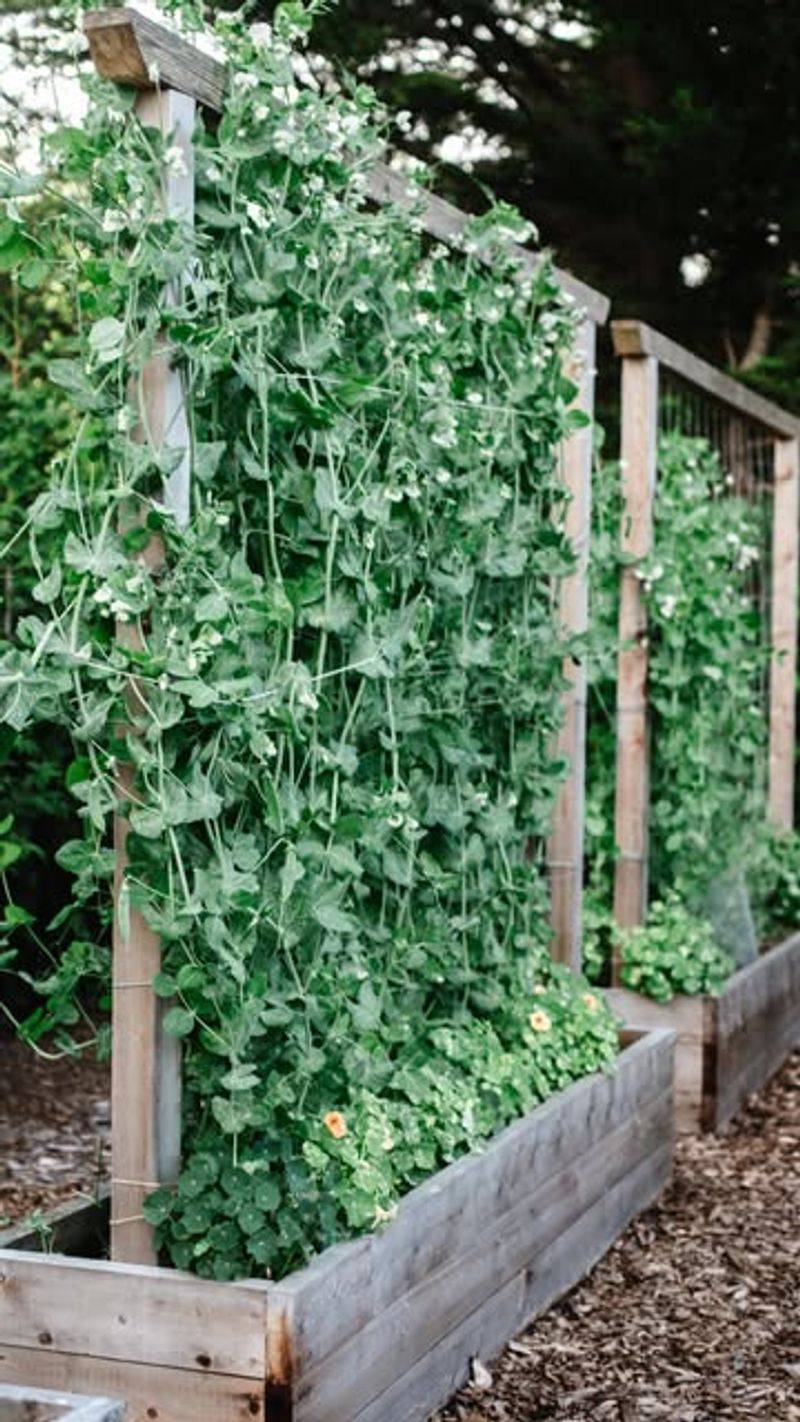
Peas are the real trailblazers of the North Carolina garden. These cool-loving crops thrive when soil temperatures hover just above freezing, making them the perfect candidates for the very first planting of the year.
In the Coastal Plain, gardeners can start seeding peas, spinach, kale, and lettuce as early as mid-February to early March.
Frost does not slow these plants down one bit. In fact, a light frost can actually sweeten the flavor of kale and spinach, which is a bonus most gardeners love discovering.
The Piedmont region typically follows a few weeks later, with Mountain gardeners waiting until late March or even early April before seeding these crops outside.
Lettuce is especially rewarding for beginners because it grows quickly and does not need much space. Planting it in raised beds or containers makes it even easier to manage in cooler temperatures.
North Carolina Cooperative Extension recommends starting these crops as soon as the ground is workable in your region.
Getting cool-season vegetables in early gives them a long window to mature before summer heat arrives. Once temperatures consistently climb above 75 degrees Fahrenheit, many of these crops will bolt and lose their quality.
Planting early is truly the smartest move any NC gardener can make.
2. Root Crops Follow Cool-Season Greens
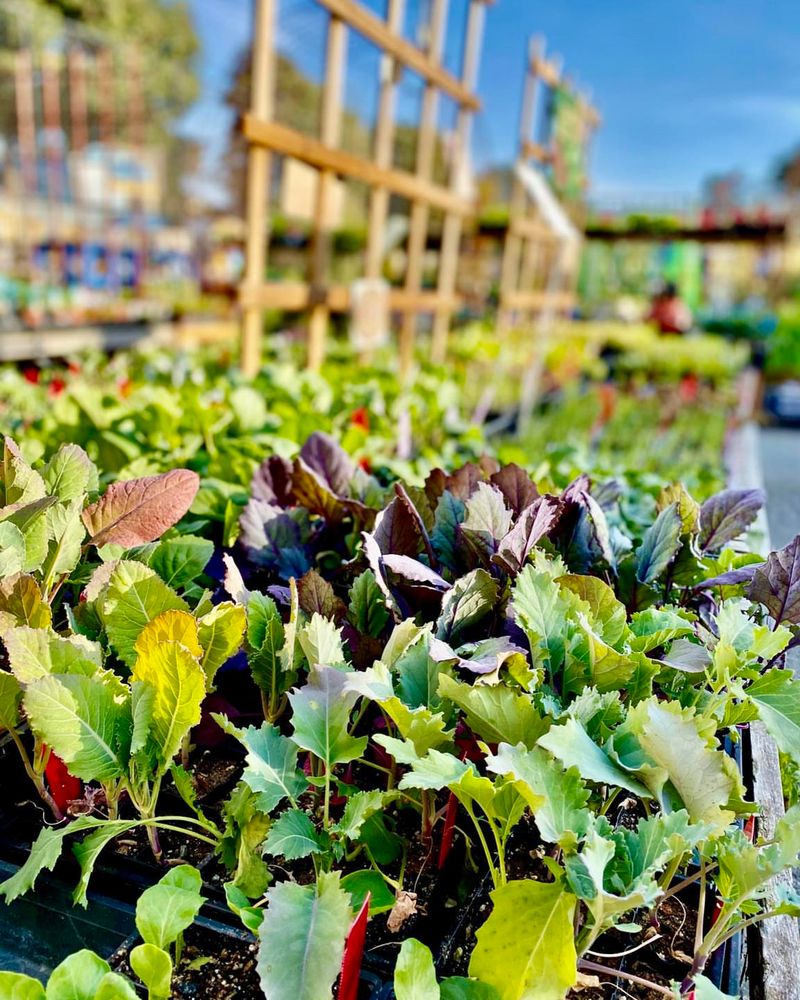
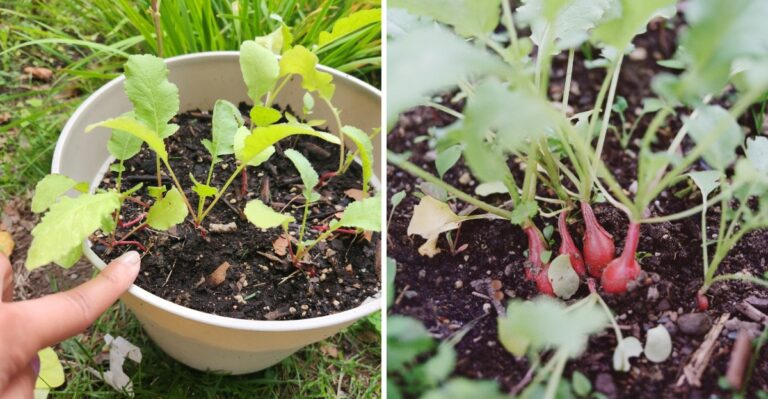
Right behind the leafy greens comes a group of underground champions. Carrots, radishes, and beets can go into North Carolina soil very shortly after cool-season greens are planted, because they share the same tolerance for chilly temperatures and light frost.
Radishes are especially speedy, maturing in as little as three to four weeks from seed.
Carrots prefer loose, well-drained soil that lets their roots grow straight and deep without obstruction. If your NC garden soil is heavy clay, mixing in compost before planting makes a noticeable difference in how well carrots develop.
Beets are a little more forgiving and can handle a wider range of soil types, making them great for newer gardeners.
Planting root crops in early spring means you can often get two rounds of harvest before the heat of summer shuts them down. In the Coastal Plain, seeding can begin in late February, while Piedmont gardeners typically aim for mid-March.
Your North Carolina Garden Changes Every Week. Your Plan Should Too.
Gardening in North Carolina changes quickly throughout the season. Every Friday you’ll receive a simple weekly plan showing exactly what to plant, prune, fertilize, harvest, and protect so you never miss the right timing.
Mountain gardeners usually wait until the first or second week of April before the soil is ready.
One fun trick is to plant radishes alongside slower-growing carrots as row markers. The radishes sprout fast and show you exactly where the carrot rows are while the slower seeds catch up.
North Carolina gardeners who use this method often say it saves them from accidentally weeding out their own carrot seedlings.
3. Onions And Garlic Are Planted Early
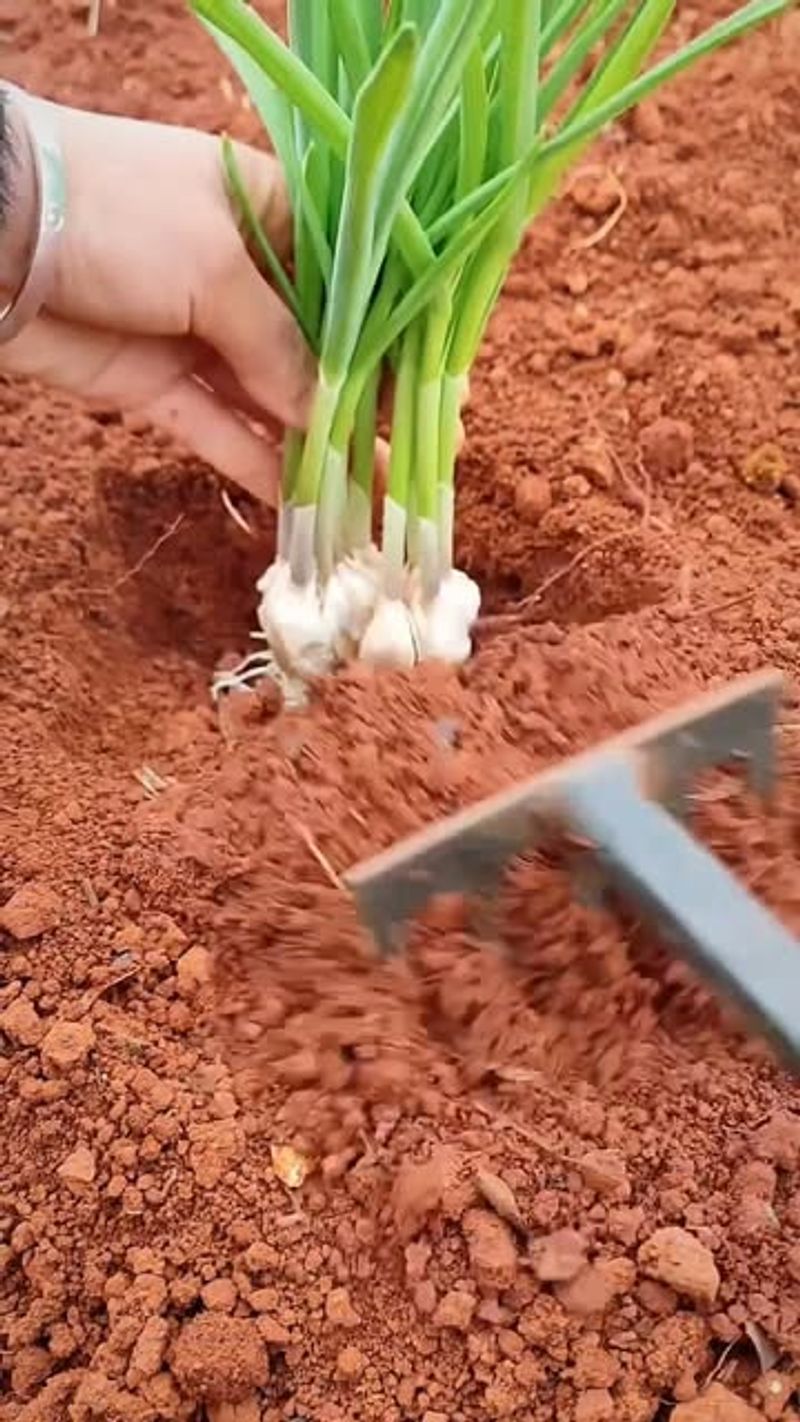
Onions and garlic are some of the most rewarding crops you can grow in North Carolina, partly because they go in so early and mostly take care of themselves.
Onion sets and garlic cloves need a long, cool growing period to develop properly, which is exactly why they are planted before most other vegetables even get started.
Southern NC gardeners in the Coastal Plain can plant onion sets as early as the first week of March.
In the Piedmont and Mountain regions, mid-March to early April is the recommended window for getting onions and garlic into the ground. Planting too late means the bulbs will not have enough time to size up before the summer heat signals them to stop growing.
NC State Extension recommends choosing short-day onion varieties for the southern part of the state and intermediate-day varieties for the Piedmont.
Garlic is planted as individual cloves, pointed side up, about two inches deep and six inches apart. It is surprisingly low-maintenance once established and rarely has pest problems, making it a favorite among home gardeners across the state.
The reward is a plump, flavorful bulb ready to harvest by late June or early July in most NC regions.
Both crops benefit from well-prepared soil with good drainage. Adding a balanced fertilizer or compost before planting gives them the nutrients they need right from the start. Early planting truly sets these crops up for their best possible season.
4. Early-Starting Herbs Go Next
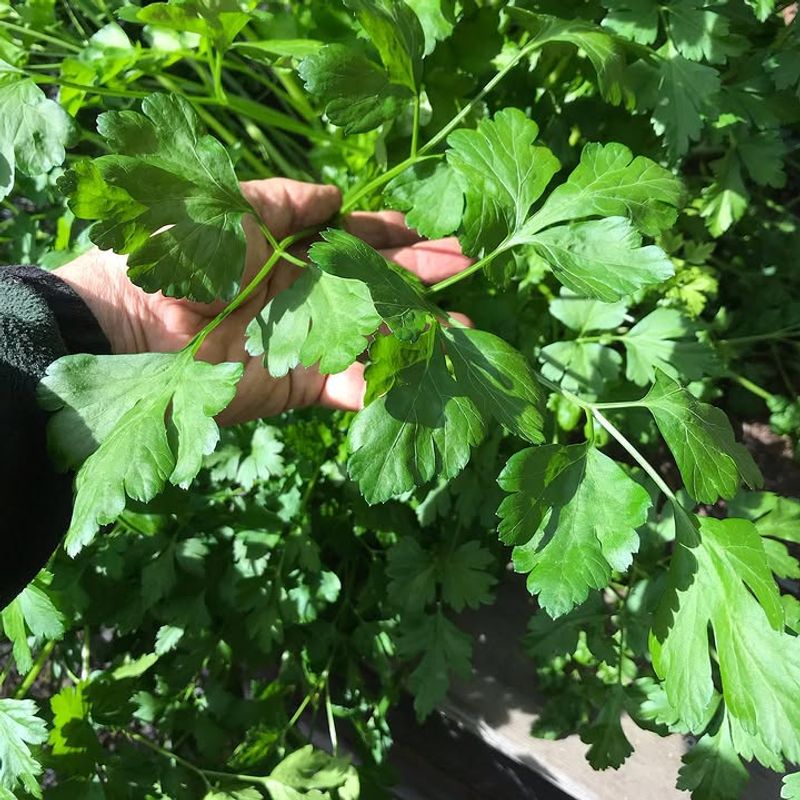
Hardy herbs do not get nearly enough credit for how early they can go into a North Carolina garden.
Parsley, cilantro, and chives are tough enough to handle cool soil and light frost, which means they can be seeded or transplanted outdoors just as the ground becomes workable in spring.
For the Coastal Plain, that window often opens in late February or very early March.
Cilantro is a particularly smart early-season choice because it actually prefers cool weather.
Once summer heat kicks in across North Carolina, cilantro bolts quickly and turns bitter, so getting it established early gives you the longest and most flavorful harvest window possible.
Chives are even more forgiving, often surviving mild NC winters and coming back strong year after year.
Parsley takes longer to germinate than most herbs, sometimes up to three weeks, so planting it early gives it plenty of time to establish before the rest of the garden gets busy.
Soaking parsley seeds in warm water overnight before sowing can speed up germination noticeably.
Many NC gardeners start parsley indoors four to six weeks before the last frost date and then transplant seedlings outside.
Growing herbs near the kitchen door or in containers on a porch makes them easy to grab while cooking. Early-planted herbs also tend to be bushier and more productive than those rushed into warm soil later in the season.
Starting them on time is one of the simplest wins in any North Carolina garden.
5. Transplants Of Brassicas Come After
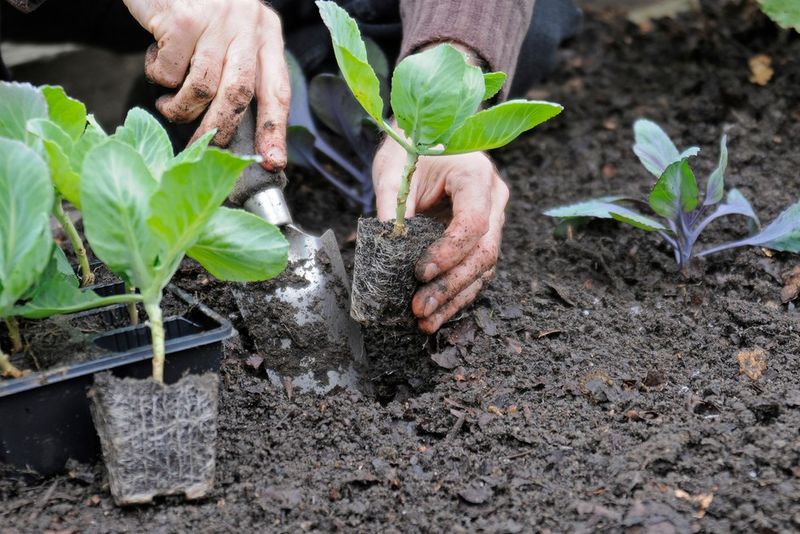
Brassicas are the heavy hitters of the cool-season garden, and getting their timing right in North Carolina takes just a little planning.
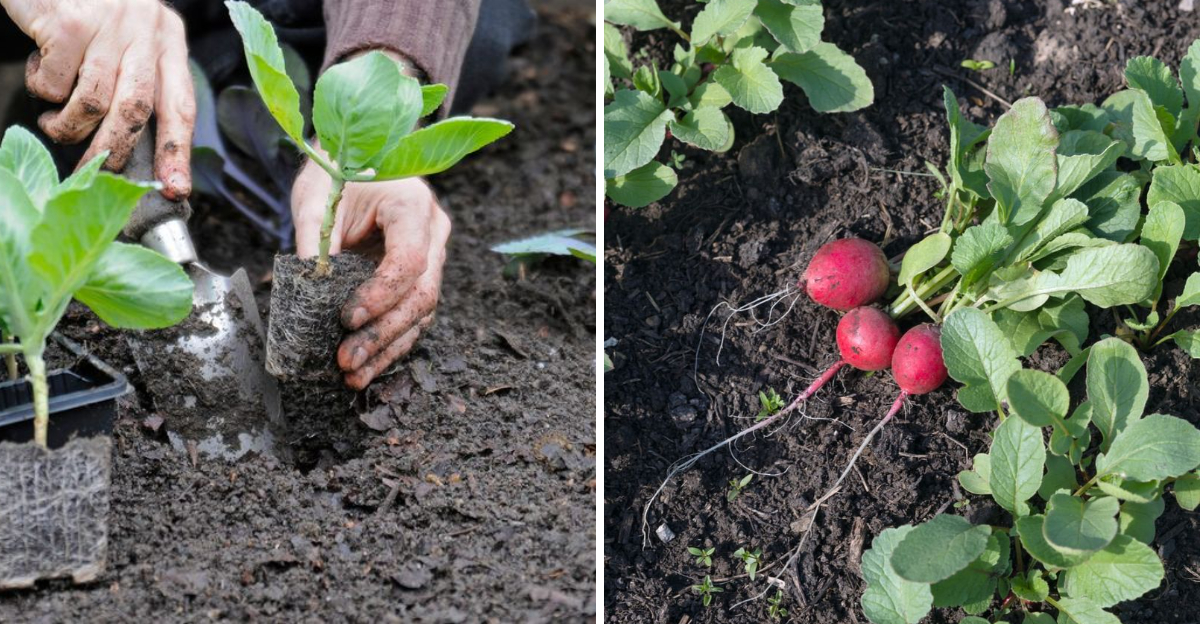
Broccoli, cabbage, and cauliflower seedlings started indoors four to six weeks before transplanting are ready to go outside in March in the Coastal Plain.
Piedmont and Mountain gardeners typically wait until early to mid-April before moving transplants outdoors.
Starting these crops indoors gives them a major head start over direct-seeded plants. By the time you set them in the ground, they already have a strong root system and several true leaves, which helps them establish quickly even in cool soil.
NC State Extension recommends hardening off transplants over seven to ten days before moving them into the garden permanently.
Hardening off means gradually exposing seedlings to outdoor conditions, starting with just an hour or two outside each day and slowly increasing the time. Skipping this step can shock the plants and set them back significantly.
A cold frame or row cover can also protect young brassica transplants from late-season frost events that sometimes surprise North Carolina gardeners in April.
Spacing matters a lot with brassicas. Broccoli and cauliflower need about eighteen inches between plants, while cabbage varieties can range from twelve to twenty-four inches depending on the size of the head you want.
Giving them room to breathe reduces disease pressure and improves air circulation throughout the patch. Brassicas planted at the right time in NC almost always reward the effort generously.
6. Warm-Season Vegetables Are Planted Last
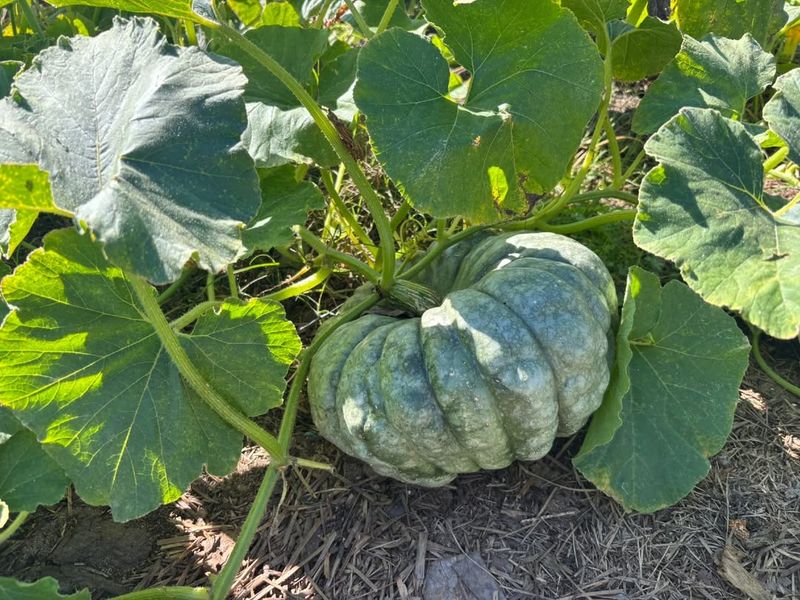
Tomatoes, peppers, cucumbers, and squash are the stars of the summer garden, but they are also the last major group to go into North Carolina soil each spring.
These warm-season crops are highly sensitive to frost and will not thrive until both air and soil temperatures are consistently warm.
In the Coastal Plain, transplanting can begin as early as late March to mid-April.
Piedmont gardeners generally wait until mid-April to be safe, while Mountain NC gardeners often hold off until early May before setting out warm-season transplants. The average last frost date is the key number to keep in mind for your specific county.
NC State Cooperative Extension publishes frost date charts by region that make planning straightforward and reliable.
Tomatoes are the most popular warm-season crop in North Carolina by a wide margin. Choosing disease-resistant varieties suited to the state’s humid summers makes a big difference in how well plants perform.
Varieties like Celebrity, Mountain Fresh, and Better Boy are longtime favorites among NC home gardeners for good reason.
Cucumbers and squash grow fast once the weather warms up, often producing fruit within fifty to sixty days of transplanting. Direct seeding cucumbers and squash after the last frost date works well in North Carolina because these crops establish quickly from seed in warm soil.
Giving them a trellis or plenty of horizontal space helps keep the garden organized and productive through the long NC summer.
7. Perennials And Flower Bulbs Are Planted Early
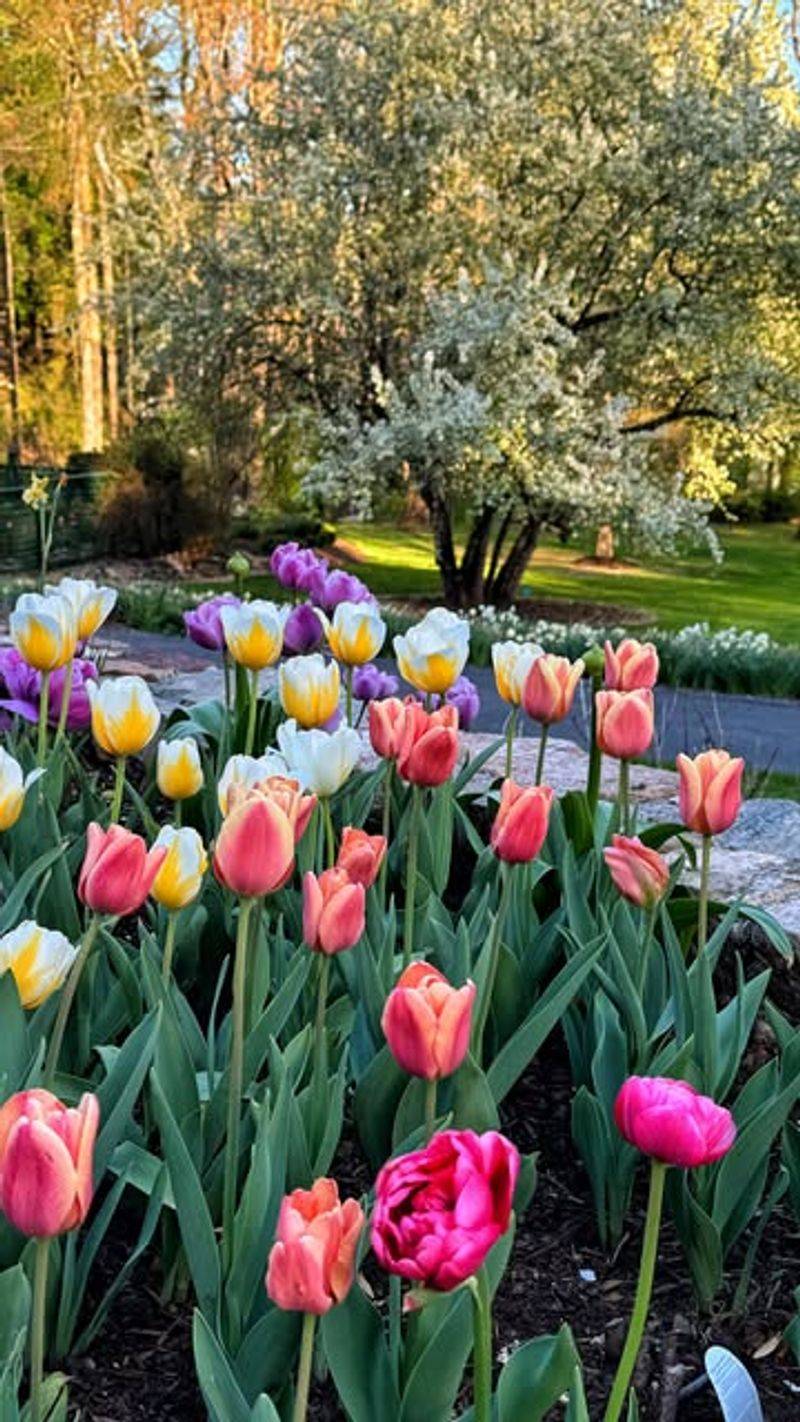
Spring-blooming flowers deserve just as much early attention as vegetables, and North Carolina gardeners who plant perennials and bulbs early are rewarded with stunning color while the rest of the garden is still waking up.
Hardy perennials like coneflowers and daylilies can be planted in early spring as soon as the ground is workable, giving their roots time to settle into cool soil before warmer weather arrives.
Spring bulbs like daffodils are actually planted in the fall for spring blooms, but any bulbs that were not planted in autumn can still go in during late winter in the warmer parts of North Carolina.
The Coastal Plain and southern Piedmont offer a longer window for this kind of catch-up planting.
Daffodils are especially well-suited to NC because deer tend to leave them alone, making them a reliable and low-maintenance choice.
Coneflowers, also known as echinacea, are native to the southeastern United States and absolutely thrive in North Carolina’s climate. They attract pollinators, tolerate drought once established, and come back stronger every year.
Planting them in early spring gives their root systems a full season to develop before winter.
Daylilies are another outstanding early-season perennial for NC gardens. They spread gradually each year, filling in bare spots with very little effort from the gardener.
Dividing and replanting established clumps in early spring is one of the most cost-effective ways to expand a flower garden across the entire property.
8. Soil Preparation Should Happen Before Planting Anything
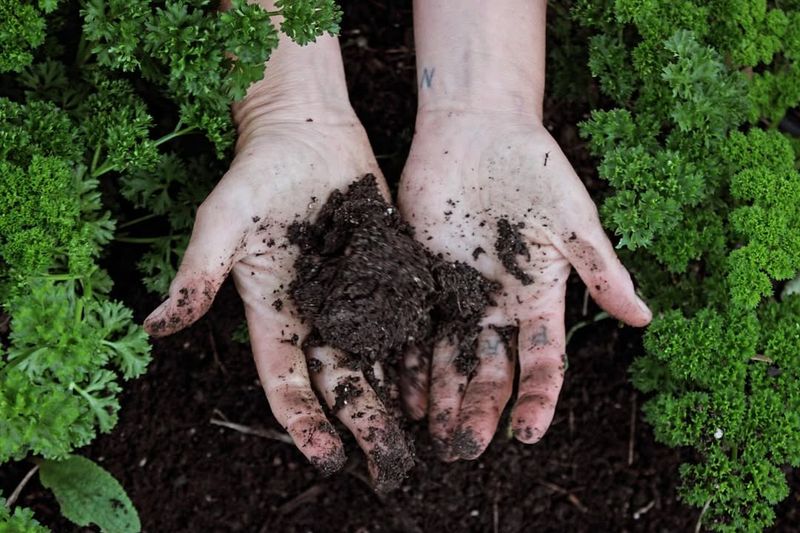
Before a single seed goes into the ground in North Carolina, the soil needs to be ready to support it. Healthy, well-prepared soil is the foundation of every successful garden, and skipping this step is one of the most common mistakes new gardeners make.
Adding compost or a balanced fertilizer before planting early crops ensures that nutrients are available the moment roots start reaching out.
Getting a soil test done through NC State Extension is one of the smartest investments a North Carolina gardener can make. The test costs just a few dollars and tells you exactly what your soil needs in terms of pH adjustment and nutrient balance.
Many NC soils are naturally acidic, and adding lime based on soil test results can dramatically improve plant performance across the entire garden.
Working compost into the top six to eight inches of soil improves drainage in clay-heavy Piedmont soils and helps sandy Coastal Plain soils hold moisture longer.
Both of these improvements matter enormously for spring crops that need consistent moisture during establishment.
A layer of mulch added after planting helps lock in that moisture and keeps soil temperatures more stable.
Raised beds are an increasingly popular option in North Carolina because they allow gardeners to fill them with ideal soil from the start.
Mixing topsoil, compost, and a little perlite creates a light, nutrient-rich growing medium that early spring crops absolutely love. Preparing beds in late winter means you are ready to plant the moment conditions allow.
9. Succession Planting Extends the Season
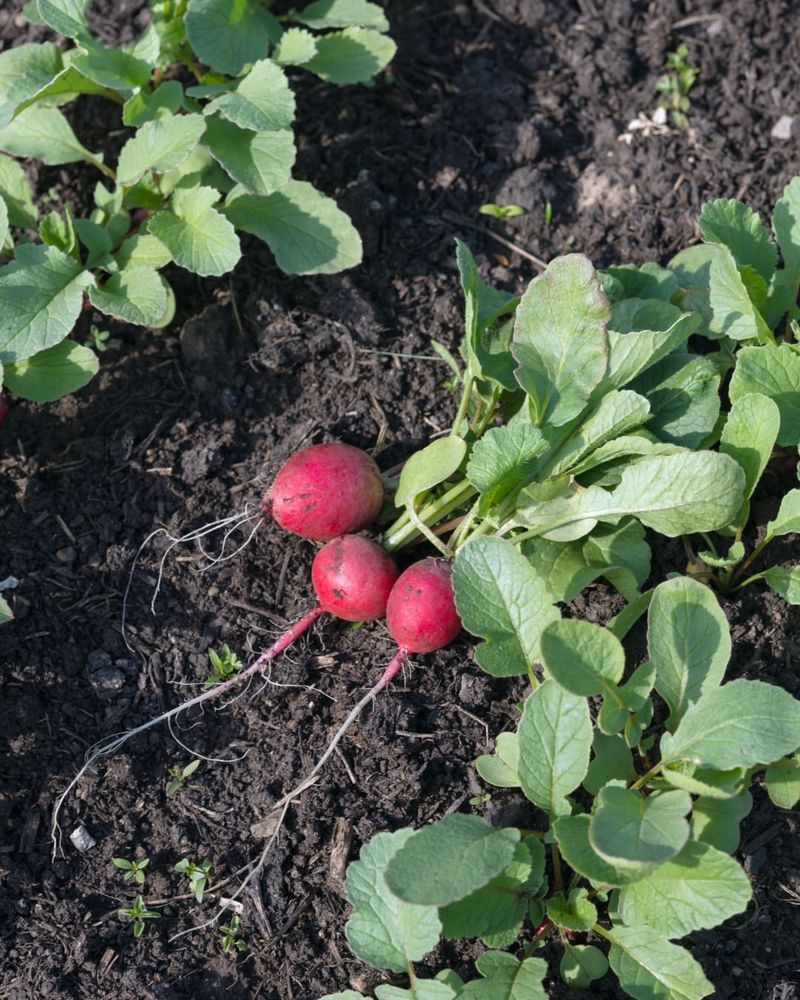
One of the smartest strategies any North Carolina gardener can use is succession planting, and it works beautifully for cool-season crops like radishes, lettuce, and spinach.
Instead of sowing everything at once and ending up with a massive harvest all at the same time, you plant small amounts every two to three weeks.
The result is a steady, manageable supply of fresh produce throughout the entire spring season.
Radishes are the easiest crop to succession plant because they mature so quickly. Sowing a short row every two weeks from late February through April in the Coastal Plain, or March through May in the Piedmont, keeps them coming in at a comfortable pace.
Lettuce and spinach work the same way, giving you continuous salad greens without the waste of having more than you can eat at once.
This technique is especially valuable in North Carolina because the cool-season window can close quickly once summer heat arrives.
By staggering your plantings, you maximize every week of that window rather than relying on a single sowing that might get caught by an early heat wave.
Planning two to four succession rounds per crop is a realistic and rewarding goal for most NC gardeners.
Keeping a simple planting journal helps track what was planted when, making it easier to time future successions accurately. Writing down the date, variety, and location of each planting takes just a minute but pays off with better planning every season.
North Carolina gardeners who adopt succession planting almost always say they will never go back to planting everything at once.