The 8 Plants Voles Destroy First In North Carolina Yards And How To Protect Them
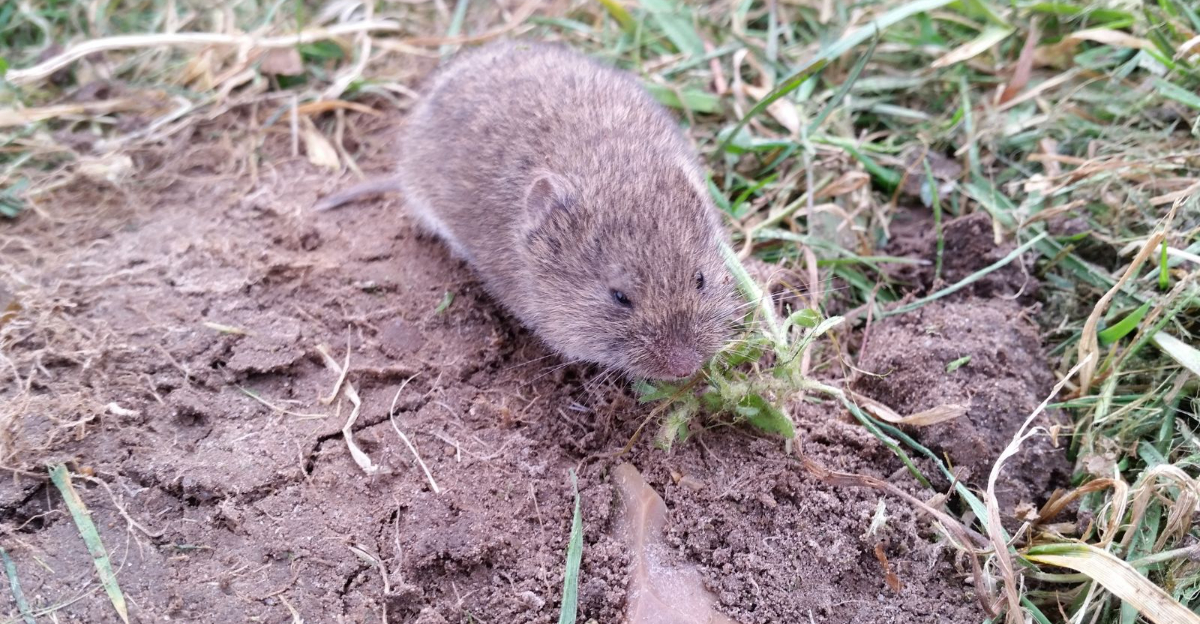
Voles are one of those garden problems that goes undetected until the damage is already done.
Unlike moles, which leave visible surface tunnels, voles work through shallow underground runways and surface paths that often go unnoticed until a plant that looked perfectly healthy suddenly wilts, topples, or disappears entirely.
North Carolina yards see consistent vole activity across much of the state, and certain plants draw them in more reliably than others.
Knowing which plants are highest on their target list is genuinely useful information, because it changes where you focus your protection efforts before the chewing starts rather than after.
Some of the most commonly damaged plants in North Carolina gardens are ones that homeowners spend serious time and money establishing, which makes the loss sting considerably more than it would with easier to replace annuals.
These plants are the ones voles go after first, and there are practical ways to protect each of them that do not require trapping the entire yard or giving up on growing what you actually want.
1. Hostas (Hosta spp.)
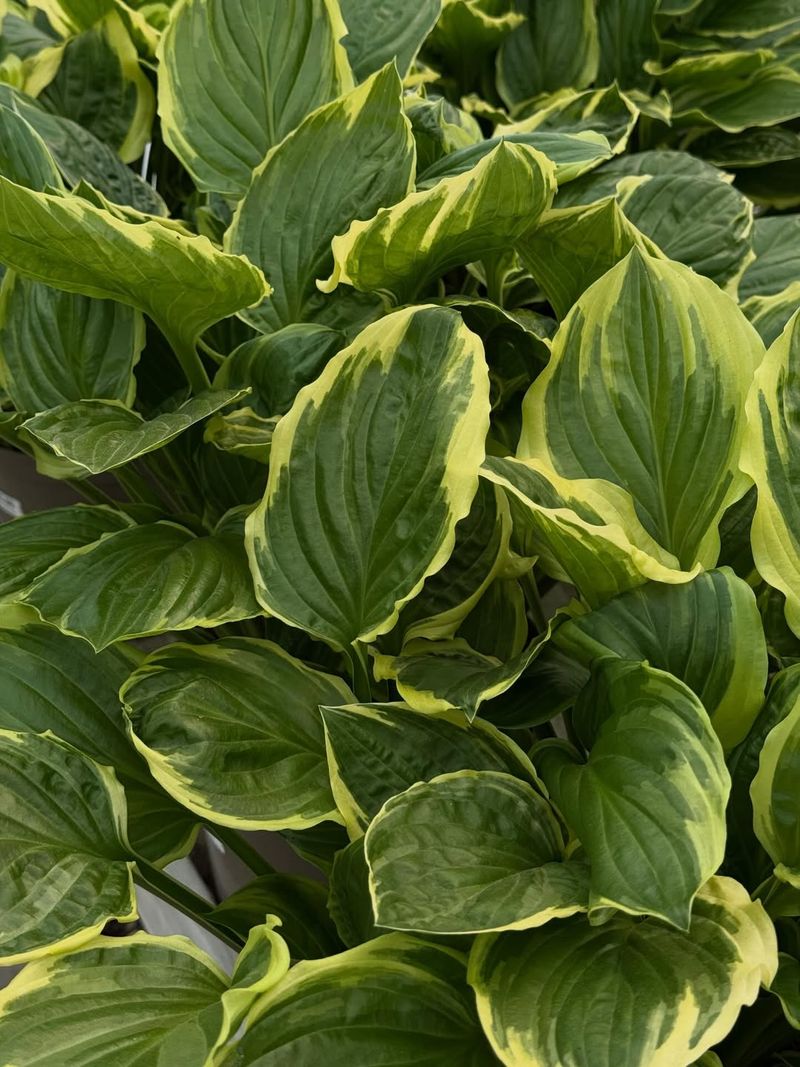
Few plants are as beloved in North Carolina shade gardens as hostas, and unfortunately, voles know it too.
These leafy perennials grow in dense clumps with thick, fleshy crowns that sit right at soil level, making them incredibly easy targets for hungry voles tunneling through your mulched beds.
Once voles chew through the crown, the entire plant can collapse almost overnight.
Voles love mulch because it gives them warm, hidden runways to travel without being seen. Thick mulch layers around hostas create the perfect cover for repeated feeding throughout the season.
Many North Carolina gardeners are surprised to find their hostas have been hollowed out from below without any visible surface clues.
The best way to protect hostas is to pull mulch back several inches from the crown so voles lose their cover. You can also place hardware cloth cages around individual plants, especially prized varieties.
Keeping the surrounding ground clear of thick vegetation removes the sheltered pathways voles depend on. Inspect your beds regularly in early spring and fall, since those are peak feeding times in North Carolina.
Staying ahead of the problem is far easier than trying to recover a plant that has already been severely damaged by vole activity beneath the soil.
2. Tulips (Tulipa Hybrids)

Planting tulips in North Carolina feels like burying little promises in the ground, but voles have a habit of stealing those promises before spring even arrives.
Tulip bulbs are one of the most attractive food sources for voles because they are rich, starchy, and easy to locate by scent.
Many gardeners plant a full bed of tulips in fall only to find empty holes come spring, with not a single bloom to show for it.
Voles do not need to surface to reach your bulbs. They tunnel horizontally through loose garden soil and follow scent trails straight to the bulb layer.
North Carolina winters are mild enough that voles stay active all season long, meaning your bulbs are at risk from the moment you plant them until the ground warms in late winter.
Your North Carolina Garden Changes Every Week. Your Plan Should Too.
Gardening in North Carolina changes quickly throughout the season. Every Friday you’ll receive a simple weekly plan showing exactly what to plant, prune, fertilize, harvest, and protect so you never miss the right timing.
Protecting tulip bulbs starts at planting time. Place bulbs inside small wire mesh cages made from half-inch hardware cloth before burying them.
Another effective method is lining the planting hole with gravel, which makes tunneling much harder for voles. You can also plant bulbs in containers above ground to eliminate underground access entirely.
Some North Carolina gardeners mix daffodil bulbs among their tulips since voles typically avoid daffodils, creating a natural buffer that helps protect nearby tulip bulbs without extra effort or expense.
3. Daylilies (Hemerocallis Spp.)
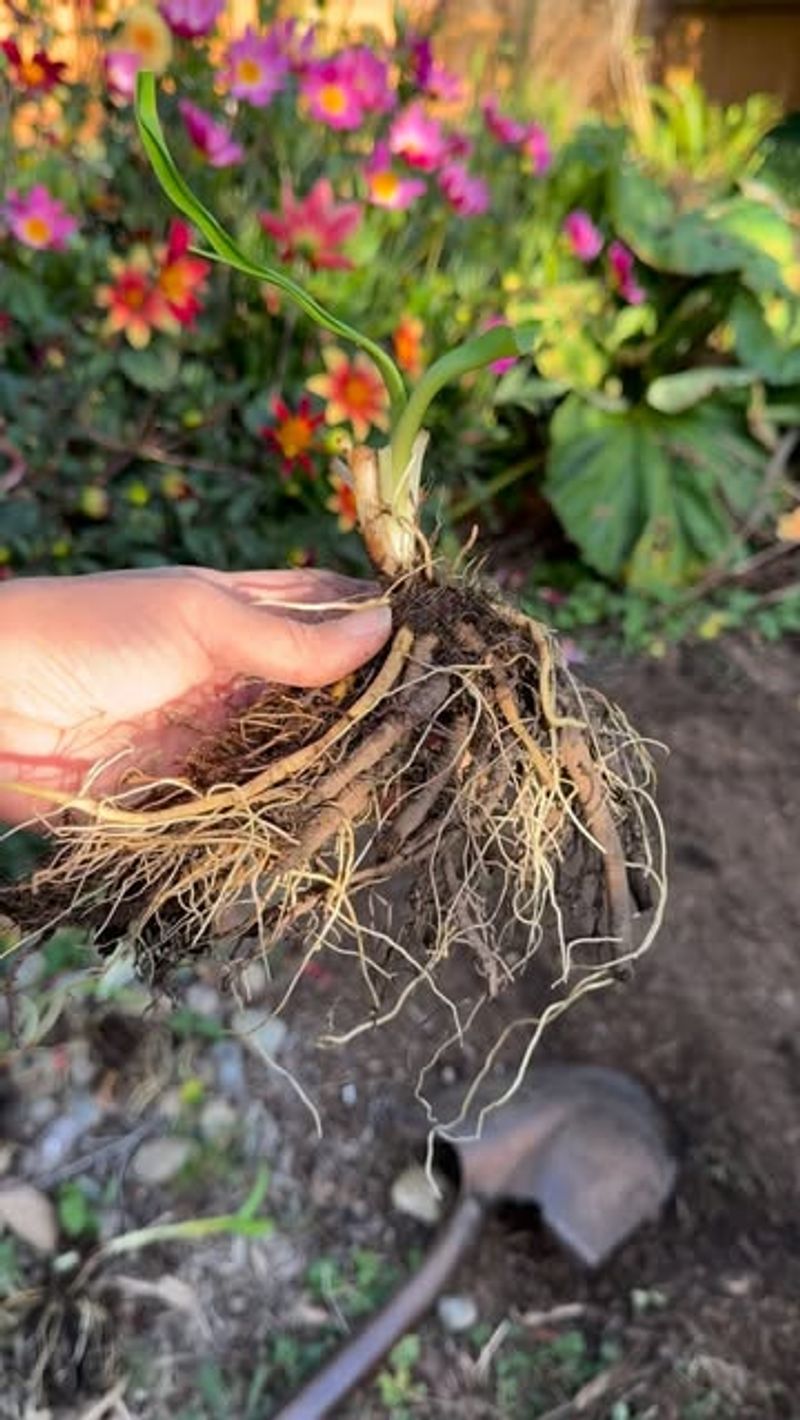
Daylilies are one of the toughest, most adaptable flowers in any North Carolina yard, but their fleshy, tuberous roots make them a prime snack for voles working underground.
A healthy clump can look perfectly fine one week and then suddenly flop over the next, with no obvious reason visible from above.
When that happens, voles have almost certainly been chewing through the root system below the surface.
What makes daylilies especially vulnerable is how they spread into large, dense clumps over time. Those clumps create a wide underground feeding zone, and voles can work through the edges without disturbing the center of the plant right away.
By the time you notice something is wrong, the damage may already be widespread across the root system.
Keeping your daylily beds clean and free of deep mulch is one of the simplest protective steps you can take. Voles thrive in covered environments, so removing their hiding spots reduces the risk considerably.
Dividing clumps every few years also gives you a chance to inspect the roots and spot any vole tunneling nearby. If a clump collapses unexpectedly in your North Carolina garden, dig it up and check for tunnels before replanting.
Adding a layer of coarse gravel beneath replanted divisions can also slow voles down and discourage them from returning to the same spot repeatedly.
4. Sweet Potatoes (Ipomoea Batatas)
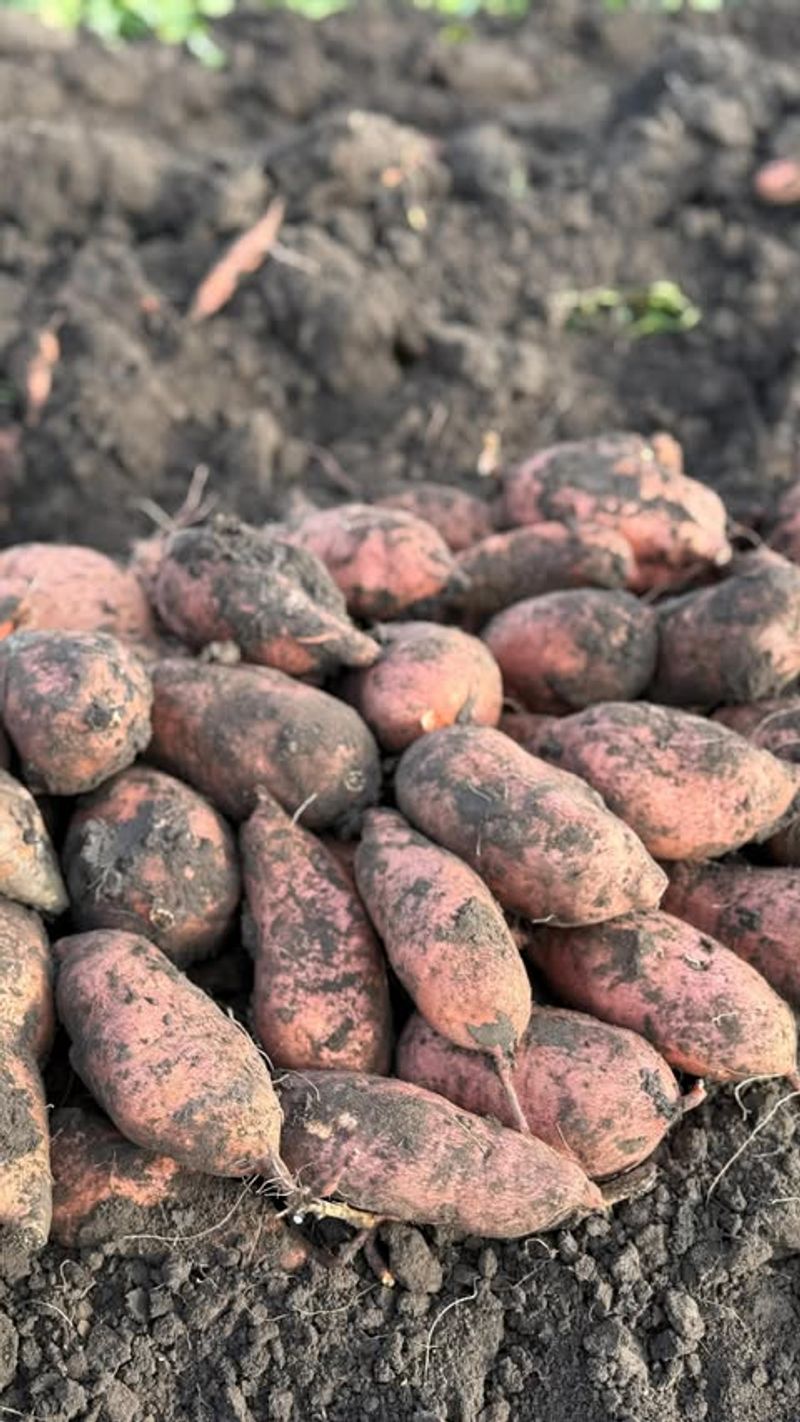
Sweet potatoes are a staple crop in North Carolina, and they grow beautifully in the state’s warm, sandy soils. However, those same conditions that make sweet potatoes thrive also make them incredibly attractive to voles.
The large, swelling roots develop underground for months, and voles can feed on them steadily without leaving much evidence at the surface until you go to harvest.
The damage voles cause to sweet potato crops often looks like hollowed-out sections or irregular chewing marks across the surface of the root. A single vole family can ruin a significant portion of a small garden bed in just a few weeks.
Because sweet potato vines spread widely and create dense ground cover, voles can move beneath the canopy without being exposed to predators.
Keeping the grass and weeds trimmed short around your sweet potato bed removes the protected runways voles use to travel. Harvesting as soon as the roots reach full size also limits the window of opportunity for feeding.
For smaller garden beds in North Carolina, installing a hardware cloth barrier along the bottom of the bed before planting is one of the most reliable long-term solutions available.
Combining that physical barrier with regular perimeter maintenance gives your sweet potato crop a much stronger chance of making it through the growing season without significant vole interference.
5. Beets (Beta Vulgaris)
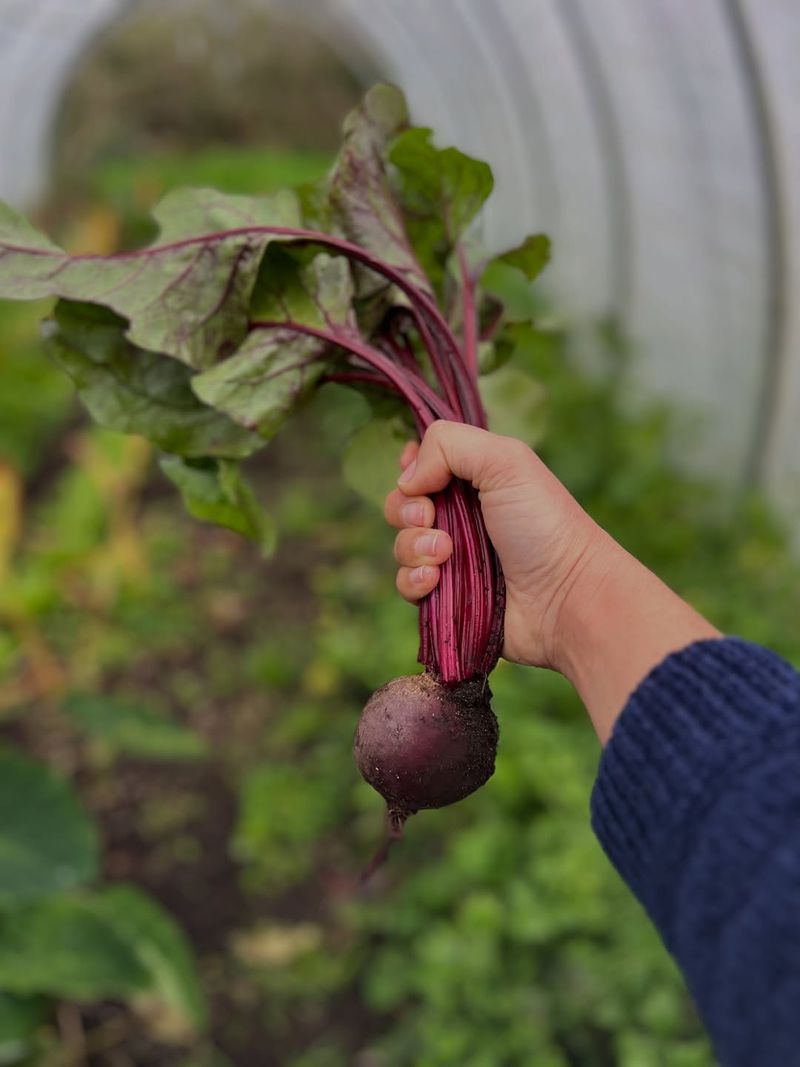
Beets are a cool-season favorite for North Carolina gardeners, and their sweet, earthy roots develop quickly in fall and spring.
That fast development is great for harvest timing, but it also means voles can find and feed on beets during the exact windows when North Carolina gardens are most active with vole movement.
Below-ground feeding can hollow out a beet root completely while the leafy tops still look perfectly healthy above the soil.
Voles tend to follow existing tunnels and pathways, and beet rows planted in loose, well-amended soil are easy for them to navigate. A single tunnel running through a beet bed can result in damaged roots all along the row.
Because the injury happens underground, most gardeners do not discover the problem until they start pulling beets at harvest time.
Raised beds with hardware cloth bottoms are the single most effective protection method for beets in high-pressure vole areas across North Carolina. The physical barrier prevents underground entry entirely, giving your crop a clean growing environment.
Keeping the surrounding area mowed short and removing any thick plant debris around the bed also reduces vole activity nearby.
Planting beets in shorter rows and staggering harvest timing can help too, since pulling mature roots promptly reduces the amount of time voles have to locate and feed on them throughout the growing season.
6. Carrots (Daucus Carota Subsp. Sativus)
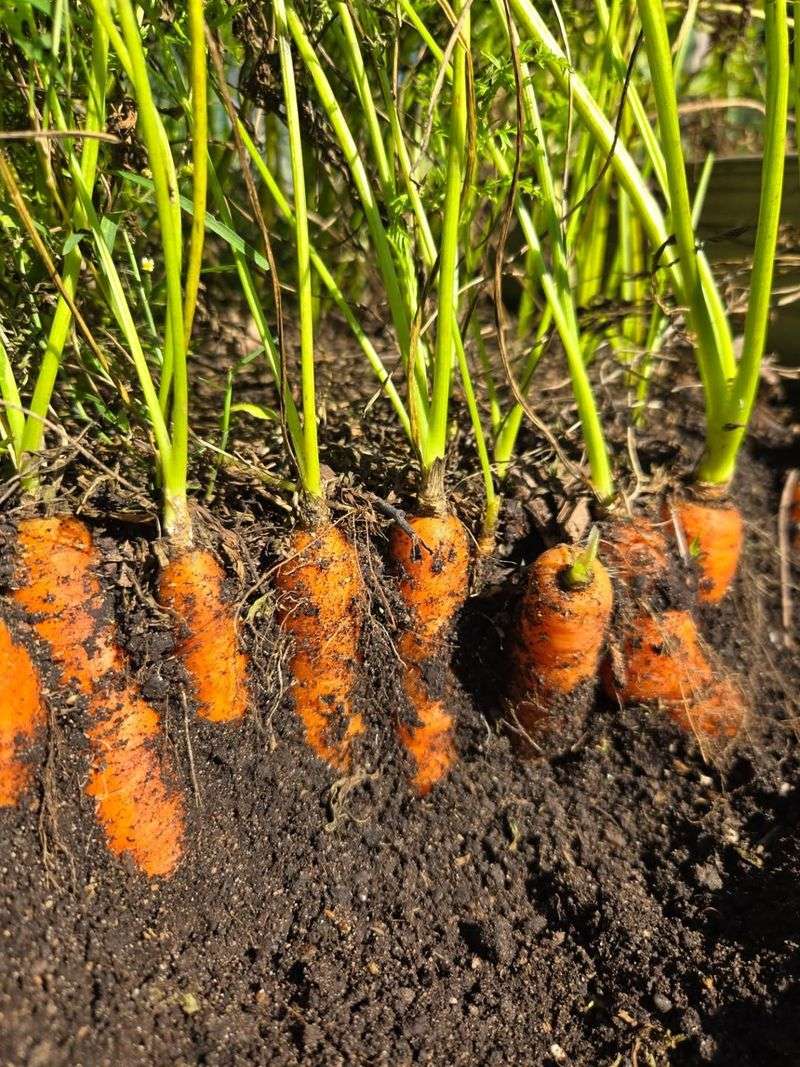
Carrots might be one of the most satisfying vegetables to grow, but pulling one up to find it chewed and hollowed is genuinely discouraging.
Voles target carrots because the edible root develops right in the upper soil layer, placing it directly in the zone where voles tunnel and feed most actively.
In North Carolina, where gardens often run from early spring through late fall, the risk window for vole feeding on carrots is surprisingly long.
What makes carrots especially vulnerable compared to other root vegetables is their narrow shape and vertical growth pattern. Voles can chew through a carrot root quickly and move on to the next one without surfacing.
Because carrot tops stay green and upright even after the root is damaged, gardeners often have no idea there is a problem until they try to harvest.
Growing carrots in raised beds is one of the best protective strategies available for North Carolina gardeners dealing with vole pressure. Lining the bed bottom with hardware cloth blocks underground access completely.
Keeping the grass and weeds cut short around the garden perimeter removes the travel corridors voles rely on to reach your beds safely.
Removing thick plant debris at the end of each season also eliminates winter nesting spots that encourage voles to establish themselves close to your carrot garden and return the following growing season.
7. Young Fruit Trees (Malus Domestica, Prunus Spp.)
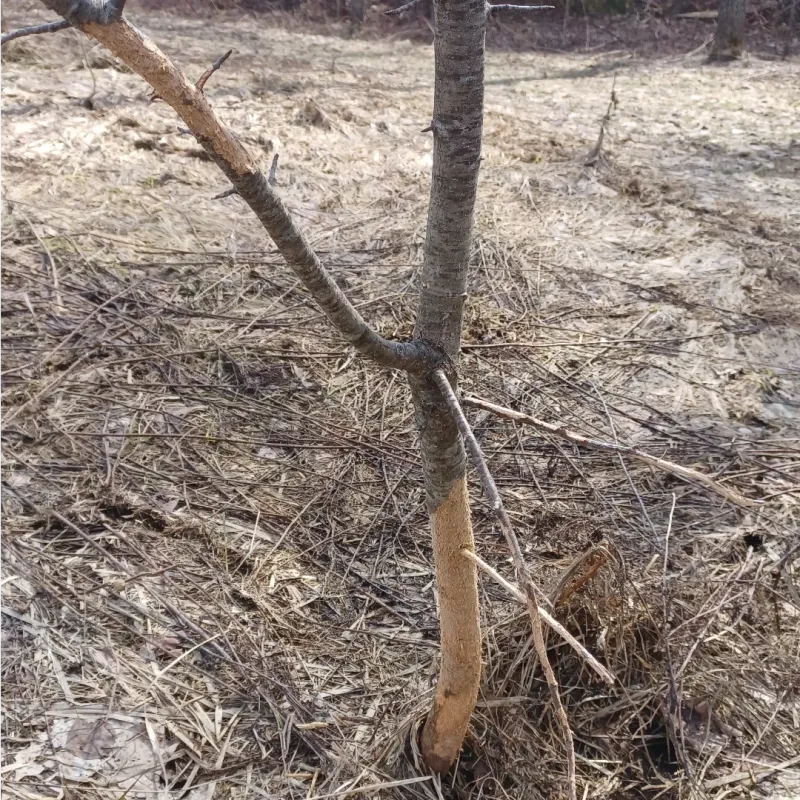
Young fruit trees represent years of patient investment, and voles can seriously set back that progress in a single season.
In North Carolina orchards and backyard gardens, apple, peach, plum, and cherry trees are all at risk, particularly during fall and winter when voles shift their feeding focus toward bark and woody tissue near the soil line.
Bark damage at the base of a young tree disrupts the flow of water and nutrients, weakening the tree significantly over time.
Voles tend to work under the cover of mulch rings around tree bases, which is exactly where many gardeners place thick mulch to help trees stay moist and weed-free. That well-intentioned mulch becomes a hidden feeding zone.
The damage often goes unnoticed until spring, when the tree fails to leaf out normally or shows signs of stress despite good soil conditions and adequate water.
Keeping mulch pulled back at least four to six inches from the trunk eliminates the covered workspace voles depend on. Installing hardware cloth trunk guards is one of the most reliable protections available for young trees across North Carolina.
The guard should be buried a few inches into the soil to block underground access and extend high enough to cover the vulnerable bark zone.
Inspect guards regularly and replace them as trees grow to make sure the protection stays effective throughout the early years of tree establishment.
8. Blueberries (Vaccinium Spp.)
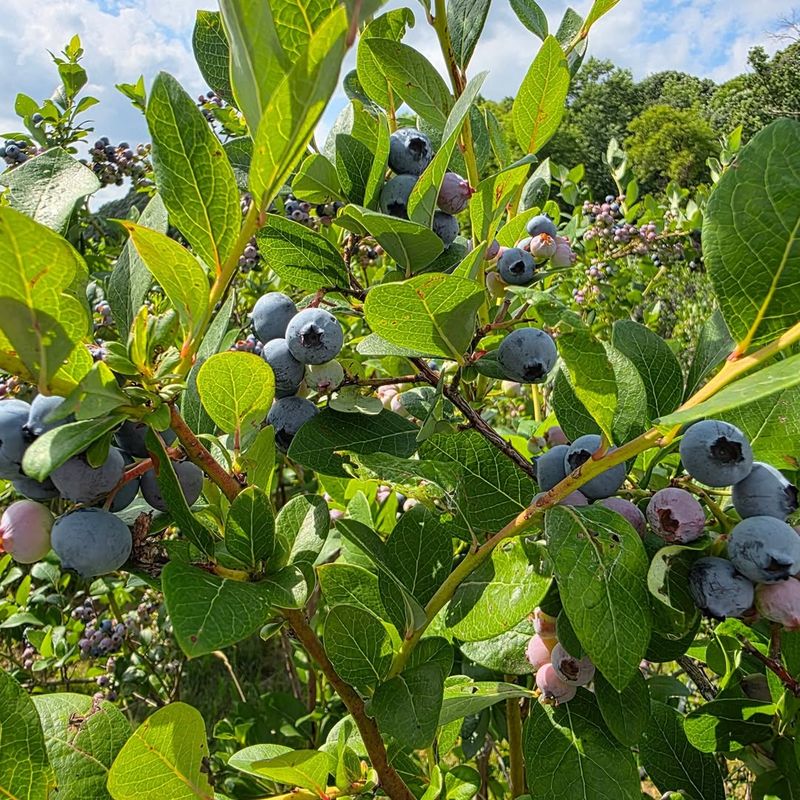
Blueberries are a wonderful long-term investment for North Carolina yards, producing fruit for decades when properly cared for. However, established blueberry shrubs growing in mulched beds are exactly the kind of environment voles love.
The combination of loose, organic soil, thick mulch, and dense root systems makes blueberry beds an attractive target for voles looking for both food and shelter throughout the year.
Voles feeding on blueberry roots do their damage slowly and steadily, making it easy to miss until the plant starts showing stress symptoms like wilting, poor fruit production, or unexpected yellowing of leaves.
Checking for fresh tunnels near the base of shrubs during your regular garden walkthroughs is one of the easiest early-warning habits you can build. Fresh soil disturbance near the crown is usually the first visible sign of vole activity below.
Using shallower mulch layers around blueberry shrubs reduces the covered environment voles prefer. Keeping the grass and low vegetation trimmed back from around the bed removes the connected travel routes voles use to approach your plants safely.
Some North Carolina gardeners have had great success placing coarse gravel around the base of each shrub, which disrupts tunneling and makes the area less comfortable for voles to work in.
Staying consistent with monitoring and habitat management throughout the season keeps blueberry roots far safer from ongoing vole feeding pressure.