10 Spring Herbs That Georgia Gardeners Can Grow Easily
There’s a special satisfaction in stepping outside and snipping fresh herbs for dinner, a tradition many of us grew up watching our parents or grandparents enjoy.
The scent of basil, mint, or thyme instantly brings back those familiar kitchen moments and makes spring feel alive.
Georgia gardens thrive with herbs that are easy to grow and forgiving enough for first-time gardeners or seasoned green thumbs alike.
Planting these herbs now means a steady supply for cooking, teas, or even small bouquets, all while giving your garden color and fragrance that draws the eye and nose alike.
The next steps highlight which herbs will flourish this spring, along with tips for care that fit naturally into your routine. You’ll be harvesting fragrant leaves before you know it and turning your backyard into a lively, flavorful garden corner.
1. Basil With Bold Fragrant Leaves That Elevate Dishes
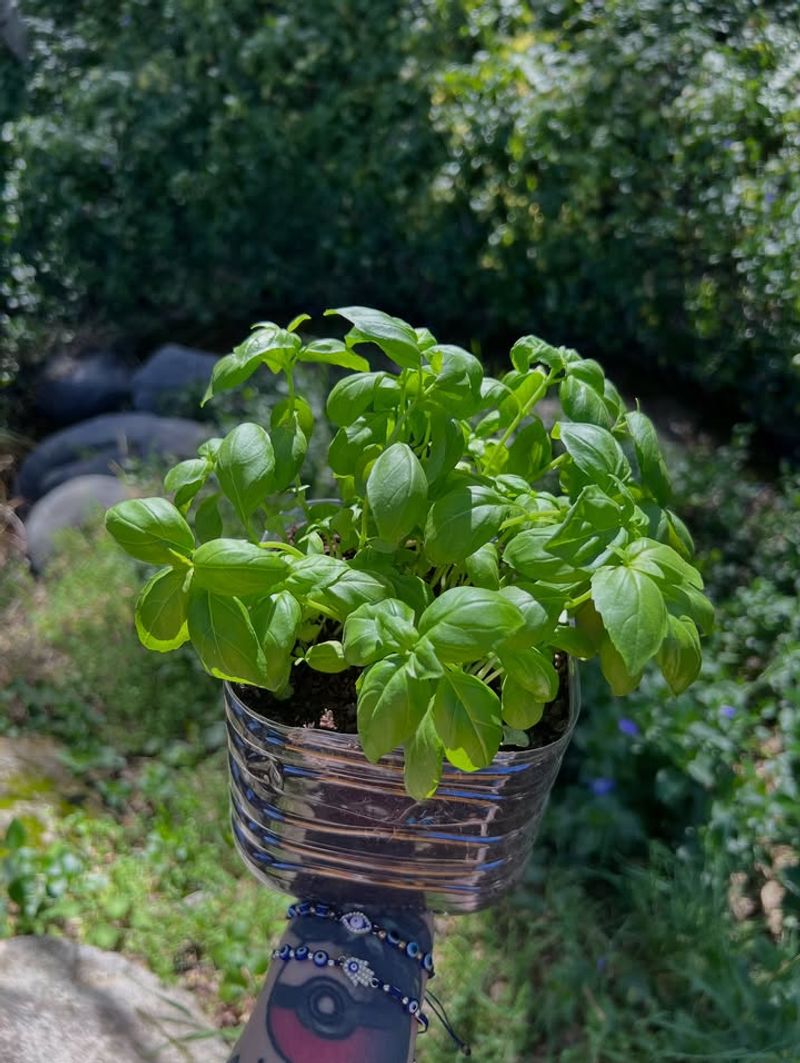
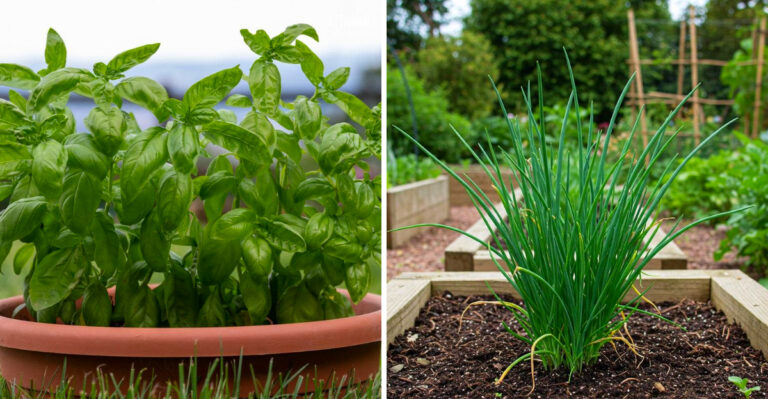
With a distinctive fragrance commonly noticed at Georgia farmers markets in the spring, basil is a popular herb to grow. This warm-season plant loves the heat, making it a natural fit for Georgia’s sunny spring days.
It grows best in full sun, meaning it needs at least six to eight hours of sunlight each day to really thrive.
Plant basil after the last frost, usually around mid-March to early April in most parts of Georgia. Choose a spot with well-drained soil, and mix in a little compost to give your plants a healthy start.
Space your plants about 12 inches apart so they have room to grow full and bushy.
Pinching flower buds can help maintain leaf production, and flowering may slightly change the taste of the leaves, so gardeners often remove buds to encourage leaf growth. Regular harvesting actually encourages the plant to grow more leaves, so the more you pick, the more you get.
Basil pairs beautifully with tomatoes, which also thrive in Georgia gardens. Use it fresh in pesto, pasta sauces, or even on homemade pizza.
Growing your own basil means you always have a handful of fresh leaves ready whenever you need them in the kitchen.
2. Mint That Spreads Quickly And Adds Fresh Flavor
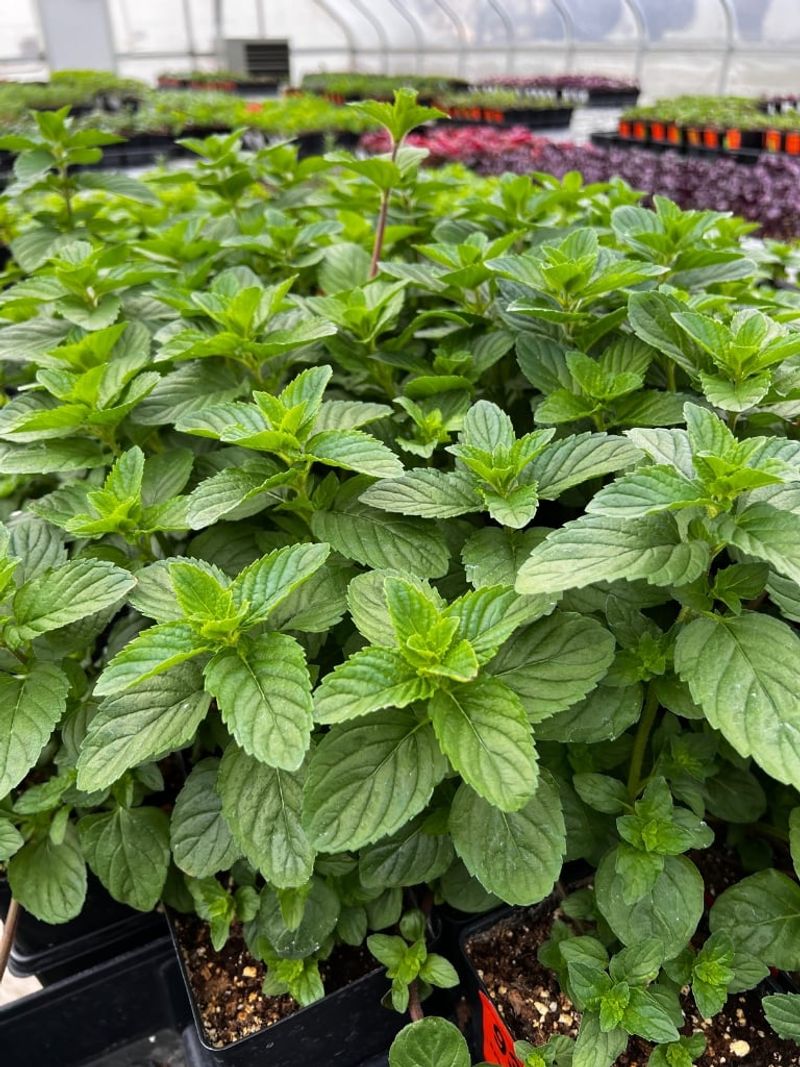
Mint grows vigorously in Georgia gardens and establishes quickly, which makes it accessible even for beginner gardeners. Known for its refreshing scent and cool flavor, mint is used in everything from sweet tea to desserts and savory sauces.
It thrives in partial shade to full sun, making it flexible enough for many different garden spots around your yard.
One thing to keep in mind about mint is that it spreads fast. If you plant it directly in the ground, it can take over nearby garden beds before you know it.
A smart solution is to grow mint in a container or a buried pot to keep its roots from spreading where you do not want them.
Georgia’s warming spring soil generally supports healthy mint growth, allowing roots to establish before the hotter months. Keep the soil consistently moist but not waterlogged, since mint prefers a bit more moisture than some other herbs.
Your Georgia Garden Changes Every Week. Your Plan Should Too.
Gardening in Georgia changes quickly throughout the season. Every Friday you’ll receive a simple weekly plan showing exactly what to plant, prune, fertilize, harvest, and protect so you never miss the right timing.
Harvest mint regularly by snipping stems just above a set of leaves to encourage thick, bushy growth. Fresh mint is wonderful in homemade lemonade, fruit salads, and even alongside grilled meats.
Growing it at home means you always have a fresh supply right outside your door throughout the Georgia growing season.
3. Oregano With Punchy Taste And Easygoing Growth
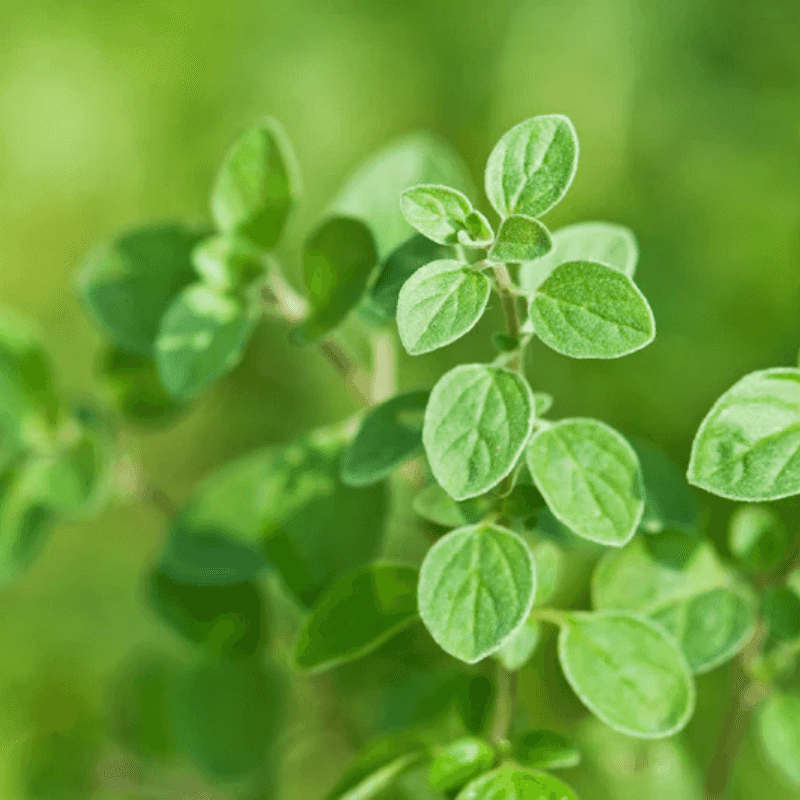
If you love making homemade pizza or pasta, oregano is the herb you absolutely need in your Georgia garden. Oregano is a perennial in Georgia, and with proper care, established plants can survive multiple growing seasons.
Once established, oregano is one of the most low-maintenance herbs you can grow, which makes it a favorite among busy Georgia gardeners.
Oregano thrives in full sun and well-drained soil. It actually prefers soil that is not too rich, so skip the heavy fertilizing and let the plant do its thing.
In fact, oregano grown in leaner soil tends to have a more concentrated, punchy flavor that makes it even better in the kitchen.
Georgia’s spring weather suits oregano well. Plant it in a raised bed or a spot where water drains easily, since oregano does not like sitting in wet soil.
Established oregano plants can tolerate dry periods reasonably well, reducing the need for frequent watering during Georgia summers.
Harvest oregano just before the plant blooms for the most intense flavor. Snip stems from the top and let the plant continue growing.
You can use fresh oregano in sauces, soups, marinades, and grilled vegetable dishes. Drying oregano is easy too, so you can store a supply for cooking long after the growing season winds down.
4. Sage With Soft Velvety Leaves And Culinary Charm
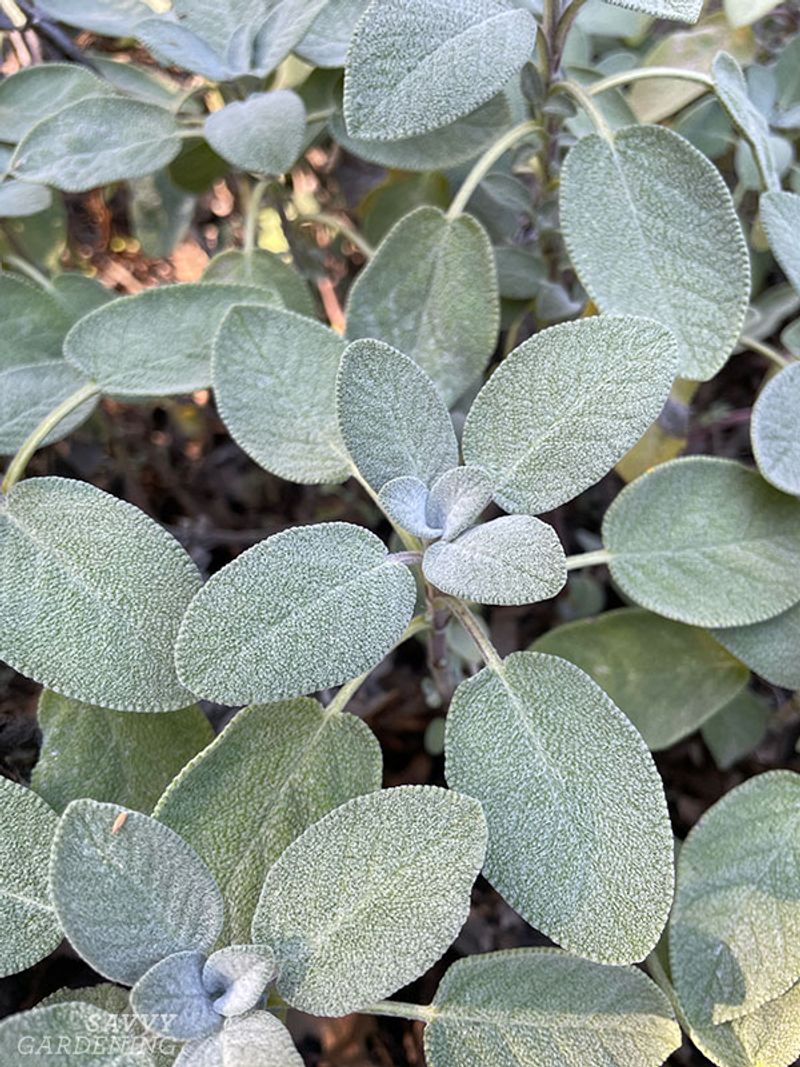
With a long history of culinary and traditional use, sage continues to be a popular herb in Georgia gardens today. Its soft, velvety leaves and earthy aroma bring something special to any herb garden.
This perennial can adapt to Georgia’s hot summers, especially after its first season of growth.
Plant sage in full sun and well-drained soil for the best results. Sandy or loamy soil works great, and raised garden beds are a smart choice if your yard tends to hold water.
Sage does not enjoy wet roots, so good drainage is really the key to keeping this plant happy and healthy through the Georgia spring and summer.
One of the cool things about sage is that it is also quite beautiful. The silvery-green leaves add a nice visual contrast to a garden full of darker green herbs.
Some varieties even produce lovely purple or blue flowers in late spring that attract pollinators like bees and butterflies to your garden.
In the kitchen, sage is a classic partner for poultry, stuffing, and roasted vegetables. Brown butter with sage is a simple and delicious sauce that works well over pasta or gnocchi.
Harvest leaves as needed throughout the season, and your sage plant will keep rewarding you with fresh growth all season long in your Georgia garden.
5. Chives That Pop Up Early And Add Cheerful Color
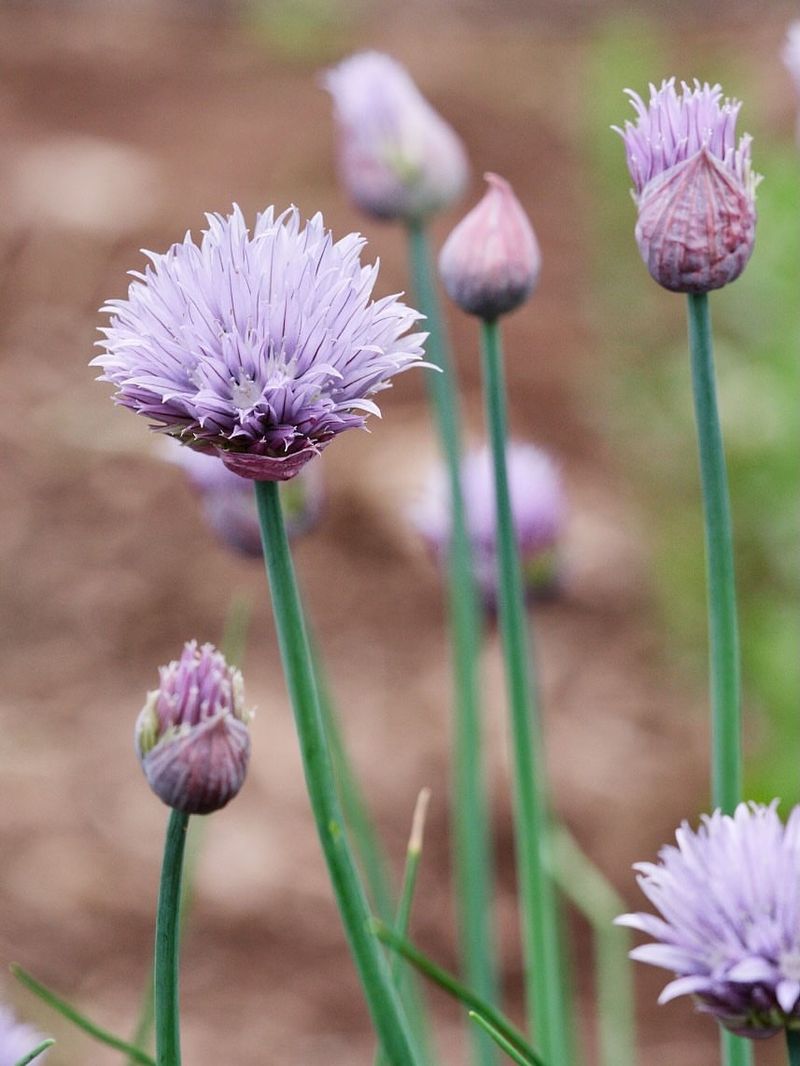
Possibly the most cheerful herb in a spring garden, chives have slender, bright green stalks that pop up early in the season, and when they bloom, they produce beautiful purple pom-pom flowers that are actually edible. Georgia gardeners appreciate chives because they return year after year and require very little attention once planted.
As a perennial with a mild onion flavor, chives work well in a wide range of dishes. Sprinkle them over scrambled eggs, baked potatoes, soups, or cream cheese for an instant flavor boost.
They are especially popular as a garnish because they look as good as they taste, adding a fresh pop of green to any plate.
Chives grow well in full sun to partial shade, which gives Georgia gardeners flexibility in where to put them. They prefer well-drained soil and moderate watering.
Unlike some herbs that struggle in Georgia’s summer humidity, chives hold up reasonably well as long as they have good air circulation around the plants.
To harvest chives, simply snip the stalks about an inch above the soil with clean scissors. New growth will come in quickly.
Dividing the clumps every few years helps keep the plants vigorous and productive. Starting with transplants from a local Georgia garden center will get you harvesting chives much faster than starting from seed.
6. Dill That Offers Fragrant Foliage And Attracts Insects
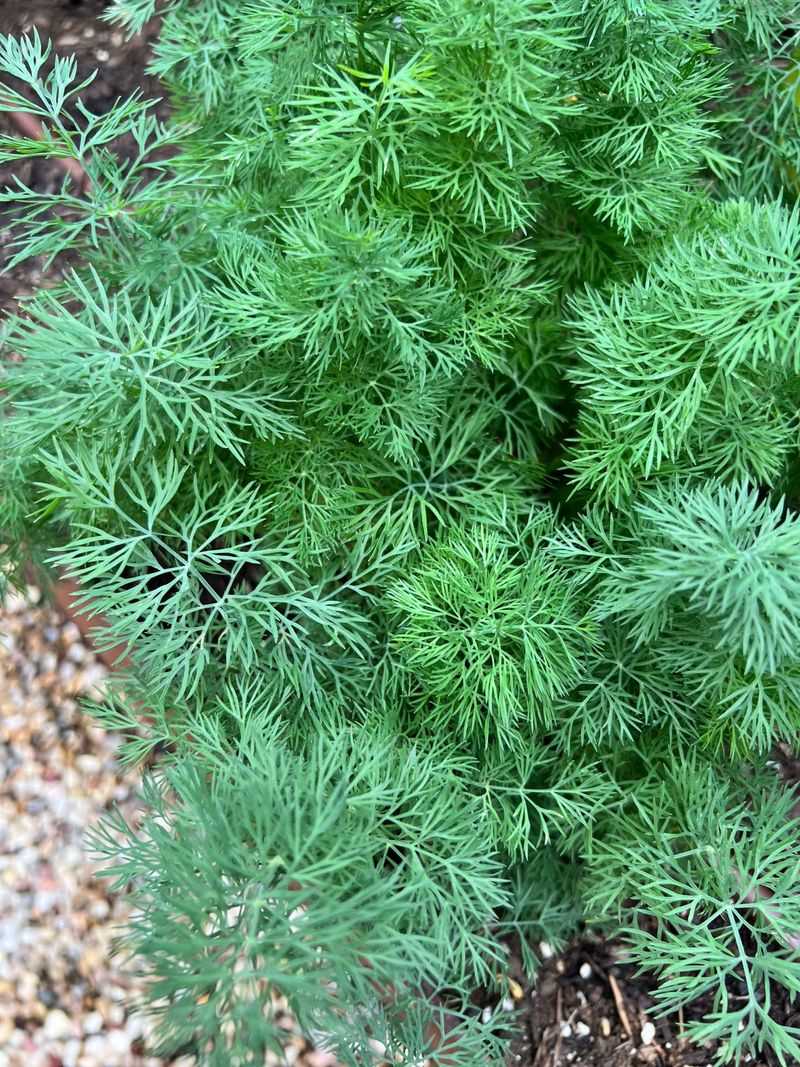
There is something almost magical about the way dill looks in a spring garden. Its feathery, bright green foliage sways gently in the breeze, and its yellow umbrella-shaped flower clusters attract beneficial insects like butterflies and ladybugs.
Dill is an annual herb that grows quickly in Georgia’s spring warmth, making it a satisfying choice for gardeners who love fast results.
Dill prefers full sun and well-drained soil. Direct sow seeds into the garden after the last frost date, which falls around mid-March in many parts of Georgia.
Because dill has a long taproot, it does not transplant well, so seeding it directly where you want it to grow is the best approach for a strong, healthy plant.
Keep in mind that dill tends to bolt, or go to seed, quickly once temperatures climb. Succession planting every few weeks throughout spring can extend your harvest window.
Once dill bolts, the seeds are just as useful as the leaves and can be saved for pickling cucumbers or seasoning bread and potato dishes.
Fresh dill is a classic addition to homemade pickles, fish dishes, potato salads, and creamy dips. Georgia gardeners who grow cucumbers will find that dill and cucumbers planted near each other make perfect garden neighbors.
Harvest the delicate leaves, called dill weed, regularly to keep the plant producing throughout the spring season.
7. Parsley With Fresh Clean Flavor And Nutritious Leaves
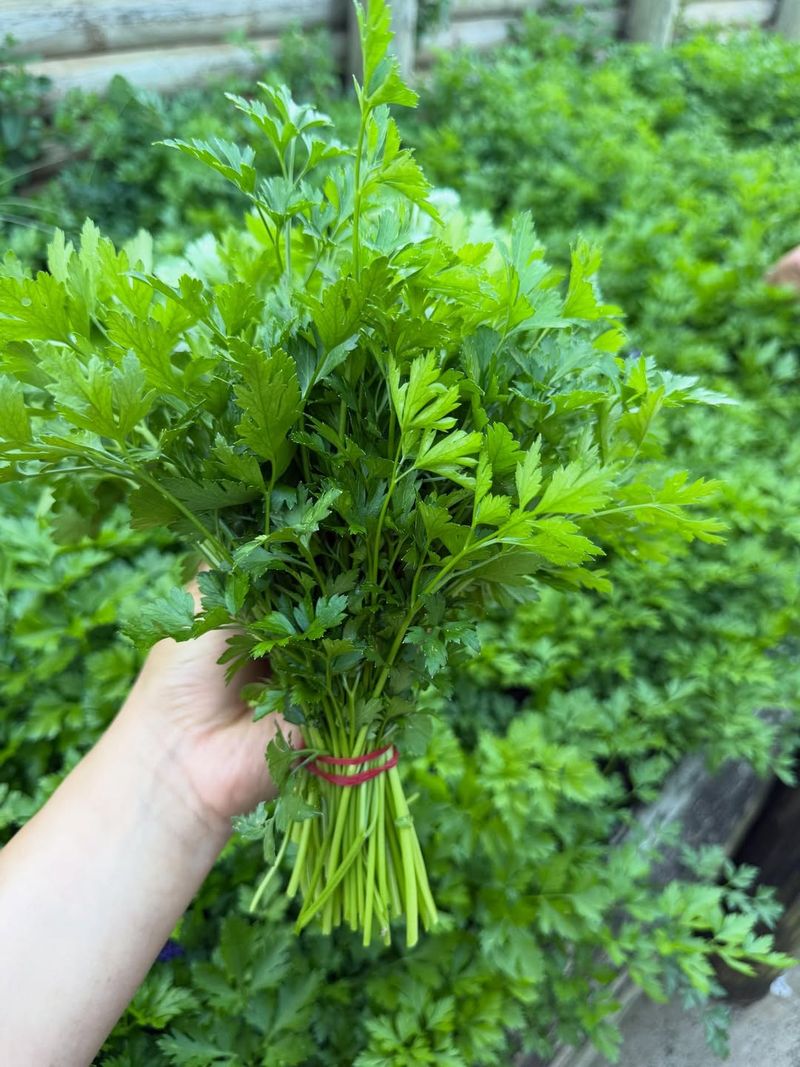
One of those herbs that quietly does a lot of heavy lifting in the kitchen, parsley brightens up dishes with a fresh, clean flavor and is packed with vitamins A and C, making it as nutritious as it is tasty. Georgia gardeners often overlook parsley in favor of flashier herbs, but once you start growing it, you will wonder how you ever managed without it.
Parsley is technically a biennial, but most gardeners in Georgia treat it as an annual, planting fresh seedlings each spring. It grows well in full sun to partial shade and prefers rich, well-drained soil.
Adding compost to your planting area before setting out transplants gives parsley the nutrient boost it needs to grow thick and lush throughout the season.
Two popular varieties are curly parsley and flat-leaf, also known as Italian, parsley. Flat-leaf parsley tends to have a stronger flavor and is preferred by most cooks for use in sauces, soups, and marinades.
Curly parsley looks lovely as a garnish and is just as useful in the kitchen.
Water parsley consistently, especially during dry stretches in the Georgia spring. It does not tolerate drought as well as some other herbs on this list.
Harvest outer stems first, leaving the center of the plant to keep producing new growth. With a little care, one or two parsley plants can keep a Georgia household well-stocked all season.
8. Thyme With Tiny Leaves And Bold Earthy Flavor
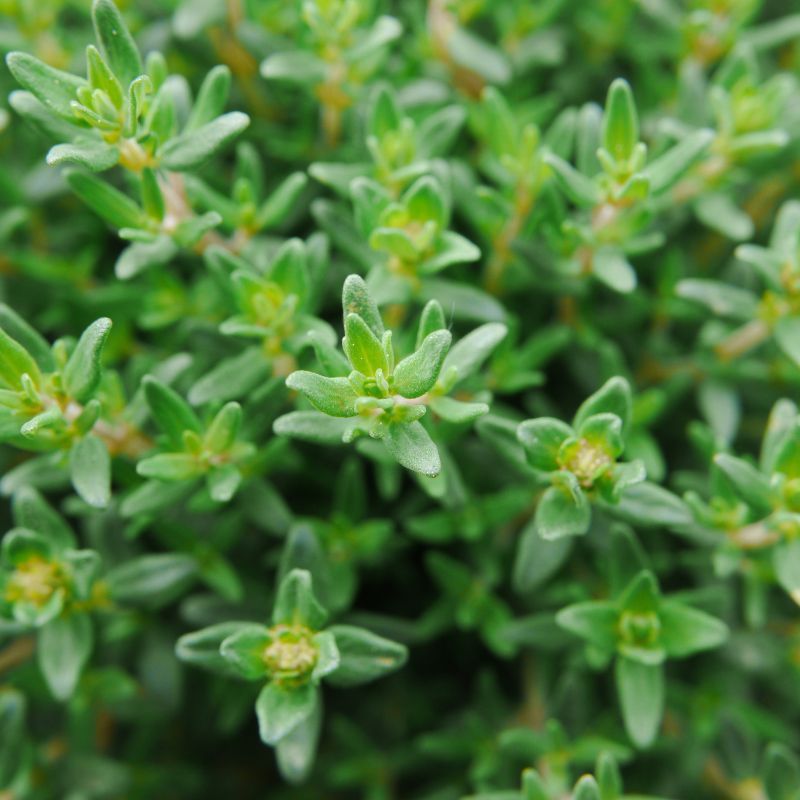
A workhorse herb that earns its place in any Georgia garden, thyme is compact and low-growing, so it does not take up much space, making it ideal for small garden beds, borders, or containers on a sunny patio. Its tiny leaves pack a surprisingly bold, earthy flavor that works well in everything from roasted chicken to hearty soups and stews.
As a perennial, thyme comes back each year in Georgia gardens without needing to be replanted. It thrives in full sun and actually prefers poor, well-drained soil over rich, heavily fertilized ground.
This makes thyme one of the easiest herbs to maintain since it does not demand much attention once it gets settled into its spot.
Georgia’s spring is a great time to plant thyme because the moderate temperatures help the plant establish itself before the intense summer heat arrives. Thyme is drought-tolerant, which is a real advantage during Georgia’s dry spells.
Just make sure it is planted in a location where water does not pool, since soggy roots are the biggest threat to this herb’s health.
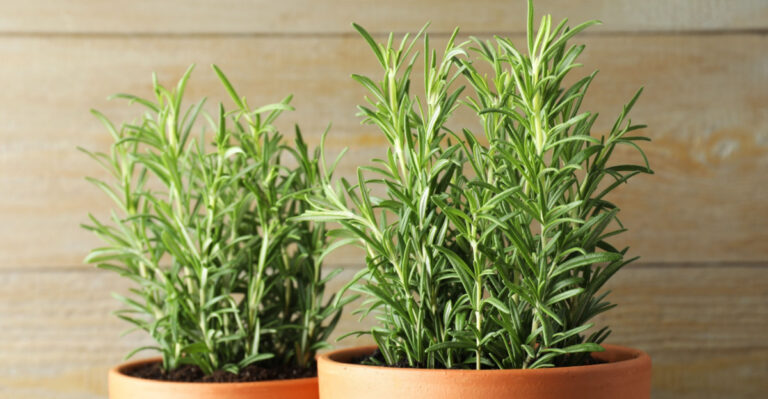
Harvest thyme by snipping the top few inches of stem tips throughout the growing season. The more you harvest, the more compact and bushy the plant stays.
Thyme pairs wonderfully with lemon, garlic, and olive oil, and it is a key ingredient in classic herb blends like bouquet garni and herbes de Provence. Growing it in Georgia is genuinely simple and rewarding.
9. Lemon Balm That Brings Bright Citrus Scent
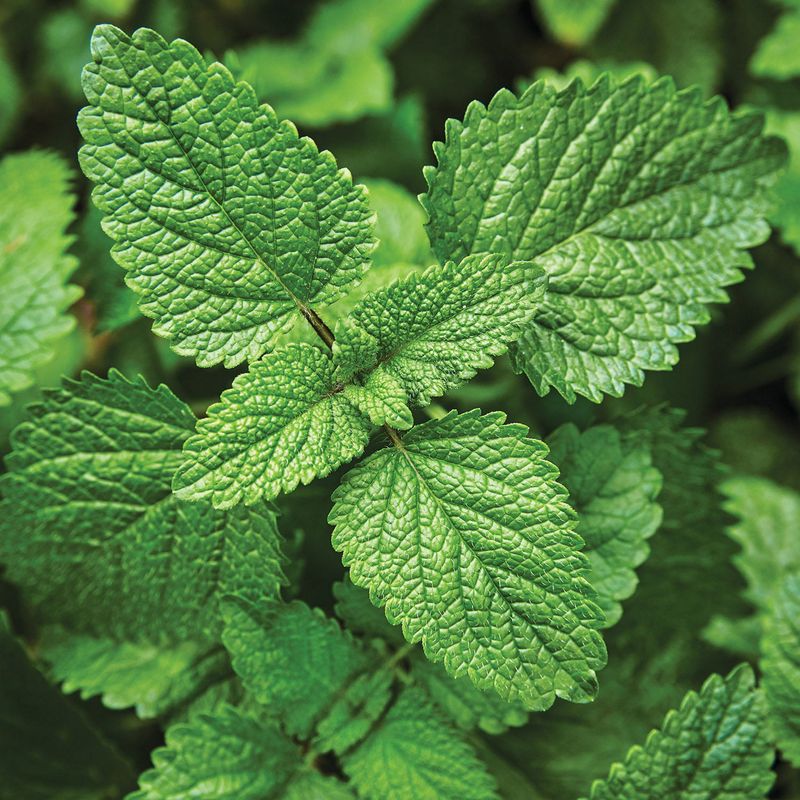
Appreciated by many Georgia gardeners for its bright citrus scent and ease of growth, lemon balm is part of the mint family and has bright green, crinkled leaves that smell exactly like fresh lemon when you rub them between your fingers. That cheerful citrus scent alone makes it worth growing in any spring herb garden.
Growing lemon balm in Georgia is genuinely easy. It tolerates a range of conditions, from full sun to partial shade, and is not picky about soil as long as it drains well.
Like mint, lemon balm spreads enthusiastically, so planting it in a container or giving it a defined space in the garden helps keep it from taking over other plants.
Lemon balm is a perennial that comes back reliably each spring in Georgia’s climate. It is a natural pollinator magnet, drawing bees and butterflies to your garden, which benefits all the other plants growing nearby.
The plant also has a long history of use in teas and herbal remedies for promoting calm and relaxation.
Use fresh lemon balm leaves to make a simple herbal tea by steeping them in hot water for several minutes. It also works beautifully in lemonade, fruit salads, and as a flavor accent in desserts.
Harvest leaves regularly throughout the spring and summer to keep the plant looking tidy and encourage fresh, flavorful new growth all season long.
10. Winter Savory With Peppery Flavor And Hardy Growth
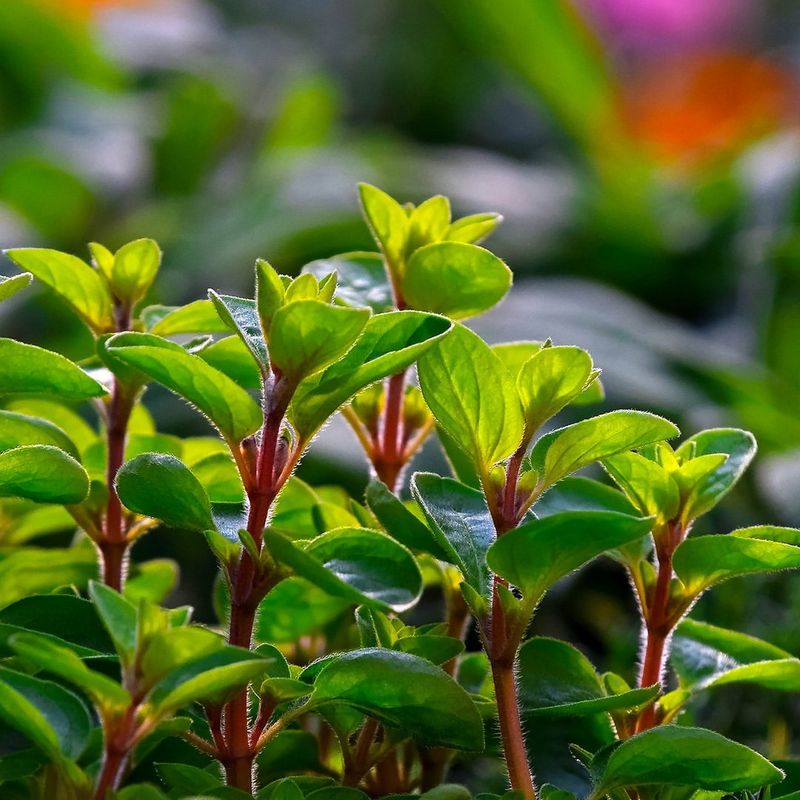
A bit of a hidden gem in the herb gardening world, winter savory thrives particularly well in Georgia’s climate. Unlike its cousin summer savory, winter savory is a perennial that sticks around year after year, developing a slightly woody base as it matures.
Its small, dark green leaves have a bold, peppery flavor that adds depth to all kinds of savory dishes.
Plant winter savory in a sunny spot with well-drained soil. It handles Georgia’s heat well and, once established, becomes quite drought-tolerant, which means less worry during those hot, dry stretches that Georgia summers are known for.
A raised bed or a container with good drainage works perfectly for this herb if your garden soil tends to stay wet.
Winter savory is a classic pairing for beans, both in the garden and on the plate. Some gardeners plant it near bean crops because it is believed to help repel certain pests.
In the kitchen, it adds a wonderful kick to bean soups, grilled meats, roasted potatoes, and even homemade sausage blends.
Harvest winter savory by snipping the top few inches of stem tips, which keeps the plant tidy and encourages new leafy growth. The more you trim it, the bushier and more productive it becomes.
Winter savory is a reliable, flavorful herb that grows well in Georgia gardens with proper soil and sun conditions.