The 8 Container Plants That Rarely Need Watering In Arizona
Arizona containers can turn into tiny ovens once the sun hits them. Soil heats up fast, moisture disappears quickly, and plants that love constant watering often struggle to keep up.
That is why many gardeners start looking for plants that can actually handle dry conditions instead of fighting against them.
Some plants are naturally better suited for life in a pot under desert sun. They hold moisture longer, tolerate heat better, and continue growing even when watering is less frequent.
Choosing the right varieties can make container gardening feel far less demanding, especially during Arizona’s warmer months.
With smart plant choices, patios, balconies, and entryways can stay green without needing constant attention. A few resilient plants are often all it takes to keep containers looking healthy even when the soil dries faster than expected.
1. Aloe Stores Water In Thick Leaves And Handles Dry Conditions
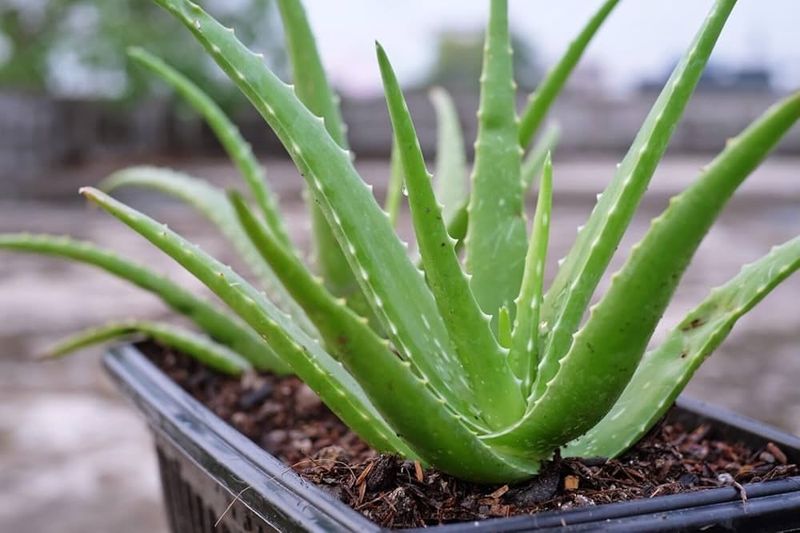
Forget everything you’ve heard about needy houseplants. Aloe is one of the toughest container plants you can grow in Arizona, and it practically takes care of itself.
Those thick, spiky leaves aren’t just for looks. They’re packed with moisture that the plant pulls from when rain doesn’t show up for weeks at a stretch.
In the Phoenix area and across the Sonoran Desert, aloe handles the blazing summer sun without missing a beat. Put it in a pot with fast-draining soil, set it somewhere it gets plenty of direct light, and honestly, you can step back and let it do its thing.
Watering once every two to three weeks during summer is usually plenty. In winter, once a month or even less works just fine.
One thing to watch for is the pot itself. Clay or terracotta pots work well because they let excess moisture escape through the sides, which aloe really appreciates.
Sitting in soggy soil is the one thing that can actually cause problems for this plant. Keep the drainage hole clear, use a cactus mix, and you’re good to go.
Aloe also rewards you beyond just looking good. Snap off a leaf and you’ve got a natural gel that soothes sunburns, which is pretty handy living in Arizona.
It’s a practical and resilient choice for any container garden.
2. Jade Plant Holds Moisture And Tolerates Long Dry Periods
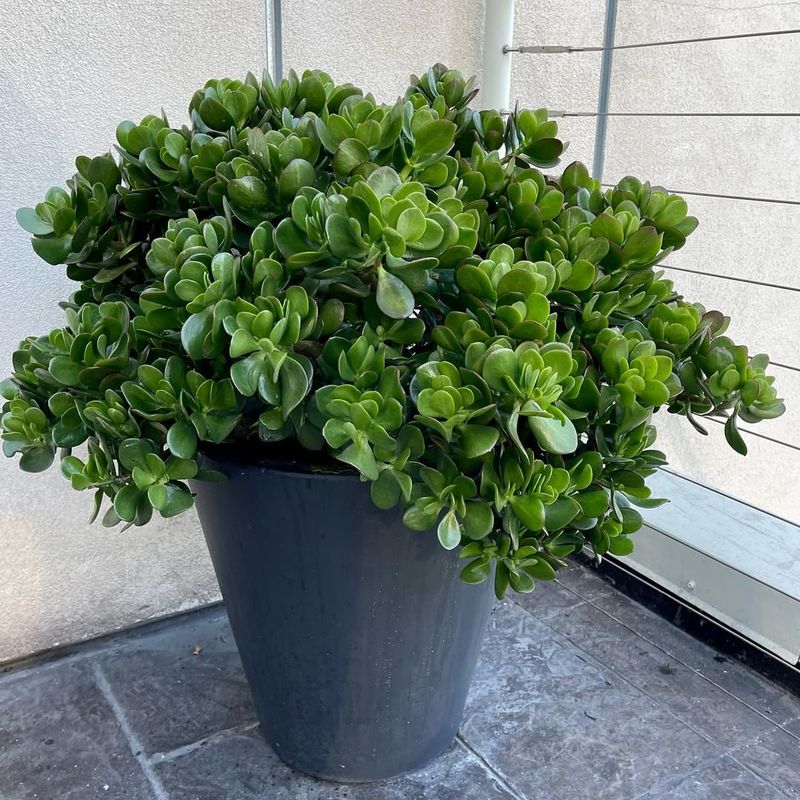
Jade plants have been around in people’s homes and gardens for generations, and there’s a solid reason for that. They store water in their thick, oval-shaped leaves and their chunky stems, which means they can go weeks without a drink and still look completely fine.
In Arizona, that kind of staying power is worth a lot.
Out here, jade does best when you treat it a little rough. Give it full sun or at least a few hours of strong direct light each day.
Use a gritty, well-draining mix, and let the soil dry out completely before you water again. During the hottest months in Arizona, watering every two to three weeks is usually right on target.
Your Arizona Garden Changes Every Week. Your Plan Should Too.
Gardening in Arizona changes quickly throughout the season. Every Friday you’ll receive a simple weekly plan showing exactly what to plant, prune, fertilize, harvest, and protect so you never miss the right timing.
Come winter, you can cut back to once a month without any issues.
One thing people don’t always realize is that jade can get heavy over time. A mature plant in a decent-sized pot has some real weight to it.
Choosing a sturdy, wide-based container keeps it from tipping over in the wind, which is something to think about if you’re putting it on a porch or balcony.
Jade also tends to develop a beautiful tree-like shape as it ages, with a thick woody base and spreading branches. In Arizona’s dry climate, it can last for years in a container with almost no fuss, making it a genuinely reliable choice.
3. Elephant Bush Thrives With Very Little Water Once Established
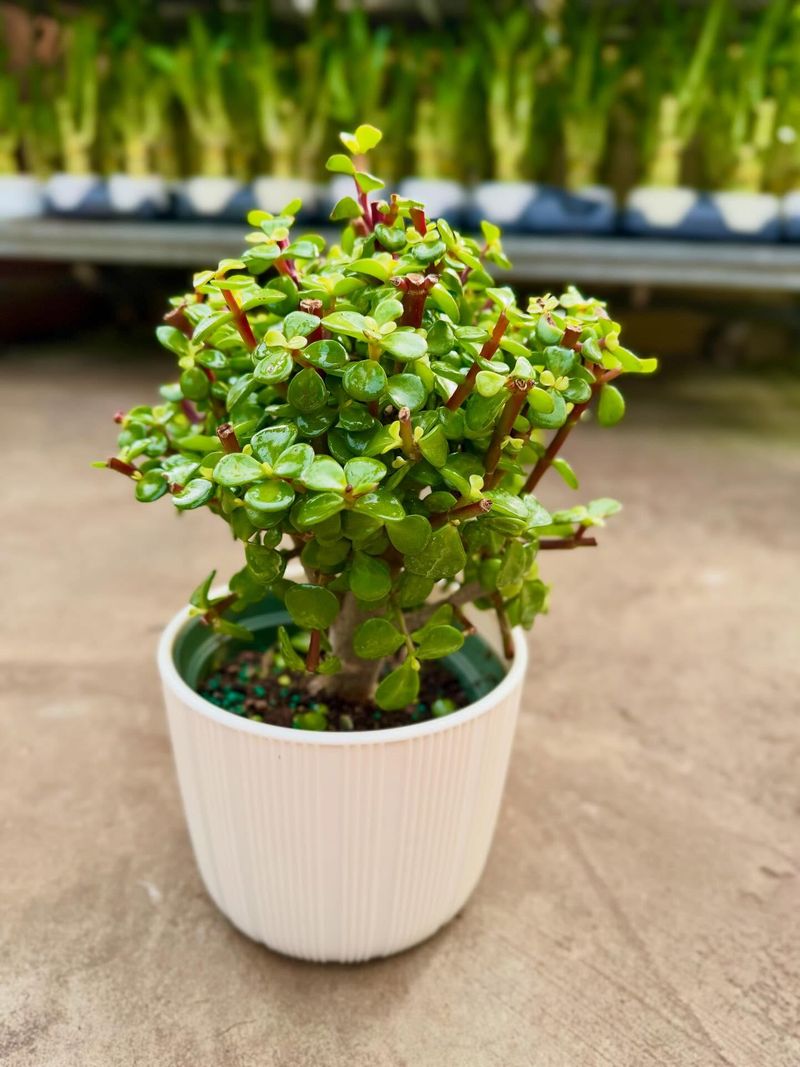
Walk through any established Arizona garden and there’s a good chance you’ll spot elephant bush tucked into a corner or spilling over the edge of a pot.
It looks a lot like a miniature jade plant, with small rounded leaves on reddish stems, but it’s actually a completely different plant that’s native to South Africa’s dry regions.
In containers across the Valley and throughout southern Arizona, elephant bush handles neglect surprisingly well. It builds up moisture reserves in its leaves and stems, so skipping a watering here and there doesn’t send it into a tailspin.
During summer, watering every two weeks is generally enough. In cooler months, you can stretch that out even further without any visible stress on the plant.
Full sun is where this plant really shines. Set it in a spot that gets at least five or six hours of direct Arizona sunlight daily and it’ll reward you with dense, lush-looking growth.
Partial shade is okay, but the stems can get a little stretched and leggy if the light isn’t strong enough.
Elephant bush also looks fantastic when it’s slightly root-bound, meaning it doesn’t need to be repotted constantly. A terracotta pot with a drainage hole works perfectly.
It’s a forgiving, low-fuss plant that fits right into the pace of Arizona outdoor living without demanding much in return.
4. Ponytail Palm Stores Water In Its Swollen Trunk
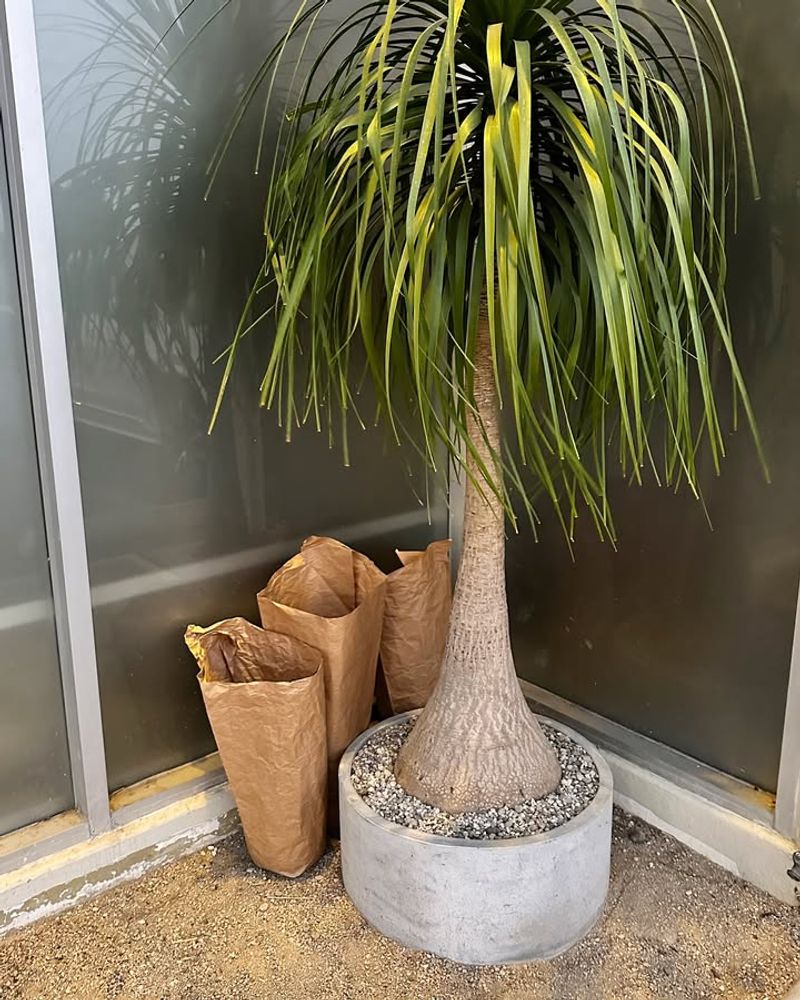
At first glance, the ponytail palm looks like something straight out of a quirky cartoon. That round, swollen base sitting at the bottom of long, strappy leaves gives it a look unlike anything else you’ll find at a garden center.
But that bulbous trunk isn’t just for show. It’s actually a water storage organ that lets the plant survive long stretches without rainfall.
Across Arizona, ponytail palms work especially well in large containers placed on patios or near entryways. They love full sun and genuinely don’t want to be fussed over.
Watering once every two to three weeks in summer is plenty. In winter, once a month is usually more than enough.
Overwatering is honestly the bigger risk here, so when in doubt, hold off a few more days.
Despite the name, this plant isn’t actually a palm at all. It’s a member of the agave family, which explains why it handles Arizona’s dry heat so naturally.
It grows slowly, which means you won’t be constantly repotting it or trying to manage runaway growth. A single plant in the right container can stay put and look great for years.
Repotting is only needed every few years, and even then, going up just one pot size at a time is the right move. Let the roots get a little snug.
Ponytail palms actually seem to prefer that arrangement and tend to look their best when they’re not swimming in excess soil.
5. Agave Forms Bold Rosettes And Needs Minimal Water
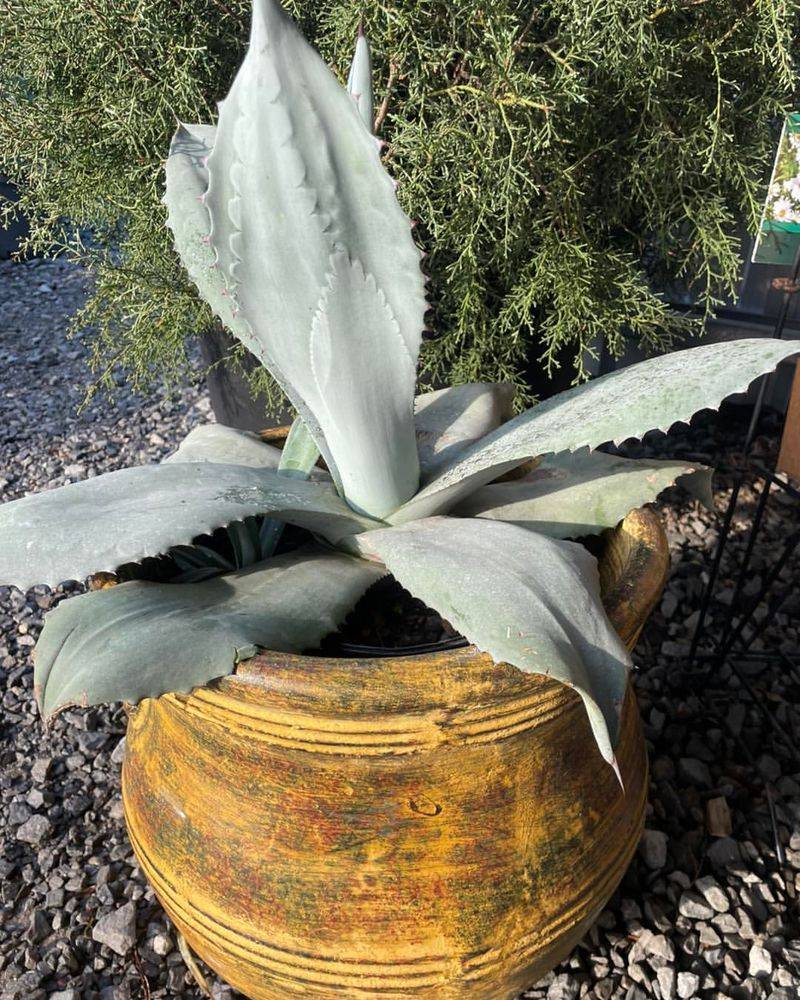
Bold, architectural, and built for the desert. Agave is one of those plants that looks like it was designed specifically for Arizona, and in many ways, it was.
With wide, thick leaves that radiate outward in a striking rosette pattern, a single agave in a container can become the focal point of an entire patio without any effort at all.
Agave stores water in its thick leaf tissue, which is why it can go weeks or even months without needing a drink. In container settings around Tucson, Scottsdale, or Mesa, watering once every three to four weeks during summer is generally more than sufficient.
In winter, you can often skip a month entirely without the plant showing any signs of stress.
Choosing the right pot matters more with agave than with most plants. It needs excellent drainage, so skip the decorative pots without holes and go with something that lets water move through quickly.
A heavy pot is also smart, because mature agaves can get top-heavy and tip over in strong desert winds.
Keep in mind that the leaf tips on many agave varieties are genuinely sharp. Placing the pot where people won’t brush against it is a good idea, especially around kids or high-traffic areas.
But in the right spot, with minimal watering and full sun, agave delivers an impressive, year-round presence that few other container plants can match in Arizona’s harsh climate.
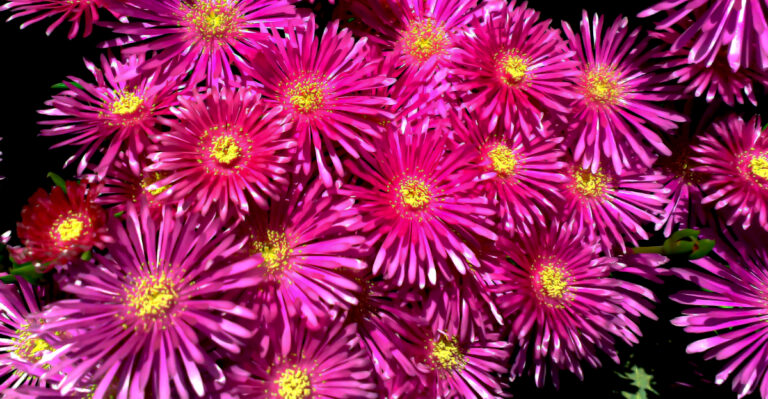
6. Portulaca Produces Bright Flowers Even In Dry Soil
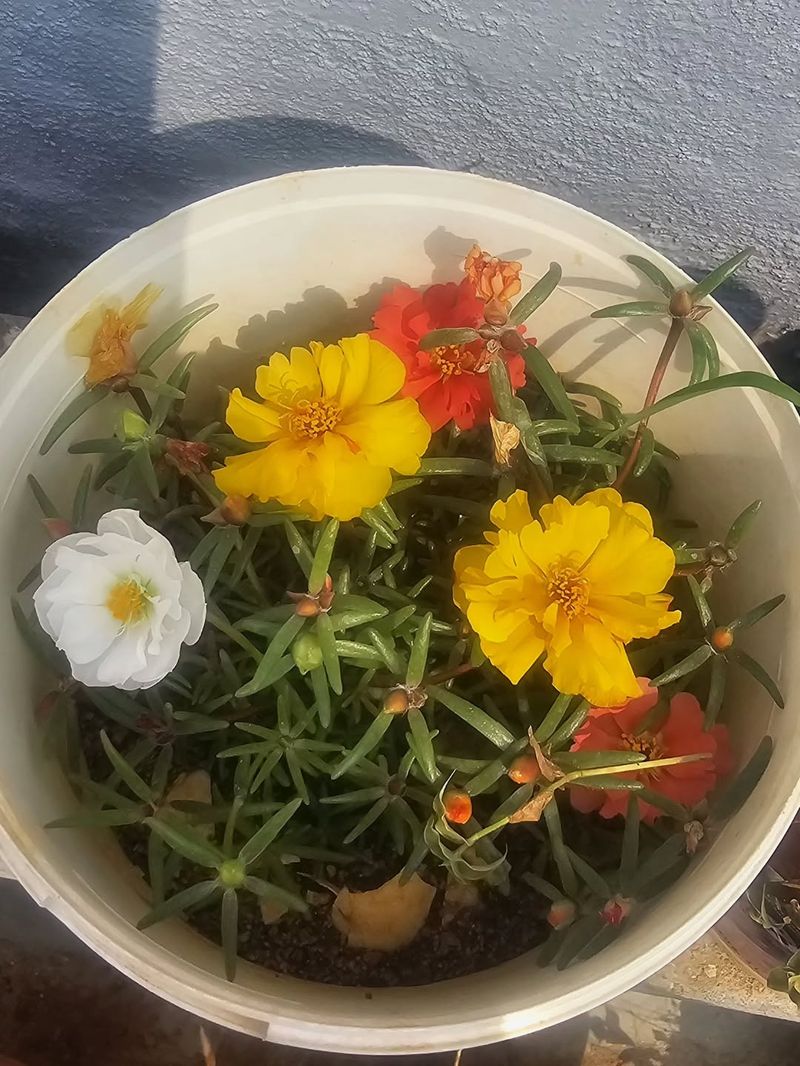
Most flowering plants in Arizona’s summer heat look defeated by noon. Portulaca is the exception.
Also called moss rose, it keeps pushing out bright, cheerful blooms in shades of pink, orange, red, yellow, and white even when the soil is bone dry and the temperature is pushing triple digits.
What makes portulaca so tough is its succulent nature. Those small, fleshy leaves store moisture, which lets the plant stay hydrated even when you haven’t watered in a while.
In containers around the Phoenix metro area, portulaca can go a full week or more between waterings in summer without any noticeable decline in its flowers or overall appearance.
Shallow containers work great for portulaca because it has a relatively compact root system. A wide, flat pot in a sunny spot is ideal.
Put it somewhere that gets six or more hours of direct Arizona sunlight per day, and it’ll bloom continuously from spring through fall. Shade is actually its enemy.
The more sun it gets, the better it performs.
Watering deeply and then letting the soil dry completely before watering again is the right approach. Portulaca doesn’t want wet feet or consistently moist soil.
It wants the cycle of dry-and-then-drenched that mimics how desert rains actually work. Once you understand that rhythm, growing portulaca in Arizona containers becomes genuinely effortless and very rewarding.
7. Echeveria Keeps Its Shape With Only Occasional Watering
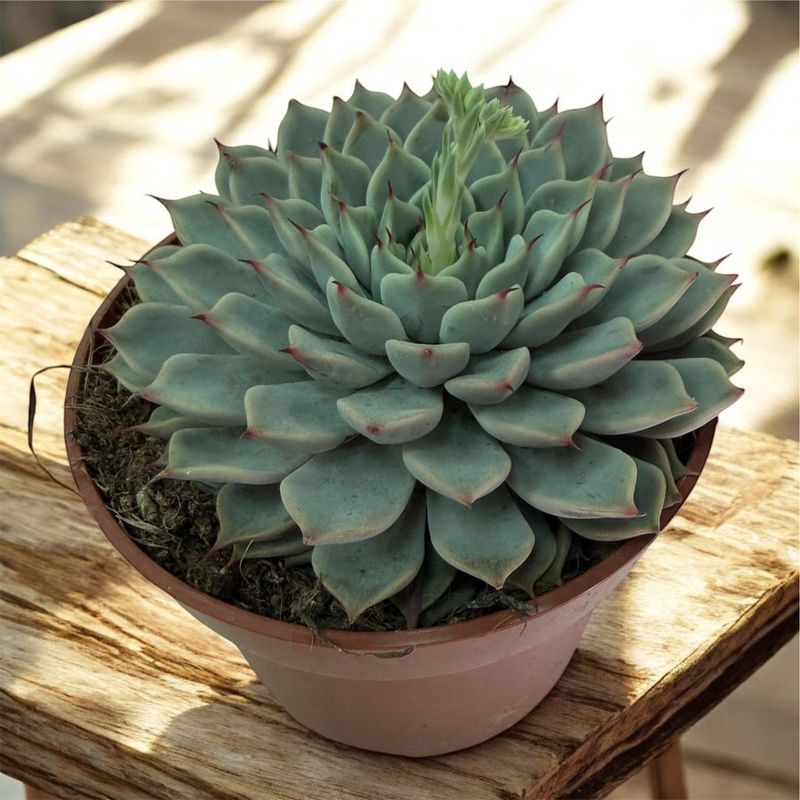
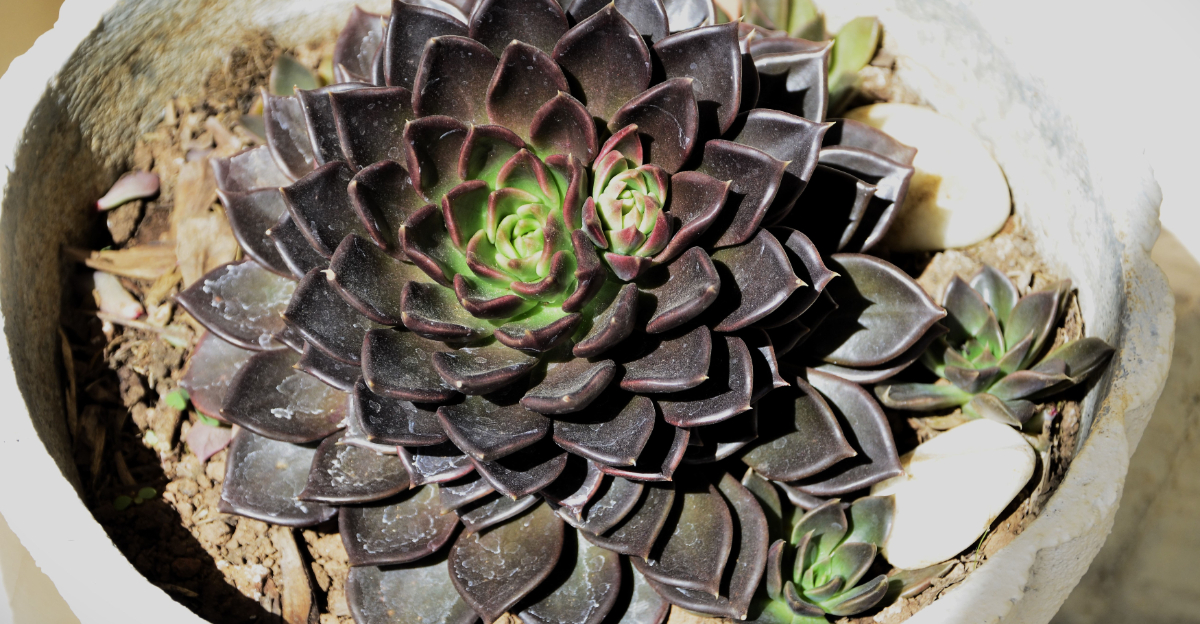
Few plants hold their shape as elegantly as echeveria. Those perfectly symmetrical rosettes, often dusted in shades of purple, blue-green, or soft pink, look almost like they were carved from stone.
In a container on an Arizona patio, a well-grown echeveria can stop people in their tracks.
Echeveria handles dry conditions by pulling moisture from its fleshy leaves, which means it’s naturally suited for the kind of dry spells that Arizona delivers regularly. Watering every two to three weeks in summer is usually right.
In cooler months from November through February, stretching that to once a month works without any harm to the plant.
One thing that catches people off guard is that echeveria can sunburn in Arizona’s most intense summer heat.
Placing it where it gets morning sun and afternoon shade during July and August helps protect those beautiful leaves from bleaching out or developing brown patches.
A covered patio or east-facing spot is often the sweet spot.
Drainage is non-negotiable. Echeveria will struggle in soil that holds moisture for too long.
A cactus and succulent mix, combined with a pot that has a clear drainage hole, keeps the roots healthy and prevents the rot that can sneak up on succulents sitting in wet soil. Keep the pot small relative to the plant.
Echeveria actually grows more compactly and attractively when it’s slightly pot-bound, which works out perfectly for container growing in Arizona.
8. Kalanchoe Stores Moisture In Fleshy Leaves And Handles Drought
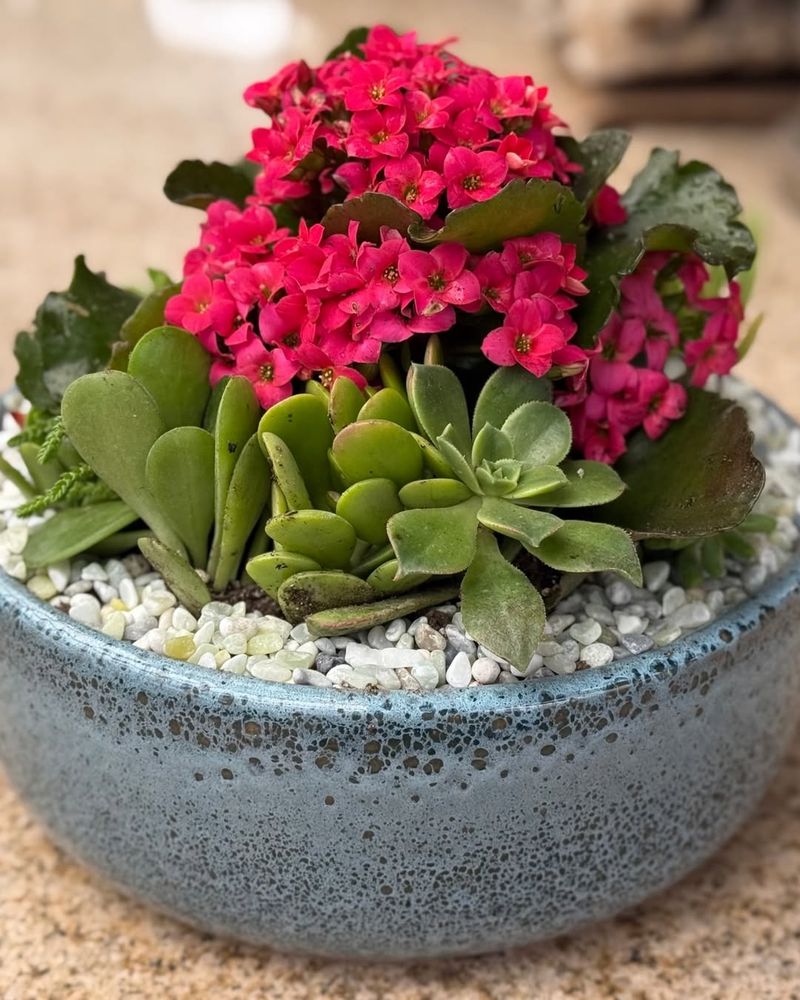
Kalanchoe is one of those plants that quietly earns your respect. It doesn’t demand attention, it doesn’t throw a fit if you skip a watering, and it still manages to produce clusters of cheerful, long-lasting flowers that brighten up any container garden.
In Arizona, that kind of reliability is genuinely hard to find in a flowering plant.
Those thick, waxy leaves are the key to its drought tolerance. Kalanchoe stores water in its leaf tissue, which gives it a cushion during dry stretches.
In Arizona’s climate, watering every two to three weeks during the growing season is usually enough. During cooler winter months, cutting back to once every three weeks or so keeps it comfortable without encouraging root problems.
Kalanchoe prefers bright, indirect light rather than intense full-on Arizona midday sun. A spot that gets morning light and is shaded during the hottest part of the afternoon is ideal.
Too much direct summer sun can bleach the leaves and stress the plant, but too little light means fewer flowers. Finding that middle ground on a covered porch or under a shade structure works really well.
After a blooming cycle wraps up, trimming off the spent flower clusters encourages the plant to push out a fresh round of blooms.
Kalanchoe can rebloom several times a year in Arizona’s mild winters and warm springs, making it one of the more rewarding drought-tolerant container plants you can grow here.