7 Prohibited Plants You Should Never Grow In Arizona
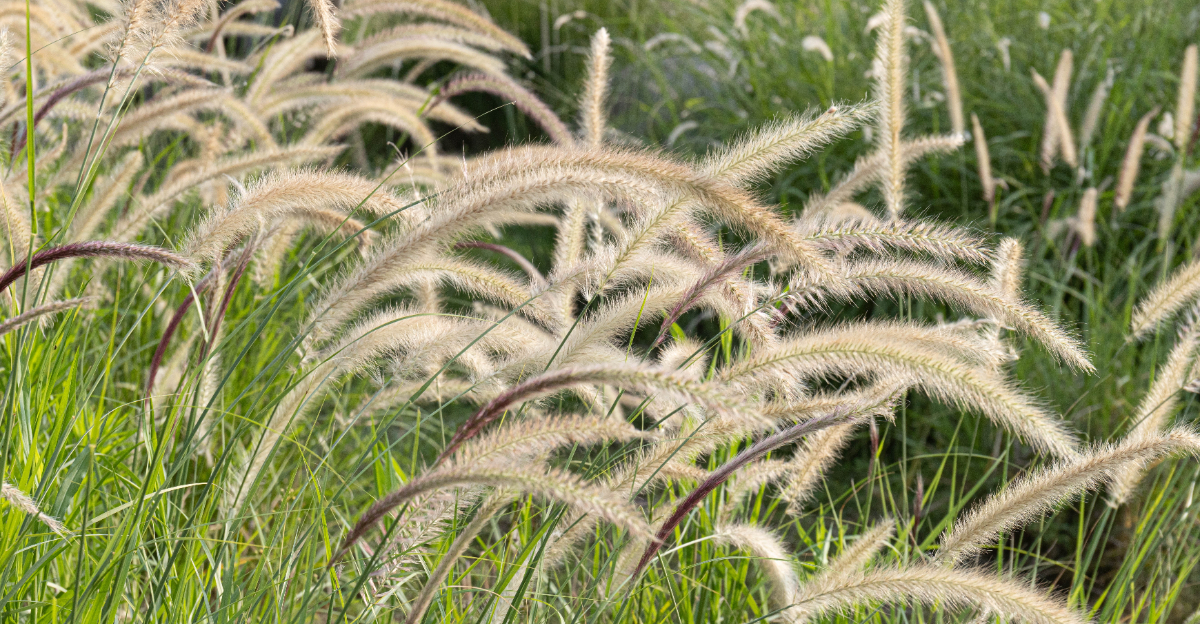
Arizona yards can handle a lot, but not every plant belongs there, no matter how good it looks at first glance.
Some species create problems that go far beyond maintenance, from aggressive spread to damage that affects nearby landscapes and natural areas.
Rules around certain plants are stricter than many expect, and those limits exist for a reason. Once established, a few of these plants become difficult to control and can lead to costly or frustrating situations down the line.
Choosing what to avoid matters just as much as choosing what to plant. A little awareness early on can prevent issues that are far harder to fix later.
1. Buffelgrass Drives Wildfires And Spreads Rapidly
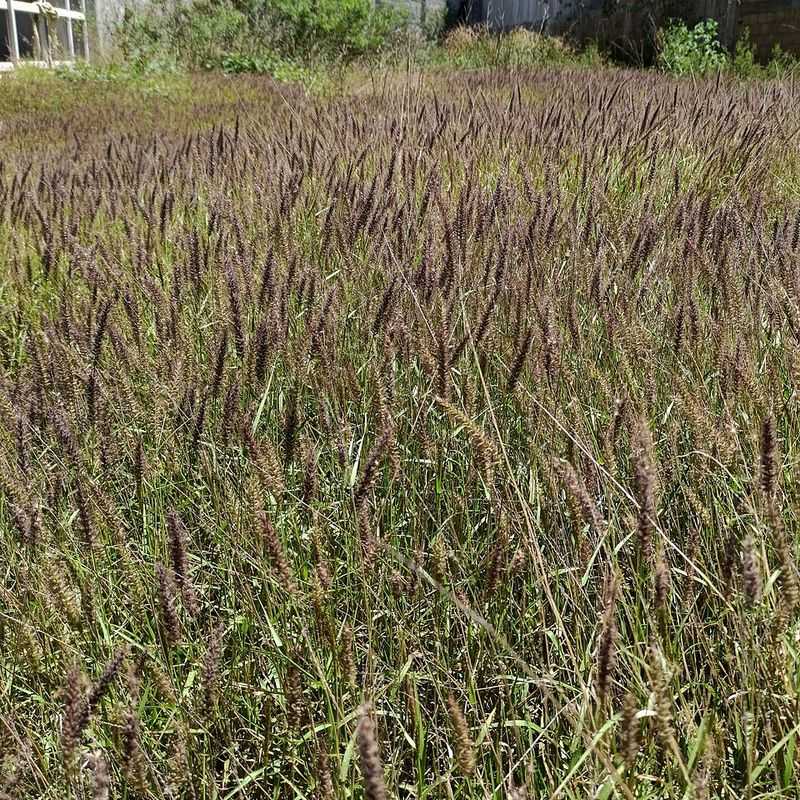
Buffelgrass might look harmless from a distance, but it is one of the most destructive invasive plants in Arizona today. Originally brought in from Africa and Asia to help control erosion, it found a perfect home in the Sonoran Desert and never looked back.
Right now, it covers hundreds of thousands of acres across southern Arizona, and that number keeps climbing.
What makes buffelgrass so dangerous is how it burns. Native desert plants are not built to handle fire the way this grass is.
When buffelgrass ignites, it creates fast-moving, intense fires that can wipe out saguaro cacti, palo verde trees, and other plants that took decades to grow. After a fire, buffelgrass comes back even thicker, while native species struggle to recover at all.
Around Tucson and Phoenix, land managers spend serious money every year trying to pull and spray buffelgrass before it spreads further. Volunteer groups organize removal events regularly, especially before the dry summer season when fire risk peaks.
If you spot it on your property, pulling it out before it goes to seed is the most effective approach, though it takes repeated effort over multiple seasons.
Arizona law prohibits growing or selling buffelgrass, and for good reason. Even planting it accidentally by using contaminated soil or seed mixes can cause problems.
Check any native seed blends carefully before spreading them on your land, and report large infestations to your local county extension office so crews can respond before it spreads further.
It also spreads quickly by windblown seeds and can take hold in disturbed soil, which makes early removal even more important before it forms dense patches.
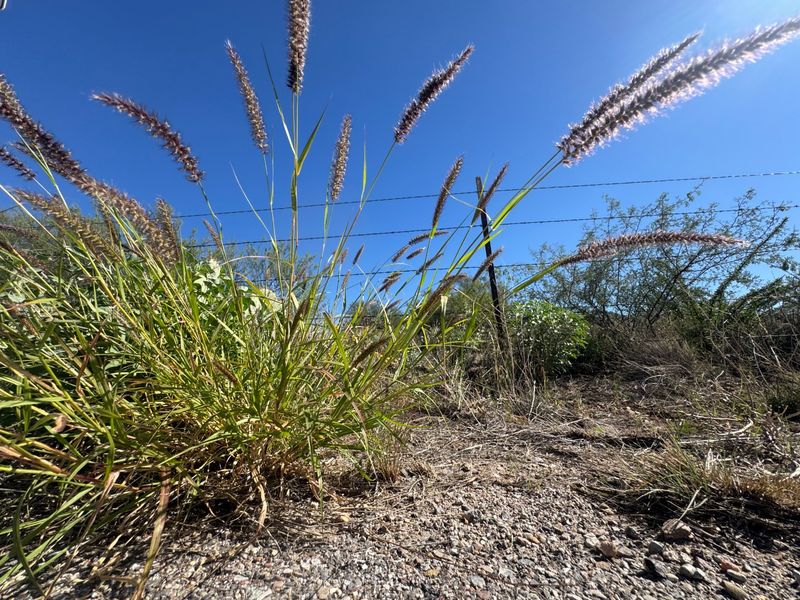
2. Fountain Grass Increases Fire Risk And Invades Land
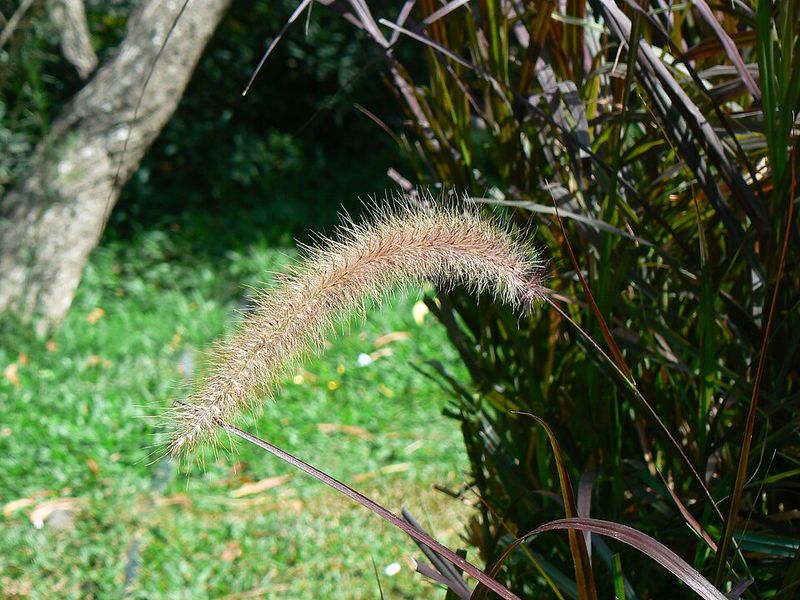
Walk through almost any older Arizona neighborhood and you will likely spot fountain grass planted along driveways or garden borders.
It looks soft and elegant with those feathery plumes blowing in the breeze, but this plant has caused real ecological damage across the state.
Arizona prohibits certain varieties, particularly purple fountain grass, because of how aggressively it spreads beyond garden fences.
Fountain grass produces thousands of seeds per plant each season. Wind carries those seeds into natural areas where they sprout in washes, roadsides, and desert scrublands far from any garden.
Your Arizona Garden Changes Every Week. Your Plan Should Too.
Gardening in Arizona changes quickly throughout the season. Every Friday you’ll receive a simple weekly plan showing exactly what to plant, prune, fertilize, harvest, and protect so you never miss the right timing.
Once established in the wild, it forms thick mats that crowd out native grasses and shrubs that wildlife depends on for food and shelter.
Like buffelgrass, fountain grass is extremely flammable. It dries out completely in the hot Arizona summers and burns fast and hot.
In areas where it has spread into desert habitat, it dramatically increases the chances of wildfire moving through native plant communities that would otherwise have natural firebreaks between them.
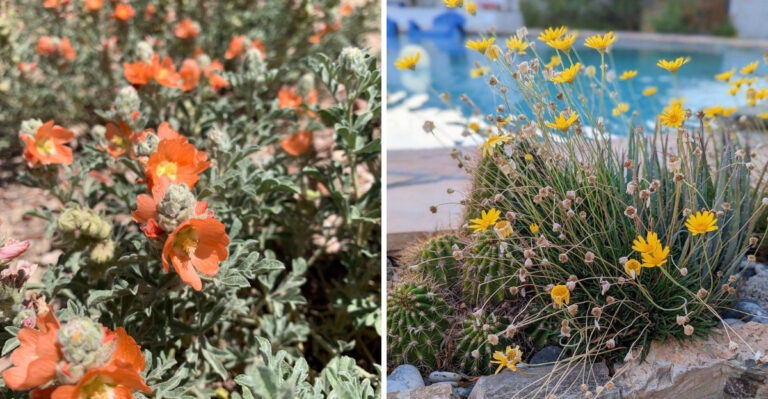
Homeowners who already have fountain grass in their yards should seriously consider replacing it with native alternatives like desert marigold, autumn sage, or native bunch grasses.
Several nurseries across the Phoenix and Tucson metro areas now carry non-invasive ornamental grasses that give a similar visual effect without the ecological risk.
Removing fountain grass completely takes persistence since root crowns can re-sprout, but staying on top of it each spring makes a noticeable difference over time.
3. Giant Reed Overtakes Waterways And Is Hard To Remove
Giant reed, known scientifically as Arundo donax, is a bamboo-like plant that can grow over 20 feet tall along rivers and streams.
Along the Salt River, the Verde River, and other waterways in Arizona, it has taken over entire stretches of riverbank that once supported cottonwood and willow forests full of birds and native wildlife.
Up close, it looks almost tropical, but the damage it does is anything but scenic.
One of the biggest problems with giant reed is how much water it consumes.
In a state where water is already a precious resource, a thick stand of giant reed along a stream bank pulls enormous amounts of water from the soil, reducing streamflow and drying out areas that native plants and animals need to survive.
It also provides poor habitat compared to the native riparian trees it replaces.
Removing giant reed is genuinely difficult. Cutting it down stimulates rapid regrowth from the root system, which can extend deep and wide underground.
Effective removal usually requires cutting, treating with herbicide, and monitoring the site repeatedly over several years. Some restoration projects along Arizona rivers have been working on removal for over a decade and still require ongoing maintenance.
Planting or transplanting giant reed anywhere in Arizona is prohibited under state law. If you see it growing near a waterway on or near your property, contact the Arizona Department of Agriculture or your county weed management office.
Early reporting helps crews address patches before they expand into full infestations that are far harder and more expensive to manage.
4. Saltcedar Drains Water And Displaces Native Plants
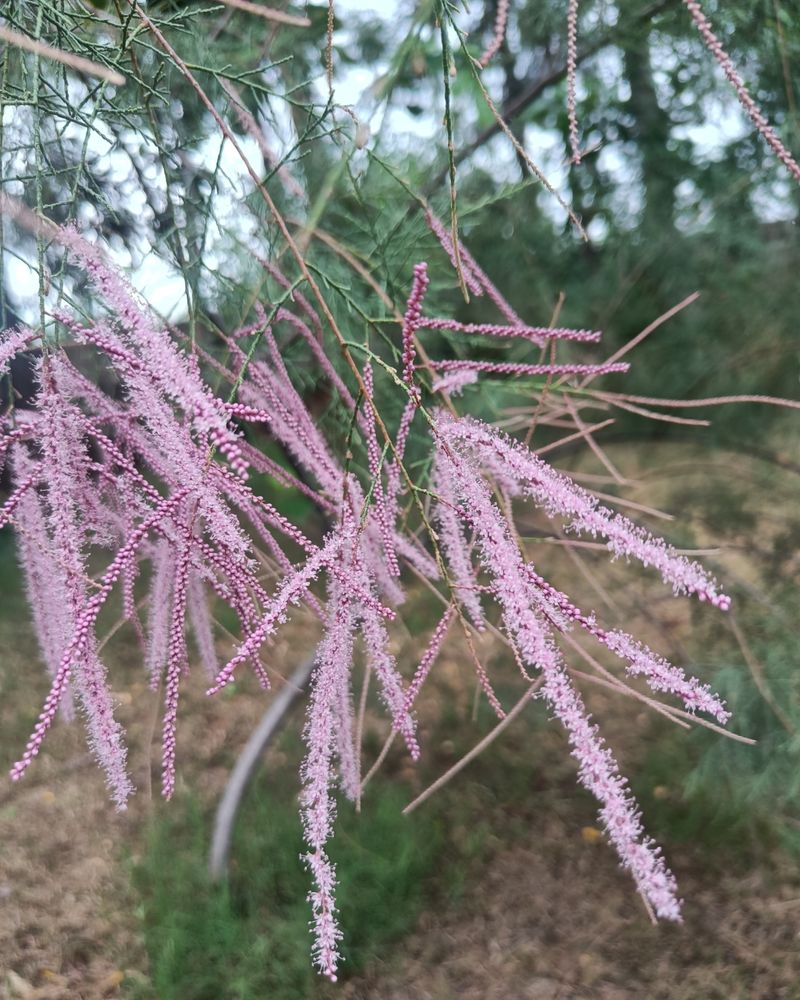
Saltcedar, also called tamarisk, was widely planted across the American Southwest decades ago as a windbreak and erosion control plant. Back then, nobody fully understood what it would do to desert waterways.
Today, it is one of the most aggressively managed invasive plants across Arizona, and its impact on rivers and streams has been significant and well-documented.
What makes saltcedar particularly hard on the environment is its ability to pull water from deep in the soil and release salt through its leaves onto the ground surface.
Over time, this salt accumulation changes soil chemistry in ways that make it harder for native plants like cottonwood and willow to grow back.
Stretches of the Colorado River and its tributaries have seen massive saltcedar infestations that altered the landscape for decades.
Saltcedar also produces an enormous number of tiny seeds that float on water and wind, spreading quickly to new areas along drainage channels. A single mature plant can release hundreds of thousands of seeds in a season.
Once it colonizes a riverbank, it forms dense thickets that shade out native seedlings and provide poor food and nesting value for most native wildlife species.
Arizona prohibits saltcedar cultivation, and ongoing removal efforts are active across many parts of the state. Biological control using a leaf-eating beetle has shown some promise in slowing its spread in certain regions.
If you have saltcedar on your property near a wash or stream, working with your local extension office to develop a removal plan is a practical first step toward restoring healthier native vegetation in that area.
5. Tree Of Heaven Spreads Aggressively And Causes Damage
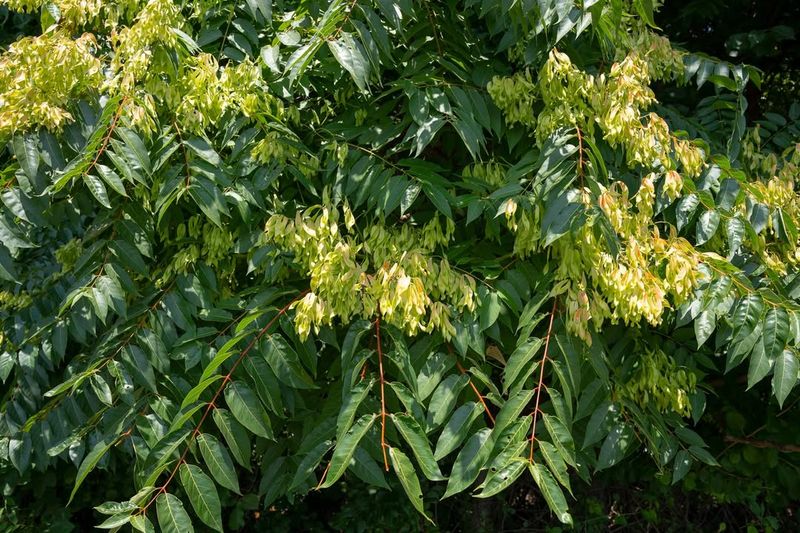
Tree of Heaven sounds pleasant enough, but anyone who has dealt with it in their yard knows the reality is far less charming. Ailanthus altissima originally came from China and was introduced across the United States as an ornamental tree in the 1700s.
Since then, it has spread into urban areas, roadsides, and natural habitats across many states, including Arizona, where it thrives in disturbed soils and waste areas.
Part of what makes this tree so persistent is its root system. It sends up sprouts from its roots across a wide area, meaning cutting down the main trunk does not stop it.
New growth comes back repeatedly from the roots, and if you damage the roots during removal, it can actually trigger even more sprouting as a stress response. Patience and repeated treatment are usually necessary to get it under control.
Tree of Heaven also releases chemicals from its roots and leaves that inhibit the growth of nearby plants, a process called allelopathy. Over time, this can reduce plant diversity in the area around it, giving the tree even more space to expand.
In Arizona urban areas like Phoenix and Flagstaff, it tends to pop up along fence lines, in alleys, and in neglected corners where it can go unnoticed until it is quite large.
Beyond its invasive spread, the tree is a known host for the spotted lanternfly, an agricultural pest that has caused serious crop damage in other parts of the country.
Arizona regulations prohibit its cultivation, and removing any trees already present on your property before they seed is strongly recommended by state agricultural officials.
6. Globe Chamomile Crowds Out Native Plants Quickly
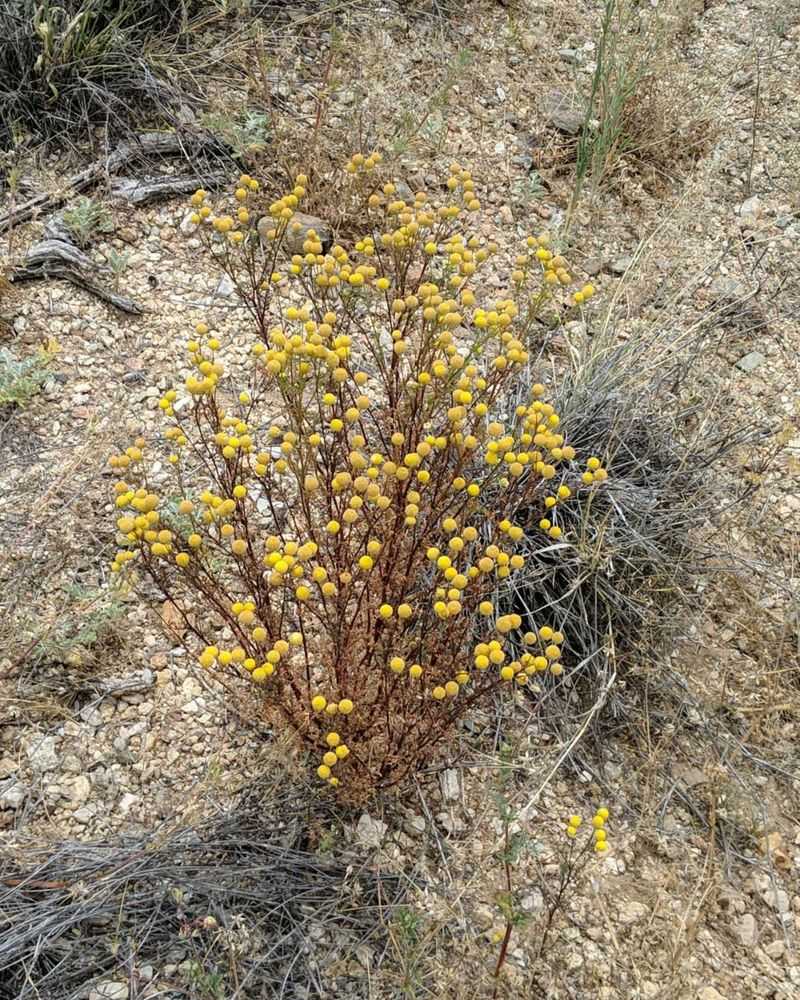
Globe chamomile does not get as much attention as some of the bigger invasive plants in Arizona, but it has been quietly spreading across the state and causing real problems for native plant communities.
Originally from South Africa, it arrived in Arizona and found the dry, disturbed soils of roadsides, fields, and rangeland very much to its liking.
It spreads quickly, and once it moves in, it is tough to push back out.
Unlike some invasives that take years to establish, globe chamomile can carpet large areas within a single growing season. It germinates after fall and winter rains, grows through the cooler months, and produces enormous quantities of seeds before drying out in the heat.
Those seeds stay viable in the soil for years, which means even if you clear an area completely, new plants can sprout the following season from seeds already in the ground.
Native wildflowers and grasses that normally fill Arizona roadsides and open desert areas cannot compete well with globe chamomile when it moves in at high density.
Pollinators that rely on native flowering plants lose forage, and the overall biodiversity of affected areas drops noticeably.
Ranchers in southern Arizona have also reported it taking over grazing land that previously supported more nutritious native grasses.
Arizona lists globe chamomile as a prohibited noxious weed, meaning you cannot legally grow or sell it. If you notice it appearing in your yard or on nearby open land, pulling plants before they go to seed is the most practical control measure.
Reporting patches to your local county weed management program helps track its spread across the state.
7. African Rue Spreads Fast And Is Difficult To Control
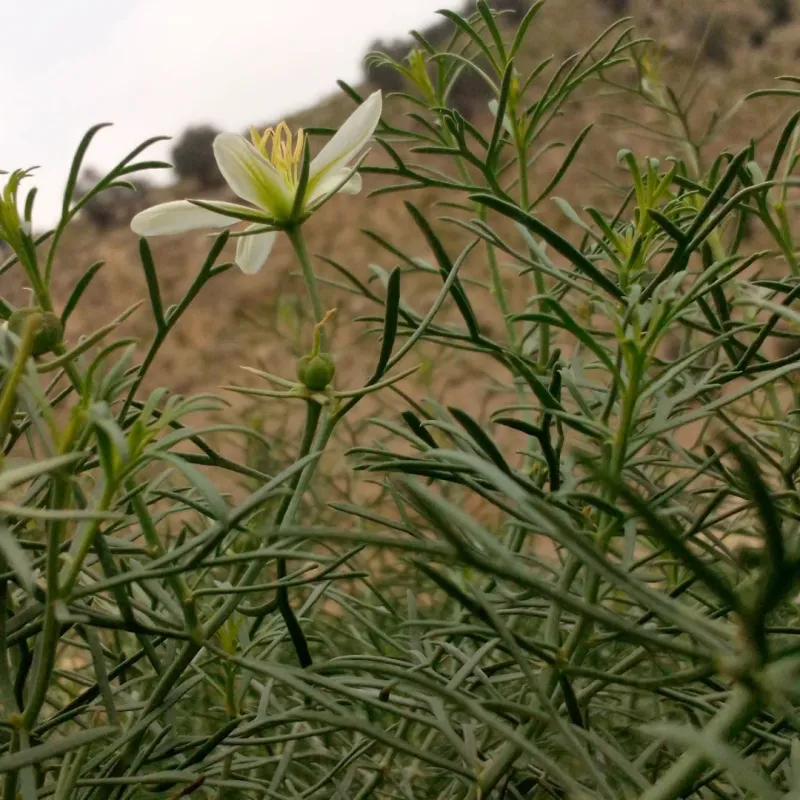
African rue looks almost unremarkable at first glance, a low-growing plant with small white flowers and finely cut leaves. But underneath that modest appearance is one of the more stubborn and toxic invasive plants found in Arizona.
It has spread across parts of the Mojave and Sonoran Desert regions and continues to push into new areas along roadsides and disturbed desert soils.
Every part of African rue contains toxic alkaloid compounds. Livestock that graze on it can suffer serious health effects, which makes it a genuine concern for ranchers across southern and western Arizona.
Sheep and goats appear to be especially vulnerable. Even small amounts consumed over time can cause problems, so land managers treat infestations near grazing areas as a priority.
Controlling African rue is genuinely frustrating. Its root system goes deep and stores enough energy to regrow after the top is removed.
Herbicide treatments can be effective, but they usually require repeated applications over multiple seasons to make real progress. Hand-pulling works on small plants, but the roots break easily, leaving fragments that can resprout from even a small piece left in the ground.
Arizona law prohibits growing or selling African rue, and the Arizona Department of Agriculture actively monitors its spread.
Seeds from this plant can move easily in soil, on equipment, and along waterways, which is why it keeps showing up in new locations even when control efforts are ongoing.
If you spot it on your property anywhere in Arizona, documenting the location and contacting your county extension office is the right first move before attempting removal on your own.