6 Perennials To Cut Back In March In Georgia (And 3 You Should Leave Alone)
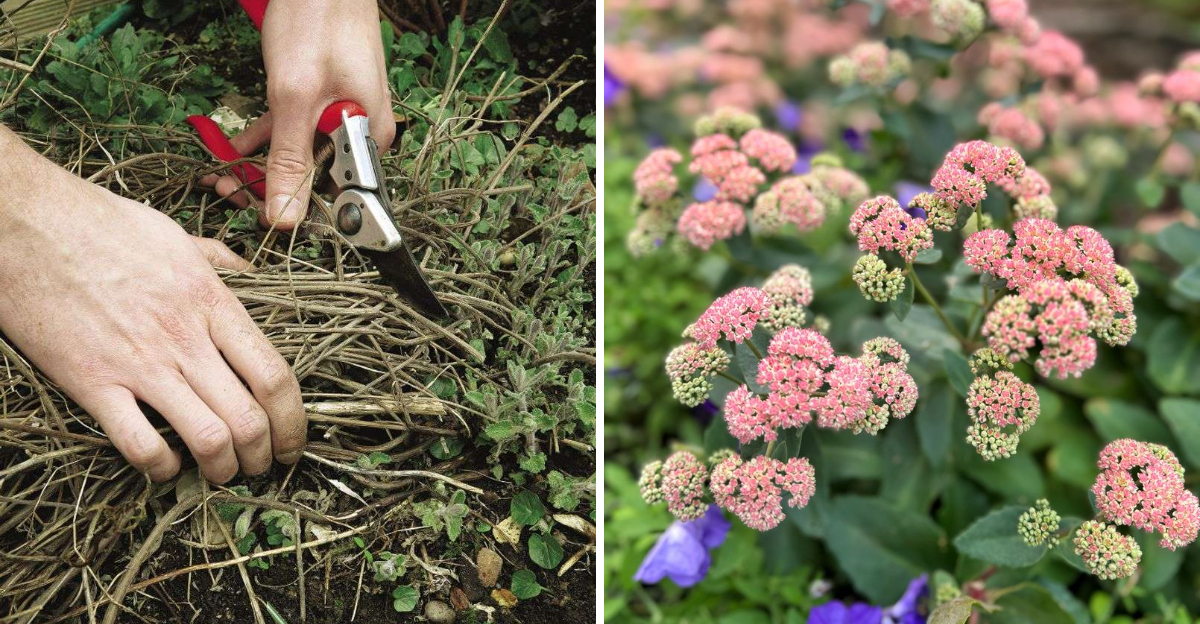
March can be a busy month in Georgia gardens. As temperatures begin warming and new growth starts appearing, many perennials look a little tired after winter.
Brown stems, dry foliage, and leftover seed heads often make gardeners reach for the pruning shears, ready to clean everything up at once.
But early spring pruning is not always as simple as it seems. While some perennials benefit from a fresh trim that encourages strong new growth, others actually do better when they are left alone a little longer.
Cutting the wrong plant too early can delay growth or even reduce blooms later in the season.
Knowing which plants welcome a March haircut and which ones still need a bit more time can make a real difference in how a garden looks as spring unfolds.
A few careful choices now can help keep perennials healthy, encourage fuller growth, and set the stage for a much more vibrant Georgia garden in the months ahead.
1. Salvia Benefits From A Fresh Spring Cutback
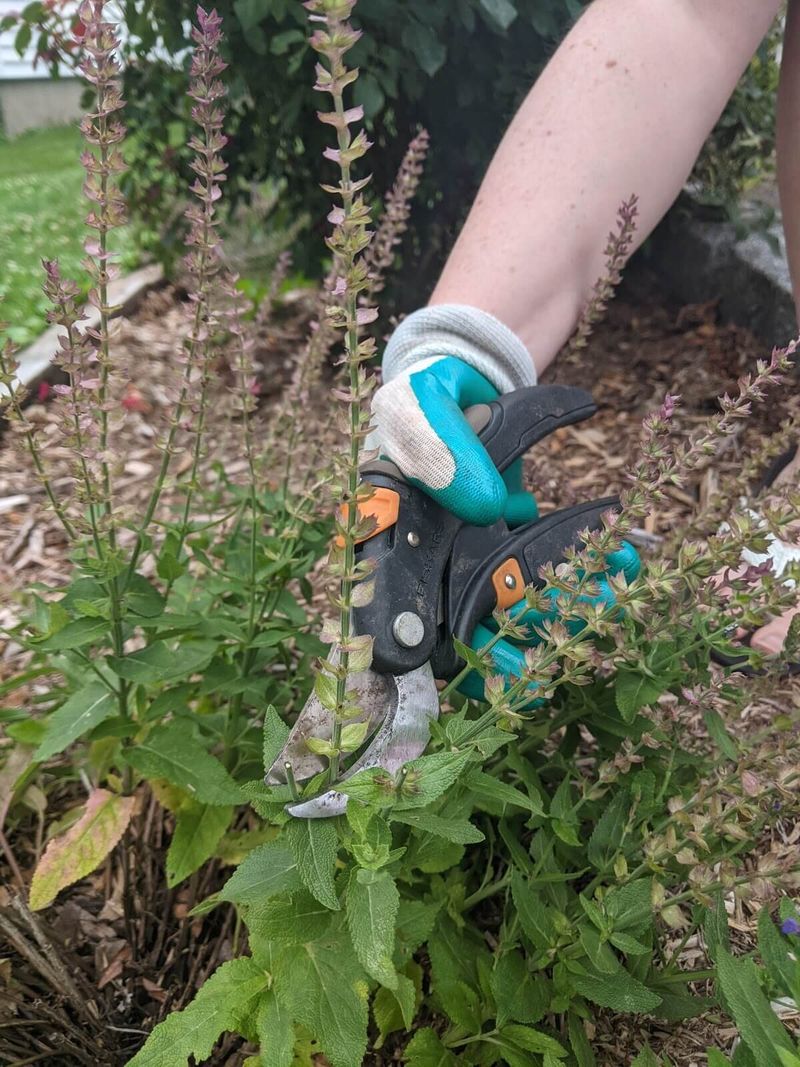
Salvia can look pretty rough by the time March rolls around in Georgia. The stems get woody and brittle over winter, and all that old growth just sits there blocking the new growth trying to push through from the base.
Cut salvia back hard in early March, right down to about four to six inches from the ground. Sharp, clean pruners make a clean cut that heals faster and reduces the chance of rot setting in during Georgia’s unpredictable spring rains.
After cutting, you will notice new shoots appearing within a couple of weeks. That fresh growth is what produces the tall flower spikes that attract hummingbirds and pollinators later in the season.
Skip the cutback and you end up with a leggy, weak plant that flops over by June. Salvia rewards the effort with stronger stems and more blooms than it would have produced otherwise.
A light layer of compost around the base after pruning gives it a solid head start into the growing season.
Clear away the old stems and debris around the base so sunlight and air can reach the new shoots as they start to grow. With a hard cutback and a little cleanup, salvia quickly fills out again and looks far healthier by the time late spring arrives.
2. Russian Sage Produces Strong New Growth After Pruning
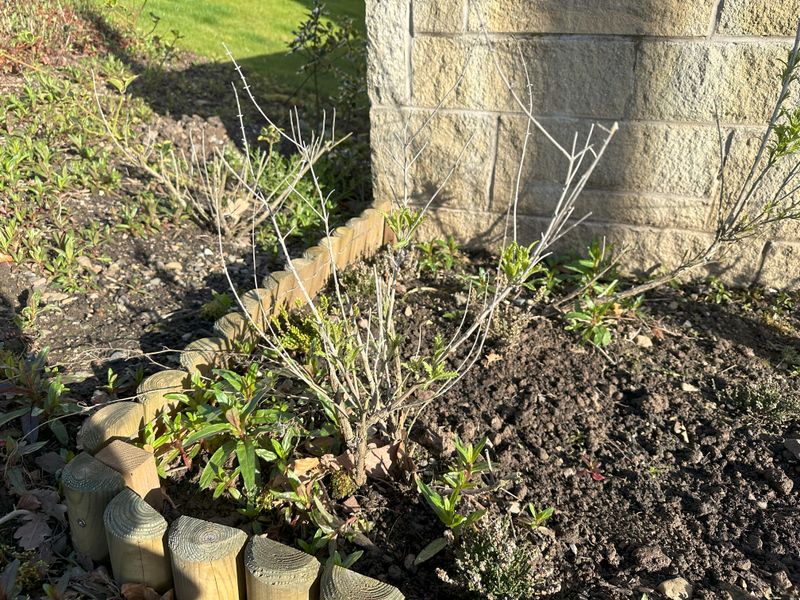
Russian sage is one of those plants that genuinely looks worse before it looks better. By late winter in Georgia, the stems are silver-gray, brittle, and kind of a mess.
A lot of people make the mistake of thinking it is beyond saving.
Hard pruning in March is exactly what it needs. Cut the whole plant back to about six to eight inches, removing all that old top growth.
New stems will push up from the woody base, and they come in thicker and more upright than what was there before.
One thing worth knowing: Russian sage does not come back from the roots the way softer perennials do. The new growth emerges from buds on the existing woody stems, so do not cut all the way to the ground or you risk removing those bud sites entirely.
Your Georgia Garden Changes Every Week. Your Plan Should Too.
Gardening in Georgia changes quickly throughout the season. Every Friday you’ll receive a simple weekly plan showing exactly what to plant, prune, fertilize, harvest, and protect so you never miss the right timing.
In Georgia’s warm climate, Russian sage can get quite tall by midsummer, sometimes reaching four feet or more.
Pruning it back in March keeps that height manageable and prevents the flopping that happens when the plant gets too heavy for its own stems to support.
Once new growth starts, the plant quickly fills out with soft gray foliage that gives the whole garden a lighter look. By summer, those tall lavender-blue flower spikes become a magnet for bees and butterflies.
3. Coreopsis Responds Well When Old Stems Are Removed
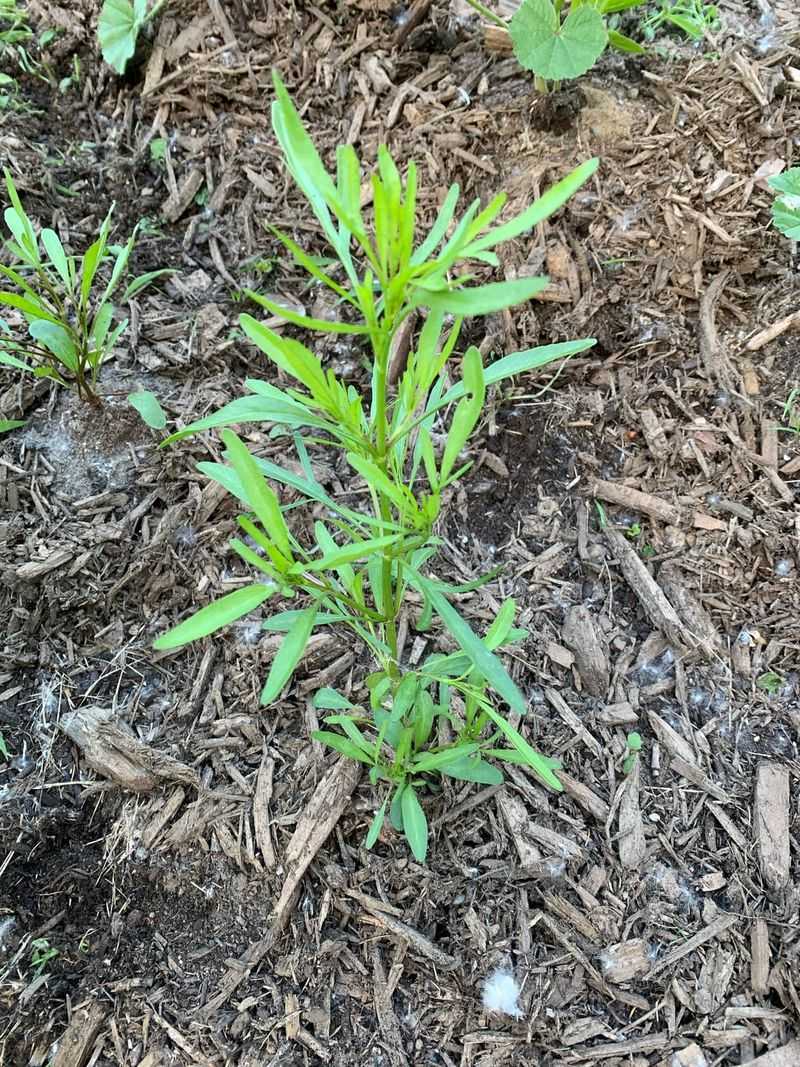
Few perennials bounce back as eagerly as coreopsis after a good cleanup in March. By the end of winter, the old stems are brown, brittle, and completely spent.
Leaving them in place does nothing for the plant and actually slows down how fast the new growth can establish.
Cut everything back to just above the basal rosette, which is the cluster of low green leaves sitting right at soil level. Those leaves are already working, pulling in sunlight and building energy for the season ahead.
Removing the old stems above them just gets them more light and airflow.
Coreopsis is a reliable bloomer in Georgia gardens, handling the heat and humidity better than a lot of other perennials. But it performs noticeably better when given a fresh start in early spring rather than being left to push through a tangle of old stems.
After pruning, coreopsis tends to bloom earlier and more consistently than unpruned plants. A simple trim in March sets it up for months of cheerful yellow flowers that last well into fall across Georgia landscapes.
4. Yarrow Grows Fuller After Early Spring Cutting
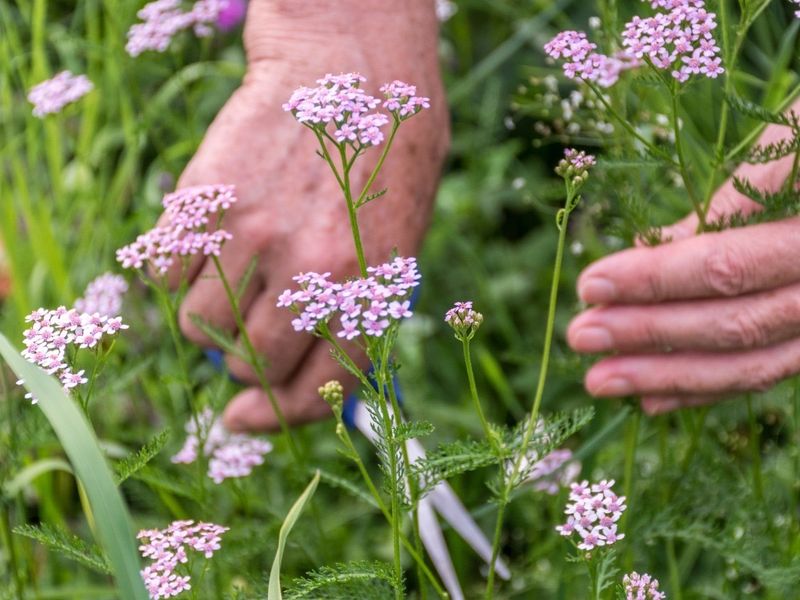
Yarrow has a reputation for being tough, and it earns that reputation every single year. Still, toughness does not mean it thrives on neglect.
By March in Georgia, the old stems are dry, hollow, and often matted down from winter rain and cold.
Cutting yarrow back to about two to three inches in early spring changes everything about how it grows. Instead of spending energy trying to push through old growth, the plant can focus entirely on producing new stems from the base.
Those new stems come in thicker and more compact than the old ones.
One common issue with yarrow that does not get cut back is flopping. The stems grow tall and thin, then collapse under their own weight by midsummer.
A hard March cutback encourages shorter, sturdier growth that holds up much better through Georgia’s windy spring storms.
Yarrow also tends to spread aggressively if left unchecked. Cutting it back in March is a good time to assess whether the clump has gotten too wide and pull out any sections that have crept too far into neighboring plants.
5. Catmint Bounces Back Quickly After A March Trim
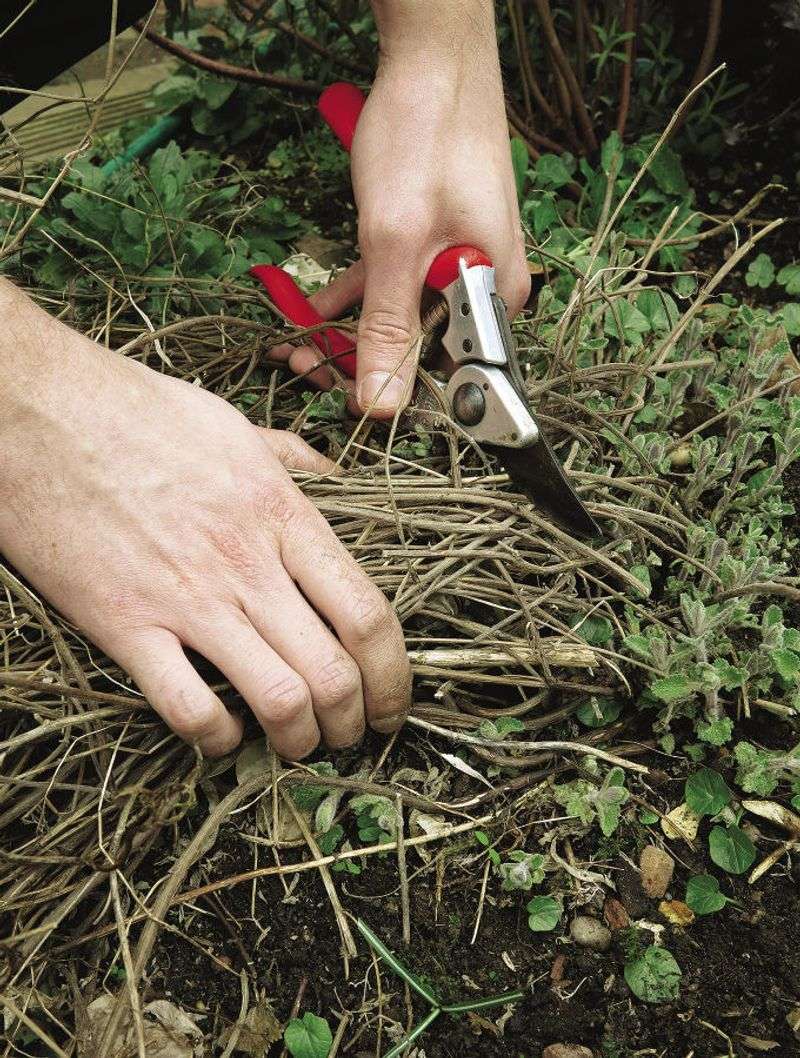
Catmint is genuinely one of the most satisfying plants to prune in March because the results show up fast.
Within a few weeks of cutting it back, you get a tight, tidy mound of fresh silver-green foliage that looks completely different from the ratty tangle left over from winter.
Cut the whole plant back by about two-thirds in early March. You do not have to be precise about it.
A rough cut with a good pair of hedge shears or even sharp scissors works fine for most gardeners. What matters is removing the old, woody growth so fresh stems have room to develop.
In Georgia, catmint tends to bloom earlier than in cooler climates, sometimes pushing out its first lavender-blue flower spikes in late April.
Pruning in March lines up perfectly with that timeline, giving the plant just enough time to put out strong new growth before blooming begins.
Catmint also tends to reseed if the old flower heads are left on too long. Cutting it back before the seed heads fully form keeps it from spreading more than you want in a well-maintained Georgia garden bed.
6. Daylily Benefits From Removing Old Winter Foliage
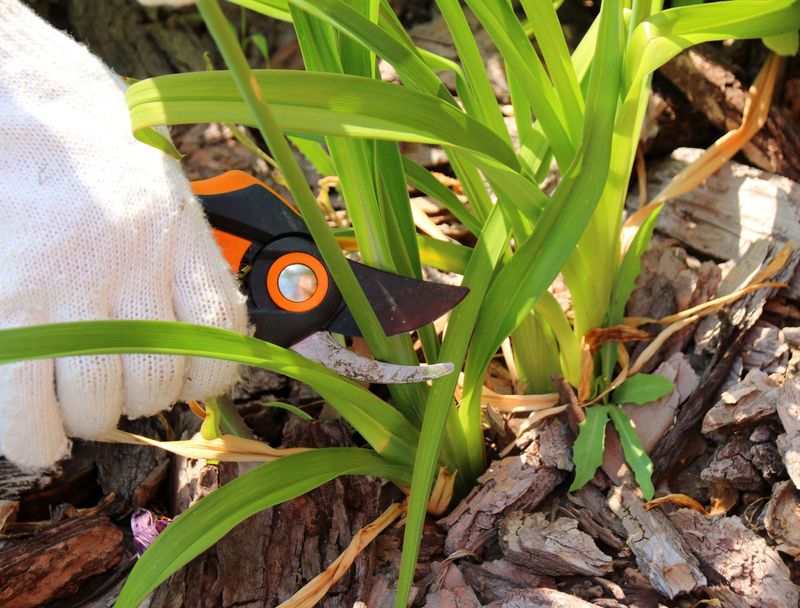
Daylilies are everywhere in Georgia gardens, and for good reason. But by late winter, the foliage looks tired at best and downright messy at worst.
The older leaves turn brown and papery, flopping down around the base of the plant in a way that traps moisture and invites problems.
March is the right time to pull off or cut back old foliage. You can often just grab the old leaves and pull them free from the base by hand.
For anything that does not come off easily, use clean pruners and cut back to just above where the green starts.
Removing old foliage does two things for daylilies. First, it improves airflow around the crown, which reduces the risk of fungal issues during Georgia’s humid spring months.
Second, it lets you see exactly where the new growth is emerging so you do not accidentally damage it when working around the plant.
Daylilies do not need heavy pruning the way some other perennials do. A light cleanup in March is usually enough to keep them looking tidy and growing strong heading into their peak bloom season in late spring and early summer.
Clearing away that old foliage also helps the soil warm up faster around the base of the plant. With less debris in the way, new leaves can push up cleanly and form a fuller, healthier clump as the season moves forward.
7. Coneflower Should Be Left Until New Growth Appears
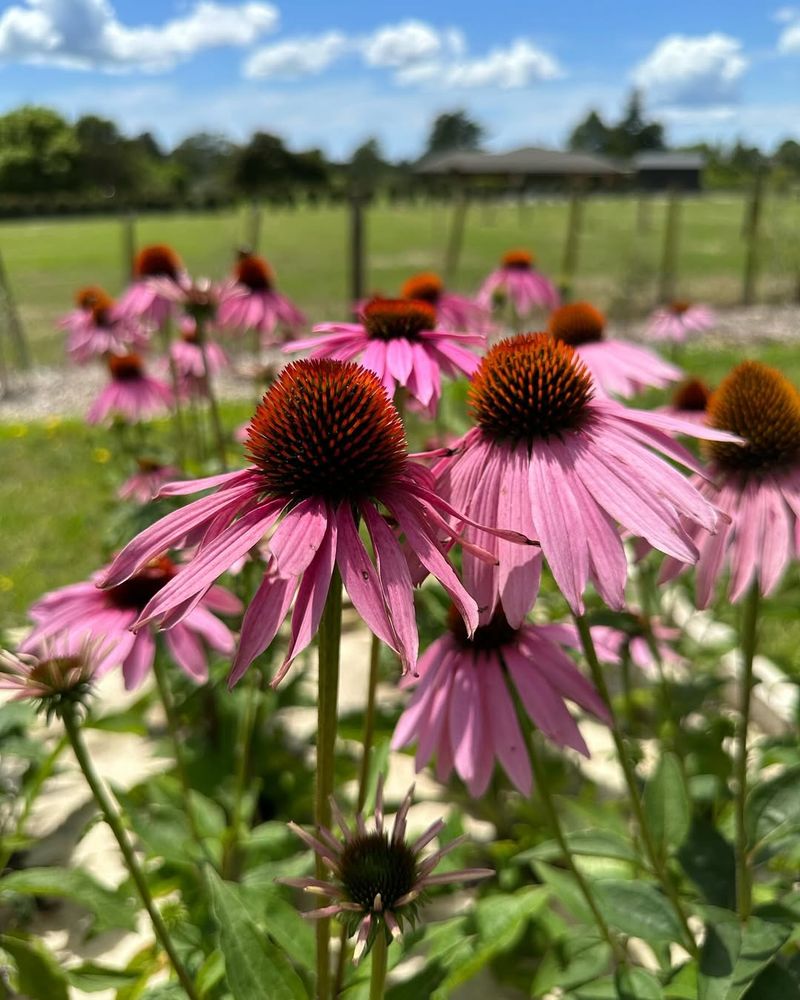
Coneflower is one plant where patience pays off more than eagerness. A lot of Georgia gardeners see the brown, dried stems in March and immediately want to cut everything down.
Holding off is actually the smarter move.
Those old stems and seed heads are still doing real work in early spring. Birds, especially goldfinches and chickadees, continue feeding on the seeds well into March.
Cutting the stems down too early removes a food source that wildlife in your area is still actively using.
Beyond the wildlife benefit, coneflower also sends up new basal growth slowly.
Waiting until you can clearly see green rosettes emerging at the base before cutting back the old stems means you are far less likely to accidentally damage the new growth in the process.
Once that new growth is about two to three inches tall, then it is safe to cut back the old stems and tidy up the plant.
In most parts of Georgia, that point arrives somewhere between mid-March and early April depending on how mild the winter has been. Rushing the process almost always causes more harm than waiting a few extra weeks.
8. Black Eyed Susan Often Supports Wildlife Through Early Spring

Black eyed Susan is the kind of plant that keeps giving long after its blooms have faded. By March in Georgia, the seed heads are fully dried, but they are far from useless.
Finches and sparrows treat those seed heads like a free buffet all the way through late winter and into early spring.
Cutting black eyed Susan down in early March cuts off that food supply before the birds have moved on to other sources. Waiting until later in the month, or even early April, gives local wildlife time to finish what the plant has to offer.
There is also a practical reason to wait. Black eyed Susan can be slow to show new basal growth in early spring, especially after a cooler Georgia winter.
Leaving the old stems in place protects the crown from any late cold snaps that can still show up in March across the northern parts of the state.
When you do finally cut it back, trim the stems down to just above the basal rosette. New growth will take off quickly once temperatures warm consistently, and the plant will fill back in well before summer heat arrives across Georgia.
9. Sedum Protects New Growth When Old Stems Stay Longer
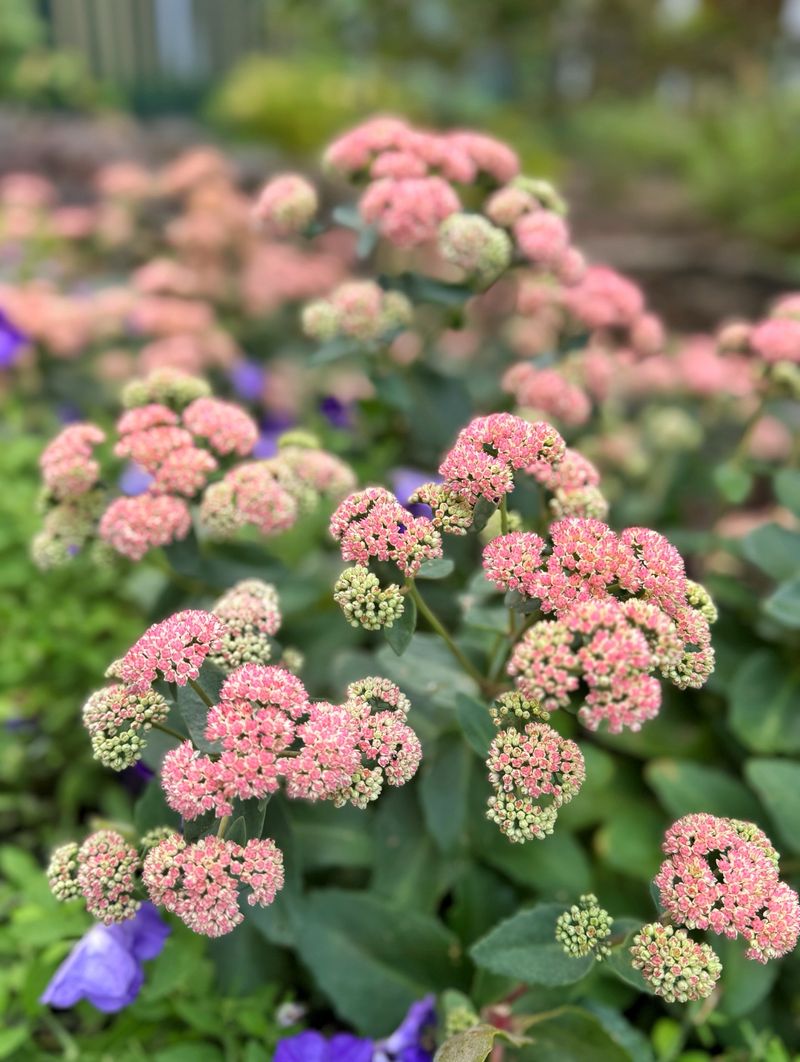
Sedum looks like it needs a haircut by the time March arrives, but cutting it back too early in Georgia can actually cause problems.
The old dried stems that look so untidy are doing something useful: they act as a natural barrier around the crown, blocking cold air and light frost from reaching the new growth underneath.
Late frosts are not uncommon across Georgia in March, particularly in the northern regions around the mountains.
Sedum’s new growth is tender and vulnerable, and having those old stems in place gives it a degree of protection that is easy to underestimate until a cold night proves the point.
Wait until you see the new growth clearly pushing up from the base, and check the forecast before you start cutting. Once nighttime temperatures are staying consistently above freezing, then it is safe to remove the old stems and clean up the crown.
When you do cut sedum back, trim the old stems close to the base and remove any soft or damaged growth from the crown.
Fresh growth will quickly fill in, and the plant will look completely refreshed within a few weeks as Georgia’s spring warmth takes hold.