This Is The Biggest Mistake Georgia Gardeners Make With Azaleas In Spring
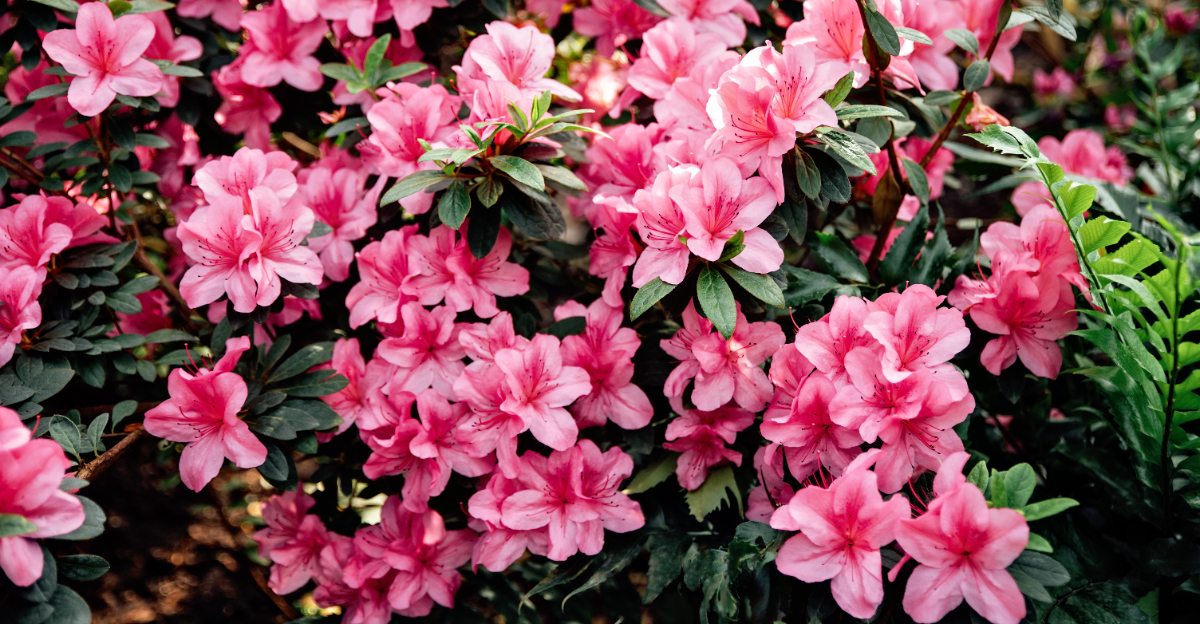
Azaleas usually steal the show this time of year, and it feels like nothing can go wrong. The buds look full, the leaves seem healthy, and everything points to a strong spring display in a Georgia yard.
Then something feels off. Blooms don’t open the way they should, or the plant just sits there without that burst of color everyone expects.
It is easy to brush it off at first. Maybe the weather has been strange, or the plant just needs more time.
Still, that quiet change starts to stand out, especially when nearby plants are moving along just fine.
Most gardeners have been in that spot, wondering what shifted without any clear sign. The answer is not always obvious, but it often comes down to one simple mistake made at the wrong moment.
1. Fertilizing Too Early Before The First Bloom Cycle Ends
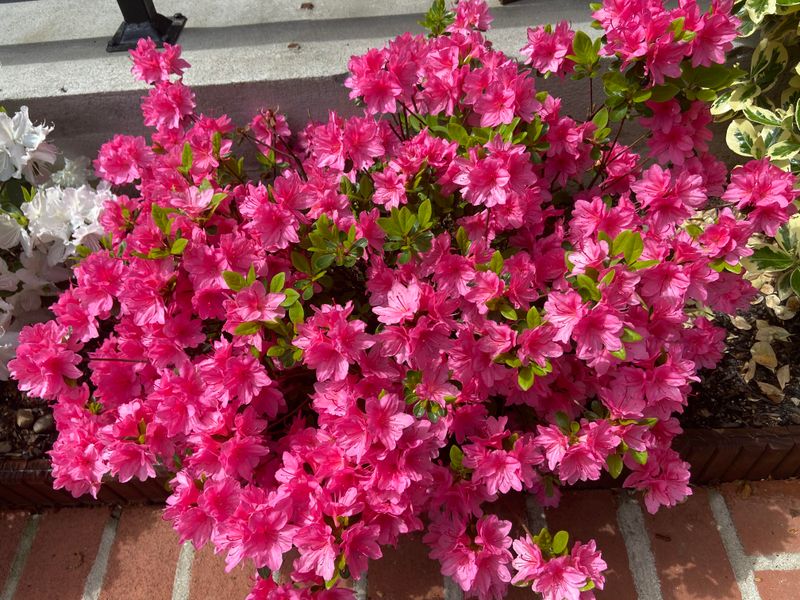
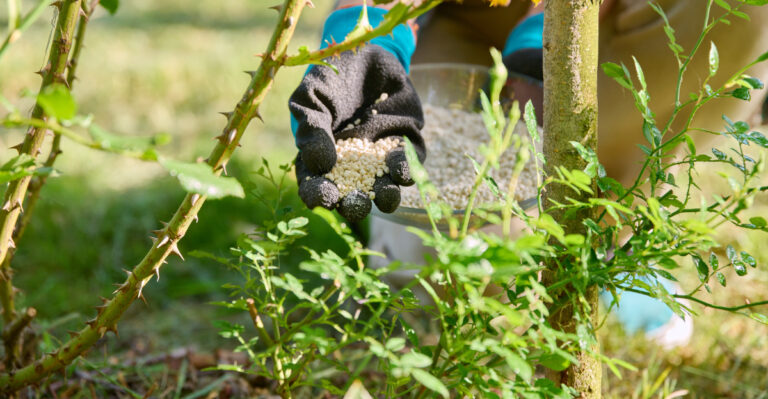
Reaching for the fertilizer bag the moment you see buds opening is one of the most common timing errors Georgia gardeners repeat every spring. It feels productive, but the timing works against the plant.
Azaleas are already burning through stored energy to push out those blooms, and adding a nitrogen-heavy fertilizer right then redirects that energy toward leaf growth instead of finishing the flower cycle.
Fertilizing mid-bloom can actually shorten how long those flowers last. In Georgia’s warm spring climate, azaleas move through their bloom cycle faster than in cooler states, so the window where fertilizer helps versus hurts is narrower than most people expect.
Waiting until the last petals drop gives the plant a chance to complete what it started.
Right after blooming ends, usually sometime between late March and early May depending on your part of Georgia, is when a light application of azalea-specific fertilizer makes the most sense.
At that point, the plant shifts into a growth phase where nutrients actually support healthy new stems and foliage.
2. Letting Soil Stay Too Wet In Heavy Clay
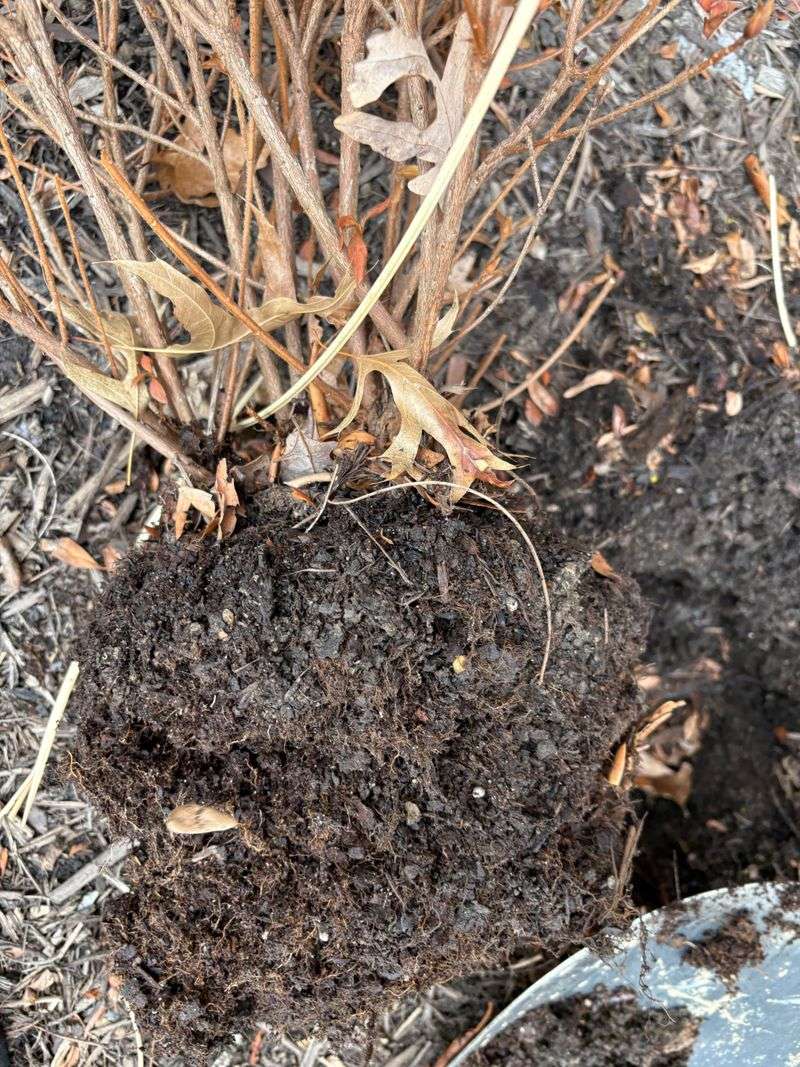
Georgia clay is notorious for holding water long after a rainstorm passes, and azaleas have almost no tolerance for soggy roots. Unlike some shrubs that can handle wet feet for a few days, azaleas have shallow, fibrous root systems that suffocate quickly when drainage is poor.
Root rot can set in faster than most gardeners realize, especially during Georgia’s unpredictable spring rain stretches.
Signs of overwatering and poor drainage often look identical to signs of drought, which makes diagnosing the problem tricky. Yellowing leaves, wilting despite wet soil, and a general decline in vigor are all red flags.
If you press your finger two inches into the soil and it feels cold and saturated, that plant is sitting in conditions it cannot handle for long.
Improving drainage before planting is always easier than fixing it after the fact. Raised beds or slightly mounded planting areas help water move away from the root zone naturally.
If your azaleas are already in the ground in a low spot, working in pine bark or coarse compost around the base can improve how quickly water drains through. Avoid heavy watering schedules during rainy weeks, and check the soil before adding any irrigation.
Your Georgia Garden Changes Every Week. Your Plan Should Too.
Gardening in Georgia changes quickly throughout the season. Every Friday you’ll receive a simple weekly plan showing exactly what to plant, prune, fertilize, harvest, and protect so you never miss the right timing.
3. Planting Azaleas In Too Much Direct Afternoon Sun
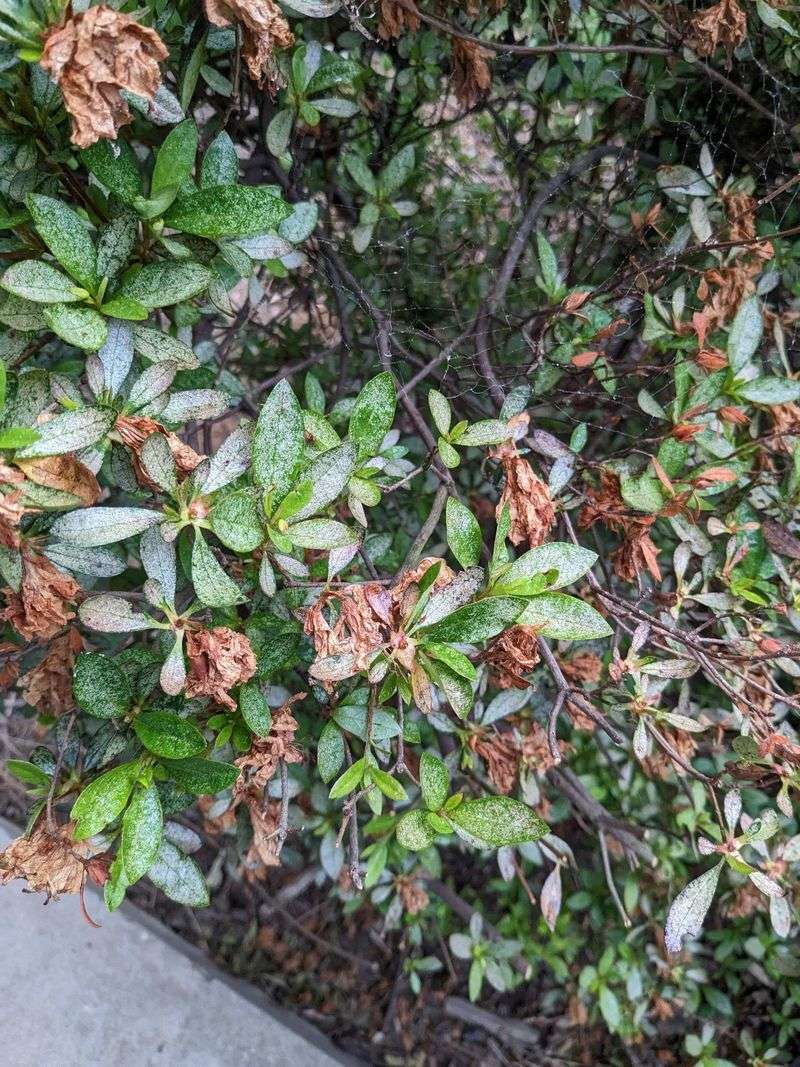
Afternoon sun in Georgia is not the same as morning sun, and azaleas feel that difference sharply.
By mid-spring, afternoon temperatures across much of the state can push into the upper 80s, and direct sun during those hours bakes the shallow roots and scorches the foliage in ways the plant struggles to recover from.
Faded blooms, crispy leaf edges, and slow growth are all signs a plant is getting too much heat exposure.
Morning sun is actually beneficial. A spot that gets four to six hours of gentle morning light and then transitions to dappled shade by early afternoon is close to ideal for most azalea varieties grown in Georgia.
Under a tall pine canopy, along a fence line that blocks western exposure, or on the north or east side of a structure all tend to produce healthier, longer-blooming plants.
If an azalea is already planted in a tough sun location and struggling, adding shade cloth during the hottest part of the day can reduce stress while you assess whether transplanting makes sense.
Fall is generally a better time to move established shrubs in Georgia because cooler temperatures reduce transplant shock.
4. Skipping Mulch When Roots Need Consistent Moisture
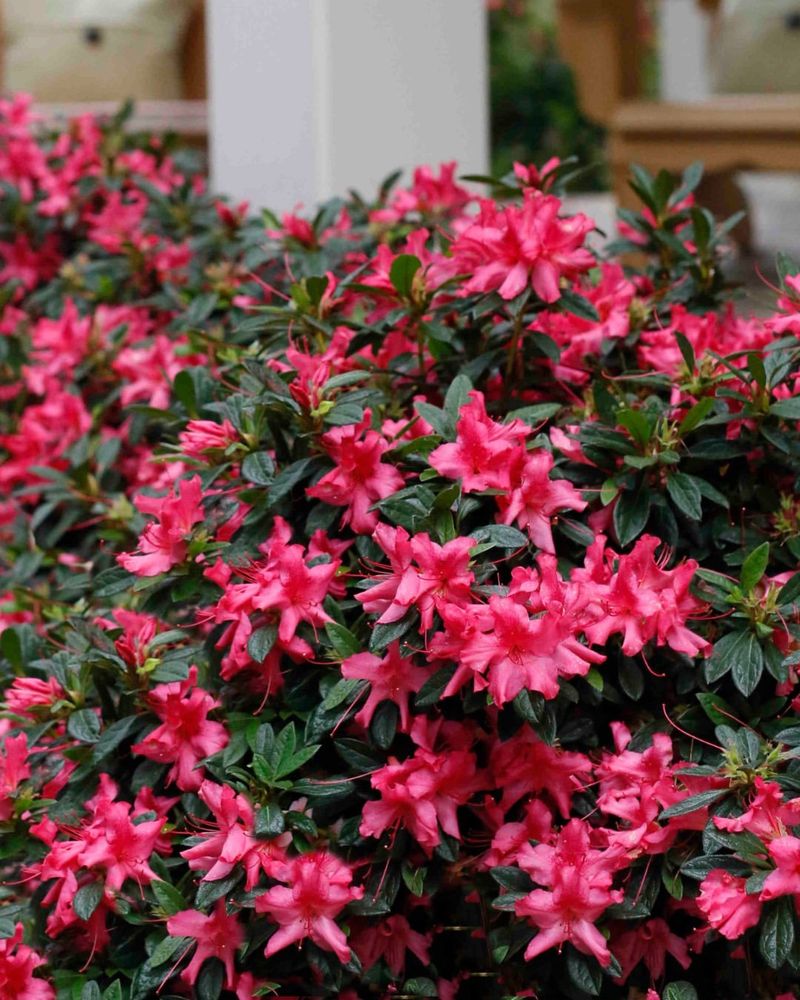
Bare soil around azaleas in a Georgia spring is a problem waiting to happen. Without mulch, the shallow roots are exposed to rapid temperature swings, moisture loss, and weed competition all at once.
Georgia springs can swing from cool and rainy to warm and dry within the same week, and unmulched azaleas feel every one of those shifts directly at the root level.
Pine straw is the go-to choice for most Georgia gardeners, and for good reason. As it breaks down slowly, it adds a mild acidity to the soil that azaleas depend on.
It also stays in place during heavy rain better than shredded hardwood mulch, which tends to wash away on sloped beds. A three to four inch layer applied in early spring, before the heat picks up, gives the roots a buffer against both drying out and overheating.
Keep the mulch a few inches away from the main stem to avoid trapping moisture against the bark, which can invite fungal problems.
Pulling the mulch back slightly from the base while still covering the wider root zone is a small detail that makes a real difference over time.
5. Pruning At The Wrong Time And Losing Next Year’s Blooms
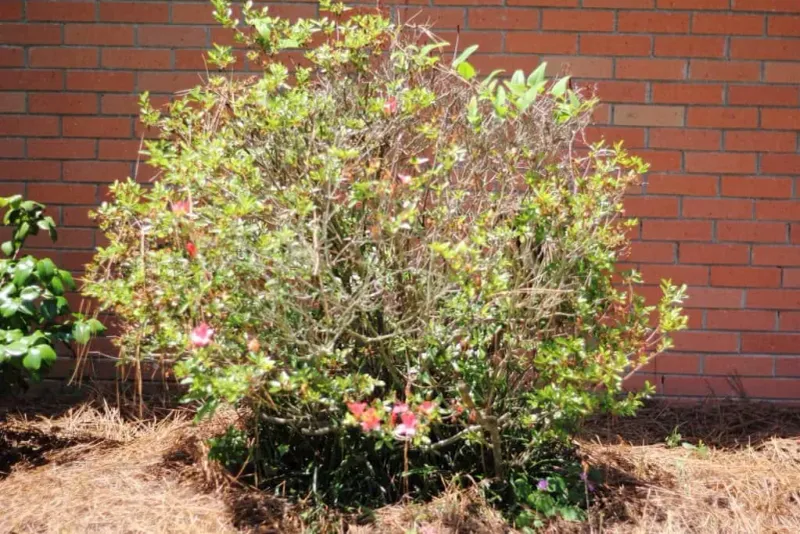
Pruning azaleas in late summer or fall is one of the most reliable ways to end up with a plant full of leaves and zero flowers the following spring.
Most gardeners do not realize that azaleas set next year’s flower buds in late summer, sometimes as early as July in Georgia.
Any pruning done after that point removes the buds before they ever get a chance to open.
The correct window is right after the blooms finish dropping, which typically falls between late March and early May across most of Georgia.
Pruning during that narrow period allows the plant to spend the rest of the growing season forming strong new growth and setting fresh buds for the following year.
Miss that window and you are essentially trading next spring’s flowers for a cleaner shape this fall.
Hard pruning, where you cut a plant back dramatically, should be done with even more caution. Azaleas can handle a significant reduction in size, but doing it at the wrong time or too aggressively stresses the plant and delays bud set.
Light shaping right after bloom is far less disruptive than a heavy cutback done in September.
6. Ignoring Soil Acidity That Azaleas Depend On To Thrive
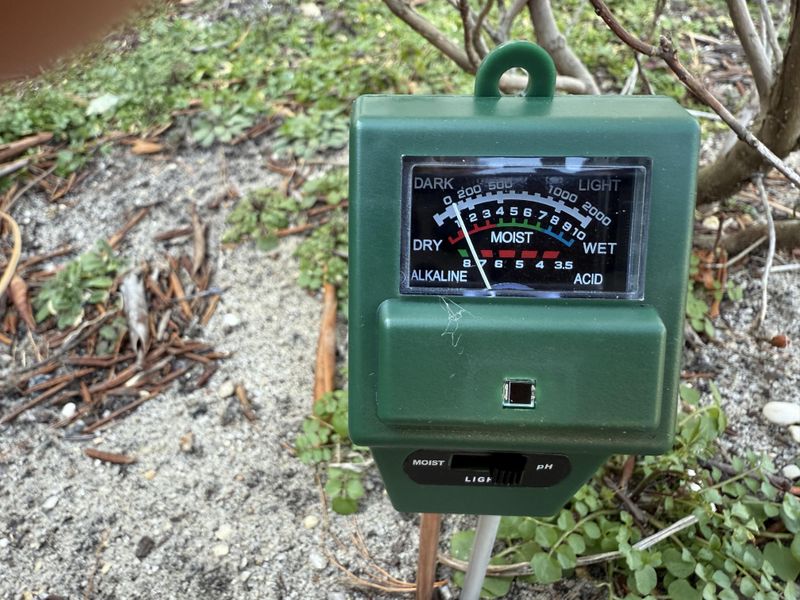
Soil pH is not a detail you can ignore with azaleas, and Georgia soil does not always cooperate. Azaleas need a pH between 4.5 and 6.0 to absorb nutrients properly.
Outside that range, even a well-fertilized plant cannot access what it needs, and you end up with yellowing leaves and weak growth that no amount of watering or feeding seems to fix.
Georgia soils vary widely depending on the region. In the mountains, soils tend to run naturally acidic, which works in your favor.
In the Piedmont and coastal plain areas, pH can drift higher, especially near concrete foundations or in lawns that have been limed repeatedly over the years.
A basic soil test, available through your local UGA Extension office for a small fee, tells you exactly where your soil stands before you start guessing.
Elemental sulfur is the most common amendment used to lower pH, but it works slowly, sometimes taking several months to shift the numbers meaningfully. Applying it in fall gives it time to work before the next spring growing season.
Acidifying fertilizers also help maintain pH over time when used consistently.
7. Using General Fertilizer Instead Of One Made For Acid-Loving Plants
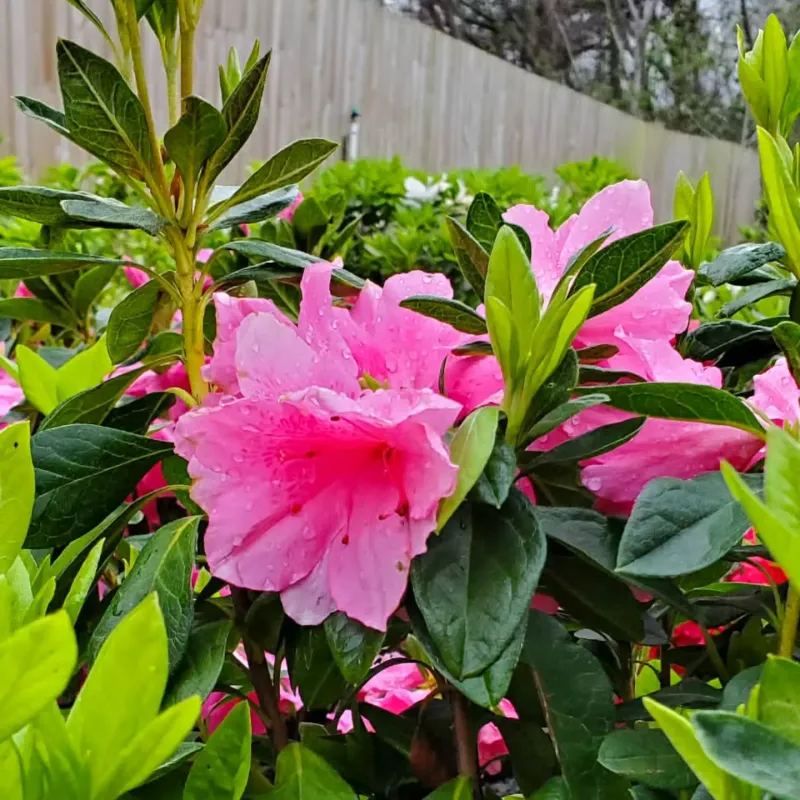
Grabbing a general-purpose fertilizer because it was already in the garage is a shortcut that tends to backfire with azaleas. Standard balanced fertilizers, especially those with high phosphorus or formulated for lawns, are not designed with azalea chemistry in mind.
Using them repeatedly can push soil pH in the wrong direction and create nutrient imbalances that show up as poor bloom production and lackluster foliage.
Azaleas benefit from fertilizers specifically labeled for acid-loving plants. These blends typically contain ammonium-based nitrogen, which acidifies the soil as it breaks down rather than raising pH.
They also tend to include micronutrients like iron and manganese that azaleas use but that become unavailable in neutral or alkaline soil.
In Georgia, where soil pH management is already a consideration in many parts of the state, using the right fertilizer formula is one way to work with the soil rather than against it.
Application rate matters just as much as product choice. More fertilizer does not mean faster or better growth, and azaleas are sensitive to over-application.
A light feeding right after bloom, followed by one more application in early summer if needed, is usually sufficient for established plants in Georgia. Newly planted azaleas generally need even less in the first year while their roots are getting settled.