How Georgia Gardeners Fertilize Hydrangeas Before Spring For Bigger Blooms
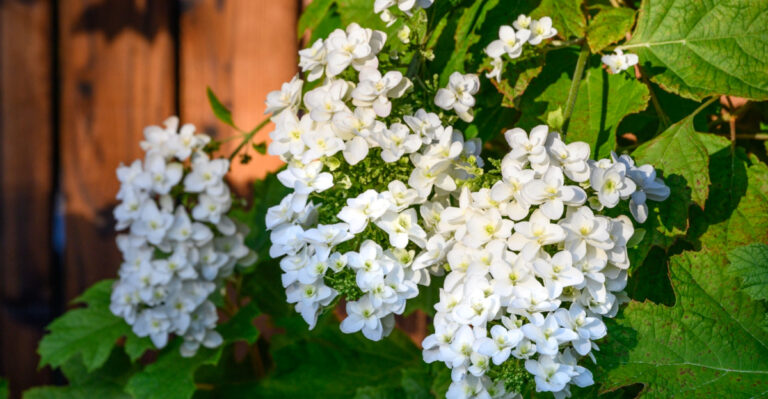
Hydrangeas have a way of stealing the spotlight in Georgia gardens once summer arrives. Those huge clusters of flowers can make a yard look full and lively almost overnight.
But the truth many gardeners learn over time is that those impressive blooms usually start with what happens earlier in the season.
Fertilizing hydrangeas at the right time helps the plants build strength before they focus on producing flowers. When the soil has the nutrients hydrangeas need, the plants respond with healthier growth and fuller bloom clusters later on.
Georgia gardeners often pay close attention to this step because it can be the difference between a plant that blooms lightly and one that becomes a real showstopper.
A little care early on can completely change how hydrangeas perform. With the right approach to fertilizing, those familiar shrubs can reward the garden with bigger, more impressive blooms as the season moves forward.
1. Start With A Balanced Slow Release Fertilizer
Choosing the right fertilizer is honestly half the battle when it comes to getting big hydrangea blooms in Georgia.
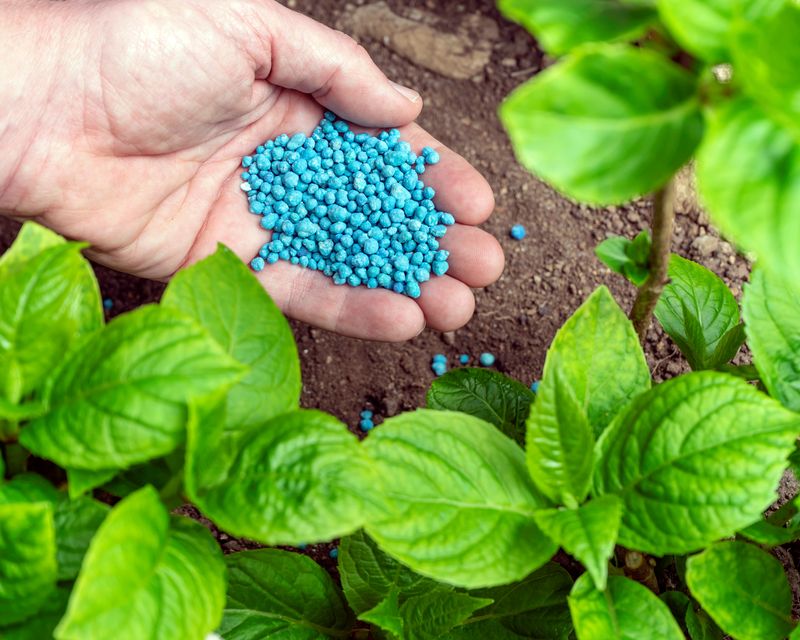
A balanced, slow-release granular fertilizer with an NPK ratio of 10-10-10 is the go-to choice for most experienced Georgia gardeners.
It feeds the plant steadily over time without shocking the roots or forcing a sudden burst of leafy growth that crowds out flower buds.
High-nitrogen fertilizers might make your hydrangea look lush and green, but all that leaf production can actually reduce the number of blooms you get.
Slow-release formulas break down gradually in the soil, which means your plant gets a steady, manageable supply of nutrients rather than a heavy dump all at once.
That steady feeding is exactly what roots need as they wake up heading into spring.
Apply roughly one tablespoon of granular fertilizer for every foot of shrub height. Scatter it evenly around the drip line of the plant, keeping it a few inches away from the main stem so it does not concentrate too close to the base.
Avoid piling fertilizer directly against the woody stems.
Water the plant thoroughly before you apply the fertilizer, and then water again right after. That two-step watering helps move nutrients down into the root zone and reduces the chance of fertilizer burn on the roots.
Georgia soils, especially in areas with heavy red clay, can be slow to absorb, so giving that extra water really matters for even nutrient distribution.
2. Apply Fertilizer As New Growth Begins
Timing fertilizer applications around new growth is one of those things that separates gardeners who get average results from those who get jaw-dropping blooms every season.
In Georgia, soil temperatures typically climb to around 50 to 54 degrees Fahrenheit somewhere between late February and mid-March.
That warming soil is your green light to start feeding your hydrangeas.
Applying fertilizer too early, before the soil has warmed enough, is a common mistake.
Cold soil cannot properly absorb or distribute nutrients, and pushing tender new growth too soon leaves it vulnerable to late cold snaps that Georgia can still throw at you in February.
Your Georgia Garden Changes Every Week. Your Plan Should Too.
Gardening in Georgia changes quickly throughout the season. Every Friday you’ll receive a simple weekly plan showing exactly what to plant, prune, fertilize, harvest, and protect so you never miss the right timing.
Waiting until you actually see small green buds or leaf tips beginning to push out is a reliable signal that the plant is ready to use what you give it.
A soil thermometer is a cheap, practical tool that takes the guesswork out of timing. Push it a few inches into the ground near the base of the plant and check the reading over several days.
Consistency matters more than a single warm afternoon reading.
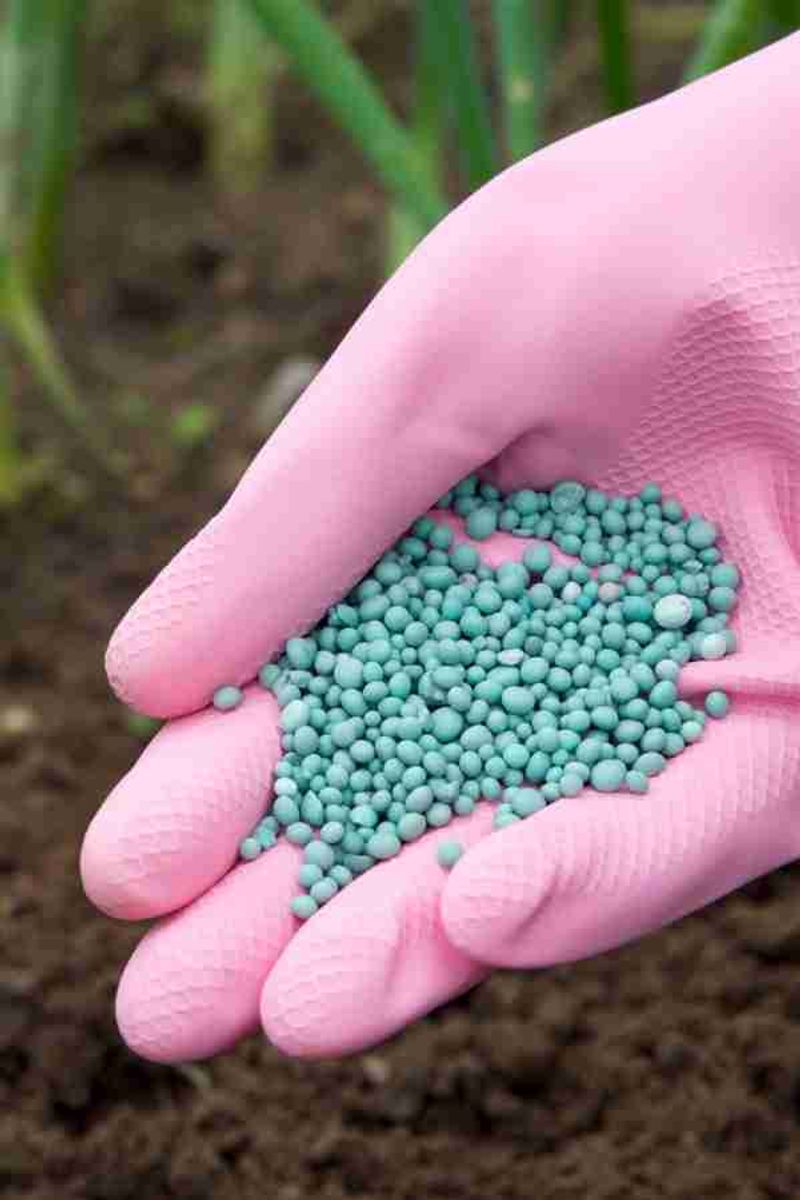
Once you confirm the soil is warm enough and new growth is visibly starting, apply your fertilizer around the drip line and water it in well.
Doing this at the right moment means the roots are already active and pulling nutrients up into the plant right when it needs them most.
For Georgia gardeners working with Bigleaf or Oakleaf varieties, nailing this timing is especially critical for protecting next season’s bloom potential.
3. Add Compost To Improve Soil Nutrients
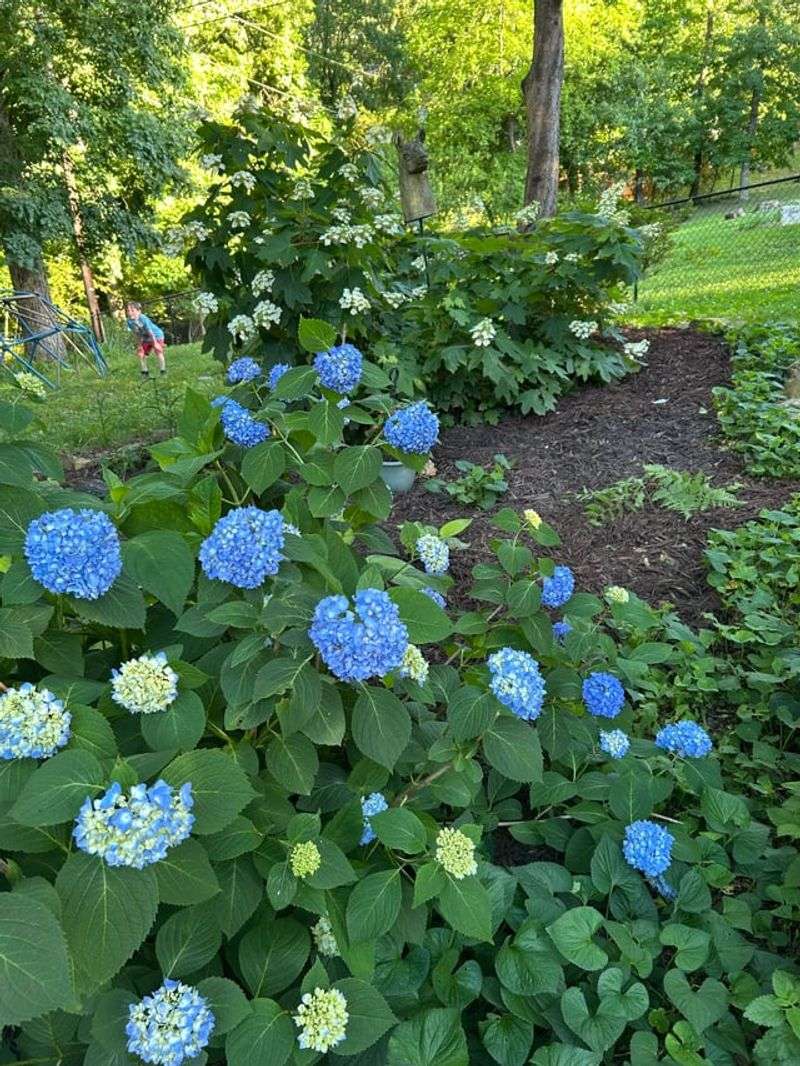
Compost does something that no bag of fertilizer can fully replicate: it improves the actual structure of your soil while feeding it at the same time.
Georgia gardeners dealing with heavy clay or sandy soils see some of the biggest payoffs from working compost into their hydrangea beds.
Better soil structure means better drainage, better root development, and ultimately more vigorous plants going into bloom season.
Spread a two to three inch layer of finished compost around the base of each hydrangea before spring growth kicks into high gear.
Work it lightly into the top inch or two of soil with a hand rake, being careful not to dig deep enough to disturb roots close to the surface.
Hydrangea roots tend to stay fairly shallow, so gentle is the right approach here.
Compost also acts as a slow, natural nutrient source, releasing nitrogen, phosphorus, and potassium in small amounts over time as it continues to break down.
Pairing compost with a balanced granular fertilizer gives your plants both an immediate nutrient boost and a long-term soil improvement benefit.
That combination is hard to beat, especially in Georgia where summer heat tends to drain soil nutrients faster than in cooler climates.
Finished compost from a backyard pile or bagged compost from a local garden center both work well. Avoid using fresh or unfinished compost near your plants because it can temporarily tie up nitrogen in the soil as it continues decomposing.
Fully broken-down material is what you want for the best results heading into spring.
4. Water Well After Feeding The Plant
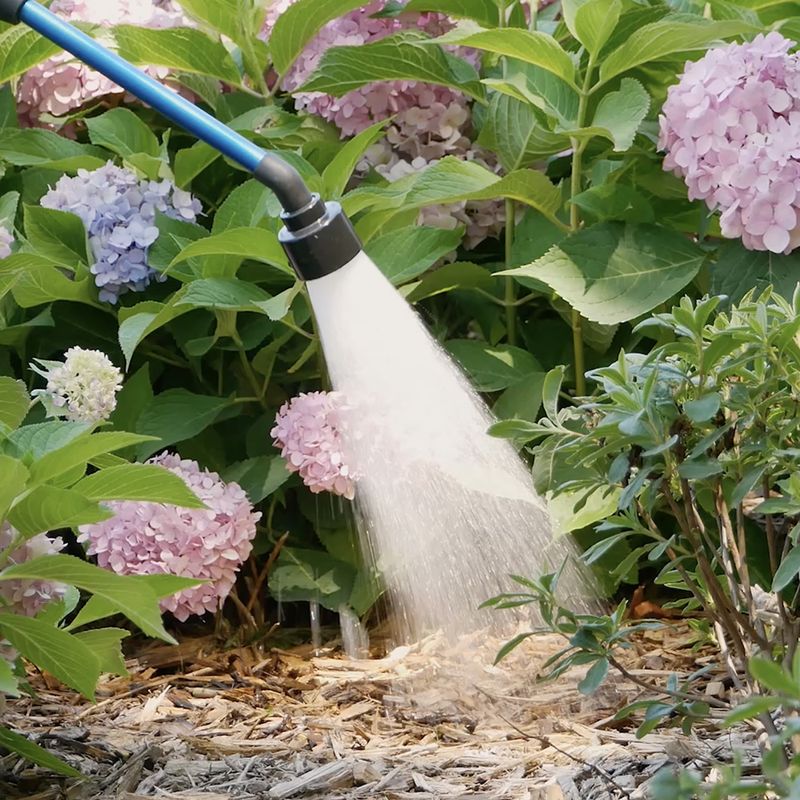
Fertilizer sitting on dry soil is basically useless. Watering your hydrangeas thoroughly after every feeding session is not optional; it is the step that actually makes the fertilizer work.
Water carries dissolved nutrients down through the soil and into the root zone where the plant can absorb them. Skip this step and you risk both poor nutrient uptake and potential root damage from concentrated fertilizer salts sitting too close to the plant.
Georgia summers can get brutally hot and dry, but even in late winter and early spring, soil moisture levels matter more than most gardeners realize. Before you apply any fertilizer, give the plant a deep watering the day before or the morning of application.
Then water again right after spreading the fertilizer around the drip line. That pre-application moisture primes the soil and the post-application watering moves everything into place.
Deep watering means letting the water run long enough to soak several inches into the ground, not just wetting the surface. A slow, steady soak for 20 to 30 minutes is far more effective than a quick five-minute spray.
Georgia clay soils absorb water slowly, so rushing this step often means water runs off before it actually penetrates.
Hydrangeas are not drought-tolerant plants. Consistent moisture from early spring through the growing season directly supports bloom size and flower count.
Setting up a simple drip irrigation line or soaker hose around your hydrangea beds is one of the best investments a Georgia gardener can make for low-effort, consistent watering all season long.
5. Use Mulch To Keep Roots Cool And Moist
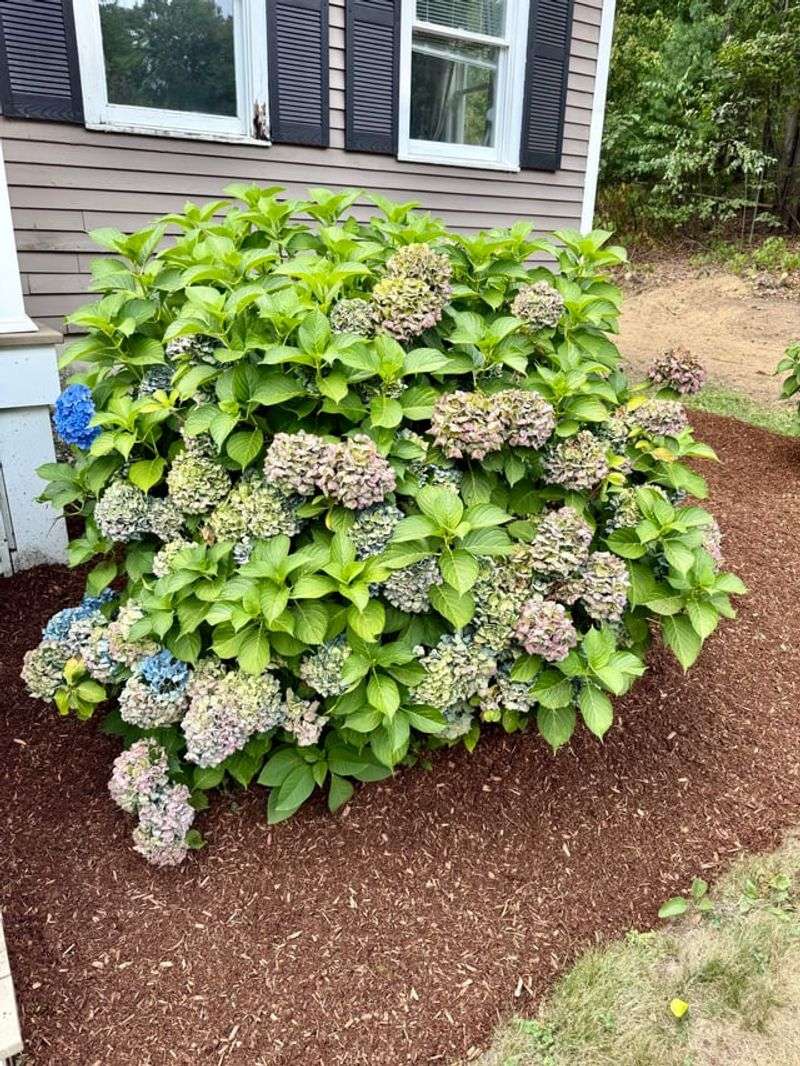
Mulch might be the most underrated tool in a Georgia hydrangea gardener’s arsenal.
A two to three inch layer of organic mulch spread around the base of your plants does several things at once: it holds soil moisture, moderates root temperature, and slowly breaks down to add organic matter to the soil over time.
In Georgia’s climate, where summer heat arrives fast and stays long, mulch is practically non-negotiable for healthy hydrangeas.
Shredded bark, pine straw, or wood chips all work well. Pine straw is especially popular across Georgia because it is widely available, inexpensive, and breaks down at a rate that keeps soil structure improving year after year.
Whatever material you choose, apply it a few inches away from the main stem of the plant. Mulch piled directly against the woody base traps moisture and can lead to rot over time.
Applying fresh mulch in late winter, right around the time you start your fertilizing routine, sets your plants up for the whole growing season ahead.
It keeps late winter cold from penetrating too deep into the root zone on chilly Georgia nights, and then transitions into keeping roots cool once the heat picks up in late spring and summer.
Refresh your mulch layer each year rather than piling new material on top of old layers indefinitely. Thick mulch buildup can create problems with drainage and airflow near the root zone.
Raking out the old material before adding a fresh layer keeps things balanced and keeps your hydrangeas performing at their best through Georgia’s long, warm growing season.
6. Avoid Overfertilizing To Protect Flower Buds
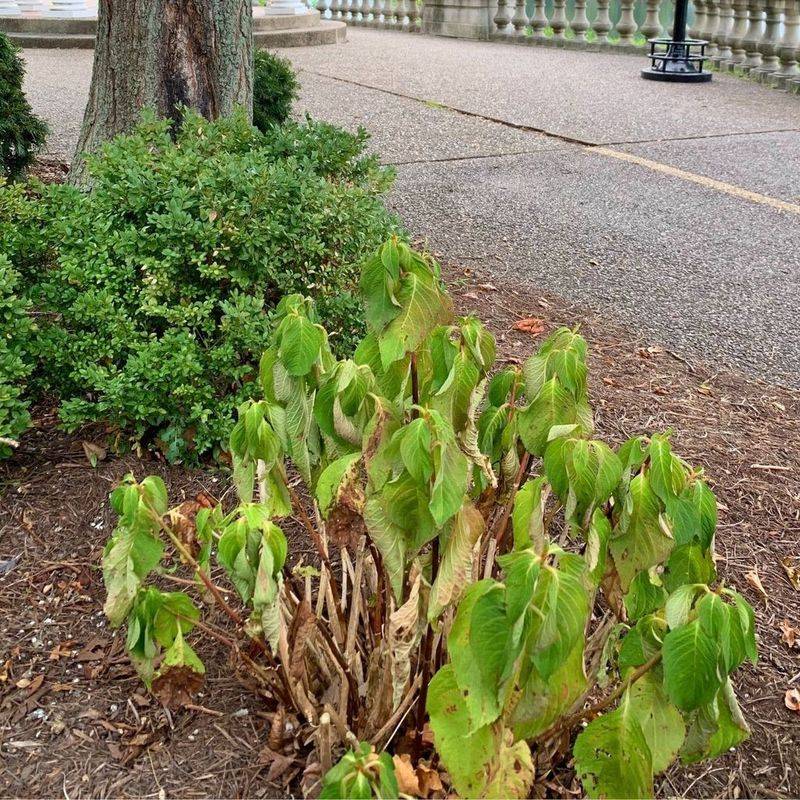
More fertilizer does not mean more blooms. Plenty of Georgia gardeners have learned this the hard way after feeding their hydrangeas too heavily and watching a season’s worth of flower buds fail to develop properly.
Overfertilizing, especially with nitrogen-heavy products, pushes plants into producing lots of leafy green growth at the expense of the flowers you actually want to see.
Stick to the recommended application rates on your fertilizer package, and resist the urge to apply more than twice during the growing season.
One application as new growth begins in late winter or early spring, and a second application in early summer if needed, is usually plenty for most hydrangea varieties growing in Georgia.
More than that and you are pushing your luck.
Signs of overfertilization include dark, overly lush foliage, leaf tip burn, and a surprising lack of blooms despite a healthy-looking plant.
If you notice any of these signs, cut back on feeding immediately and flush the soil with deep, thorough watering over several days to help move excess nutrients away from the root zone.
Slow-release fertilizers are helpful here because they make it harder to accidentally overdo it. The nutrients release gradually rather than all at once, so there is less risk of a sudden spike that throws the plant off balance.
For Georgia gardeners growing Bigleaf hydrangeas, which are particularly sensitive around their bloom buds, being conservative with fertilizer amounts is always the smarter approach heading into spring.
Healthy soil already contains many of the nutrients hydrangeas need, especially if compost or organic matter has been added regularly. A balanced approach to feeding keeps plants steady without pushing them into excessive growth.
7. Test Soil To Choose The Right Fertilizer
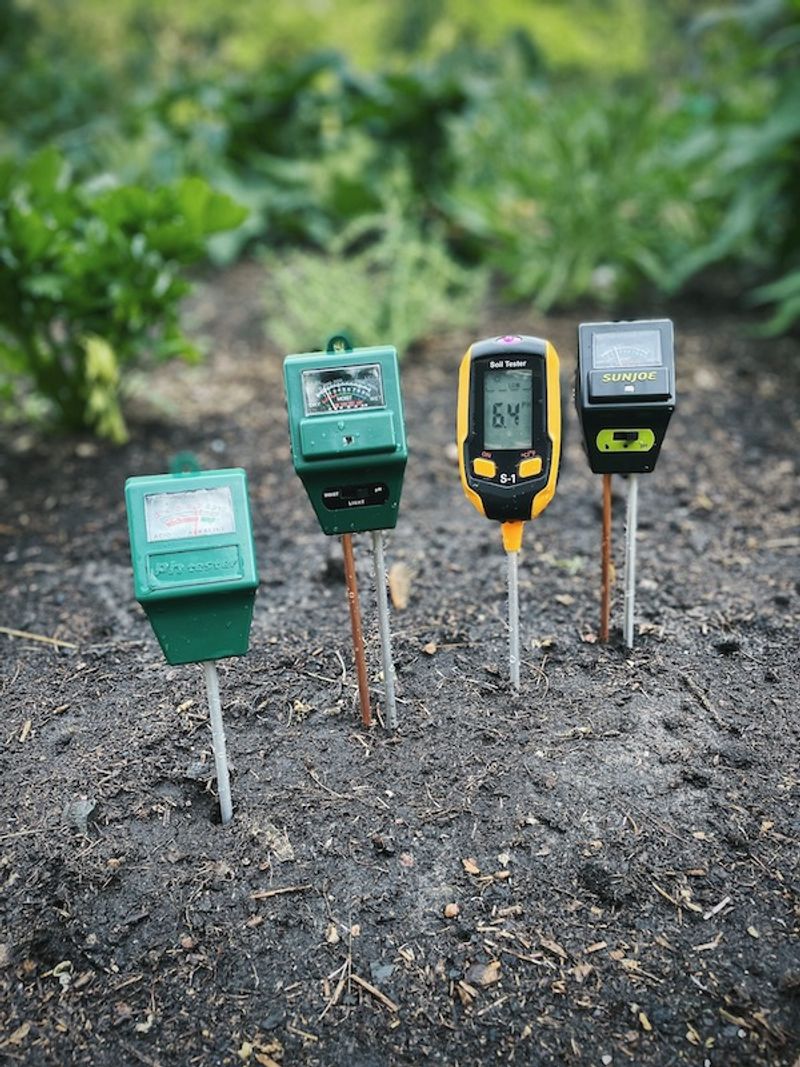
Not every Georgia yard has the same soil, and what works great for a neighbor two streets over might not be what your hydrangeas actually need.
A soil test takes the guesswork out of fertilizing by telling you exactly what nutrients are already present, what is missing, and what your soil pH looks like.
Most Georgia gardeners are surprised by what a basic test reveals about their soil.
Georgia’s Cooperative Extension Service offers affordable soil testing through local county offices, and results typically come back with specific fertilizer recommendations tailored to what your soil actually needs.
A simple home test kit from a garden center also works well for a quick pH check.
Hydrangeas generally prefer a slightly acidic soil pH between 5.5 and 6.5, which happens to be pretty common across much of Georgia.
Soil pH directly affects more than just bloom color in varieties like Bigleaf hydrangeas. It also controls how well your plant can absorb the nutrients already in the soil.
Even if you apply the perfect fertilizer, a pH that is too high or too low can lock those nutrients away from the roots entirely, leaving the plant struggling despite your best efforts.
Testing your soil every two to three years gives you a reliable picture of how your garden beds are changing over time. If your pH needs adjustment, ground sulfur can help lower it, while lime raises it.
Getting your soil into the right range before spring feeding begins means every dollar you spend on fertilizer actually goes to work for your plants instead of going to waste.