7 Lawn Care Mistakes Georgia Gardeners Should Steer Clear Of In May
May has a way of making Georgia lawns look full of promise. Grass starts greening up fast, mowing season suddenly becomes a weekly commitment again, and every yard in the neighborhood seems to be competing for “best looking lawn” status.
Then reality kicks in. One mowing mistake, too much fertilizer, or a few days of lazy watering can leave patches looking rough surprisingly quickly.
Lawns can be a little dramatic once the heat starts building. This is the month when good habits really start to matter.
Warm-season grasses are waking up fast, weeds are trying to sneak into every open spot, and Georgia’s rising temperatures put extra pressure on turf before summer even officially arrives.
A little attention now can save a lot of frustration later, especially once those long, hot afternoons settle in for good.
1. Mowing Too Short
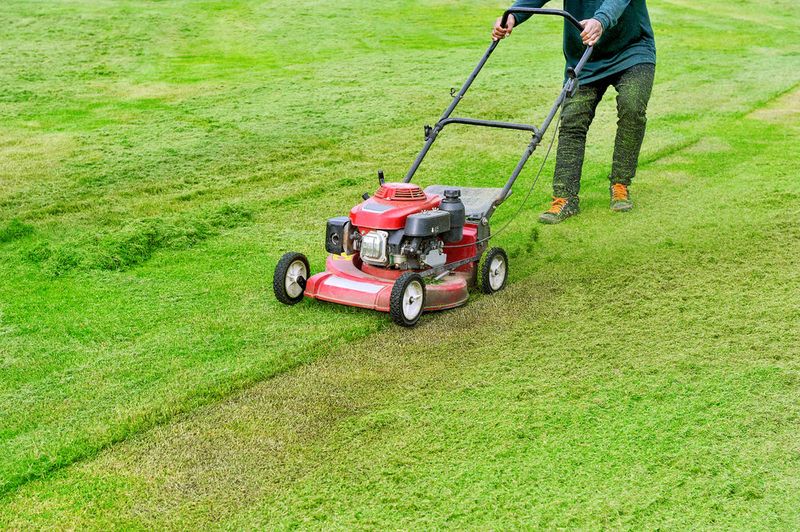
Warm May afternoons in Georgia have a way of making the lawn look like it needs a serious trim, but cutting the grass too short is one of the most common mistakes homeowners make this time of year.
Scalping the lawn removes too much of the grass blade at once, which puts real stress on the turf just as it enters its most active growing period.
Most warm-season grasses in Georgia, including bermudagrass, zoysiagrass, and St. Augustinegrass, have recommended mowing heights that should be respected throughout the season.
When grass is cut too low, it loses the leaf surface it needs to absorb sunlight and produce energy. This can leave the lawn looking thin, pale, or patchy within just a few days.
Shallow root systems are also more likely to develop when grass is mowed too short consistently, making the turf more vulnerable to summer heat and dry spells.
A good rule of thumb is to follow the one-third rule, which means removing no more than one-third of the grass blade in a single mowing session.
Bermudagrass is generally kept between one and two inches, while zoysiagrass and St. Augustinegrass are often maintained a bit higher.
Keeping mower blades sharp also helps prevent ragged cuts that leave grass more open to disease pressure during Georgia’s humid spring and summer months.
2. Watering Too Shallowly Or Too Often
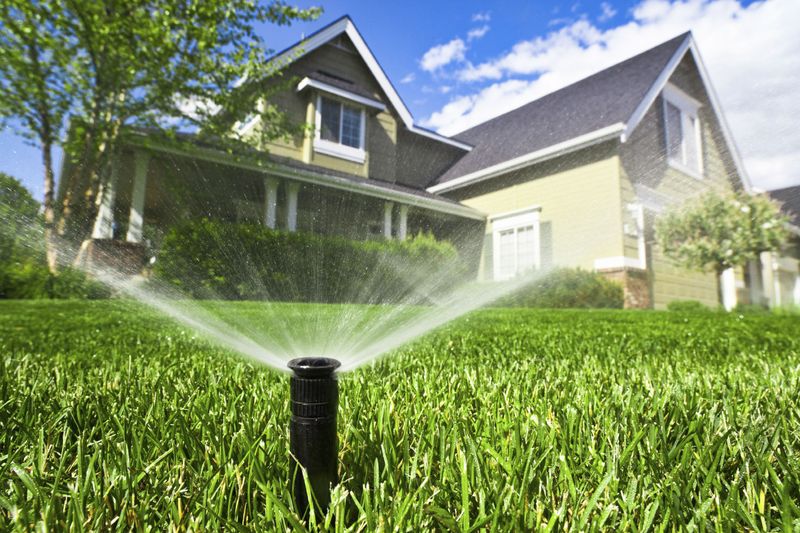
Frequent, shallow watering is a habit that feels responsible but can actually work against your lawn in May.
When water is applied in small amounts multiple times a week, it stays near the surface of the soil and encourages grass roots to grow upward rather than downward.
Shallow roots make turf far more sensitive to heat and drought, which becomes a real problem as Georgia summers intensify.
Healthy lawns in Georgia benefit from deeper, less frequent watering sessions that push moisture down into the soil profile. This encourages roots to follow the water downward, which builds stronger, more resilient turf over time.
Most established warm-season lawns in Georgia do well with about one inch of water per week, including rainfall, applied in one or two sessions rather than several short ones.
Your Georgia Garden Changes Every Week. Your Plan Should Too.
Gardening in Georgia changes quickly throughout the season. Every Friday you’ll receive a simple weekly plan showing exactly what to plant, prune, fertilize, harvest, and protect so you never miss the right timing.
Watering early in the morning is also worth prioritizing during May. Morning irrigation allows the grass blades to dry before temperatures peak, which helps reduce fungal disease pressure that tends to build during Georgia’s warm, humid spring.
Watering in the evening leaves moisture sitting on the lawn overnight, creating conditions where lawn diseases can spread more easily.
A simple rain gauge placed in the yard can help homeowners track how much water the lawn is receiving each week and make adjustments when rainfall is inconsistent, which is common across Georgia in May.
3. Fertilizing Cool Season Lawns In May
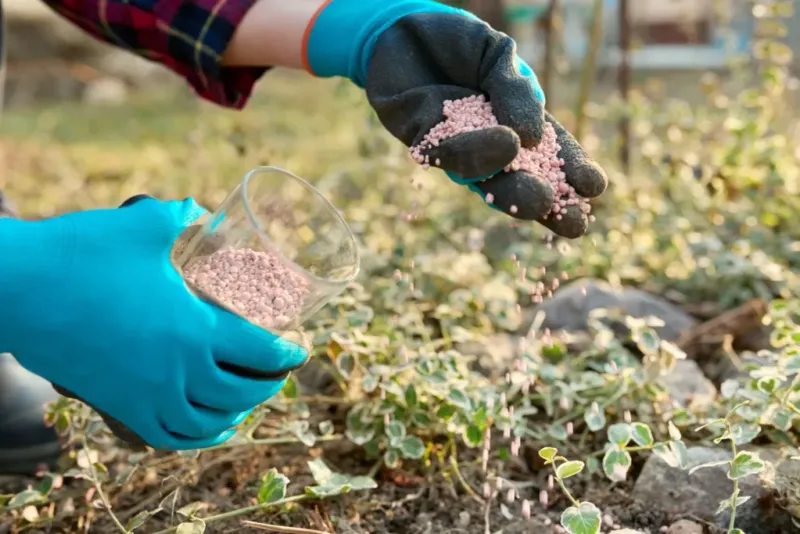
Tall fescue is the most widely grown cool-season grass in Georgia, and it faces a tough stretch every year as May temperatures begin climbing.
Many Georgia homeowners make the mistake of fertilizing their fescue lawns in May, thinking that added nutrients will help the grass stay green and strong heading into summer.
Unfortunately, fertilizing cool-season lawns during this period tends to do more harm than good.
Cool-season grasses like tall fescue naturally slow down their growth as soil temperatures rise above 70 degrees Fahrenheit.
Applying nitrogen fertilizer during this transition encourages soft, lush growth at a time when the grass is least equipped to handle the heat.
That kind of growth can actually make fescue more vulnerable to summer stress rather than more resistant to it.
For Georgia homeowners with tall fescue lawns, the better fertilizing windows fall in early fall and late winter or early spring, when temperatures support healthy cool-season growth.
If a fescue lawn looks pale or thin in May, the issue is more likely related to heat stress, drought, or soil conditions rather than a nutrient shortage.
Addressing those underlying issues with proper watering and soil testing will do more for the lawn than a May fertilizer application.
Holding off on fertilizer until the appropriate seasonal window gives cool-season grass the best opportunity to recover and thrive when temperatures cool back down in the fall.
4. Overfertilizing Centipedegrass
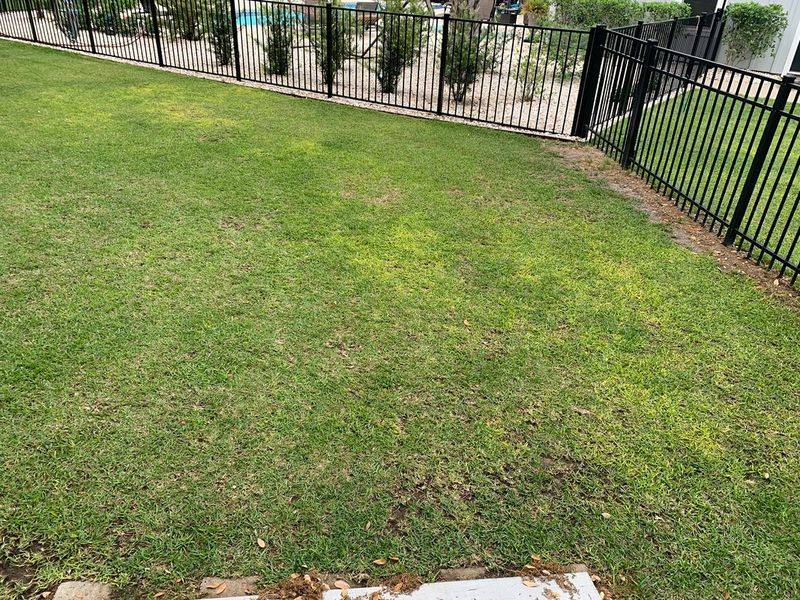
Centipedegrass has a reputation for being a low-maintenance lawn grass, and that reputation is well earned.
Across Georgia, centipede is popular precisely because it thrives with minimal inputs and does not demand heavy feeding schedules.
When homeowners treat centipede lawns the same way they might treat bermudagrass or zoysiagrass, overfertilization becomes a real problem.
Applying too much nitrogen to centipedegrass, especially in May when the grass is actively growing, can trigger a condition sometimes called centipede decline.
This shows up as yellowing, thinning turf that looks unhealthy despite receiving what seems like good care.
Heavy nitrogen applications push excessive top growth that the shallow root system of centipede cannot support, and thatch tends to build up quickly as a result.
Centipedegrass generally performs well with very light fertilization, and many Georgia lawns with established centipede may only need one modest application per year.
If fertilizer is applied, it should go down in late spring after the grass has fully greened up and soil temperatures are consistently warm.
A soil test is one of the most useful tools a Georgia homeowner can use before fertilizing centipede, since this grass is sensitive to pH imbalances as well.
Keeping fertilizer rates low and avoiding high-nitrogen products helps centipedegrass stay healthy through the warm months without the stress that comes from overfeeding.
5. Ignoring Grass Type Before Applying Products
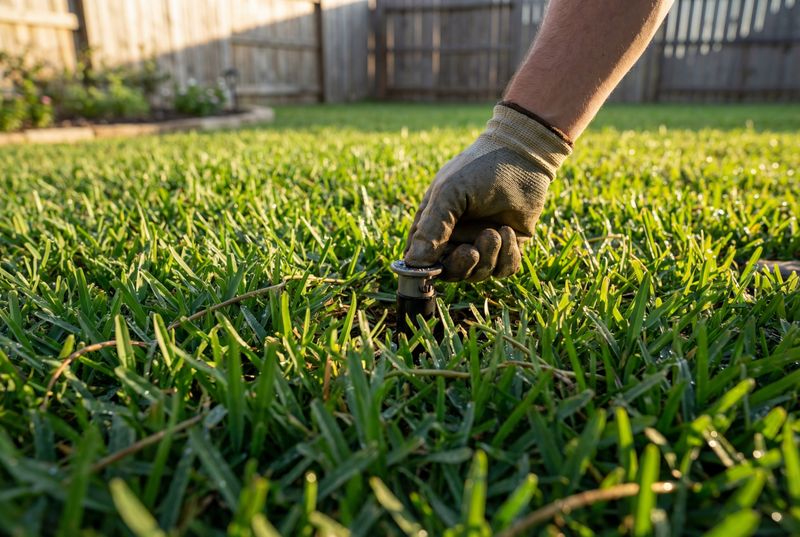
Not every lawn product works the same way on every grass type, and May is a month when this mistake shows up more often than homeowners might expect.
Georgia lawns are home to a range of warm-season and cool-season grasses, and what works well on bermudagrass can sometimes cause real problems on St. Augustinegrass, centipedegrass, or zoysiagrass.
Reading product labels carefully before applying anything to the lawn is a step that should not be skipped.
Some herbicides that are safe for one grass type can cause discoloration or turf damage on another. Certain pre-emergent and post-emergent herbicides list specific grass types on the label, and those recommendations exist for good reason.
Applying a product to an incompatible grass during May, when turf is actively growing and temperatures are rising, can lead to patchy, discolored areas that take weeks to recover.
Before buying any lawn care product at a Georgia garden center, it helps to know exactly what kind of grass you have growing in your yard.
If you are not sure, looking closely at the blade shape, texture, and growth pattern can offer clues, or a local extension office may be able to help with identification.
Matching the product to the grass type every single time protects the lawn from unnecessary setbacks and makes your May lawn care routine far more effective and predictable throughout the growing season.
6. Using Pre Emergent Too Late For Warm Season Weeds
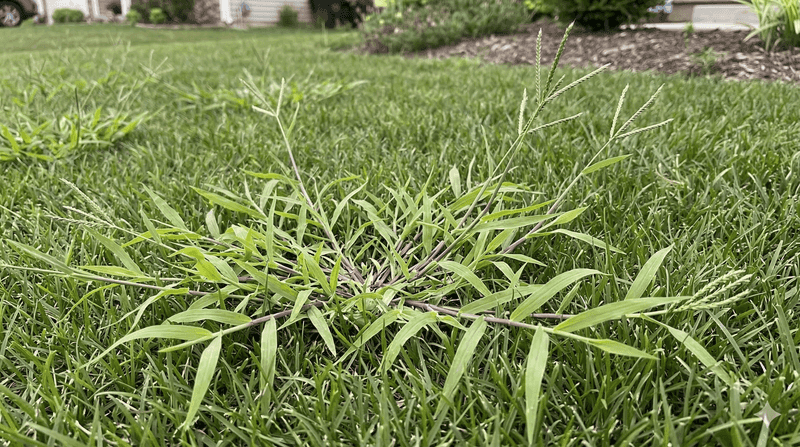
Spring weed pressure in Georgia builds fast, and by the time most homeowners notice crabgrass or other warm-season weeds popping up in the lawn, the window for pre-emergent herbicide has already closed.
Pre-emergent products work by creating a barrier in the soil that stops weed seeds from germinating.
Once those seeds have already sprouted and pushed through the surface, a pre-emergent will not have any effect on them.
In Georgia, soil temperatures typically reach the 50 to 55 degree Fahrenheit range that triggers crabgrass germination sometime between late February and early April, depending on location and yearly weather patterns.
By May, many warm-season annual weeds are well past the germination stage and actively growing in thin or bare areas of the lawn.
Applying pre-emergent herbicide at this point means the product arrives too late to do what it is designed to do.
Homeowners who missed the pre-emergent window in early spring have a few options moving forward.
Post-emergent herbicides labeled for crabgrass and other grassy weeds can be used on young plants, though results tend to be better when weeds are still small.
Improving lawn density through proper mowing, watering, and fall overseeding for fescue lawns can also help reduce weed pressure over time.
Planning ahead for next year and applying pre-emergent at the right time in late winter or early spring is the most reliable way to manage warm-season weed populations in Georgia lawns.
7. Aerating Or Dethatching Cool Season Lawns During Warm Weather
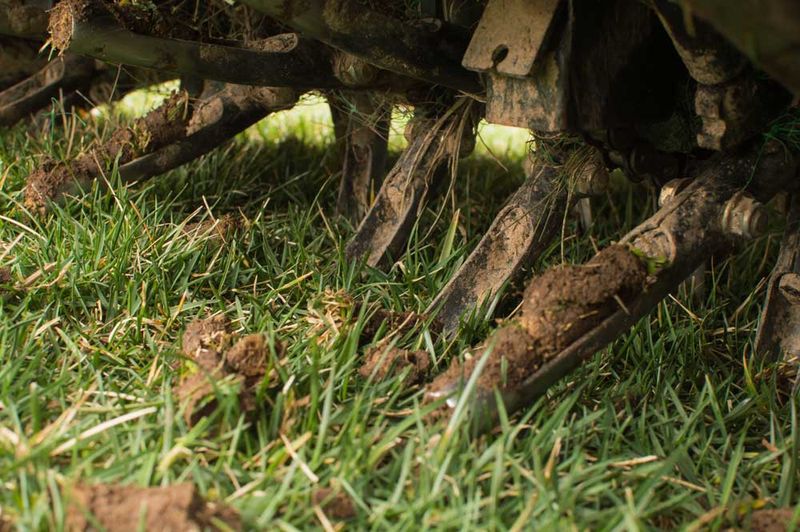
Core aeration and dethatching are genuinely helpful lawn care practices, but timing matters more than most Georgia homeowners realize.
For cool-season lawns like tall fescue, performing these tasks in May puts the grass under significant stress at exactly the wrong time of year.
Both aeration and dethatching create physical disturbance in the turf, and cool-season grass needs time to recover before it faces the intense heat of a Georgia summer.
When tall fescue is aerated or dethatched in late spring, the recovery window before summer heat arrives is very short.
The grass is already beginning to slow down as soil temperatures rise, and the added stress from mechanical disruption can weaken the turf further.
Thin or compromised fescue heading into summer is more likely to struggle through the hot months and may need significant overseeding come fall.
For cool-season lawns in Georgia, fall is the recommended season for aeration and dethatching.
Performing these tasks in September or October gives tall fescue the cooler temperatures and active growing conditions it needs to fill in and recover before winter.
Warm-season lawns like bermudagrass and zoysiagrass, on the other hand, respond well to aeration in late spring or early summer when they are actively growing.
Knowing which type of grass you have before scheduling any mechanical lawn care work in May can save a lot of time and prevent setbacks that are hard to fix until temperatures cool back down in fall.