What To Fertilize In March For A Healthier Oregon Garden All Season
March is a magical month in Oregon gardens. The weather teases you with sunny afternoons while mornings still hold a crisp chill, and your plants are starting to wake up after winter’s slow crawl.
This is the perfect time to give your garden a boost before the full spring rush hits. Fertilizing now sets the stage for strong roots, lush leaves, and vibrant blooms that last all season.
You’ll see your perennials perk up, your vegetables get a head start, and even those stubborn shrubs reward your efforts with fresh growth. Think of it as giving your garden a breakfast that fuels weeks of growth and beauty.
Timing is everything, and a smart March feeding can save you work later while keeping your garden healthy, balanced, and ready to shine through the entire growing season. Get ready to watch your soil come alive with energy.
1. Lawns
Nothing beats the look of a thick, green Oregon lawn coming back to life in March. After a long, wet winter, your grass is hungry and ready to respond to a good feeding.
Western Oregon gardeners can apply about 1 pound of nitrogen per 1,000 square feet this month for great results.
Use a slow-release fertilizer when you can. It feeds your lawn gradually and reduces the chance of nutrients washing into nearby streams or rivers.
Oregon waterways matter, and being thoughtful about timing makes a real difference for your local environment.
Try not to fertilize right before a heavy rainstorm. Rain can carry fertilizer off your lawn and into storm drains before the grass even gets a chance to use it.
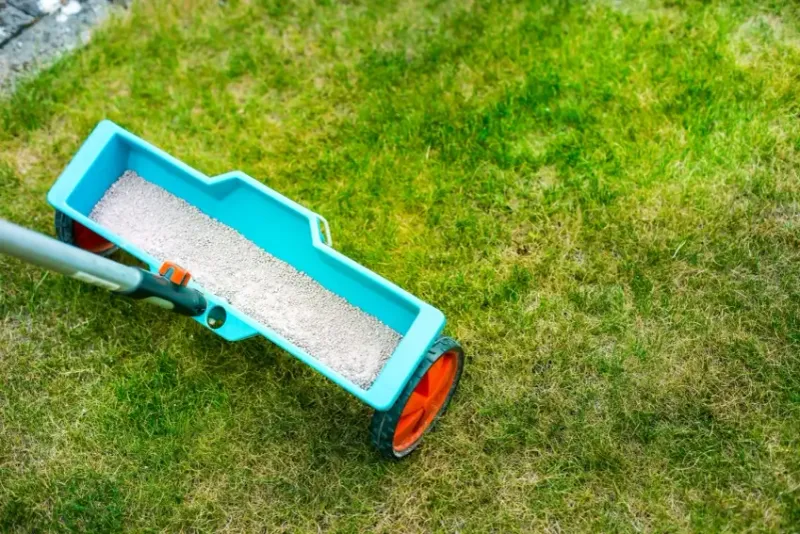
Check the forecast first, then apply on a dry day with mild temperatures. A broadcast spreader makes the job easy and ensures even coverage.
Your lawn will reward you with strong, steady growth all the way through summer. Consistent March feeding also helps your grass fight off weeds naturally by growing thick and full.
2. Fruit Trees
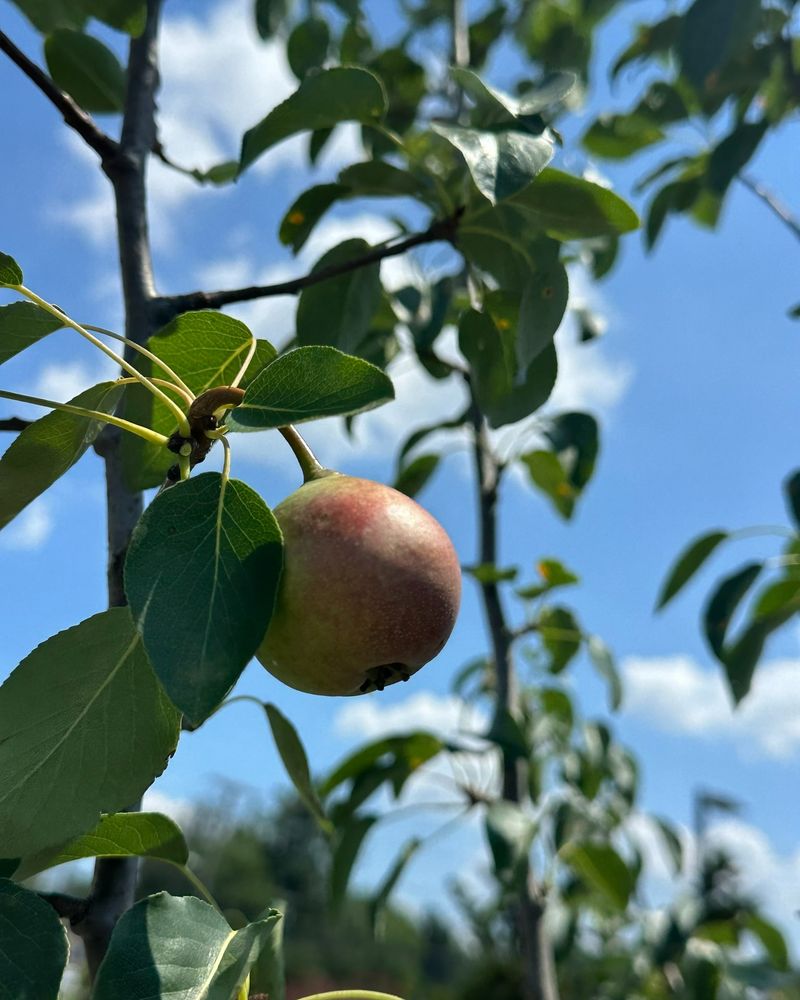
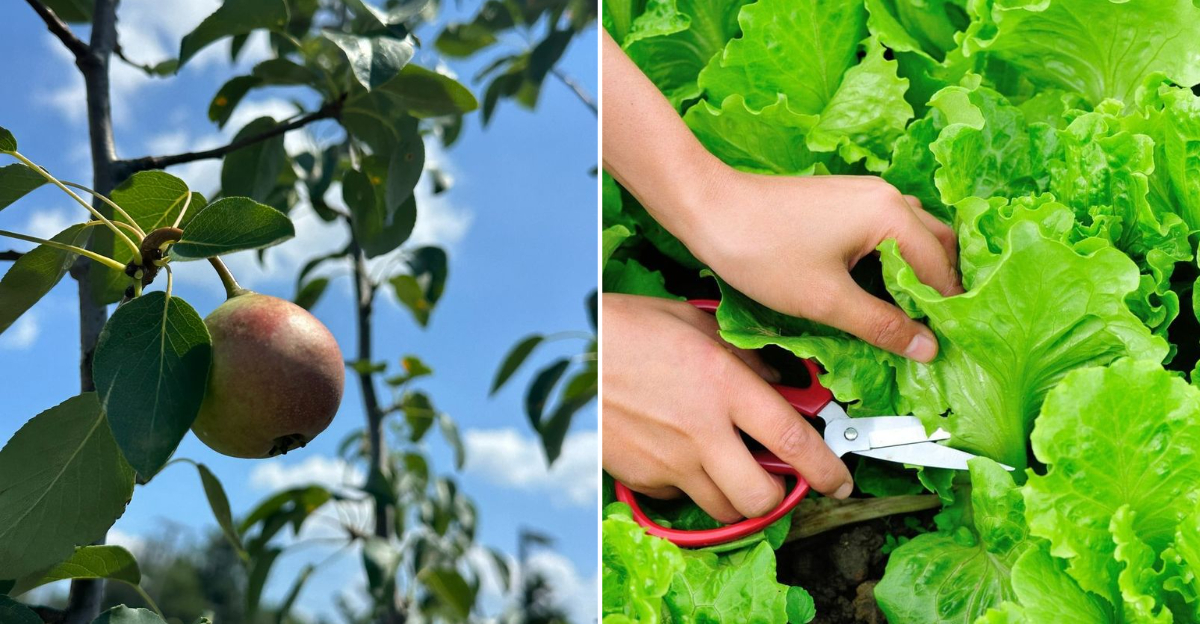
Fruit trees are one of the most rewarding things you can grow in an Oregon garden. March is the perfect window to give them a nutritional boost, especially as they come out of dormancy and start pushing out new buds and blossoms.
Apply a balanced fertilizer, something like a 10-10-10 formula, around the base of each tree. Spread it under the entire canopy, not just near the trunk.
The roots stretch out wide, and that is where the fertilizer needs to reach. Keeping it away from the trunk also helps prevent any root issues.
Established fruit trees do not need heavy feeding every year. A soil test can tell you exactly what nutrients your Oregon soil is missing before you add anything.
Too much nitrogen can push leafy growth at the expense of fruit. For young trees planted in the last year or two, a lighter application of nitrogen helps them establish strong roots without overwhelming them.
Apples, pears, and cherries all respond well to a March feeding and will reward you with a more productive harvest come summer and fall.
Your Oregon Garden Changes Every Week. Your Plan Should Too.
Gardening in Oregon changes quickly throughout the season. Every Friday you’ll receive a simple weekly plan showing exactly what to plant, prune, fertilize, harvest, and protect so you never miss the right timing.
3. Berry Bushes
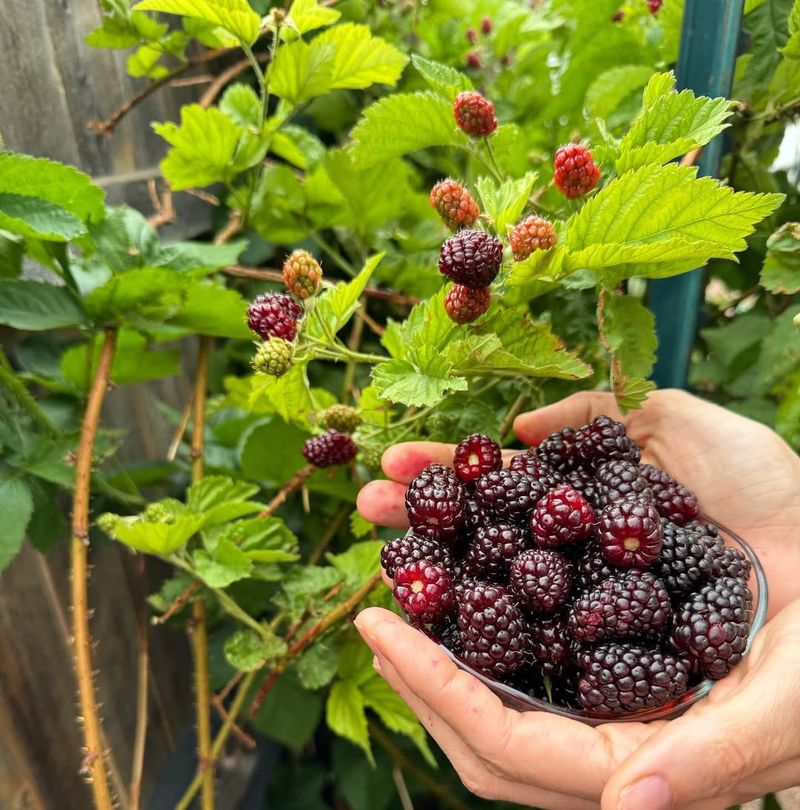
Blueberries, strawberries, raspberries, and blackberries all grow beautifully in Oregon, and March is their time to shine in the fertilizing calendar. Getting nutrients to your berry bushes early helps them build strong canes and set more fruit buds for summer picking.
Blueberries are a bit picky about soil. They love acidic conditions, ideally with a pH between 4.5 and 5.5.
If your Oregon soil is too alkaline, use a fertilizer made specifically for acid-loving plants, like an azalea or blueberry formula. Adding sulfur to the soil can also help lower the pH over time.
Raspberries and blackberries prefer a balanced fertilizer with a little extra nitrogen to fuel their fast-growing canes. Strawberries benefit from a light feeding before they flower, which encourages bigger and sweeter berries.
Always water your berry bushes well after fertilizing to help nutrients move into the root zone. Avoid letting granules sit directly on leaves or stems.
With the right March feeding, your berry patch in Oregon will be bursting with fruit before you know it, giving you a harvest worth celebrating all summer long.
4. Roses
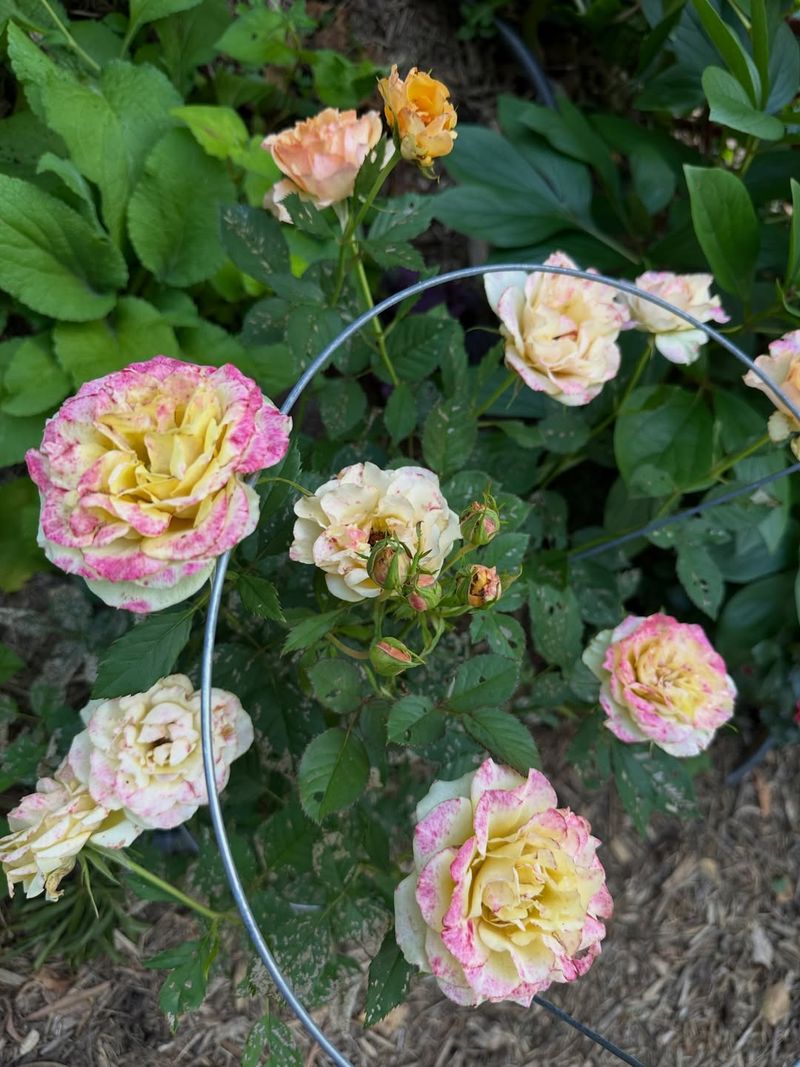
Roses are dramatic and beautiful, and they are also hungry plants that love a good feeding in March. As soon as you start to see new red or green shoots pushing out from the canes, that is your signal to get fertilizing.
Oregon gardeners have a great climate for growing roses, and a little early-season nutrition goes a long way.
Start with a balanced rose fertilizer or a granular all-purpose fertilizer with equal parts nitrogen, phosphorus, and potassium. Work it gently into the soil around the base of each plant, then water it in well.
Avoid pushing fertilizer right against the stems, as this can cause irritation to the plant tissue.
Many experienced Oregon rose growers also add alfalfa meal or compost around their roses in March. These organic options release nutrients slowly and improve soil health over time.
If your roses struggled last season with yellowing leaves, a soil test might reveal an iron or magnesium deficiency. Roses are worth the extra attention they need.
Feed them right in March and you will be rewarded with fuller blooms, stronger stems, and a more vibrant display all the way through fall.
5. Early Vegetables (Lettuce, Peas, Spinach)
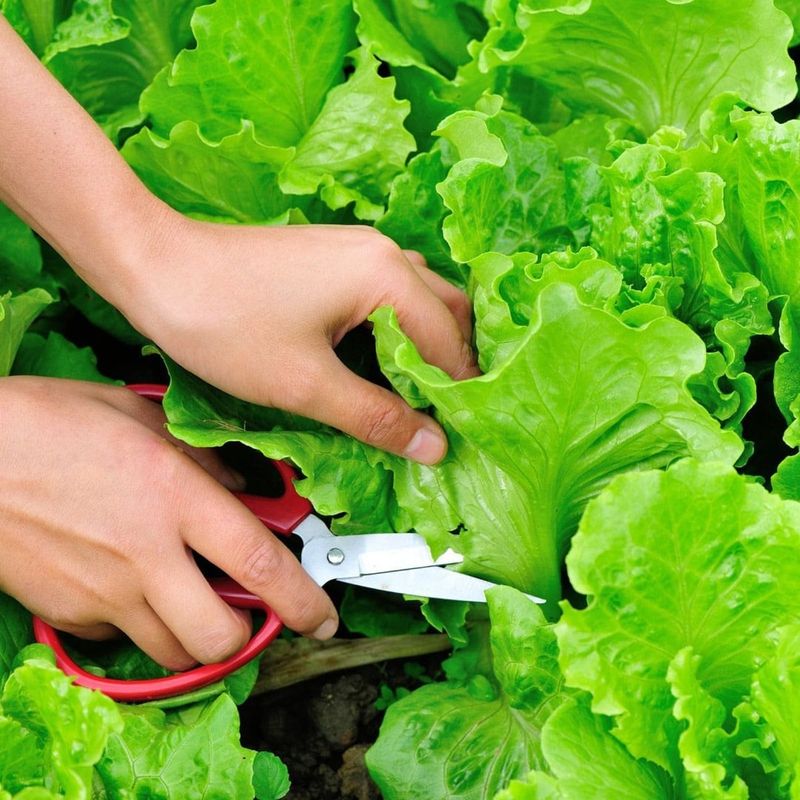
Cool-season vegetables like lettuce, peas, and spinach are already thinking about growing in March across Oregon. These crops love the mild, wet weather and can handle light frost, which makes them ideal for early planting.
Giving them a nutritional head start sets the tone for a productive spring harvest.
Before planting or right after seedlings emerge, work a light balanced fertilizer into your raised beds or garden rows. These vegetables do not need heavy feeding, but they do appreciate consistent nutrients in the soil.
A gentle, balanced granular fertilizer or a diluted liquid fertilizer works well for these tender crops.
Peas are a bit special because they can fix their own nitrogen from the air with the help of soil bacteria. Because of this, they need less nitrogen than most other vegetables.
Focus more on phosphorus and potassium for peas to support root development and flowering. Lettuce and spinach, on the other hand, love nitrogen because it fuels leafy growth.
A light side-dressing of compost around these plants every few weeks keeps them growing fast and tasting fresh. Oregon gardens can produce amazing salad greens all spring with just a little fertilizer care in March.
6. Heavier-Feeding Vegetables (Broccoli, Kale, Cabbage)
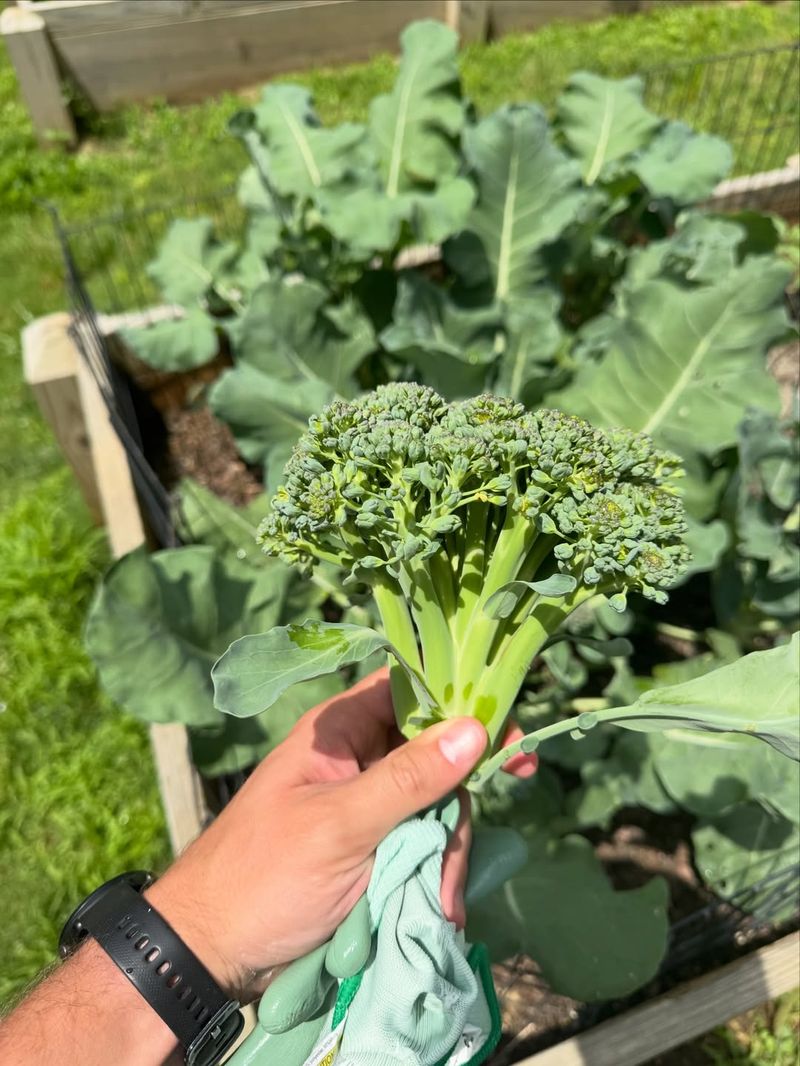
Broccoli, kale, and cabbage are the workhorses of the Oregon spring garden. They grow big and bold, and they need plenty of nutrients to do it.
These brassicas are heavy feeders, meaning they pull a lot from the soil and need regular replenishment to stay strong and healthy.
Before transplanting or direct seeding in March, mix a balanced granular fertilizer into your garden bed. These vegetables benefit especially from nitrogen, which drives the leafy, dense growth you want.
A starter fertilizer with a higher phosphorus number also helps young transplants develop strong roots quickly in Oregon’s cool spring soil.
Once your brassicas are established and growing, plan on side-dressing with a nitrogen-rich fertilizer every three to four weeks. Compost works beautifully for this and improves your soil at the same time.
Watch your plants for signs of yellowing leaves, which often signal a need for more nitrogen. Kale is particularly vigorous and can handle slightly heavier feeding than cabbage or broccoli.
Oregon’s long, cool springs are ideal for these vegetables, and with consistent fertilizing, you can expect big heads of broccoli, sturdy cabbages, and kale leaves that keep producing for months.
7. Perennials
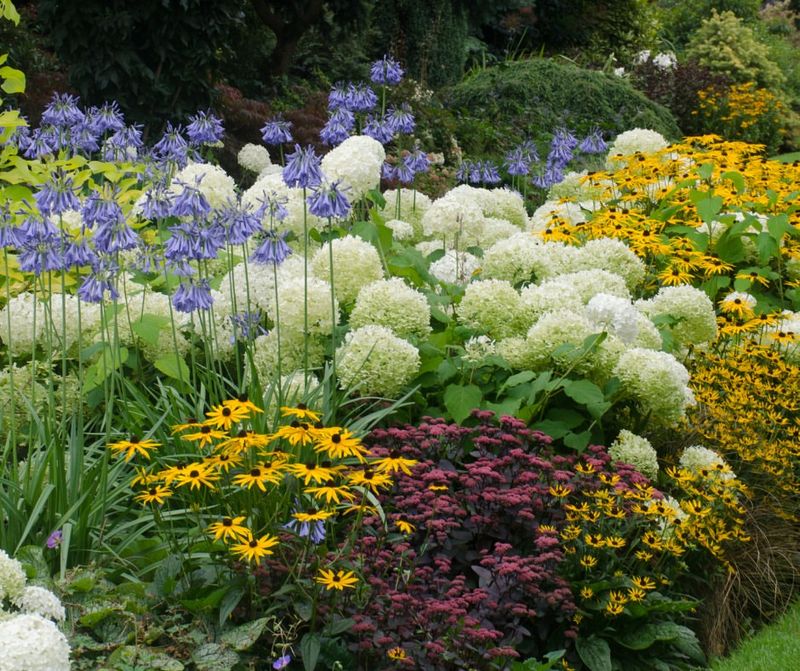
Perennials are the backbone of many Oregon gardens. They come back year after year, and March is when they start waking up from their winter rest.
Catching them at this early stage with a good fertilizer application helps them build strong roots and produce more flowers throughout the season.
A slow-release, balanced granular fertilizer is the go-to choice for most perennials. Sprinkle it around each plant just as the new growth begins to emerge from the soil.
Water it in gently to start moving those nutrients down toward the roots. Avoid applying fertilizer directly on top of new shoots, as this can cause damage to tender growth.
Different perennials have slightly different needs. Hostas and daylilies respond well to a nitrogen boost in early spring.
Coneflowers and black-eyed Susans prefer leaner soil and may not need as much fertilizer. Native Oregon perennials often do fine with just a top dressing of compost rather than synthetic fertilizers.
Knowing what is growing in your beds helps you fertilize smarter. Adding a layer of compost in March does double duty, feeding your plants and improving your soil structure at the same time.
Your perennial beds will look fuller and more colorful all season long with a little March attention.
8. Indoor Plants & Herbs
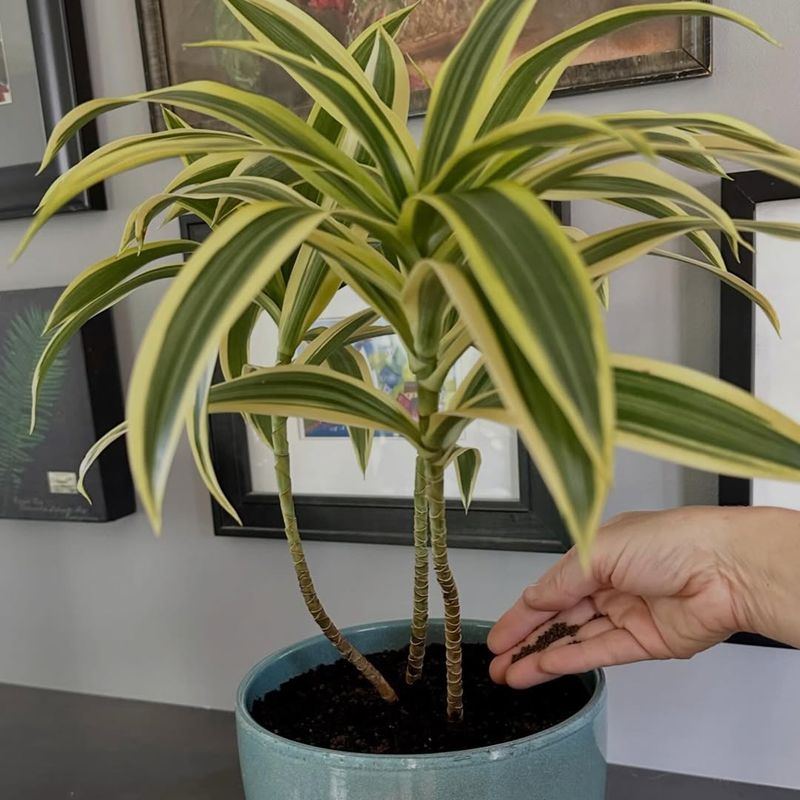
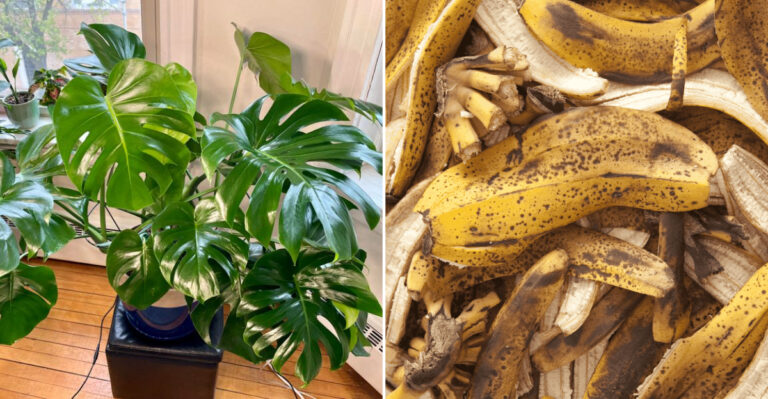
March brings more daylight into Oregon homes, and indoor plants and herbs can feel the shift. Longer days trigger a natural growth response in houseplants, and this is exactly when they start needing more nutrients.
Fertilizing your indoor plants in March helps them make the most of that new energy.
A balanced liquid fertilizer diluted to half strength works well for most houseplants. Apply it every two to four weeks starting in March and continuing through summer.
Avoid fertilizing plants that are still sitting in low light or showing signs of stress. A struggling plant does not need more food, it needs better conditions first.
Herbs like basil, mint, parsley, and rosemary are especially fun to grow indoors in Oregon during early spring. They respond quickly to feeding and reward you with fresh, fragrant leaves you can use right in the kitchen.
Basil loves nitrogen for leafy growth. Rosemary and thyme prefer lighter feeding with good drainage.
Move your herb pots closer to a south-facing window in March to maximize sunlight. A little fertilizer combined with more light will have your indoor herb garden thriving in no time, giving you fresh flavors all spring long right from your Oregon home.