8 Plants Oregon Gardeners Should Prune In Late Spring
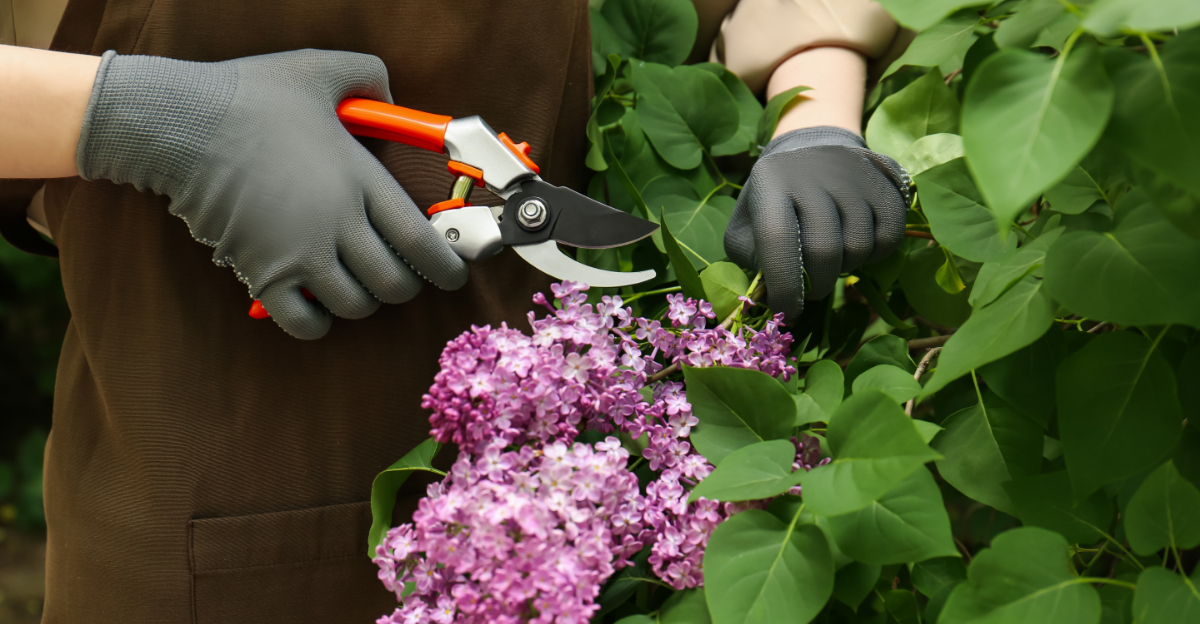
Late spring in Oregon can make a garden look like it is bursting at the seams. Everything seems to be leafing out, stretching taller, and begging for attention at the same time.
That is usually the moment gardeners start eyeing the pruners and thinking, maybe I should clean this place up today.
That urge is understandable, but not every plant wants a haircut right now. Some benefit from a late spring trim, some need a lighter touch, and some would rather you back away slowly and wait.
Oregon’s mild springs and regional climate differences can make that timing even more important.
A good cut at the right moment can mean fuller growth, better shape, and fewer headaches later. A bad cut can cost you flowers or leave a plant looking uneven for months.
The ones worth pruning now tend to give clear signals, and that is where this gets useful fast.
1. Lilac Needs A Timely Trim For Better Blooms
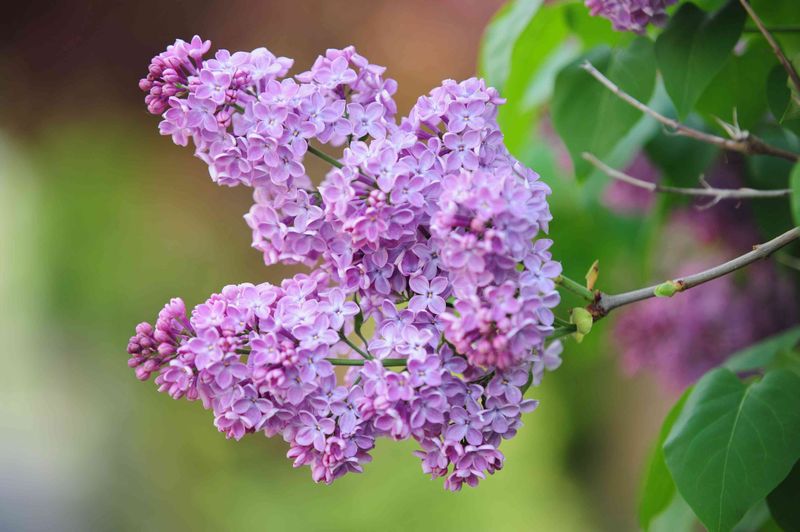
Few plants bring as much joy to an Oregon garden as a lilac in full bloom. That sweet, unmistakable fragrance drifting through the yard is something gardeners look forward to all year.
But once those beautiful purple or white clusters start to fade, it is time to reach for your pruning shears.
Lilacs bloom on old wood, which means the buds for next year’s flowers are already forming on the branches that just finished blooming. If you wait too long to prune, you risk cutting off those future buds and losing next year’s show entirely.
The best window is right after the flowers drop, usually in late May or early June in most parts of Oregon.
Start by removing the spent flower heads, cutting just above the first set of healthy leaves. Then look for any damaged, crossing, or crowded branches and remove those too.
On older lilac shrubs, you can cut out one or two of the oldest, thickest canes all the way to the ground each year. This renewal pruning encourages fresh new growth from the base and keeps the plant vigorous over time.
Avoid cutting back the entire shrub at once, as that can stress the plant and reduce flowering for a couple of seasons. A light, thoughtful trim each year goes a long way.
With proper pruning, your Oregon lilac will reward you with bigger, more fragrant blooms for many years to come.
2. Camellia Looks Better Fast With The Right Cutback
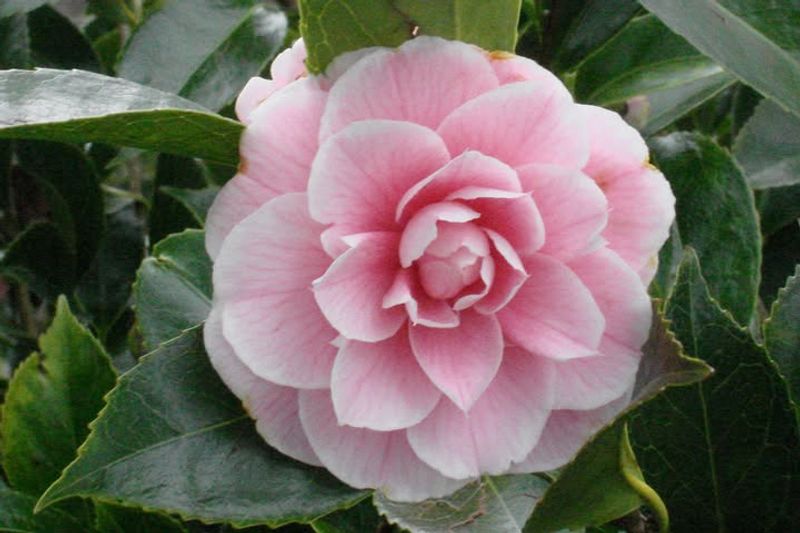
A beloved staple in many Oregon gardens, camellias do especially well west of the Cascades where the mild, moist climate suits them beautifully. These evergreen shrubs produce gorgeous flowers in shades of red, pink, and white, and with the right care, they can thrive for decades.
Pruning them at the right time is key to keeping them looking their best.
The ideal time to prune camellias in Oregon is right after they finish blooming, which typically happens in late spring for most varieties. Pruning too late in the season can remove the buds that are already forming for next year, so timing really does matter here.
Your Oregon Garden Changes Every Week. Your Plan Should Too.
Gardening in Oregon changes quickly throughout the season. Every Friday you’ll receive a simple weekly plan showing exactly what to plant, prune, fertilize, harvest, and protect so you never miss the right timing.
Aim to finish your pruning before summer gets fully underway.
Begin by removing any damaged or unhealthy branches, cutting cleanly back to healthy wood. Then shape the shrub by trimming back any overly long or unruly branches to maintain a tidy, rounded form.
If your camellia has gotten quite large over the years, you can cut it back more aggressively, but do this gradually over two or three seasons rather than all at once.
Good air circulation inside the shrub is important for preventing fungal diseases, which can be a concern in Oregon’s wet climate. Thinning out crowded interior branches helps with this considerably.
Always use clean, sharp tools to make smooth cuts, and wipe your blades between plants to avoid spreading any disease. A well-pruned camellia is truly a garden showstopper.
3. Rhododendron Can Get Leggy Without A Late Spring Trim
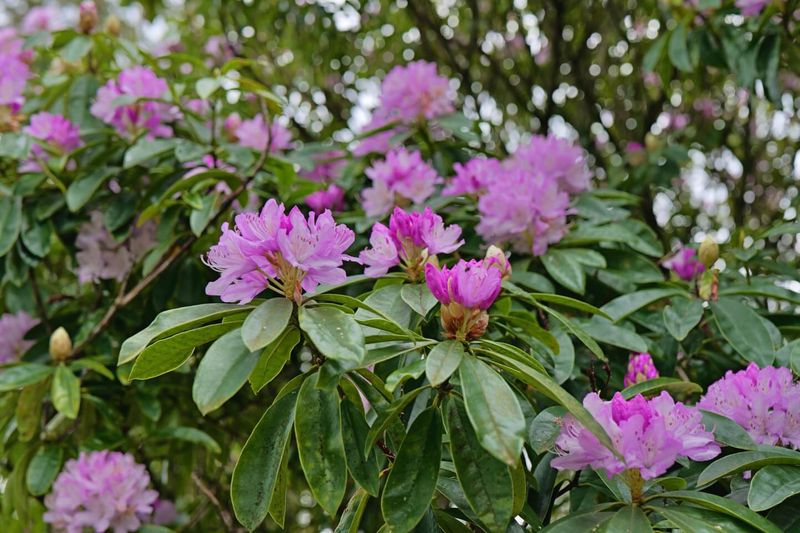
Oregon is practically rhododendron country. Drive through almost any neighborhood in the Willamette Valley or along the coast and you will see these magnificent shrubs bursting with color every spring.
They are tough, long-lived plants, but they do benefit from a little attention once their flowers have finished for the season.
Pruning rhododendrons right after they bloom is the golden rule. New flower buds for the following year begin forming very soon after the current blooms fade, so if you delay pruning past late spring or early summer, you are likely snipping off next year’s flowers before they even get started.
In Oregon, most rhododendrons finish blooming somewhere between late April and early June depending on the variety and elevation.
Deadheading, or removing spent flower clusters, is the most important pruning task. Snap or cut off the old blooms just above the whorl of leaves below the flower head.
This redirects the plant’s energy from seed production into building strong new growth and flower buds. Beyond deadheading, remove any branches that are clearly damaged, broken, or growing in awkward directions.
For overgrown rhododendrons, a more substantial rejuvenation prune can work wonders, but spread it out over a few years to avoid shocking the plant. Always use clean, sharp bypass pruners for smaller branches and a pruning saw for anything thicker.
Keeping your tools clean is especially important in Oregon’s humid conditions, where disease can spread quickly between plants.
4. Azalea Blooms Better When You Prune At The Right Time
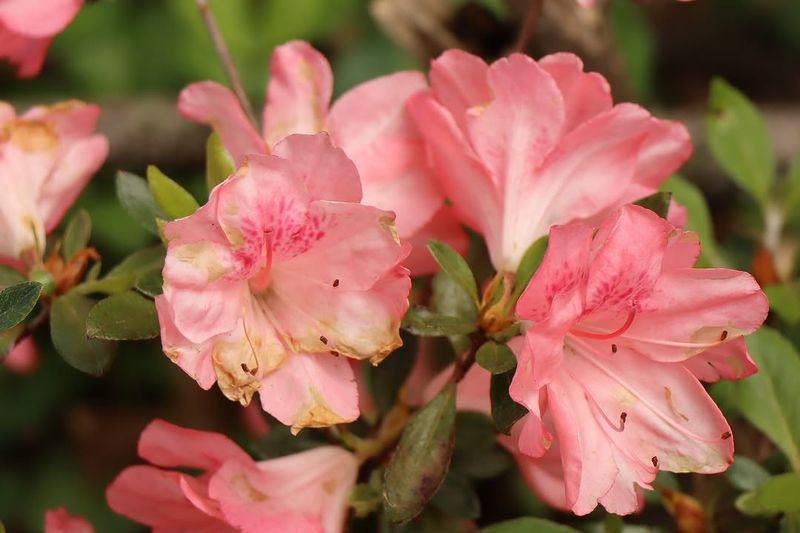
If rhododendrons are Oregon royalty, azaleas are their close and equally charming cousins. These compact, colorful shrubs light up gardens across the state every spring with blooms in every shade from white to deep magenta.
And just like rhododendrons, azaleas respond beautifully to timely pruning once their flowers have run their course.
Azaleas set their buds for the following year very quickly after they finish blooming, often within just a few weeks. That means late spring is your best and really only reliable window for pruning without sacrificing next year’s flower show.
Missing this window means waiting until the following year to tidy things up properly.
For most Oregon gardeners, a light shaping is all that is needed each year. Remove the spent blooms and trim back any branches that have grown too long or are disrupting the shrub’s natural shape.
Evergreen azaleas, which are very common in Oregon landscapes, tend to hold their form well and need only modest trimming to stay tidy.
Deciduous azaleas, on the other hand, can benefit from slightly more aggressive pruning to encourage bushy new growth. Cut these back to just above a healthy bud or leaf node.
For very old or overgrown azaleas, you can cut them back hard, but expect a year or two with fewer blooms while the plant recovers and rebuilds. Consistent yearly pruning is always easier on the plant than occasional drastic cuts.
5. Forsythia Needs Cleanup Before Next Year’s Show
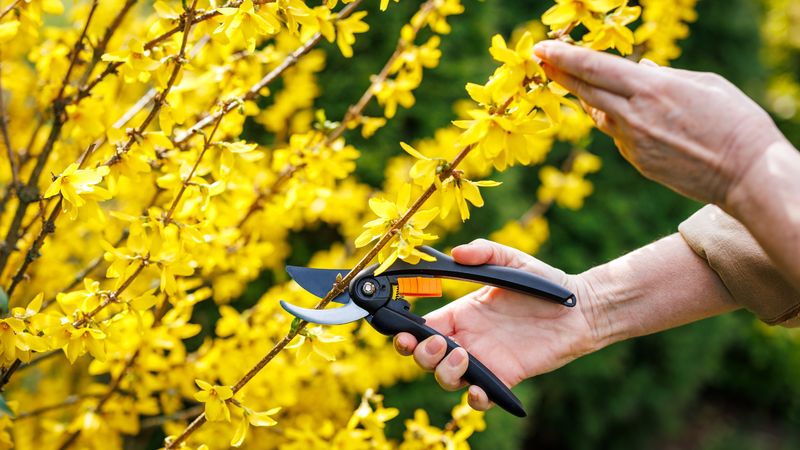
Walk through almost any older Oregon neighborhood in early spring and you will spot forsythia putting on its flashy yellow show before most other plants have even woken up from winter. Those brilliant golden branches are a welcome sight after months of grey skies and rain.
But once the flowers fade and the leaves fill in, it is time to think about pruning.
Forsythia blooms on wood that grew the previous year, so pruning right after flowering in late spring is the perfect time. Waiting until summer or fall means cutting off the branches that would have carried next year’s blooms.
Many Oregon gardeners make the mistake of shearing forsythia into a tight ball, which actually reduces flowering and gives the plant an unnatural look.
A much better approach is to use thinning cuts rather than shearing. Remove about one-third of the oldest, thickest canes all the way back to the ground each year.
This encourages fresh new growth from the base, which is exactly where next year’s flower buds will form. Also remove any damaged, crossing, or inward-growing branches to open up the center of the shrub.
Forsythia is a vigorous grower and can handle fairly aggressive pruning when needed. If your shrub has gotten out of hand over the years, you can cut the whole thing back to about twelve inches from the ground right after it blooms.
It will bounce back quickly and look much better for it. Just give it a good drink of water and a light feeding afterward to help it along.
6. Flowering Quince Can Turn Wild Without A Good Trim
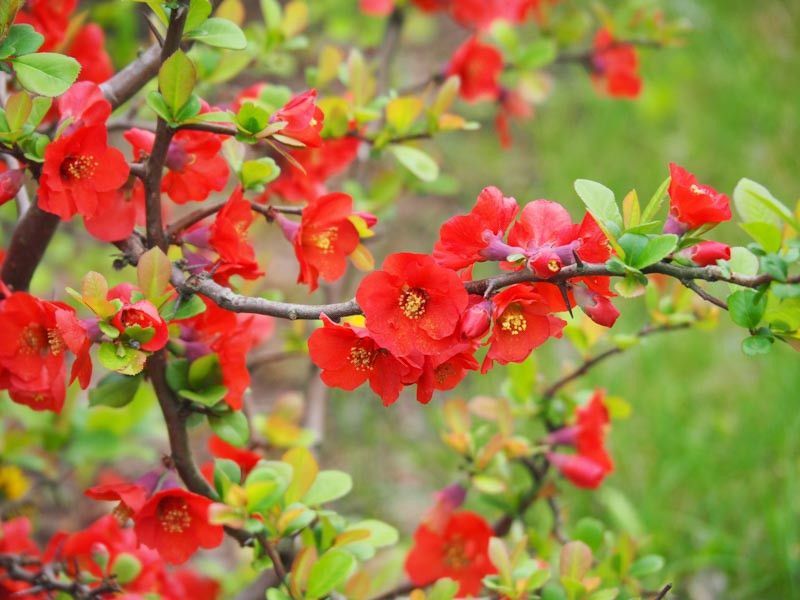
Flowering quince is one of those plants that earns its keep in an Oregon garden without asking for much in return. It blooms early, often while the branches are still bare, producing cheerful flowers in shades of red, orange, coral, and white.
The thorny branches also make it a great choice for a natural barrier hedge along property lines.
Pruning flowering quince after it finishes blooming in late spring is the way to go if you want to preserve next year’s flowers. The plant sets its buds on older wood, so cutting before or during bloom means fewer flowers the following season.
Waiting until the blooms are fully spent gives you a clear picture of what needs to come out.
Focus first on removing damaged or crossing branches. Flowering quince can develop a tangled, cluttered interior over time, and thinning it out improves both the plant’s appearance and its overall health by allowing more light and air to reach the center.
In Oregon’s damp climate, good air circulation goes a long way toward preventing fungal problems.
You can also shape the shrub at this time, cutting back any branches that have grown beyond the desired outline. Because flowering quince has thorns, thick gloves are a must for this job.
If you are growing it as a hedge or espalier against a wall or fence, now is a good time to tie in new shoots and train the plant into the shape you want. Consistent pruning keeps it productive and attractive year after year.
7. Mock Orange Stays Fuller And Fresher With Smart Pruning
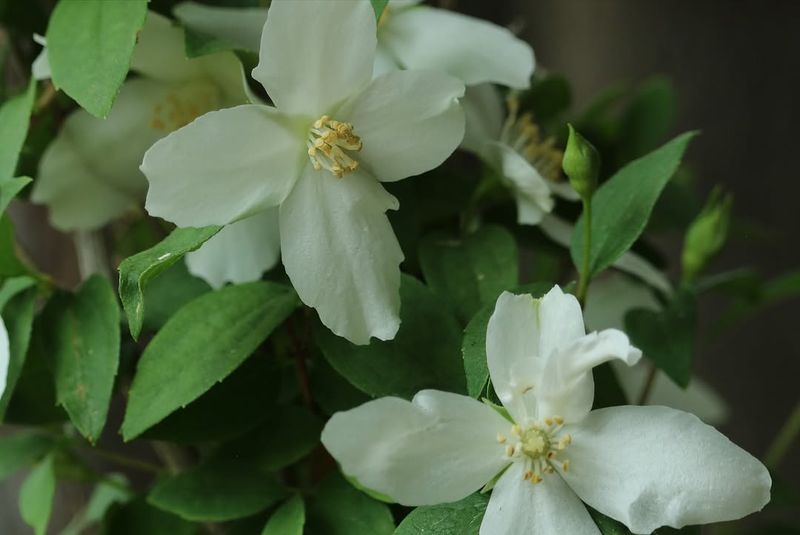
Close your eyes and imagine the scent of fresh orange blossoms drifting through a warm late spring afternoon in Oregon. That is exactly what mock orange brings to the garden, and it is one of the best reasons to grow this underappreciated shrub.
The white, four-petaled flowers are simple but stunning, and the fragrance is genuinely intoxicating.
Oregon State University Extension recommends pruning mock orange right after it finishes blooming, which usually falls in late May or early June across much of Oregon. Like forsythia, mock orange blooms on old wood, so pruning at the wrong time strips the plant of its flower-producing branches.
Getting the timing right is the most important thing you can do for this shrub.
The best pruning technique for mock orange involves removing the oldest canes at ground level each year. Aim to take out about one-quarter to one-third of the oldest, woodiest canes annually.
This keeps the shrub young and productive, since the freshest growth tends to produce the most flowers. Also remove any thin, weak stems that are unlikely to bloom well.
Mock orange can grow quite large if left unpruned, sometimes reaching eight to ten feet tall and wide. Regular post-bloom pruning keeps it at a manageable size without sacrificing its spectacular flower display.
If your plant has been neglected for years, a more thorough renovation prune right after blooming can bring it back to life. Within a season or two, you will have a vigorous, fragrant shrub that is a true highlight of any Oregon garden.
8. Spring-Flowering Deutzia Keeps Its Grace With The Right Prune
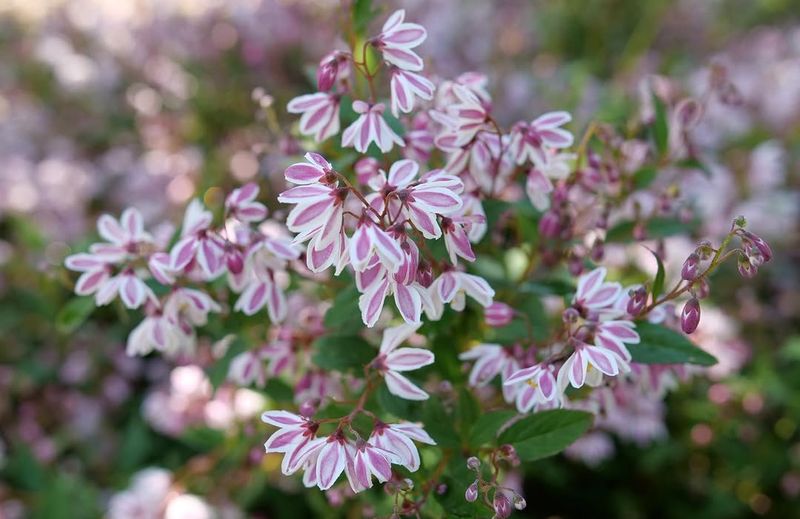
Not every Oregon gardener talks about spring-flowering deutzia first, but this shrub more than earns its spot with a soft cloud of white or blush blooms that can make the whole plant look lightly dusted in flowers. Once that pretty display starts to fade in late spring, it is the ideal time to bring out the pruners.
Like many spring-blooming shrubs, deutzia flowers on older wood produced during the previous growing season. That means timing matters.
Prune too late in summer or fall, and you will end up removing the stems that would have carried next year’s blooms. Late spring, just after flowering, gives the plant enough time to push fresh new growth and set buds for the following season.
The best way to prune deutzia is to keep it open and natural rather than clipped into a stiff shape. Start by removing dead wood, weak stems, and any branches that cross through the center.
Then take out some of the oldest stems at the base to encourage younger, more vigorous growth. This helps the shrub stay full of flowers instead of turning into a woody tangle with all the blooms stuck on the outside.
Deutzia usually does not need heavy-handed pruning every year, but it responds well to light thinning and occasional renewal cuts. In Oregon’s mild, wet spring climate, that simple cleanup can go a long way.
A well-pruned deutzia keeps its graceful shape, stays healthier, and puts on a much better show when bloom time rolls around again.