The 9 Backyard Birds Oregon Gardeners Hear First In Early Spring
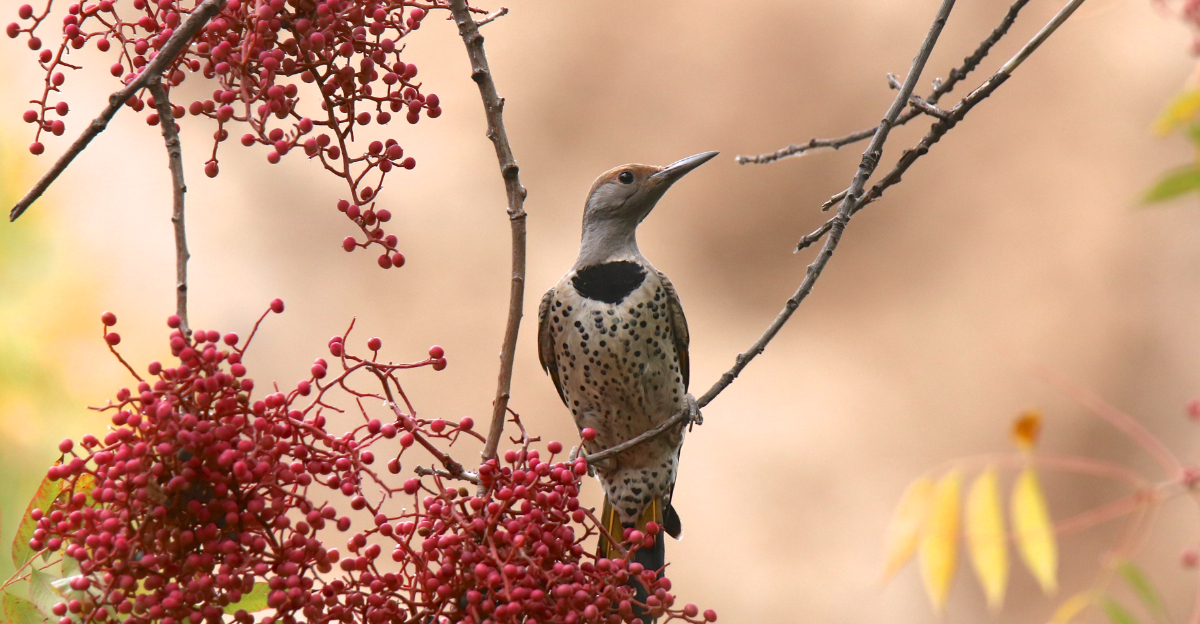
Early spring mornings in Oregon come alive with a symphony of bird songs that make your garden feel like it just woke up with a happy stretch.
As winter fades and buds start to peek, these backyard birds are some of the first visitors you’ll notice flitting through shrubs, hopping along lawns, and perching on fences.
Their songs and calls aren’t just cheerful, they signal that your garden is stirring and ready for the growing season. Many of these early risers help keep insect populations in check, spread seeds, and add life and color to every corner of your yard.
Paying attention to who shows up first can give you clues about local wildlife patterns and how healthy your outdoor space is. Grab a cup of coffee, step outside, and enjoy the lively chatter.
Your garden’s first visitors bring energy, movement, and a reminder that spring has officially arrived.
1. American Robin
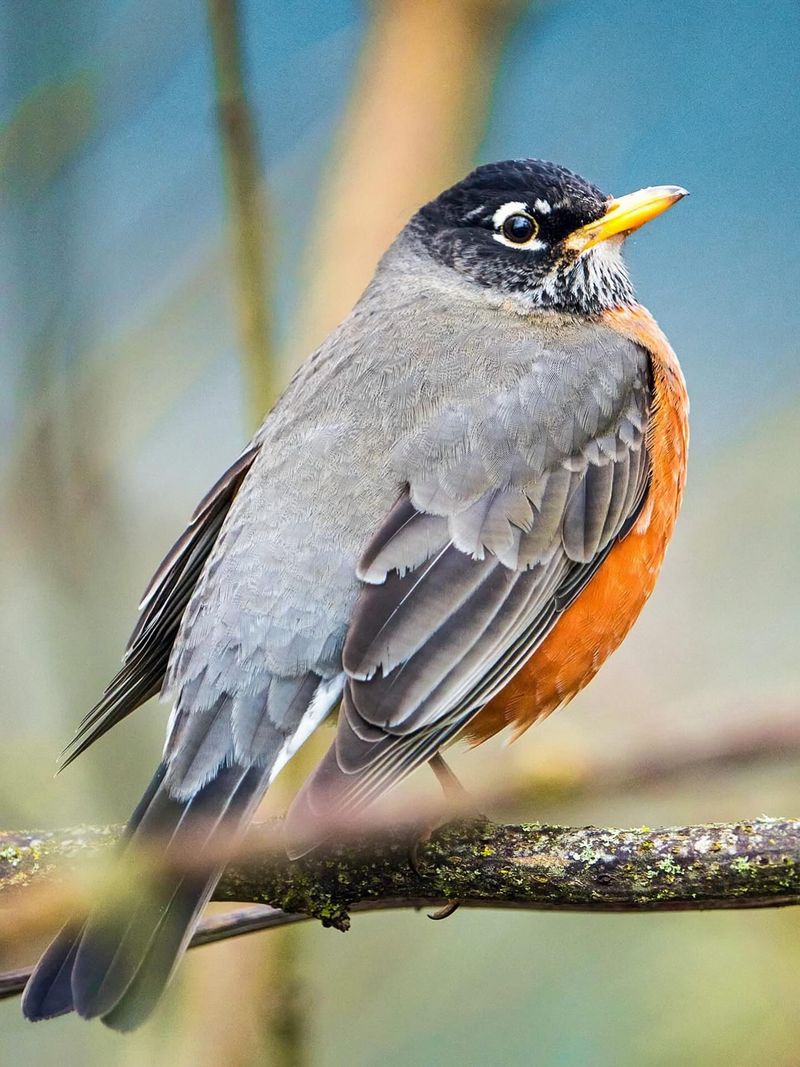
Few sounds say “spring is here” quite like the clear, caroling song of the American Robin. This bird is one of the most recognized in all of Oregon, and for good reason.
Its bright orange breast and cheerful attitude make it easy to spot hopping across a lawn or perched on a fence post.
Robins are early risers. You will often hear them singing before sunrise, which is why Oregon gardeners tend to notice them first thing in the morning.
They are especially active during the longer days of early spring when they are searching for earthworms and other small invertebrates in the soil.
Want to attract more robins to your yard? Keep a section of your lawn free of thick mulch so they can forage easily.
A birdbath with fresh water is also a great draw. Robins love to splash around and stay clean.
Planting native fruiting shrubs like serviceberry or Oregon grape gives them a reliable food source as the season progresses. These birds are truly a sign that your Oregon garden is heading in the right direction.
2. Song Sparrow
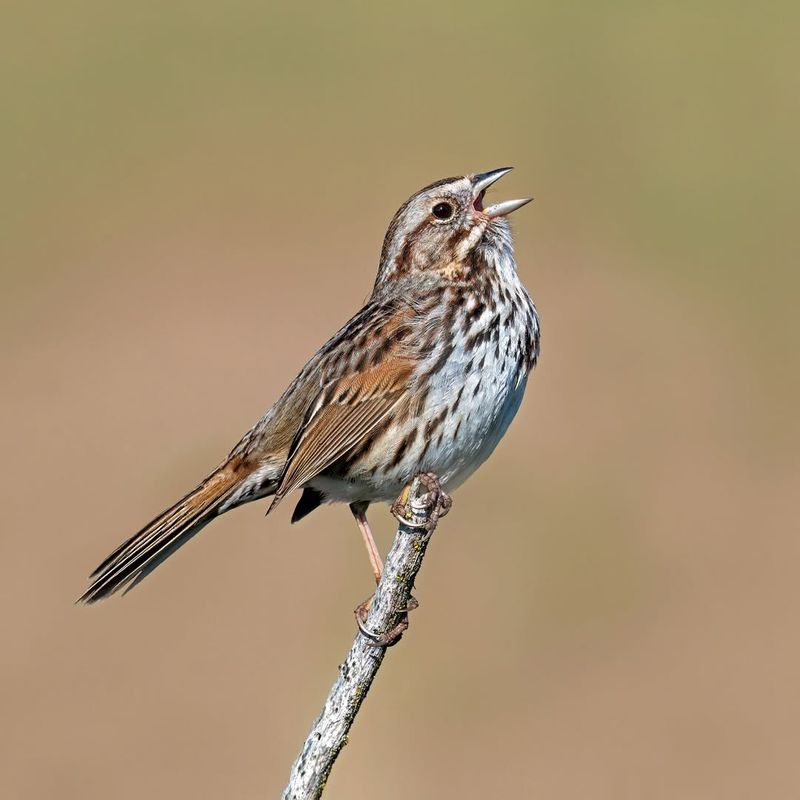
Loud, confident, and endlessly musical, the Song Sparrow earns its name every single day. This small but mighty bird fills Oregon backyards, wetlands, and brushy edges with a rich, rolling trill that feels like a welcome announcement that warmer days are coming.
It is one of the first sparrows you will hear as February turns to March.
Song Sparrows are incredibly adaptable. They thrive in a wide range of habitats across Oregon, from urban gardens in Portland to rural properties near rivers and streams.
The male sings from an exposed perch, repeating his song dozens of times in a row to claim his territory and attract a mate.
Attracting Song Sparrows to your yard is easier than you might think. Dense, low-growing shrubs give them shelter and nesting spots.
Leaving some leaf litter on the ground gives them a place to scratch around for seeds and insects. A low-profile birdbath or a shallow dish of water also works wonders.
These sparrows are not picky eaters, and they will visit feeders stocked with millet or sunflower chips. Once they find your yard, they tend to stay all season long.
Your Oregon Garden Changes Every Week. Your Plan Should Too.
Gardening in Oregon changes quickly throughout the season. Every Friday you’ll receive a simple weekly plan showing exactly what to plant, prune, fertilize, harvest, and protect so you never miss the right timing.
3. Dark-eyed Junco
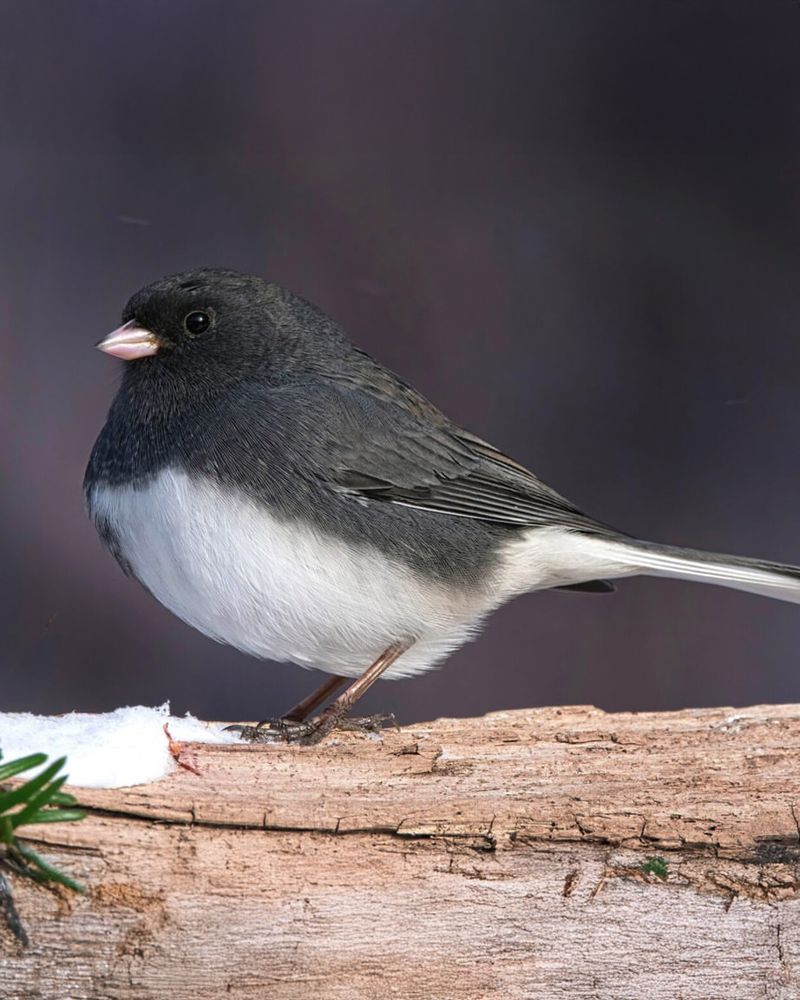
Nicknamed the “snowbird” by many Pacific Northwest residents, the Dark-eyed Junco is a small sparrow with a big personality. You have probably seen one already without even realizing it.
These compact little birds flash their white outer tail feathers as they hop along the ground, which makes them easy to pick out from other sparrows.
In Oregon, juncos are year-round residents in many areas, but they become especially noticeable in early spring when males start singing their soft, musical trills from low perches. The song is simple but sweet, a steady jingling that blends right into the sounds of a waking garden.
Juncos love to forage on the ground beneath feeders. Scatter some millet or finely cracked corn on a clean patch of bare ground, and you might attract a small flock within days.
They also appreciate dense brush piles or low shrubs for cover. If you have a compost pile or a weedy corner in your Oregon yard, juncos will gladly explore it for fallen seeds.
Keeping a consistent feeding station through early spring helps them build strength before nesting season begins in earnest.
4. Northern Flicker
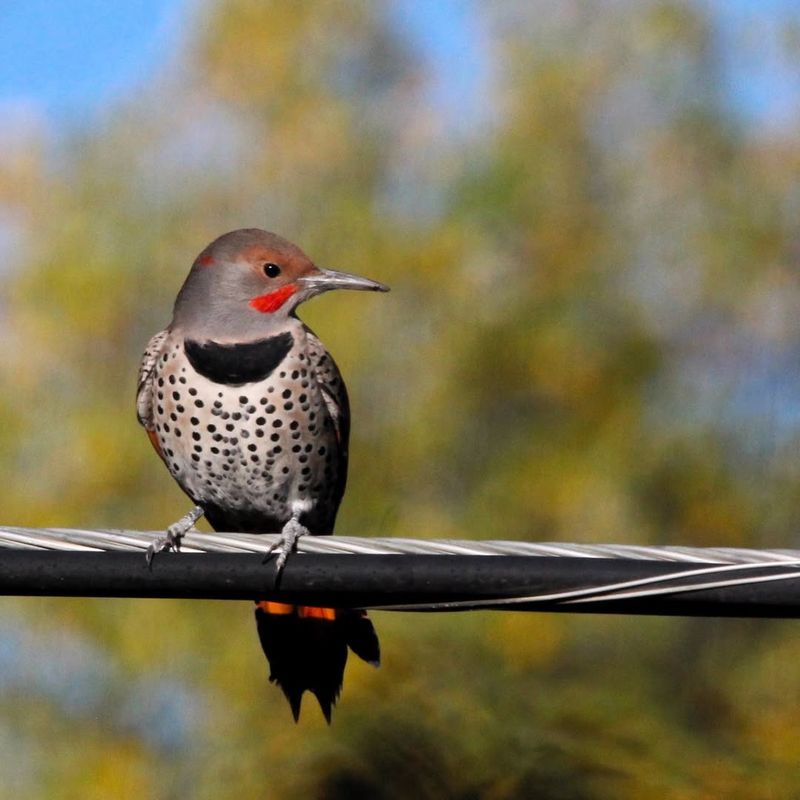
Drumming on a metal rain gutter at six in the morning might seem rude, but when a Northern Flicker does it, Oregon gardeners tend to forgive the noise pretty quickly.
This large, striking woodpecker is one of the most unmistakable birds you will encounter in early spring.
Its loud, laughing call and dramatic spotted plumage make it impossible to ignore.
Unlike most woodpeckers, flickers spend a surprising amount of time on the ground. They use their long, sticky tongues to lap up ants and beetle larvae from the soil, which makes your garden a prime feeding spot.
You will often see them working over a patch of lawn or garden bed with focused determination.
Northern Flickers across Oregon are members of the red-shafted subspecies, meaning their wing and tail feathers flash a brilliant salmon-red color when they take flight. It is a breathtaking sight.
To encourage flickers to visit your yard, consider mounting a nest box on a mature tree or wooden post.
They also appreciate dead or decaying wood, so leaving a snag in a safe corner of your property gives them a natural drumming and foraging spot throughout the season.
5. Anna’s Hummingbird
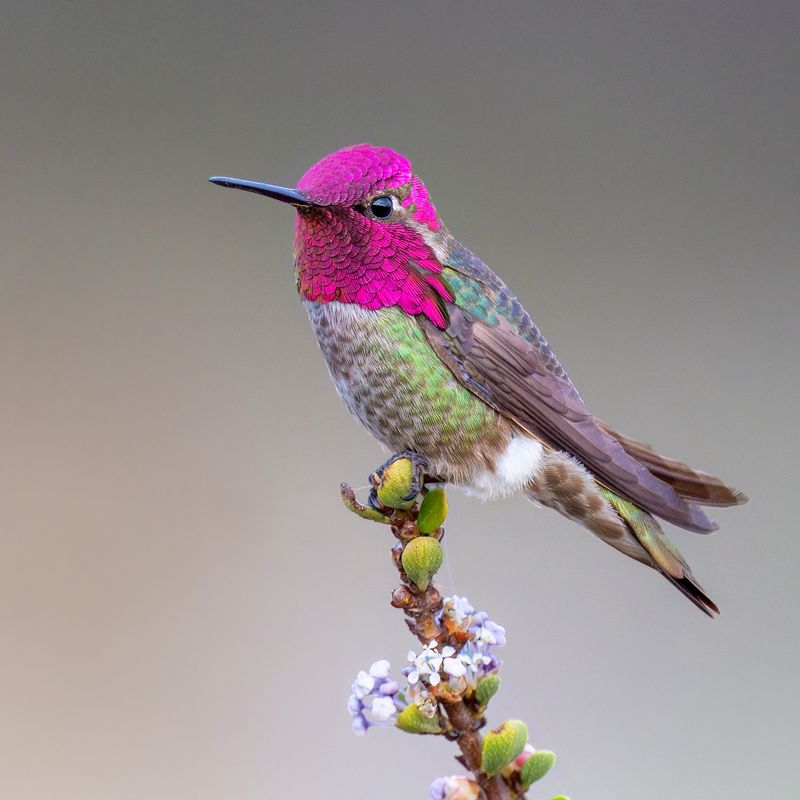
Most people think hummingbirds only show up in summer, but Anna’s Hummingbird breaks that rule completely. This bold little bird stays in Oregon year-round and is often one of the first hummingbirds you will hear calling in late winter and early spring.
The male’s scratchy, buzzy song is not exactly beautiful, but it is full of energy and attitude.
The male Anna’s Hummingbird has a head and throat that glow a brilliant magenta-pink in the right light. It is genuinely one of the most dazzling sights in an Oregon garden.
Males perform steep, dramatic dive displays to impress females, making a loud popping sound at the bottom of each dive.
Keeping a hummingbird feeder up through the winter and into early spring is one of the best things you can do for Anna’s Hummingbirds in Oregon. Use a simple mix of one part white sugar to four parts water, and skip the red dye entirely.
Native plants like red flowering currant, which blooms very early in Oregon, are a fantastic natural nectar source. These tiny birds need consistent fuel to stay warm and active during cool Pacific Northwest mornings.
6. Black-capped Chickadee
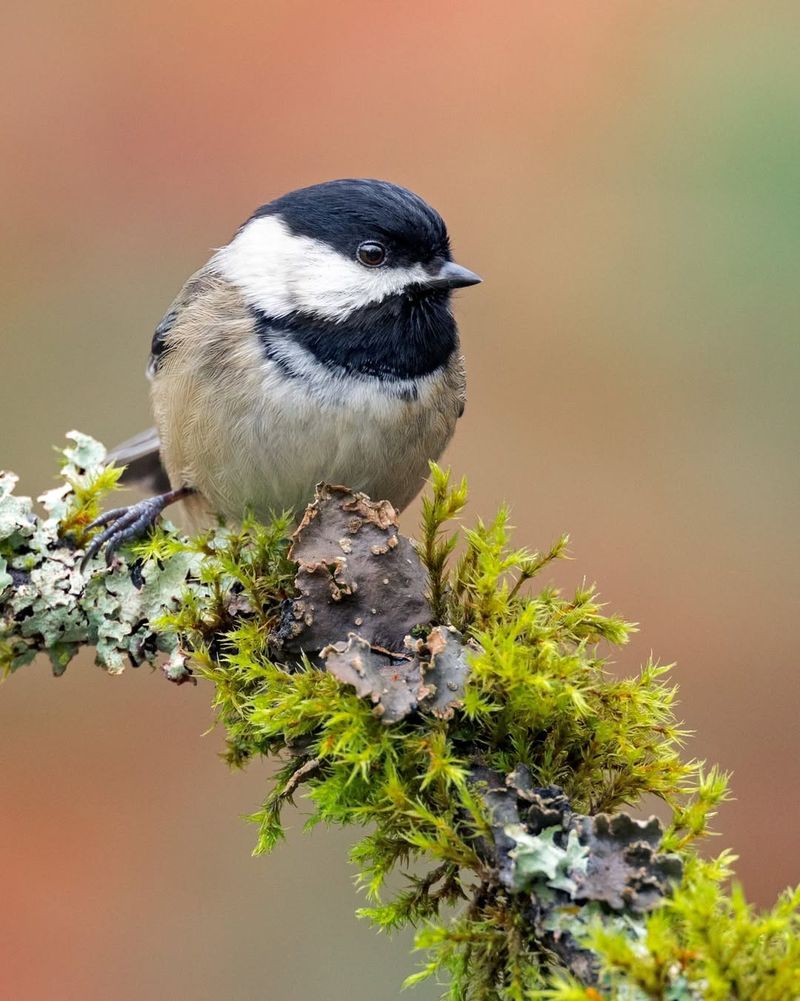
Cheerful, curious, and completely fearless, the Black-capped Chickadee is one of Oregon’s most beloved backyard birds. Its classic “chick-a-dee-dee-dee” call is one of the first sounds many gardeners hear on a crisp early spring morning.
The more “dee” notes at the end of the call, the more excited or alarmed the bird is, which makes listening to them surprisingly informative.
Chickadees are remarkably bold for their size. They will often approach a feeder while you are standing just a few feet away, and with patience, some individuals can even be trained to eat from an open hand.
They visit feeders regularly throughout the day, grabbing a single seed and flying off to cache it or eat it in privacy.
Black oil sunflower seeds are the gold standard for attracting chickadees to your Oregon yard. A tube feeder or a hopper-style feeder works perfectly.
Chickadees also love suet cakes, especially during the cooler weeks of early spring when insects are still scarce. Planting native trees like Oregon white oak or red alder gives them natural foraging spots where they hunt tiny caterpillars and insect eggs hidden in the bark.
A nest box with a one-and-an-eighth-inch entrance hole may even earn you a nesting pair.
7. Bewick’s Wren
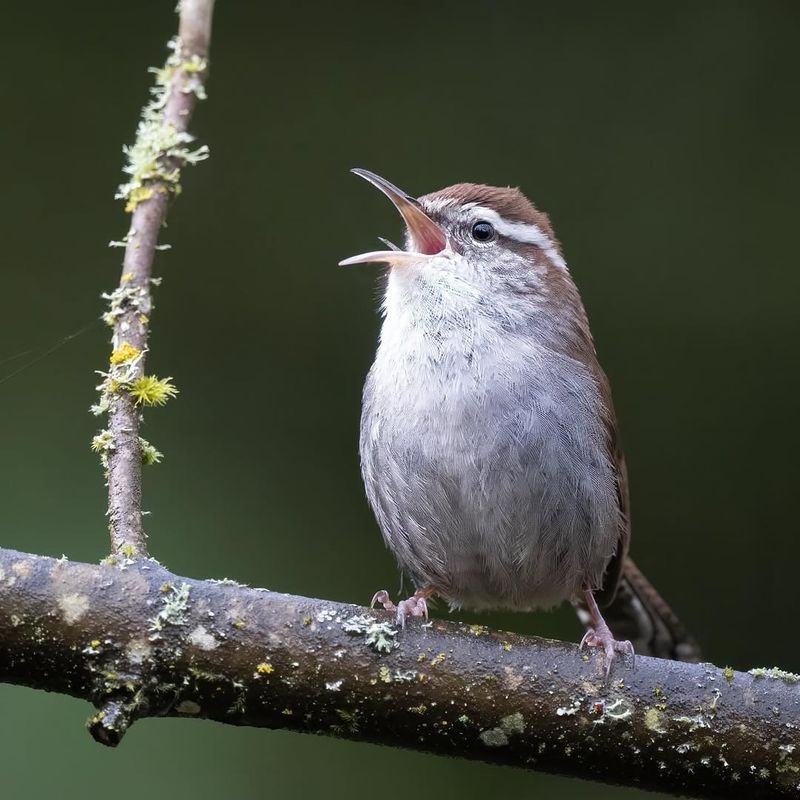
Loud, inquisitive, and packed with personality, Bewick’s Wren is one of those birds that makes you stop what you are doing just to listen. For a bird that weighs less than half an ounce, it produces a surprisingly powerful and varied song.
Oregon gardeners who learn to recognize its sharp, buzzy notes mixed with clear whistles will find it one of the most entertaining residents of the early spring garden.
One of the easiest ways to identify a Bewick’s Wren is by its long tail, which it often cocks upward at a jaunty angle. The bold white eyebrow stripe is another great field mark.
These wrens are constantly on the move, darting in and out of brush piles, dense shrubs, and garden beds as they hunt for spiders and small insects.
Bewick’s Wrens have declined in parts of their range, but Oregon remains a stronghold for the species. You can help by leaving brush piles, vine tangles, and dense hedgerows in your yard.
They will also use nest boxes, preferring ones placed low to the ground in a sheltered spot. Avoid heavy pesticide use in your garden, since these wrens depend on insects and spiders for nearly all of their food.
A chemical-free yard is a wren-friendly yard.
8. European Starling
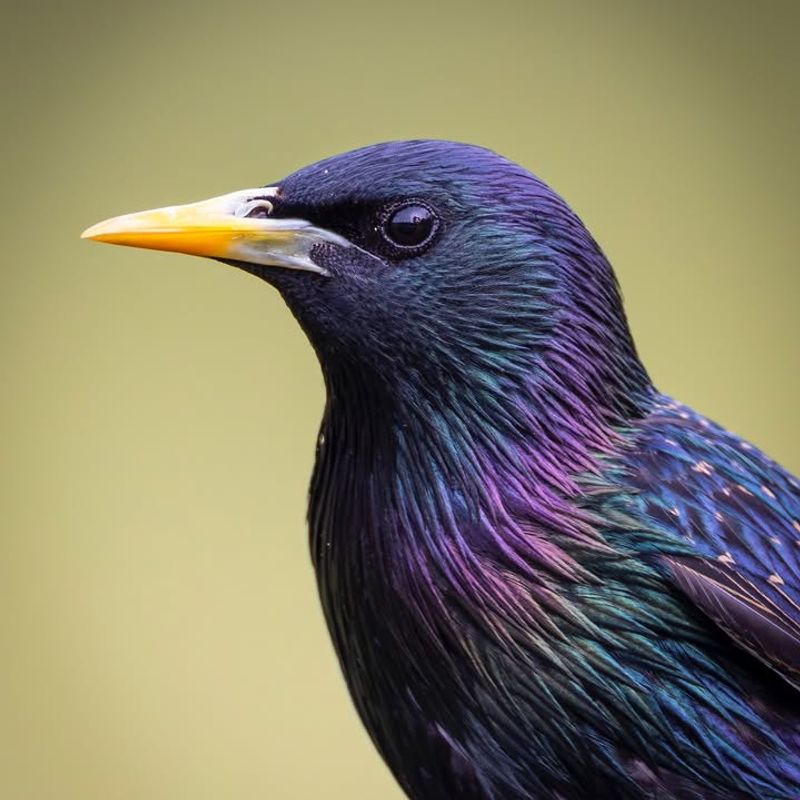
Love them or not, European Starlings are impossible to ignore in an Oregon backyard during early spring. These birds are gifted mimics and talented singers, and the males put on a remarkable vocal performance as breeding season approaches.
A starling can imitate the calls of other birds, mechanical sounds, and even human speech, weaving them all into one long, rambling song.
In early spring, starlings develop a glossy, iridescent plumage that shimmers green and purple in the sunlight. Their bills turn bright yellow as the season progresses.
It is a transformation that surprises many people who only know starlings as plain-looking winter birds covered in white speckles.
Starlings are gregarious and competitive at feeders. If you want to limit their visits while still attracting other birds, try using feeders with short or no perches, since starlings prefer wider landing spots.
Suet feeders that require birds to cling upside down also tend to discourage them. That said, starlings do eat large quantities of soil-dwelling grubs and insects, which can actually benefit Oregon gardeners with lawn pest problems.
Watching a flock work across a garden bed in early spring can be a surprisingly useful, if noisy, form of natural pest management.
9. House Finch
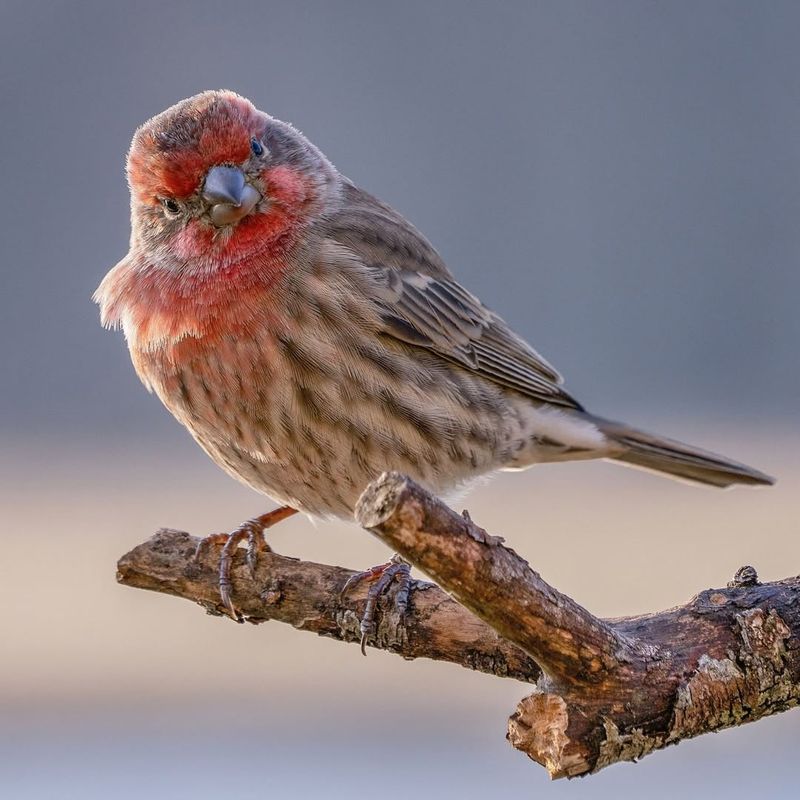
Rosy red and full of song, the male House Finch is one of the most cheerful presences at any Oregon backyard feeder in early spring. His warbling, rambling song seems to go on forever, and it has a bright, bubbly quality that lifts the mood of any garden morning.
Females are streaky brown and less flashy, but just as active and engaging to watch.
House Finches are social birds that often travel in small flocks. You might see four or five crowded onto a single tube feeder at once, chirping and jostling for the best spot.
They are not shy, and they tend to stick around once they find a reliable food source in your Oregon yard.
Black oil sunflower seeds and nyjer seed are both excellent choices for attracting House Finches. They also enjoy safflower seeds, which many other feeder birds tend to ignore.
House Finches will nest in dense shrubs, hanging planters, and even the occasional wreath on a front door. If you notice a pair investigating a corner of your porch or garden structure in early spring, they may be scouting out a nesting spot.
Leaving a small dish of nesting material like thin plant fibers nearby can give them a helpful head start.