8 Orange-Flowering Shrubs That Brighten Oregon Gardens Fast
Orange flowers do not ease into the background, and that is exactly the point. The right shrubs can light up an Oregon garden fast, adding bold color, strong contrast, and the kind of energy that makes everything around them look a little more alive.
That kind of impact goes a long way in Oregon, where many gardens lean heavily on cool tones, soft textures, and spring color that fades too quickly. A bright orange-flowering shrub changes the mood in a hurry.
Suddenly the border has more heat, the entry feels more cheerful, and the whole yard looks less sleepy. Very effective behavior.
These shrubs do more than bloom in a flashy color. They help fill space, add structure, and bring a warm punch that stands out even on gray days, which Oregon delivers with great commitment.
If your garden needs something lively, vivid, and impossible to ignore in the best way, these orange bloomers know exactly how to show up.
1. Deciduous Azalea
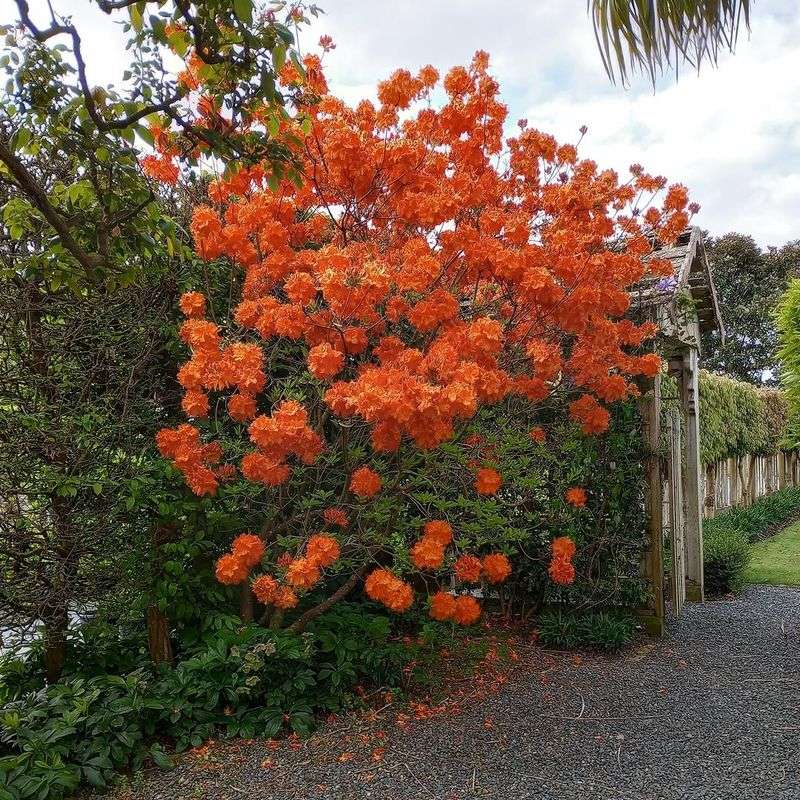
Few shrubs stop people in their tracks like a deciduous azalea in full orange bloom. In Oregon, it can be a smart pick because many varieties enjoy cool winters, mild springs, and acidic soil that already suits a lot of local gardens.
If you want a shrub that looks bold fast, this one brings major color in a short bloom window and turns an ordinary bed into a focal point.
Choose a spot with morning sun or light filtered shade, especially inland where hot afternoon exposure can stress tender flowers. Rich, well-drained, humus-heavy soil helps roots settle in, and a layer of mulch keeps moisture more even through dry summer stretches.
Water regularly while the plant establishes, then continue during long dry spells so buds and foliage stay in good shape.
Another reason gardeners love deciduous azaleas is their seasonal value. Many types also offer attractive fall leaf color, so you get more than a brief spring show.
Plant one near a path, entry, or sitting area, and you will notice how those glowing orange blossoms make cool Oregon days feel much brighter.
2. Orange Flowering Quince
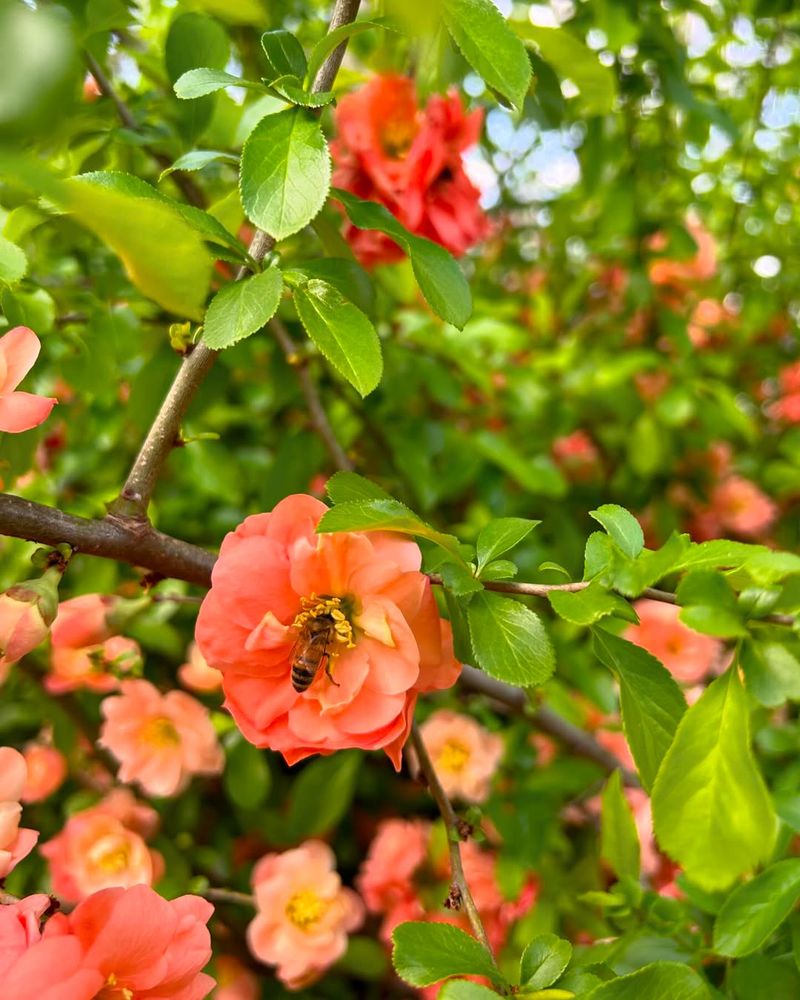
Right at the start of the season, orange flowering quince can wake up a garden before many other shrubs are even thinking about color. Its branches fill with bright blossoms in late winter or early spring, which feels especially cheerful in Oregon when the landscape still looks sleepy and damp.
If you want quick visual payoff, this is one of the easiest shrubs to notice from across the yard.
Flowering quince handles a range of conditions better than many gardeners expect. It grows well in full sun to light shade, and once established, it usually manages ordinary garden soil without much fuss as long as drainage is decent.
A light pruning after bloom helps shape it, and older plants can be thinned to keep growth open, healthy, and easier to enjoy.
You may also appreciate how versatile it is in the landscape. It works as an informal hedge, a foundation planting, or a bright anchor near mixed spring bulbs and perennials.
Your Oregon Garden Changes Every Week. Your Plan Should Too.
Gardening in Oregon changes quickly throughout the season. Every Friday you’ll receive a simple weekly plan showing exactly what to plant, prune, fertilize, harvest, and protect so you never miss the right timing.
Some varieties produce small fragrant fruits later in the season, adding another layer of interest, but honestly, the real reason to grow it is that unforgettable burst of orange when your garden needs it most.
3. Orange Potentilla
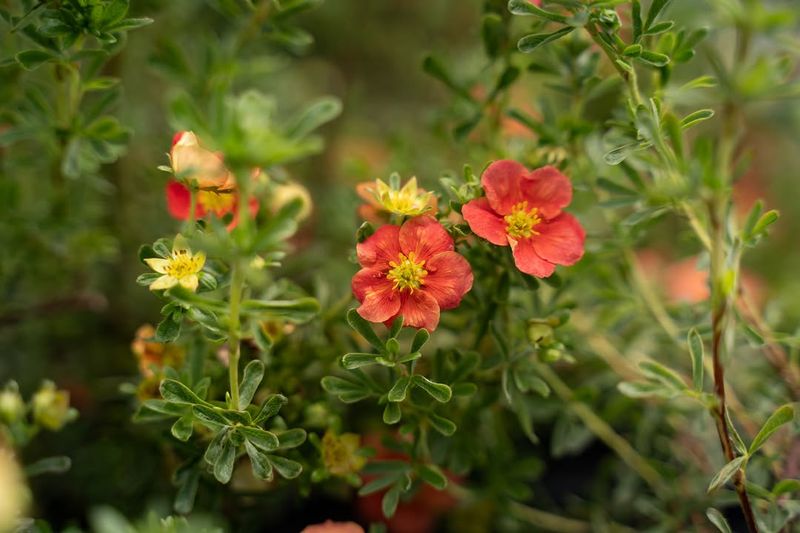
If your garden needs a tidy shrub that blooms generously without asking for much, orange potentilla deserves a closer look. It stays fairly compact, fits smaller spaces well, and offers cheerful flowers that brighten borders from late spring into summer.
For Oregon gardeners who want reliable color without a lot of maintenance, that combination is hard to ignore.
Potentilla generally prefers full sun and good drainage, making it a practical choice for hotter inland gardens or spots that dry out faster than average. Once roots establish, it handles drier conditions better than many flowering shrubs, though occasional deep watering during extended summer heat still helps performance.
A simple trim in early spring or after the first flush can keep it looking neat and encourage fresh growth.
Because the plant stays low and rounded, it is easy to tuck into mixed beds, parking strips, or front yard plantings where larger shrubs would feel bulky. Orange forms can vary from soft apricot to richer tangerine tones, so it is worth choosing one in bloom if possible.
Paired with blue catmint, silver foliage, or dark mulch, potentilla creates a crisp, sunny look that feels fresh and welcoming.
4. Grevillea ‘Poorinda Leane’
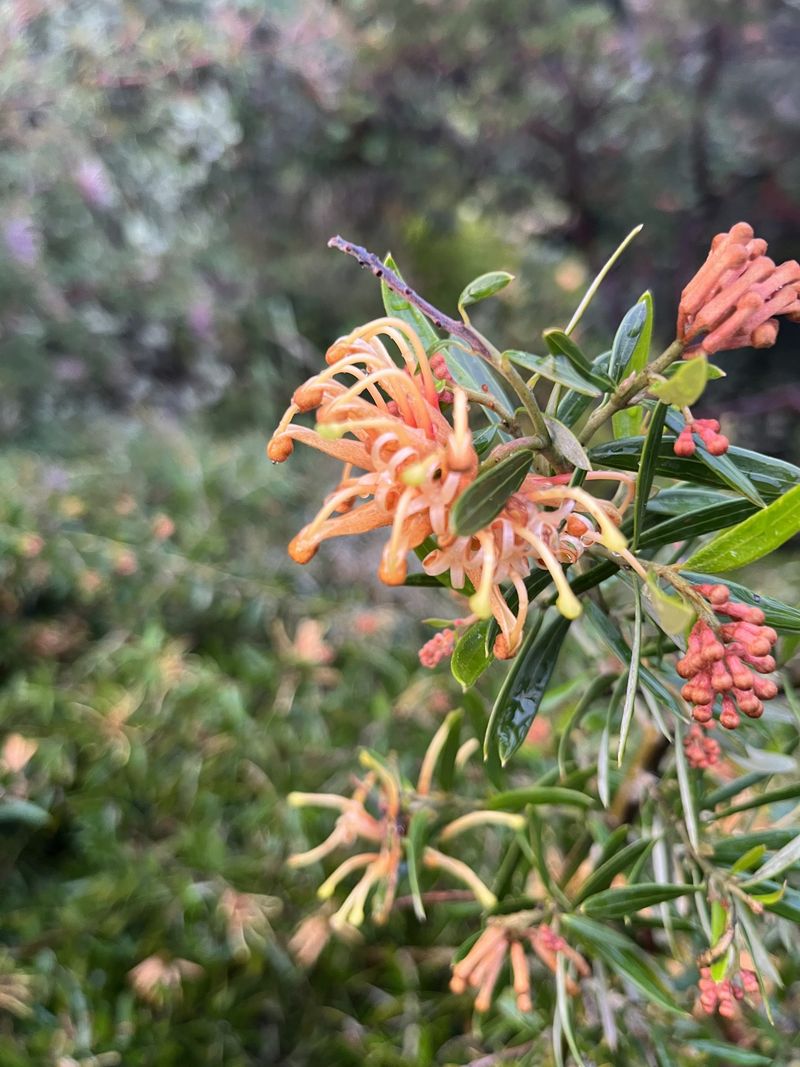
For something a little unexpected, Grevillea ‘Poorinda Leane’ brings a different texture and flower shape than most common shrubs. Its blooms have that signature spider-like grevillea look, glowing in warm orange shades that stand out beautifully against fine evergreen foliage.
In the right Oregon garden, it can add fast color and a distinctly modern, almost sculptural presence.
This shrub does best in mild areas or protected microclimates, so coastal Oregon or sheltered urban gardens usually offer the best chances for success. Give it full sun, sharp drainage, and avoid heavy, soggy soil, especially in winter when wet roots can become a problem.
Many gardeners plant it on a slight slope, in a raised bed, or near a south-facing wall where reflected warmth helps it stay comfortable.
Another big advantage is how well it fits low-water design once established. You do not need rich soil or constant feeding, and too much fertilizer can actually reduce its natural charm.
Use it near gravel paths, evergreen companions, and drought-friendly perennials, and you will get a shrub that feels striking, relaxed, and surprisingly quick to make a garden look more colorful and intentional.
5. Grevillea Victoriae
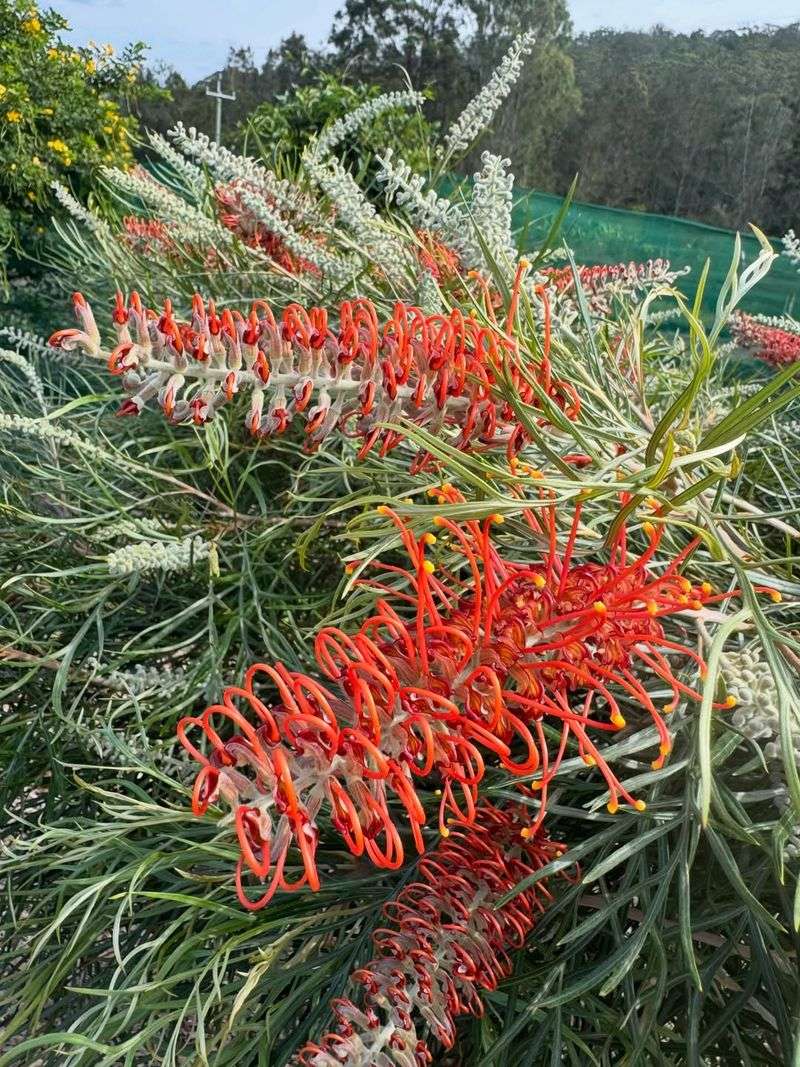
Unlike some shrubs that offer one brief color burst, Grevillea victoriae can provide a longer season of interest when conditions suit it. The pendant orange to orange-red flowers have a soft glow that feels especially welcome in cooler months, and the evergreen leaves keep the plant useful even when it is not blooming heavily.
If you want a shrub that looks distinctive year-round, this one is worth considering.
Success in Oregon usually depends on location more than anything else. It performs best in full sun, excellent drainage, and sheltered settings where cold wind and winter wet are reduced, so think protected courtyards, south-facing beds, or mild coastal gardens.
Once established, it prefers moderate to low summer water, and it usually appreciates being left alone rather than heavily pruned or fussed over.
Garden style matters here too, because Grevillea victoriae blends beautifully with grasses, salvias, rock garden plants, and other drought-tolerant companions. The flowers can also attract hummingbirds, which adds motion and life around patios or windows.
If your yard has the right microclimate, this shrub can quickly create that rare combination of bold flower color, evergreen structure, and a slightly adventurous plant palette.
6. Buddleia Globosa (Orange Ball Tree / Matico)
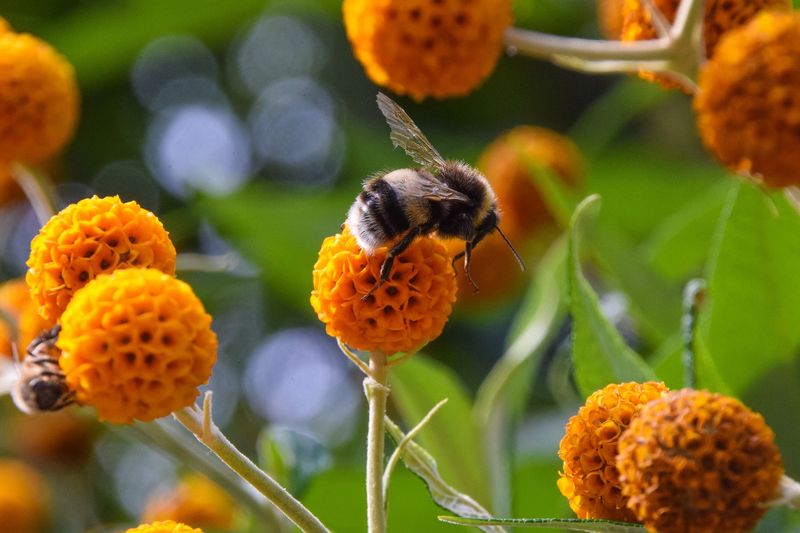
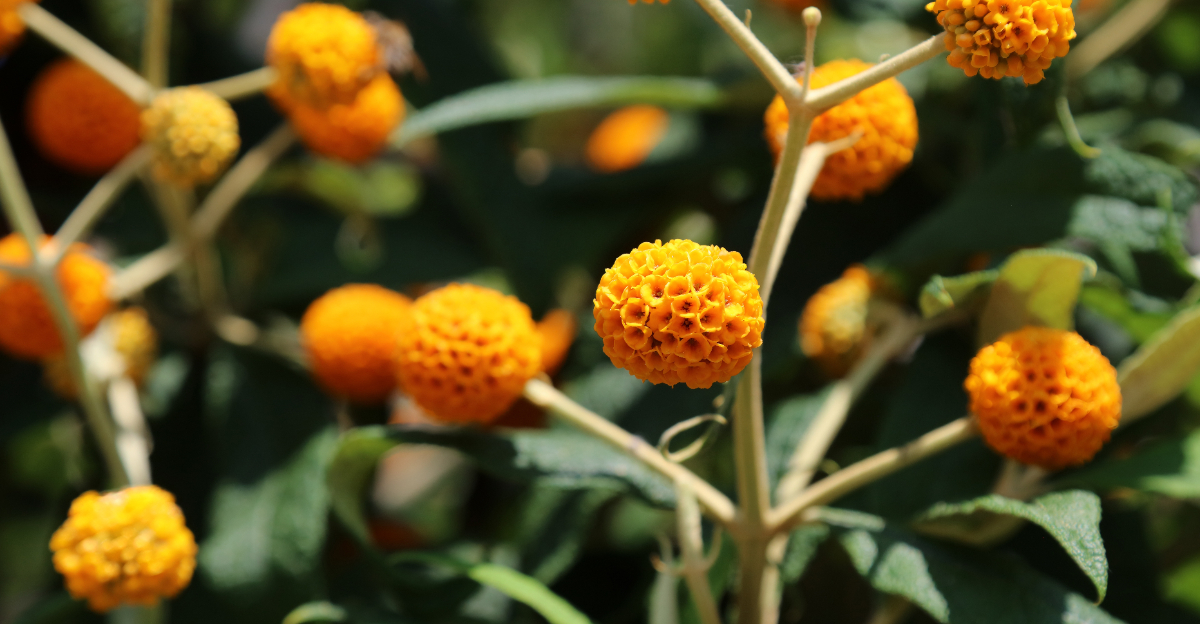
Some shrubs brighten a garden with soft sprays of flowers, but Buddleia globosa does it with round orange clusters that look almost playful. Those globe-shaped blooms are unusual, highly visible, and a fun change from more familiar flower forms.
In Oregon, that strong shape can make a border feel more layered and interesting very quickly.
This plant usually likes full sun and well-drained soil, though it is fairly adaptable once established. In milder parts of western Oregon, it can become a substantial shrub, so give it enough room instead of squeezing it into a tiny bed.
Prune after flowering or lightly shape as needed, and remember that good air flow helps keep the plant looking fresh and balanced through the growing season.
One of the nicest things about orange ball tree is the way it supports a lively garden atmosphere. Pollinators often visit the flowers, and the gray-green foliage gives a calm backdrop that helps the orange bloom color stand out even more.
It works beautifully in cottage gardens, wildlife-friendly designs, or informal mixed borders, especially when paired with purple, blue, or silver plants that make those bright orange flower balls glow even more.
7. Cape Fuchsia
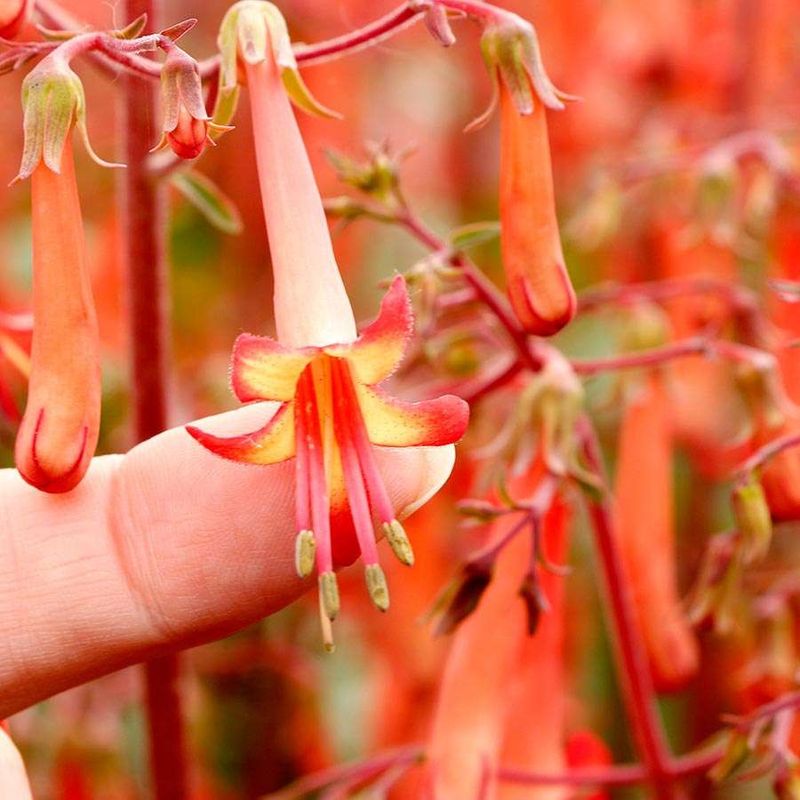
When late summer starts feeling a little tired, cape fuchsia shrub forms can bring the garden back to life with bright tubular flowers. The orange shades often lean warm and fiery, and they show up just when many spring bloomers are fading into the background.
If you want color that carries the garden forward, this is an easy plant to appreciate.
Not every cape fuchsia behaves like a true shrub, so it helps to look specifically for sturdier, woody forms suited to your region. In Oregon, they generally prefer sun to light shade, regular water while establishing, and soil that drains well through winter.
A protected spot can help in colder areas, and a light trim in spring usually encourages fuller growth and more flowering stems.
These plants are especially useful near patios, paths, and seating areas because the flowers are easy to see up close and can attract hummingbirds in a very noticeable way. Their looser habit also mixes well with ornamental grasses, salvias, and other long-season companions.
If your goal is to make a border look energetic without relying only on midsummer bloomers, cape fuchsia shrub forms can fill that gap beautifully.
8. Mexican Bush Honeysuckle
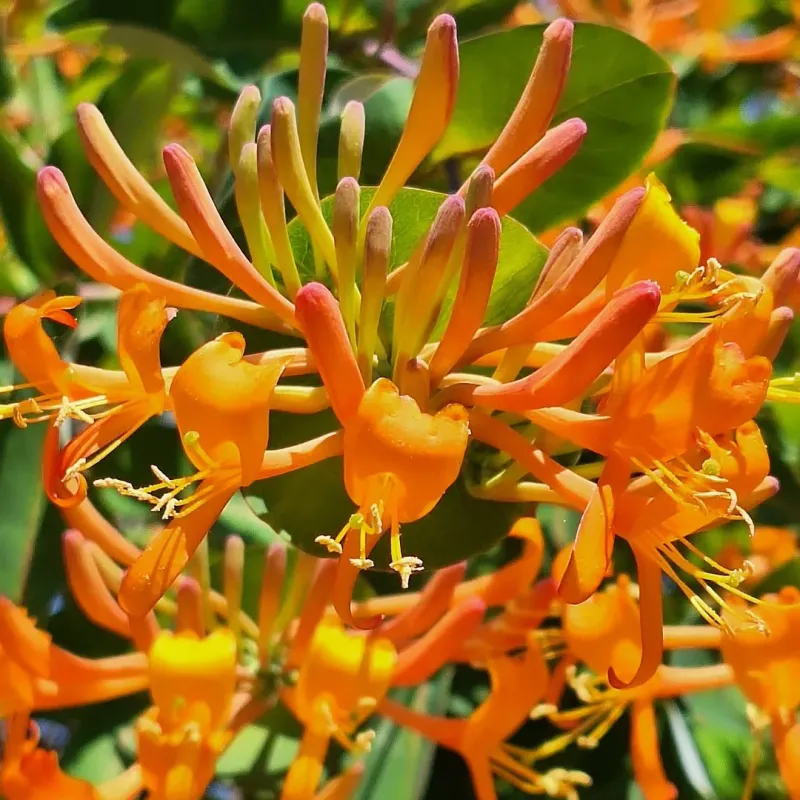
For soft texture and rich orange color, Mexican bush honeysuckle offers a look that feels both relaxed and vibrant. The velvety foliage adds a slightly tropical mood, while the flowers bring a warm punch that can brighten containers, borders, or sheltered foundation beds.
In Oregon, it is especially appealing if you want something less common that still reads as easygoing and cheerful.
This shrub prefers warmth, so placement matters a lot. Give it a sunny, protected location with decent drainage, and consider growing it in a container if your winters are cold enough to make in-ground planting risky.
Regular summer water keeps it looking lush, but avoid waterlogged soil because roots are much happier when moisture is steady rather than excessive.
One reason gardeners enjoy Mexican bush honeysuckle is how well it pairs with other colorful plants without becoming visually messy. The fuzzy green leaves soften nearby hardscape, and the orange flowers glow against deep greens, purples, or silver-gray foliage.
If you have a cozy courtyard, a warm wall, or a patio that needs a fast lift in color and texture, this shrub can make the space feel noticeably more inviting in one season.