8 Small Native Trees Perfect For Ohio Front Yards
Front yards across Ohio often rely on the same few landscape trees. Many grow too large, demand constant pruning, or struggle through harsh winters and humid summers.
A better option stands right in the region’s natural landscape. Native trees evolved in the same soil, weather, and wildlife patterns found across the state.
Smaller native species bring beauty without overwhelming a yard. Their roots adapt well to local conditions, their branches stay manageable, and their flowers, berries, and fall color add interest through every season.
Birds, pollinators, and beneficial insects also benefit from these trees in ways imported ornamentals rarely provide. A front yard can gain shade, color, and life without sacrificing space!
1. Plant Eastern Redbud For Rosy Spring Blooms
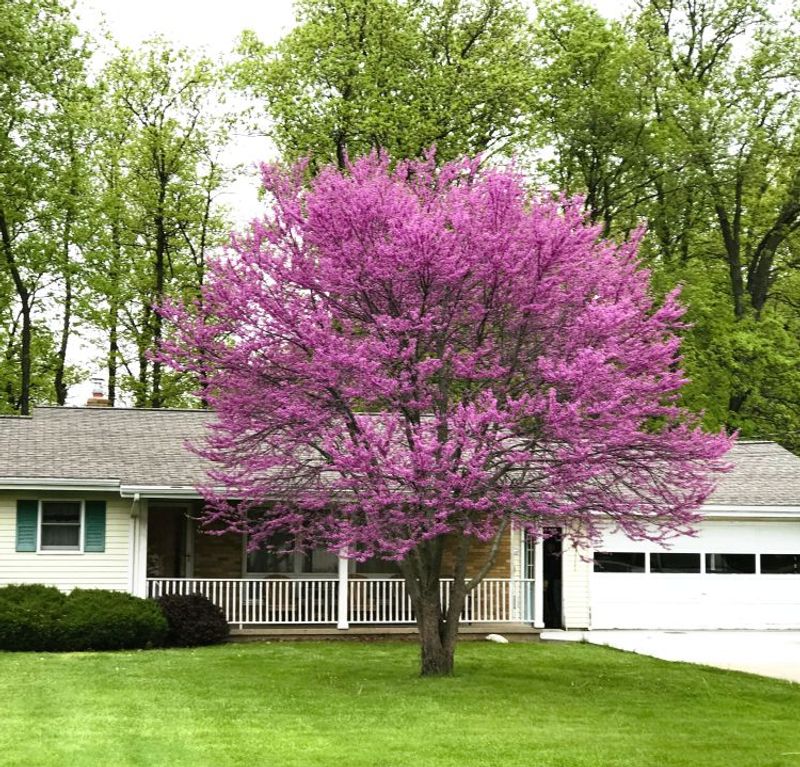
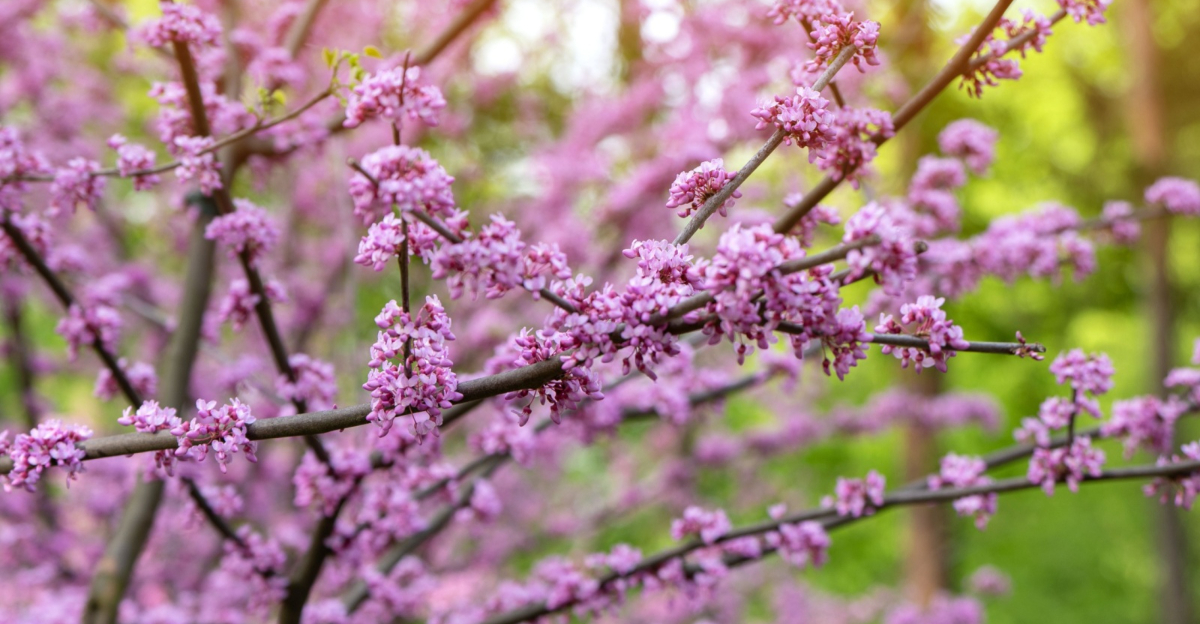
Few sights in an Ohio spring are as breathtaking as an Eastern Redbud bursting into rosy pink-purple blossoms before a single leaf appears. Cercis canadensis is one of the most beloved small native trees across the state, and for good reason.
It rewards even beginner gardeners with a spectacular show every April.
Mature Eastern Redbuds typically reach 20 to 30 feet tall with a graceful, spreading canopy of 25 to 35 feet wide. That compact size makes it a natural fit for front yards where space is limited but visual impact matters.
Plant it as a focal point near your front walkway or driveway for maximum curb appeal.
Ohio State University Extension recommends planting Eastern Redbud in well-drained soil with full sun to partial shade. It handles Ohio’s clay-heavy soils better than many ornamental trees, especially when you loosen the soil at planting.
Water regularly during the first growing season to help roots settle in firmly.
After the blooms fade, heart-shaped leaves emerge and stay attractive all summer long. Come fall, the foliage turns a warm yellow before dropping.
Pollinators, especially native bees, absolutely love the early nectar this tree provides each spring.
2. Add Flowering Dogwood For Classic Seasonal Beauty
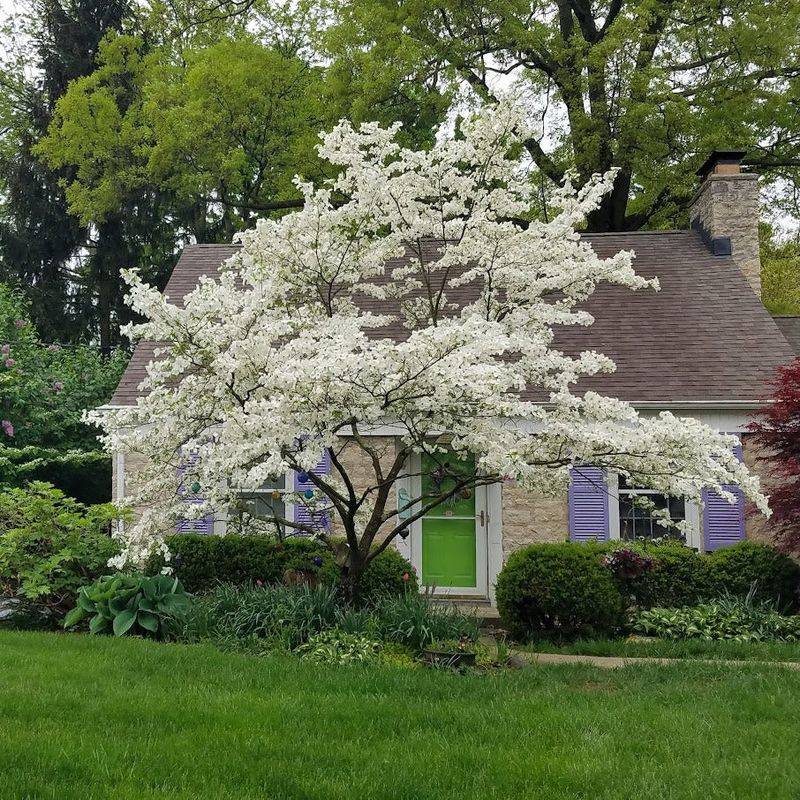
Walk past a Flowering Dogwood in May and you will immediately understand why Cornus florida is considered one of Ohio’s most elegant native trees. The large white or soft pink bracts surround tiny true flowers, creating a display that looks almost too beautiful to be real.
It is a tree that earns admiration from every neighbor who passes by.
Beyond spring, Flowering Dogwood keeps giving. Summer brings glossy green leaves that create dense, attractive shade near your home’s entrance.
When fall arrives, the foliage turns a rich burgundy-red, and clusters of bright red berries appear, drawing migrating birds directly to your yard.
Mature trees stay between 15 and 25 feet tall with a similar spread, making them ideal for Ohio front yards with moderate space. Plant your Flowering Dogwood in partial shade with well-drained, slightly acidic soil for the healthiest results.
Avoid heavy clay that stays waterlogged after Ohio’s spring rains.
Placement near a walkway or front entrance lets you enjoy the spring bloom up close every morning. Mulch around the base generously to retain moisture and protect shallow roots.
Your Ohio Garden Changes Every Week. Your Plan Should Too.
Gardening in Ohio changes quickly throughout the season. Every Friday you’ll receive a simple weekly plan showing exactly what to plant, prune, fertilize, harvest, and protect so you never miss the right timing.
With proper siting, this tree asks for very little care while delivering four full seasons of beauty year after year.
3. Grow Downy Serviceberry For Multi-Season Interest
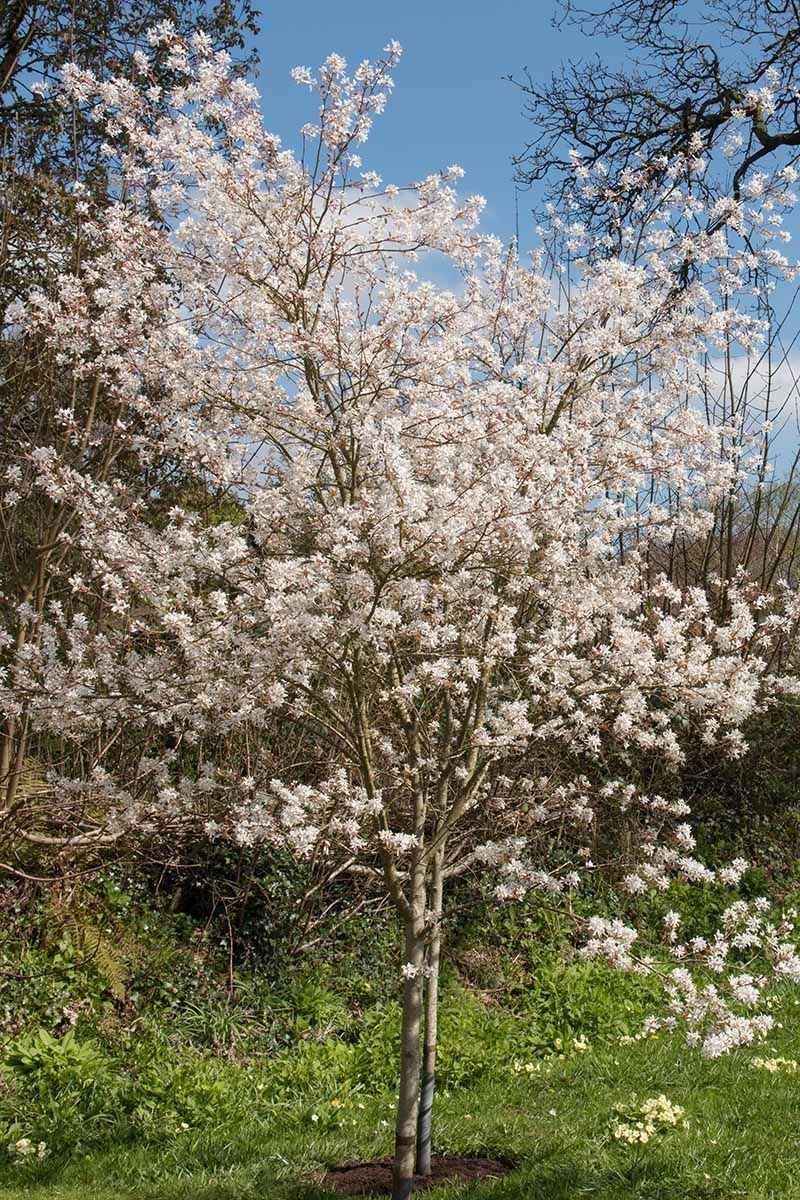
If you want a tree that earns its spot in your Ohio front yard every single month, Downy Serviceberry, known scientifically as Amelanchier arborea, might be your perfect match. It is one of the first trees to flower in Ohio each spring, producing delicate clusters of white blossoms as early as late March.
That early bloom is a lifeline for hungry pollinators just emerging after winter.
By early summer, the small reddish-purple berries ripen and quickly attract a parade of birds, including robins, cedar waxwings, and catbirds. Gardeners who enjoy fresh fruit will find the berries sweet and edible, with a flavor similar to blueberries.
Many Ohio homeowners use them for jams and pies.
Serviceberry typically grows 15 to 25 feet tall and wide, fitting comfortably in most front yard spaces without overwhelming the landscape. It adapts well to Ohio’s variable soils, tolerating both moist and moderately dry conditions.
Full sun to partial shade both work fine for this flexible native.
Fall color is another standout feature, with leaves shifting to stunning shades of orange, red, and gold before winter. Planting one near a window gives you a front-row seat to the seasonal changes.
It is a genuinely low-maintenance native that keeps surprising you all year long.
4. Set Fringe Tree For Fragrant Late-Spring Blossoms
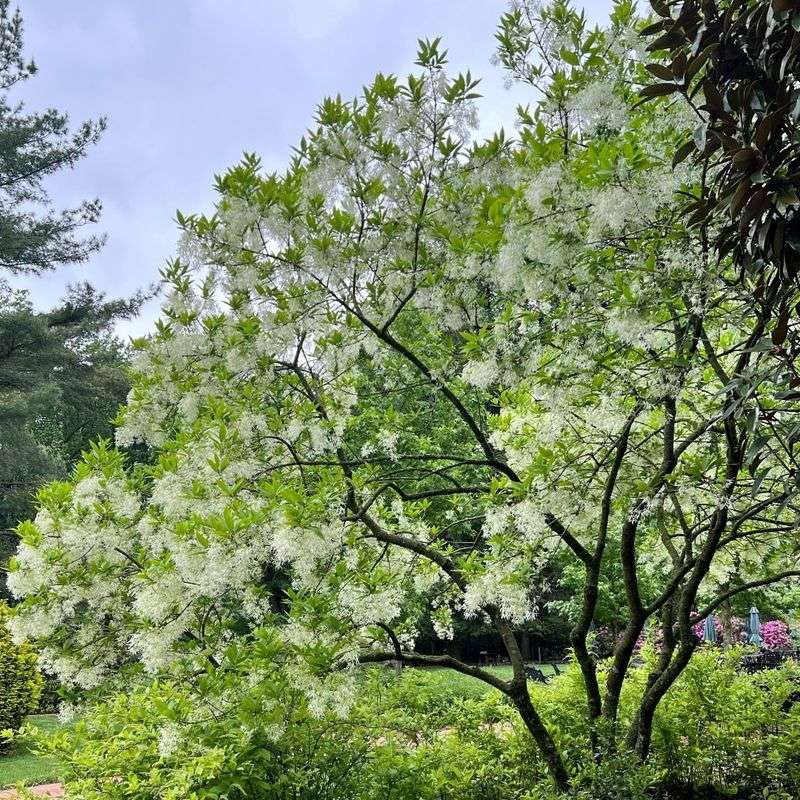
There is something almost magical about a Fringe Tree in full bloom. Chionanthus virginicus earns its name from the cloud of soft, thread-like white flowers that drape across the tree each May and June, just as most spring bloomers are wrapping up their show.
The fragrance is sweet and noticeable from several feet away, making every trip to your mailbox a pleasant experience.
Ohio gardeners often overlook Fringe Tree in favor of flashier options, but that is a missed opportunity. It grows 12 to 20 feet tall and wide, fitting neatly into smaller front yards without crowding nearby plantings.
It also tolerates partial shade, which makes it a smart choice for yards with existing tree cover or homes that face north.
Female Fringe Trees produce small, dark blue fruits in late summer that songbirds eagerly seek out. The fall foliage turns a clear, bright yellow before the leaves drop.
Both male and female trees are worth planting, but male trees tend to produce a heavier, more dramatic flower display.
Plant Fringe Tree in moist, well-drained soil with good organic content for the best growth. Water consistently during dry Ohio summers, especially in the first two years after planting.
Once established, it becomes surprisingly tough and adapts well to Ohio’s unpredictable weather patterns throughout the seasons.
5. Establish American Hornbeam For Refined Structure
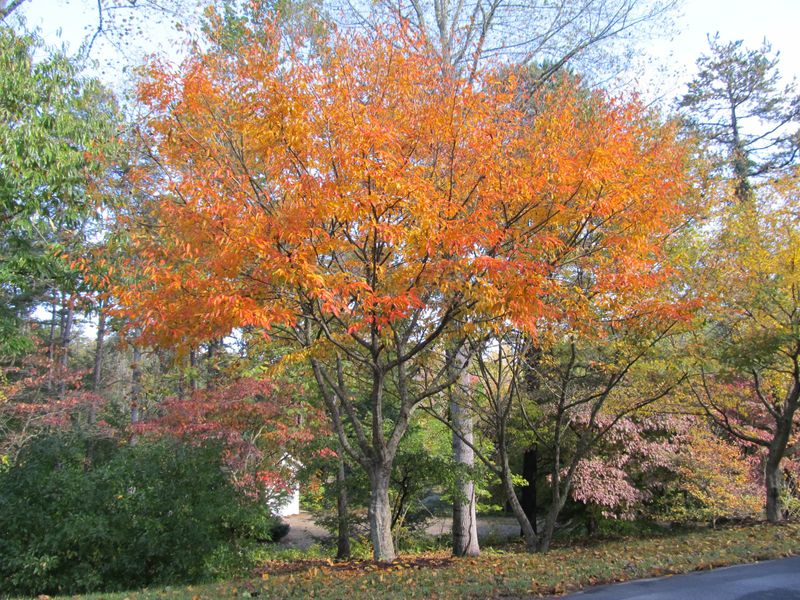
American Hornbeam, or Carpinus caroliniana, brings something to the front yard that most flowering trees cannot: genuine architectural elegance. Its smooth, gray bark has a distinctive rippled, muscle-like texture that looks striking even in winter when the leaves are gone.
Landscape designers in Ohio often call it one of the most underused native trees available to homeowners.
Growing slowly to 20 to 35 feet tall and wide, American Hornbeam fits beautifully into smaller front yards where a fast-growing tree might quickly overwhelm the space. The slow growth rate is actually an advantage for homeowners who want a refined, tidy-looking tree that will not require frequent pruning to stay in bounds.
This native thrives in moist, well-drained soil and performs especially well in partial shade, making it a strong candidate for yards shaded by neighboring homes or taller trees. Ohio’s woodland edges are natural habitat for American Hornbeam, so it is already perfectly suited to the state’s climate and seasonal temperature swings.
Fall color ranges from orange to scarlet-red, adding a warm seasonal glow to your front yard. The small nutlets produced in late summer attract native birds and small wildlife.
Planting American Hornbeam near a front corner of your home creates a polished, structured look that holds visual interest across every season of the year.
6. Plant Pawpaw For Unique Foliage And Edible Fruit
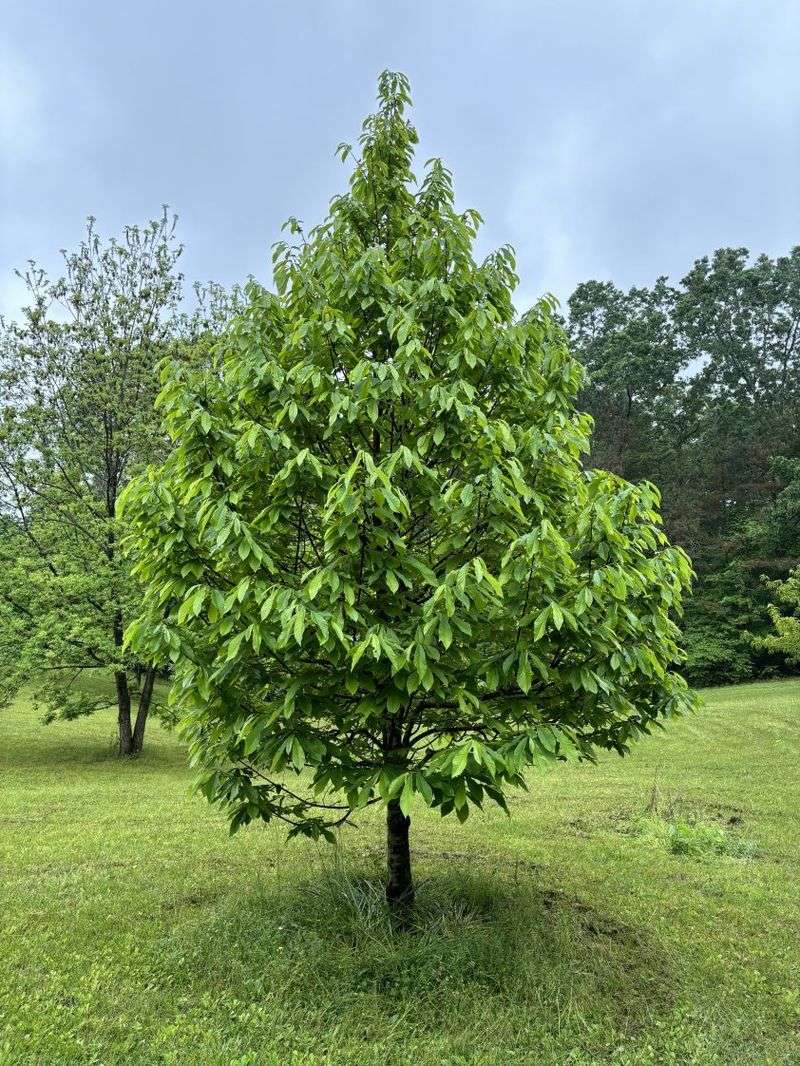
Pawpaw is the tree that always starts a conversation. Asimina triloba has enormous, drooping leaves that can reach 12 inches long, giving your Ohio front yard a lush, almost tropical feel that no other native tree can match.
It is native to Ohio’s woodlands and river valleys, so it is perfectly at home in the state’s climate without any special coddling.
Beyond the dramatic foliage, Pawpaw produces the largest edible fruit native to North America. The yellow-green fruits ripen in late August through October, with a creamy, custard-like flesh that tastes like a blend of banana, mango, and vanilla.
Growing your own Pawpaws is a genuine conversation piece and a rewarding experience for the whole family.
Pawpaw grows 15 to 25 feet tall and is naturally suited to understory conditions, meaning it performs well in partial to full shade. That makes it a smart pick for Ohio front yards that do not receive full sun all day.
Plant at least two different Pawpaw seedlings near each other to ensure good fruit production through cross-pollination.
Rich, moist, well-drained soil gives Pawpaw its best start. Avoid planting in low spots that collect standing water after rain.
The maroon spring flowers are small but interesting, and they attract native flies and beetles that serve as natural pollinators for this unique and rewarding Ohio native tree.
7. Add Sourwood For Summer Flowers And Fall Color
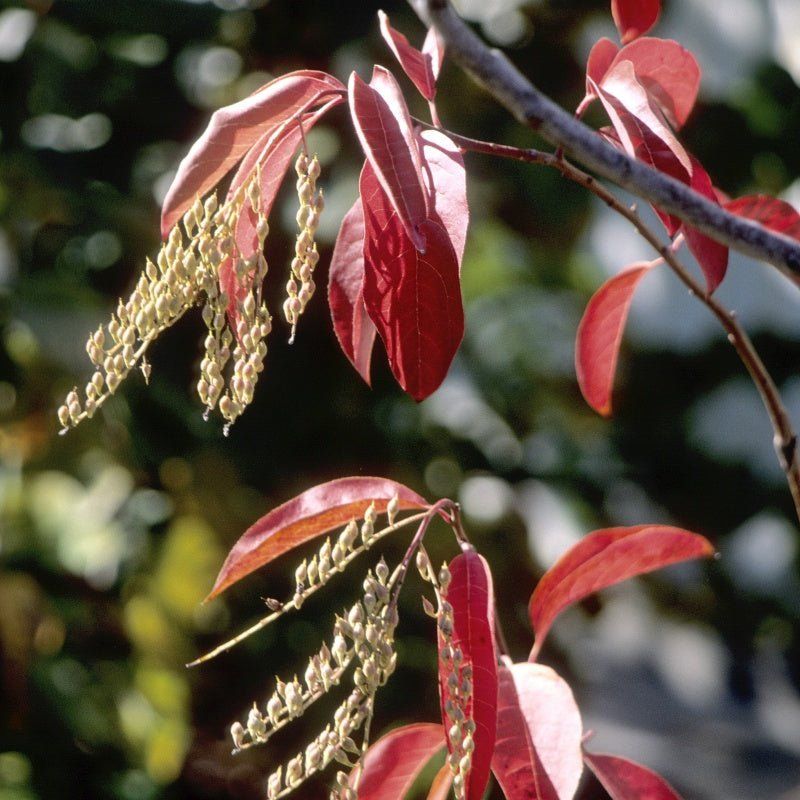
Sourwood is the quiet overachiever of Ohio’s native tree lineup. Oxydendrum arboreum blooms in midsummer with long, drooping clusters of small white flowers that look remarkably similar to lily-of-the-valley blossoms.
Most ornamental trees have finished flowering by July, so Sourwood steps in and fills that visual gap with graceful, eye-catching elegance right when you need it most.
Beekeepers in Ohio have long treasured Sourwood because its flowers produce some of the finest, most distinctively flavored honey in the eastern United States. Even if you are not a beekeeper, watching native bees and butterflies work through the flower clusters on a warm summer afternoon is genuinely entertaining and ecologically valuable.
Mature Sourwood trees typically reach 20 to 30 feet tall with a narrow, upright form that fits well in front yards with limited horizontal space. The tree prefers acidic, well-drained soil and full sun to light partial shade.
Avoid planting in heavy Ohio clay without first amending the soil with compost or organic matter to improve drainage.
When fall arrives, Sourwood earns yet another round of applause. The leaves turn a brilliant scarlet-red, often among the earliest and most vivid fall color in any Ohio yard.
Creamy white seed capsules persist on the branches well into winter, adding subtle texture to the bare tree during the colder months.
8. Set Cockspur Hawthorn For Spring Flowers And Bright Berries
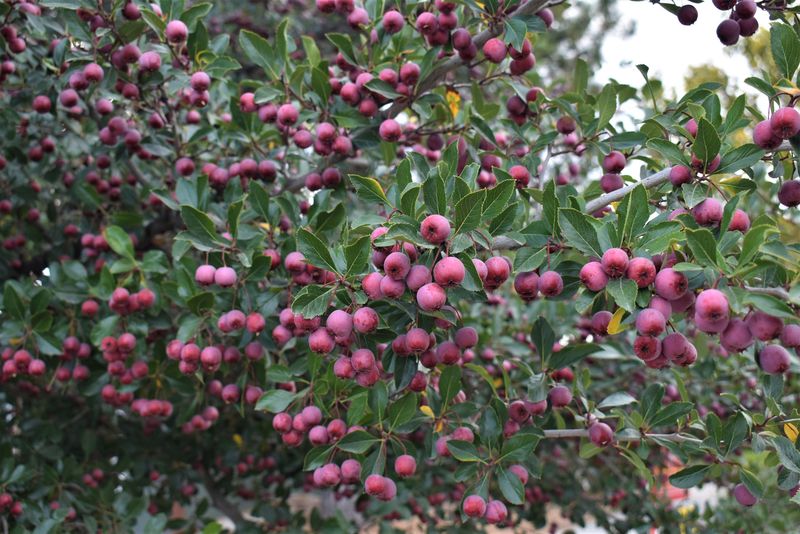
Tough, beautiful, and loaded with wildlife value, Cockspur Hawthorn is a native tree that Ohio gardeners should know much better. Crataegus crus-galli lights up in mid-May with clusters of bright white flowers that cover the tree in a frothy, eye-catching display.
The blooms attract native bees and beneficial insects that are essential to a healthy yard ecosystem.
By autumn, the flowers give way to small, glossy red berries that persist on the branches well into winter. Those berries are a critical food source for cedar waxwings, mockingbirds, and other Ohio birds during the colder months when food becomes scarce.
Planting a Cockspur Hawthorn is essentially setting out a natural bird feeder that refills itself every year.
The tree grows 20 to 30 feet tall with a wide, spreading canopy and horizontal branching that gives it a distinctive sculptural look. One honest note for families: Cockspur Hawthorn has long, sharp thorns along its branches.
Planting it away from play areas or high-traffic foot paths reduces any concern about accidental contact. Thornless cultivars are also available if you prefer a safer option.
Cockspur Hawthorn thrives in full sun and adapts to a wide range of Ohio soil types, including clay and dry, rocky ground. Its glossy green summer foliage turns orange-red in fall, extending the ornamental season.
For a front yard tree that truly works hard for wildlife and beauty alike, this rugged Ohio native is an outstanding and rewarding choice.