This Common Pest Is Attacking Ohio Hydrangeas In Late Spring
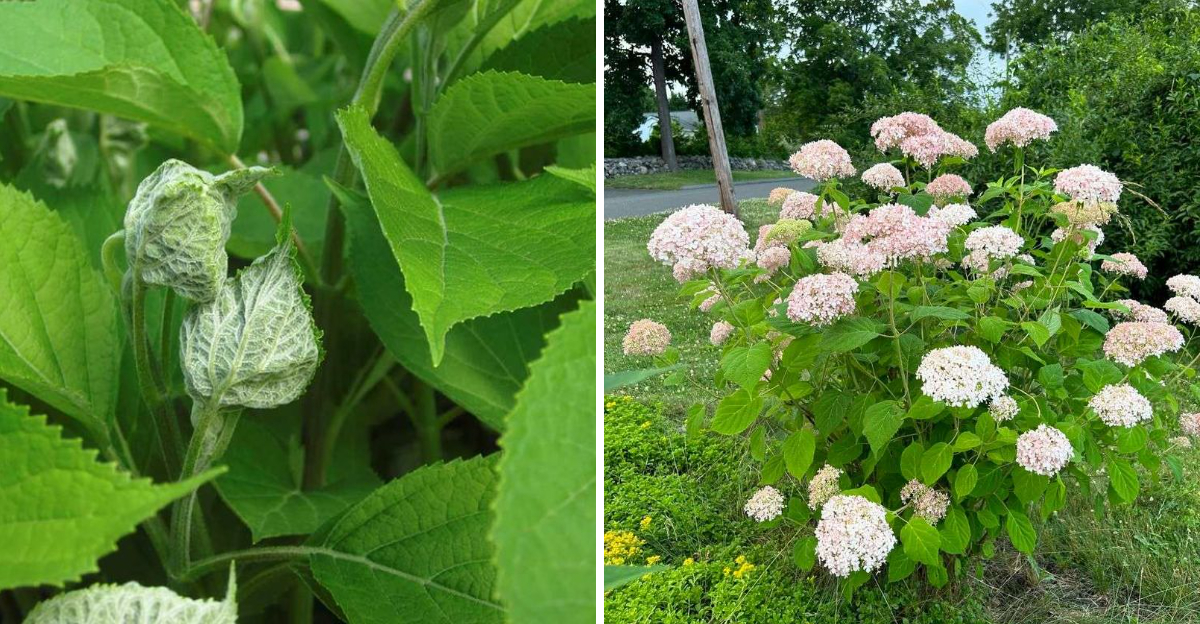
Late spring can make Ohio hydrangeas look like they are finally hitting their stride, full of soft new leaves and the kind of lush growth gardeners wait all season to see. Then, almost out of nowhere, something starts to look off.
Leaves curl. Tips look tied together.
Fresh growth loses that clean, healthy look, and the whole shrub starts giving off quiet warning signs that are easy to miss at first. That is what makes this problem so sneaky.
It does not arrive with the kind of obvious damage that stops you in your tracks. It starts small, hides in plain sight, and can leave gardeners confused about what went wrong just as the season starts getting good.
Before you brush it off as minor stress or weather damage, take a closer look. There is a good chance your hydrangea has a tiny late-spring troublemaker called the Hydrangea Leaftier.
1. Spot Hydrangea Leaftier Before It Spreads
Most gardeners walk past their hydrangeas every day without noticing anything wrong until the damage is already done.
The pest responsible for some of the most frustrating late spring damage in Ohio gardens is the hydrangea leaftier, a moth whose larvae cause very specific and recognizable harm to hydrangea plants.
The hydrangea leaftier, known scientifically as Olethreutes ferriferana, is a small moth whose larvae hatch in spring and immediately begin feeding on fresh hydrangea foliage.
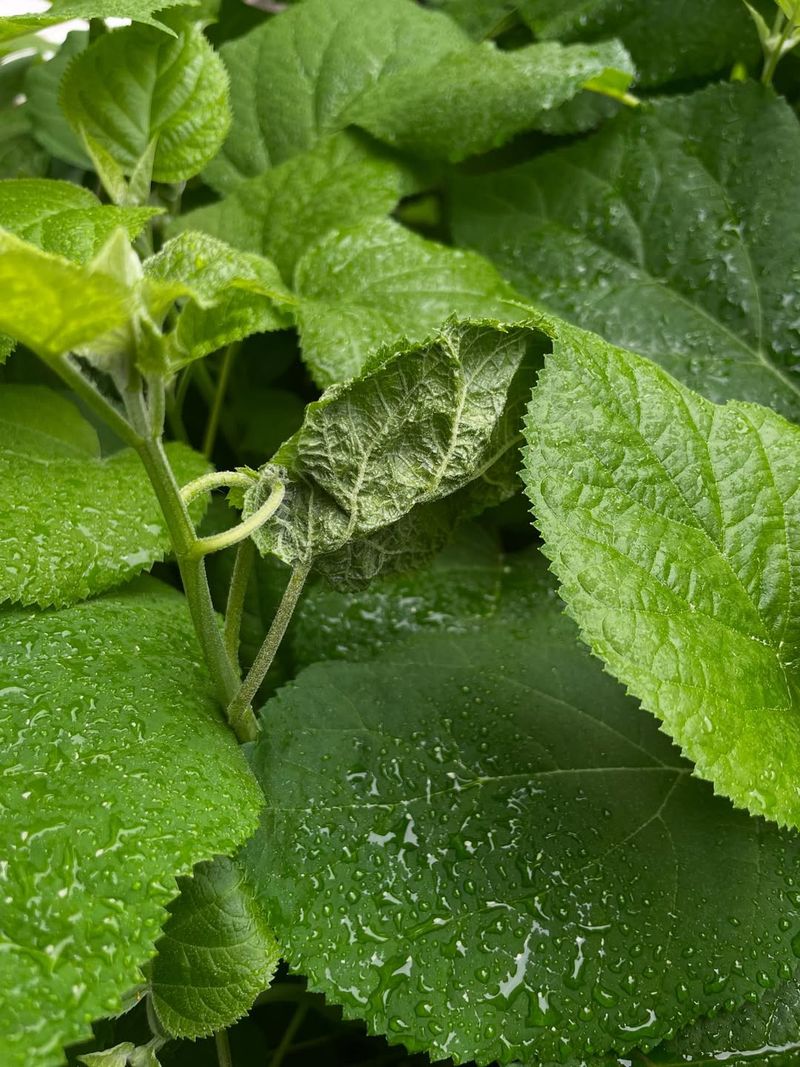
The caterpillars tie leaves together with silk threads, creating a folded hiding spot where they feed protected from view.
This behavior makes them tricky to spot at first glance because the damage is literally wrapped up inside the leaves.
Ohio gardeners should pay close attention starting in late spring, which is peak activity time for this pest. Hydrangeas are already a beloved staple in Ohio landscapes, and leaftier damage can significantly reduce their visual appeal during the growing season.
Catching this pest early is the best way to limit its impact. A quick, regular walk-through of your garden with a sharp eye can save you a lot of frustration later.
2. Watch Late Spring Growth Closely
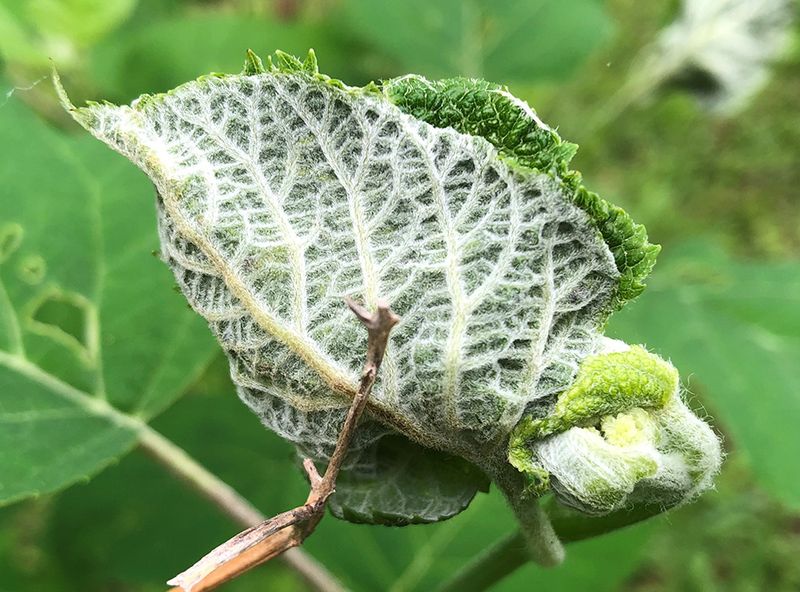
Late spring in Ohio brings a burst of fresh green growth across the garden, and hydrangeas are no exception. New leaves are soft, tender, and full of the nutrients that hungry pests are actively seeking.
That combination makes this time of year the most vulnerable window for hydrangea leaftier activity.
The timing of the leaftier’s life cycle lines up almost perfectly with the flush of new hydrangea growth in May and early June. As temperatures warm up and days get longer, the moth larvae emerge and immediately begin searching for young foliage to feed on.
Fresh leaves are easier to manipulate, easier to tie together with silk, and far more nutritious for developing caterpillars.
Ohio’s late spring weather can vary quite a bit from year to year, but gardeners should treat May as a consistent watch period regardless of the forecast.
Checking plants at least once a week during this stretch gives you the best chance of catching the pest before populations grow.
Your Ohio Garden Changes Every Week. Your Plan Should Too.
Gardening in Ohio changes quickly throughout the season. Every Friday you’ll receive a simple weekly plan showing exactly what to plant, prune, fertilize, harvest, and protect so you never miss the right timing.
Pay special attention after a stretch of warm, calm days, since those conditions tend to encourage faster larval development. Staying alert during this narrow seasonal window is truly one of the most effective tools available to any Ohio hydrangea grower.
3. Catch The Tied Leaves Early
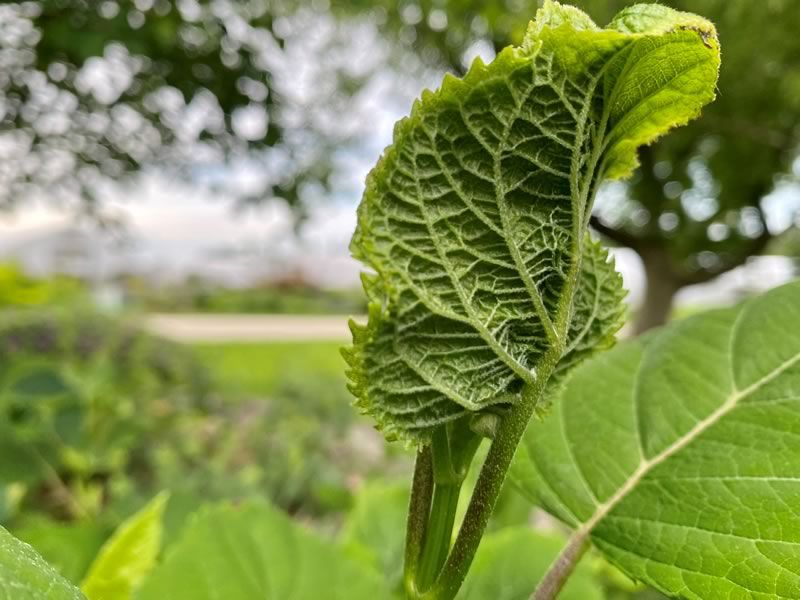
Picture walking up to your hydrangea and noticing that a few leaves near the top look oddly folded or pressed together, almost like someone crimped them shut.
That is the signature calling card of the hydrangea leaftier, and it is one of the most reliable early warning signs you can find.
The larvae spin fine silk threads that pull two or more leaves together, forming a tight little shelter. Inside that folded pocket, the caterpillar feeds on the leaf tissue in relative safety, shielded from rain, birds, and casual observation.
The leaves themselves may look slightly discolored or show ragged edges where feeding has occurred along the inner surfaces.
Catching this symptom early matters a great deal because the longer the larvae feed undisturbed, the more tissue is lost and the harder it becomes to reverse the cosmetic damage.
Look closely at the uppermost and outermost leaves of each hydrangea stem, since leaftiers tend to target the newest growth near the shoot tips.
Gently pressing on any suspicious folded leaves can confirm whether a caterpillar is hiding inside. Early detection keeps the damage contained and gives you more options for managing the situation before it spreads to additional stems or nearby plants.
4. Protect Fresh Hydrangea Growth Fast
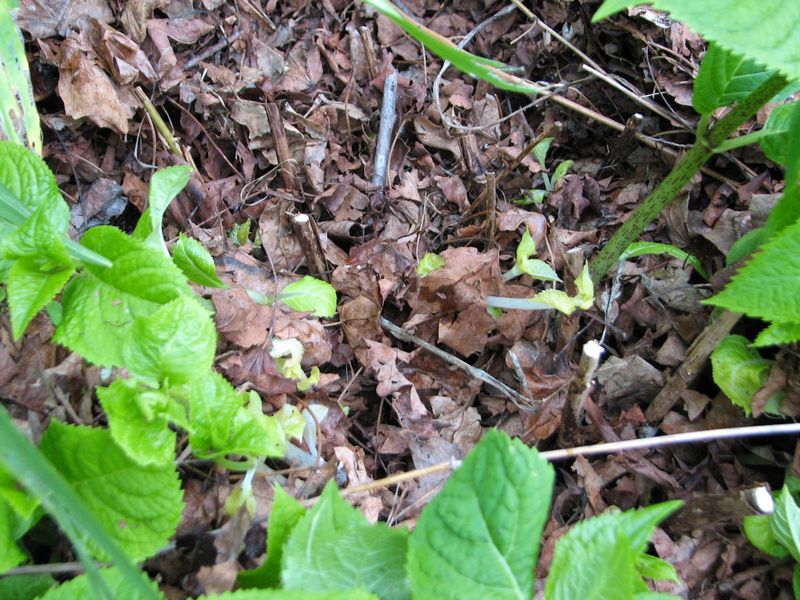
Tender new growth is the most prized part of any hydrangea in spring, and unfortunately it is also the part most at risk from leaftier larvae. Those bright, soft young leaves that signal the start of a beautiful season are exactly what the caterpillars are hunting for.
When larvae feed on new growth, the damage goes beyond just cosmetic concerns. Young shoots that are heavily fed upon may fail to develop properly, leading to stunted or misshapen stems that affect the plant’s overall structure.
Flower buds that form near affected growth can also be disrupted, which may reduce blooming later in the season on some hydrangea varieties.
Acting quickly once you spot any signs of leaftier activity helps protect the plant’s ability to put energy into healthy stem and flower development. Early intervention means fewer larvae have time to mature and cause compounding damage across multiple shoots.
Think of it like catching a small problem before it becomes a much bigger one. The faster you respond, the better your hydrangeas will look when summer arrives.
Fresh growth is precious, and giving it the protection it needs during late spring is one of the smartest gardening habits you can build for the Ohio growing season.
5. Don’t Miss The First Warning Signs
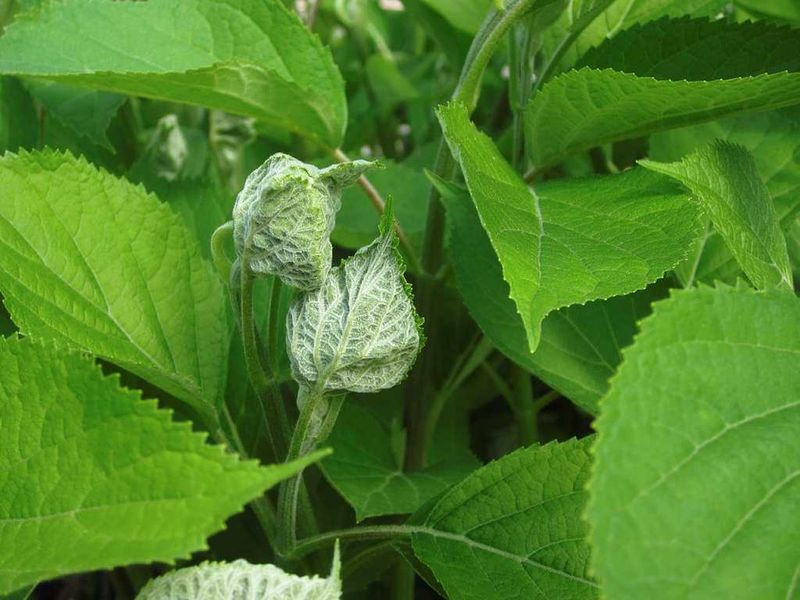
Some garden pests announce themselves loudly, but the hydrangea leaftier tends to work quietly. The very first signs are easy to overlook, especially if you are not specifically looking for them during your regular garden walk.
Before leaves are fully tied together, you might notice just a slight curl at the edge of a leaf, or a faint webbing that catches the light at a certain angle.
Tiny feeding marks on the surface of young leaves can appear as small transparent patches where the caterpillar has scraped away the outer tissue.
These early clues are subtle but very real, and they show up before the damage becomes widespread.
Another early indicator is finding small, dark frass pellets, which is the technical term for caterpillar droppings, tucked inside or near the folded leaf areas. Frass is a reliable sign that active feeding is happening, even if you cannot immediately spot the caterpillar itself.
Training yourself to notice these small details takes a little practice, but it pays off significantly.
Gardeners who catch the first warning signs within a day or two of their appearance have a much easier time managing the situation compared to those who only notice the problem after multiple leaves are already damaged and tightly bound.
6. Pay Extra Attention To Smooth Hydrangeas
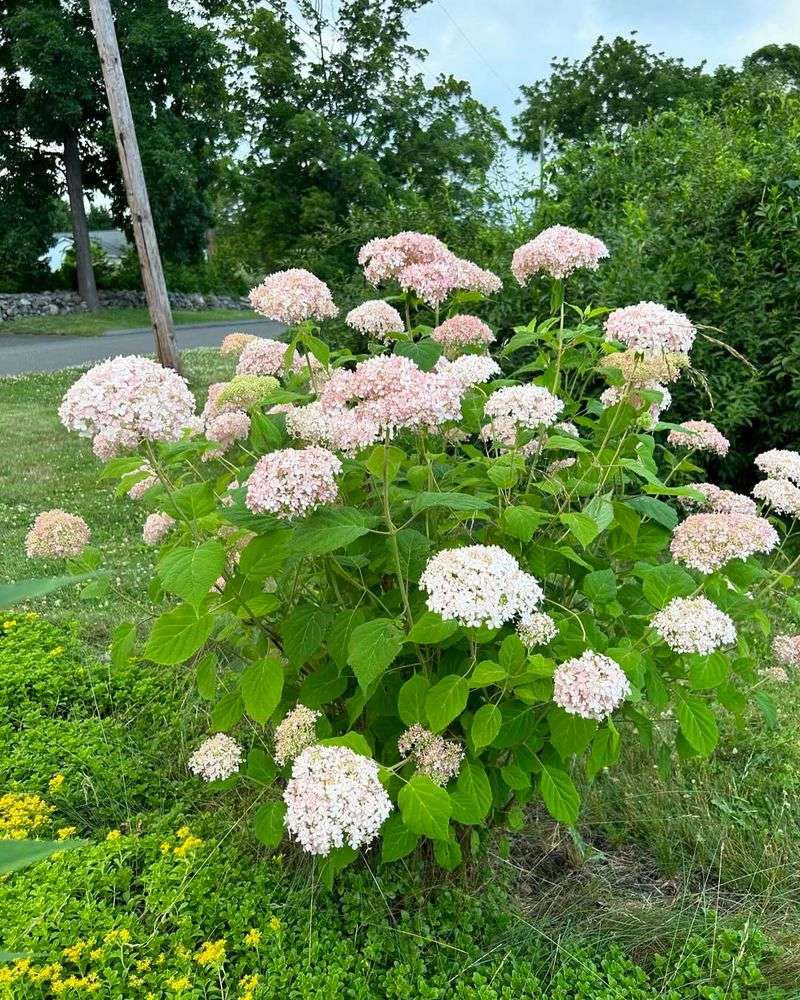
Not all hydrangeas are equally vulnerable to every pest, and with the leaftier, smooth hydrangeas tend to be among the types most frequently reported as affected.
If you grow Hydrangea arborescens, including popular varieties like Annabelle, keeping a particularly close eye during late spring is a smart move.
Smooth hydrangeas are native to the eastern United States and are extremely popular in Ohio landscapes because they handle the climate well and produce stunning large blooms.
Their vigorous spring growth also happens to produce exactly the kind of tender, abundant foliage that leaftier larvae find attractive.
Gardeners growing these plants in partially shaded spots, where growth tends to be lush and soft, may notice pest activity appearing there first.
That said, other hydrangea species are not immune, so inspecting all of your hydrangeas during late spring is still worthwhile. Bigleaf, oakleaf, and panicle types can also be targeted depending on your specific garden conditions.
Smooth hydrangeas simply warrant a little extra vigilance based on observed patterns in Ohio landscapes. Check the newest growth at the tips of each stem carefully, pressing lightly on any leaves that appear folded or stuck together.
A thorough weekly inspection routine during May and early June goes a long way toward protecting all your hydrangea varieties.
7. Remove The Damage Before It Gets Worse
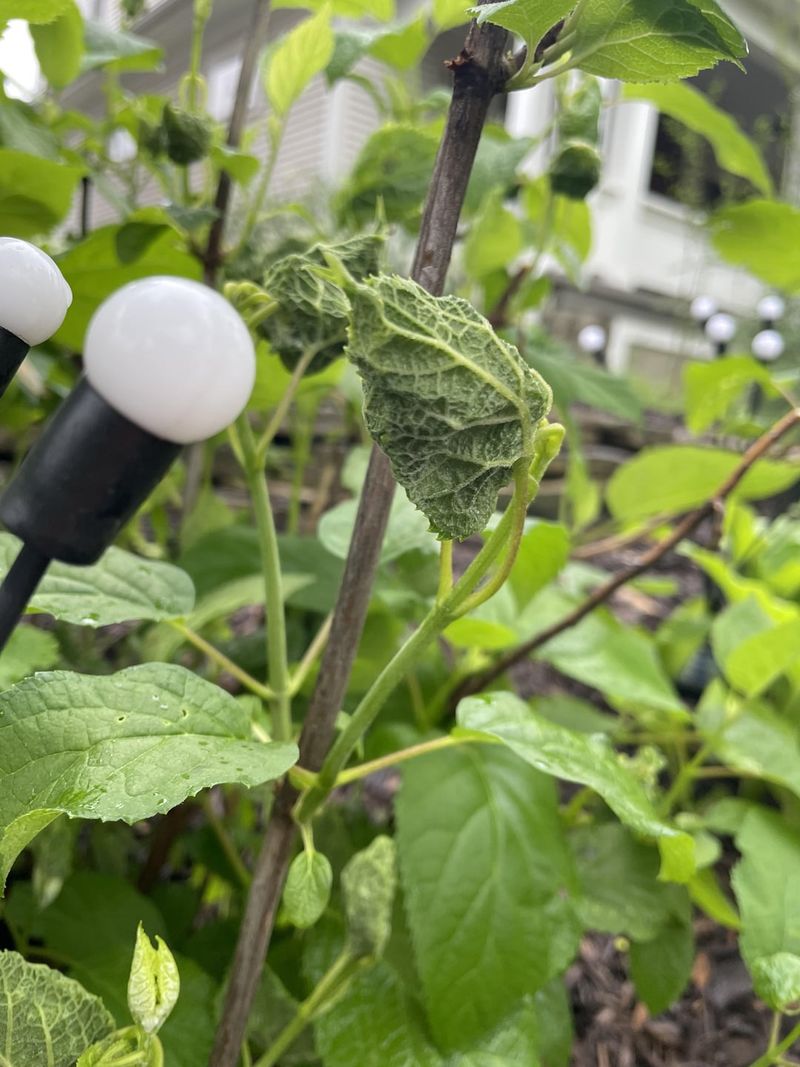
Once you have found leaves that are tied together or showing clear signs of leaftier feeding, the most straightforward and effective response is usually a hands-on one.
Physical removal of affected foliage is a practical first step that requires no special equipment and produces immediate results.
Carefully unroll the tied leaves to expose the caterpillar inside, then remove the larva by hand and dispose of it away from the garden. Affected leaves that show significant tissue loss can also be removed from the plant and placed in a sealed bag for disposal in the trash rather than the compost pile.
Composting damaged foliage could potentially allow pests or eggs to remain in your garden environment.
For gardeners dealing with heavier infestations across multiple plants, Bacillus thuringiensis, commonly called Bt, is a naturally occurring soil bacterium that is effective against caterpillar pests when applied correctly.
Bt products are widely available at garden centers and are considered low-risk for beneficial insects when used as directed.
Always read and follow label instructions carefully. Chemical insecticides are generally not recommended as a first response for leaftier, since the caterpillars hide inside folded leaves where spray coverage is limited.
Manual removal combined with good monitoring remains the most reliable approach for most Ohio home gardeners.
8. Keep Late Spring Pest Trouble Under Control
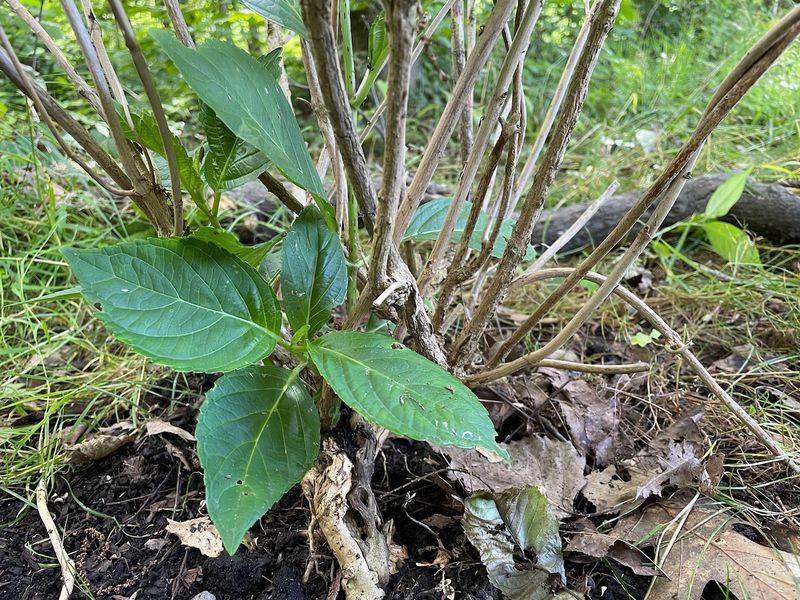
Getting through late spring without major leaftier damage is very achievable with a consistent monitoring routine. The key is staying engaged with your garden during this specific window rather than waiting until damage becomes obvious and widespread.
Set a regular schedule to walk through your hydrangeas at least once a week from early May through mid-June. During each check, look closely at new shoot tips, feel for leaves that seem stuck together, and scan for any frass or webbing near the foliage.
Catching even a handful of affected stems early can prevent the population from building to the point where damage becomes hard to manage.
Keeping your hydrangeas healthy overall also helps them handle minor pest pressure more effectively. Proper watering during dry spells, appropriate fertilization, and good air circulation around the plants all contribute to strong, resilient growth.
Avoid over-fertilizing with high-nitrogen products, since that can encourage the kind of overly lush, soft growth that attracts pests.
Encouraging natural predators like parasitic wasps and birds in your garden adds another layer of passive pest management without any extra effort on your part.
With a little consistency and attention during late spring, Ohio gardeners can keep the hydrangea leaftier from turning a beautiful season into a frustrating one.