8 Georgia Backyard Habitat Ideas That Support Wildlife
Mornings in Georgia often start with the hum of birds and the quiet rustle of leaves. For many gardeners, backyard routines include tending flower beds, checking vegetable patches, and enjoying the simple pleasure of watching wildlife move through familiar spaces.
These small, everyday observations make you appreciate the subtle rhythms of nature and the life that can thrive just beyond the patio.
Creating a backyard habitat adds even more to those moments. By planting native shrubs, adding nectar-rich flowers, and including water sources or shelter, you can invite birds, butterflies, and beneficial insects into your yard.
These habitats are not only beautiful but also fit easily into regular gardening routines, offering both color and movement throughout the seasons.
A few thoughtful plantings and design tweaks can transform your space into a lively, wildlife-friendly backyard.
The next steps will highlight specific plants and layouts that bring color, cover, and constant activity right to your garden.
1. Pollinator Garden With Milkweed That Draws Butterflies
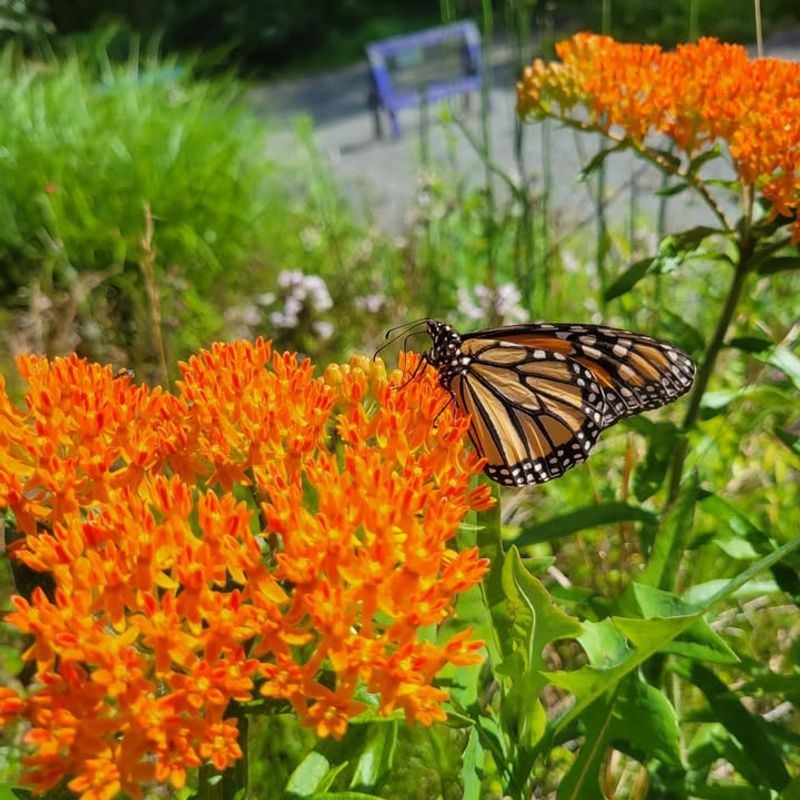
Monarch butterflies rely on milkweed to complete their life cycle, and Georgia is an important stop along their migration route. Planting a pollinator garden filled with milkweed is one of the most powerful things you can do for local wildlife.
Not only does it support monarchs, but it also attracts native bees, hummingbirds, and a variety of other pollinators that contribute to Georgia ecosystems, including native wasps, moths, and even beneficial flies that help with pollination and natural pest control.
Common milkweed and butterfly weed are two excellent choices for Georgia gardens. Both are native to the region and thrive in the warm, humid climate that most of the state experiences from spring through fall.
You can tuck them into existing flower beds or create a dedicated pollinator patch in a sunny corner of your yard.
Beyond milkweed, consider adding plants like purple coneflower, black-eyed Susan, and wild bergamot to give pollinators a variety of nectar sources throughout the season. Grouping plants together in clusters makes it easier for butterflies and bees to find them.
Skip the pesticides in this area, since even mild chemical sprays can harm the very creatures you are trying to attract. A pollinator garden in Georgia can be both beautiful and wildly productive for local wildlife all season long, providing food, shelter, and safe places for insects and birds alike.
2. Berry-Producing Shrub Border Bursting With Color
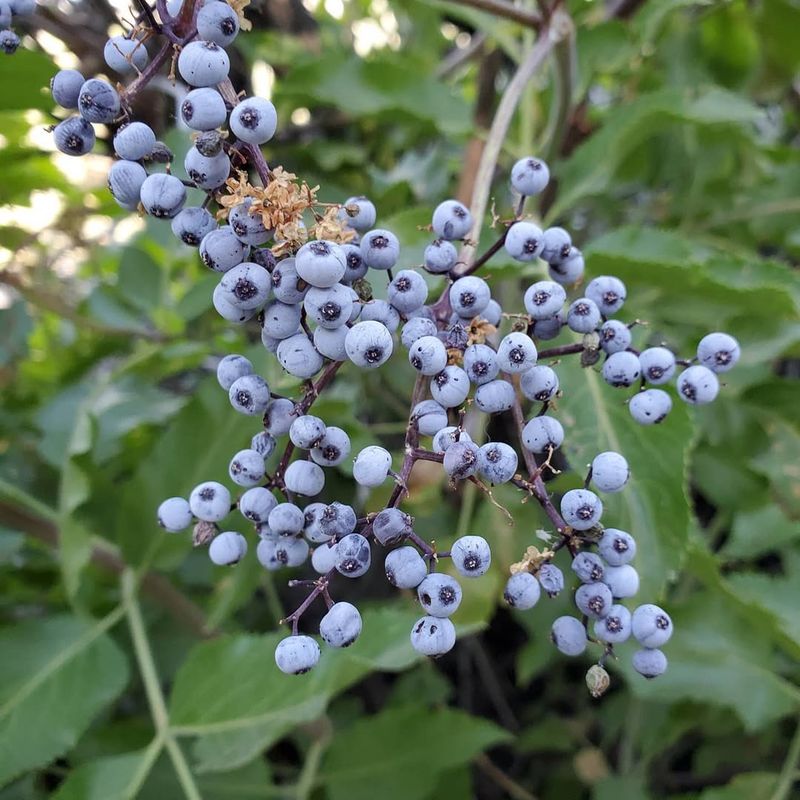
Few things attract more wildlife to a Georgia yard than a border full of berry-producing shrubs. American beautyberry, elderberry, native hollies, and inkberry are all fantastic options that thrive across the state.
These shrubs create a natural living fence along property edges while offering a steady supply of food for birds, small mammals, and even box turtles. They also provide shelter, nesting sites, and protection from harsh weather, adding multiple layers of habitat value to your backyard.
American beautyberry produces clusters of vivid purple berries in late summer and fall, which are favored by mockingbirds, robins, and brown thrashers. Elderberry ripens earlier in the season and provides food during a time when many other plants have not yet produced fruit, making it especially valuable in a Georgia wildlife garden.
Your Georgia Garden Changes Every Week. Your Plan Should Too.
Gardening in Georgia changes quickly throughout the season. Every Friday you’ll receive a simple weekly plan showing exactly what to plant, prune, fertilize, harvest, and protect so you never miss the right timing.
Planting a mix of species that fruit at different times of year ensures that wildlife always has something to eat. Space the shrubs close enough to create a dense thicket, which also gives small birds a safe place to hide from predators.
Native shrub borders generally require minimal maintenance once established, though occasional care may be needed depending on local conditions. Over time, your shrub border will become one of the busiest spots in your entire backyard habitat, buzzing with birds, squirrels, pollinators, and wildlife activity from spring through winter.
3. Native Tree Canopy Zone That Provides Shade And Shelter
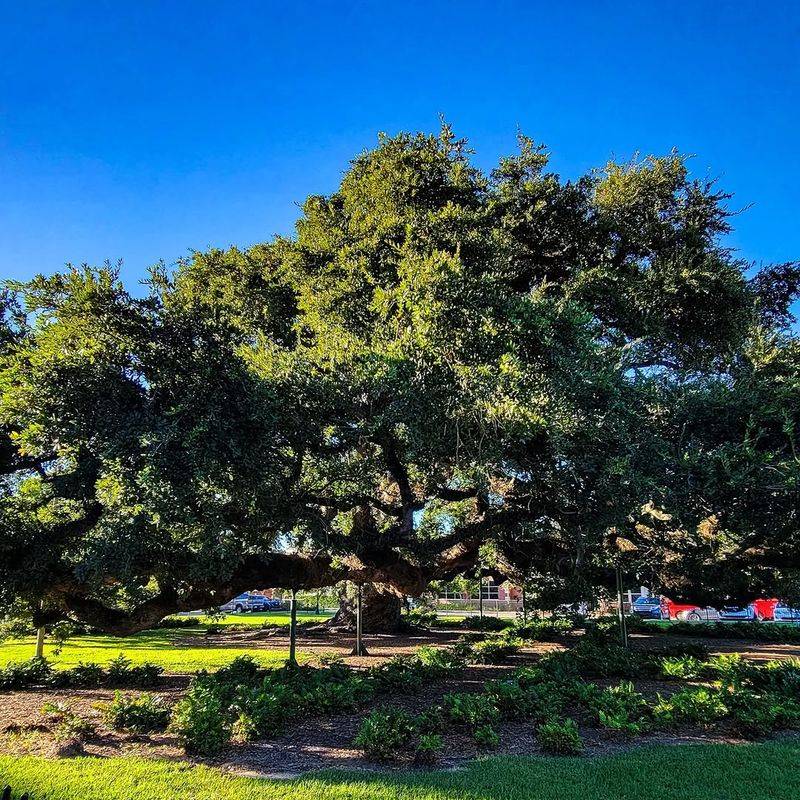
In the eastern United States, and Georgia in particular, oak trees are considered a keystone species. A single native oak can support a large number of caterpillars and insects, which provide food for many birds, bats, and other wildlife.
Creating even a small canopy zone in your Georgia backyard by planting native trees is one of the highest-impact moves you can make for local wildlife, and it also helps improve soil health, reduce erosion, and provide shade during hot summer months.
Dogwoods and redbuds make wonderful companions to oaks in a Georgia canopy zone. Both are understory trees, meaning they are perfectly happy growing in the partial shade beneath taller trees.
Dogwood berries are a favorite of migratory birds passing through Georgia each fall, while redbud flowers provide early spring nectar for bees emerging after winter.
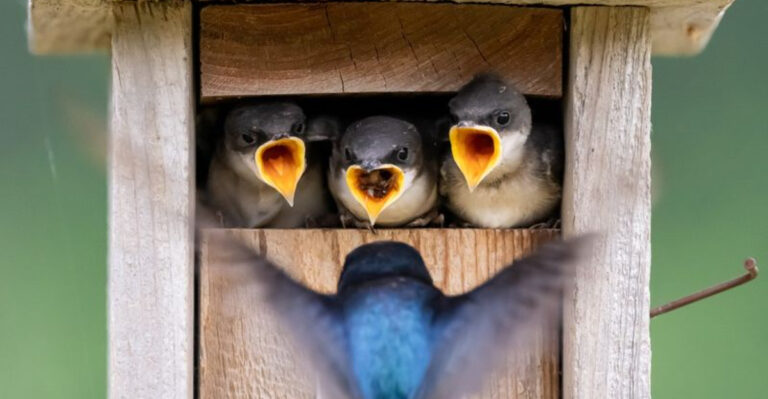
If your yard already has mature trees, celebrate them. Older trees with rough bark, cavities, and large branches can provide nesting sites for owls, squirrels, and woodpeckers.
Avoid trimming away every dead limb, since many cavity-nesting birds depend on those spots to raise their young. Planting native trees takes patience since they grow slowly at first, but within a few years your canopy zone will begin attracting wildlife you have never seen in your Georgia yard before.
It is truly a long-term gift to the local ecosystem and creates a vibrant, multi-layered habitat for generations to enjoy.
4. Butterfly Garden With Liatris That Flutters Everywhere
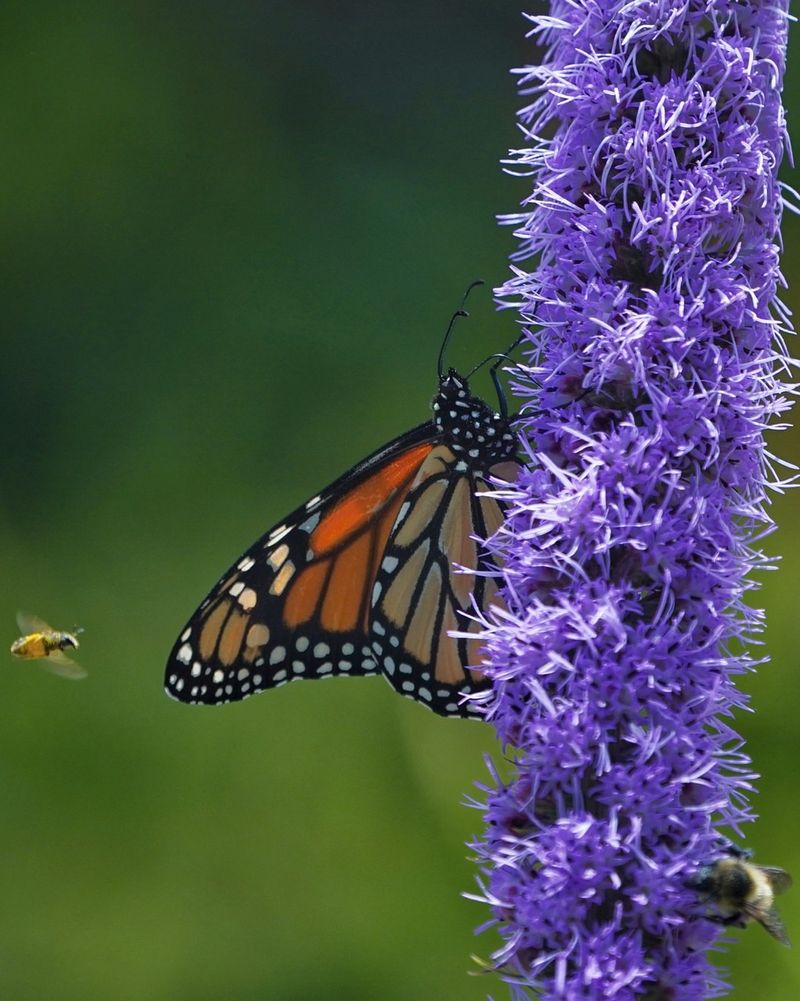
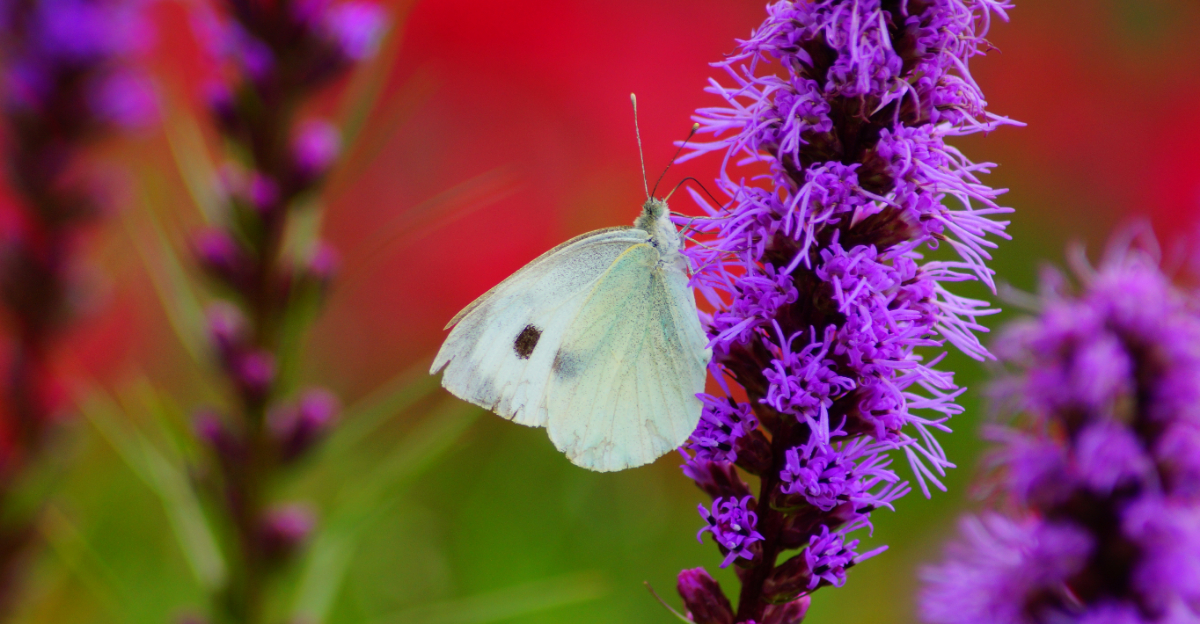
A popular native wildflower in Georgia, liatris, also called blazing star, attracts many butterfly species. The tall, spiky purple blooms appear in late summer and early fall, right when many butterfly species are at their most active.
Planting this striking perennial in your Georgia butterfly garden is almost like putting out a welcome sign for swallowtails, skippers, and painted ladies, and it also provides nectar for bees, hummingbirds, and other pollinators that support the local ecosystem.
What makes liatris especially great for Georgia gardeners is how low-maintenance it truly is. Once established, it tolerates drought reasonably well, handles Georgia summer heat, and returns each year from a corm that gradually matures.
Plant it in full sun alongside other butterfly favorites like goldenrod, asters, and Joe Pye weed for a late-season garden that buzzes with life, color, and activity.
Did you know that liatris blooms from the top of the spike downward? That unusual trait makes it stand out among wildflowers and gives it a longer overall bloom period, which means more time for butterflies to feed.
Arrange your butterfly garden in a spot where you can watch it from a window or porch, because the activity it draws is genuinely entertaining. Georgia butterflies are colorful, varied, and worth every bit of effort you put into creating a habitat that welcomes them, supports pollinators, and adds a dynamic, lively focal point throughout the warm season.
5. Rain Garden With Swamp Milkweed That Soaks Up Storms
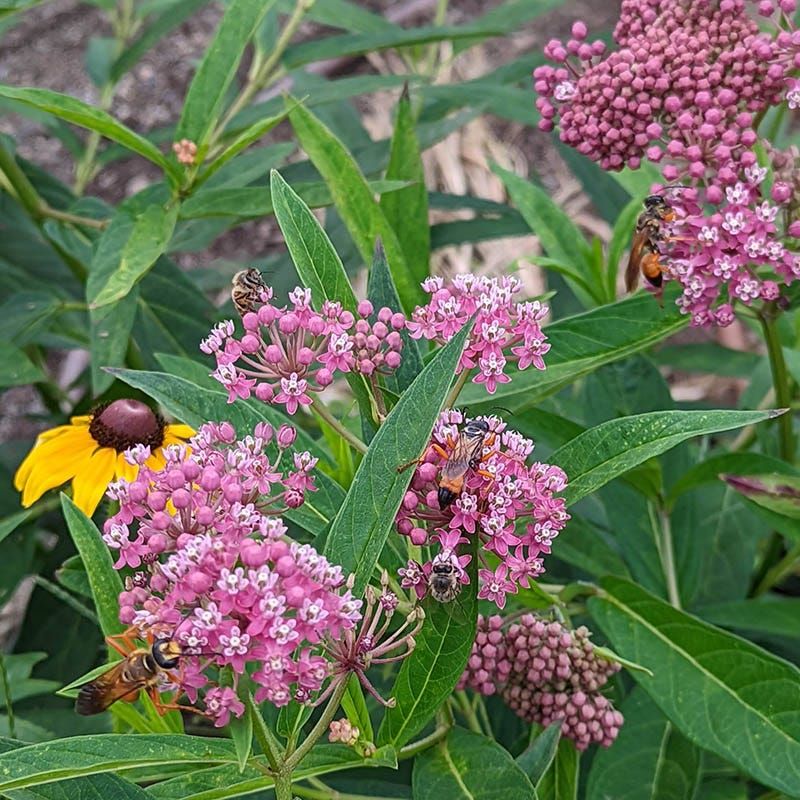
Rain gardens are shallow, planted depressions that collect runoff from rooftops and driveways, filtering it naturally through layers of soil and plant roots. In Georgia, where summer storms can drop heavy rain quickly, a rain garden is a smart and eco-friendly solution for managing water on your property.
Filling it with swamp milkweed and other native wetland plants makes it an incredible wildlife magnet at the same time, attracting pollinators, amphibians, and beneficial insects that contribute to a healthy garden ecosystem.
Swamp milkweed thrives in moist conditions, making it a perfect rain garden plant for Georgia yards. It produces clusters of pink flowers that attract monarchs, native bees, and hummingbirds from midsummer into early fall.
Unlike common milkweed, swamp milkweed stays more compact and upright, making it easy to work into a tidy garden design without looking overgrown.
Pair swamp milkweed with cardinal flower, blue flag iris, and native sedges to create a layered, ecologically rich planting that supports multiple types of wildlife. Frogs and toads are especially drawn to rain gardens, since the moist soil and water pooling after storms creates ideal conditions for them to hunt insects and find shelter.
Georgia hosts many native frog species, and a rain garden can provide suitable habitat for them in your backyard. It is a practical feature that pulls double duty as a wildlife habitat and a stormwater solution, while also enhancing the beauty and diversity of your landscape.
6. Brush Pile Shelter Area That Wildlife Can Call Home
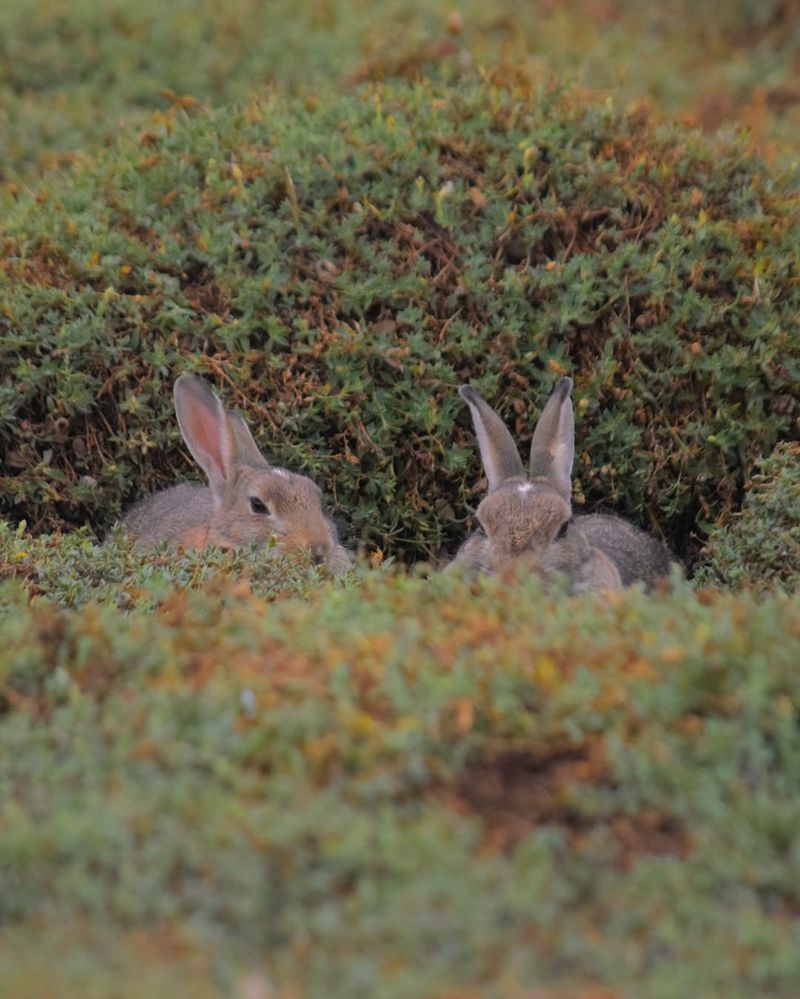
Building a brush pile might be the easiest and most underrated wildlife habitat project you can take on in your Georgia yard. All it takes is stacking fallen branches, twigs, and logs into a loose pile in a quiet corner of your property.
What looks like a simple pile of branches provides valuable shelter for rabbits, lizards, toads, wrens, and beneficial insects, while also offering cover from predators and extreme weather events.
Start with a base layer of larger logs to create sturdy gaps and air pockets, then stack progressively smaller branches on top. Leaving some leaf litter around the base adds even more texture and hiding spots.
Ground-feeding birds like white-throated sparrows and fox sparrows scratch through brush piles looking for seeds and insects, especially during Georgia winters when food can be harder to find.
Brush piles also provide critical overwintering habitat for native bees, beetles, and other insects that need protected spots to survive cold snaps. Many of Georgia’s native bee species are solitary and nest in hollow stems or under bark, so a well-built brush pile gives them exactly what they need.
Tuck the pile near the edge of your yard where it will not feel out of place, and let nature take over from there. Wildlife may discover it and use it for shelter over time, turning a simple garden feature into a thriving microhabitat.
7. Water Feature With Shallow Edge That Attracts Birds
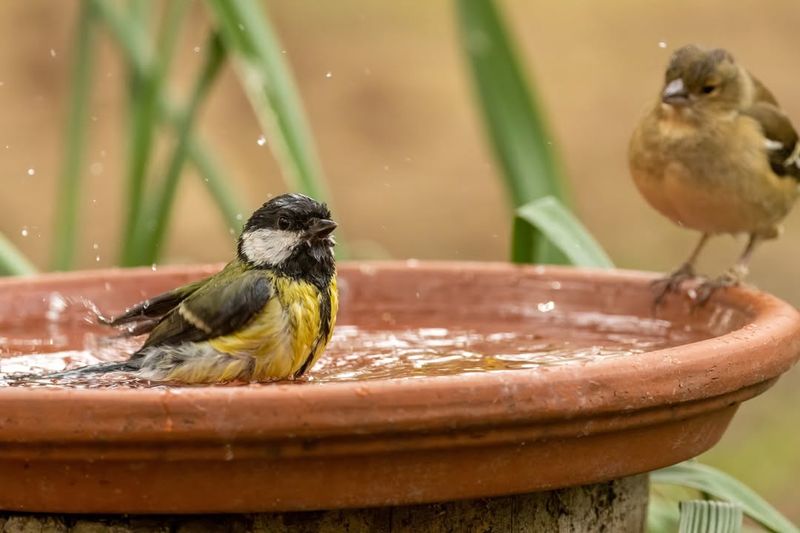
Water is an important element in a Georgia wildlife habitat, and even a small water feature can increase the number of animals visiting your yard. The key is making sure part of the water is very shallow, no more than an inch or two deep, so that birds, butterflies, and small creatures can safely drink and bathe without any risk of getting in over their heads.
A simple preformed pond liner, a wide shallow dish, or even a large flat rock with a natural depression can work beautifully. Place it in a spot with some nearby shrubs or trees so that birds have a safe perch to retreat to if a predator approaches.
Keep the water fresh by changing it every few days, especially in Georgia summers when heat causes water to stagnate quickly.
Dragonflies and damselflies are drawn to backyard water features and are tremendous allies in controlling mosquito populations naturally. Frogs may also take up residence if the feature has enough depth and surrounding vegetation.
Adding a small solar-powered fountain creates gentle movement that may attract more birds, as moving water can be more noticeable to wildlife. A water feature with a shallow edge is one of the single most effective additions you can make to a Georgia backyard wildlife habitat.
8. Bird-Friendly Native Shrub Hedge That Welcomes Visitors
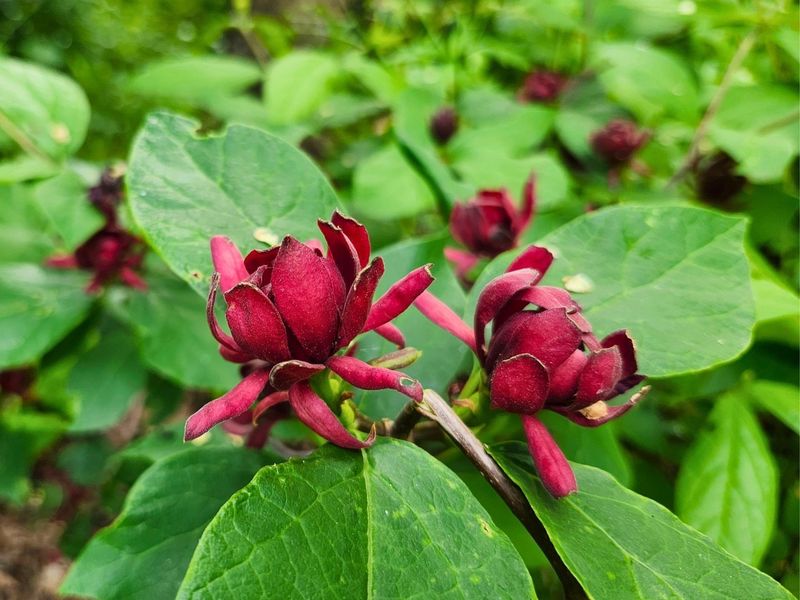
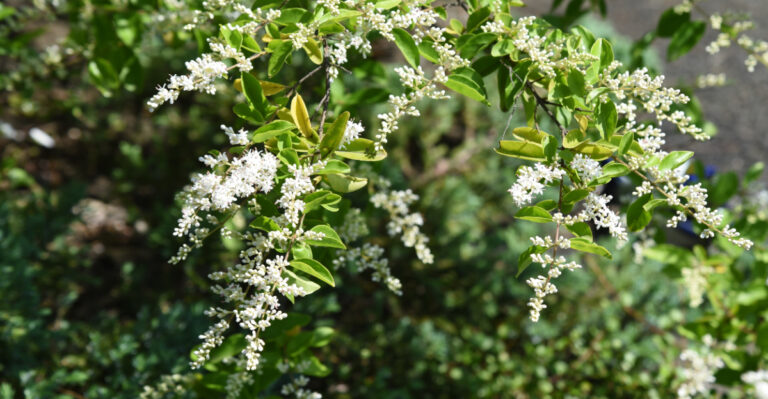
A well-planted native shrub hedge does something a wooden fence simply cannot: it feeds, shelters, and protects wildlife all year long. In Georgia, native shrubs like wax myrtle, native viburnums, Carolina allspice, and possumhaw holly make outstanding hedge plants that provide berries, dense cover, and nesting opportunities for a wide variety of bird species.
Carolina wrens, mockingbirds, and gray catbirds are just a few of the birds that love a thick shrub hedge, while smaller mammals such as rabbits and chipmunks also benefit from the shelter and protection it provides.
Wax myrtle is particularly well-suited to Georgia’s climate. It is evergreen, fast-growing, and its waxy berries are a favorite of yellow-rumped warblers during winter migration.
Planting wax myrtle along a fence line or property edge creates a year-round green screen that also serves as a wildlife corridor, allowing small animals to move safely between different parts of your yard.
Mix in a few native viburnums for their spectacular clusters of red and black berries that ripen in fall and attract migrating thrushes and waxwings passing through Georgia. Dense shrub hedges also give nesting birds the privacy and protection they need to successfully raise their young away from disturbance.
Unlike non-native ornamental hedges, a native shrub hedge supports Georgia’s natural ecology and, over time, can attract wildlife throughout the seasons, enhancing biodiversity and creating a dynamic, lively backyard habitat.