8 Beautiful Flowering Shrubs To Plant In Arizona Instead Of Hydrangeas Right Now
Arizona gardens have a rhythm all their own. Mornings often start with sunlight spilling across desert-adapted plants and the warmth of soil that already holds the promise of summer blooms.
For gardeners who have grown accustomed to careful watering and plant selection, the challenge is finding shrubs that combine beauty with low maintenance and thrive in the desert sun.
Flowering shrubs can fill that role perfectly. Unlike hydrangeas, many desert-adapted shrubs offer vibrant colors, long-lasting blooms, and resilience to heat and dry conditions.
They fit naturally into familiar garden routines, providing visual appeal while requiring minimal fuss, letting gardeners enjoy their yards without constant attention.
Choosing the right shrubs now can instantly elevate patios, borders, and garden beds. The next selections will reveal flowering varieties that bloom reliably, handle the Arizona sun, and bring both color and structure to your landscape.
1. Red Bird Of Paradise That Dazzles The Eye
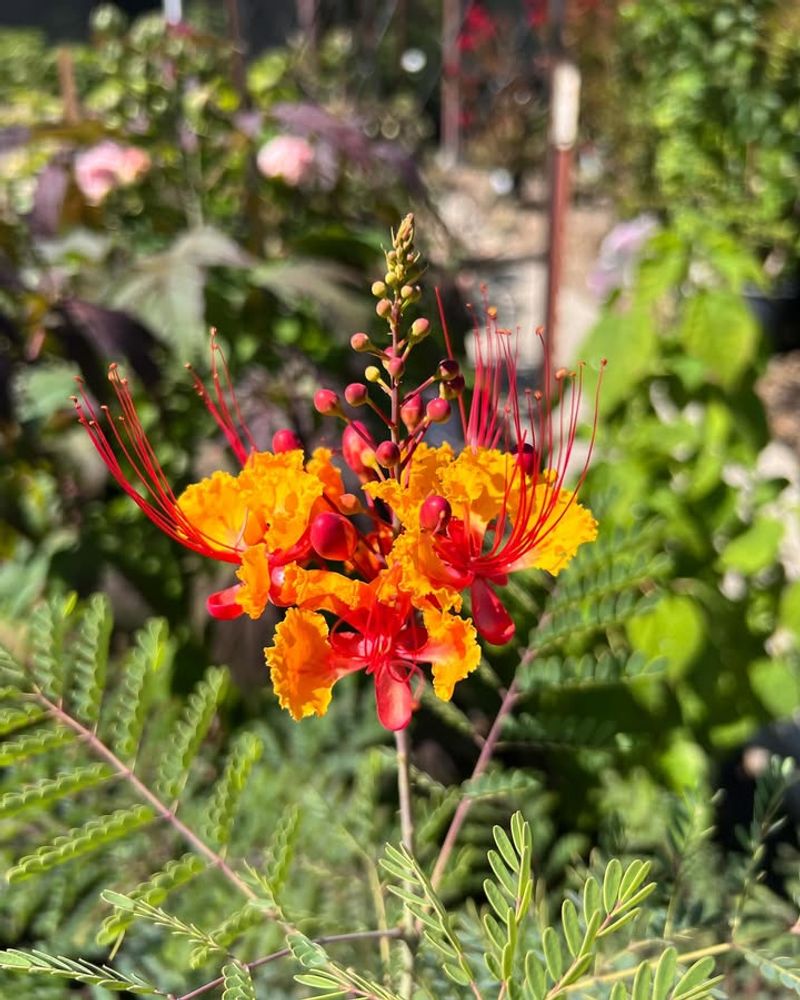
Few plants make as bold a statement in an Arizona garden as the Red Bird of Paradise. Its clusters of fiery orange-red flowers with long, dramatic stamens look almost tropical, which makes it a real showstopper in the middle of the Sonoran Desert.
Hummingbirds are absolutely drawn to those brilliant blooms, so your yard will feel alive with activity all summer long.
Known botanically as Caesalpinia pulcherrima, this shrub thrives in the intense Arizona heat and is remarkably drought-tolerant once it gets settled into your landscape. It grows quickly, often reaching six to ten feet tall, and produces flowers from late spring all the way through fall.
That extended bloom season makes it one of the longest-performing flowering shrubs available to Arizona gardeners. Its feathery, green foliage also provides soft texture and contrast, complementing other desert-adapted plants in mixed garden beds.
Planting it in a spot that gets full sun will give you the best results. Red Bird of Paradise does not ask for much, just well-draining soil and occasional deep watering during the hottest months.
It can look a bit bare in the winter months, but come spring, it bounces back with enthusiasm and fresh new growth. If you want a shrub that combines vibrant color, drought tolerance, and long bloom periods, it is well-suited to Arizona landscapes.
2. Texas Sage That Steals The Show
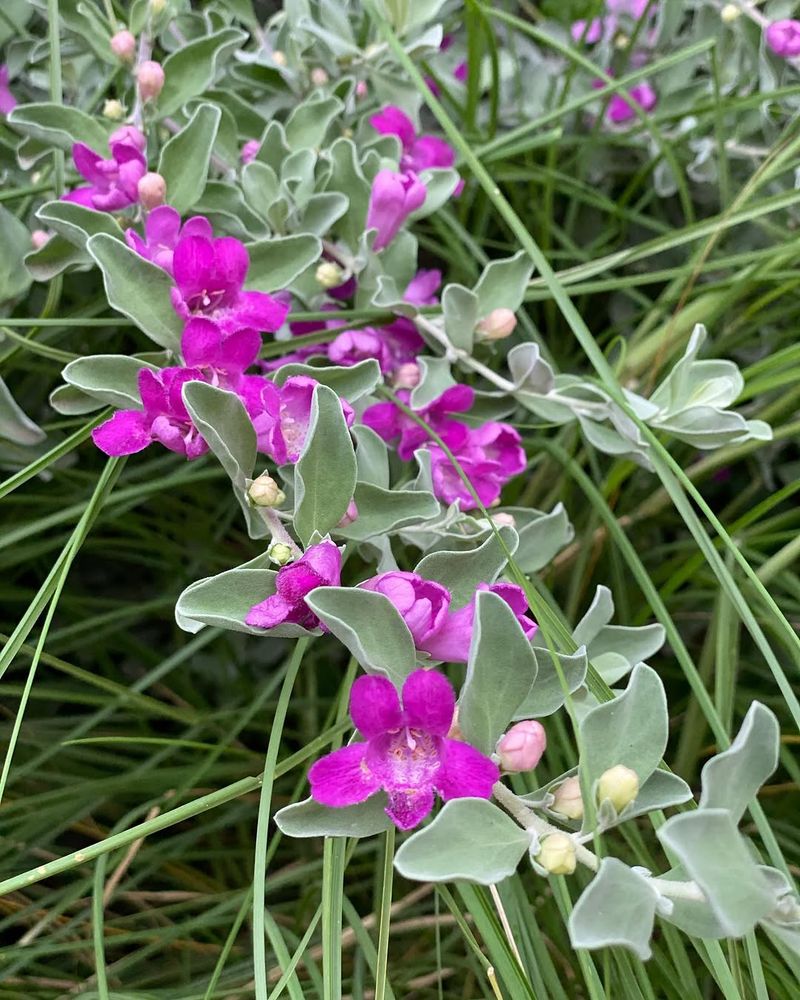
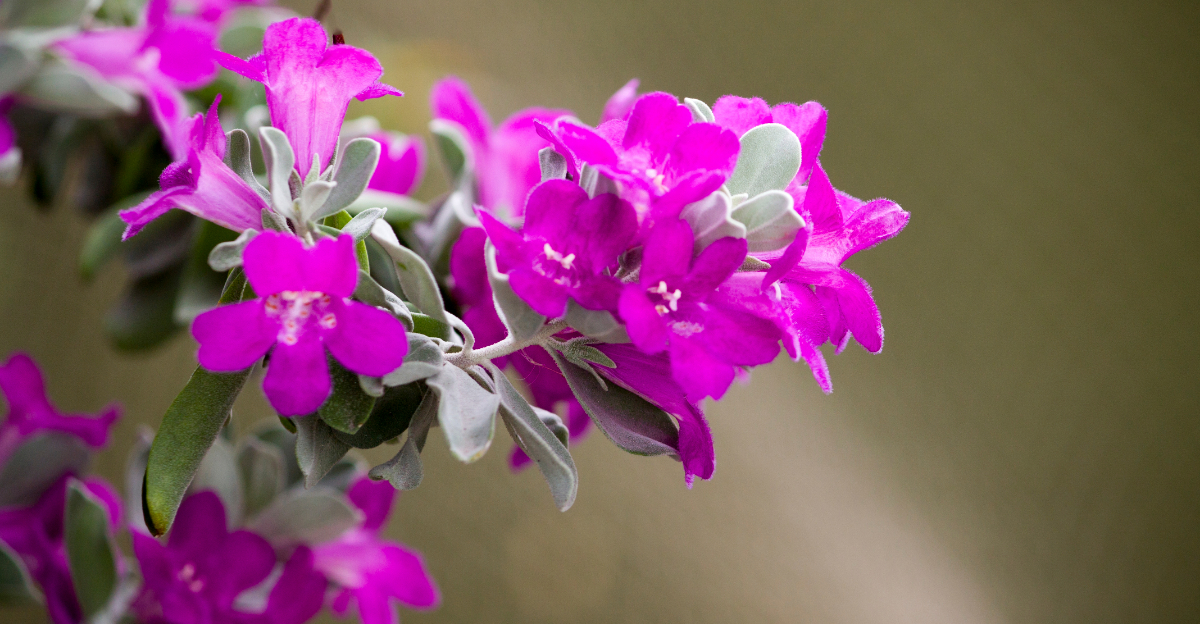
Walk through almost any Arizona neighborhood after a summer rainstorm and you will likely spot Texas Sage bursting into bloom almost overnight. This shrub has earned the nickname “barometer bush” because it flowers in response to changes in humidity, making it feel almost magical to watch.
Those bright purple blossoms against its silvery-green leaves create a color combination that is hard to beat.
Texas Sage, known scientifically as Leucophyllum frutescens, is one of the most dependable shrubs you can plant in Arizona. It loves full sun and handles the desert heat without complaint.
Once it is established in your yard, it requires very little water, which is a huge bonus in a state where water conservation matters so much. It is also resistant to many common pests and diseases, making it especially easy to maintain in low-water landscapes.
Your Arizona Garden Changes Every Week. Your Plan Should Too.
Gardening in Arizona changes quickly throughout the season. Every Friday you’ll receive a simple weekly plan showing exactly what to plant, prune, fertilize, harvest, and protect so you never miss the right timing.
You can use Texas Sage as a privacy hedge, a border plant, or even a standalone specimen in your landscape. It grows to about five or six feet tall, so it provides real visual impact without taking over your space.
Butterflies and bees absolutely love the flowers, which means you are also supporting local pollinators just by planting it. For Arizona gardeners who want a low-maintenance shrub that delivers reliable color year after year, Texas Sage is a genuinely excellent choice that will not disappoint.
3. Blue Bells Bringing Cheer To Every Corner
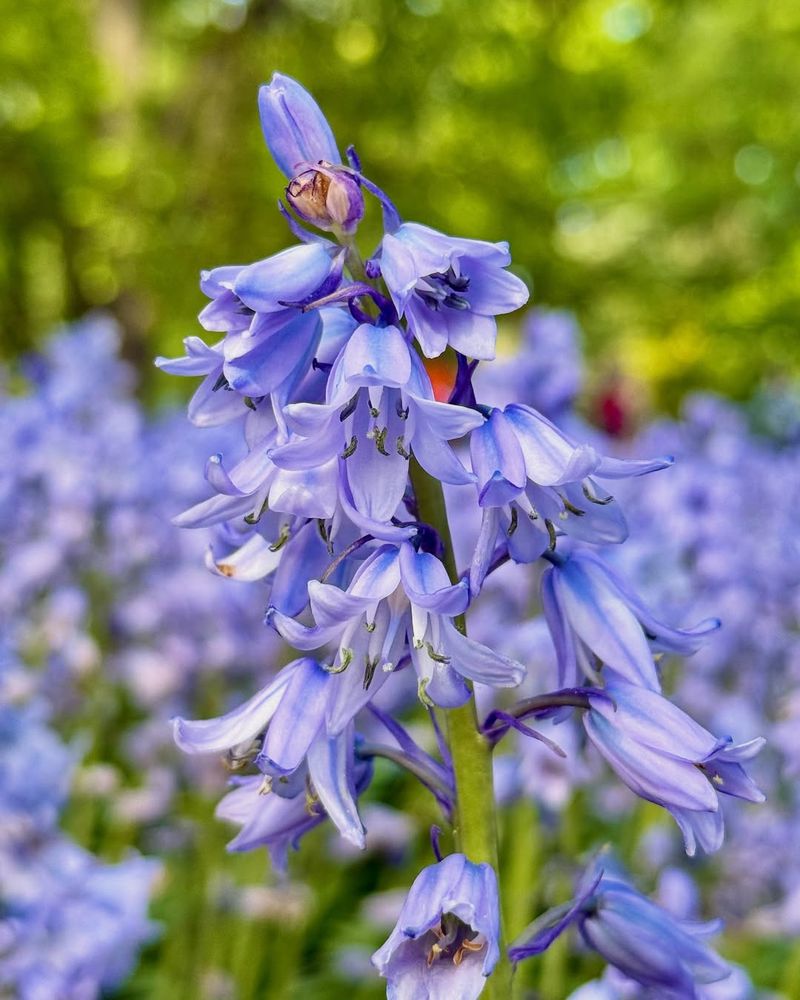
Not every flowering shrub in Arizona has to shout with bold, fiery colors. Blue Bells, or Eremophila hygrophana, brings something quieter and almost dreamy to the desert garden, with soft lavender-blue tubular flowers that seem to glow in the afternoon light.
It is the kind of plant that makes people stop and ask, “What is that?” because it looks so unexpectedly delicate for a desert-tough shrub.
Originally from Australia, Blue Bells has adapted remarkably well to Arizona’s dry climate. It handles heat, drought, and rocky soil with ease, which makes it a smart pick for gardeners who want beauty without a heavy watering schedule.
The plant typically grows to about three or four feet tall and wide, making it a manageable size for most Arizona yards and garden beds. Its slender branches and textured leaves also add subtle interest even when the plant is not in bloom, giving year-round structure to your landscape.
Hummingbirds and other nectar-loving birds are frequent visitors to the tubular blooms, adding another layer of life and movement to your outdoor space. Blue Bells blooms most heavily in cooler months, which is a welcome surprise in the Arizona winter when many other plants take a break.
Pair it with golden-flowered shrubs or silvery desert plants for a contrast that looks intentional and polished. For gardeners craving something softer and more unique, Blue Bells is a refreshing alternative worth every bit of garden space it takes up.
4. Orange Jubilee Tecoma Bursting With Color
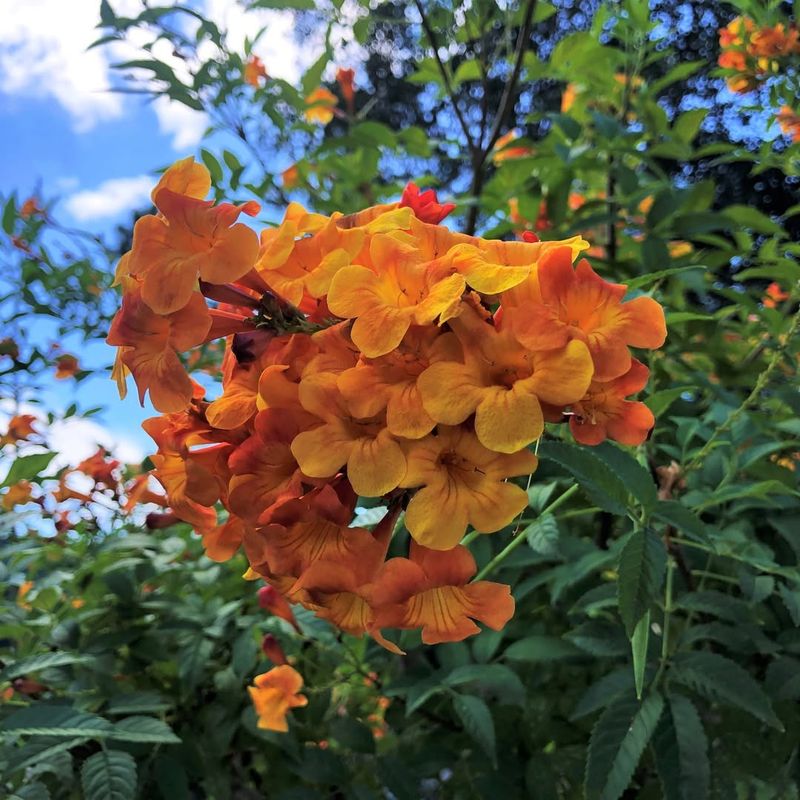
Bright, bold, and practically unstoppable, Orange Jubilee Tecoma is one of those plants that commands attention the moment it starts blooming. Its clusters of vivid orange, trumpet-shaped flowers appear in waves from spring through fall, creating a non-stop color display that few other Arizona shrubs can match.
If your goal is to make your yard the most eye-catching one on the block, this shrub will help you get there.
Orange Jubilee is a hybrid Tecoma that was developed specifically to perform well in hot, arid environments, so it is perfectly suited to Arizona’s challenging climate. It grows fast, often reaching eight to twelve feet tall, and fills in quickly to create a lush, full appearance.
Despite its tropical good looks, it is genuinely drought-tolerant once established, especially when planted in well-draining soil with full sun exposure. Its finely textured foliage also adds subtle greenery that complements the vibrant orange blooms and enhances the overall visual appeal of your landscape.
Hummingbirds and butterflies treat Orange Jubilee like their personal buffet, visiting the flowers constantly throughout the warm months. You can grow it as a large freestanding shrub, train it along a fence, or use it as a colorful privacy screen.
It does benefit from occasional trimming to keep it tidy and encourage fresh blooming. For Arizona gardeners who want maximum impact with minimum fuss, Orange Jubilee Tecoma delivers exactly that, season after season, without demanding much in return.
5. Desert Lavender Filling The Air With Fragrance
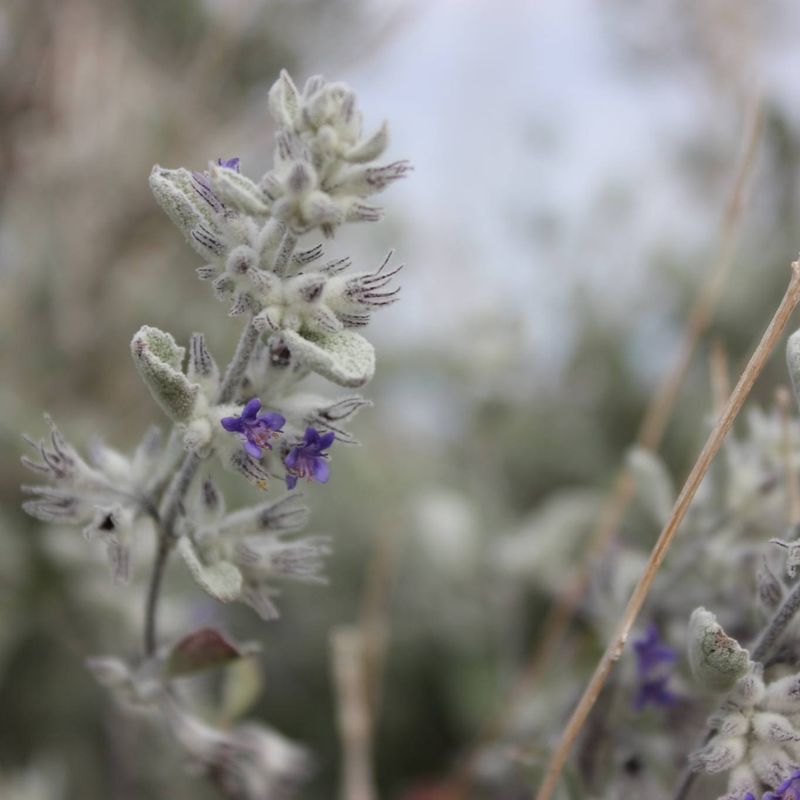
There is something wonderfully calming about Desert Lavender, and it is not just the scent. This native Arizona shrub, known scientifically as Hyptis emoryi, produces soft spikes of tiny purple flowers that look like a gentler version of true lavender, and the fragrance it releases when you brush against the leaves is absolutely lovely.
It fits into the Arizona landscape so naturally that it almost looks like it has always been there.
Desert Lavender is a true survivor in the Sonoran Desert, tolerating extreme heat, poor rocky soil, and long stretches without rain. It grows to about four to eight feet tall and tends to have a loose, airy structure that gives it an effortlessly wild look.
That natural appearance makes it perfect for xeriscape gardens and naturalistic landscape designs that aim to blend with the surrounding Arizona desert environment.
Bees, butterflies, and hummingbirds all love the flowers, making it a powerhouse for supporting local pollinators. It blooms primarily in late winter and spring, which means it brings color to your yard during a season when many other plants are still waking up.
Planting Desert Lavender near a patio or walkway lets you enjoy that pleasant fragrance up close. For anyone who wants a native Arizona shrub that is both beautiful and ecologically meaningful, Desert Lavender is a deeply satisfying choice.
6. Desert Willow That Twists With Grace
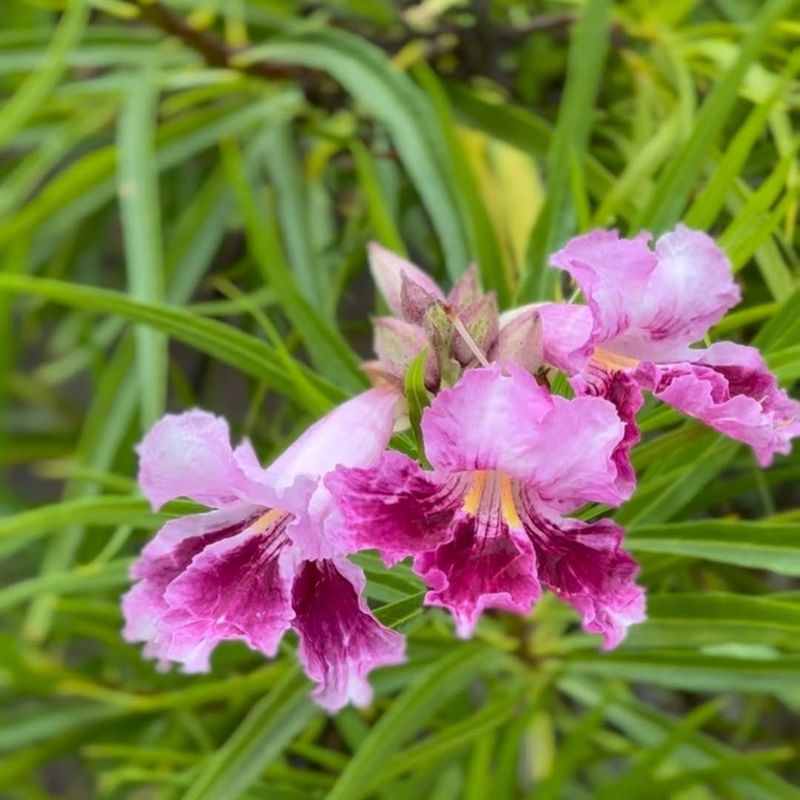
Despite its name, Desert Willow is not actually related to true willows at all, but it is every bit as graceful. Chilopsis linearis produces stunning, orchid-like flowers in shades of pink, lavender, white, and deep purple, depending on the variety, and those blooms keep coming from late spring all the way through early fall.
It is one of the most visually striking plants you can grow in an Arizona landscape.
Desert Willow is native to the southwestern United States, which means it is perfectly adapted to Arizona’s heat, rocky soil, and low rainfall. It typically grows as a large multi-stemmed shrub or small tree, reaching anywhere from ten to twenty-five feet tall.
Its long, narrow leaves give it a delicate, flowing appearance that adds texture and movement to the garden, especially when a warm desert breeze passes through. It also provides light shade beneath its canopy, making it suitable for smaller plants and groundcover underneath.
Hummingbirds go absolutely wild for the tubular flowers, making this plant a fantastic choice for anyone who wants to attract wildlife to their Arizona yard. It is also remarkably water-wise once established, needing only occasional deep watering during the driest months.
Desert Willow drops its leaves in winter but comes back vigorously each spring. Planting it near a wall or fence where it can get reflected heat will help it perform at its very best throughout the growing season.
7. Baja Fairy Duster Adding A Splash Of Fun
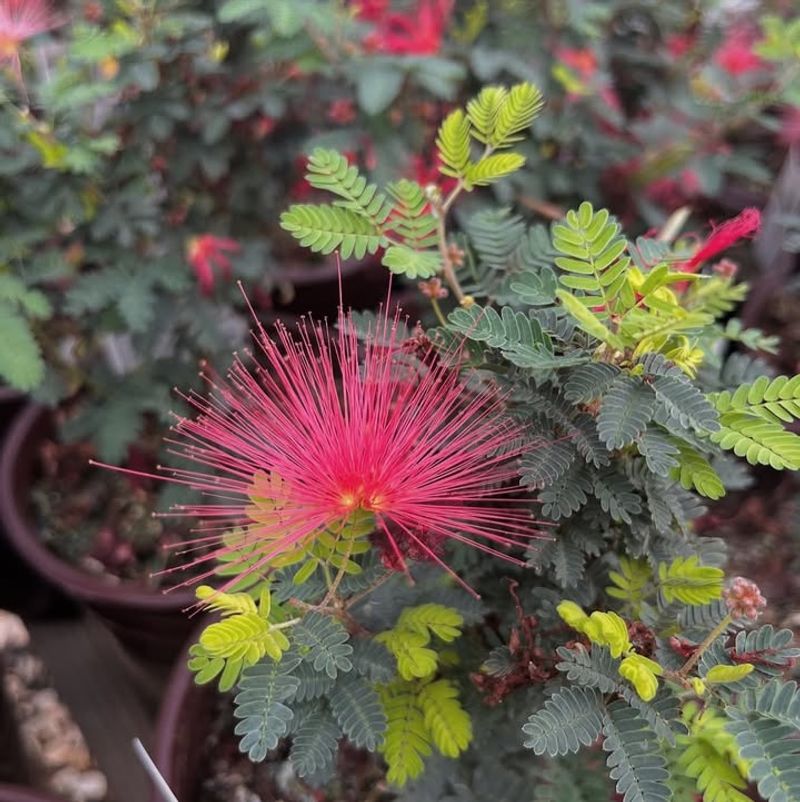
If you have never seen a Baja Fairy Duster in full bloom, you are in for a real treat. Calliandra californica produces the most whimsical, fluffy red or deep pink powder-puff flowers that look like something straight out of a fairy tale, which is exactly how this plant got its charming name.
Up close, the blossoms have a soft, almost feathery texture that makes them irresistible to touch, and to hummingbirds.
Native to the Baja California peninsula, this shrub has adapted beautifully to the conditions found across Arizona. It thrives in full sun, handles rocky and sandy soils without complaint, and is highly drought-tolerant once established in your landscape.
The plant typically stays on the smaller side, reaching about three to five feet tall and wide, which makes it an excellent choice for garden borders, container planting, or groupings along a pathway.
One of the most impressive things about Baja Fairy Duster is its extended bloom season. In Arizona’s mild winters, it can bloom for many months, providing color even when other plants are less active.
Pairing it with silver-leaved desert plants like Texas Sage creates a visually striking contrast that looks professionally designed. For gardeners who want something a little playful and unexpected in their Arizona yard, Baja Fairy Duster brings joy, wildlife value, and low-maintenance beauty all in one remarkable package.
8. Chuparosa That Attracts Hummingbirds Instantly
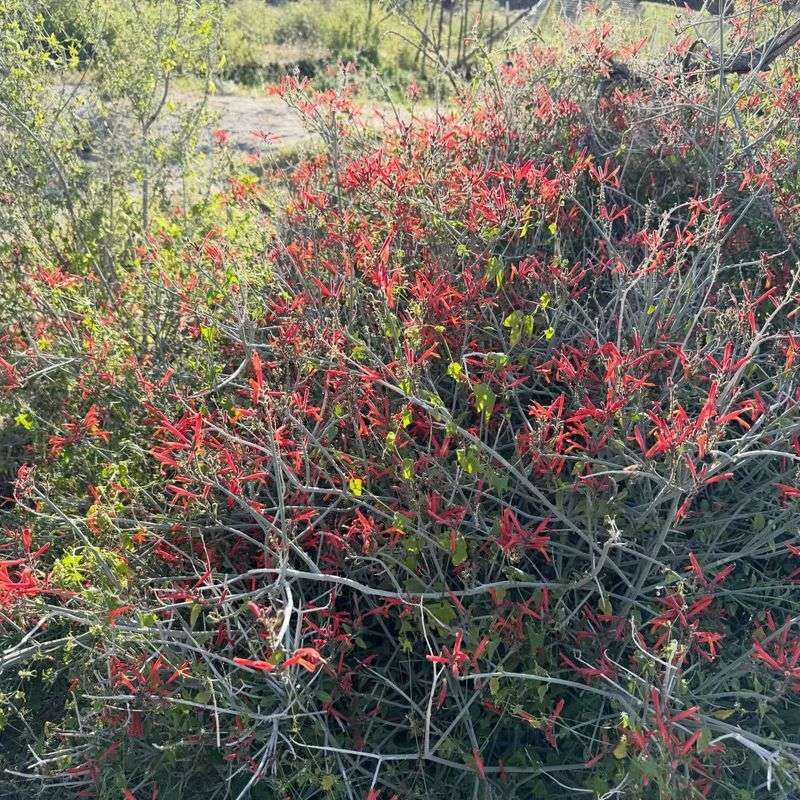
Ask any Arizona hummingbird enthusiast which plant they would never remove from their garden and Chuparosa is almost guaranteed to come up. Justicia californica is a native desert shrub that produces a seemingly endless supply of bright red tubular flowers that hummingbirds find completely irresistible.
Watching those tiny birds hover and feed at the blooms is one of the simple pleasures of gardening in the Sonoran Desert.
What makes Chuparosa especially fascinating is that it often blooms when it has very few leaves, sending out flowers on bare stems during late winter and early spring when almost nothing else in the Arizona garden is putting on a show. That early season color is beneficial for your yard’s visual appeal and provides an important nectar source for hummingbirds returning from migration.
Its long blooming period and bright red flowers also add contrast to other desert-adapted plants nearby, creating a layered and vibrant landscape.
Chuparosa grows to about three to five feet tall and wide, with a loose, open branching habit that looks perfectly at home in a naturalistic desert garden. It is extremely drought-tolerant and actually prefers to be on the dry side once it is established, so overwatering is the main thing to avoid.
Plant it in full sun or partial shade, and it will reward you generously. For Arizona gardeners who want to support local wildlife while adding native character to their outdoor space, Chuparosa is an absolute must-have shrub.