7 Simple Ways To Help Potted Avocado Trees Fruit In Arizona
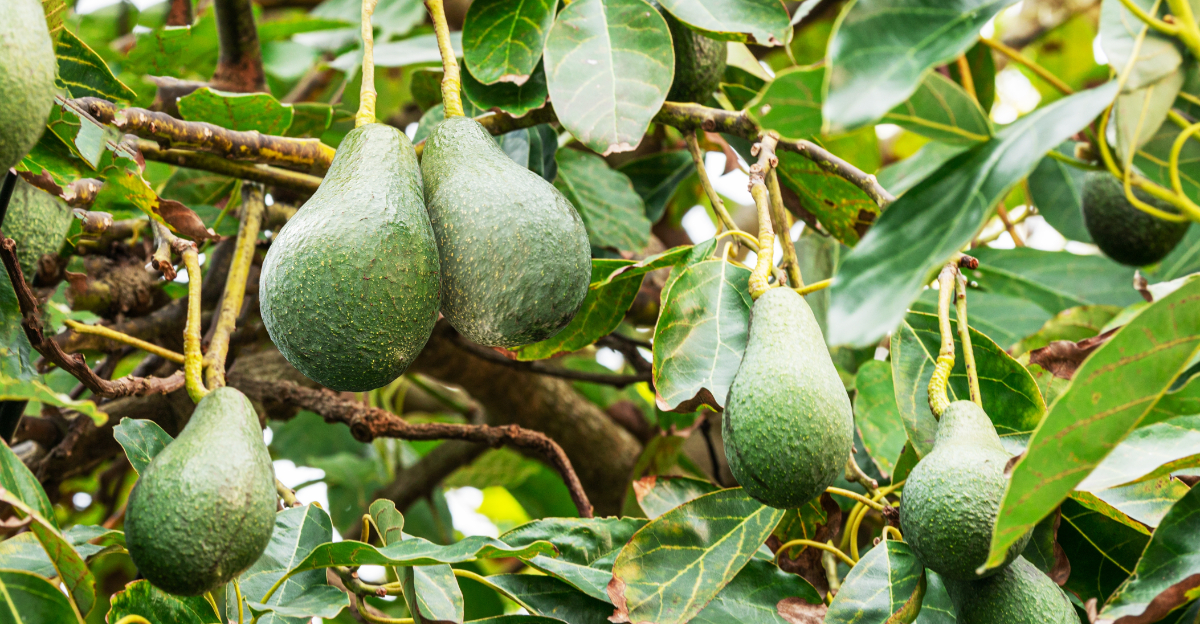
Potted avocado trees can look healthy in Arizona for years without producing much fruit. Fresh leaves keep growing, branches stretch taller, and the tree seems perfectly fine from the outside.
Plenty of gardeners start feeling frustrated once another season passes without seeing the results they expected.
Arizona heat makes container growing much trickier than many people realize at first. Sun exposure, watering habits, container size, and even dry air can quietly affect how avocado trees flower and set fruit.
Small problems often build slowly until production starts falling behind.
Good care can make a huge difference once avocado trees become mature enough to fruit. Simple adjustments often help trees focus less on constant leaf growth and more on producing stronger flowers and healthier fruit in Arizona conditions.
1. Large Containers Give Roots More Space To Support Fruit
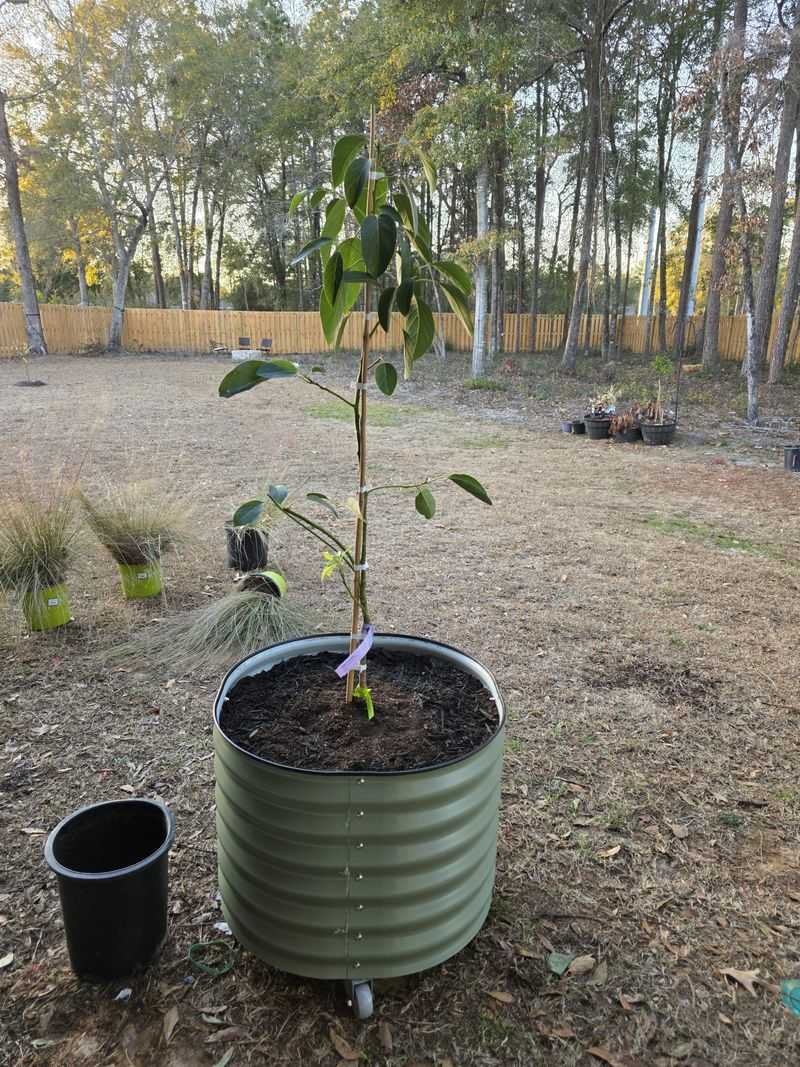
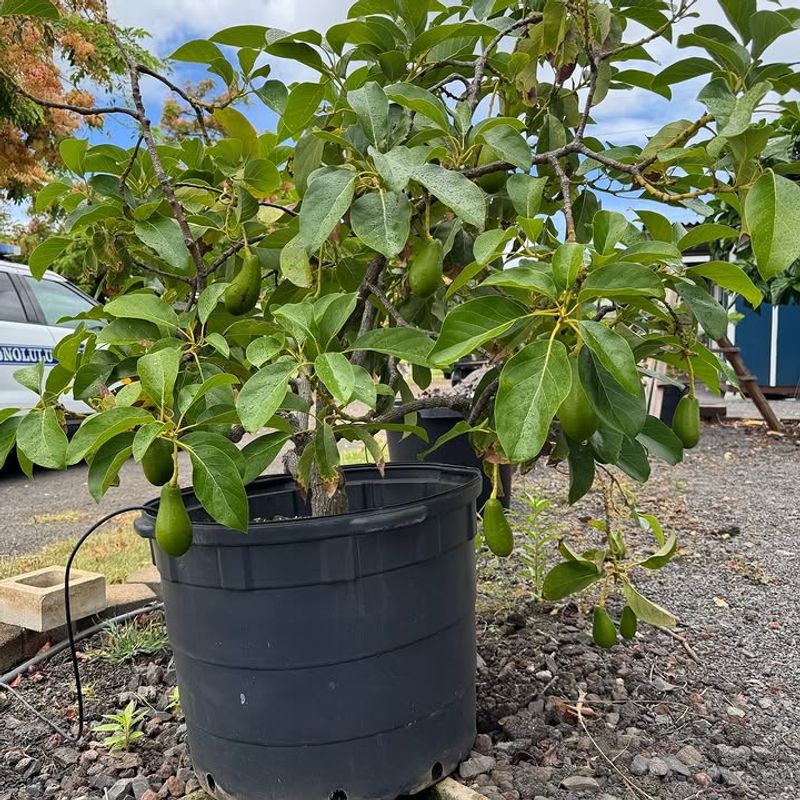
Root space is everything when it comes to fruiting. A cramped pot forces the tree to focus energy on survival rather than producing fruit, and in Arizona’s heat, that stress compounds fast.
Most growers make the mistake of keeping their avocado in a small starter pot way too long. Once roots start circling the bottom or poking through drainage holes, it’s time to size up.
A container that holds at least 15 to 25 gallons gives roots enough room to spread out and anchor the tree properly.
Bigger pots also hold more soil, which helps buffer temperature swings. In Phoenix or Tucson, afternoon soil temperatures inside small black pots can spike to damaging levels.
More soil volume means slower temperature changes, which keeps roots in a more stable environment throughout the day.
Wide, deep containers work better than tall, narrow ones for avocados. Width encourages lateral root growth, which supports a stronger, more productive canopy above.
Stability matters too, since a top-heavy tree in a narrow pot will tip over in Arizona’s desert winds.
Light-colored containers can also help reduce root stress in Arizona by reflecting heat instead of absorbing it the way dark pots often do during extreme summer temperatures.
2. Morning Sun Helps Trees Grow Without Excess Heat Stress
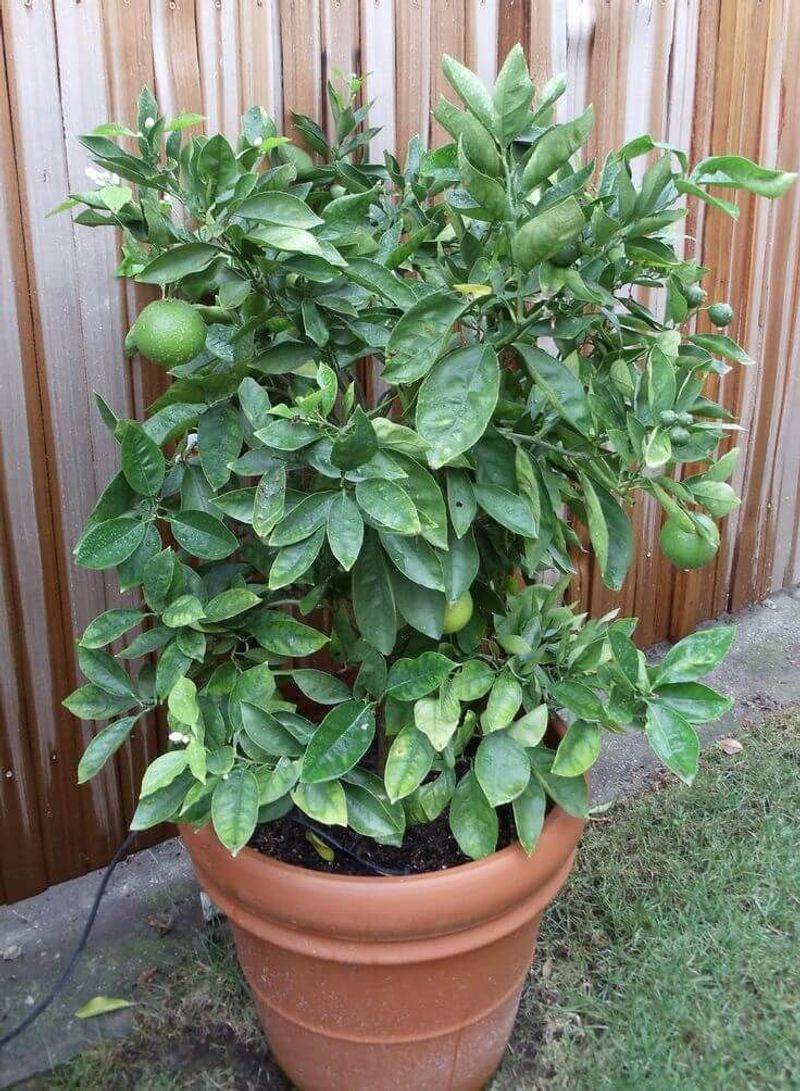
Placement makes or breaks a potted avocado in Arizona. Where you set your tree determines how much useful light it gets versus how much punishing heat it absorbs.
Morning sun is the sweet spot. From roughly sunrise until around noon, sunlight is bright but not brutal.
Avocados need at least six hours of direct light daily to build the energy required for flowering and fruit set. Morning exposure delivers that without the scorching intensity that rolls in during the afternoon.
In places like Mesa, Scottsdale, or Yuma, west-facing spots can push afternoon temperatures well past what avocado trees handle comfortably. Leaves scorch, blossoms drop, and the tree puts all its resources into recovery instead of fruiting.
Moving the pot to an east-facing wall or under a partial shade structure makes a noticeable difference.
Reflected heat from stucco walls and concrete patios adds another layer of stress. Even if your tree is technically in shade during the afternoon, radiant heat from nearby surfaces can still raise ambient temperatures significantly.
Your Arizona Garden Changes Every Week. Your Plan Should Too.
Gardening in Arizona changes quickly throughout the season. Every Friday you’ll receive a simple weekly plan showing exactly what to plant, prune, fertilize, harvest, and protect so you never miss the right timing.
Pulling the pot a few feet away from walls helps reduce that effect.
3. Consistent Watering Prevents Blossoms From Dropping Too Early
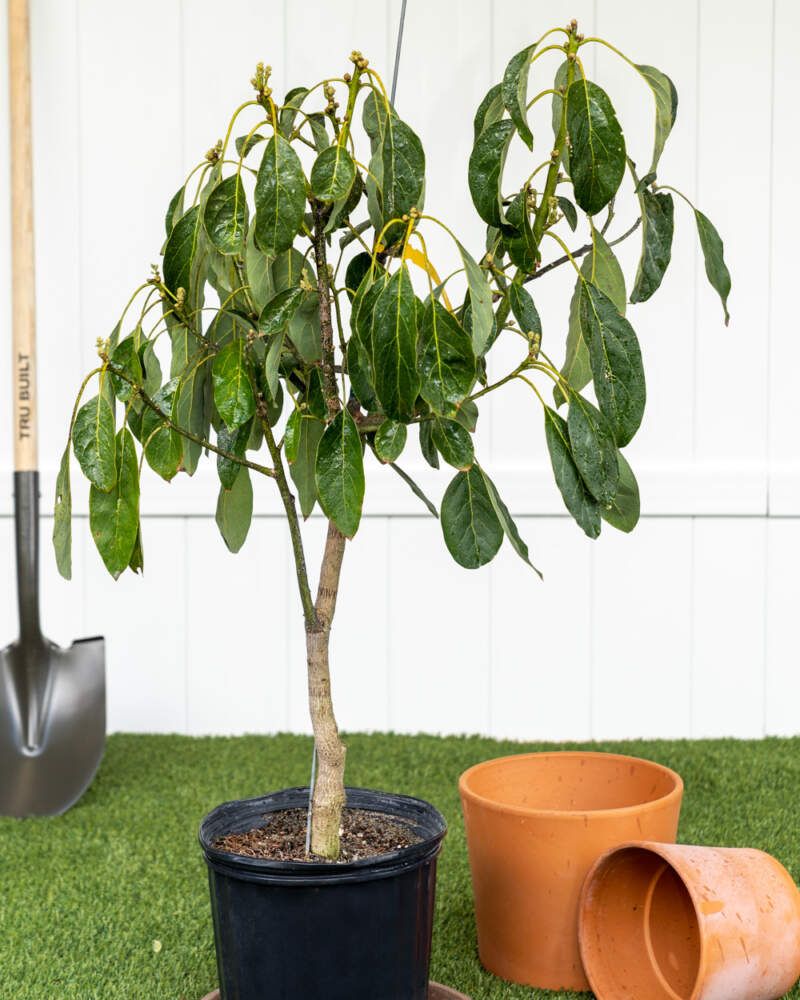
Blossom drop is one of the most frustrating things for avocado growers in Arizona. You watch the tree fill up with flowers, get excited about the potential harvest, and then watch them fall off before setting any fruit.
Inconsistent watering is one of the most common triggers. When the soil swings between bone dry and waterlogged, the tree goes into stress mode.
Stressed trees shed blossoms as a survival response, and in the dry Arizona climate, soil in containers can go from moist to completely dry within a day or two during summer.
Checking soil moisture before watering is more reliable than following a fixed schedule. Stick your finger two inches into the soil.
If it feels dry at that depth, water thoroughly until it drains from the bottom. If it still feels slightly damp, wait another day and check again.
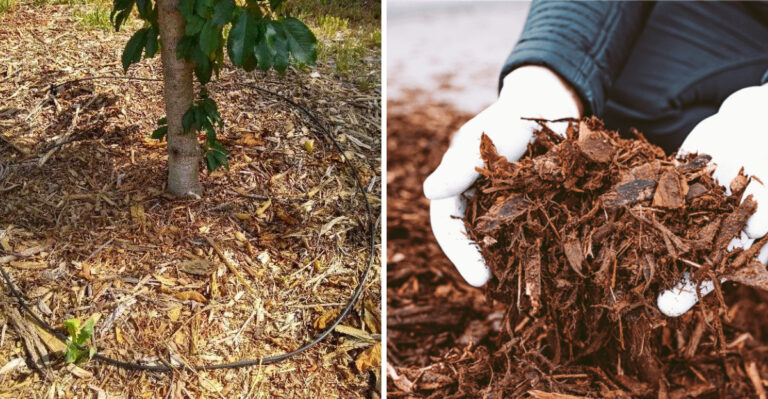
Mulching the top of the container helps slow evaporation between watering sessions. A two-inch layer of wood chips or straw on top of the soil keeps moisture in longer, which reduces the frequency of extreme dry spells that stress the root zone.
4. Light Pruning Helps Improve Airflow And Branch Structure
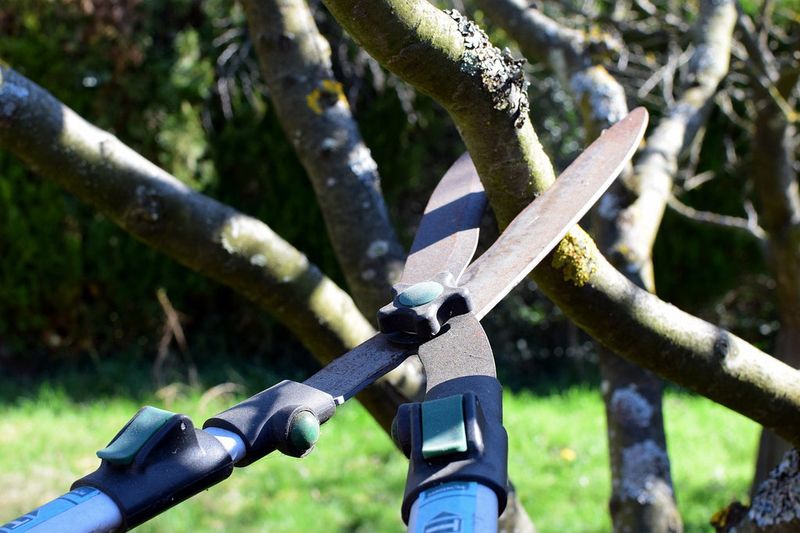
A dense, tangled canopy might look lush, but it actually works against your avocado tree when it comes to fruiting. Poor airflow inside the canopy creates humid pockets that encourage fungal problems, and weak interior branches rarely produce quality fruit.
Light pruning once or twice a year helps open up the structure without stressing the tree.
Better light penetration means more of the tree’s energy goes toward flowering rather than just maintaining leafy growth.
Timing matters in Arizona. Pruning right before or during the hottest part of summer exposes fresh cuts and new growth to extreme heat, which can set the tree back.
Late winter or early spring, just before the growing season picks up, is generally a better window. Some growers also do a light cleanup in fall once temperatures cool down.
Keep cuts clean and minimal. Avocados are not aggressive pruners’ trees.
Heavy cuts stimulate a lot of vegetative regrowth, which can actually delay fruiting.
5. Fast Draining Soil Reduces Root Problems In Containers
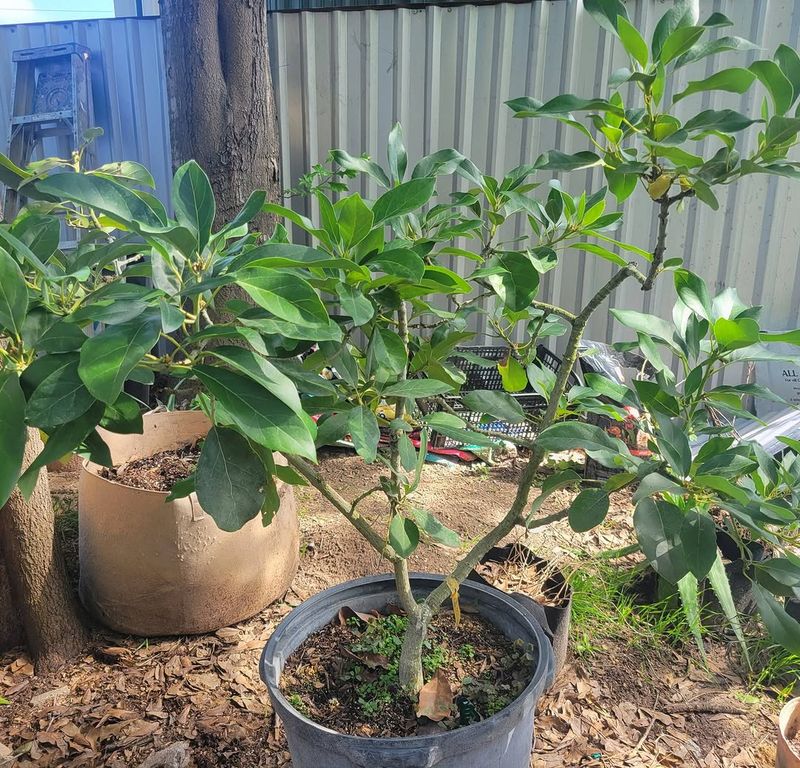
Avocado roots are surprisingly sensitive to standing water, and containers make waterlogging a real risk if the soil mix is too dense.
In Arizona, where growers often compensate for heat by watering frequently, poor drainage can quietly cause serious root damage without obvious symptoms showing up right away.
Standard potting mixes are often too fine and compact for avocados in containers. They hold moisture well, which sounds helpful, but in practice they stay wet too long between waterings.
Adding perlite, coarse sand, or small bark chips to the mix opens up the structure and allows excess water to drain through faster.
A good blend for potted avocados in Arizona is roughly 60 percent quality potting mix and 40 percent perlite or coarse amendment.
Some growers swap part of that perlite for orchid bark, which adds both drainage and a bit of organic material as it breaks down slowly over time.
Drainage holes at the bottom of the container are non-negotiable. Pots without adequate holes trap water no matter how good the soil mix is.
At least two to three large holes per container give water a clear exit path.
6. Regular Feeding Supports Healthier Growth And Fruit Production
Container-grown plants run out of nutrients faster than in-ground trees. Every time you water, small amounts of fertilizer wash out through the drainage holes, which means a potted avocado in Arizona needs more consistent feeding to stay productive.
Nitrogen is the nutrient avocados use most heavily during the growing season. A balanced fertilizer with a slightly higher nitrogen number works well for spring and summer feeding when the tree is actively pushing new growth.
Backing off nitrogen in late summer and fall encourages the tree to shift energy toward flower bud development rather than leafy growth.
Slow-release granular fertilizers are convenient for container growing. Scratching them into the top inch of soil every few months reduces the chance of nutrient burn and provides a steady supply rather than a sudden spike.
Liquid fertilizers work faster and are useful for correcting deficiencies quickly, but they require more frequent application to maintain consistent levels.
Avocados in Arizona sometimes show yellowing leaves due to iron or zinc deficiency, both of which are common in alkaline desert soils. A fertilizer formulated for citrus and avocados often includes these micronutrients.
Foliar sprays with chelated iron can address deficiency signs faster than soil applications when leaves are already showing symptoms.
7. Protecting Trees From Strong Afternoon Heat Helps Reduce Stress
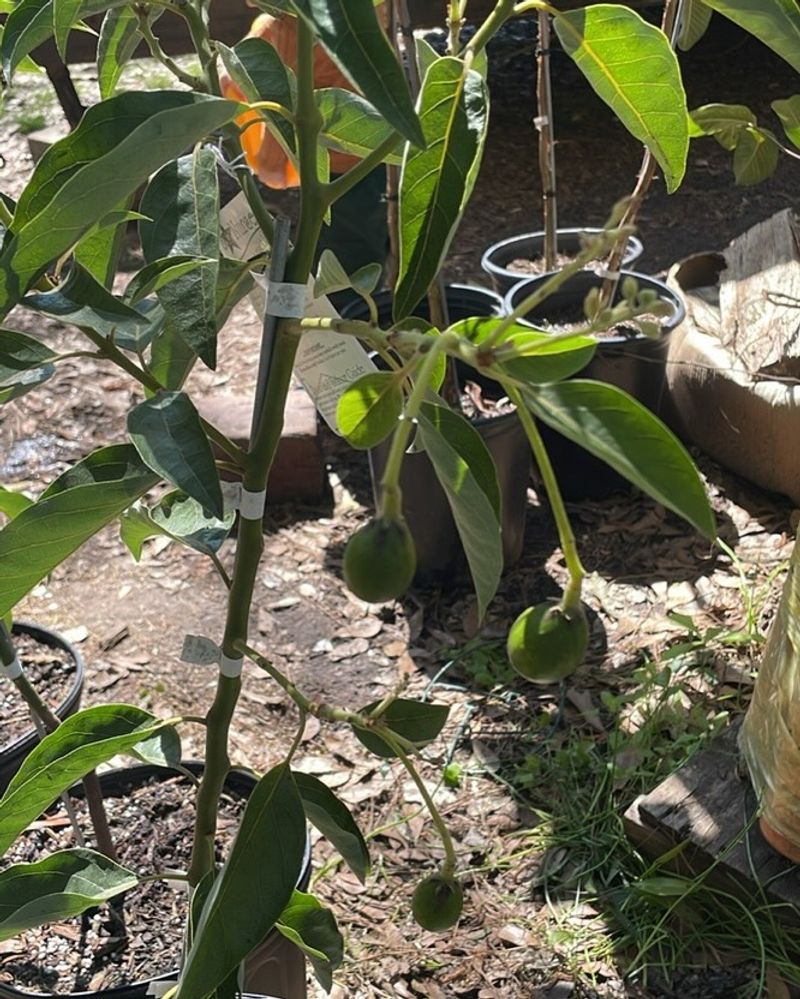
Arizona summers are genuinely extreme. Afternoon temperatures regularly exceed 110 degrees Fahrenheit in parts of the state, and even heat-tolerant plants struggle when exposed to that kind of intensity without any protection.
Avocados can handle heat better than many people expect, but there’s a threshold. Once air temperatures push past 100 degrees consistently, especially combined with low humidity and intense sun reflection off concrete, potted trees start showing signs of stress.
Leaf edges brown, blossoms drop, and fruit set becomes much harder to achieve.
Shade cloth is one of the most practical solutions available to Arizona growers. A 30 to 40 percent shade cloth placed over the tree during peak afternoon hours, roughly from 1 p.m. to 5 p.m., cuts radiant heat significantly without blocking enough light to slow growth.
Full shade is too much, but filtered afternoon light keeps the tree comfortable without sacrificing photosynthesis time.
Moving the container under a patio cover or pergola during the hottest weeks of June through August can also protect the tree without requiring a dedicated shade structure.
Partial overhead coverage blocks direct overhead sun while still allowing morning light to reach the canopy.
Pot color matters more than most people realize. Dark-colored containers absorb heat and can raise root zone temperatures dramatically on hot afternoons in Arizona.