California Native Shrubs That Turn Your Garden Into A Bird Haven
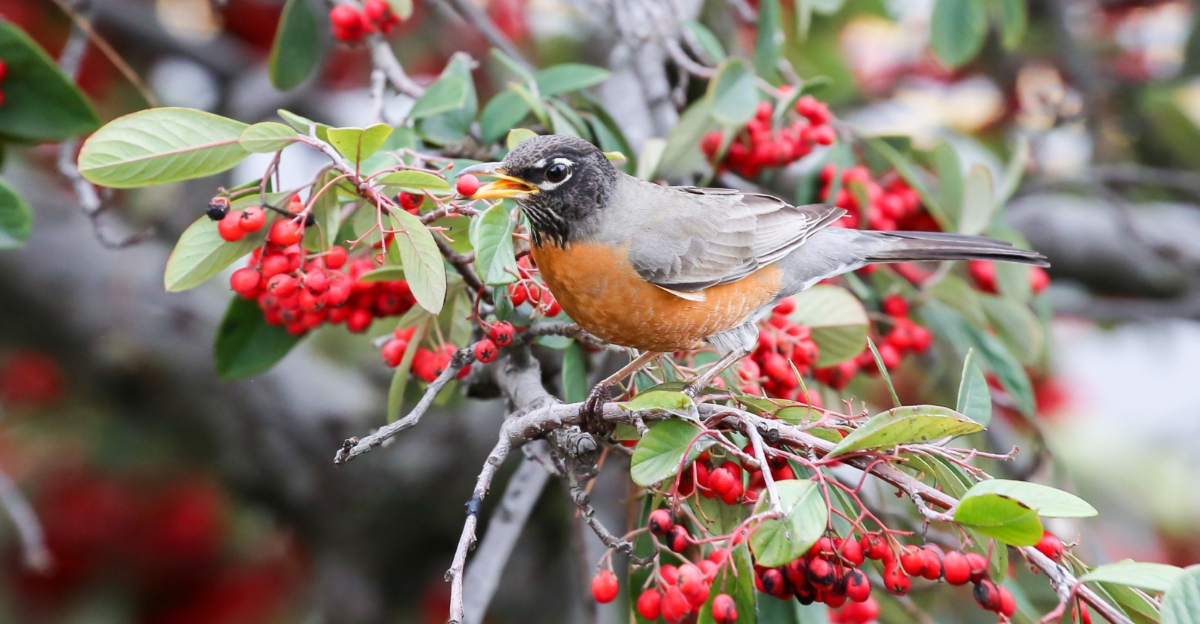
Plant the right shrub, and birds will find your garden on their own.
In California, native shrubs act like natural bird magnets, providing the berries, nectar, shelter, and nesting spots local species depend on.
Because these plants evolved alongside California wildlife, they support birds, pollinators, and beneficial insects in ways many ornamental plants cannot.
They’re also surprisingly easy to grow!
From coastal areas to inland valleys and foothills, many native shrubs thrive in local soils and need far less water once established. Even a small yard or courtyard can become a lively habitat with just a few well-chosen plants.
Dense branches offer safe nesting cover, while flowers and berries keep birds returning throughout the seasons.
With the right choices, your garden can turn into a thriving oasis where birds, pollinators, and wildlife feel right at home.
1. Coffeeberry Offers Dense Foliage And A Feast Of Small Dark Berries
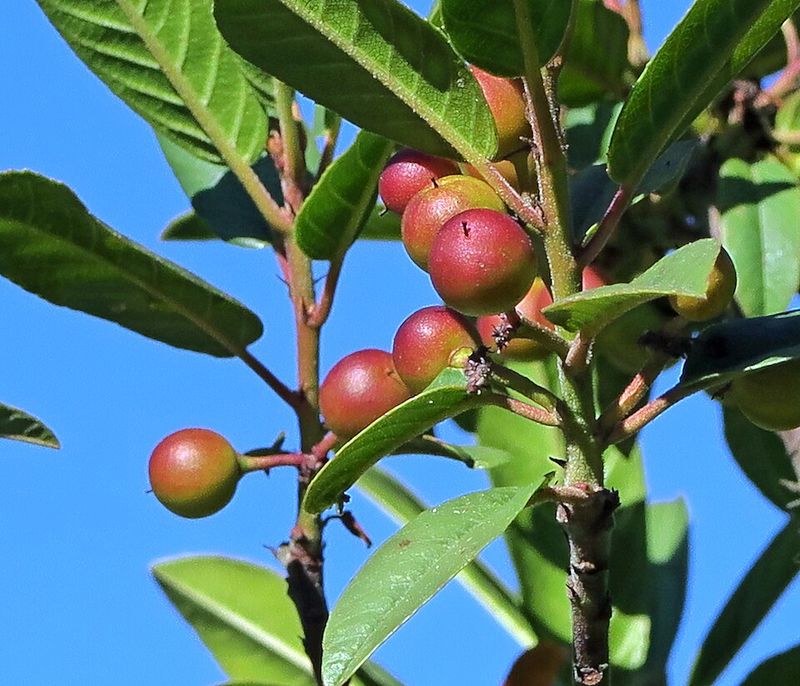
Late summer walks through California chaparral or native gardens reveal glossy clusters of Coffeeberry that attract birds with ease.
Frangula californica, or California Coffeeberry, produces berries that ripen gradually from green to red to nearly black, providing food for thrushes, towhees, and mockingbirds over several months.
This evergreen shrub grows four to eight feet tall and forms dense branching that doubles as nesting cover. Coffeeberry adapts to a variety of soils, including clay, though well-drained locations support optimal growth.
It tolerates full sun to partial shade, and once established, it withstands California’s hot, dry summers with minimal supplemental water.
Pairing Coffeeberry with other native shrubs creates layered habitats that support birds year-round. Its versatility makes it ideal for hedges, background planting, or informal screens.
The gradual berry ripening also means that birds can depend on Coffeeberry when other food sources are scarce.
For gardeners looking to enhance wildlife activity, planting multiple Coffeeberry shrubs in clusters can encourage longer visits and increased feeding opportunities, while the thick foliage provides shelter during storms or when young birds are learning to forage.
2. Toyon Brings Bright Red Berries And Winter Bird Visits
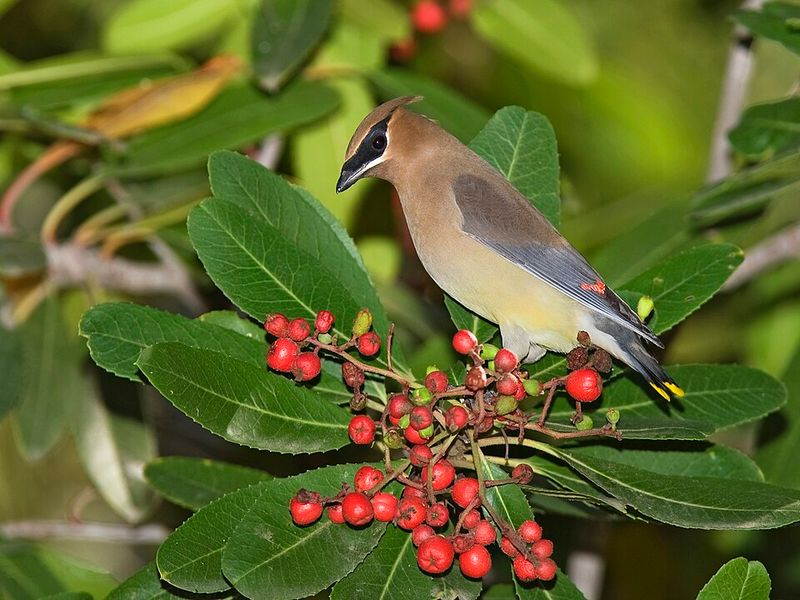
Winter in California can feel quiet, but a Toyon shrub loaded with bright red berries quickly changes that.
Heteromeles arbutifolia, often called California holly, produces dense branching that gives birds both food and shelter.
Cedar Waxwings, American Robins, Northern Flickers, and Hermit Thrushes are among the species that visit, particularly in cooler months.
Toyon grows across coastal foothills and inland valleys and performs best in full sun, though it tolerates some shade.
Well-drained soil promotes strong growth, and occasional watering in extremely dry inland gardens helps maintain lush foliage and maximize berry production.
Summer clusters of small white flowers attract pollinators before turning into the signature red berries, providing sequential wildlife benefits.
Reaching eight to twelve feet tall and wide, Toyon serves as a background shrub, mid-layer planting, or natural fence screen.
Your California Garden Changes Every Week. Your Plan Should Too.
Gardening in California changes quickly throughout the season. Every Friday you’ll receive a simple weekly plan showing exactly what to plant, prune, fertilize, harvest, and protect so you never miss the right timing.
Gardeners can also combine Toyon with smaller understory natives like Currant or Redberry to create multi-level habitats that keep birds engaged throughout the year.
Its dense structure offers safe perching and resting spots, giving birds confidence to feed openly.
By integrating Toyon into both formal and naturalized garden designs, it not only provides wildlife value but also adds seasonal visual interest with vibrant berries that persist into winter.
3. Blue Elderberry Produces Clusters Of Blue-Black Berries For Songbirds
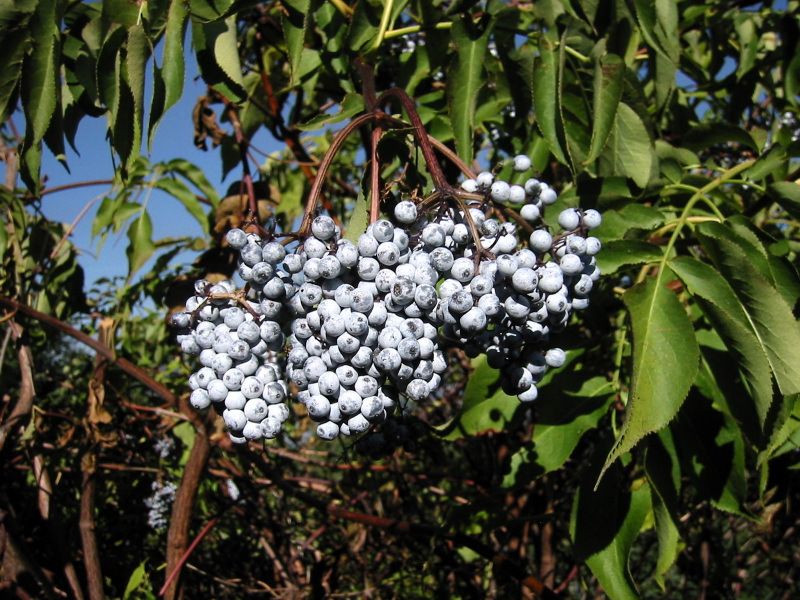
Late spring blooms signal the start of summer fruiting, turning a California garden into a hub of bird activity.
Sambucus nigra ssp. caerulea thrives from valley floors to mountain foothills, producing creamy white flower clusters that attract bees and butterflies before developing into heavy blue-black berries.
Western Bluebirds, American Robins, Cedar Waxwings, and migrating warblers feed heavily on the berries.
Elderberry prefers locations with some moisture, such as near rain gardens or seasonal drainage areas, but can survive dry summers once established.
Its hollow stems and dense canopy also provide opportunities for cavity-nesting birds.
Growing ten to twenty feet tall, Blue Elderberry is effective as a backdrop planting, naturalized screen, or multi-layer habitat component. Light pruning encourages new growth and maintains manageable size while maximizing fruit production.
Planting Elderberry alongside other riparian natives such as Western Spicebush helps create connected habitat corridors that support both resident and migratory birds.
Additionally, incorporating native flowering plants beneath Elderberry can further enhance insect availability, providing food for insect-eating birds and increasing overall biodiversity in your garden.
4. Currant Provides Small Berries And Shelter For Smaller Birds
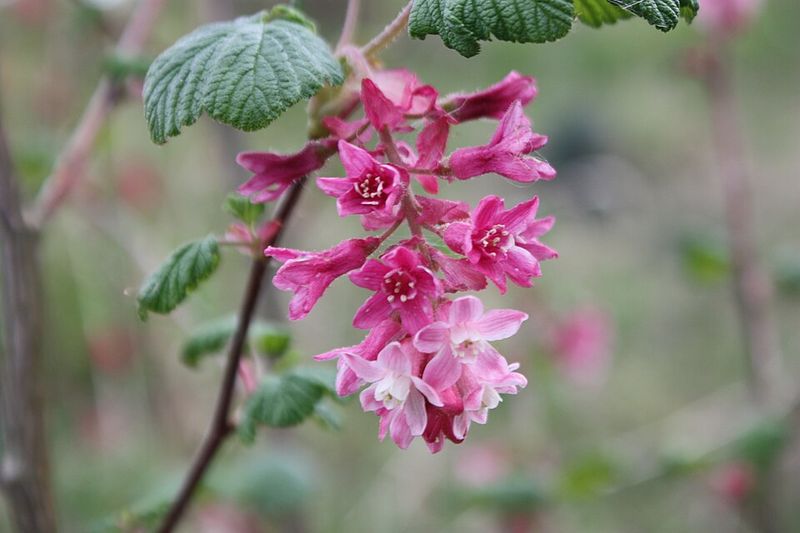
Shaded garden edges or understories under oaks benefit greatly from native Currant shrubs.
Ribes species, including flowering and chaparral currants, produce small berries in spring and early summer, offering food for thrushes, robins, finches, and sparrows.
Gardeners can also use Currants to attract pollinators, which in turn support a healthy food web for insect-eating birds. Their flexible growth makes them suitable for small spaces, naturalistic borders, or woodland gardens.
Flowering Currant (Ribes sanguineum var. glutinosum) produces tubular pink to red flowers in late winter and early spring, providing one of the earliest nectar sources for Anna’s Hummingbirds.
Currants grow four to eight feet tall, arching into informal shapes that create layered habitats beneath larger shrubs.
Partial shade and occasional summer moisture suit most Currants, though cooler coastal locations allow established plants to handle dry conditions.
Incorporating them into mixed plantings provides birds with both food and shelter, filling seasonal gaps and supporting consistent wildlife activity.
Planting multiple currants in staggered clusters can increase the diversity of cover and feeding opportunities for smaller birds, while also enhancing garden aesthetics with early spring flowers and colorful summer berries.
5. California Lilac Adds Nectar-Rich Flowers And Safe Nesting Spots
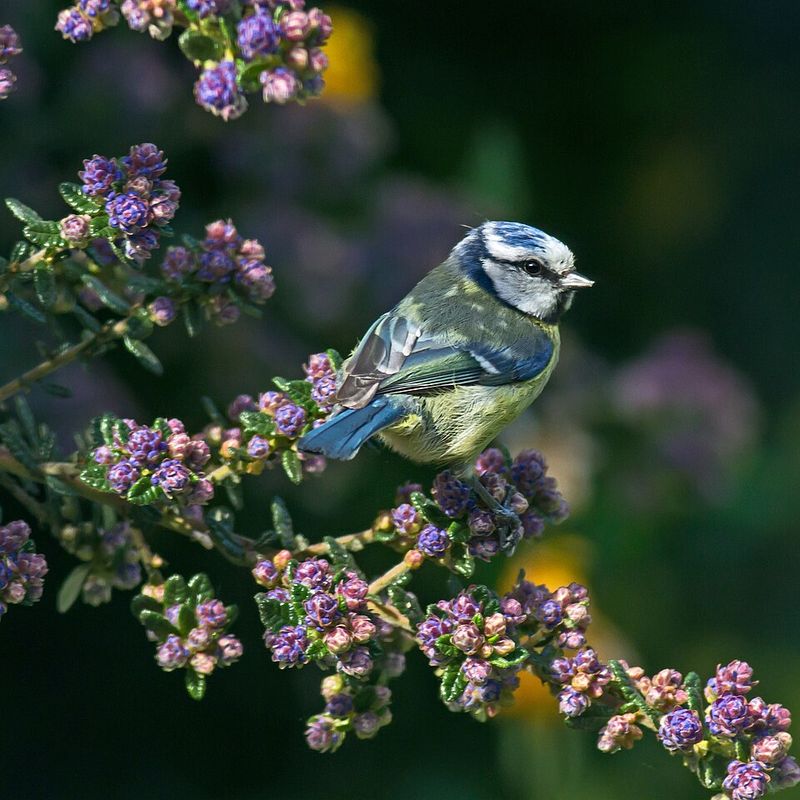
Spring transforms when California Lilac blooms, attracting hummingbirds, bees, and butterflies with spectacular blue, violet, or white flower clusters.
Dense branching provides nesting cover for small songbirds like sparrows, bushtits, and warblers, offering protection from predators throughout the breeding season.
Ceanothus species range from low ground covers to upright shrubs exceeding twelve feet, offering flexibility for different garden spaces. Most thrive in full sun with well-drained soils and are drought tolerant once established.
Overwatering, particularly for upright types, should be avoided to prevent root stress.
Planting California Lilac along slopes, fences, or in layered native gardens enhances habitat while creating visually appealing focal points.
Its long-lasting flowers support insects that feed birds, and pairing it with berry-producing shrubs like Toyon or Coffeeberry maintains a continuous food and shelter network throughout the year.
Adding mulch around the base can help retain soil moisture during the dry summer months and protect shallow roots, further improving plant health and supporting the birds that depend on them.
6. Redberry Offers Vibrant Red Fruit And Chaparral Appeal
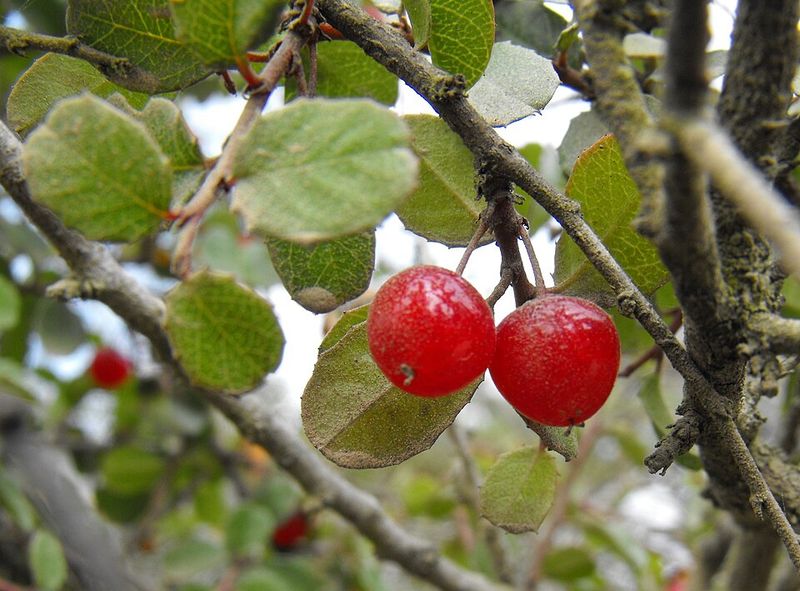
Redberry is a compact, spiny shrub suited to drier California landscapes.
Rhamnus crocea produces small red berries relished by mockingbirds, thrashers, and other berry-eating birds, while its dense, spiny branches offer natural protection for nesting.
Native to chaparral and coastal sage scrub, Redberry grows three to six feet tall and thrives in full sun with well-drained soils, including rocky or sandy sites. Minimal supplemental water is needed once established.
Planting it near larger shrubs like Toyon or Coffeeberry creates habitat corridors that encourage birds to move through gardens, taking advantage of multiple feeding and shelter opportunities.
By providing mid-layer structure in mixed native plantings, Redberry supports vertical and horizontal habitat diversity.
Birds benefit from its year-round foliage, seasonal berries, and safe perches, making it an efficient and practical addition to California bird gardens.
Including Redberry in small courtyard gardens or narrow spaces can also help create microhabitats where birds feel secure, encouraging them to stay longer and utilize other nearby shrubs for cover and foraging.
7. Bush Monkeyflower Brings Nectar-Rich Blooms And Hummingbird Activity
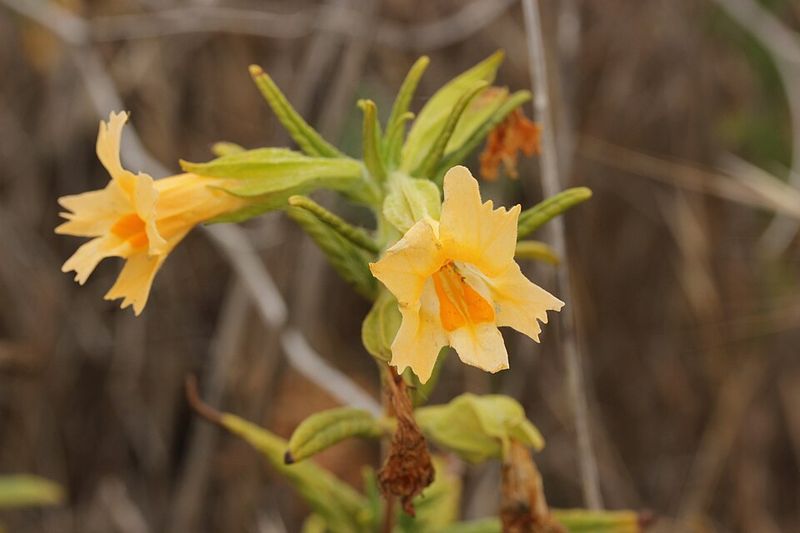
In sun-exposed California gardens, the tubular flowers of Bush Monkeyflower draw Anna’s Hummingbirds and a variety of native bees.
Diplacus aurantiacus blooms from spring through summer and occasionally into fall in mild coastal climates, offering a long-lasting nectar source.
The vibrant colors also add visual interest to borders, slopes, or mixed native plantings, making it a striking addition to wildlife-friendly gardens.
Birds and pollinators are more likely to visit when multiple Bush Monkeyflower plants are grouped together, creating concentrated feeding areas.
Growing three to five feet tall and wide, Bush Monkeyflower prefers rocky or sandy, well-drained soils with full sun exposure.
Once established, it tolerates dry summers with minimal supplemental watering, though occasional irrigation during extreme heat encourages sustained flowering.
Its airy structure supports small bird movement and informal nesting.
Flowers attract pollinators that serve as food for insect-eating birds, and the plant also supports caterpillars. Cutting back spent stems encourages fresh growth, extending the shrub’s value for birds and pollinators throughout the season.
Placing Bush Monkeyflower near water sources or shaded garden spots can also help hummingbirds and other wildlife access both food and shelter more comfortably during hotter months.
8. Western Spicebush Produces Berries And Dense Foliage For Bird Cover
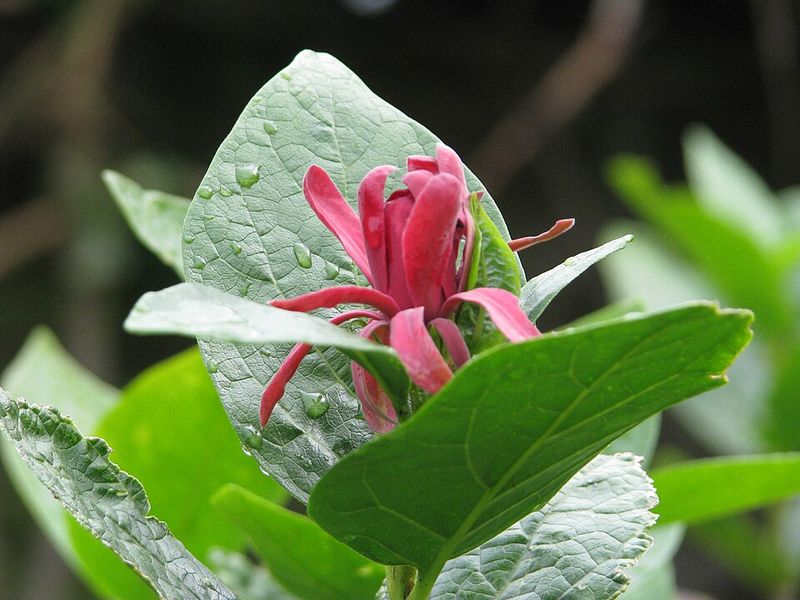
Moist, shaded corners or stream-adjacent areas are ideal for Western Spicebush.
Calycanthus occidentalis grows naturally along riparian zones in northern and central California, producing dense leaves that offer shelter for thrushes, warblers, and other birds.
Its reddish-brown flowers bloom from spring through summer, and the shrub forms small, fig-like seed pods that birds investigate for seeds.
Dense foliage provides protection from heat and predators, making it a refuge for birds during migration and breeding periods.
Thrushes and warblers frequently move through the branches, especially during migration.
Growing six to twelve feet tall with a spreading habit, Western Spicebush thrives in partial to full shade and prefers consistent moisture. Planting it along rain garden edges, low spots, or near irrigation sources maximizes survival.
Paired with Blue Elderberry or native Currant, it helps create moist-habitat corridors that support diverse bird species throughout California woodland gardens year-round.
Its combination of protective cover, seasonal flowers, and sheltering canopy makes it a valuable addition to both ornamental and wildlife-focused gardens.