What California Gardeners Should Do Right Now To Use Less Water All Summer Long
California summer does not politely ease in. It shows up with hot afternoons, thirsty soil, and plants that suddenly look like they read some bad news.
The good move is to prep before the real heat starts bossing everyone around. A few smart tweaks right now can help gardens stay cooler, hold moisture longer, and waste way less water once dry days settle in.
Think deeper watering instead of quick sprinkles, fresh mulch before the soil bakes, drip lines that actually hit the root zone, and crowded weeds getting evicted before they steal another drop.
Even small fixes, like watering early, grouping thirsty plants together, and checking for sneaky leaks, can make a huge difference by July.
Your garden does not need to gulp water all summer to stay good-looking. It just needs a better game plan before the sun gets dramatic.
1. Water Early In The Morning
Something magical happens in a garden at 6 a.m. The air is cool, the sun is low, and the soil is ready to soak up every drop you give it.
Watering early in the morning is one of the smartest habits a California gardener can build before summer heat kicks in.
When you water during the heat of the day, a surprising amount of moisture evaporates before it even reaches plant roots. Early morning watering means the soil stays wet longer, giving roots time to absorb what they need.
Plants go into the hot afternoon hours already well-hydrated.
Evening watering might seem like a good idea, but it leaves foliage wet overnight, which can lead to mold and fungal problems. Morning watering avoids that issue entirely.
In California, where water restrictions are common during summer, making every gallon count is essential.
Try setting a timer so you never forget. Most garden centers sell affordable hose timers that do the job perfectly.
Start this habit now, before the real heat arrives, and your garden will thank you all season long.
2. Add Mulch Before Heat Builds
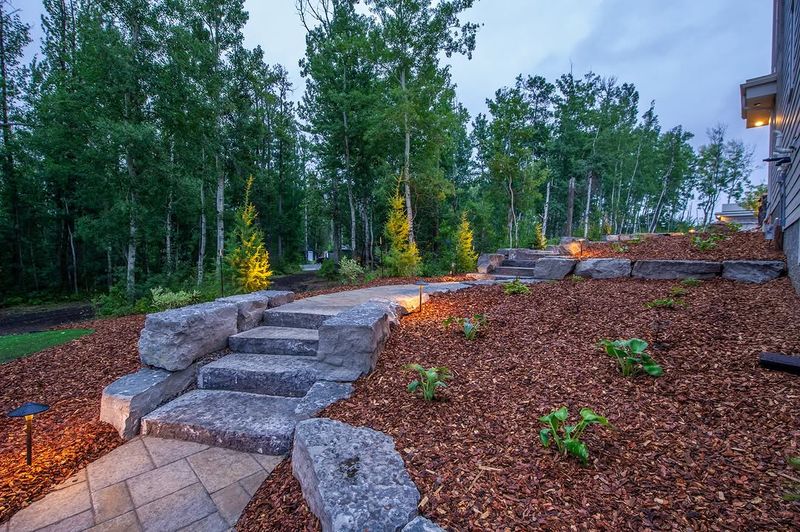
Bare soil in a California summer is basically a sponge left out in the sun. It dries out fast, cracks, and loses moisture at a rate that no garden hose can keep up with.
Adding mulch before the real heat builds is one of the highest-impact moves you can make right now.
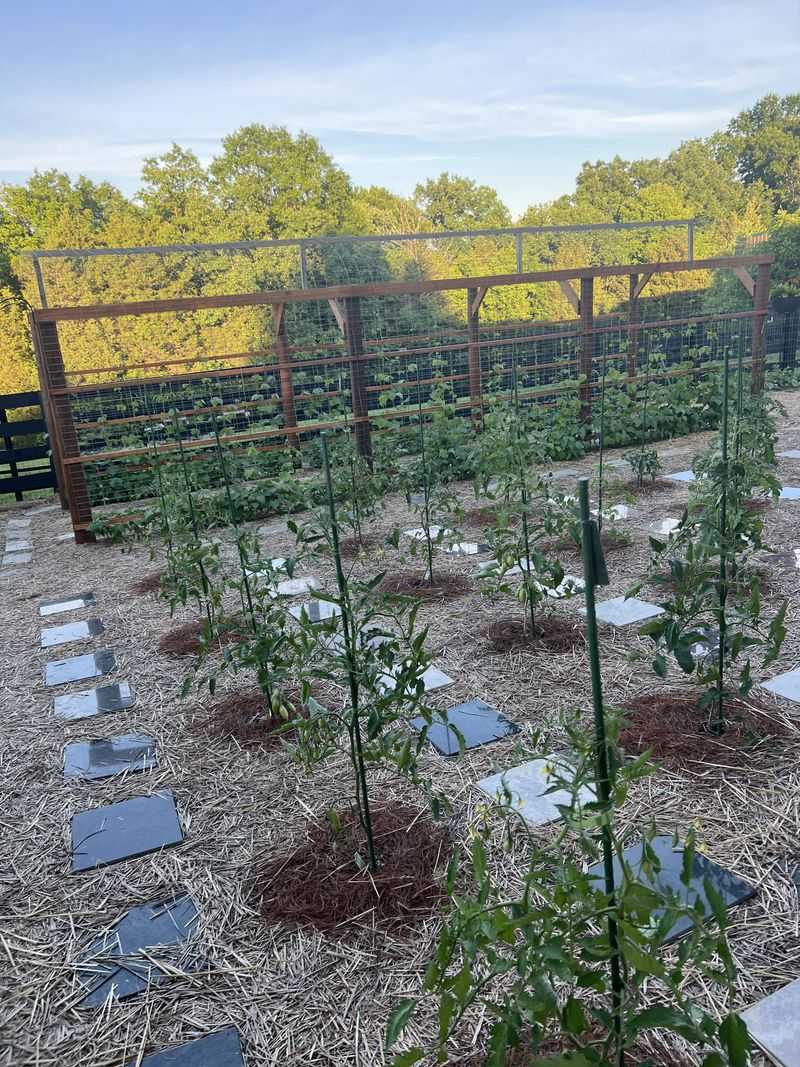
A good 3-inch layer of mulch acts like a blanket over the soil. It slows evaporation dramatically, keeps root zones cooler, and even suppresses weeds that compete with your plants for water.
Wood chips, straw, and shredded bark all work well in California gardens.
Studies show that mulching can cut outdoor water use by up to 50 percent in hot, dry climates. That is a huge saving, especially when you are dealing with summer water restrictions or high utility bills.
Spread mulch around trees, shrubs, and vegetable beds before temperatures climb.
Keep mulch a few inches away from plant stems to avoid moisture buildup that can cause rot. Refresh your mulch layer each spring so it stays thick and effective.
Your California Garden Changes Every Week. Your Plan Should Too.
Gardening in California changes quickly throughout the season. Every Friday you’ll receive a simple weekly plan showing exactly what to plant, prune, fertilize, harvest, and protect so you never miss the right timing.
This one simple step pays off all summer long across California yards.
3. Check Drip Lines And Leaks
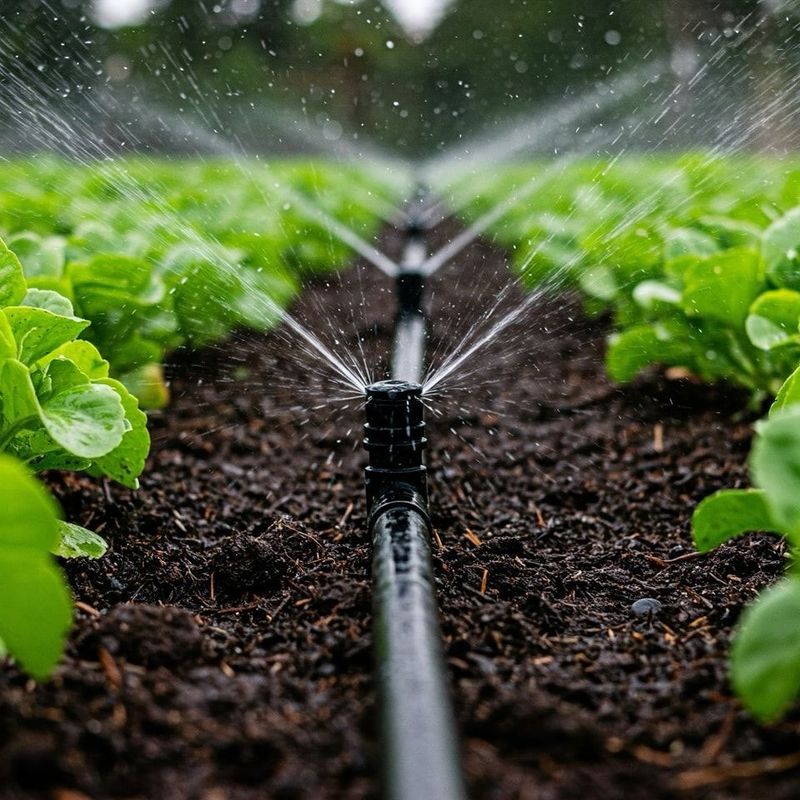
A tiny drip line leak might not look like much, but over an entire California summer, it can waste thousands of gallons of water. Right now, before the season heats up, is the perfect time to walk your yard and inspect every inch of your irrigation system.
Turn on your system and watch closely. Look for puddles forming in odd spots, emitters spraying sideways, or tubing that has popped loose from connectors.
Even a slow, steady drip from a cracked emitter adds up fast over weeks of daily watering cycles.
Clogged emitters are just as problematic as leaking ones. If a drip emitter is blocked, the plant it serves is not getting water even though your system is running.
Use a small pin to clear blockages, or swap out old emitters for new ones, which are very affordable at most California hardware stores.
Also check your backflow preventer and filter screen for buildup. Hard water in many parts of California can clog these components over time.
A well-maintained drip system delivers water exactly where plants need it, cutting waste and keeping your garden healthy all summer without overwatering.
4. Group Plants By Water Needs
Watering a cactus and a hydrangea on the same schedule is like feeding a goldfish and a dog the same meal. It just does not work well for either one.
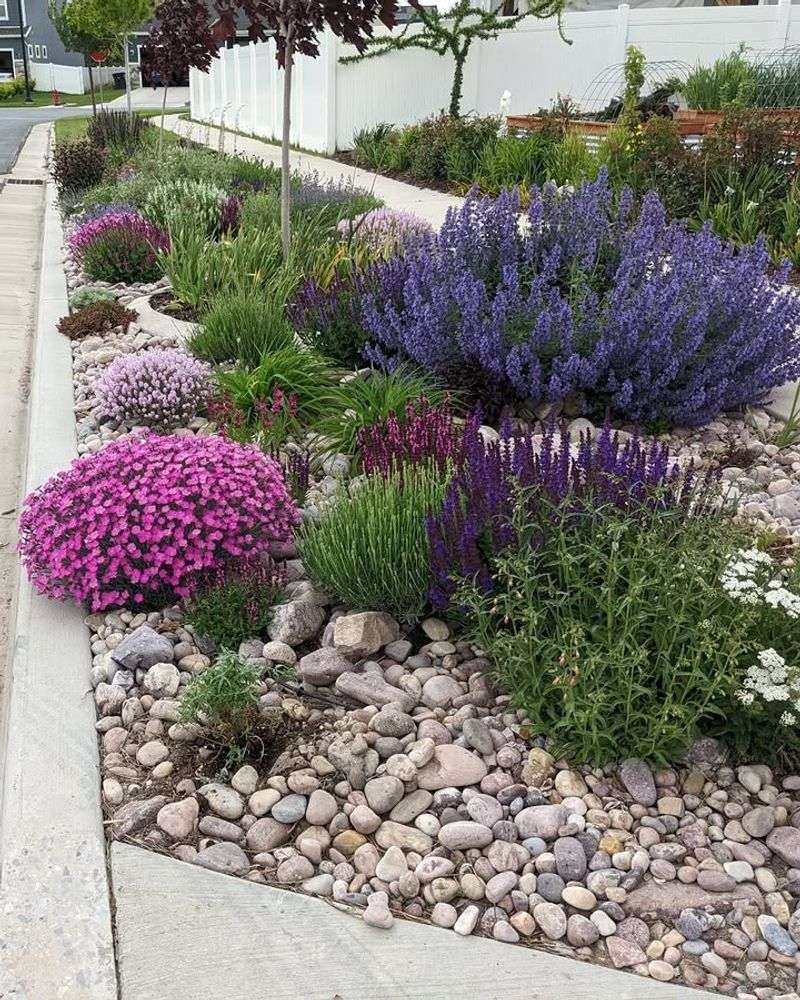
Grouping plants by their water needs, a technique called hydrozoning, is one of the smartest ways to cut water waste in any California garden.
When you mix thirsty plants with drought-tolerant ones, you end up overwatering the drought lovers to keep the thirsty ones alive. Over time, this wastes water and can actually harm the drought-tolerant plants, which prefer dry conditions between waterings.
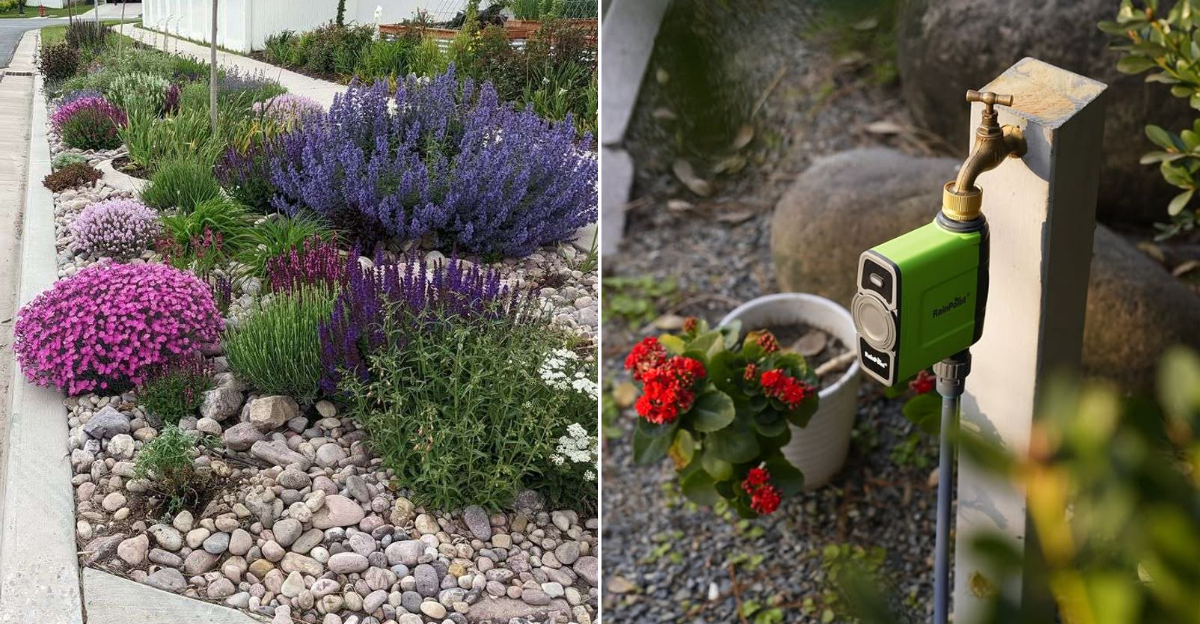
Take a weekend to rethink your garden layout. Put California natives and Mediterranean plants like lavender and rosemary together in a low-water zone.
Group vegetables and other water-loving plants in a separate area where you can give them the extra attention they need without soaking everything else.
Hydrozoning also makes irrigation design much simpler. Each zone on your drip or sprinkler system can be set to a schedule that fits the plants it serves.
This approach saves water, saves time, and makes your whole garden easier to manage through the long, dry California summer months ahead.
5. Cut Back Thirsty Lawn Areas
Lawns are the biggest water users in most California yards. A traditional grass lawn can use two to three times more water than a well-designed garden bed.
If you are serious about cutting your summer water use, looking at your lawn is the smartest place to start.
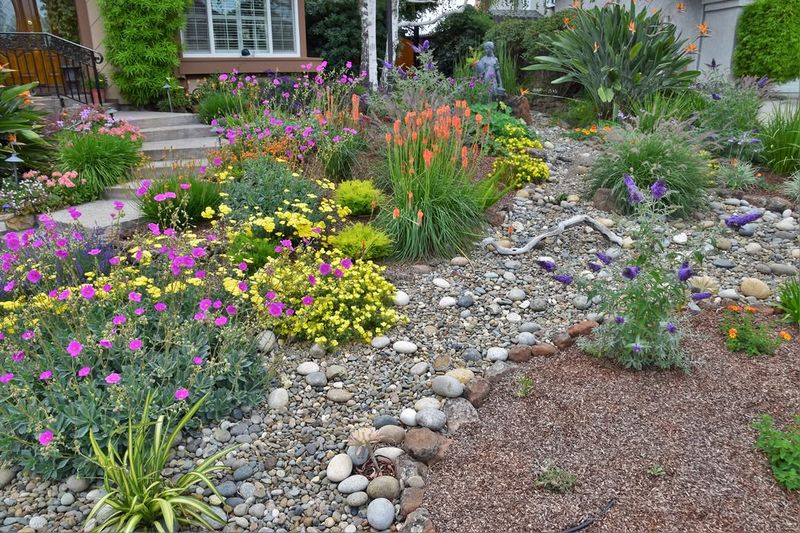
You do not have to remove your entire lawn to make a real difference. Even replacing a small section with drought-tolerant ground cover, decomposed granite, or native plants can cut your outdoor water use significantly.
Many California water districts even offer rebates when you remove lawn turf.
Consider which parts of your lawn actually get used. A strip of grass along the driveway that no one ever walks on is just burning water for no reason.
Replace low-traffic areas first and keep the spots where kids and pets actually play.
Buffalo grass and UC Verde buffalo grass are warm-season alternatives that need far less water than fescue or bluegrass. If you want to keep some lawn, switching grass types can cut irrigation needs by half.
California has been pushing lawn replacement programs for years because the water savings are real, measurable, and add up fast over a single summer season.
6. Choose Drought-Tolerant Plants
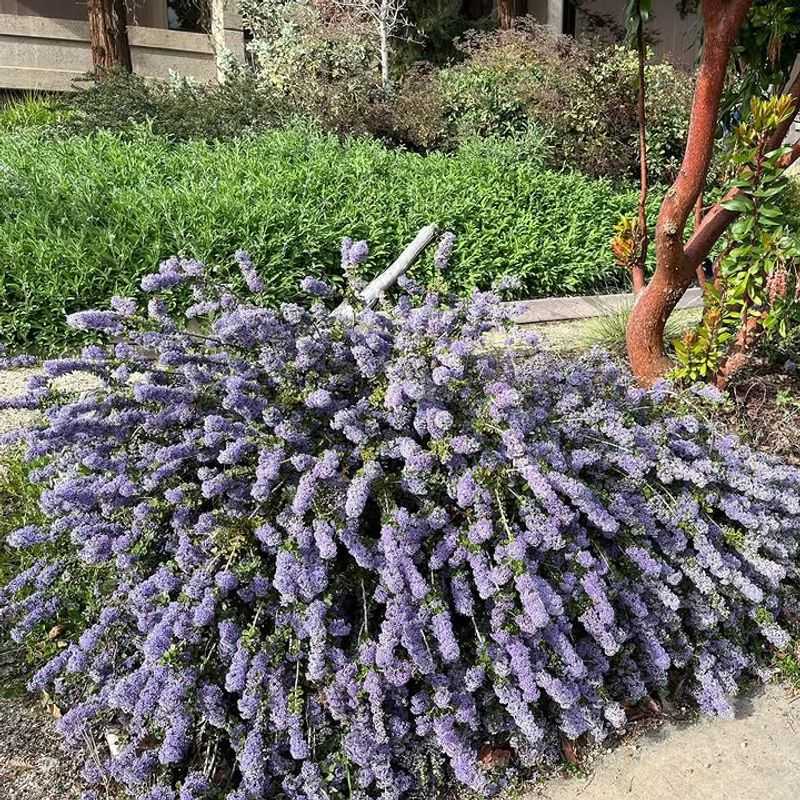
There is a common myth that drought-tolerant gardens look dry, brown, and boring. Anyone who has seen a well-planted California native garden in full bloom knows that is completely false.
The right plants can turn a water-wise yard into one of the most colorful spots on the block.
California natives like toyon, ceanothus, and California poppy are built for the state’s dry summers. They evolved here, which means they know how to handle months without rain.
Once established, many of these plants need little to no supplemental watering through the summer.
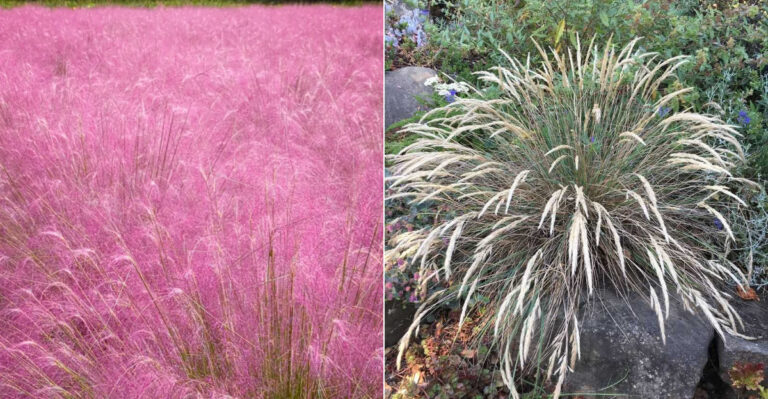
Mediterranean plants are another great choice for California gardens. Lavender, rosemary, sage, and ornamental grasses all thrive in hot, dry conditions.
They are also beautiful, fragrant, and attract pollinators like bees and butterflies throughout the season.
Plant now, before the heat of summer arrives, so new plants have time to establish roots before conditions get tough. Water new plantings regularly for the first season, then pull back as they settle in.
Choosing the right plants from the start is the most long-lasting water-saving strategy any California gardener can use, and the results get better every single year.
7. Adjust Irrigation For Summer
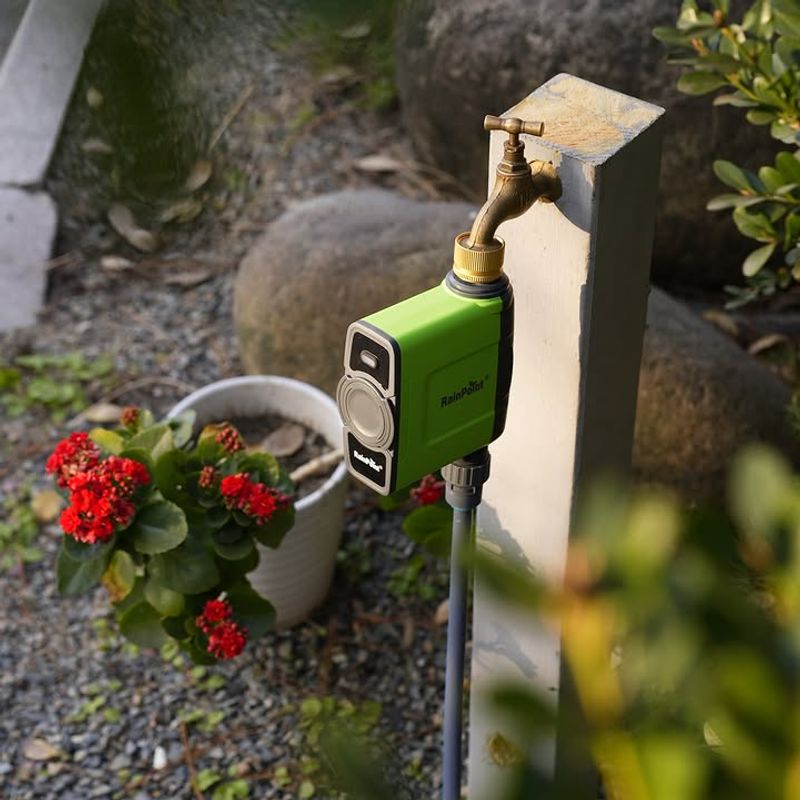
Many California homeowners set their irrigation controllers in spring and never touch them again. By midsummer, those same settings are either overwatering or underwatering, depending on how hot things have gotten.
Adjusting your irrigation schedule as the season changes is a simple habit that saves a surprising amount of water.
Most irrigation controllers have a seasonal adjustment feature that lets you increase or decrease run times by a percentage. Bumping your schedule up gradually as temperatures rise, rather than jumping to full summer settings all at once, helps you avoid both overwatering and plant stress.
Smart irrigation controllers take this a step further by connecting to local weather data. They automatically skip watering cycles when rain is expected and adjust run times based on temperature and humidity.
In California, where weather can shift quickly, a smart controller pays for itself in water savings within a single season.
Also consider switching from spray heads to drip emitters in garden beds if you have not already. Spray systems lose a lot of water to wind and evaporation, especially during warm California afternoons.
Drip delivers water slowly, right to the root zone, with almost no waste. Making this switch now sets your garden up for a much more efficient and sustainable summer ahead.