When To Prune Hydrangeas In North Carolina And Why The Type Matters
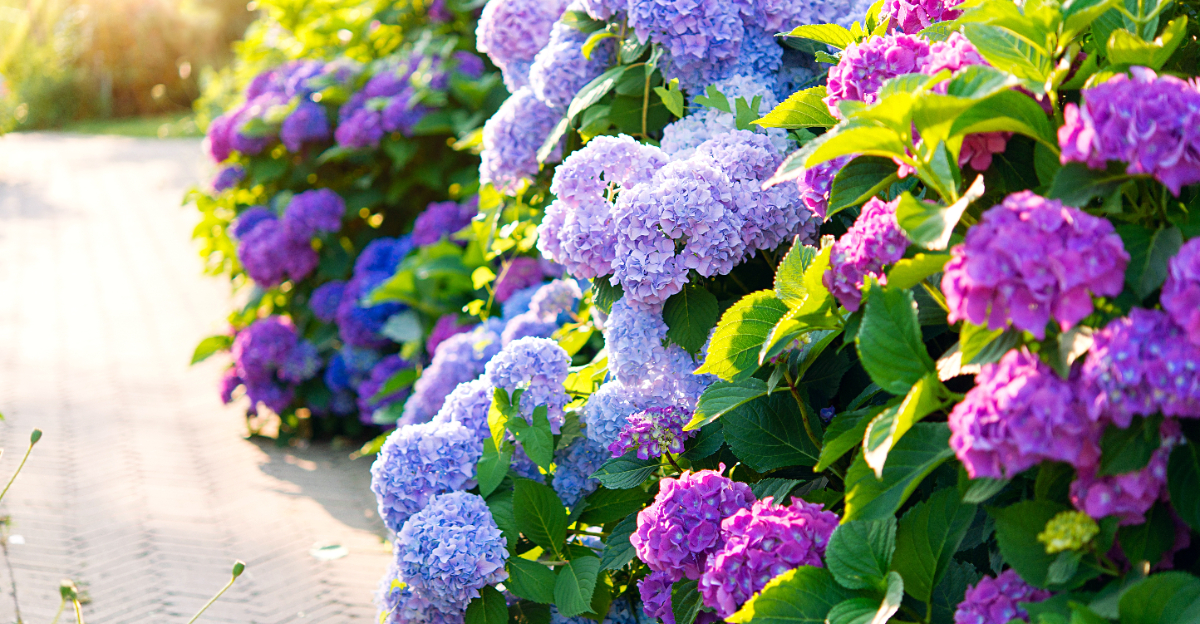
Hydrangeas are a favorite in North Carolina gardens, bringing large, colorful blooms to landscapes from the Coastal Plain to the Piedmont and into the Mountains.
But many gardeners make one simple mistake that costs them an entire season of flowers. A quick trim at the wrong time can remove the very buds that would have produced those beautiful blooms.
The reason is that not all hydrangeas grow the same way. Some varieties form their flower buds on last year’s growth, while others bloom on new growth during the current season.
Without knowing which type you have, it is easy to cut back the plant at exactly the wrong moment. Once you learn how your hydrangea grows, pruning becomes much simpler.
With the right timing, North Carolina gardeners can keep their shrubs healthy and enjoy a reliable display of blooms year after year.
1. Bigleaf Hydrangea (Hydrangea Macrophylla)
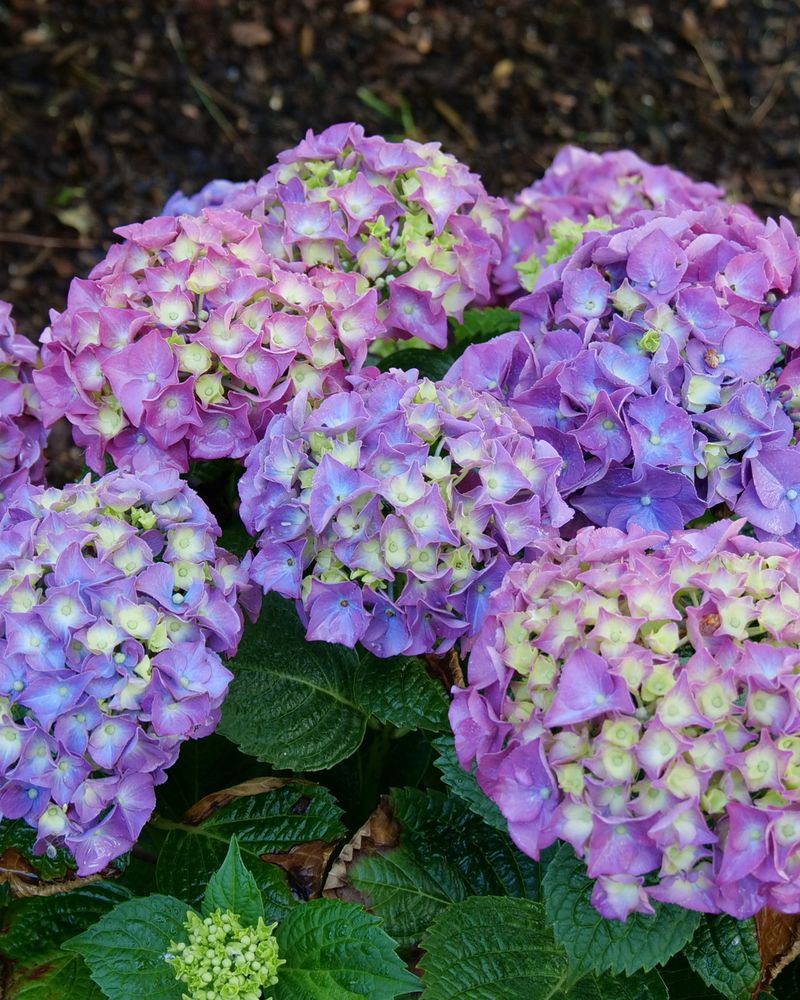
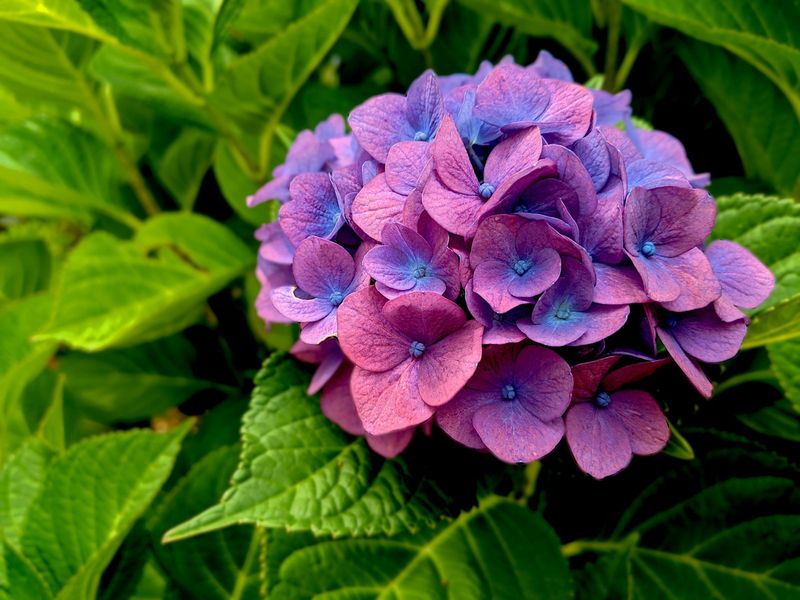
Walk through almost any neighborhood in North Carolina and you will spot the Bigleaf Hydrangea showing off its bold, round flower clusters in shades of pink, blue, and purple.
This is one of the most widely grown hydrangeas across the state, thriving in the Coastal Plain, Piedmont, and Mountain regions alike.
It is a showstopper, but it has one important rule you need to follow. Bigleaf Hydrangea blooms on old wood, meaning the flower buds form on last year’s stems over the summer and fall.
If you prune in late winter or early spring, you are cutting off those buds before they ever get a chance to open. That is why timing matters so much with this variety.
The right window to prune is immediately after the flowers fade, usually in late spring to early summer.
At that point, you can safely remove any weak or damaged branches and do light shaping without hurting next year’s blooms.
North Carolina gardeners in warmer zones like the Coastal Plain often see flowers earlier, so stay alert and act quickly once blooming wraps up.
A little cleanup right after flowering goes a long way. Remove any crossing stems and open up the center for better airflow.
Keep pruning light and purposeful, and this stunning shrub will keep rewarding you with spectacular color season after season.
2. Mophead And Lacecap Hydrangeas (Hydrangea Macrophylla)
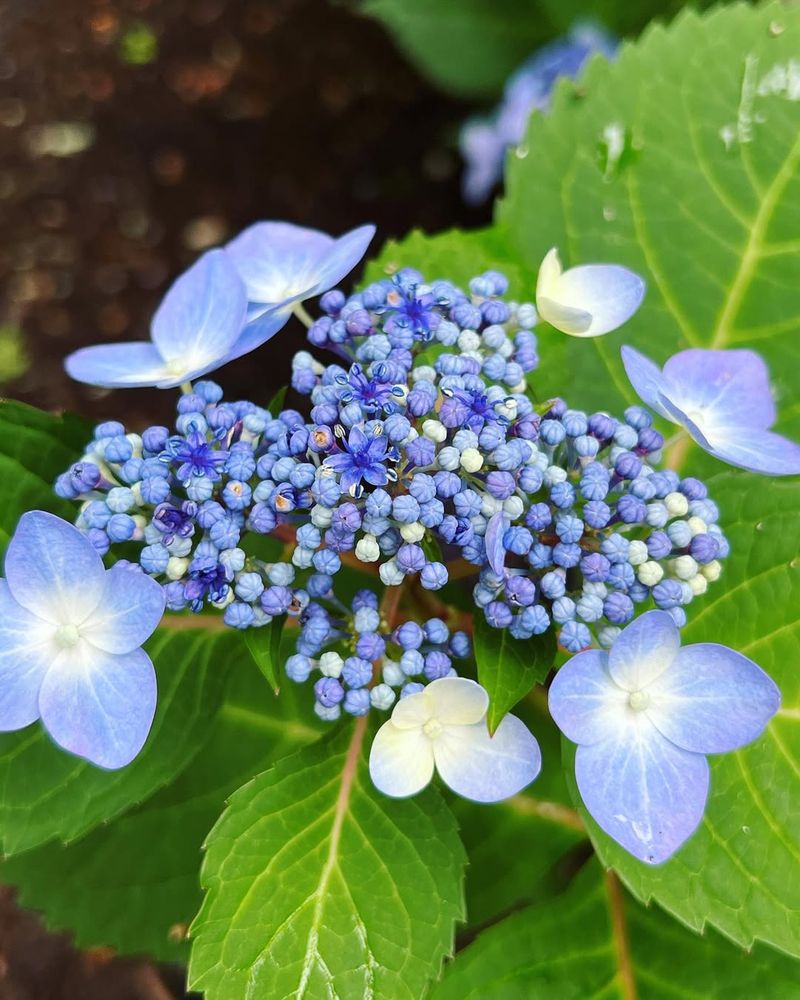
Two of the most eye-catching hydrangeas you will find growing across North Carolina are the Mophead and Lacecap varieties, and both belong to the same species: Hydrangea macrophylla.
The Mophead dazzles with big, ball-shaped blooms, while the Lacecap offers a more delicate, flat flower head with tiny inner florets ringed by showy outer petals.
Both are stunning, and both follow the same pruning rules. Just like their parent species, Mophead and Lacecap Hydrangeas bloom on old wood.
That means the buds for next summer are already forming on this year’s stems by late summer and fall.
Cutting them back in late winter feels productive, but you are actually removing the very buds that would have become your blooms.
Prune these beauties right after they finish flowering, typically in late spring or early summer depending on where you are in North Carolina.
Your North Carolina Garden Changes Every Week. Your Plan Should Too.
Gardening in North Carolina changes quickly throughout the season. Every Friday you’ll receive a simple weekly plan showing exactly what to plant, prune, fertilize, harvest, and protect so you never miss the right timing.
In the warmer Coastal Plain areas, blooming often wraps up earlier than in the cooler Mountain regions, so pay attention to your local conditions rather than following a calendar date.
When you do prune, keep it light. Remove any weak or crowded stems, trim back a few of the oldest canes to encourage fresh growth, and shape the plant gently.
Skip the heavy cutback, and these popular North Carolina favorites will fill your yard with color every summer without fail.
3. Panicle Hydrangea (Hydrangea Paniculata)
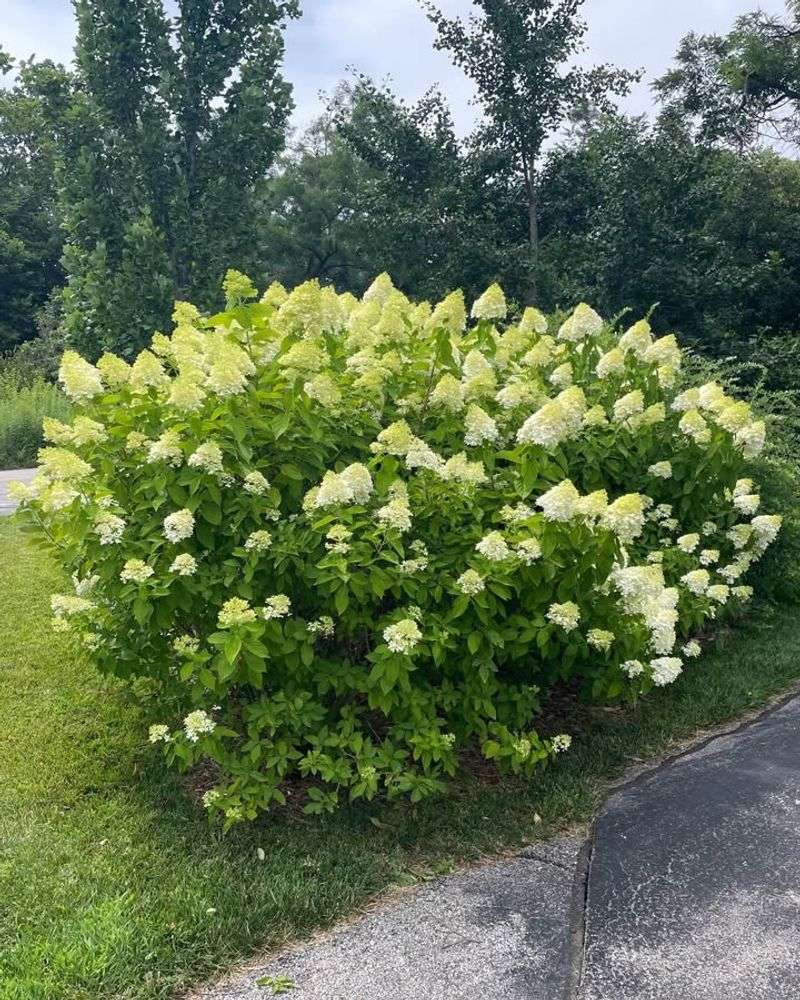
If you want a hydrangea that is nearly impossible to prune at the wrong time, the Panicle Hydrangea might be your new best friend.
Unlike most other hydrangeas popular in North Carolina, this one blooms on new wood, meaning the flowers grow on the fresh stems it produces each spring.
That one difference changes everything about when and how you should prune it. Hydrangea paniculata thrives across much of North Carolina, especially in the Piedmont and Mountain regions where it handles cold winters with ease.
Varieties like Limelight and Pinky Winky are hugely popular here, and for good reason. They grow vigorously, produce enormous cone-shaped blooms, and respond beautifully to a good late-winter pruning.
The ideal time to prune Panicle Hydrangea in North Carolina is late winter to early spring, somewhere between February and March. At that point, the plant is still dormant and new growth has not yet pushed out.
Cutting it back at this stage encourages the plant to send up strong, sturdy new stems that can support those big, dramatic flower heads later in the season.
You can prune this variety more aggressively than old-wood bloomers without any worry about losing blooms.
Cutting it back by one-third to one-half helps keep the size manageable and actually promotes larger, more impressive flowers.
North Carolina gardeners who prune Panicle Hydrangeas in late winter are almost always rewarded with a spectacular summer show.
4. Smooth Hydrangea (Hydrangea Arborescens)
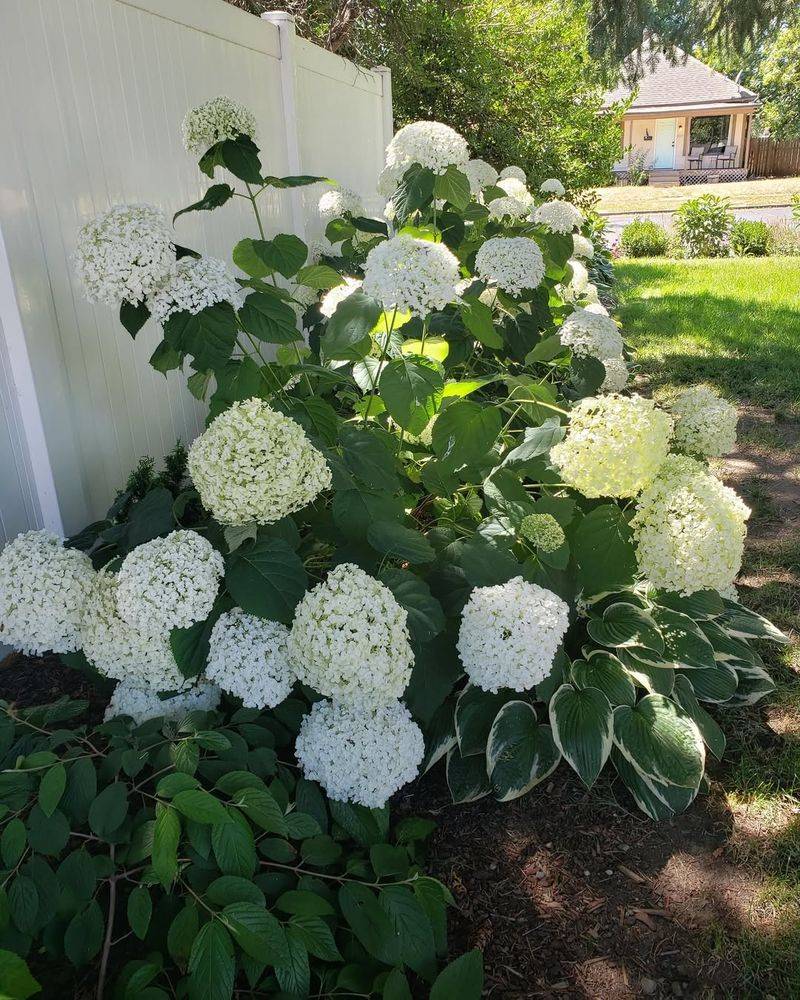
There is something wonderfully familiar about the Smooth Hydrangea. Native to North Carolina and much of the eastern United States, this shrub has been growing wild in wooded areas and along stream banks for centuries.
Today, cultivated varieties like Annabelle and Incrediball are garden favorites across the state, prized for their enormous white blooms that practically glow in partial shade.
Smooth Hydrangea blooms on new wood, just like the Panicle type, which makes pruning refreshingly straightforward.
The flowers you enjoy each summer grow on stems the plant produces in the current growing season, so removing old stems in late winter does not hurt blooming at all.
In fact, it helps. The best time to prune Hydrangea arborescens in North Carolina is in late winter or very early spring, before new growth begins to emerge.
Cutting the plant back hard at this point, sometimes all the way down to about 12 to 18 inches, encourages it to produce thick, upright stems strong enough to hold up those famously heavy flower heads without flopping over.
North Carolina gardeners who skip this yearly pruning often end up with weak, sprawling stems that bend under the weight of the blooms by midsummer.
A firm late-winter cutback solves that problem completely. Whether you grow Annabelle in full sun or a shadier spot, this annual reset keeps the plant looking tidy, vigorous, and loaded with blooms every single year.
5. Oakleaf Hydrangea (Hydrangea Quercifolia)
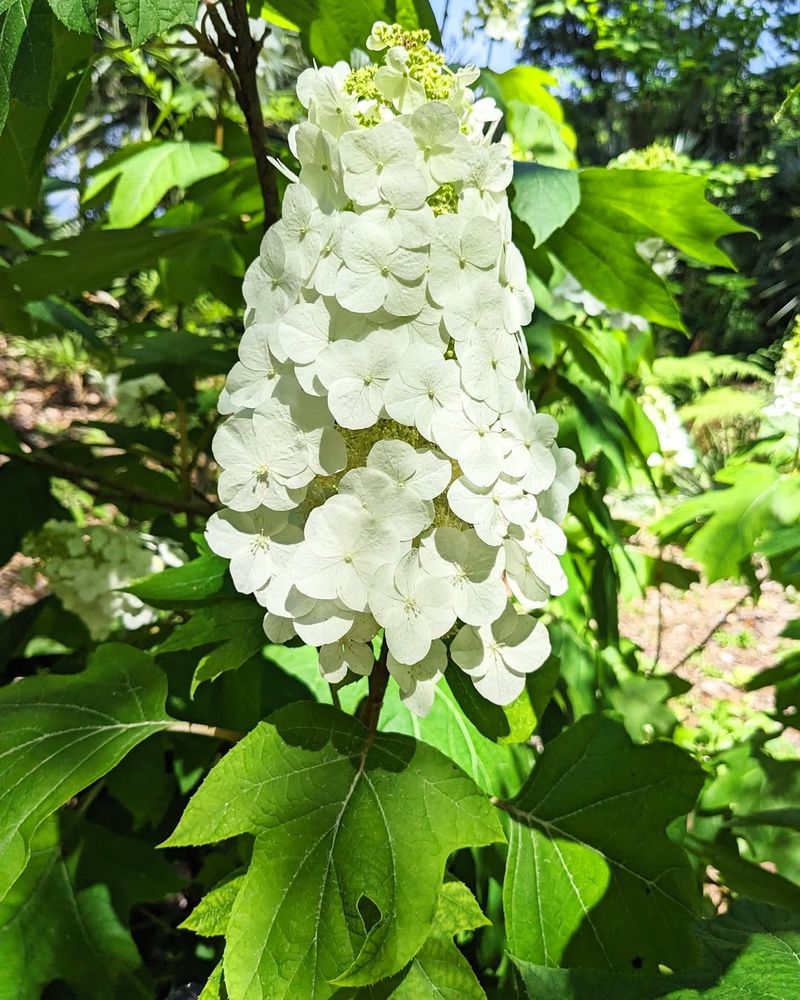
Few plants offer as much year-round interest as the Oakleaf Hydrangea, and North Carolina is lucky to have it as a true native.
Named for its deeply lobed leaves that resemble those of an oak tree, this shrub delivers not just summer blooms but also brilliant orange and burgundy fall foliage and attractive peeling bark in winter.
It is a four-season performer that deserves a spot in every NC garden. Hydrangea quercifolia blooms on old wood, so the timing of your pruning is critical if you want to see those beautiful elongated flower clusters each summer.
The buds for next year’s blooms begin forming on current-year stems after flowering wraps up, usually by late summer.
Any pruning done in late fall or early spring removes those buds before they ever get to bloom.
The right time to prune Oakleaf Hydrangea in North Carolina is immediately after flowering, which typically happens in early to midsummer.
Focus on removing any branches that cross through the center of the plant, any that look weak or damaged, and any stems that are disrupting the natural shape.
Keep the cuts minimal and purposeful. One thing North Carolina gardeners love about this shrub is that it rarely needs heavy pruning.
It naturally grows into a beautiful, layered shape on its own. A light cleanup right after blooming is usually all it takes to keep it healthy, shapely, and ready to dazzle again next season.
6. Climbing Hydrangea (Hydrangea Anomala Subsp. Petiolaris)
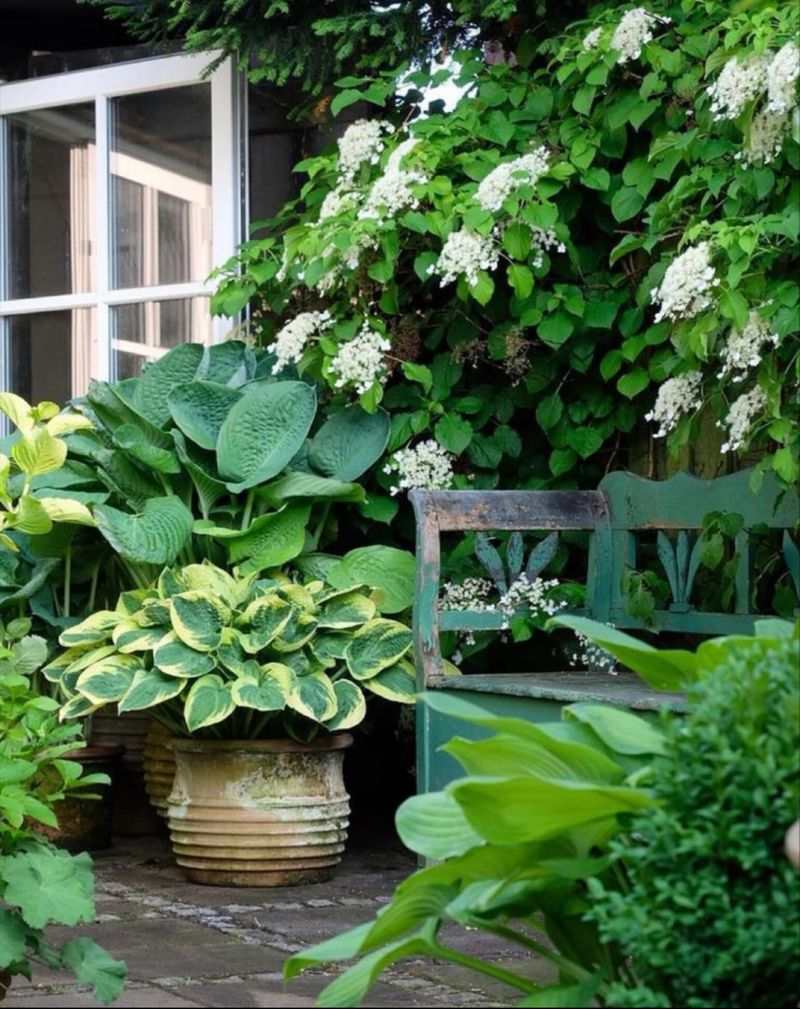
Climbing Hydrangea is the kind of plant that makes guests stop and stare.
Give it a fence, a stone wall, or a sturdy tree to climb, and it will slowly work its way upward using clinging rootlets, eventually creating a breathtaking curtain of flat, white lacecap-style blooms each early summer.
It is a patient plant that takes a few years to establish, but once it gets going, it is absolutely magnificent.
In North Carolina, Climbing Hydrangea grows best in the Piedmont and Mountain regions, where cooler winters suit its growth habits well.
Like Bigleaf and Oakleaf varieties, it blooms on old wood, meaning the flower buds develop on stems from the previous growing season.
Pruning at the wrong time strips away those buds and leaves you waiting another full year for blooms. Prune Climbing Hydrangea right after it finishes flowering, typically in early to midsummer.
This is the safest window to remove any lateral shoots that are growing where you do not want them, trim back sections that have outgrown their space, or cut away any damaged or unruly wood.
The goal is control and cleanup, not a major overhaul. Because this plant grows more slowly than other hydrangeas, avoid any heavy pruning that could set it back significantly.
Light, targeted cuts made right after blooming keep it tidy and on track without sacrificing next year’s flower buds.
North Carolina gardeners who respect its old-wood blooming habit are rewarded with a spectacular annual display year after year.
7. Hybrid And Cultivar Notes
Shopping for hydrangeas at a North Carolina nursery can feel overwhelming once you start reading the plant tags.
Words like hybrid, cultivar, and series get thrown around constantly, and it is not always clear which pruning rules apply.
The good news is that most hybrids follow the same guidelines as their parent species, so identifying the base type gets you most of the way there.
Old-wood bloomers like Bigleaf, Lacecap, Oakleaf, and Climbing Hydrangeas should always be pruned right after flowering, no matter what named variety or series they belong to.
If the tag says the plant is derived from Hydrangea macrophylla or Hydrangea quercifolia, treat it accordingly.
Pruning in late winter will cost you a full season of blooms. New-wood bloomers like Panicle and Smooth Hydrangeas, along with their cultivars, can be pruned in late winter or early spring without any concern.
Varieties like Limelight, Incrediball, and Annabelle all fall into this category and actually benefit from a firm annual cutback before spring growth begins.
Some popular reblooming hybrids, including certain varieties in the Endless Summer series, can produce flowers on both old and new wood.
For those, a light cleanup in late winter combined with a gentle trim after the first flush of blooms works well across most of North Carolina.
When in doubt, check with your local NC Cooperative Extension office for guidance specific to your region and the exact cultivar you are growing.