Why These North Carolina Spring Bloomers Outshine Forsythia And Look Good All Year
Forsythia gets a lot of attention every spring, and honestly, those bright yellow branches are hard to ignore when everything else still looks bare.
The problem is that the show lasts maybe two weeks, and for the other fifty weeks of the year you are left looking at a pretty unremarkable shrub.
North Carolina gardeners have a lot of better options available, plants that come out swinging in spring and actually continue earning their space in the landscape through summer, fall, and even winter.
The combination of a long growing season, mild winters in many parts of the state, and rich planting variety gives North Carolina yards a serious advantage when it comes to finding shrubs and perennials that deliver real, lasting beauty.
If your yard is anchored around forsythia out of habit more than preference, it might be time to see what else is out there. Some of these alternatives bloom just as boldly in spring and bring color, texture, or structure to your garden every single month of the year.
1. Dwarf Fothergilla (Fothergilla gardenii)
Imagine a shrub that puts on a fragrant spring show AND sets your yard on fire with color every fall. Dwarf fothergilla does exactly that, and North Carolina gardeners who grow it rarely look back.
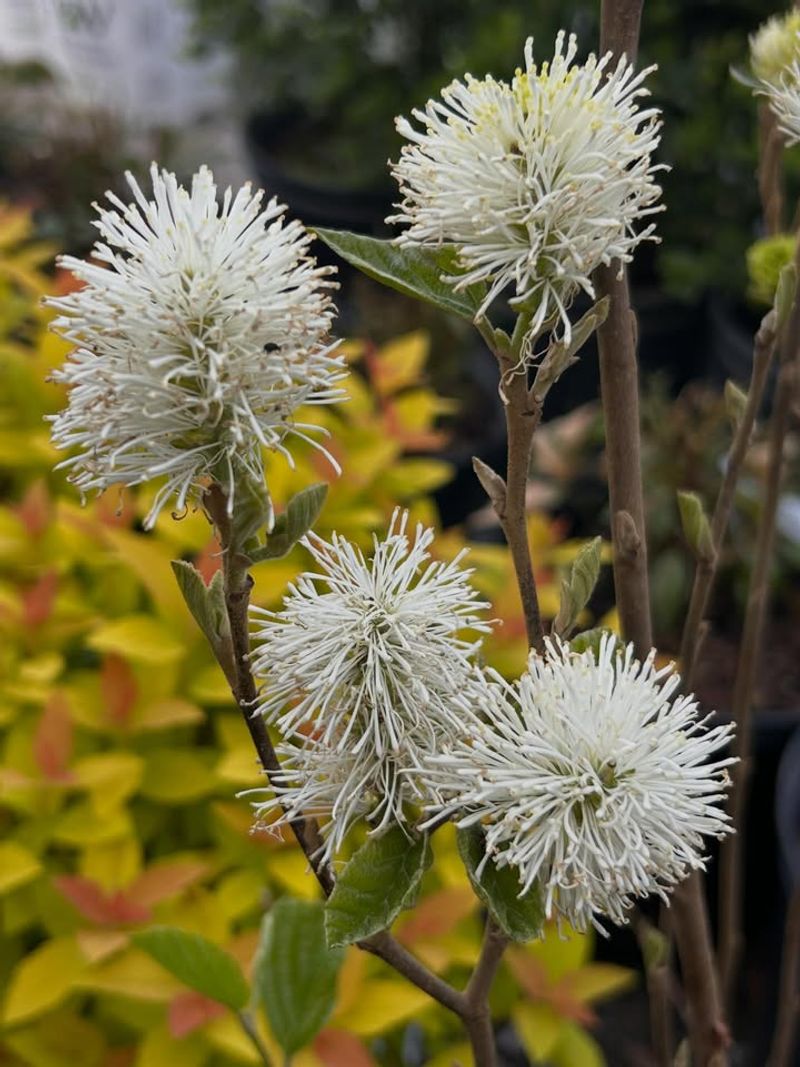
The fluffy white bottlebrush flowers appear in early spring, often before the leaves even open, releasing a sweet honey-like scent that drifts across the whole garden.
What really separates fothergilla from forsythia is what happens after spring ends. The deep green leaves hold strong through summer, giving your border a clean, tidy look without any extra effort.
Then fall rolls in, and this compact little shrub absolutely steals the show with brilliant shades of orange, red, and yellow all on the same plant at once.
Dwarf fothergilla stays small, usually reaching only two to three feet tall, so it fits perfectly in tight spaces or along walkways. It thrives in North Carolina’s Piedmont and mountain regions, preferring slightly acidic, well-drained soil with part to full sun.
Pollinators absolutely love the spring flowers, making it a smart pick for anyone who wants to support bees early in the season. Plant it where you can enjoy the fragrance up close, and you will wonder why forsythia ever got so popular in the first place.
2. Oakleaf Hydrangea (Hydrangea quercifolia)
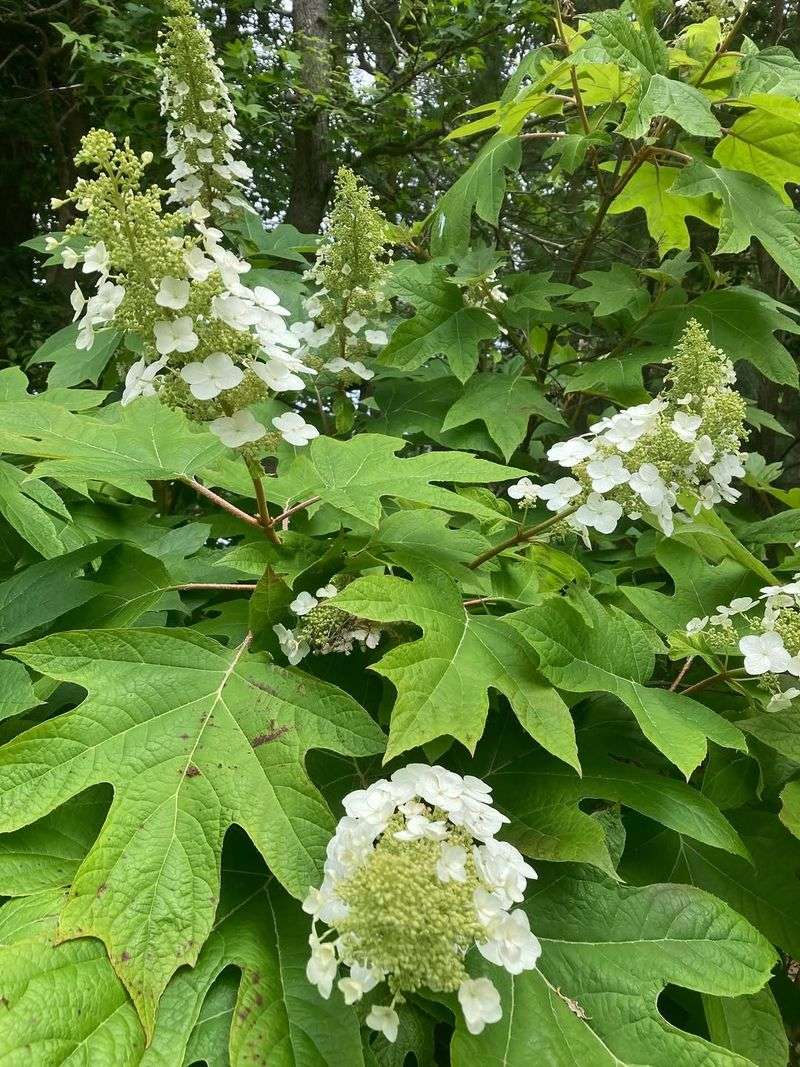
Few shrubs in North Carolina earn their space as completely as the oakleaf hydrangea. This native beauty delivers something worth looking at in every single season, which is something forsythia simply cannot claim.
Spring brings large, creamy white flower panicles that tower above the bold, deeply lobed leaves, creating a dramatic display that lasts for weeks.
As summer settles in across North Carolina, the flowers slowly shift from white to soft pink and then papery tan, holding their shape on the plant well into fall.
Those dried flower heads add wonderful texture to the winter garden and look especially beautiful with frost or a light dusting of snow.
The bark also peels naturally in winter, revealing cinnamon-brown layers that add warmth and visual interest when everything else looks bare.
Your North Carolina Garden Changes Every Week. Your Plan Should Too.
Gardening in North Carolina changes quickly throughout the season. Every Friday you’ll receive a simple weekly plan showing exactly what to plant, prune, fertilize, harvest, and protect so you never miss the right timing.
Fall foliage on oakleaf hydrangea ranges from rich burgundy to deep purple, making it one of the most colorful native shrubs you can grow in the Southeast.
It handles shade better than most flowering shrubs, which makes it perfect for North Carolina yards with large trees casting dappled light.
Mature plants can reach six to eight feet tall and wide, so give it room to spread. Once established, it tolerates summer heat and moderate drought surprisingly well, asking very little while giving back so much beauty throughout the year.
3. Spicebush (Lindera benzoin)
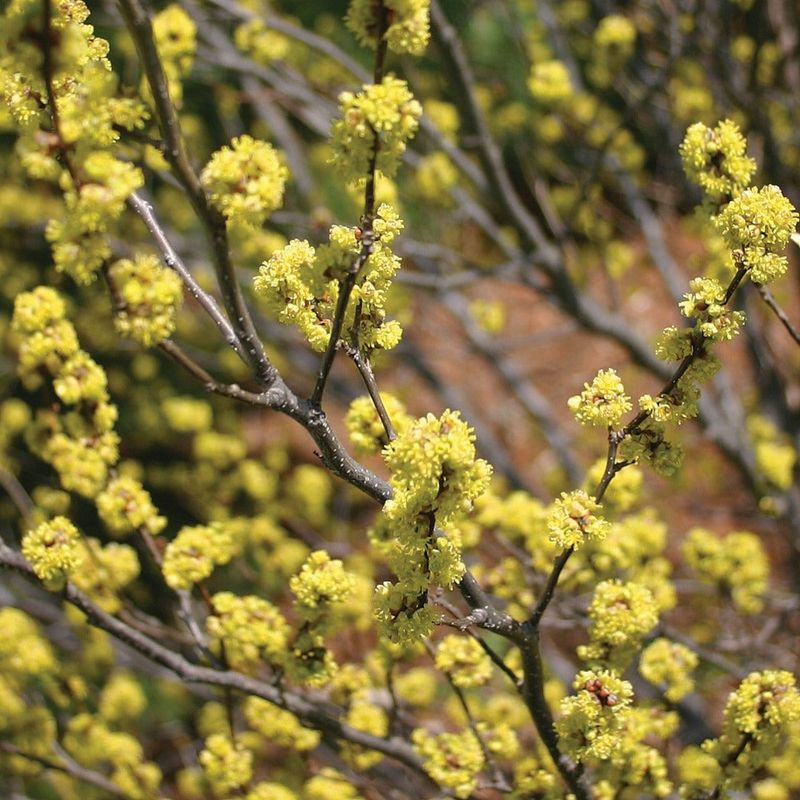
Walk past a spicebush on a warm spring morning in North Carolina and you will immediately notice something special.
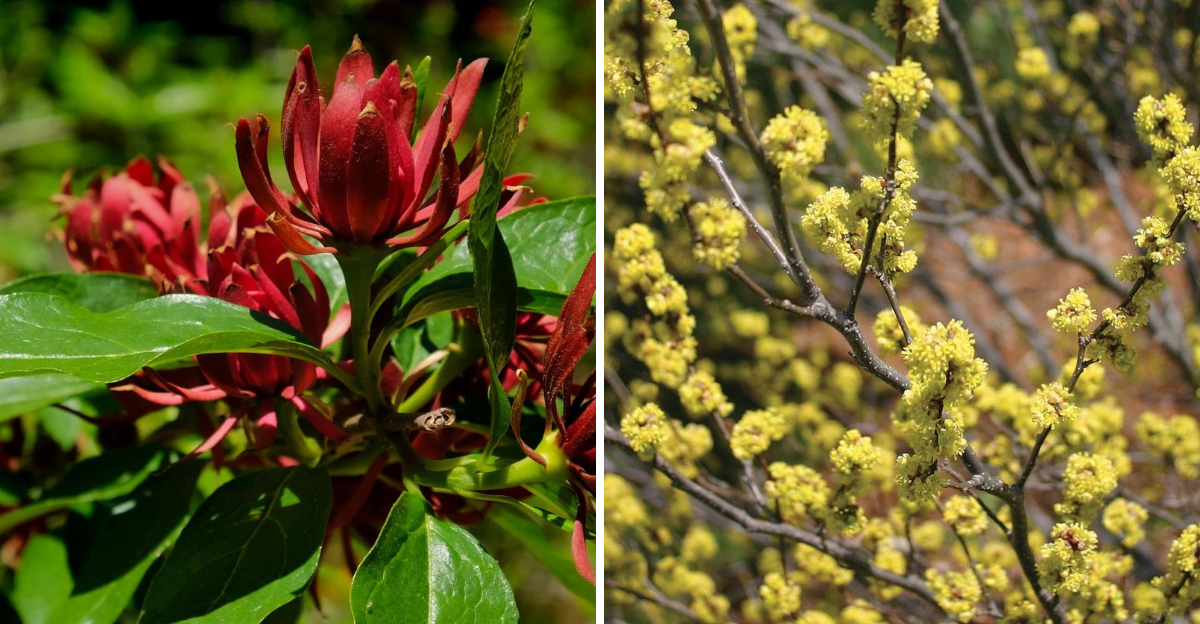
Tiny clusters of soft yellow flowers cover every branch before the leaves appear, creating a delicate golden haze that rivals any forsythia display.
But unlike forsythia, spicebush is a true native plant with deep roots in North Carolina’s forests and woodland edges, meaning it belongs here in ways an imported shrub never could.
The real magic of spicebush unfolds across the whole year. Female plants produce glossy red berries in late summer that birds absolutely go wild for, especially migratory thrushes and other songbirds fueling up for long journeys.
The leaves turn a gorgeous clear yellow in fall, and even in winter the smooth gray bark adds quiet elegance to the landscape.
Spicebush is also a host plant for the spicebush swallowtail butterfly, one of the most stunning butterflies in the eastern United States. Planting it in your North Carolina yard essentially rolls out a welcome mat for wildlife from spring through fall.
It grows naturally in moist, partly shaded spots, making it ideal under taller trees or near rain gardens. Spicebush typically reaches six to twelve feet tall, and the spicy-fragrant leaves and twigs give it a sensory appeal that no other early-blooming shrub can match.
It is genuinely one of the most underused plants in North Carolina landscaping.
4. Carolina Allspice (Calycanthus floridus)
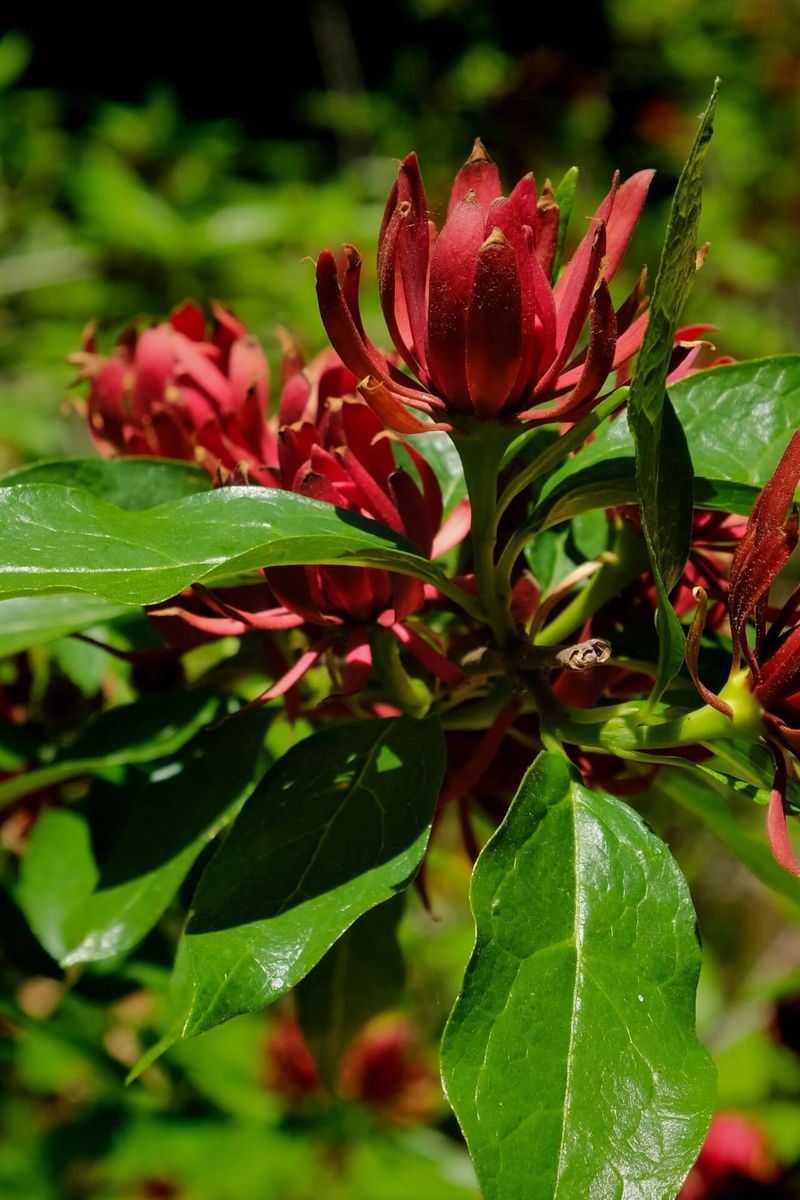
Carolina allspice has a personality all its own, and once you get to know it, you will understand why gardeners in North Carolina have treasured it for generations.
The flowers are unlike anything else in the spring garden, deep burgundy-red and almost tropical-looking, with a spicy-sweet fragrance that smells like a mix of strawberries, cinnamon, and cloves.
People stop in their tracks when they catch that scent drifting across a yard. This shrub blooms in late spring, filling the gap after forsythia has already faded and before summer fully takes hold.
The flowers keep coming for several weeks, which gives you a much longer display than the brief yellow burst of forsythia.
After blooming, the large, glossy green leaves stay lush and full through the entire summer, giving the shrub a bold, tropical look that anchors mixed borders beautifully.
Carolina allspice is native to the southeastern United States, including North Carolina, so it is naturally adapted to the region’s humidity, heat, and occasional dry spells.
It grows best in partial shade to full sun with moist, well-drained soil, reaching about six to ten feet in height at maturity.
The plant also tolerates heavy clay soils better than many ornamental shrubs, which is great news for gardeners in the Piedmont region. Crushing a leaf releases that signature spicy fragrance, making it an interactive, sensory treat every time you walk by.
5. Native Azaleas (Rhododendron canescens and Others)
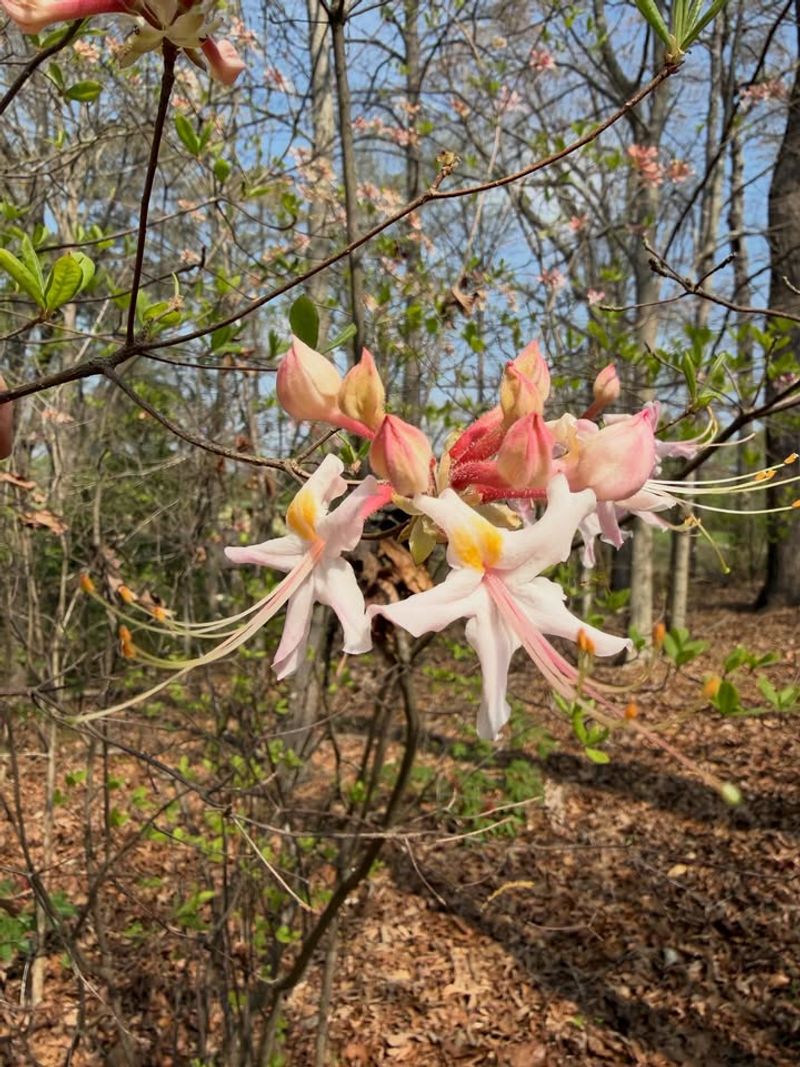
North Carolina is actually one of the best places in the entire country to grow native azaleas, and yet so many yards are still planted with forsythia instead.
Rhododendron canescens, commonly called the Piedmont azalea or wild azalea, blooms in mid-spring with clouds of soft pink flowers that carry a sweet, clove-like fragrance.
Standing near one in full bloom is a genuinely memorable experience. Unlike the common Asian azaleas seen in many landscapes, native azaleas are deciduous, meaning they drop their leaves in winter.
But that also means they often develop stunning fall foliage in shades of orange and deep red, adding a season of color that non-native azaleas simply skip.
Their open, airy structure looks naturally elegant in woodland garden settings, and they blend beautifully with ferns, trillium, and other native understory plants found across North Carolina.
Native azaleas support a wide range of pollinators, including specialist native bees and hummingbirds that are drawn to the tubular flowers.
They prefer well-drained, acidic soils with dappled shade, conditions that are common throughout the North Carolina mountains and Piedmont.
Several other native species, including Rhododendron periclymenoides and Rhododendron calendulaceum, extend the bloom season from early spring all the way into early summer.
Planting a mix of these species gives you a rolling sequence of color and fragrance that no single forsythia shrub could ever hope to match.
6. Sweet Pepperbush (Clethra alnifolia)
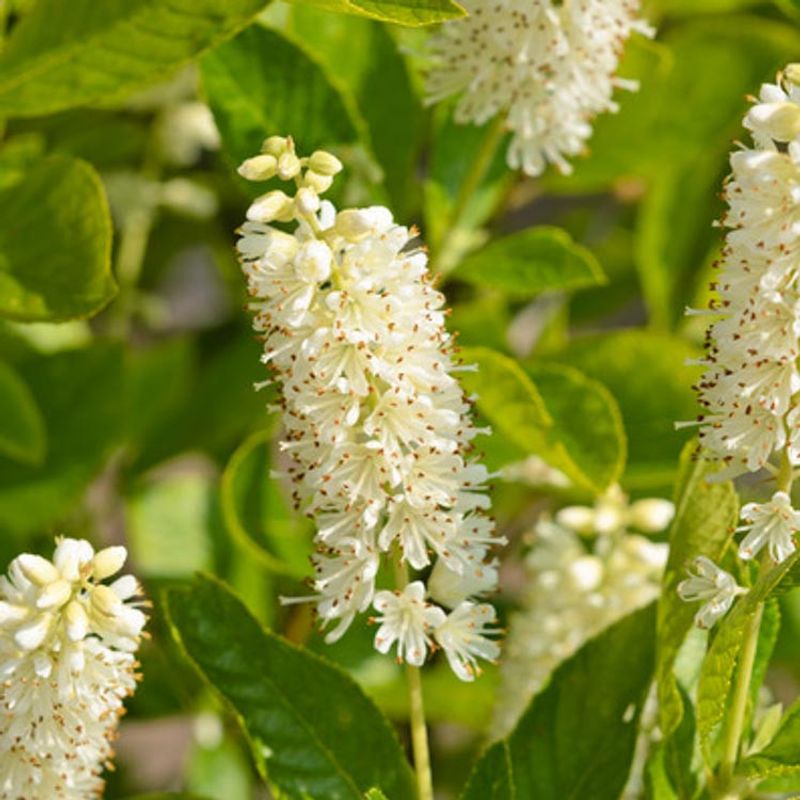
Most flowering shrubs put on their show in spring and then quietly disappear into the background for the rest of the year.
Sweet pepperbush takes a completely different approach, saving its best performance for midsummer when most other shrubs have gone quiet.
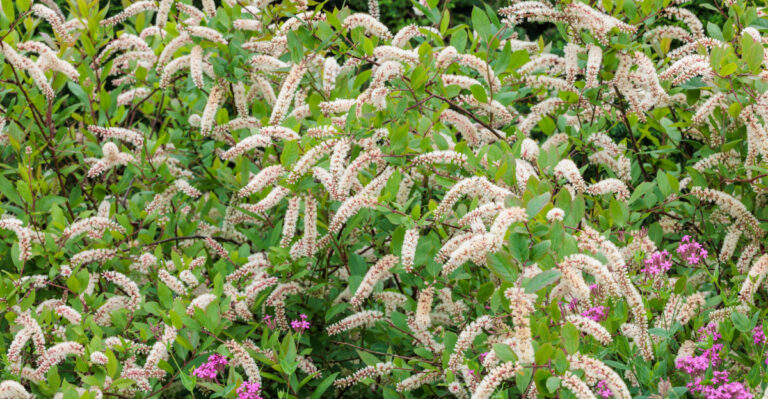
The upright white flower spikes, called racemes, open in July and August across North Carolina, filling the warm air with one of the most intensely sweet fragrances of any native shrub.
Bees and butterflies swarm sweet pepperbush when it blooms, making it one of the most wildlife-friendly plants you can add to a North Carolina yard.
Bumblebees in particular seem to find it irresistible, and watching them work the flower spikes on a sunny afternoon is genuinely entertaining.
The glossy green foliage holds up beautifully through summer heat, and in fall the leaves turn a clear, cheerful yellow before dropping.
One of sweet pepperbush’s greatest strengths is its ability to thrive in wet, poorly drained soils where many other shrubs struggle. Rain gardens, low spots near downspouts, and shaded areas along streams are all perfect homes for this adaptable native.
It grows naturally in moist woodlands and along stream banks throughout North Carolina’s coastal plain and Piedmont. Reaching about three to eight feet tall depending on the variety, it also works well in smaller garden spaces.
Compact cultivars like Hummingbird stay under three feet, making them ideal for tight urban yards.
7. Virginia Sweetspire (Itea virginica)
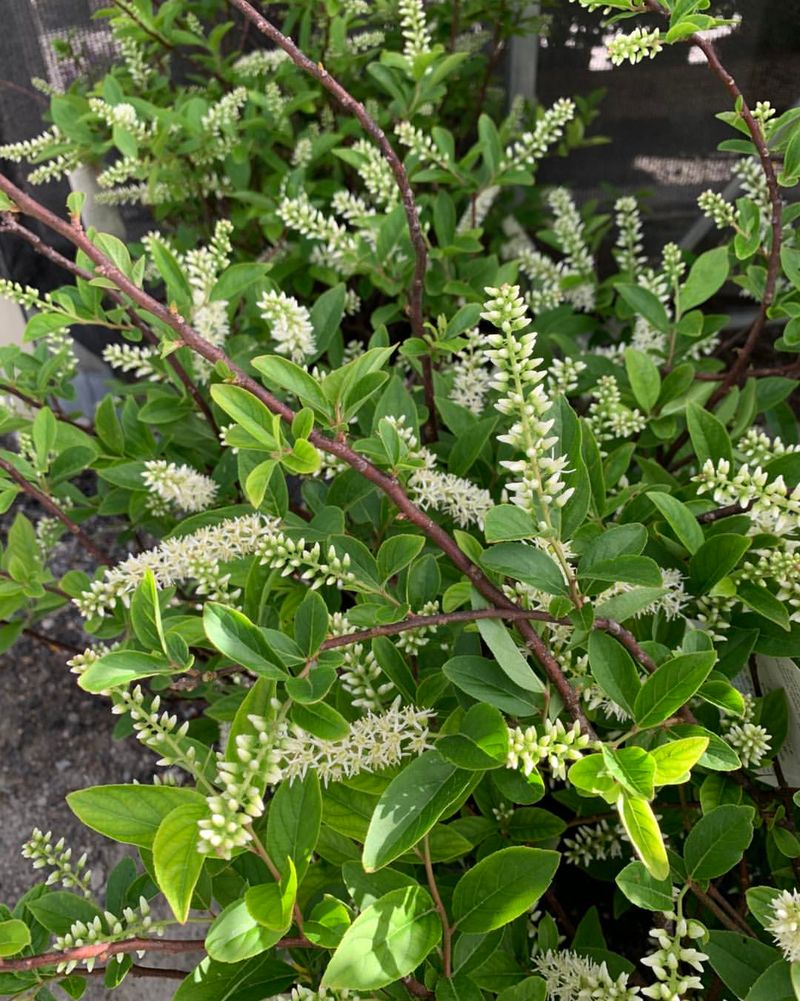
Virginia sweetspire might just be the most underappreciated shrub in North Carolina, and that is genuinely hard to understand once you see it in action.
In late spring and early summer, arching stems drip with long, fragrant white flower spikes that attract bees, butterflies, and other beneficial insects in impressive numbers.
The whole plant has a graceful, relaxed quality that feels right at home in both formal borders and casual naturalistic plantings.
When fall arrives, Virginia sweetspire puts on one of the most reliable color shows of any native shrub in the Southeast. The leaves turn brilliant shades of scarlet, orange, and burgundy, and they often hold on well into late fall or even early winter, outlasting many other deciduous shrubs.
That extended season of interest is a huge advantage over forsythia, which offers nothing memorable once spring ends.
Adaptability is another major selling point for North Carolina gardeners. Virginia sweetspire handles wet soils, clay soils, full sun, and heavy shade with equal ease, making it one of the most flexible native shrubs available.
It spreads gradually by suckers to form attractive colonies, which makes it excellent for erosion control on slopes or along stream banks. Compact cultivars like Little Henry stay under three feet tall, perfect for smaller yards.
Whether you plant it in the mountains, Piedmont, or coastal plain of North Carolina, this shrub will reward you with beauty in every season.