The Best Ways To Stop Crabgrass In Texas Before It Starts
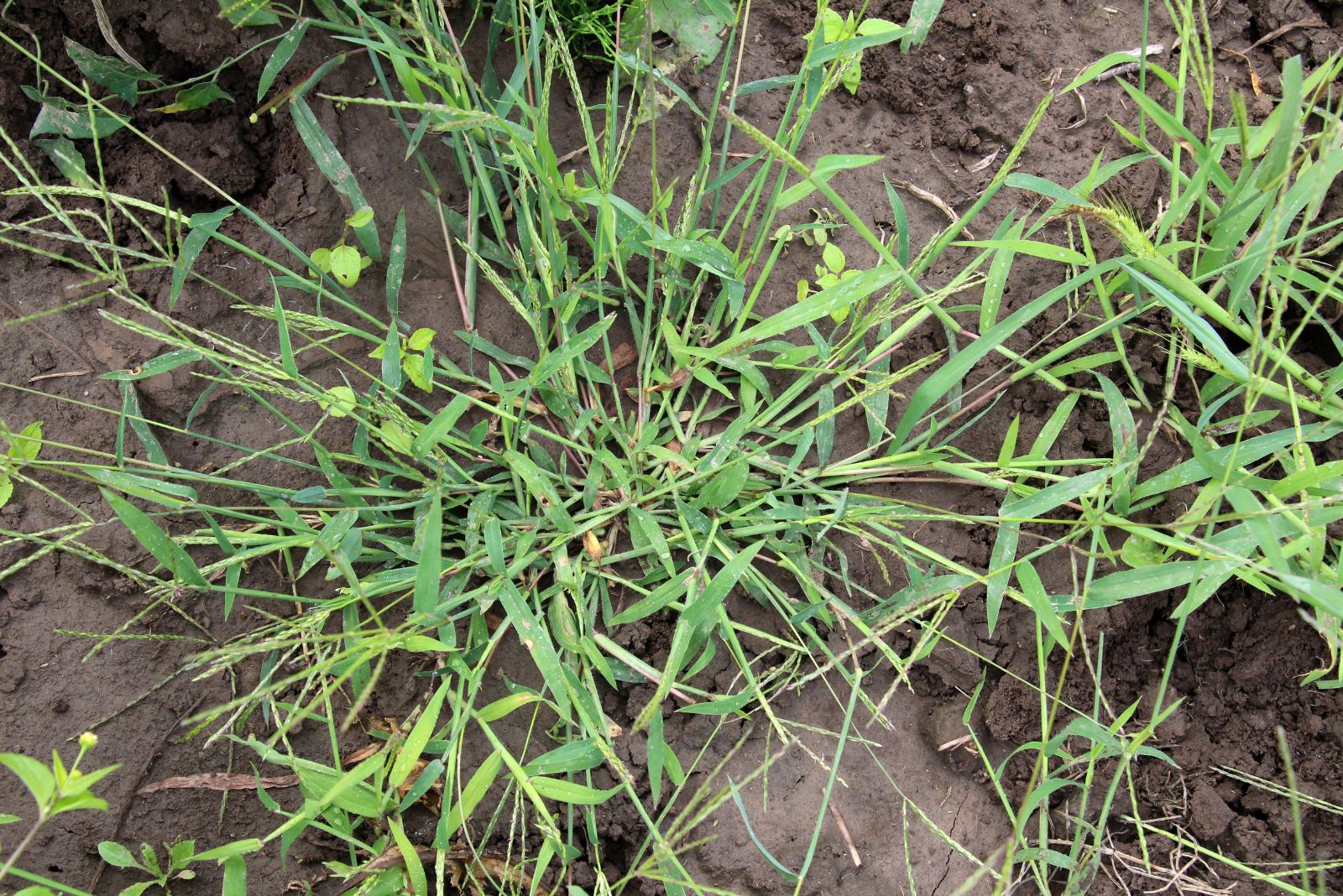
Crabgrass has a way of showing up right when Texas lawns start looking their best. One minute the grass is thick and green, and the next those coarse, fast spreading patches begin creeping across the yard.
Once it takes hold, getting rid of it can turn into a frustrating battle that lasts all summer. The tricky part about crabgrass is that it works fast.
By the time many homeowners notice it, the weed has already started spreading seeds that will cause even bigger problems later in the season. That is why timing plays such a big role in keeping it under control.
Texas weather makes prevention especially important. Warm temperatures arrive early, and crabgrass seeds are quick to wake up once the soil begins to heat.
Taking a few smart steps before that happens can make a huge difference. With the right approach, you can stop crabgrass before it has a chance to take over your lawn.
1. Why Crabgrass Is Such A Problem In Texas Lawns?
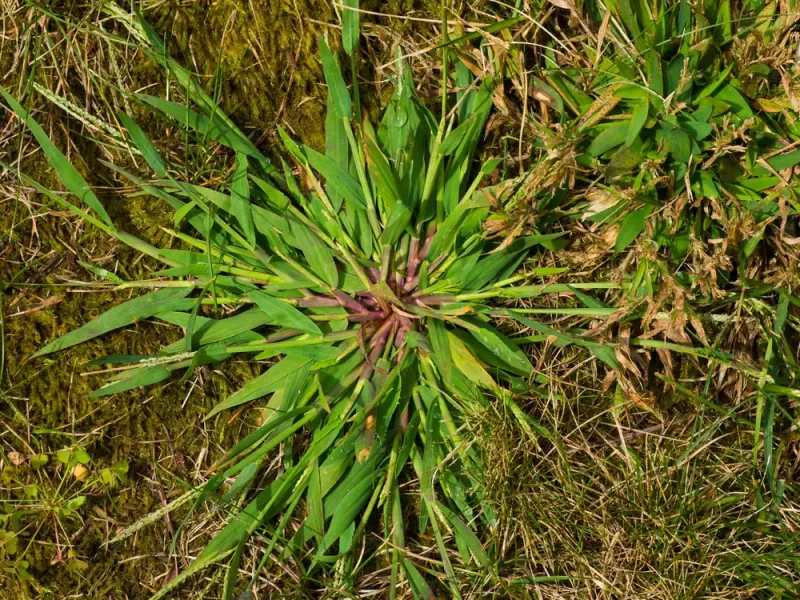
Most Texas homeowners know the frustration of watching a weed take over a lawn they have worked hard to maintain. Crabgrass is one of the worst offenders across the state, and it thrives in exactly the kind of climate Texas is known for.
Hot summers, long growing seasons, and warm soil create the perfect environment for this weed to spread fast and wide.
Crabgrass is a warm-season annual weed. That means it grows from seed every spring, matures through summer, drops thousands of new seeds in the fall, and then the whole cycle starts over again.
One single crabgrass plant can produce up to 150,000 seeds in a single season. Those seeds sit in the soil through winter just waiting for temperatures to climb back up.
In Texas, lawns are often planted with warm-season grasses like Bermuda, St. Augustine, and Zoysia.
These grasses are tough, but crabgrass competes directly with them for water, nutrients, and sunlight. When crabgrass moves in, your desirable grass loses ground fast.
The problem is even worse in areas with thin or patchy turf. Bare spots in a Texas lawn are like open invitations for crabgrass seeds to settle in and grow.
Once established, this weed spreads low to the ground and is hard to remove without damaging the surrounding grass.
Preventing crabgrass early is the smartest move any Texas lawn owner can make. Waiting until you see it growing means you are already behind. Understanding why it is such a problem is the first step toward stopping it for good.
2. When Crabgrass Begins Growing In Texas
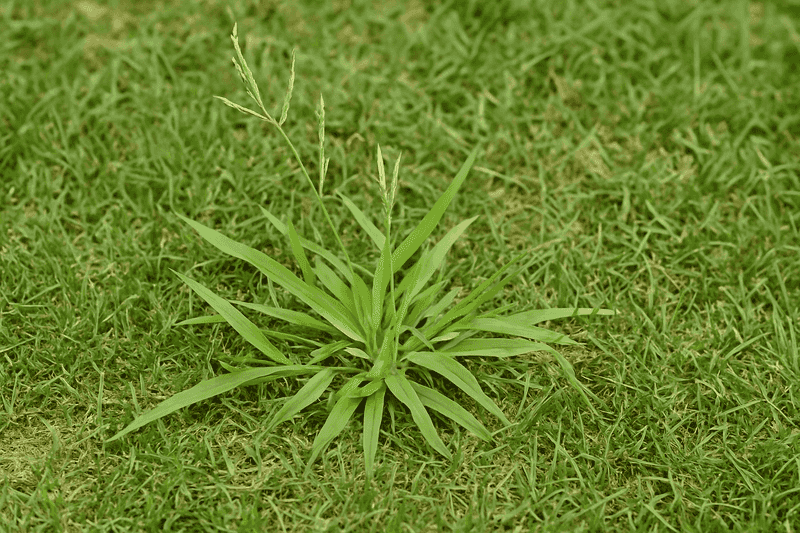
Timing is everything when it comes to stopping crabgrass in Texas. You cannot wait until you see the weed growing to take action.
By then, the seeds have already germinated and the plant has started establishing roots. Getting ahead of the germination window is the key to winning the battle before it even begins.
Crabgrass seeds start sprouting when soil temperatures reach about 55 degrees Fahrenheit for several consecutive days. In Texas, that threshold can arrive much earlier than most homeowners expect.
Your Texas Garden Changes Every Week. Your Plan Should Too.
Gardening in Texas changes quickly throughout the season. Every Friday you’ll receive a simple weekly plan showing exactly what to plant, prune, fertilize, harvest, and protect so you never miss the right timing.
In South Texas, soil temperatures can hit that mark as early as late February. In Central Texas, it is often mid-March. In North Texas, it may be closer to late March or early April.
Because Texas is such a large state, there is no single universal date that applies to every lawn. A homeowner in San Antonio needs to act weeks earlier than someone living in the Dallas-Fort Worth area.
Checking your local soil temperature is the most reliable way to know exactly when to start your prevention routine.
You can buy an inexpensive soil thermometer at most garden centers. Push it a few inches into the ground in a sunny area of your lawn and check the reading in the morning.
When temperatures stay consistently at or above 55 degrees for about a week, crabgrass seeds are ready to germinate.
Staying aware of your local soil temperature each spring puts you in control. Texas weather can be unpredictable, but your soil thermometer does not lie. Use it as your guide and you will always be one step ahead of crabgrass season.
3. Use Pre-Emergent Herbicides At The Right Time
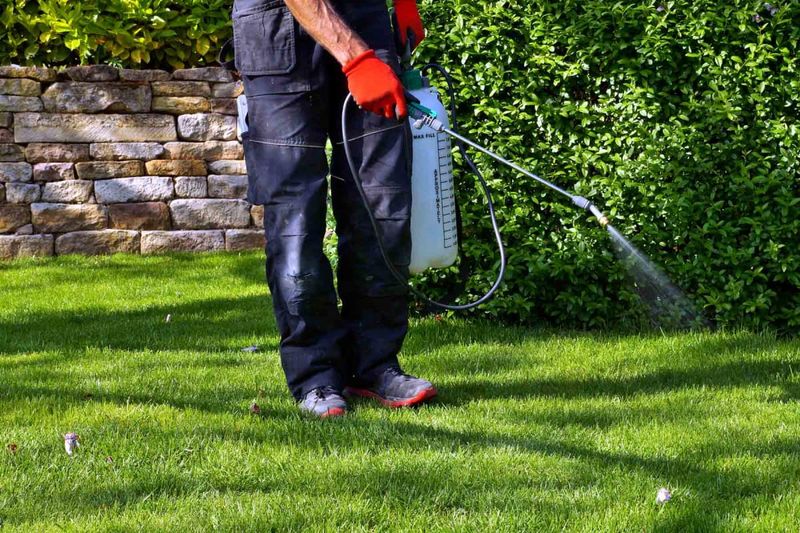
Pre-emergent herbicides are one of the most powerful tools Texas homeowners have against crabgrass. These products do not remove weeds you can already see.
Instead, they create a chemical barrier in the soil that stops crabgrass seeds from germinating in the first place. Applied correctly and at the right time, they can prevent most crabgrass problems before they ever become visible.
The key word here is timing. Pre-emergent herbicides must be in the soil before crabgrass seeds begin to sprout.
Apply them too late and they will not work. In South Texas, applications often need to happen in late February or early March.
In Central Texas, aim for mid-March. North Texas homeowners typically target late March to early April. Watching local soil temperatures, as mentioned earlier, helps you nail the timing perfectly.
There are two main types of pre-emergent products: granular and liquid. Granular options are easy to spread with a broadcast spreader and are popular with homeowners across Texas.
Liquid options can be applied with a sprayer and may offer more even coverage. Both can be effective when used correctly.
After applying a granular pre-emergent, water your lawn lightly. About a quarter inch of water helps activate the product and move it into the soil where the seeds are waiting. Without this step, the herbicide may not work as intended.
Always read the product label carefully. Some pre-emergents are not safe for use on all grass types, including certain varieties of St. Augustine.
Following label directions protects your lawn and makes sure the treatment works as expected across your Texas yard.
4. Maintain A Thick, Healthy Lawn
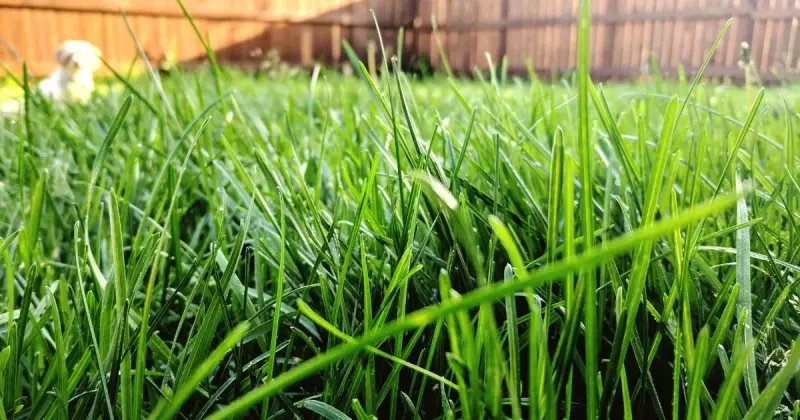
Picture a lawn so thick and full that weeds simply have nowhere to grow. That is not just a dream.
It is actually one of the best natural defenses against crabgrass in Texas. A dense, healthy lawn physically blocks crabgrass seeds from reaching the soil and getting the sunlight they need to sprout.
Mowing height plays a huge role in this. Many Texas homeowners cut their grass too short, thinking it looks neater.
But cutting grass too low exposes bare soil to sunlight, which is exactly what crabgrass seeds need to germinate. For Bermuda grass, keep your mowing height between one and two inches.
For St. Augustine, three to four inches is ideal. Zoysia falls somewhere in between at about one and a half to two and a half inches.
Fertilizing your lawn regularly also helps create that thick, competitive turf. Healthy grass grows faster and fills in bare spots more quickly, leaving less room for crabgrass to move in.
In Texas, warm-season grasses benefit most from fertilization during the spring and summer growing season. Use a slow-release fertilizer for steady, even growth without pushing the lawn too hard all at once.
Overseeding thin areas is another smart move. If parts of your Texas lawn look sparse, adding more grass seed or laying sod in those spots reduces the bare soil where crabgrass loves to settle.
A thick lawn does not happen overnight, but consistent care throughout the growing season adds up. The stronger and denser your turf becomes, the harder it is for crabgrass to find a foothold anywhere in your yard.
5. Improve Lawn Care Practices To Prevent Weeds

Some lawn care habits that seem harmless can actually make your yard more vulnerable to crabgrass. Small changes in how you water, mow, and maintain your Texas lawn can make a big difference in keeping weeds from gaining ground throughout the growing season.
Watering is one area where many Texas homeowners get it wrong. Frequent, shallow watering encourages shallow root growth in your grass.
Shallow roots mean weaker turf, and weaker turf means more openings for crabgrass to move in. Instead, water deeply but less often.
Giving your lawn about one inch of water once or twice a week encourages roots to grow deeper into the soil. Deeper roots make your grass more drought-tolerant and more competitive against weeds.
Soil compaction is another issue that often goes unnoticed until the lawn starts struggling. Compacted soil makes it hard for grass roots to grow and for water to soak in properly.
This creates thin, weak turf and bare patches where crabgrass seeds can easily settle. Aerating your lawn once a year, typically in the spring or early summer for warm-season grasses in Texas, breaks up compaction and improves overall lawn health.
Avoid mowing when your lawn is stressed from heat or drought. Cutting stressed grass too short weakens it further and creates more bare spots.
Raise your mower blade slightly during the hottest parts of the Texas summer to give your grass a better chance at staying full and strong.
Good lawn care habits work together like a team. Each practice supports the others, and together they create an environment where crabgrass struggles to survive while your desirable grass continues to thrive throughout the season.
6. Monitor Your Lawn Throughout Spring
Spring in Texas moves fast. Temperatures rise quickly, soil warms up, and before you know it, the growing season is in full swing.
Staying on top of your lawn during this busy time of year can mean the difference between a clean, weed-free yard and one that is fighting a crabgrass outbreak by June.
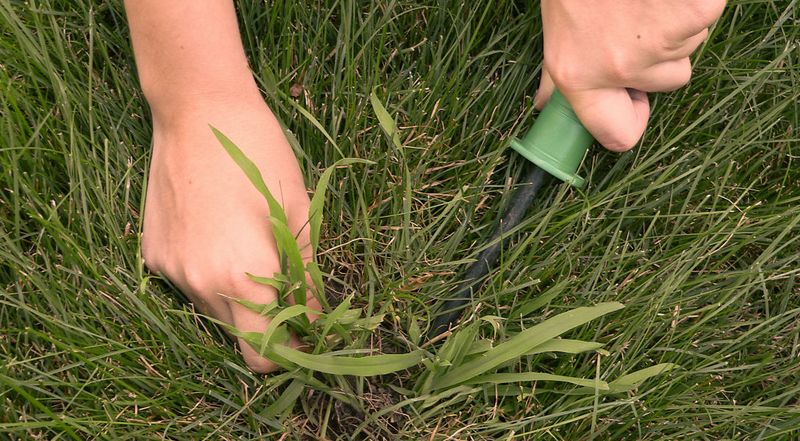
Walk your lawn regularly throughout the spring months. Look for small, light-green seedlings with wide, flat blades that look a little different from your regular grass.
Crabgrass seedlings are easy to miss at first because they blend in with the surrounding turf. Catching them early, before they have a chance to mature and drop seeds, gives you the best chance of stopping the spread.
If you spot a few early sprouts, pull them out by hand right away. Make sure you get the roots.
Leaving roots behind allows the plant to grow back. If you notice a larger patch, a post-emergent herbicide labeled for crabgrass can help, but always check that the product is safe for your specific grass type before applying it anywhere in your Texas yard.
Pay special attention to bare or thin spots in your lawn during spring. These are the areas where crabgrass is most likely to take hold.
Fill them in with fresh grass seed or sod as soon as possible. The faster you restore thick grass coverage, the less opportunity crabgrass has to spread into those open areas.
Consistent monitoring throughout spring builds good habits that carry into summer. A few minutes walking your yard each week keeps small problems from turning into big ones later in the season.