8 Native Pennsylvania Plants That Spread Faster Than You Expect
Some plants take their time settling into a garden. Others seem to wake up one morning and decide to take over the whole space.
Many native Pennsylvania plants fall into that second group, and their ability to spread quickly can surprise even experienced gardeners.
These energetic growers thrive in local soil and weather because they evolved in the region long before backyard gardens existed. Once they feel at home, they often expand through underground runners, self-seeding, or fast growing stems.
What starts as a small planting can turn into a lush patch of greenery sooner than expected.
That rapid growth can be a great thing when used in the right places. Native plants that spread well are perfect for filling empty areas, stabilizing soil, and creating natural looking landscapes that support wildlife.
At the same time, it helps to know which plants have this enthusiastic habit before adding them to a flower bed. A little planning keeps the garden balanced while still enjoying their impressive growth.
1. Canada Goldenrod (Solidago Canadensis)
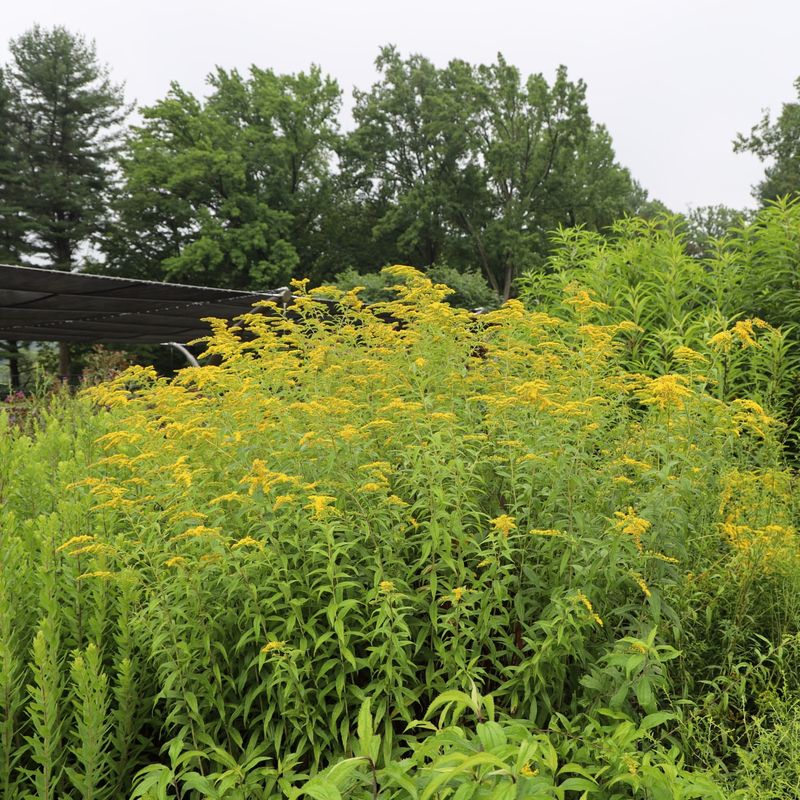
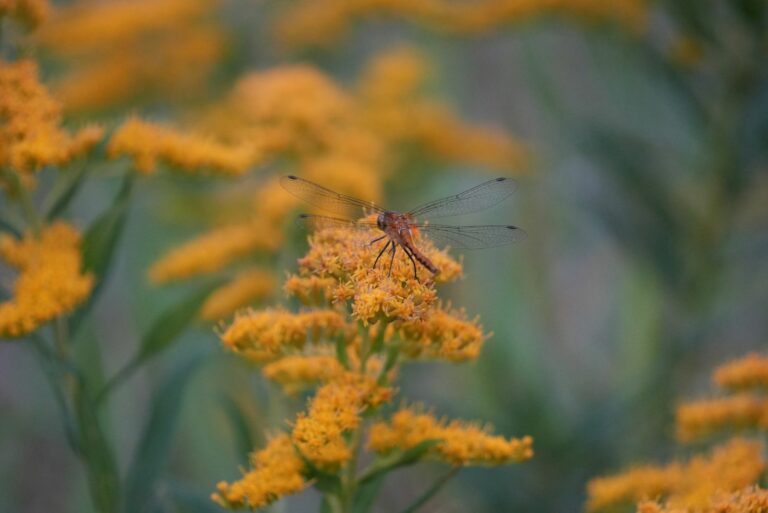
Walk through almost any open field in Pennsylvania in late summer and you will likely spot Canada Goldenrod lighting up the landscape with its bright yellow plumes.
It is one of the most recognizable wildflowers in the state, and pollinators absolutely love it. Bees, butterflies, and beetles flock to its blooms from August through October.
Here is the part that surprises most gardeners: Canada Goldenrod spreads in two powerful ways. Underground rhizomes creep outward steadily, sending up new shoots several feet away from the original plant.
On top of that, each plant produces thousands of lightweight seeds that travel on the wind. Before long, one plant becomes a dense, spreading colony.
In Pennsylvania gardens, this can be both a blessing and a challenge. If you want a low-maintenance wildflower patch, goldenrod delivers.
But if you want it to stay in one spot, you will need to act. Digging up rhizomes around the edges each spring helps control the spread.
Cutting flower heads before seeds mature is another smart move. Planting goldenrod inside a buried root barrier is also a popular trick among Pennsylvania gardeners.
Despite its aggressive nature, Canada Goldenrod is a valuable native plant worth growing thoughtfully.
2. Common Milkweed (Asclepias Syriaca)
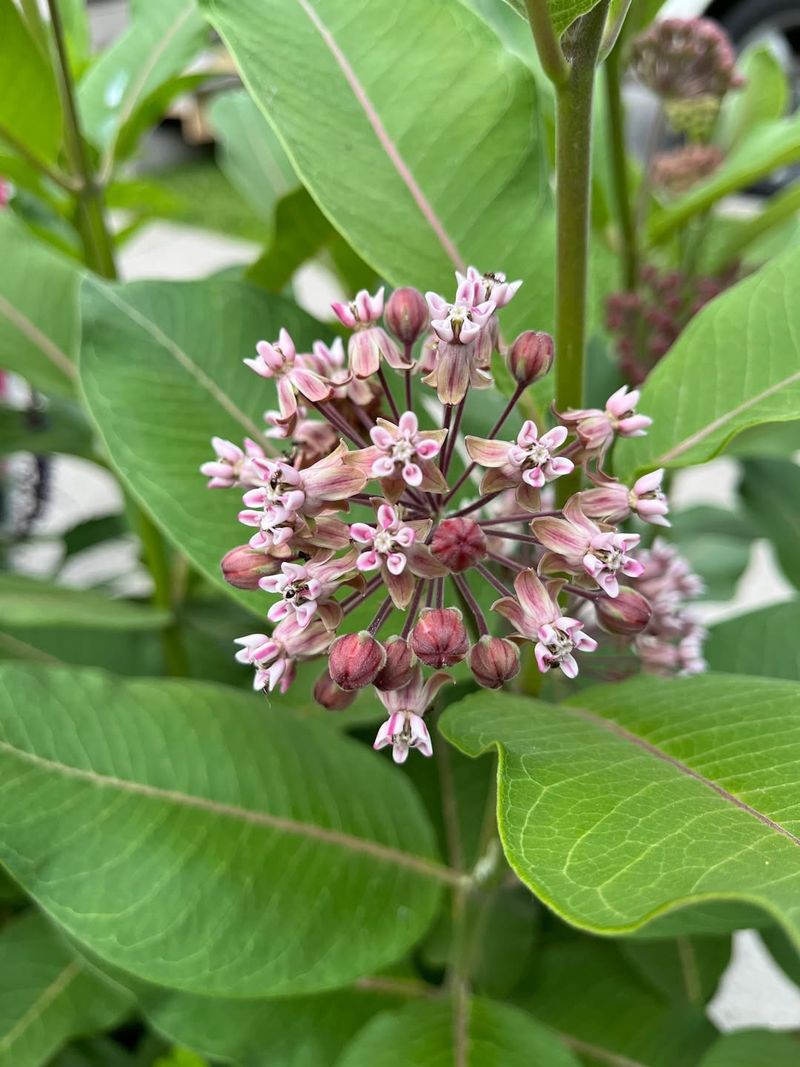
Few plants carry as much goodwill as Common Milkweed. It is the essential host plant for monarch butterflies, and watching those iconic orange-and-black wings flutter through a Pennsylvania garden is genuinely magical.
Planting milkweed feels like doing something good for the world, and it is. What catches many gardeners off guard is just how fast it spreads.
Common Milkweed sends out long underground runners that pop up as new stems several feet away from the original planting.
One small clump can become a sprawling patch within just two or three growing seasons. Add in the fluffy seeds that drift on the breeze every fall, and you have a plant that is very good at finding new territory.
Managing Common Milkweed in Pennsylvania does not have to be a battle. Mowing around the edges of your patch in early summer cuts off underground runners before they establish.
Your Pennsylvania Garden Changes Every Week. Your Plan Should Too.
Gardening in Pennsylvania changes quickly throughout the season. Every Friday you’ll receive a simple weekly plan showing exactly what to plant, prune, fertilize, harvest, and protect so you never miss the right timing.
Removing seed pods before they burst open reduces new seedlings significantly. Some gardeners grow milkweed in large containers to prevent underground spread altogether while still supporting monarchs.
If you have a larger property in Pennsylvania, letting milkweed naturalize in a dedicated corner of your yard is a wonderful wildlife-friendly choice that requires very little effort on your part.
3. Virginia Creeper (Parthenocissus Quinquefolia)
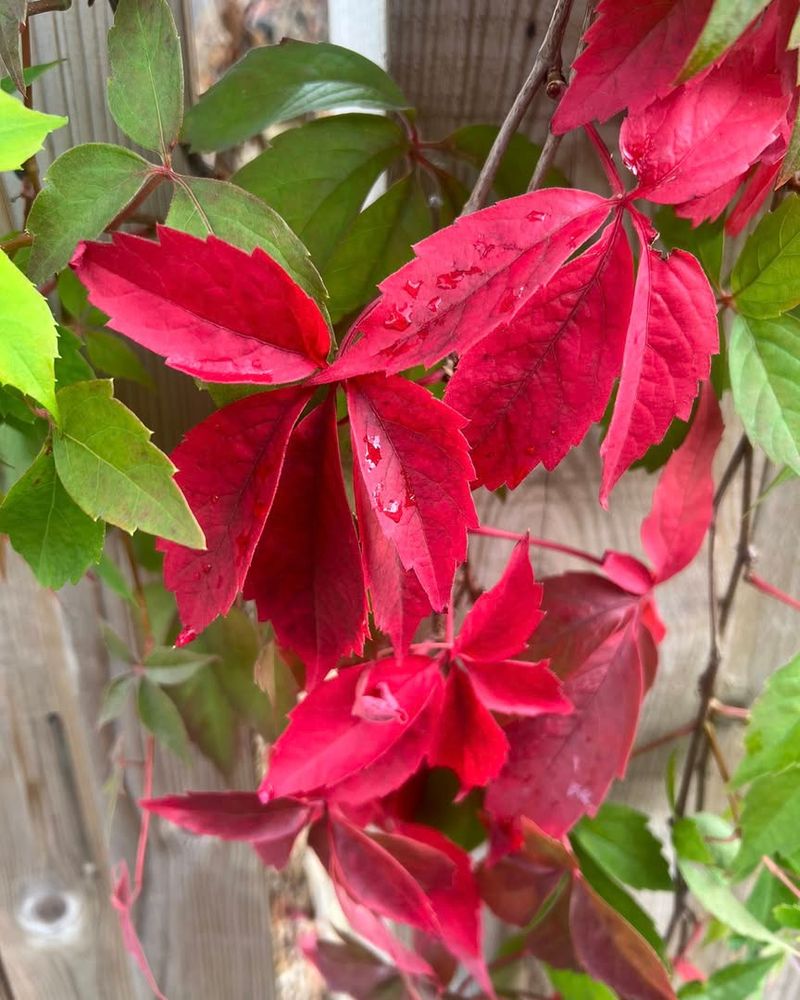
Virginia Creeper is the kind of plant that makes a house look like it belongs in a fairy tale, especially in autumn when its five-pointed leaves turn a stunning deep red.
It clings to fences, brick walls, tree trunks, and just about anything else it can reach. In Pennsylvania, it is a common sight on older homes and woodland edges.
The speed at which Virginia Creeper grows is genuinely impressive. Under good conditions, this native vine can add up to ten feet of new growth in a single season.
It spreads by both seeds and runners, and birds love the dark berries, which means seeds get dropped all over your yard and beyond. Left unmanaged, it can cover a fence completely, climb into tree canopies, and spread into neighboring properties.
Keeping Virginia Creeper in check in Pennsylvania requires regular trimming, especially in spring and summer when growth is most vigorous. Cut it back from areas where you do not want it, and pull up young seedlings as soon as you spot them.
If you want the beautiful fall color without the chaos, train it on a specific trellis and trim side shoots weekly during the growing season. Used with intention, Virginia Creeper is one of Pennsylvania’s most stunning native vines.
4. Wild Bergamot (Monarda Fistulosa)
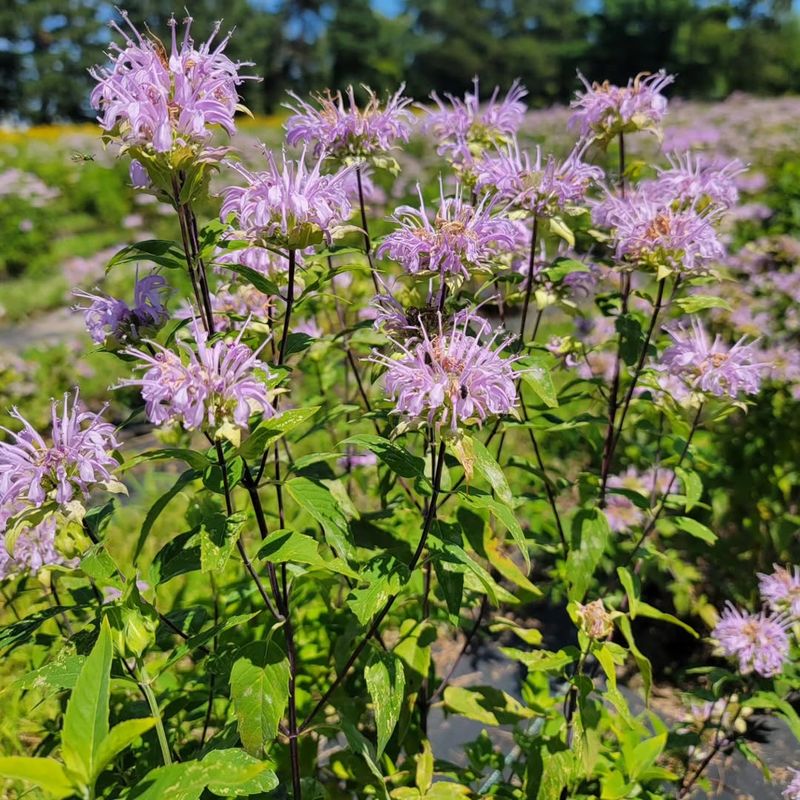
Rub a leaf of Wild Bergamot between your fingers and you get a wonderful oregano-like scent that explains its nickname, bee balm cousin. This lavender-purple beauty is a staple of Pennsylvania native plant gardens, and for good reason.
Bumblebees, hummingbirds, and many butterfly species visit its blooms throughout summer, making it a pollinator powerhouse.
Wild Bergamot spreads through underground rhizomes that push outward steadily each year. A single plant can form a clump two to three feet wide in just a couple of seasons.
Over time, that clump keeps expanding and can crowd out smaller, less aggressive neighbors. Gardeners in Pennsylvania sometimes find it popping up in unexpected spots several feet from where they originally planted it.
The good news is that Wild Bergamot is easy to control compared to some other spreaders on this list. Simply dig up the outer sections of the clump each spring before new growth gets too tall.
Dividing the plant every two to three years keeps it healthy, compact, and blooming vigorously. Sharing the divisions with neighbors or planting them in new spots is a great way to spread this lovely plant intentionally.
Wild Bergamot thrives in sunny, well-drained spots across Pennsylvania and rewards minimal care with months of beautiful blooms.
5. Sensitive Fern (Onoclea Sensibilis)
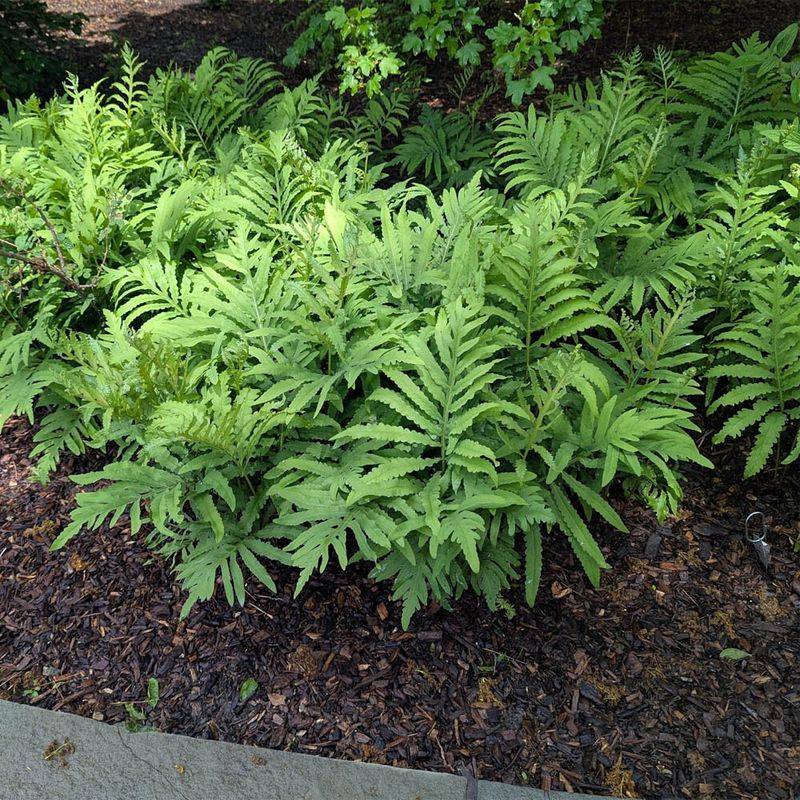
Sensitive Fern has a delicate-sounding name, but do not let that fool you. In moist, shaded spots across Pennsylvania, this native fern is one of the fastest colonizers around.
Its broad, light-green fronds can carpet a damp garden bed surprisingly quickly, creating a lush look that many gardeners actually love at first.
The spread happens underground through a network of rhizomes that branch outward in all directions. Unlike some ferns that stay politely in place, Sensitive Fern keeps pushing into new territory season after season.
It thrives in rain gardens, pond edges, and low-lying wet areas, which are all common landscape features in Pennsylvania yards. Once established, it can be quite persistent.
Managing Sensitive Fern starts with choosing the right location. Planting it in a contained area with natural boundaries like a path or a wall helps slow its spread.
If it ventures beyond those boundaries, pulling up the rhizomes in early spring before fronds emerge is most effective. A garden fork works better than a hand trowel for this job since the rhizomes run shallow but wide.
Despite its spreading habit, Sensitive Fern is genuinely useful as a ground cover in wet, shady spots where other plants struggle. It also adds interesting texture to Pennsylvania rain gardens and naturalistic landscapes.
6. Black Raspberry (Rubus Occidentalis)
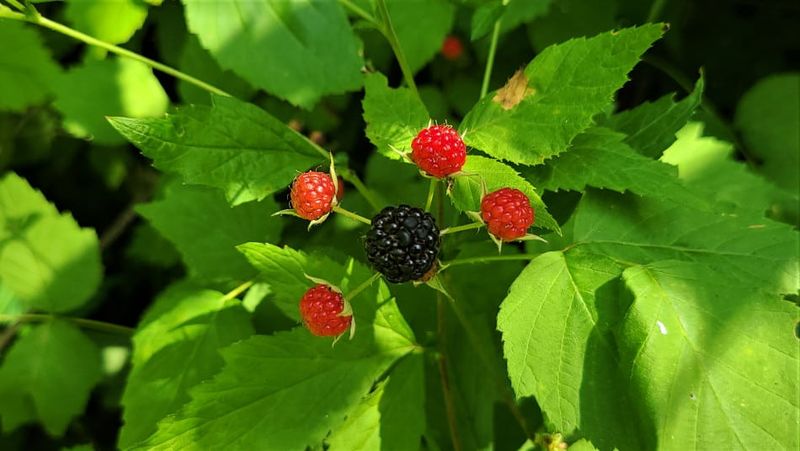
Few native plants offer as sweet a reward as Black Raspberry. Those dark, juicy berries are absolutely worth the effort of growing this native Pennsylvania shrub, and wildlife agrees.
Birds, foxes, and many insects rely on Black Raspberry as a food source throughout summer and into fall.
Here is where things get interesting. Black Raspberry spreads in a very clever way.
Its long, arching canes bend toward the ground and root wherever they make contact with the soil. This process is called tip-rooting, and it means one shrub can produce several new plants in a single growing season.
Before long, what started as a single shrub becomes a tangled thicket that can stretch across a surprisingly large area of your Pennsylvania yard.
Keeping Black Raspberry manageable takes consistent attention. Walk your garden every few weeks during summer and clip any arching canes before their tips root.
Removing unwanted seedlings in spring is also essential since birds spread seeds widely. Wearing thick gloves is a must because the canes have sharp thorns.
If you want to grow Black Raspberry intentionally in Pennsylvania, give it a dedicated patch with clear boundaries and check it regularly. The harvest of fresh berries each July makes the extra management effort completely worthwhile for most gardeners.
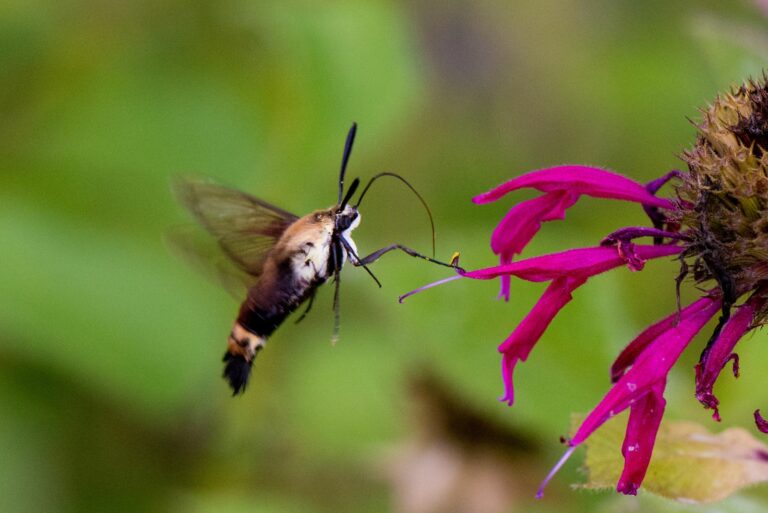
7. Bee Balm (Monarda Didyma)

Bright red flower heads that look like tiny fireworks make Bee Balm one of the showiest plants in any Pennsylvania garden.
Hummingbirds are particularly drawn to it, and watching them hover at those scarlet blooms is one of summer gardening’s great pleasures. It is no wonder so many Pennsylvania gardeners plant it with enthusiasm.
Bee Balm spreads through shallow underground runners that branch outward each season. A clump that looks modest in year one can triple in size by year three.
The center of an older clump often becomes woody and less productive, while the outer edges stay lush and vigorous. This spreading habit means Bee Balm can easily push into neighboring plants if left unchecked.
Dividing Bee Balm every two years is the single best management strategy for Pennsylvania gardeners. Dig up the entire clump in early spring, discard the woody center, and replant the healthy outer sections.
This keeps the plant blooming beautifully and prevents it from overtaking its neighbors. Bee Balm also benefits from good air circulation since it can develop powdery mildew in humid Pennsylvania summers.
Spacing plants at least two feet apart and avoiding overhead watering helps prevent this issue. With a little regular attention, Bee Balm rewards Pennsylvania gardeners with stunning blooms from June through August every year.
8. White Snakeroot (Ageratina Altissima)
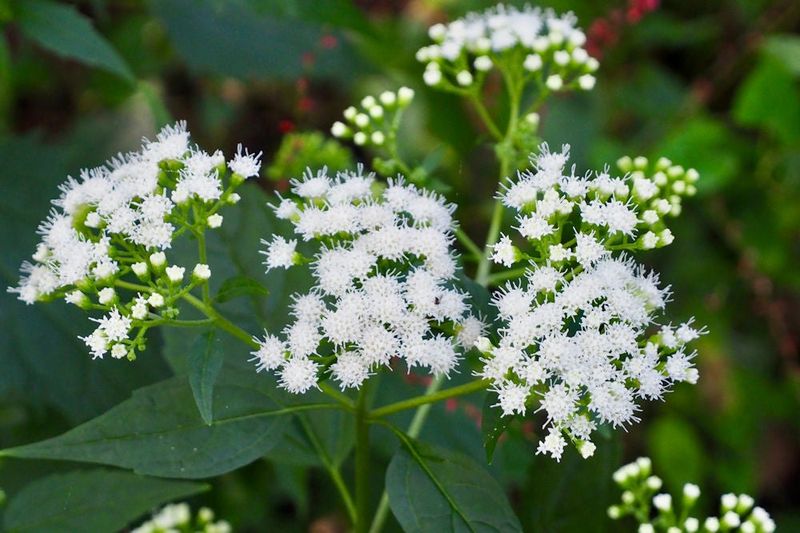
White Snakeroot has a fascinating and somewhat dark history. It was the plant responsible for milk sickness in early American settlements, including in areas of Pennsylvania, because livestock that ate it passed toxins through their milk.
Today it is appreciated as a shade garden plant, but that history is worth knowing before you welcome it into your yard.
In shaded Pennsylvania gardens and woodland edges, White Snakeroot can spread surprisingly fast. It produces masses of small white flower clusters in late summer and fall, each bloom capable of releasing feathery seeds that drift easily on air currents.
A single plant can scatter hundreds of seeds across a garden bed in one season, and those seeds germinate readily in moist, shaded soil.
Managing White Snakeroot is mostly about staying on top of seedlings. Deadhead the flowers before seeds mature in late September or early October, and you will dramatically reduce new plants appearing the following spring.
Pulling young seedlings is easy since they have shallow roots. Despite its spreading tendency, White Snakeroot has real value in Pennsylvania shade gardens where few other plants bloom so late in the season.
Its white flowers brighten dark corners beautifully and support late-season pollinators like bees and butterflies that are still active in Pennsylvania during autumn.