This Is The Biggest Mistake Pennsylvania Gardeners Make With Peonies In Spring
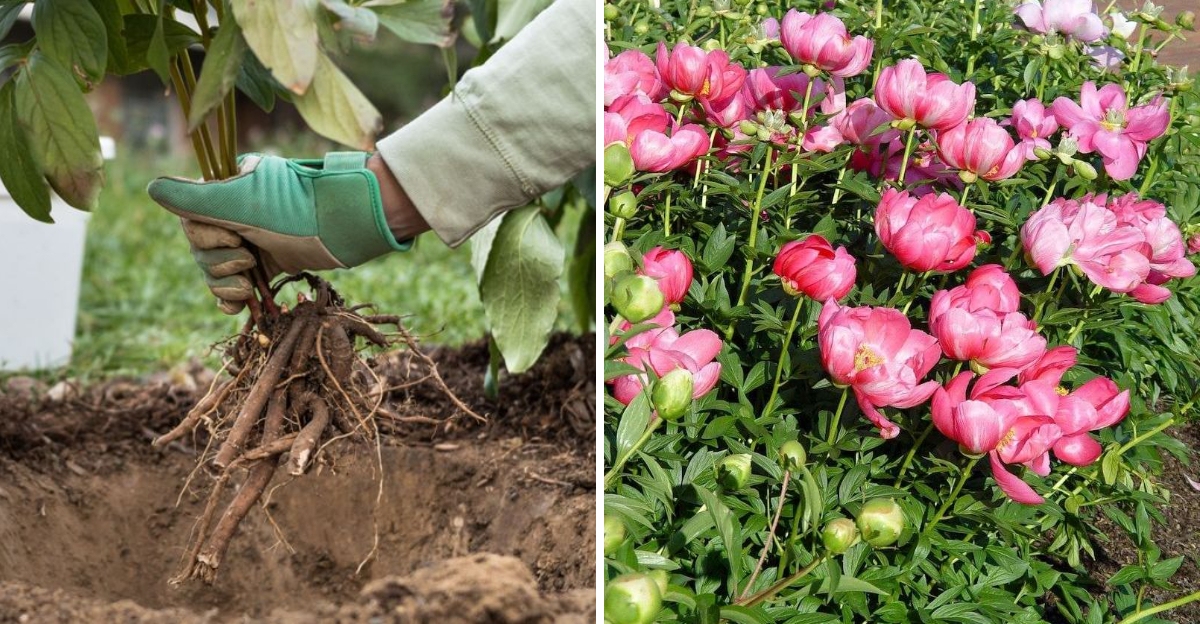
Ever wonder why your peonies look like a lush, leafy jungle but refuse to produce a single flower? It’s the ultimate Pennsylvania garden heartbreak.
These heritage beauties are famous for being indestructible, yet thousands of local gardeners find themselves staring at empty stems every June.
The “secret” usually isn’t a lack of fertilizer or a green thumb – it’s actually a matter of inches.
In our climate, the most common culprit is simply burying them too deep or suffocating the “eyes” under heavy mulch.
If you’re tired of the green-leaf-only club, let’s fix that one overlooked detail and finally unlock those massive, fragrant blooms your garden has been teasing you with for years.
1. Why Planting Depth Matters More Than You Think

Spring arrives in Pennsylvania with a burst of energy, and gardeners who have been waiting all winter are eager to get outside and tend their beds.
When it comes to peonies, though, the single most important factor in whether you see blooms each year has nothing to do with fertilizer or sunlight.
It comes down entirely to how deep those roots sit in the ground.
Peony roots need their growing buds, called eyes, positioned at just the right depth to flower reliably. In Pennsylvania’s climate, that sweet spot is roughly one to two inches below the soil surface.
Go deeper than that, and the plant redirects all its energy into foliage rather than flowers. It keeps growing, it looks healthy, and it fools you into thinking everything is fine.
Many gardeners assume deeper planting means better stability or stronger roots. That logic works for some plants, but peonies follow their own rules.
Their flowering response is closely tied to temperature changes near the soil surface, and when the buds are buried too far down, they simply do not receive the seasonal cues they need.
Understanding this one principle changes how you approach peony care entirely and can turn years of disappointment into a genuinely rewarding spring bloom season.
2. How To Find The Peony Eyes In Early Spring
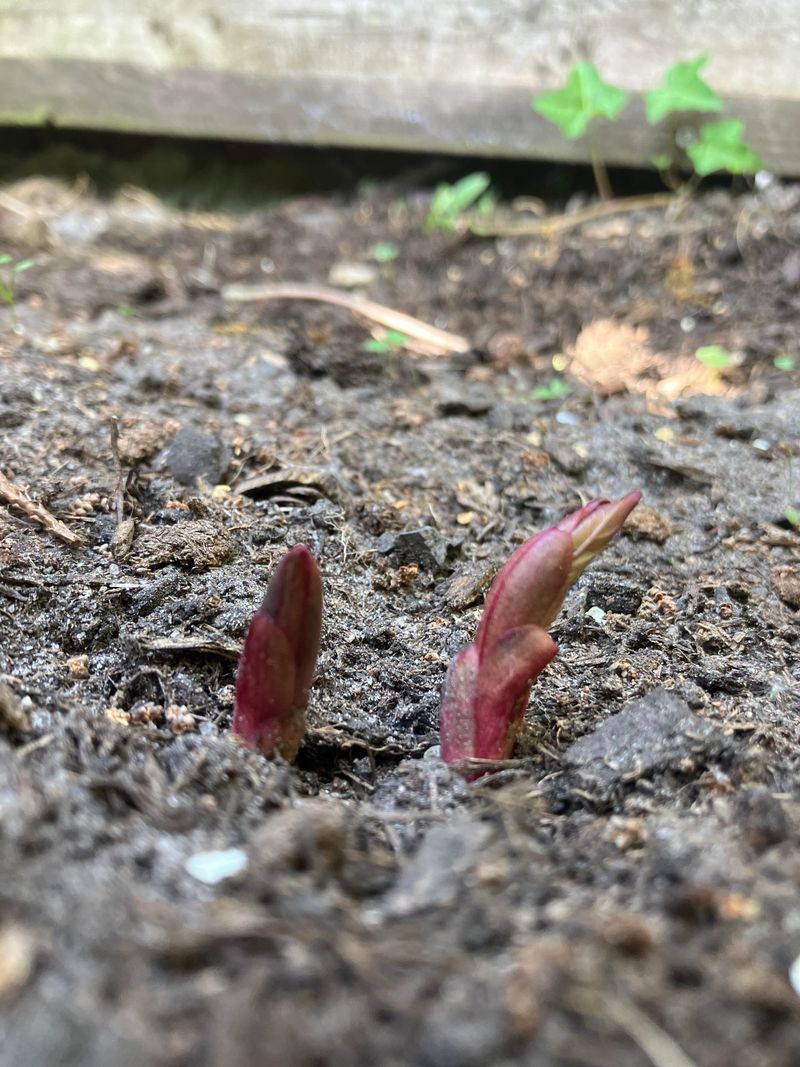
Early March in Pennsylvania brings that in-between season where the soil is just starting to soften and gardeners are watching closely for the first signs of life.
For peony growers, those first signs come in the form of small, rounded buds emerging from the crown of the plant.
These are called eyes, and knowing how to spot them is essential before doing any spring work around your plants.
Peony eyes are typically deep red or bright pink in early spring, and they look a bit like small, rounded nubs pushing up through the soil. They can be easy to miss if you are not looking carefully, especially when they first emerge and sit close to the ground.
Gently brushing away any loose mulch or debris around the crown helps you get a clear view of what is happening at soil level.
Identifying the eyes before you dig, divide, or adjust anything protects you from accidentally damaging the very buds that will produce your flowers.
Your Pennsylvania Garden Changes Every Week. Your Plan Should Too.
Gardening in Pennsylvania changes quickly throughout the season. Every Friday you’ll receive a simple weekly plan showing exactly what to plant, prune, fertilize, harvest, and protect so you never miss the right timing.
In Pennsylvania, where spring weather can shift quickly between warm spells and late frosts, checking on your peony eyes by mid to late April gives you a realistic picture of plant health.
Once you can clearly see red or pink shoots emerging, you have a reliable starting point for any care decisions you need to make going forward.
3. What Happens When Peonies Are Planted Too Deep
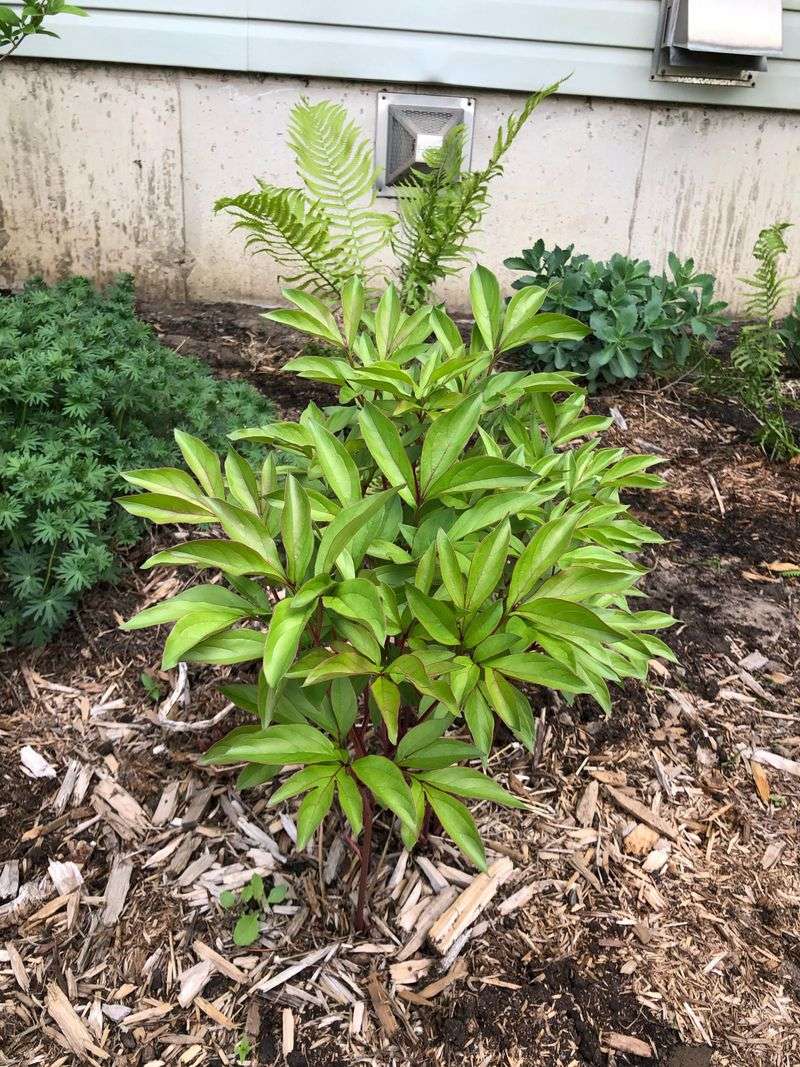
Few things are more confusing than a peony plant that looks absolutely thriving but produces no flowers. The foliage is green, the stems are strong, and yet spring passes without a single bloom.
This is one of the most common complaints among Pennsylvania peony growers, and planting depth is almost always the explanation.
When peony eyes are buried more than two inches below the soil surface, the plant puts nearly all of its resources into leaf and stem production.
Flowering requires a specific combination of factors, and one of them is proximity to the soil surface during the temperature fluctuations of early spring.
Roots planted too deep essentially miss that cue and shift into a vegetative growth pattern instead.
The frustrating part is that this problem can persist for years without the gardener realizing what is causing it. The plant is not struggling in any obvious way, which makes the issue harder to diagnose.
Some Pennsylvania gardeners assume the variety they chose is simply a slow bloomer or that their soil is the problem.
In reality, moving the crown up just a few inches can transform a non-blooming plant into one that flowers reliably each spring.
The fix is straightforward once you know what to look for, and the results are usually visible within one to two growing seasons after the adjustment is made.
4. The Right Way To Mulch Around Peonies In Pennsylvania
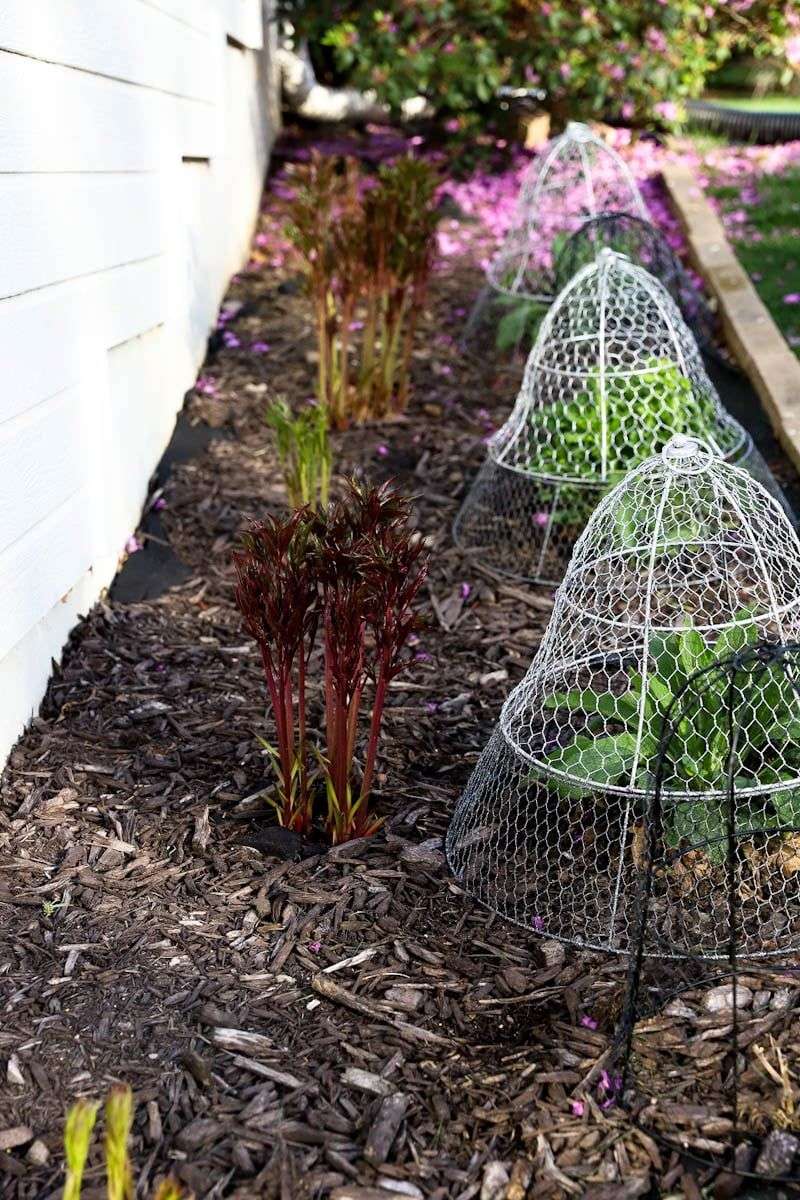
Mulching is one of those garden habits that feels universally helpful, and for most plants, it genuinely is.
With peonies, though, mulching the wrong way in spring is one of the most common reasons gardeners end up burying their plants deeper than intended.
In Pennsylvania, where late spring frosts can still occur into May, the temptation to pile on protective mulch is understandable but worth reconsidering.
The key issue is that mulch added in fall or early spring can accumulate around the crown over time, gradually raising the effective soil level around the plant.
Each year, a little more material settles in, and before long, those peony eyes that were once sitting at the right depth are now covered by an extra inch or two of organic matter.
The plant responds by shifting away from blooming.
Pulling mulch back from the crown in early spring, ideally by mid-April in most parts of Pennsylvania, allows the eyes to receive proper warmth and light cues. Keep mulch at least three to four inches away from the base of the plant.
A light layer of mulch further out toward the dripline can still help retain soil moisture and manage weeds without interfering with the crown.
Getting this balance right makes a noticeable difference in bloom production without requiring any major changes to your overall garden routine.
5. How To Fix Peonies That Are Not Blooming Well
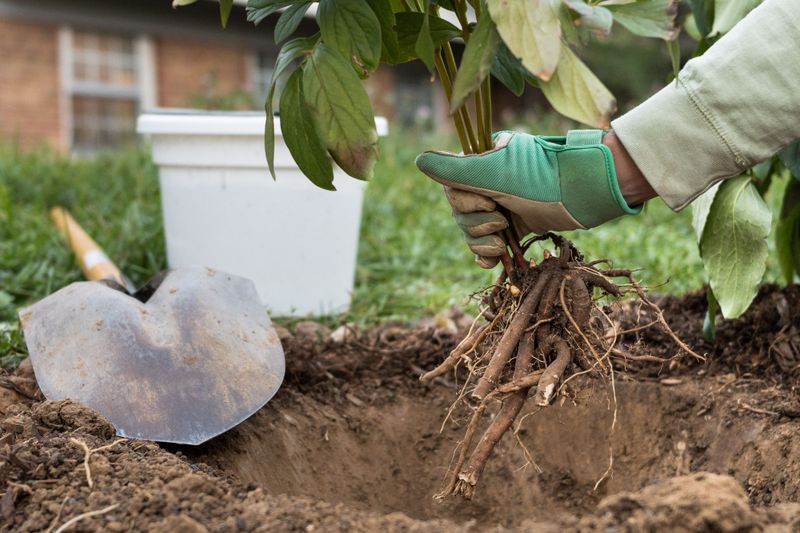
Realizing your peonies have not been blooming because of planting depth is actually good news, because it means the fix is within reach.
Many gardeners expect the solution to be complicated, but adjusting a peony’s depth is something most home gardeners can handle with a little patience and the right timing.
Start by confirming that depth is likely the issue.
If your plant has been producing healthy foliage for two or more years with few or no blooms, and the soil around the crown has been mulched heavily or has settled over time, depth is a reasonable suspect.
You can gently probe around the crown with a small trowel to estimate how deep the eyes currently sit.
In Pennsylvania, the most practical window for making this kind of adjustment is late summer to early fall, roughly late August through September.
At that point, the plant has finished its growing season but still has time to settle into its new position before the ground freezes.
When repositioning, aim to set the eyes no deeper than one to two inches below the soil surface. Water the plant in well after replanting and avoid heavy mulching directly over the crown.
Most peonies respond positively to this adjustment within the following one to two bloom seasons, rewarding your effort with the flowers you have been waiting for.
6. When To Adjust Peony Depth Without Causing Stress
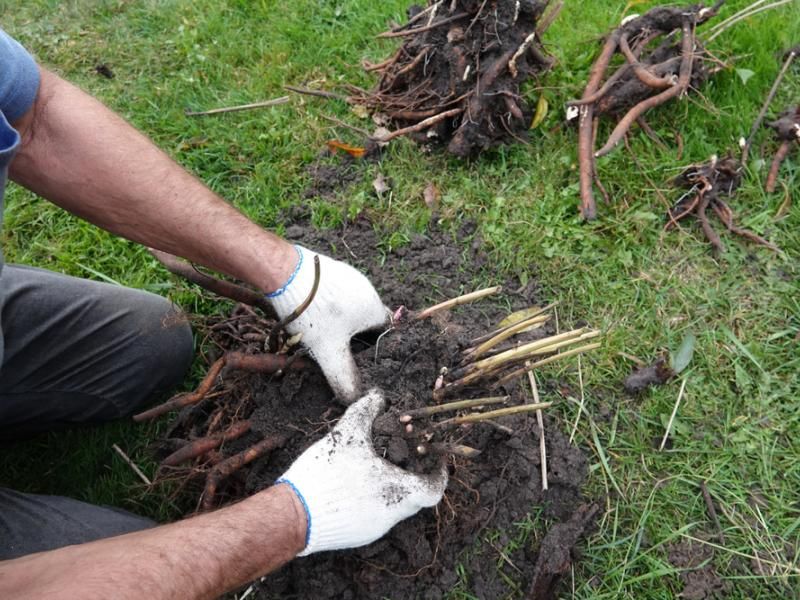
Timing is everything when it comes to moving or adjusting peonies, and getting it wrong can set the plant back significantly.
In Pennsylvania, the rhythm of the seasons gives gardeners a fairly clear window for doing this kind of work, and staying within that window makes the whole process much less disruptive to the plant.
Late summer, specifically late August into mid-September, is widely considered the most favorable time for dividing or repositioning peonies in Pennsylvania.
By this point, the plant’s foliage has started to wind down for the season, but the roots still have enough warmth and time to establish themselves before the first hard frost.
Moving a peony during active spring growth or midsummer heat puts considerably more strain on the plant and can delay recovery by a full season or more.
When you do make the adjustment, handle the roots gently and avoid leaving them exposed to sun or dry air for extended periods. Replant promptly, setting the eyes at that one to two inch depth, firm the soil around the roots, and water thoroughly.
Trim the foliage back to a few inches above ground level to reduce the plant’s workload as it settles in.
With reasonable care and proper timing, most Pennsylvania peonies bounce back well from a depth adjustment and often reward gardeners with noticeably improved blooms by the following spring or the season after that.