Common Rose Pruning Mistakes Pennsylvania Gardeners Make (And How To Avoid Them)

Roses can be the pride of a Pennsylvania garden. When they are healthy and well cared for, they reward gardeners with lush foliage and beautiful blooms that stand out all season.
Pruning plays a big role in keeping rose bushes strong, but it is also one of the tasks that causes the most confusion.
Many gardeners worry about cutting too much, while others barely prune at all. Both approaches can lead to problems.
Poor timing, dull tools, or removing the wrong stems can weaken the plant and reduce the number of flowers it produces. Sometimes a rose bush that looks messy or unproductive simply needs better pruning habits.
The good news is that most pruning mistakes are easy to fix once you know what to watch for. With the right approach, roses respond quickly by producing healthier growth and more impressive blooms.
A few simple adjustments can make a big difference in how your roses perform throughout the growing season.
1. Pruning Too Early In Late Winter
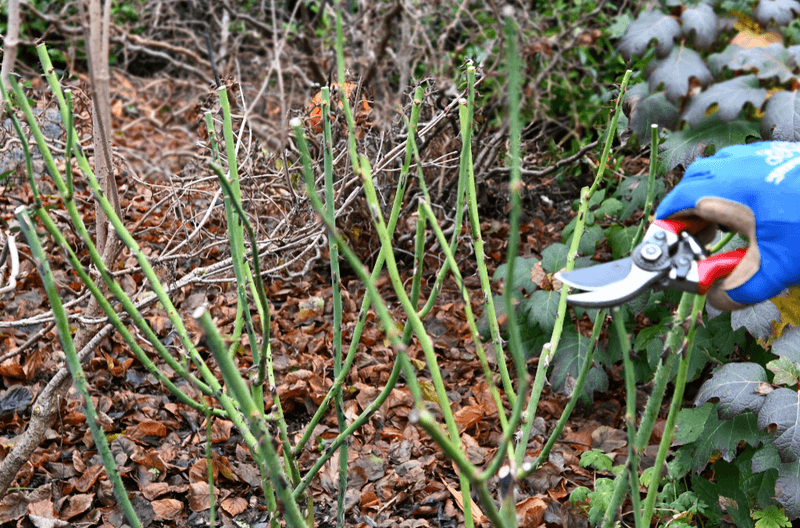
Picture this: a warm day rolls through Pennsylvania in late January, and it feels like spring has arrived early. You grab your pruning shears, head outside, and start cutting back your rose bushes.
It feels like the right thing to do. But that warm spell is often just a trick, and a hard freeze can return within days or even hours.
When you prune too early, you expose tender new growth to freezing temperatures. That fresh, green growth that appears after pruning is very sensitive.
A sudden cold snap can damage or destroy those young shoots, setting your roses back significantly before the growing season even begins. Pennsylvania winters can be unpredictable, especially in regions like the Pocono Mountains or even central parts of the state.
The good news is that avoiding this mistake is simple. Wait until late March or early April before doing any major pruning on your rose bushes.
By then, the worst winter cold has usually passed, and you will notice the buds beginning to swell on the canes. Those swelling buds are your green light to start pruning with confidence.
A helpful tip many experienced Pennsylvania gardeners use is to watch for forsythia bushes blooming in their neighborhood. When forsythia flowers appear, it is generally a reliable sign that it is safe to prune your roses.
This simple trick takes the guesswork out of timing and helps you work with the season rather than against it. Patience in late winter pays off with stronger, healthier roses come summer.
2. Not Removing Dry Or Damaged Canes
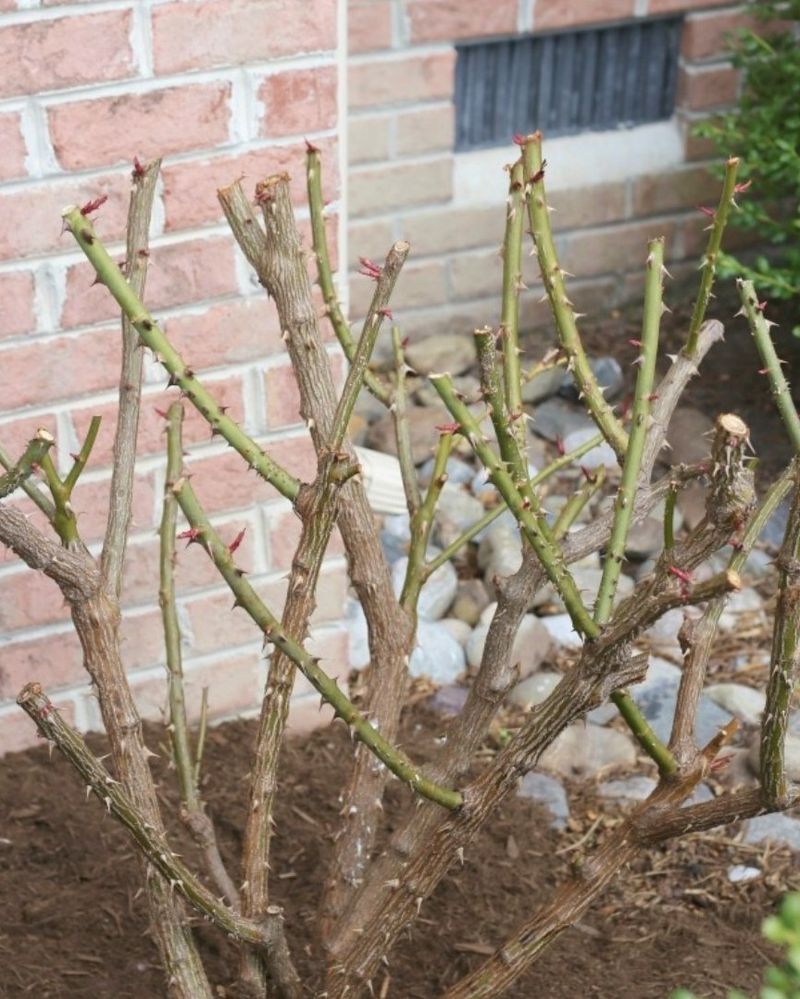
Walk up to any rose bush after a Pennsylvania winter, and you will almost always find some canes that did not make it through the cold months. These canes look brown, feel brittle, and may even have a hollow center when cut.
Leaving them attached to the plant is one of the most common mistakes gardeners make, and it can cause real problems down the road.
Dry and damaged canes are like open invitations for pests and fungal diseases. Insects love to burrow into weakened wood, and moisture trapped in dry canes creates the perfect environment for disease to spread.
Your Pennsylvania Garden Changes Every Week. Your Plan Should Too.
Gardening in Pennsylvania changes quickly throughout the season. Every Friday you’ll receive a simple weekly plan showing exactly what to plant, prune, fertilize, harvest, and protect so you never miss the right timing.
In humid Pennsylvania summers, this can quickly get out of hand, especially with diseases like black spot and powdery mildew that love to attack roses.
Always start your pruning session by removing dry or damaged canes before doing anything else. Make a clean cut down into the cane until you see white or pale green tissue inside.
That white center means the cane is alive and healthy. If the center is brown or dark, keep cutting lower until you reach healthy tissue or remove the cane entirely down to the base.
It also helps to dispose of the removed canes properly. Do not leave them on the ground near your rose bushes.
Toss them in the trash rather than the compost pile, since diseased material can spread problems even after being cut away.
Gardeners across Pennsylvania, from Lancaster County to the Lehigh Valley, swear by this simple habit as a key part of keeping their roses vibrant and productive year after year.
3. Cutting Too Lightly
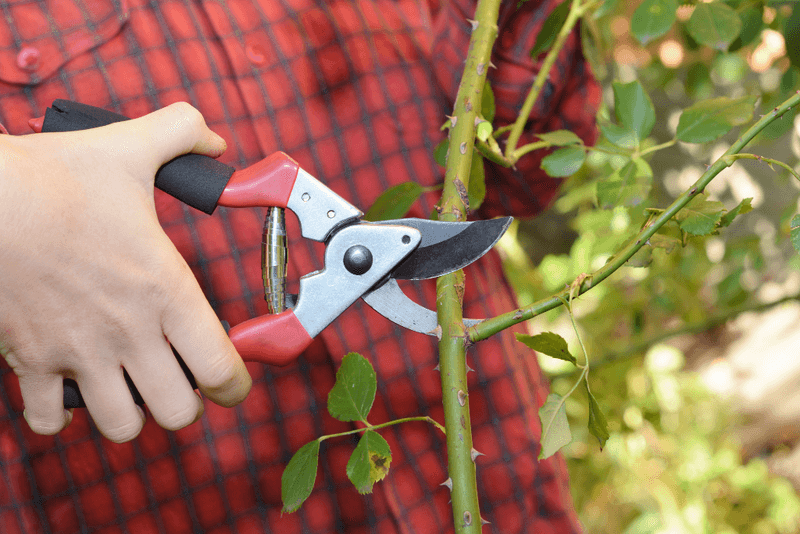
Lots of gardeners feel nervous about cutting their roses back too far. It makes sense. You look at that rose bush, and it feels wrong to cut off so much of it. So instead, you just snip the tips here and there, call it done, and hope for the best.
Unfortunately, light trimming is one of the most common reasons Pennsylvania rose gardens underperform every summer.
Roses actually respond very well to bold, confident pruning. When you cut too lightly, the plant puts energy into lots of weak, spindly growth instead of producing strong canes and big blooms.
You end up with a bushy-looking plant that flowers less and looks scraggly by midsummer. Roses that are pruned well tend to come back stronger and more beautiful each season.
For most rose varieties grown in Pennsylvania, cutting canes back to about 12 to 18 inches from the ground is a reasonable target for spring pruning. Look for an outward-facing bud on the cane and make your cut about a quarter inch above it at a slight angle.
That outward-facing bud encourages the new growth to spread away from the center of the plant, improving airflow and overall shape.
If you are still nervous about cutting too much, start with the oldest and thickest canes first. Removing older canes encourages the plant to push fresh, vigorous new growth.
Think of it like giving your rose bush a fresh start. Gardeners in Chester County and Bucks County who prune with confidence often report far more blooms and healthier plants throughout the warm Pennsylvania growing season.
4. Using Dull Or Dirty Pruning Tools
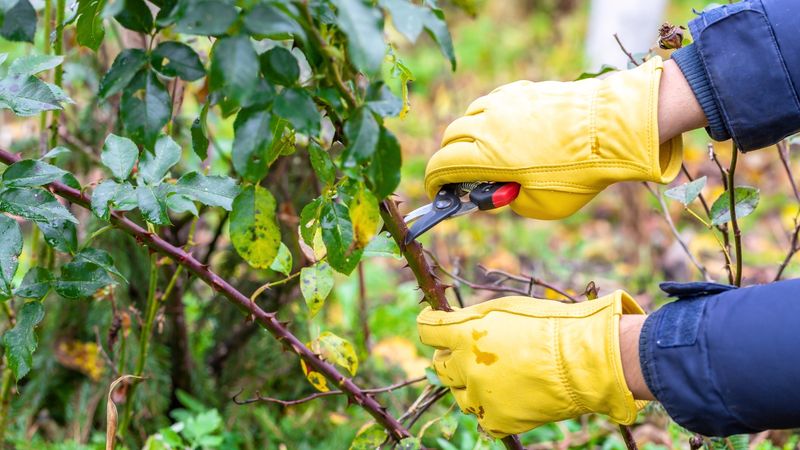
Here is something most beginner gardeners do not think about: the condition of your pruning tools matters just as much as how and when you prune.
Grabbing an old pair of dull shears from the garage shelf and hacking away at your rose bushes might seem harmless, but it can actually cause more harm than good in ways that are not immediately obvious.
Dull blades do not cut cleanly. Instead of making a smooth, precise cut, they crush and tear the plant tissue.
That kind of damage creates a rough wound that takes longer to heal and gives disease a foothold. Roses in Pennsylvania already face enough challenges from humidity and fungal pressure during summer.
Ragged cuts from dull tools just add to the stress your plant has to deal with. Dirty tools are another issue entirely. If you pruned a diseased plant last season and did not clean your shears, those same disease organisms may still be living on the blades.
Every cut you make with dirty tools could potentially spread that disease to a healthy plant. It sounds alarming, but it is easy to prevent.
Before pruning season begins, sharpen your pruning shears using a whetstone or a handheld sharpener designed for garden tools. Clean the blades with rubbing alcohol or a diluted bleach solution before starting and again when you move from one plant to another.
Wipe them dry to prevent rust. Many Pennsylvania Master Gardeners recommend keeping a small spray bottle of disinfectant right in your garden basket during pruning season. Sharp, clean tools make the whole job easier and protect your roses at the same time.
5. Leaving Crowded Growth In The Center
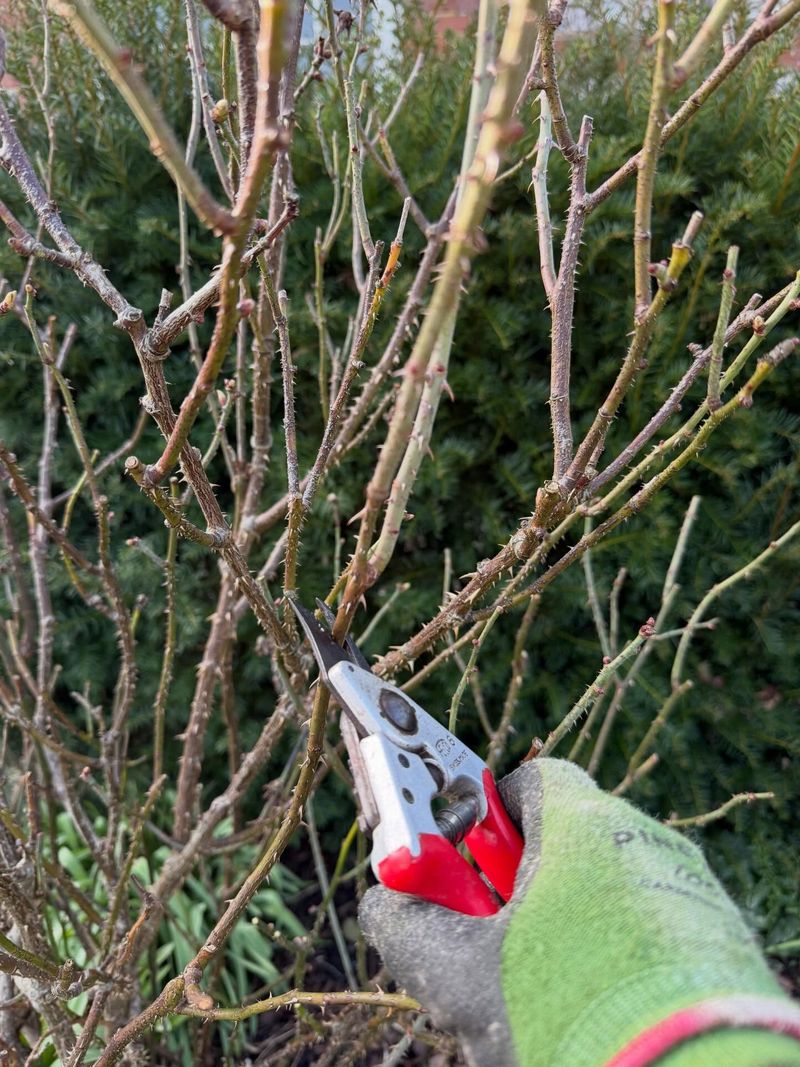
Ever notice how some rose bushes look like a tangled mess of branches going every which way? That kind of crowded, dense growth might seem lush, but it is actually a sign that the plant needs some serious attention.
When the center of a rose bush becomes too packed with canes and branches, it creates a perfect storm for disease and poor performance.
Airflow is incredibly important for roses. When branches cross and rub against each other in the center of the plant, they create wounds on the canes and block air from moving freely through the bush.
Pennsylvania summers bring plenty of humidity, and without good airflow, fungal diseases like black spot and botrytis thrive in that warm, moist environment. Once these diseases take hold, they can spread quickly and be very difficult to manage.
The goal when pruning the center of your rose bush is to create what gardeners call a vase shape. Imagine the plant as an open cup, with canes spreading outward and upward from the base while the center stays relatively clear.
To get there, remove any canes that are growing inward toward the center of the plant. Also remove branches that cross over each other and rub together.
After opening up the center, step back and look at the overall shape of the plant. You want to see light and space between the main canes.
This open structure lets sunlight reach all parts of the plant and allows breezes to move through freely.
Gardeners in humid areas of Pennsylvania, like those near the Delaware River valley, find this technique especially helpful for keeping roses healthy and blooming beautifully from June through fall.
6. Forgetting To Remove Suckers
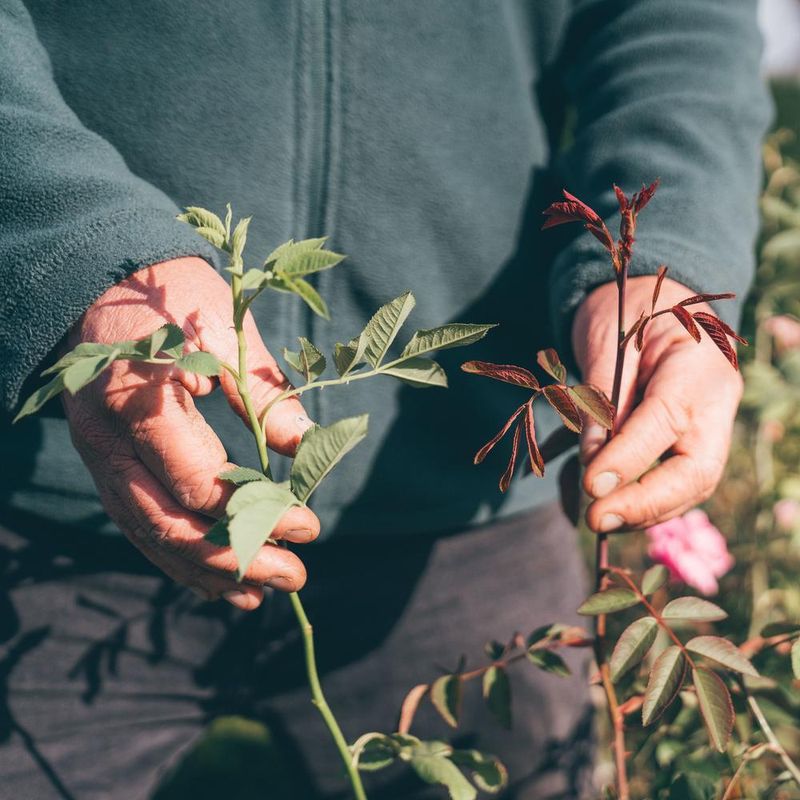
Suckers are sneaky. They pop up quietly near the base of your rose bush, growing fast and looking surprisingly healthy and vigorous.
Many gardeners see them and think their rose is simply putting out strong new growth. But suckers are actually a completely different story, and ignoring them is a mistake that can slowly weaken your entire rose plant.
Most rose bushes sold in Pennsylvania are grafted plants, meaning a desirable rose variety is attached to a hardy rootstock. Suckers grow from that rootstock below the graft union, which is the swollen knob usually found near the soil line.
Because the rootstock is often a wild or less desirable type of rose, sucker growth diverts energy away from the beautiful blooming variety you actually want to grow.
Spotting suckers is not too difficult once you know what to look for. Sucker growth usually looks different from the rest of the plant.
It often has smaller leaves, a different leaf color, and stems that look smoother or more thorny than the grafted variety above. Trace the sucker back to where it emerges from the root or below the graft union, and remove it as close to its origin as possible.
Do not just cut suckers off at ground level. Cutting them off without removing the base actually encourages them to regrow even more aggressively.
Instead, dig down slightly to expose where the sucker connects to the root and pull or cut it off cleanly at that point. Check your rose bushes regularly throughout the growing season, especially in the warm months.
Pennsylvania gardeners who stay on top of sucker removal enjoy fuller, more floriferous roses all summer long.