The Prettiest Native Pennsylvania Plants You Rarely See At Garden Centers
Garden centers are great, but they do not always show off Pennsylvania’s best local gems. Some of the prettiest native plants never make it onto the main tables, which is a shame because they can bring serious beauty to home gardens without acting needy.
These plants have charm you do not see every day. Some offer delicate blooms, others bring bold color, interesting leaves, or wildlife-friendly berries that make a yard feel more alive.
Since they are native to Pennsylvania, many are already built for the state’s shifting seasons, from chilly spring mornings to humid summer afternoons.
They also give your garden a more natural, layered look than the usual rows of familiar flowers. Bees, butterflies, birds, and other helpful visitors often notice them quickly too.
If your flower beds could use something fresh, beautiful, and a little unexpected, these overlooked Pennsylvania natives deserve a closer look.
1. Bottle Gentian (Gentiana Andrewsii)
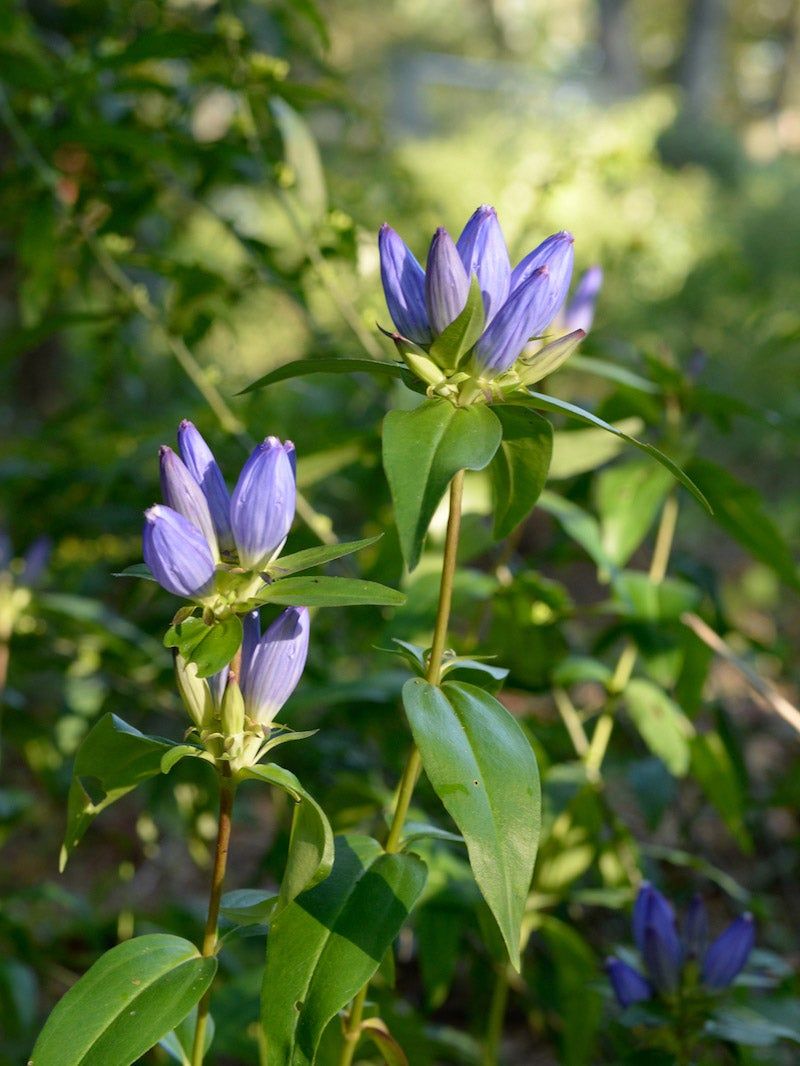
Imagine a flower so unique that it never fully opens, yet still manages to be one of the most eye-catching plants in Pennsylvania’s wild spaces.
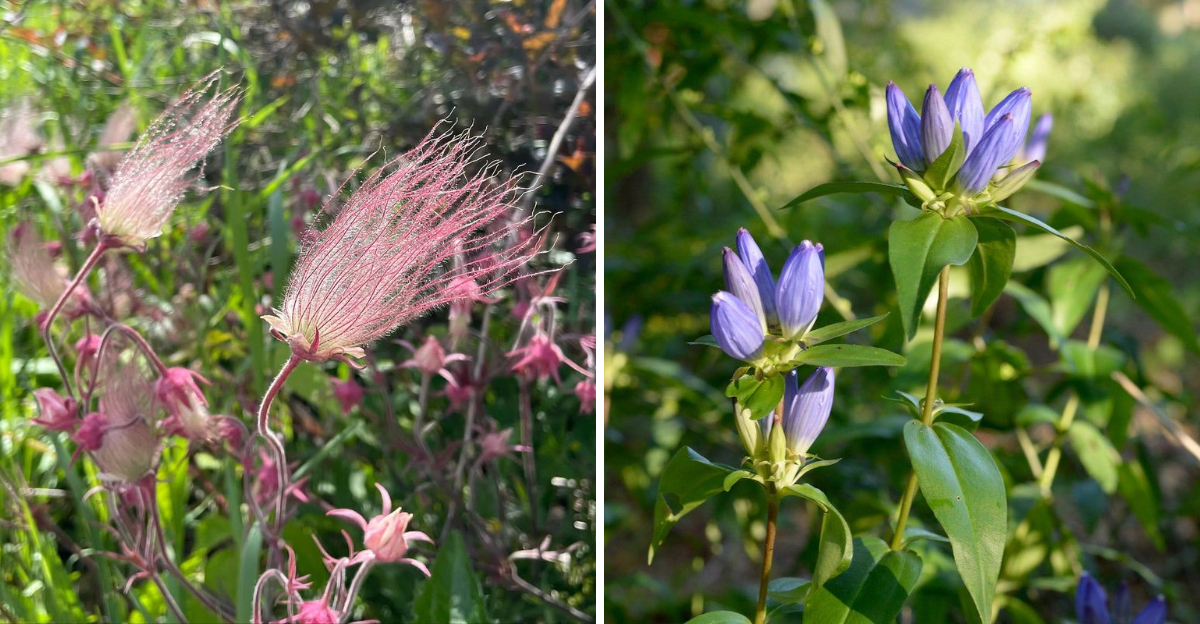
Bottle Gentian earns its name from its deep blue-purple blooms that stay tightly closed, looking just like tiny bottles perched at the top of the stem.
It blooms in late summer and fall, which makes it a standout when most other flowers have already faded for the season.
Only bumblebees are strong enough to push open the petals and reach the nectar inside, making this plant a fascinating example of nature’s teamwork.
If you spot a bumblebee wrestling with a Bottle Gentian bloom, you are watching something truly special. This relationship is one of the coolest things Pennsylvania’s native plant world has to offer.
Bottle Gentian loves moist, partly shaded spots, making it a great choice for rain gardens or low-lying areas in your yard. It grows about one to two feet tall and pairs beautifully with other late-blooming natives.
Once established, it is surprisingly easy to maintain and comes back reliably each year. Finding it at a garden center is rare, so your best bet is to look for it through native plant sales or specialty nurseries in Pennsylvania.
Growing it at home is a wonderful way to support local pollinators while adding serious color to your fall garden. This plant is a true hidden gem of the Pennsylvania landscape.
2. Blue Mistflower (Conoclinium Coelestinum)
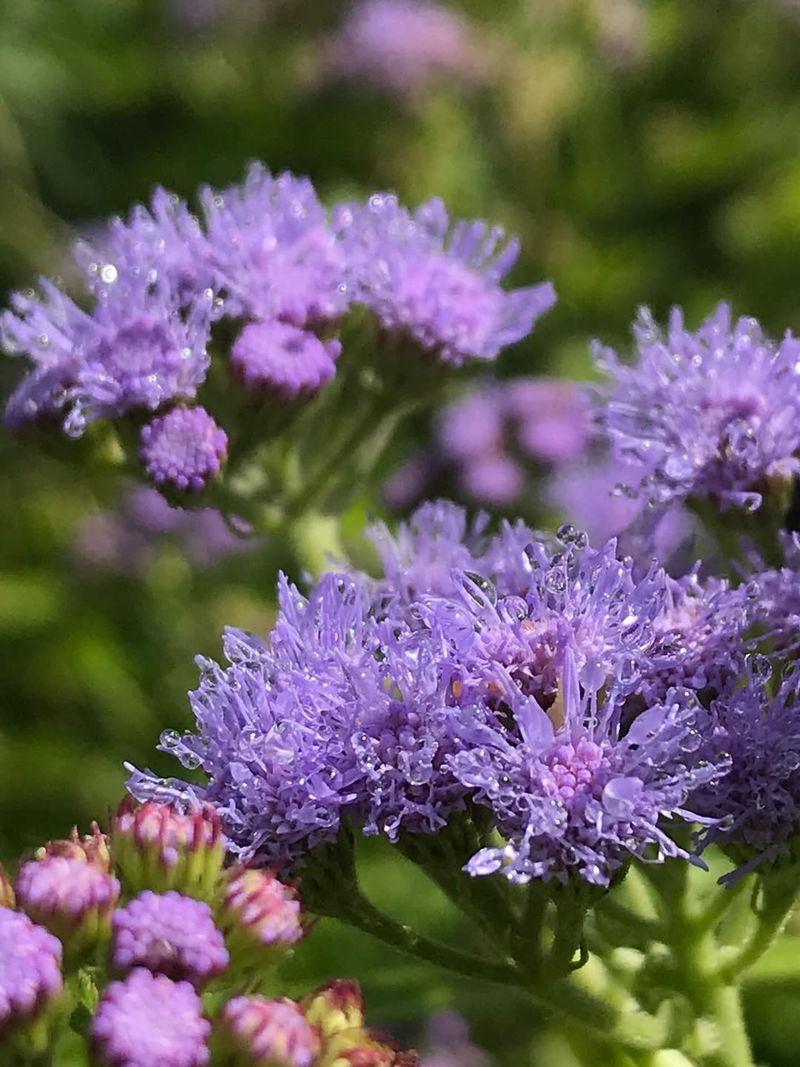
There is something almost magical about Blue Mistflower. When it blooms in late summer and fall, it covers itself in soft, fluffy clusters of powder-blue to lavender flowers that look like little puffs of mist floating above the foliage.
It is one of those plants that stops you in your tracks the first time you see it in the wild. Native to Pennsylvania and much of the eastern United States, it deserves a much bigger spotlight than it gets.
Butterflies absolutely love this plant. Skippers, monarchs, and many other butterfly species flock to its blooms for nectar, making it a powerhouse for pollinators during the months when other nectar sources are running low.
Your Pennsylvania Garden Changes Every Week. Your Plan Should Too.
Gardening in Pennsylvania changes quickly throughout the season. Every Friday you’ll receive a simple weekly plan showing exactly what to plant, prune, fertilize, harvest, and protect so you never miss the right timing.
Planting Blue Mistflower in a Pennsylvania garden is like setting out a welcome mat for the butterfly world.
Blue Mistflower spreads by rhizomes underground, which means it can fill in an area nicely over time. It works well as a ground cover in sunny to partly shaded spots and does especially well near streams or in moist garden beds.
Growing about two to three feet tall, it blends beautifully with goldenrods and asters for a stunning fall color combination. You will rarely find it at mainstream garden centers in Pennsylvania, but native plant nurseries and plant swaps are great places to track it down.
Once you grow it, you will wonder why it took you so long to discover it. Blue Mistflower is a late-season showstopper worth every bit of effort to find.
3. Prairie Smoke (Geum Triflorum)
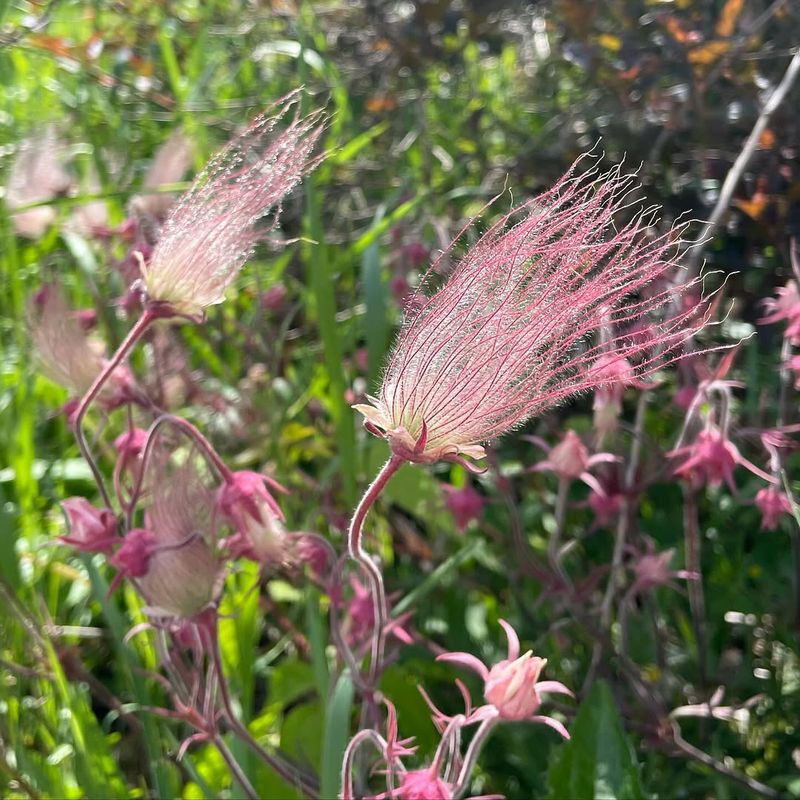
Prairie Smoke has one of the most dramatic looks in the native plant world. Before it even finishes blooming, it starts producing long, feathery seed plumes that catch the wind and glow in the sunlight like wisps of pink smoke rising from the ground.
The name fits perfectly. This plant puts on two shows in one season, first with its nodding pinkish-red flowers in spring, and then with its spectacular silky seed tails that follow.
Native to open prairies and rocky slopes, Prairie Smoke is a tough little plant that handles dry, well-drained soils with ease. It stays fairly low to the ground, usually reaching only about six to twelve inches tall, making it a wonderful front-of-border plant or rock garden addition.
In Pennsylvania, it does best in full sun locations where it can really show off its wispy plumes.
One fun fact about Prairie Smoke is that it is one of the earliest native plants to bloom in spring, giving it a head start on the season when most gardens are still waking up. Its unique texture and color make it a conversation starter in any Pennsylvania garden.
Because it is so rarely seen at standard garden centers, many gardeners have simply never heard of it. Native plant enthusiasts in Pennsylvania often call it one of their best-kept secrets.
Seeking it out through native plant nurseries or wildflower seed suppliers is absolutely worth the extra effort. Once it is established, it is a low-maintenance, high-reward plant year after year.
4. Culver’s Root (Veronicastrum Virginicum)
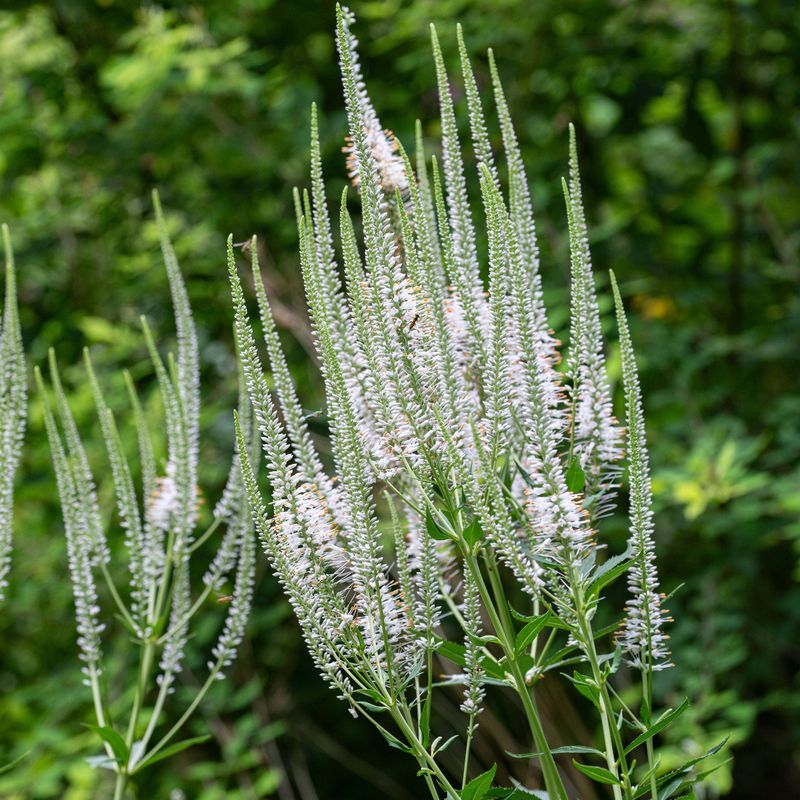
Tall, elegant, and covered in long white flower spikes, Culver’s Root is the kind of plant that makes people stop and ask, “What is that?” It grows three to six feet tall and produces multiple slender spikes covered in tiny white to pale lavender flowers in midsummer.
The whorled leaves arranged neatly around the stem give it a very architectural, eye-catching structure that stands out in any Pennsylvania garden bed or meadow planting.
Pollinators are wild about Culver’s Root. Bees, wasps, butterflies, and even hummingbirds are drawn to its blooms throughout the summer.
Because it blooms during the height of summer when competition for pollinators is fierce, it plays a really important role in keeping local ecosystems buzzing along. Planting it in Pennsylvania yards is one of the best things you can do for native bee populations.
Culver’s Root thrives in full sun to light shade and prefers consistently moist soil, making it a great fit for rain gardens or spots near water features. It is a perennial, so it comes back stronger every year once it gets settled in.
Despite being native to Pennsylvania and the broader eastern United States, it is almost never found at mainstream garden centers. Most gardeners who grow it discovered it through native plant sales, botanical gardens, or conservation organizations.
Its graceful height and long bloom period make it a standout in the back of a border planting. Culver’s Root is a sophisticated choice that rewards patient gardeners with years of beauty.
5. Wild Senna (Senna Hebecarpa)
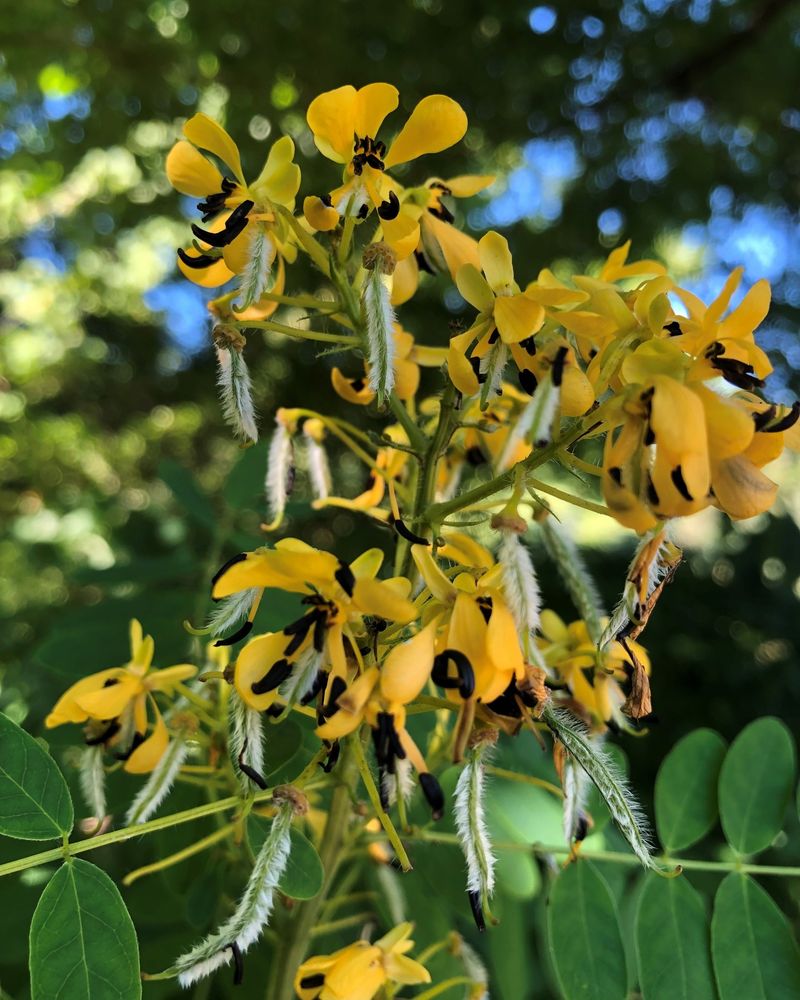
Bold, bright, and buzzing with life, Wild Senna brings a burst of cheerful yellow to Pennsylvania gardens in midsummer. This native shrub-like perennial can grow four to six feet tall, creating a dramatic, almost tropical-looking presence in garden spaces.
Its bright yellow flowers with dark stamens are striking against the feathery, compound leaves. You could easily mistake it for something exotic, but it is as Pennsylvania native as it gets.
Wild Senna is a superstar for specialist bees, especially bumblebees that use a technique called buzz pollination to release pollen from the flowers. This is a fascinating process where the bee vibrates its flight muscles at just the right frequency to shake loose the pollen.
Watching it happen in your own backyard is genuinely exciting. Beyond bees, Wild Senna also serves as a host plant for several native butterfly species, including the cloudless sulphur and sleepy orange butterflies.
It grows best in full sun and tolerates a range of soil conditions, including dry and rocky soils, which makes it very adaptable for different parts of Pennsylvania. It also handles summer heat without missing a beat.
Despite all these qualities, it is nearly impossible to find at conventional garden centers across Pennsylvania. Native plant nurseries, conservation district plant sales, and online native plant retailers are your best options for tracking it down.
Once established, Wild Senna spreads slowly and reliably, filling in garden spaces with lush greenery and golden blooms season after season. It is a native plant worth making a real effort to find.
6. Virginia Bluebells (Mertensia Virginica)
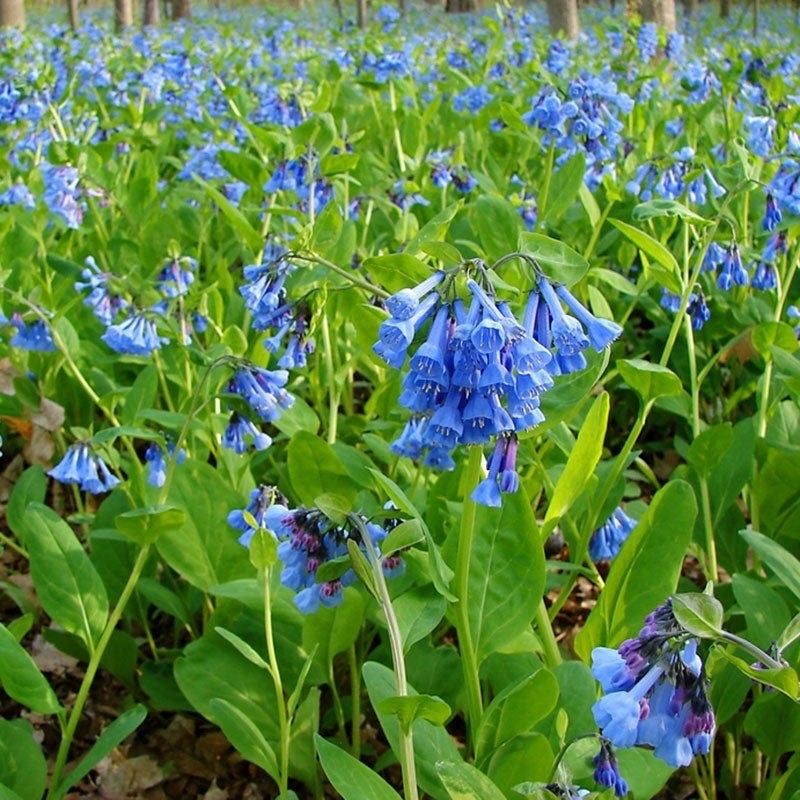
Few spring wildflowers in Pennsylvania can match the pure, dreamy beauty of Virginia Bluebells. Each spring, this native plant bursts into bloom with clusters of soft pink buds that open into sky-blue, trumpet-shaped flowers.
The color shift from pink to blue as the flowers open is one of nature’s most charming little tricks. Walking through a Pennsylvania woodland carpeted in Virginia Bluebells is an experience that is hard to forget.
Virginia Bluebells are what gardeners call an ephemeral plant, meaning they emerge in spring, bloom, set seed, and then completely disappear underground by early summer. This sounds like a downside, but it is actually a clever survival strategy.
It also means you can pair them with summer-blooming shade plants that will fill in the space once the bluebells go dormant. Hostas and ferns make wonderful companions for exactly this reason.
They thrive in moist, rich woodland soil with dappled shade, which makes them a natural fit for the shaded corners of Pennsylvania yards that are often hard to fill with color.
Pollinators, especially native bees and hummingbirds, are strongly attracted to the tubular blooms in early spring when food sources are still scarce.
Despite being one of the most stunning wildflowers in the entire state, Virginia Bluebells are rarely stocked at garden centers in Pennsylvania. Specialty native plant nurseries and wildflower seed companies are your best sources.
Growing them is one of the most rewarding things a Pennsylvania gardener can do to celebrate the arrival of spring each year.
7. Foamflower (Tiarella Cordifolia)
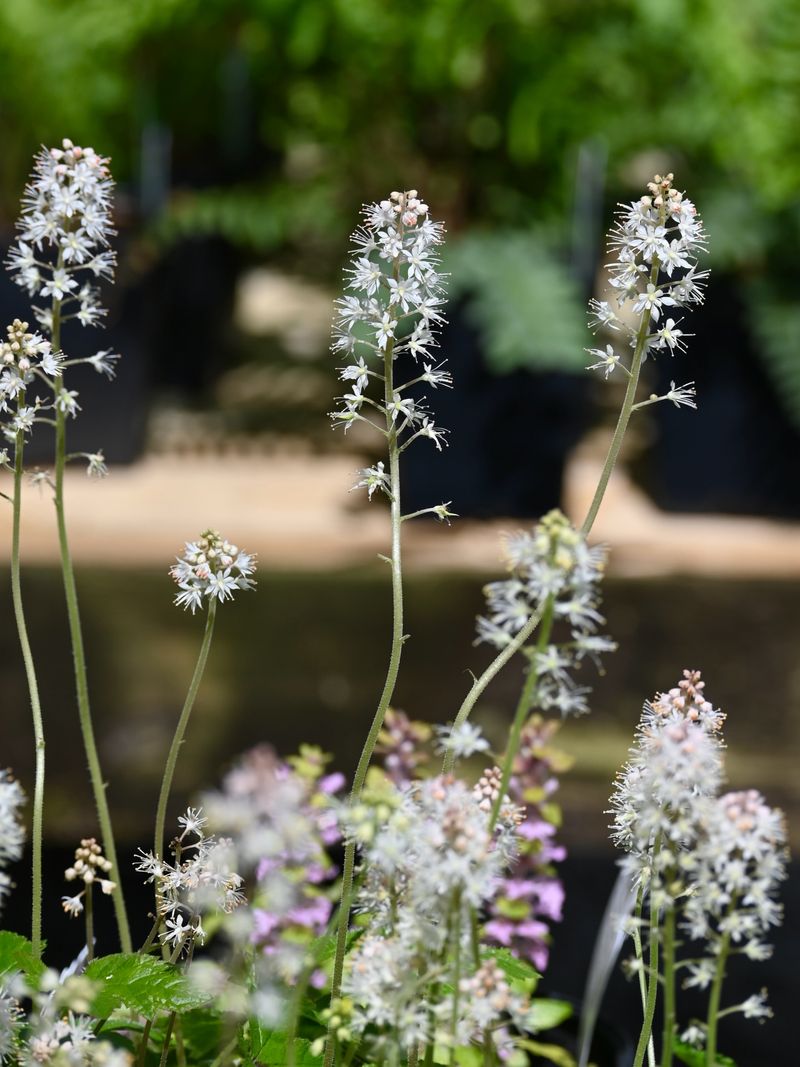
Walk through a Pennsylvania woodland in spring and you might notice small, frothy white flower spikes hovering just above a carpet of heart-shaped leaves. That is Foamflower doing what it does best, transforming shady ground into something that looks like a fairy tale scene.
The name comes from the airy, foam-like clusters of tiny white flowers that rise on slender stems, giving the whole plant a light and delicate appearance that is truly hard to resist.
Foamflower is a native ground cover that spreads gently by stolons, which are horizontal stems that root as they creep along the soil. Over time, it forms a lush, dense carpet that shades out weeds and protects the soil underneath.
For shaded spots in Pennsylvania yards where grass refuses to grow, Foamflower is a practical and beautiful solution that also happens to be completely native to the region.
Beyond its good looks, Foamflower supports native bees and other early pollinators when it blooms in spring. Its leaves also stay attractive throughout the growing season, often developing rich reddish-purple markings along the veins as temperatures cool in fall.
It prefers moist, well-drained woodland soil with full to partial shade, which makes it an excellent choice for planting under trees or along shaded garden paths. Even though it is native to Pennsylvania and easy to grow, you will rarely spot it at big-box garden centers.
Seek it out at native plant sales or conservation nurseries. Once it gets going in your yard, Foamflower becomes one of those plants you cannot imagine living without.