How Native Plants Help Oregon Gardens Bounce Back After Wet Winters
Oregon winters can be relentless. Weeks of rain, saturated soil, and gray skies often leave gardens looking tired by the time spring rolls around.
Beds get muddy, roots sit in water too long, and some plants simply struggle to recover once the clouds finally break. It’s a common sight for gardeners across the state every year.
The surprising solution might already belong in the landscape. Native plants are naturally built for Oregon’s wet winters and cool, damp springs.
Instead of fighting the conditions, they work with them. Their deep roots help manage soggy soil, and many wake up quickly once the weather begins to shift.
That natural resilience can make a big difference when a garden needs a fresh start after months of rain. A few well-chosen native plants can help restore balance, support local wildlife, and bring life back to garden beds just as the growing season begins.
Strengthening Soil With Deep Roots
Healthy soil is the foundation of any great garden, and Oregon winters can really put it to the test. Months of heavy rainfall compact the ground, wash away nutrients, and leave the soil gasping for air.
Native plants fight back in a big way, and their secret weapon is their roots.
Plants like Oregon Grape (Mahonia aquifolium) and Red-Flowering Currant (Ribes sanguineum) grow incredibly deep root systems that break up compacted soil. These roots create tiny channels that let water drain properly instead of pooling on the surface.
Better drainage means healthier plants and fewer waterlogged garden beds after a long Oregon rainy season.
Deep roots also pull nutrients up from lower layers of soil and bring them closer to the surface. This natural recycling process feeds the soil ecosystem, including earthworms and beneficial microbes that keep your garden productive.
You get richer, more fertile ground without adding bags of store-bought fertilizer.
Another bonus is that native roots hold the soil structure together even when it gets saturated. Non-native plants often have shallow roots that cannot grip wet soil well.
Native plants, shaped by centuries of Oregon weather, are built differently. Their root systems work like anchors, keeping your garden beds intact and ready to thrive when warmer days return in spring.
Preventing Erosion Naturally
After a long, wet Oregon winter, erosion is one of the biggest headaches gardeners face. Rainwater rushes down slopes, carrying precious topsoil with it.
Bare patches appear, roots get exposed, and the whole garden can look like a mudslide waiting to happen. Native plants offer a natural and beautiful solution.
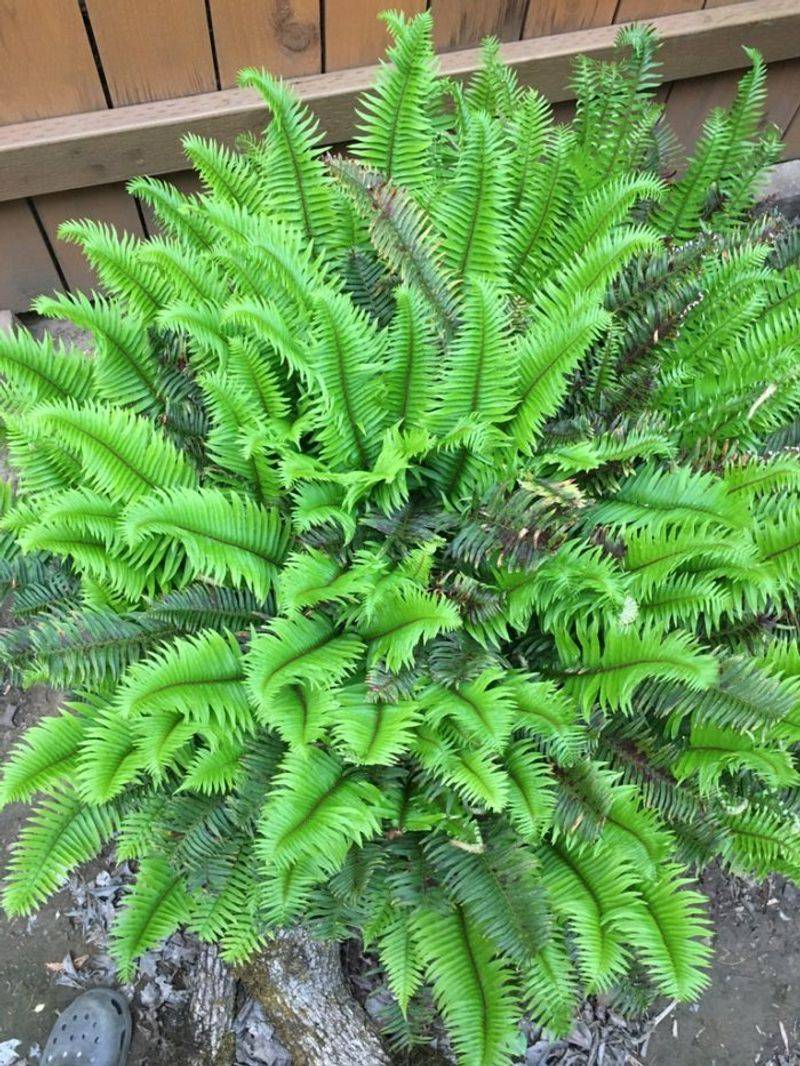
Sword Fern (Polystichum munitum) is a perfect example. Its dense, spreading fronds slow down the movement of rainwater across the soil surface.
The plant’s fibrous roots weave through the ground like a net, holding everything in place even during the heaviest downpours that Oregon winters are famous for.
Pacific Ninebark (Physocarpus capitatus) works brilliantly on stream banks and sloped areas. Its woody root structure grips the soil firmly, preventing it from washing away during seasonal flooding.
Your Oregon Garden Changes Every Week. Your Plan Should Too.
Gardening in Oregon changes quickly throughout the season. Every Friday you’ll receive a simple weekly plan showing exactly what to plant, prune, fertilize, harvest, and protect so you never miss the right timing.
Gardeners across the Willamette Valley have used it to stabilize tricky, wet areas where other plants simply cannot keep up.
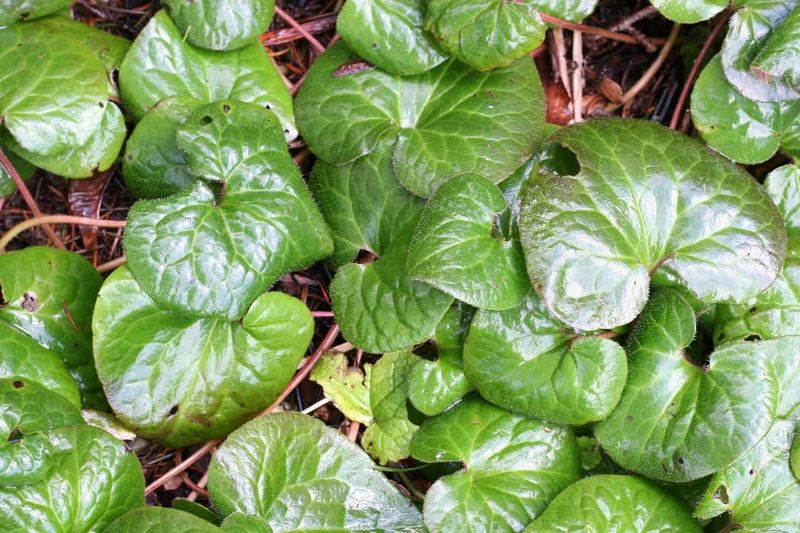
Ground-hugging native plants like wild ginger (Asarum caudatum) also create a living carpet that shields bare soil from direct rainfall impact. When raindrops hit bare earth, they splash soil particles loose.
A layer of native ground cover absorbs that impact and keeps the soil exactly where you want it. Over time, erosion becomes far less of a problem in gardens that embrace Oregon’s native plant palette.
Supporting Local Pollinators
Pollinators have a tough time in Oregon after a cold, wet winter. Food sources are scarce, and many bees and butterflies emerge hungry and exhausted.
Planting native species that bloom early in the season gives these vital creatures exactly what they need to recover and thrive.
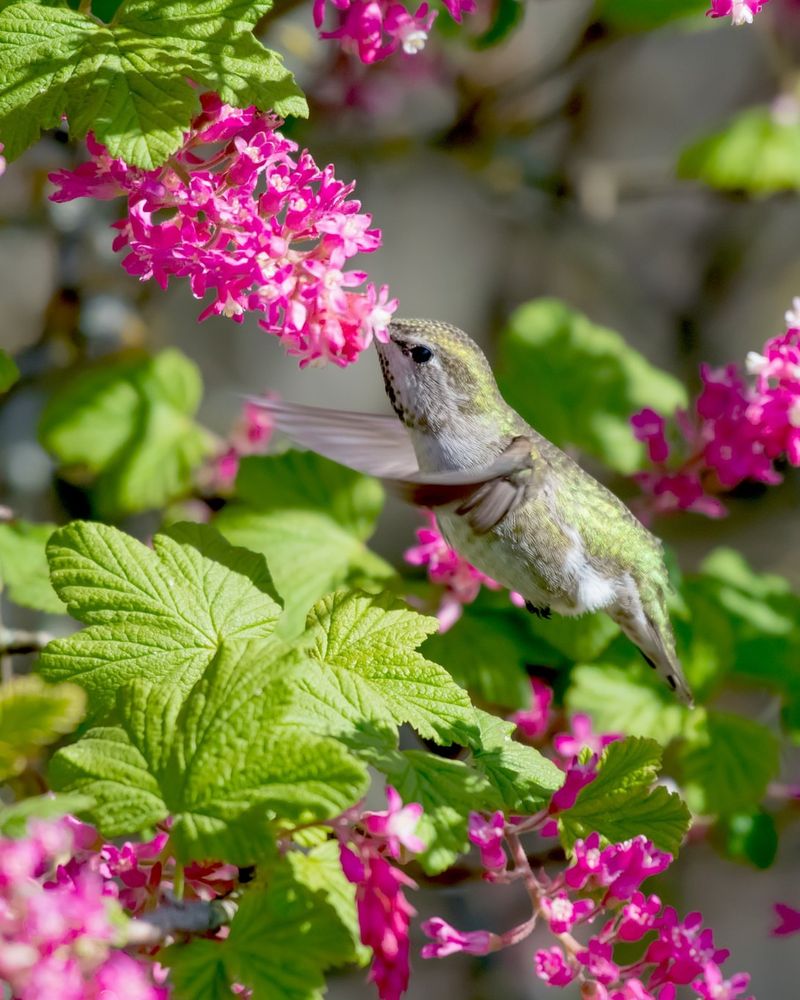
Red-Flowering Currant (Ribes sanguineum) is one of the earliest bloomers in the Oregon native plant world. Its clusters of deep pink and red flowers open in late winter, sometimes even before the last frost has fully passed.
Hummingbirds and native bees flock to these blooms, fueling up after months of cold weather. It is a genuinely exciting sight to see in a late-February garden.
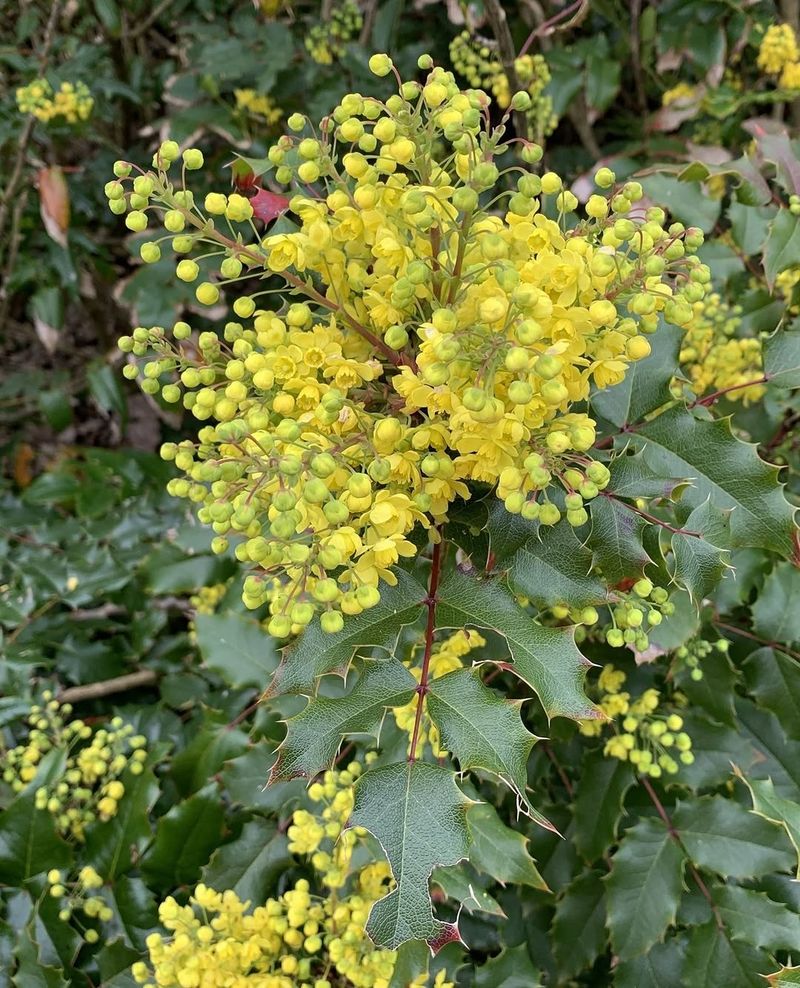
Oregon Grape (Mahonia aquifolium) follows close behind with bright yellow flowers that attract early-season pollinators. As Oregon’s official state flower, it carries a special place in the local ecosystem.
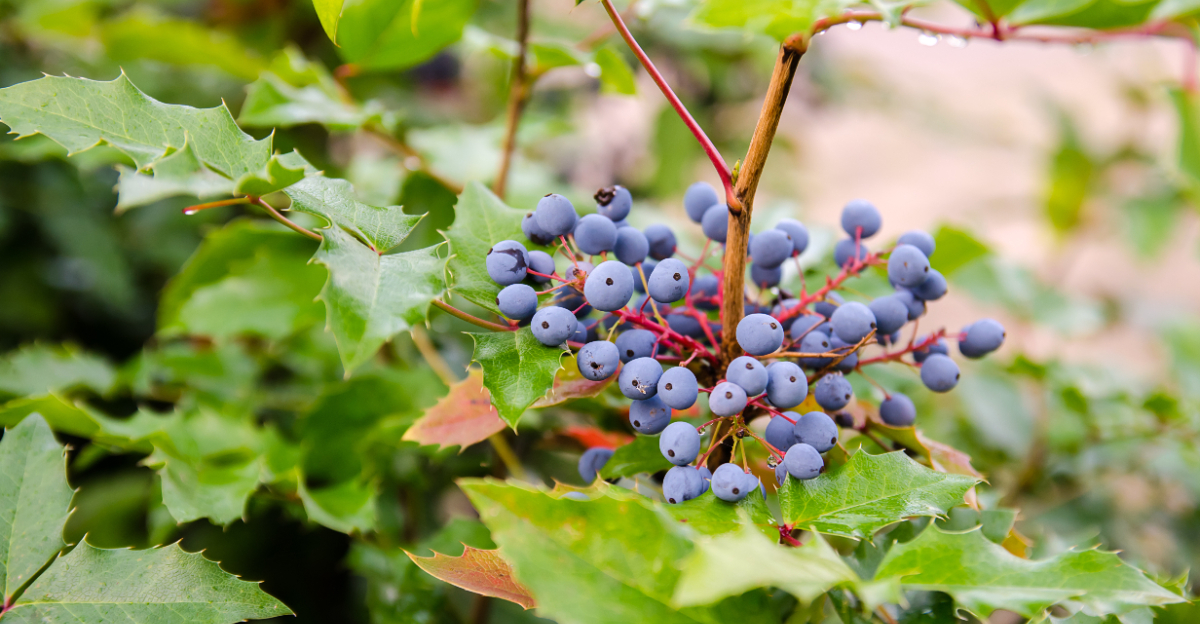
The berries that follow the blooms are also a welcome food source for birds throughout the spring and summer months.
Supporting pollinators is not just good for wildlife. It is good for your entire garden.
More pollinators mean better fruit set, more vegetable production, and healthier plants all around. By choosing native plants that bloom at the right times for Oregon’s climate, you create a garden that gives back to the local ecosystem while looking absolutely stunning all season long.
Withstanding Saturated Conditions
Standing water, soggy lawns, and waterlogged planting beds are a reality for most Oregon gardeners every single winter. Many common garden plants struggle badly in these conditions, rotting at the roots or simply giving up.
Native plants handle it with ease, and some actually prefer it.
Red Twig Dogwood (Cornus sericea) is a showstopper in wet conditions. Its bold red stems light up the winter garden even when everything else looks dull and gray.
More importantly, this tough native shrub thrives in areas with poor drainage that would cause most other plants to fail. Rain gardens throughout Oregon are planted with Red Twig Dogwood for exactly this reason.
Pacific Ninebark (Physocarpus capitatus) is another powerhouse in saturated soil. It handles seasonal flooding without skipping a beat, bouncing back quickly when water levels drop.
Its peeling bark adds great texture to the landscape, and its white spring flowers attract a wide variety of pollinators once conditions dry out a bit.
Even Sword Fern (Polystichum munitum) manages wet winters with grace. It stays green and lush all year, never looking waterlogged or stressed even after weeks of Oregon rain.
Planting these tough natives in the low spots and soggy corners of your yard transforms problem areas into beautiful, functional garden spaces that actually work with Oregon’s climate instead of fighting it.
Reducing Fungal Problems
Fungal problems are a gardener’s least favorite souvenir from a wet Oregon winter. Gray mold, powdery mildew, and root rot spread quickly in cold, damp conditions.
Non-native plants that are not adapted to Oregon’s climate are especially vulnerable. Native plants, on the other hand, have built-in advantages that help them resist these issues naturally.
Oregon’s native plants have evolved alongside the region’s wet winters for thousands of years. Their leaf surfaces, stem structures, and root systems are all designed to handle prolonged moisture without breaking down.
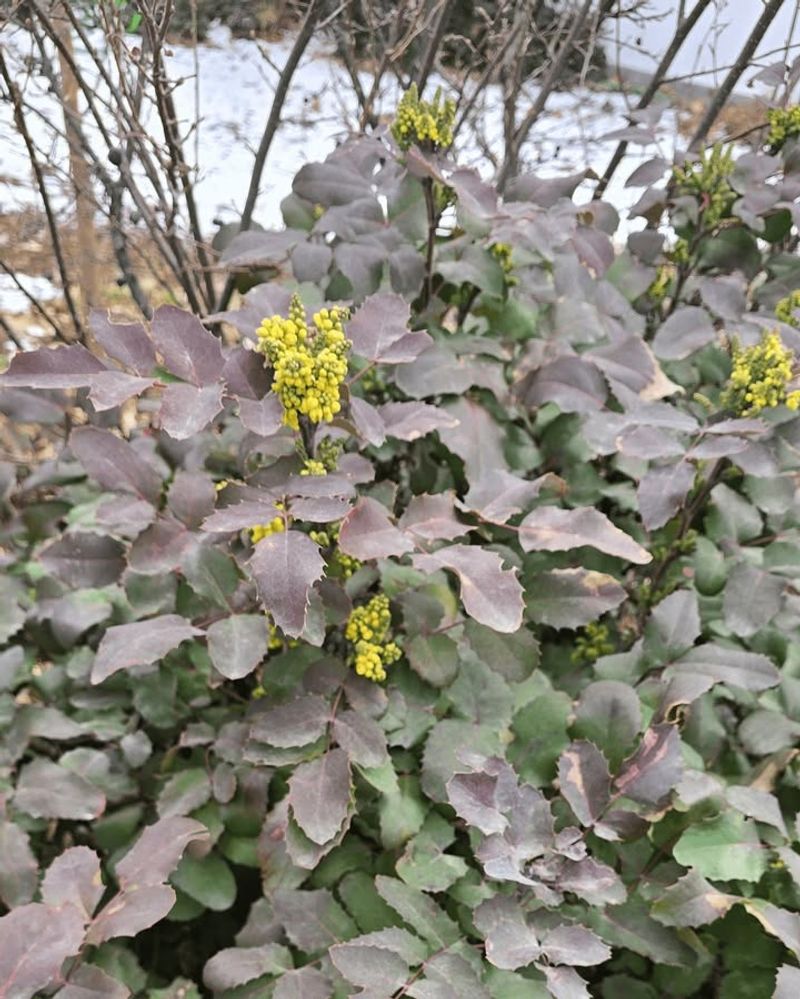
Oregon Grape, for example, has waxy, holly-like leaves that shed water efficiently. Moisture does not pool on the leaf surface, which means fungal spores have a much harder time getting a foothold.
Native shrubs like Red-Flowering Currant also tend to have good natural air circulation built into their branching patterns. Air can move freely through the plant, drying out moisture after rain and reducing the humid conditions that fungi love.
Gardeners in the Pacific Northwest have long noticed that native plants simply hold up better through the rainy season than many popular non-native alternatives.
Choosing disease-resistant native plants means spending less time treating sick plants and more time enjoying your garden. Fewer fungal problems also mean healthier soil, since diseased plant material can spread pathogens into the ground.
Going native is one of the most practical steps any Oregon gardener can take to keep their yard looking its best year after year.
Filling Gardens With Year-Round Interest
One of the biggest myths about native plants is that they only look good during one season. In Oregon, nothing could be further from the truth.
A well-designed native garden offers color, texture, and visual interest every single month of the year, even during the dreariest stretches of winter.
Sword Fern (Polystichum munitum) stays lush and green all year long, never dropping its fronds even in the coldest Oregon winters. It creates a rich, evergreen backdrop that makes other plants pop.
Pair it with Red Twig Dogwood, and you get a stunning combination of deep green and fiery red that looks incredible against a gray winter sky.
Oregon Grape earns its place in any native garden with multiple seasons of interest. Bright yellow flowers appear in early spring, attracting early pollinators.
Clusters of blue-purple berries follow in summer and fall, bringing birds flocking into the garden. Even in winter, its glossy evergreen leaves catch the light and add structure to the landscape.
Red-Flowering Currant bridges the gap between winter and spring beautifully. Its blooms arrive so early in the season that they feel almost like a promise that warmer days are coming.
For Oregon gardeners who want a yard that looks alive and interesting all year, combining a handful of well-chosen native plants is the simplest and most rewarding approach you can take.
Low-Maintenance Recovery Solutions
Not everyone has hours to spend in the garden after a long Oregon winter. The cleanup, replanting, and soil repair that comes with a non-native garden can feel overwhelming.
Native plants change that equation completely. Once they are established, they largely take care of themselves, even after the wettest winters Oregon can throw at them.
Established native plants do not need much fertilizer because they are already perfectly matched to Oregon’s natural soil conditions. They do not need frequent watering once their roots are settled in, since Oregon’s rainy season takes care of that for you.
This saves time, money, and energy that you can spend actually enjoying your outdoor space instead of constantly maintaining it.
Sword Fern is a great example of a set-it-and-forget-it native plant. Once it is in the ground and settled, it asks for almost nothing.
It handles shade, moisture, and competition from other plants without complaining. Many Oregon gardeners plant it under trees where nothing else will grow and watch it thrive for decades with almost zero intervention.
Pacific Ninebark and Oregon Grape are similarly low-fuss. They bounce back naturally after wet winters, pushing out fresh growth as soon as temperatures climb.
Choosing native plants for your Oregon garden means spending less time fighting your local climate and more time watching your yard recover, grow, and look better with every passing season.