Why Your Lilacs Keep Failing In Ohio (And The Secret To Making Them Thrive)

Lilacs should be one of the easiest joys of an Ohio spring. Every year, gardeners look forward to those fragrant purple blooms that seem to signal the true arrival of warm weather.
Yet many Ohio homeowners plant a lilac bush and wait… and wait… only to see weak growth, few flowers, or a plant that never seems to thrive the way it should. The surprising truth is that lilacs often struggle in Ohio for a handful of very specific reasons.
Planting location, soil conditions, pruning timing, and even the type of lilac you choose can make a huge difference. A bush that looks healthy may still refuse to bloom if just one of those factors is off.
The good news is that lilacs are far from impossible to grow here. With a few simple adjustments, many struggling plants can bounce back and produce the fragrant spring displays gardeners expect.
Once you understand what lilacs really need in Ohio conditions, the difference in growth and blooming can be dramatic.
1. Lilacs Need Full Sun To Bloom Well In Ohio

Walk around your yard on a clear spring morning and pay close attention to where the shadows fall. Many Ohio gardeners plant lilacs in spots that seem sunny enough in early spring, but once the surrounding trees leaf out fully, those same spots turn shady for most of the day.
Lilacs need a minimum of six hours of direct sunlight daily to produce the flower buds that become those gorgeous blooms the following spring.
Without enough sun, a lilac will keep growing leaves just fine, which is why many gardeners assume the plant is healthy. The real signal is the absence of flowers.
Shade causes the plant to put all its energy into foliage rather than flowering, and no amount of fertilizer or pruning will fix a sunlight problem.
Ohio homes surrounded by large oak, maple, or elm trees are particularly prone to this issue. Before planting, observe your chosen location throughout the day during mid-summer when tree canopies are fully expanded.
If your existing lilac is already planted in too much shade, consider carefully removing lower tree limbs to let more light reach the shrub. Relocating a young lilac to a sunnier spot is also a practical solution worth considering.
2. Ohio Soil Conditions Can Make Or Break Lilac Growth

Heavy clay soil is one of Ohio’s most well-known gardening challenges, and lilacs feel its effects strongly. Much of central and western Ohio sits on dense, poorly draining clay that holds water long after a rainstorm.
Lilacs absolutely cannot tolerate waterlogged roots, and standing water around the root zone will quickly cause root rot and overall decline.
Beyond drainage, soil pH is a major factor that Ohio gardeners often overlook. Lilacs prefer a slightly alkaline to neutral soil pH, ideally between 6.5 and 7.0.
Ohio’s soils often trend acidic, particularly in forested areas or yards with heavy organic leaf litter. When soil pH drops too low, lilacs struggle to absorb essential nutrients even when those nutrients are present in the soil.
Your Ohio Garden Changes Every Week. Your Plan Should Too.
Gardening in Ohio changes quickly throughout the season. Every Friday you’ll receive a simple weekly plan showing exactly what to plant, prune, fertilize, harvest, and protect so you never miss the right timing.
Ohio State University Extension recommends testing your soil before planting or when troubleshooting a struggling shrub. Home soil test kits are widely available, or you can send a sample to your local OSU Extension office for a detailed analysis.
If your pH is too low, adding agricultural lime can correct it over time. Mixing compost into heavy clay beds improves both drainage and nutrient availability, giving your lilacs a much stronger start in Ohio conditions.
3. Poor Air Circulation Causes Many Lilac Problems
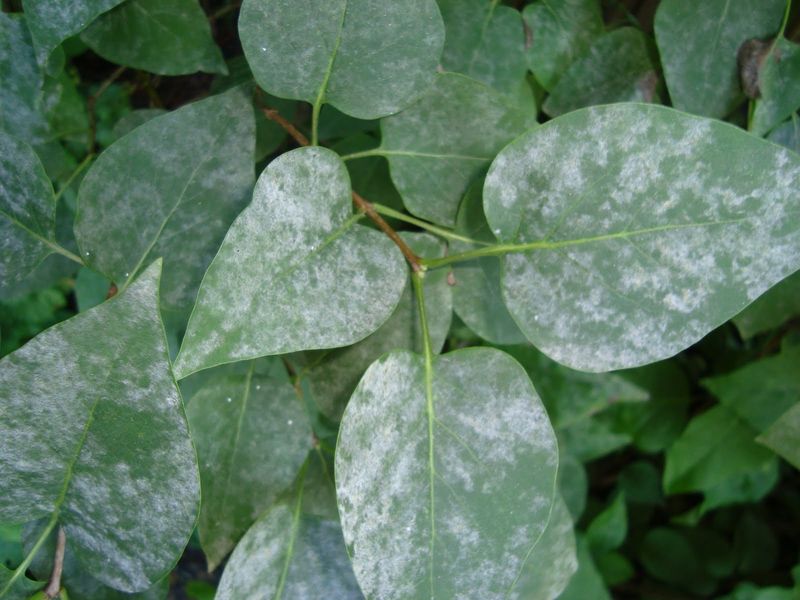
Summers in Ohio bring heat, humidity, and the kind of still, muggy air that fungal diseases absolutely love. Powdery mildew is the most common disease affecting lilacs in Ohio, and it shows up as a white, dusty coating on the leaves, usually starting in mid to late summer.
While powdery mildew rarely causes permanent harm to an established lilac, it weakens the plant over time and looks pretty unsightly.
The primary cause of powdery mildew is poor air circulation around and through the plant. When lilacs are crammed against fences, walls, or other shrubs, moisture from rain and morning dew lingers on the leaves far longer than it should.
That extended dampness creates perfect conditions for fungal spores to take hold.
Fixing this starts at planting time by choosing an open, breezy location away from solid structures that block airflow. For established plants, thinning out the interior branches every few years opens up the canopy and allows air to move through more freely.
Ohio gardeners should also avoid overhead watering late in the day, since wet foliage overnight dramatically increases fungal risk. Selecting mildew-resistant lilac varieties, such as some of the newer Preston hybrids, also helps reduce this recurring problem in Ohio gardens.
4. Pruning At The Wrong Time Stops Lilacs From Blooming

Every fall, well-meaning gardeners grab their pruning shears and tidy up their yards before winter sets in. Lilacs, unfortunately, are one of the plants that get unintentionally sabotaged by this habit.
Lilacs bloom on what horticulturists call old wood, meaning the flower buds for next spring are actually formed on stems that grew during the current year and then set buds by late summer.
When you prune in late summer, fall, or early spring, you are cutting off exactly the buds that would have opened into flowers. The plant survives just fine, but you end up with a green, flowerless shrub come May.
Many Ohio gardeners repeat this cycle for years without realizing their pruning timing is the culprit.
The correct window for pruning lilacs is immediately after they finish blooming in late spring, typically late May through mid-June in most parts of Ohio. During this brief period, you can safely remove spent flower heads, shape the plant, and cut back any withered or crossing branches.
The plant then has the entire growing season ahead to push out new growth and set next year’s buds. Mark it on your calendar so the timing becomes a reliable annual habit rather than an afterthought.
5. Overcrowded Plants Struggle To Thrive In Ohio Gardens

Nursery tags on young lilac plants often underestimate just how big these shrubs eventually get. A common lilac, Syringa vulgaris, can easily reach ten to fifteen feet tall and spread just as wide at maturity.
When planted too close to other shrubs, fences, or structures, lilacs quickly become crowded, and crowded plants compete fiercely for water, nutrients, and light.
In Ohio yards, this problem is especially common in older neighborhoods where original landscaping has been in place for decades. What started as a tidy row of small shrubs often becomes a tangled, shaded mass where none of the individual plants perform well.
Crowded lilacs also tend to develop more powdery mildew because of the reduced airflow we mentioned earlier.
When planting new lilacs, space them at least eight to ten feet apart from other large shrubs, and keep them well away from building foundations that limit root expansion. For existing crowded plantings, selective removal of competing shrubs can dramatically improve lilac health and flowering within a season or two.
Rejuvenation pruning, where you remove the oldest, thickest stems at ground level over a three-year period, helps restore older overgrown lilacs to a more productive, open structure better suited to Ohio growing conditions.
6. Lilacs Need The Right Variety For Ohio Weather

Not every lilac sold at a garden center is equally well-suited to Ohio’s climate. Ohio sits primarily in USDA Hardiness Zones 5 and 6, which means plants need to handle cold winters, late spring frosts, and occasional summer heat spikes.
Choosing a variety bred for these conditions makes a significant difference in long-term performance.
The classic common lilac, Syringa vulgaris, is actually an excellent choice for most of Ohio and has been grown successfully in the region for generations. Dozens of named cultivars within this species offer a range of colors from deep purple to white and pink, and most are reliably cold-hardy through Zone 4.
The Bloomerang series and Miss Kim lilac are also popular choices that perform well in Ohio yards and tend to be more compact than traditional common lilac.
For gardeners in northern Ohio where winters are harsher, Preston hybrid lilacs offer exceptional cold hardiness and bloom slightly later than common lilacs, helping them avoid late frost damage to flower buds. Ohio State University Extension and the Ohio Department of Natural Resources both recommend selecting regionally appropriate varieties when purchasing new shrubs.
Buying from a reputable Ohio nursery rather than a big-box chain often means the plants have already been selected with Ohio’s specific climate in mind.
7. Too Much Fertilizer Can Reduce Lilac Blooms

More fertilizer seems like a logical solution when a plant is not performing well, but with lilacs, extra feeding often makes the problem worse rather than better. Lilacs are naturally light feeders, and they are quite capable of getting most of what they need from average garden soil without any supplemental fertilizer at all.
The biggest issue in many Ohio yards is not intentional lilac fertilizing but accidental feeding from lawn fertilizer. When high-nitrogen lawn fertilizer is spread near lilac shrubs, the roots absorb it readily.
Nitrogen is the nutrient responsible for leafy green growth, so an excess of it pushes the plant to produce lush foliage at the direct expense of flower bud development. You end up with a beautiful, healthy-looking green shrub that simply refuses to bloom.
If your lilac genuinely needs a nutrient boost, a light application of a balanced, low-nitrogen fertilizer applied in early spring is appropriate. Products with equal or higher phosphorus numbers relative to nitrogen support root health and flowering rather than excessive leaf production.
Ohio State University Extension advises against routine annual fertilizing of established lilacs unless a soil test has confirmed a specific deficiency. Keep lawn fertilizer applications at least three to four feet away from the drip line of your lilac shrubs.
8. Healthy Planting Habits Help Lilacs Thrive In Ohio Gardens

Getting a lilac off to a strong start in Ohio begins with how you plant it in the first place. Planting depth is something many gardeners get wrong, and it can affect the shrub for years.
Lilacs should be planted at the same depth they were growing in the nursery container, with the root crown sitting right at or just slightly above the surrounding soil level. Planting too deep suffocates the root system and leads to a chronically underperforming shrub.
Watering during the first growing season is critical in Ohio, where late summer can bring dry stretches that stress newly planted shrubs. Deep, infrequent watering encourages roots to grow downward rather than staying shallow and vulnerable.
Aim to water thoroughly once or twice a week during dry periods in the first year, then gradually reduce as the plant becomes established.
Mulching is one of the best investments you can make for a new lilac in Ohio. A two to three inch layer of shredded bark or wood chip mulch spread around the base, kept a few inches away from the main stems, conserves soil moisture, moderates soil temperature through Ohio’s variable seasons, and gradually improves soil structure as it breaks down.
Consistent, attentive care in the first two years sets the foundation for decades of reliable blooms.