Why Gravel Gardens Are Taking Off In California
California gardens are changing fast. Years of drought, water restrictions, and rising temperatures have pushed many gardeners to rethink the traditional lawn and thirsty flower beds.
Instead of fighting the climate, more people are embracing a style that actually works with it. That shift is one of the reasons gravel gardens are suddenly everywhere.
At first glance, a gravel garden might look simple, but the idea behind it is surprisingly smart.
A layer of gravel creates excellent drainage, reduces weeds, and helps highlight drought tolerant plants that thrive in California’s sunny conditions.
The result is a landscape that feels modern, natural, and far easier to maintain. Garden designers and home gardeners alike are drawn to the relaxed look and practical benefits.
With the right mix of hardy plants and textured stone, gravel gardens can stay beautiful through hot summers while using far less water than traditional landscapes.
1. Water-Wise Landscaping
California has been dealing with serious drought for years, and traditional grass lawns just aren’t cutting it anymore. A gravel garden can save thousands of gallons of water every single year.
That’s a big deal in a state where water restrictions are common and conservation matters more than ever.
Gravel acts like a natural barrier on top of the soil. It slows down evaporation, which means moisture stays in the ground longer and plants get more of what they need.
You don’t have to water as often, and your plants still thrive.
Drought-tolerant plants like lavender, agave, and California poppies pair perfectly with gravel. These plants are built for dry conditions, so they love the setup.
Homeowners across Southern California especially are making the switch and seeing real savings on their water bills. It’s a win for your wallet and for the environment.
2. Easy Maintenance
Nobody wants to spend every weekend mowing, edging, and fertilizing a lawn. One of the biggest reasons gravel gardens are booming in California is simply how easy they are to take care of.
Once the gravel is laid and the plants are in, your workload drops dramatically.
There’s no mowing required, no weekly watering schedule to stress about, and no need for chemical fertilizers or pesticides. A weed barrier placed under the gravel keeps unwanted plants from popping up.
You might need to rake the gravel occasionally or pull out the rare weed, but that’s about it.
Busy families and working professionals across the Bay Area and Los Angeles love this low-effort approach to outdoor living. You still get a gorgeous yard without sacrificing your free time.
Even seasonal upkeep is minimal compared to a traditional lawn. For anyone who wants a beautiful outdoor space without the constant chores, a gravel garden is a seriously smart move.
3. Perfect For California Heat
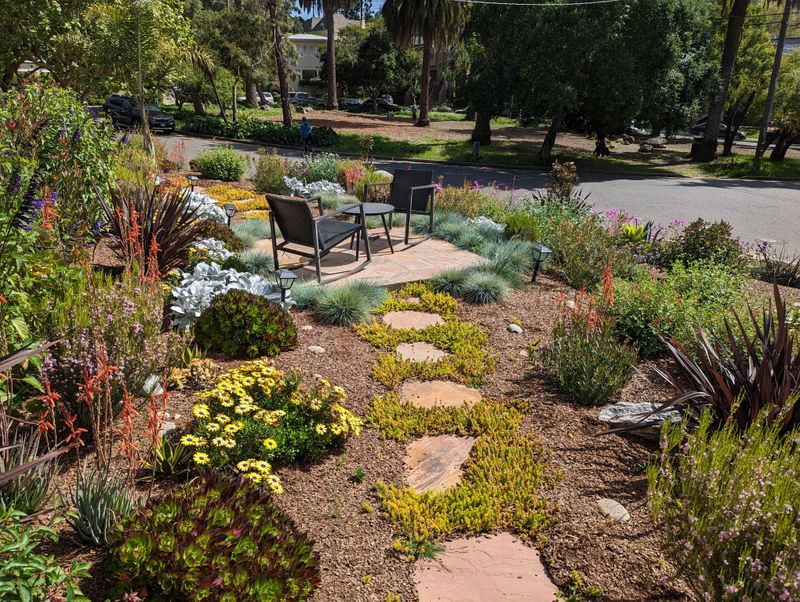
Summer in California can be brutal. Temperatures regularly climb past 90 degrees in many parts of the state, and traditional lawns often turn brown and patchy under that kind of heat.
Gravel gardens, on the other hand, are built for exactly these conditions.
Your California Garden Changes Every Week. Your Plan Should Too.
Gardening in California changes quickly throughout the season. Every Friday you’ll receive a simple weekly plan showing exactly what to plant, prune, fertilize, harvest, and protect so you never miss the right timing.
Gravel doesn’t wilt, fade, or need extra watering when a heat wave hits. It stays in place and keeps doing its job no matter how hot it gets.
The rocks actually absorb heat during the day and release it slowly at night, which can create a slightly warmer microclimate that certain plants absolutely love.
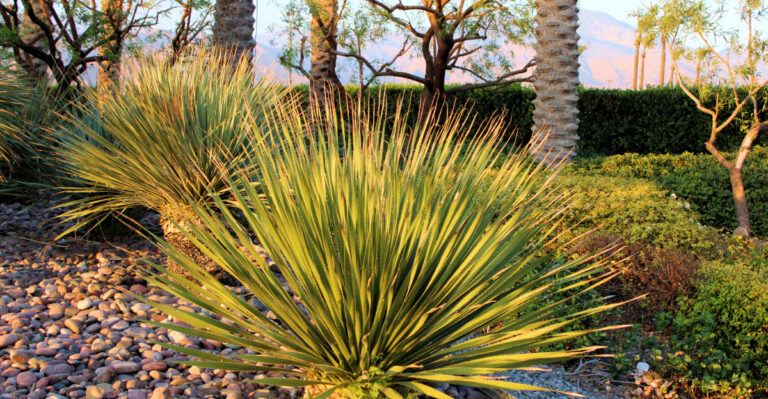
Plants like aloe vera, yucca, and ornamental grasses thrive in the kind of intense sun that California delivers all summer long. Pairing these heat-lovers with gravel creates a yard that looks great even in the hottest months.
Homeowners in the Inland Empire and Central Valley, where summer heat is especially intense, have found that gravel gardens hold up beautifully season after season without any extra fuss.
4. Natural Drainage Solution
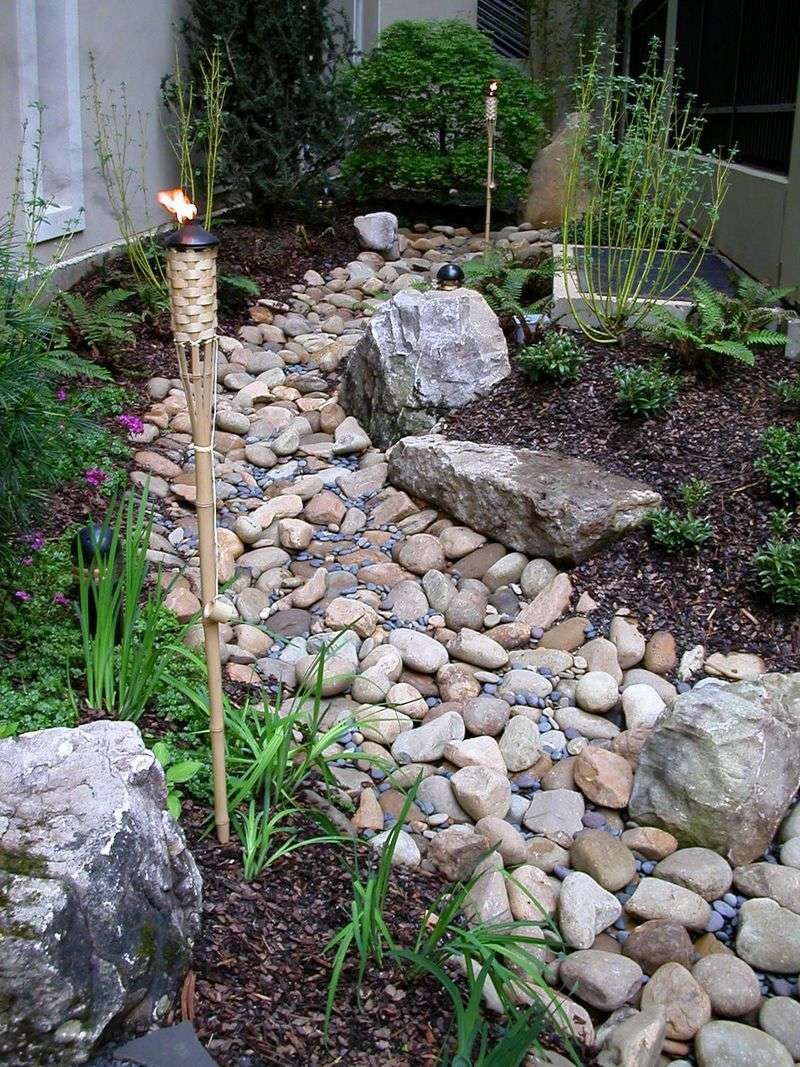
California gets most of its rain in short, intense bursts during winter months. That kind of downpour can cause serious flooding and runoff problems in yards that have compacted soil or too much concrete.
Gravel is a natural fix for this issue.
Water moves through gravel quickly and easily, soaking into the ground instead of pooling on the surface. This reduces runoff, protects your yard from erosion, and helps recharge groundwater supplies.
In areas like Sacramento and the San Francisco Bay Area, where heavy rain events can cause flooding, gravel gardens offer real protection.
Homeowners can also design gravel pathways and dry creek beds that guide water away from the house and toward garden beds or street drains. It’s both practical and attractive.
Gravel works with nature instead of against it, making it one of the most sensible landscaping choices available in California.
If your yard has drainage problems, swapping out lawn or concrete for gravel could solve the issue while making your outdoor space look fantastic at the same time.
5. Showcases Color And Texture
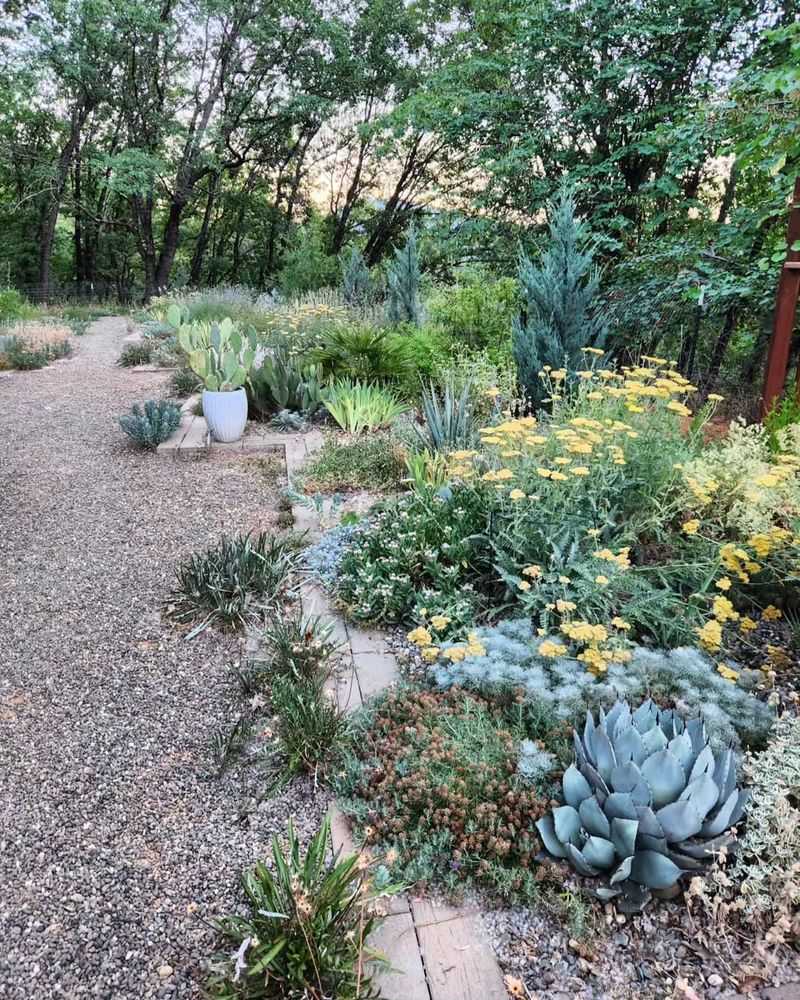
Gravel gardens are not just practical. They’re genuinely beautiful.
One of the most exciting parts of designing one is choosing from the wide variety of gravel colors, sizes, and textures available. You can create a look that feels totally unique to your home.
Lighter gravel tones like white quartz or sandy beige reflect sunlight and give a clean, modern feel. Darker stones like charcoal or slate add drama and contrast.
Mixing different sizes, from fine pea gravel to chunky river rocks, adds visual depth that makes the garden feel dynamic and layered.
Add in plants with bold colors and interesting shapes, like purple lavender, spiky agave, or feathery ornamental grasses, and the result is a yard that turns heads.
Many California homeowners have shared photos of their gravel gardens online, and the response is always enthusiastic.
Interior designers and landscape architects in cities like San Diego and Santa Barbara are increasingly incorporating gravel as a key design element.
The combination of natural materials and colorful plants creates something that looks effortlessly stylish all year round.
6. Works On Slopes And Hills
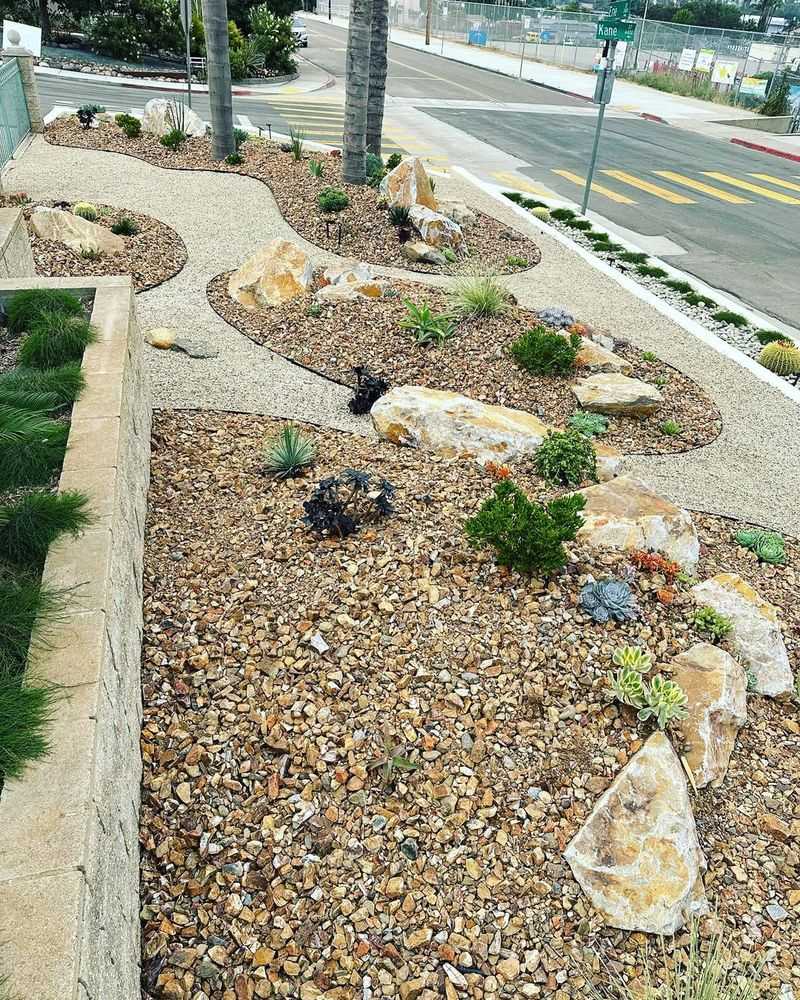
Sloped yards are one of the trickiest landscaping challenges California homeowners face. Grass struggles to grow on steep hillsides, and bare soil is prone to sliding during heavy rain.
Gravel is one of the best solutions for managing difficult terrain like this.
Gravel locks into place on slopes and helps anchor the soil beneath it. When combined with deep-rooted drought-tolerant plants, it creates a stable, erosion-resistant surface that holds up through both summer heat and winter rain.
Many neighborhoods in the foothills of Los Angeles and the hills of Oakland have embraced this approach with great results.
You can also use larger decorative boulders and rocks alongside gravel to create natural-looking terraces on steeper slopes. This not only controls erosion but adds serious visual interest to what might otherwise be a frustrating part of your yard.
Landscape professionals across California recommend gravel as one of the most effective and affordable ways to manage sloped areas.
It’s a practical solution that also happens to look really good, turning a problem spot into one of the most eye-catching parts of the property.
7. Durable And Long-Lasting
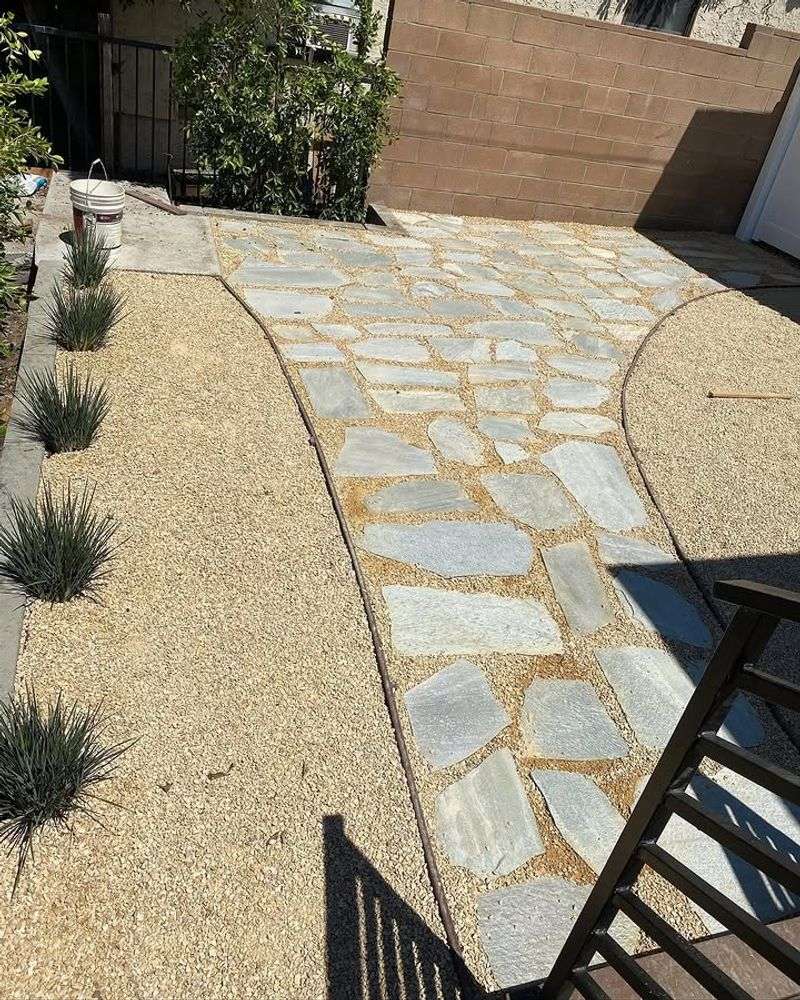
When you invest in your yard, you want something that lasts. Gravel gardens are incredibly durable compared to traditional lawns or even mulch-based gardens.
Gravel doesn’t break down, rot, or wash away easily, which means your initial investment goes a long way.
A well-installed gravel garden can look great for ten, fifteen, or even twenty years with only minimal touch-ups. You might need to top up the gravel slightly over time as it settles, but that’s a small task compared to the constant replanting and reseeding that lawns often require.
In California’s variable climate, that kind of reliability is priceless.
Gravel is also resistant to pests. Unlike wood mulch, it doesn’t attract termites or other insects that can cause problems around the home.
For California homeowners who deal with pest pressure, especially in warmer regions like the Central Valley and Riverside County, this is a meaningful benefit.
The long lifespan of a gravel garden also means less waste and fewer resources spent over time, making it both a financially smart and environmentally responsible landscaping choice for any California property.
8. Sustainable Garden Choice
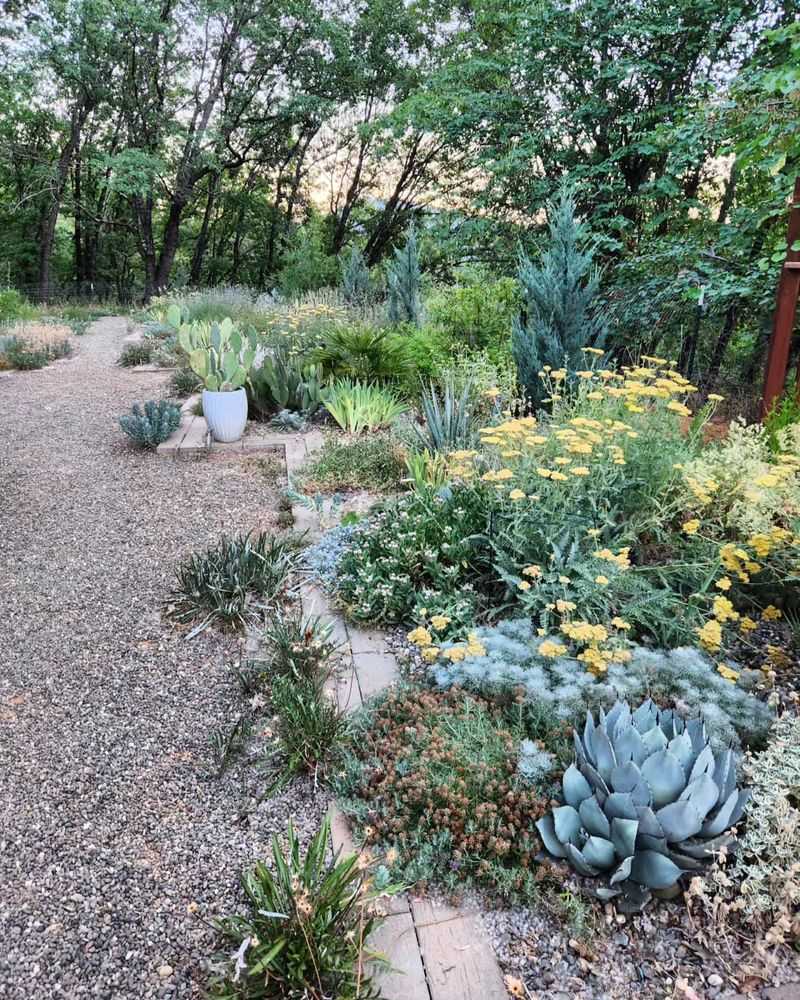
Sustainability is something a lot of California residents care deeply about, and gravel gardens fit right into that mindset. From water conservation to reduced chemical use, a gravel garden supports a healthier environment in several meaningful ways.
Replacing a traditional lawn with gravel can cut outdoor water use by up to 50 percent or more. That’s a massive reduction in a state where water is a precious and limited resource.
Gravel also eliminates the need for gas-powered lawn mowers, which reduces air pollution and carbon emissions over time.
Native California plants paired with gravel support local ecosystems by providing habitat for pollinators like bees and butterflies. These plants evolved in California’s climate, so they need very little help to thrive.
No synthetic fertilizers, no pesticides, no constant irrigation. Many cities across California, including Los Angeles and Fresno, even offer rebate programs for homeowners who replace lawns with drought-tolerant landscaping.
A gravel garden checks all the boxes for anyone looking to make a positive environmental impact while still enjoying a yard that looks inviting, clean, and full of character throughout every season.