No Sun, No Problem: These Flowering Bushes Are Perfect For California Shade
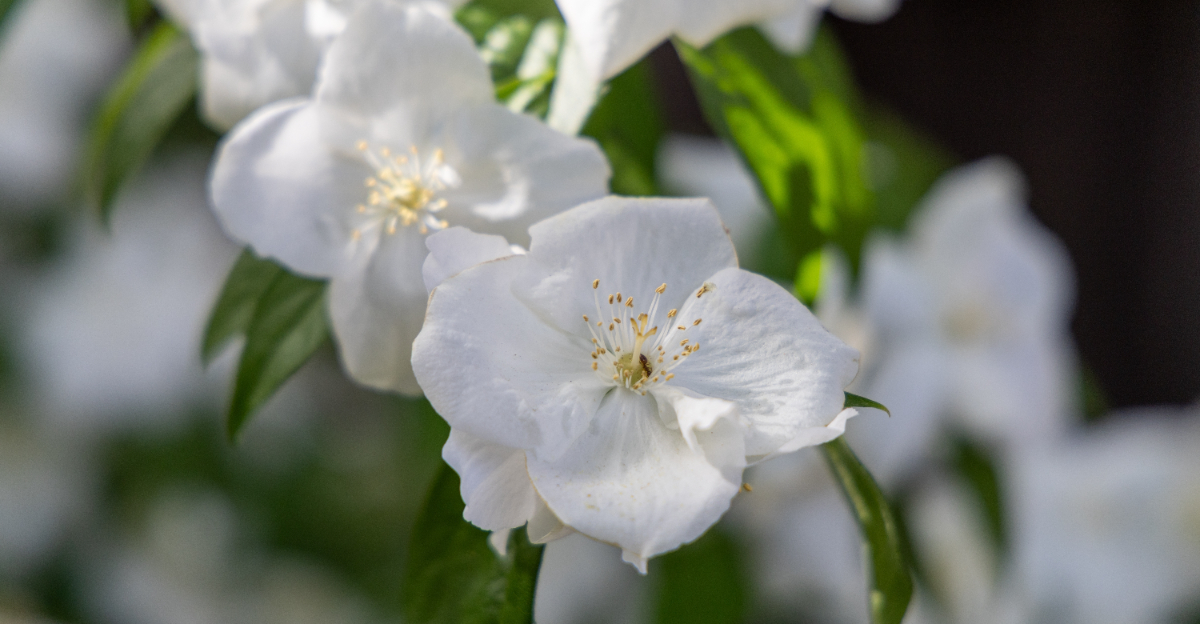
California shade can feel like a tricky spot in the yard. One minute you are dreaming about big color and cheerful blooms, and the next you are staring at a dim corner where even your enthusiasm seems to need more sunlight.
Still, that does not mean your garden has to settle for a plain green backdrop. Plenty of flowering bushes are more than happy to put on a show without baking in full sun all day.
That is great news for patios tucked under trees, side yards that never seem to brighten up, and those awkward spots near the house that get skipped every planting season.
Instead of fighting the conditions, smart California gardeners work with them and end up with spaces that feel cooler, softer, and a lot more inviting.
Honestly, some shade shrubs look so lush and elegant, they can make sunny beds seem like they are trying too hard. A shady yard can still be the prettiest part of the whole property.
1. Western Azalea
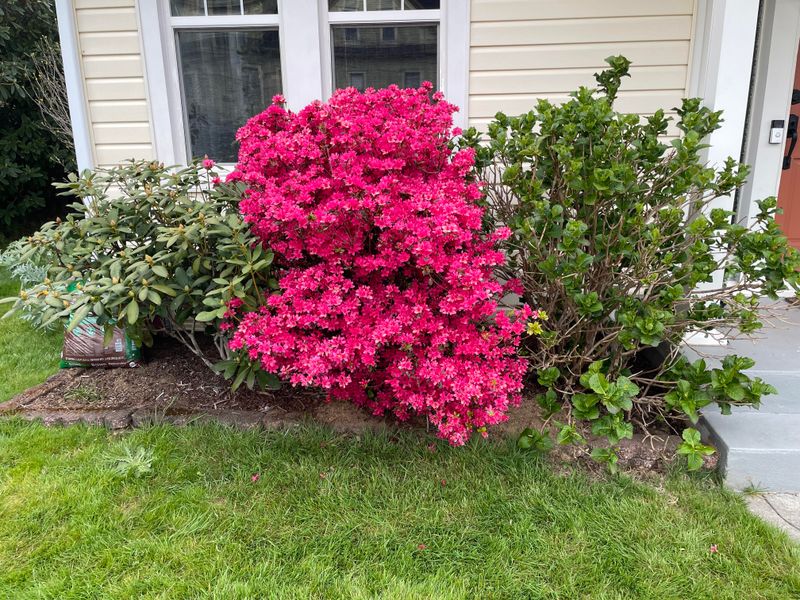
Few plants stop people in their tracks quite like the Western Azalea in full bloom. Native to California, this stunning shrub bursts into clusters of white, pink, or pale yellow flowers, often with a sweet, spicy fragrance that drifts through the air.
It typically blooms from late spring into early summer, making it a highlight of the shade garden season.
Western Azalea loves moist, well-drained, acidic soil. Plant it under oak or pine trees where it gets dappled light throughout the day.
In California, it grows naturally along stream banks and in mountain foothills, so mimicking those conditions in your yard helps it thrive. Avoid heavy clay soil, and add organic compost to improve drainage.
This shrub can grow anywhere from four to ten feet tall, so give it plenty of room. Water it regularly during dry months, especially in Southern California where summers get hot.
Once established, it becomes more resilient. Hummingbirds and butterflies absolutely love the flowers, so expect some wonderful wildlife visitors.
Western Azalea is truly one of California’s most rewarding native flowering shrubs for shaded spaces.
2. Evergreen Currant
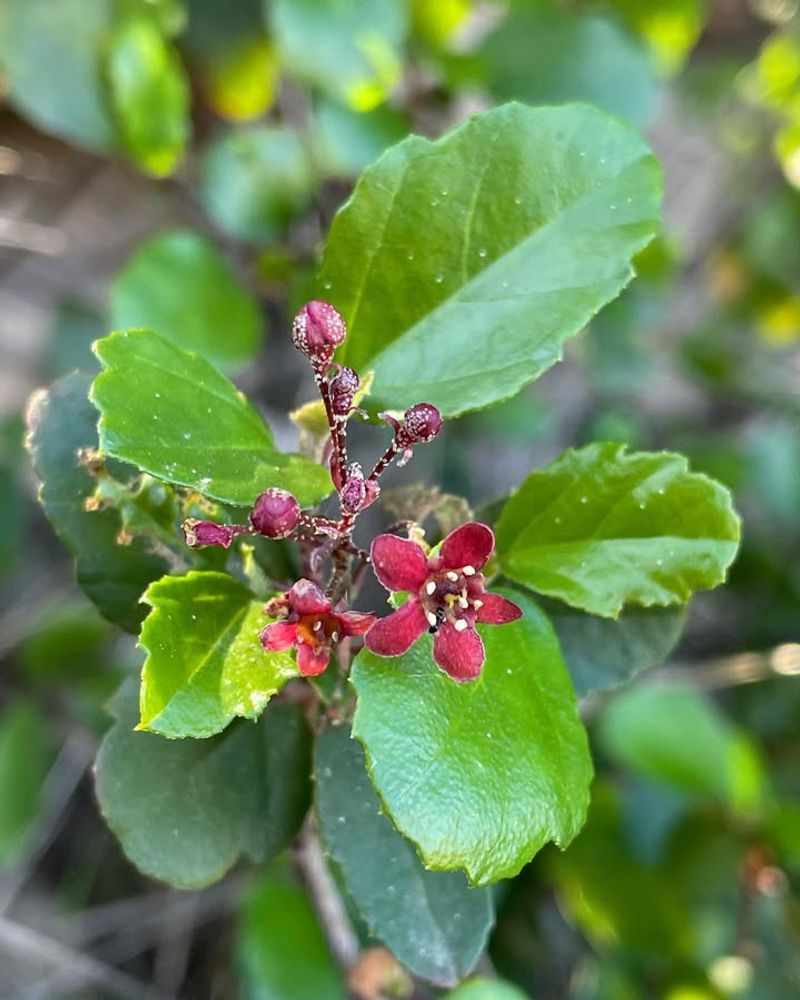
Tough, reliable, and quietly beautiful, Evergreen Currant is one of those plants that earns its spot in the garden without asking for much in return. Botanically known as Ribes viburnifolium, this California native stays green all year long, which is a big bonus in shaded areas where other plants may look bare during winter months.
The flowers are small, tubular, and pinkish-red, appearing in late winter to early spring. They may not be flashy from a distance, but up close they are charming.
More importantly, hummingbirds are absolutely wild about them. If you live in coastal or Southern California, this shrub is especially well-suited to your climate and soil conditions.
Evergreen Currant grows low and spreading, usually reaching about three to four feet tall but spreading wider. It works beautifully as a groundcover under trees or along shaded slopes.
Once established, it handles drought well, which makes it a smart, water-wise choice for California gardens. Plant it in well-drained soil with some organic matter, and give it occasional deep watering during its first year.
Your California Garden Changes Every Week. Your Plan Should Too.
Gardening in California changes quickly throughout the season. Every Friday you’ll receive a simple weekly plan showing exactly what to plant, prune, fertilize, harvest, and protect so you never miss the right timing.
After that, it largely takes care of itself with minimal fuss.
3. Golden Currant
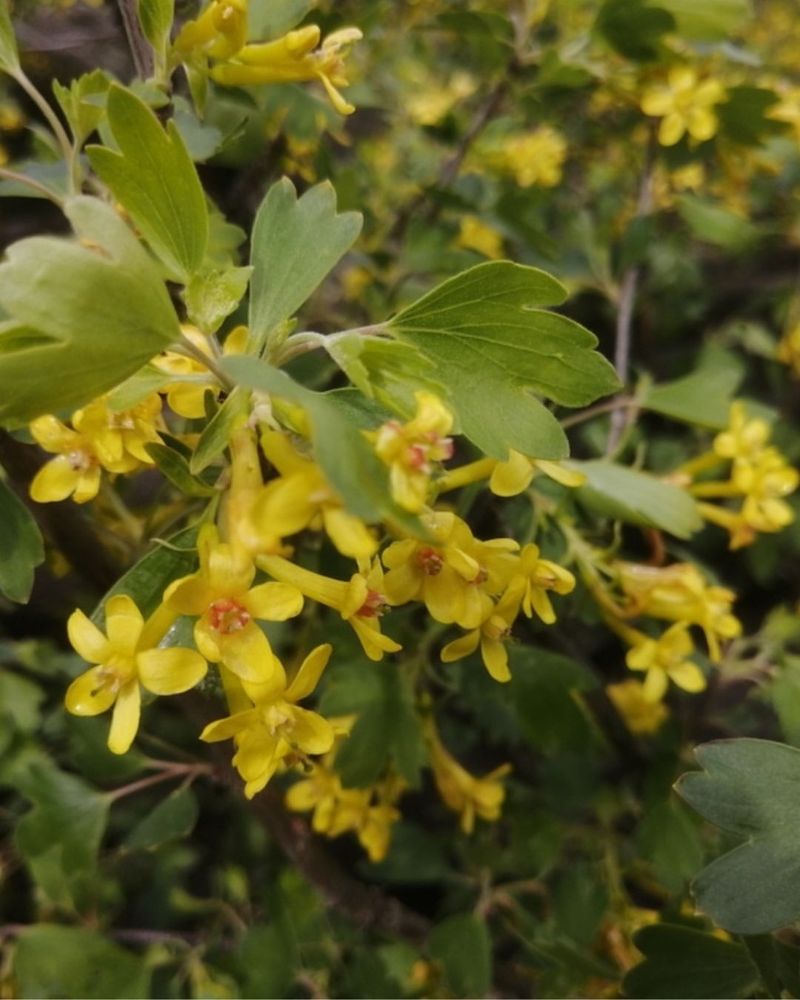
Bright yellow flowers in late winter or early spring are a cheerful surprise in any garden, and Golden Currant delivers exactly that. Known scientifically as Ribes aureum, this California-friendly shrub puts on a vivid floral display just when the garden needs color the most.
The blooms are small but produced in generous clusters, and they carry a pleasant, spicy-sweet scent.
Golden Currant is highly adaptable. It handles both partial shade and full sun, making it a flexible option for gardens where light levels vary throughout the day.
In California, it grows naturally in foothills and along streams, so it appreciates some moisture but also tolerates dry summers once it is well established in the ground.
After the flowers fade, the shrub produces small berries that ripen from yellow to orange to deep purple. Birds love them, and the berries are actually edible for people too.
Golden Currant typically grows four to six feet tall and wide, making it a solid mid-sized shrub for garden borders or naturalized areas. Pollinators flock to the flowers each spring.
If you want early-season color with very little maintenance, Golden Currant is a fantastic choice for California shade gardens.
4. Western Spicebush
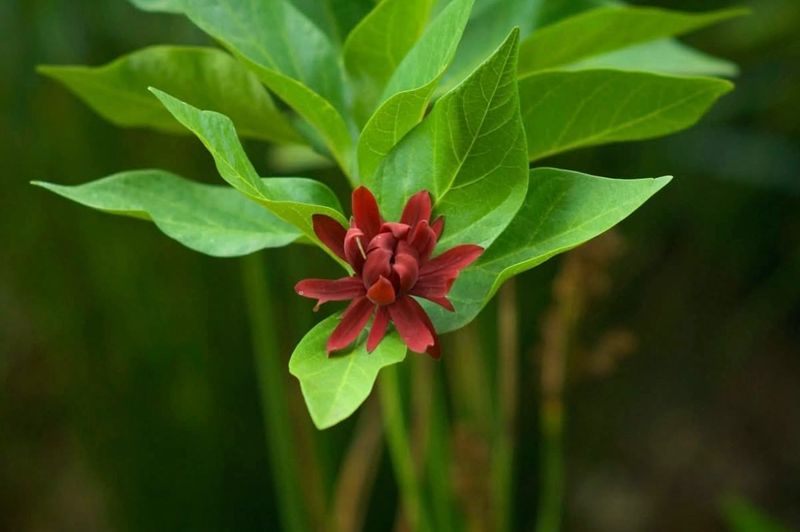
There is something almost magical about a plant that smells amazing before you even see its flowers. Western Spicebush, or Calycanthus occidentalis, earns its name through its wonderfully aromatic leaves and bark.
Crush a leaf between your fingers and you get a warm, spicy scent that makes this shrub unforgettable in any California garden.
The flowers are unusual and striking, with deep burgundy-red, ribbon-like petals that bloom in late spring and continue into summer. They have an old-fashioned, exotic look that adds real personality to shaded garden corners.
Western Spicebush grows naturally along streams and in canyon bottoms throughout California, so it thrives in moist, shaded spots that other shrubs might struggle in.
Expect this shrub to grow anywhere from four to twelve feet tall, depending on water and light availability. It prefers consistently moist soil and partial to full shade, making it ideal for low spots in the garden or areas near a water feature.
Butterflies and beetles are drawn to the unusual flowers. Prune lightly after flowering to keep the shape tidy.
For California gardeners who want a truly unique, fragrant, shade-loving shrub, Western Spicebush is a standout choice worth every bit of space it takes up.
5. Bush Anemone
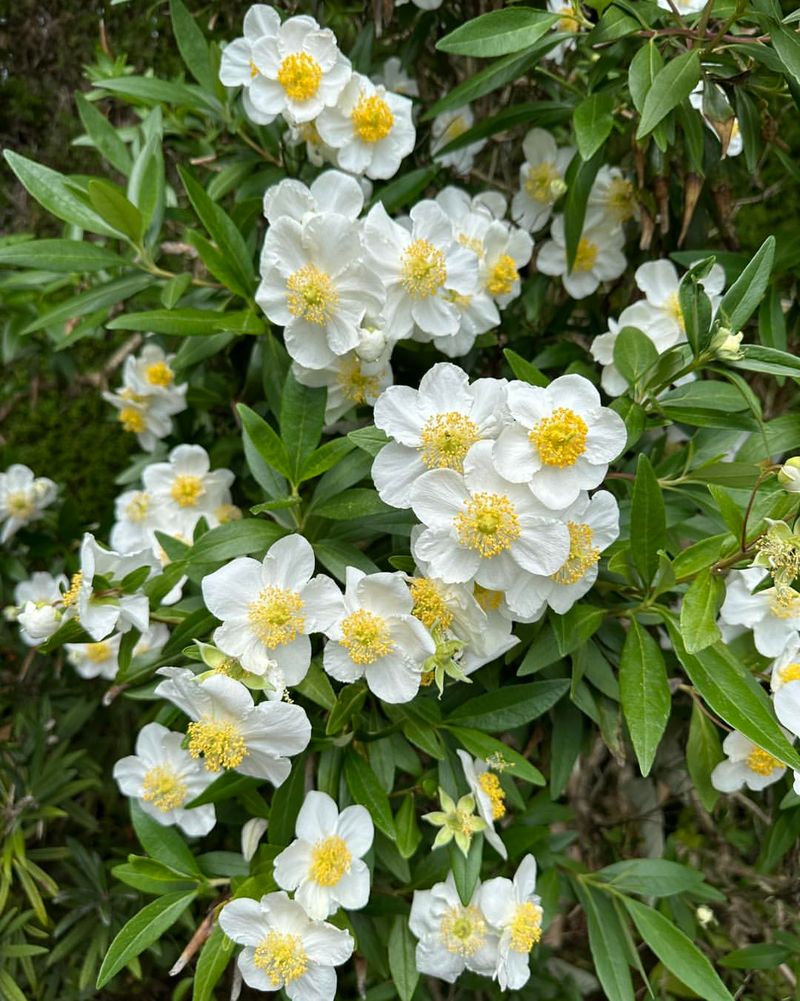
Bold, white, and absolutely gorgeous, Bush Anemone is one of California’s most underrated native shrubs. Officially called Carpenteria californica, it produces large, showy flowers that look almost like single roses, with bright yellow stamens at the center.
The blooms appear from late spring into early summer and carry a soft, sweet fragrance.
Bush Anemone is native only to a small region in Fresno County, California, which makes it a genuinely special plant with deep local roots. Despite its limited natural range, it adapts well to garden conditions throughout much of California.
It prefers partial shade, especially in warmer inland areas where afternoon sun can be intense and drying during summer months.
Growing six to eight feet tall and wide, Bush Anemone makes an excellent background shrub or privacy screen. It is evergreen, so it keeps its attractive, dark green leaves all year.
Water it moderately and make sure the soil drains well. Once established, it handles California’s dry summers with reasonable ease.
Pollinators love the open flowers. If you are looking for a flowering shrub that feels both wild and elegant, Bush Anemone brings that rare combination to any shaded California garden with confidence and flair.
6. California Mock Orange
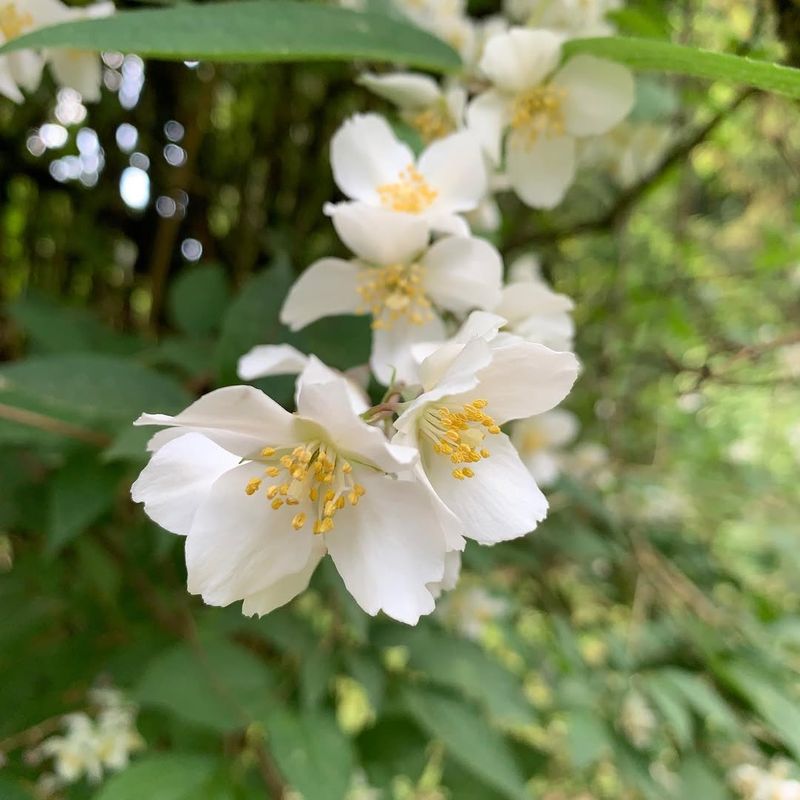
Walk past California Mock Orange when it is in bloom and you might think someone nearby is baking something sweet. Philadelphus lewisii, as it is formally known, fills the air with a rich, orange-blossom fragrance that is hard to forget.
The flowers are pure white with a cluster of golden stamens at the center, and they bloom generously in late spring and early summer.
This shrub is a wonderful choice for shaded spots in California gardens because it handles reduced light better than many flowering shrubs. It grows naturally in woodland edges and along canyon walls, so partial shade feels like home to it.
Well-drained soil with some organic matter helps it settle in quickly and bloom more abundantly each season.
California Mock Orange typically reaches six to ten feet tall, making it a great choice for creating a natural garden screen or backdrop. It is deciduous, meaning it drops its leaves in winter, but the bare branches have their own quiet charm.
Prune it lightly after flowering to encourage fresh growth and better blooms the following year. Birds use the dense branches for shelter and nesting.
For fragrance, charm, and easy care in California shade gardens, few shrubs can match what Mock Orange brings to the table.
7. Ninebark
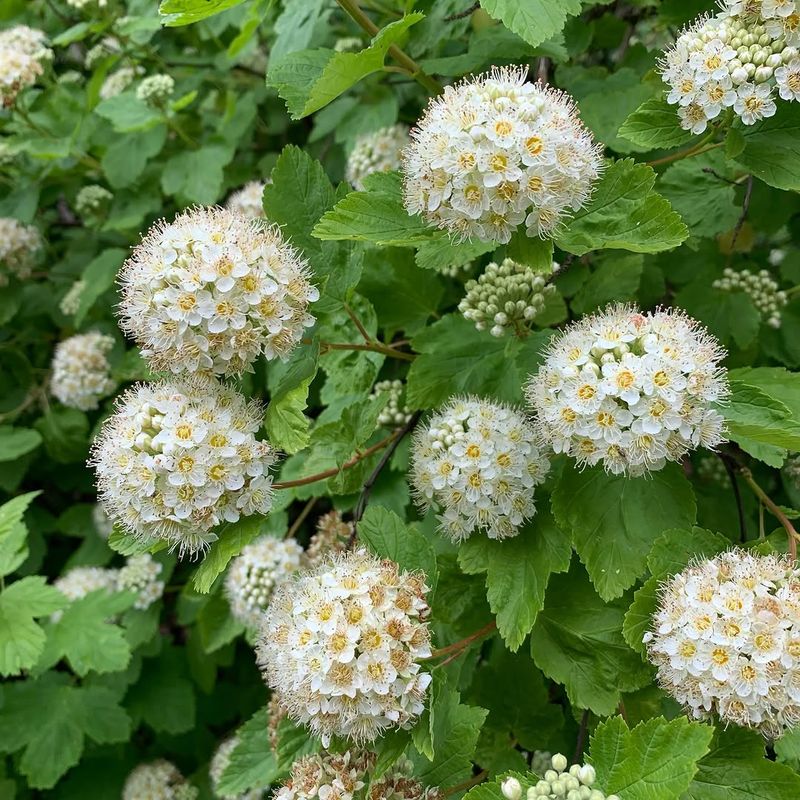
Ninebark is the kind of shrub that garden designers love because it brings texture, color, and flowers all at once. Physocarpus capitatus, the species native to California, features clusters of small white to pinkish flowers that bloom in late spring.
But what really sets Ninebark apart is its peeling, layered bark that adds visual interest even when the plant is not in bloom.
In California, Ninebark grows naturally along stream banks and in moist, wooded areas, so it is right at home in shaded garden spots with regular moisture. It is one of the better options for low-lying areas of the yard that collect water or stay damp longer than other parts of the garden.
Expect Ninebark to grow six to ten feet tall with an arching, graceful shape. The foliage is attractive on its own, with lobed leaves similar in shape to maple leaves.
After flowering, reddish seed clusters appear and add another layer of seasonal interest. Birds eat the seeds and use the dense growth for shelter.
Ninebark is low maintenance once established and responds well to pruning if you want to keep it more compact. For California shade gardens that need structure and seasonal beauty, Ninebark is a smart, hardworking choice.
8. Snowberry
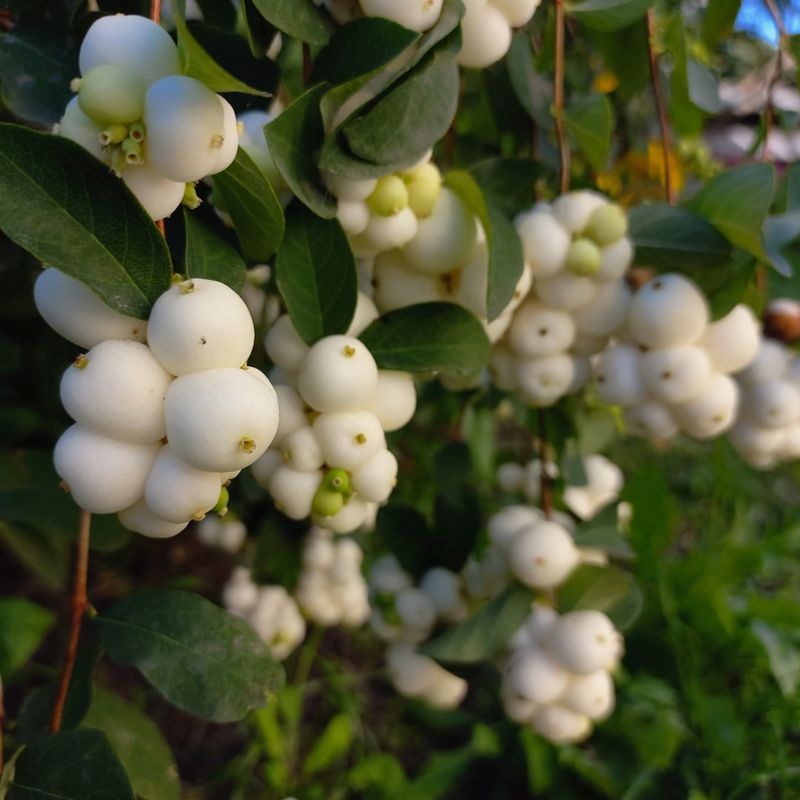
Snowberry earns its name from the clusters of bright white berries that appear in late summer and hang on the branches well into fall and winter. Symphoricarpos albus is a California native shrub that thrives in shaded conditions, making it one of the most practical choices for darker corners of the garden that need some life and color.
The flowers are small and bell-shaped, pinkish-white, and appear in late spring to early summer. They are modest compared to some showier shrubs, but they attract hummingbirds and native bees reliably.
The real visual payoff comes with those bold white berries, which stand out beautifully against the green foliage and look stunning in autumn arrangements.
Snowberry grows three to six feet tall and spreads by underground runners, which makes it excellent for stabilizing slopes and shaded hillsides across California. It handles drought reasonably well once established and adapts to a wide range of soil types.
The berries are not for eating, but birds and other wildlife appreciate them through the colder months.
If you want a low-maintenance, wildlife-friendly, shade-loving shrub that offers something interesting in every season, Snowberry is one of the most rewarding plants you can add to a California garden.