Should You Fertilize Your Florida Lawn In March
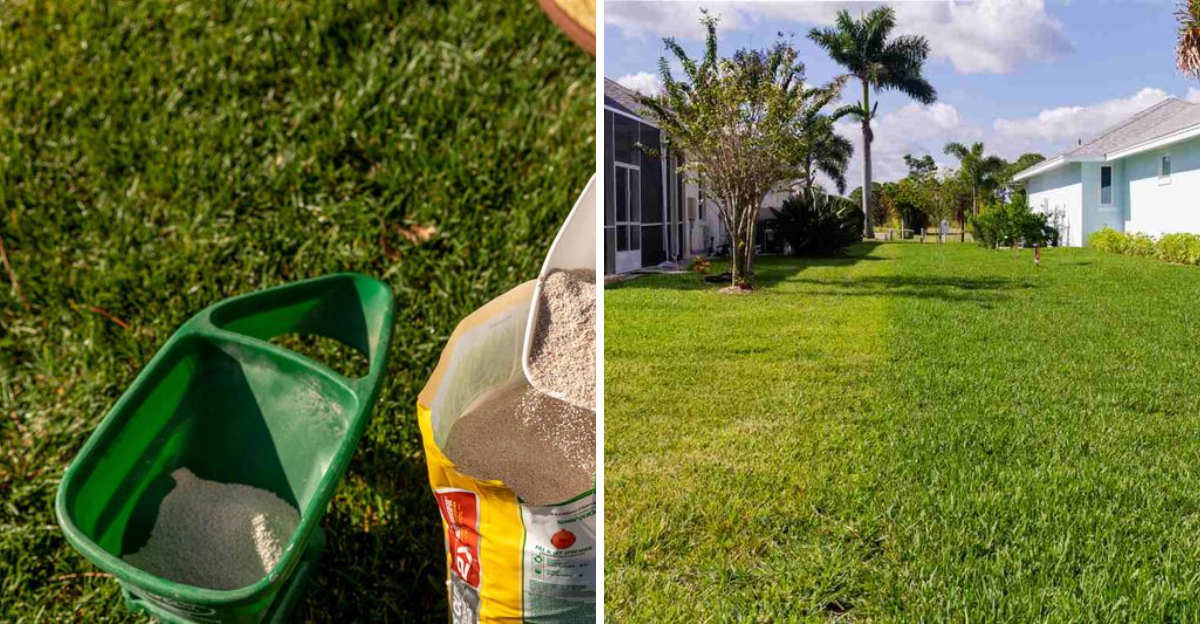
March arrives in Florida and suddenly every lawn starts greening up again. After the cooler winter months, that first burst of fresh grass makes many homeowners reach for a bag of fertilizer right away.
It feels like the perfect moment to feed the lawn and push it into full spring growth. But Florida lawns do not always follow the calendar the way people expect.
Fertilizing too early can lead to weak growth, wasted fertilizer, and sometimes more weeds than healthy grass. The real secret to a thick, resilient lawn is not just feeding it.
It is knowing exactly when your grass is ready to use those nutrients. And in many Florida yards, that moment comes later than most people think.
1. Florida Lawn Growth Often Begins Later Than March
Picture yourself standing in your backyard on a warm March morning in Central Florida, looking down at a lawn that still shows patches of tan and brown mixed in with some green. That visual is actually pretty normal, and it tells you something important about where your grass is in its seasonal cycle.
Warm-season grasses like St. Augustinegrass and Centipedegrass do not simply flip on like a light switch when February ends.
According to University of Florida IFAS Extension, warm-season grasses in Central and North Florida typically begin active growth in April, not March. Soil temperatures need to reach and stay consistently around 65 degrees Fahrenheit or warmer before grass roots really start pulling in nutrients.
Fertilizing before that happens means the product just sits in your sandy Florida soil without doing much good.
South Florida homeowners are in a different position since their lawns often grow year-round due to warmer winter temperatures. But for most of the state, March is still early.
Watching your lawn for fresh green shoot growth rather than watching the calendar is a smarter approach to deciding when the season has truly begun.
2. Warm Soil Temperatures Help Florida Lawns Use Fertilizer
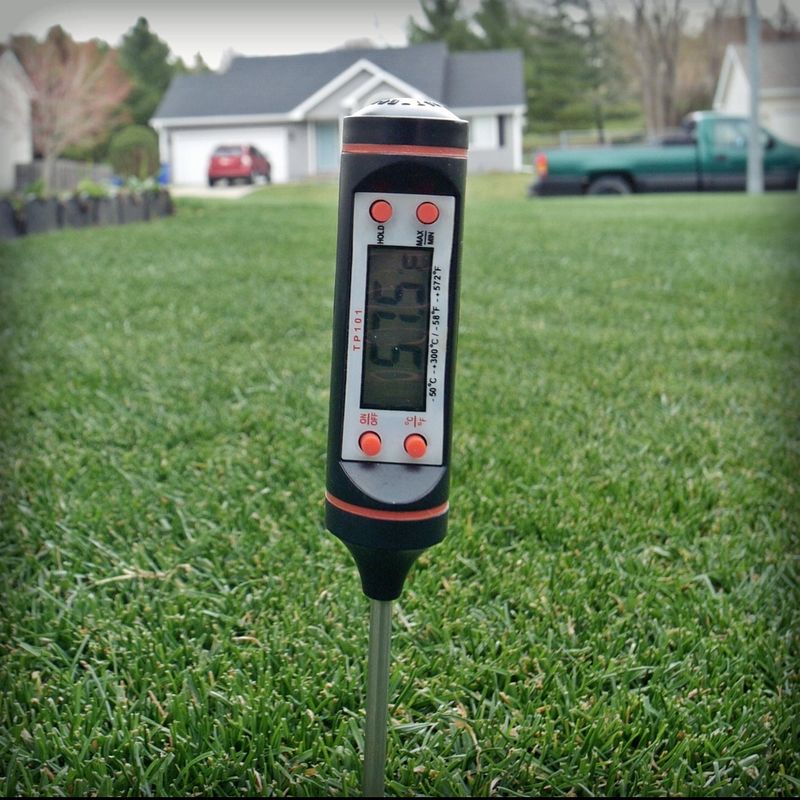
A bag of fertilizer sitting on your garage shelf cannot do anything for your lawn until the soil is ready to put it to work. Many Florida homeowners do not realize that grass roots become much more active and efficient at absorbing nutrients once soil temperatures climb to the right range.
Below that threshold, fertilizer applications are largely wasted effort.
University of Florida IFAS Extension research consistently points to soil temperature as a key factor in fertilizer effectiveness for warm-season grasses. When soil stays too cool, root activity slows down, and the grass simply cannot take up nitrogen and other nutrients efficiently.
In Florida, sandy soils warm up faster than heavier clay soils found in other states, but they also lose heat quickly during cool nights in February and March.
You can purchase an inexpensive soil thermometer at most garden centers to check your lawn before fertilizing. Aim for consistent readings at or above 65 degrees Fahrenheit measured a few inches below the surface.
North and Central Florida homeowners often find those readings more reliable in April and May. Checking soil temperature takes just a few minutes and can save you from wasting fertilizer on a lawn that is not ready to respond.
Your Florida Garden Changes Every Week. Your Plan Should Too.
Gardening in Florida changes quickly throughout the season. Every Friday you’ll receive a simple weekly plan showing exactly what to plant, prune, fertilize, harvest, and protect so you never miss the right timing.
3. Early Fertilizer Can Push Weak Growth In Florida Lawns
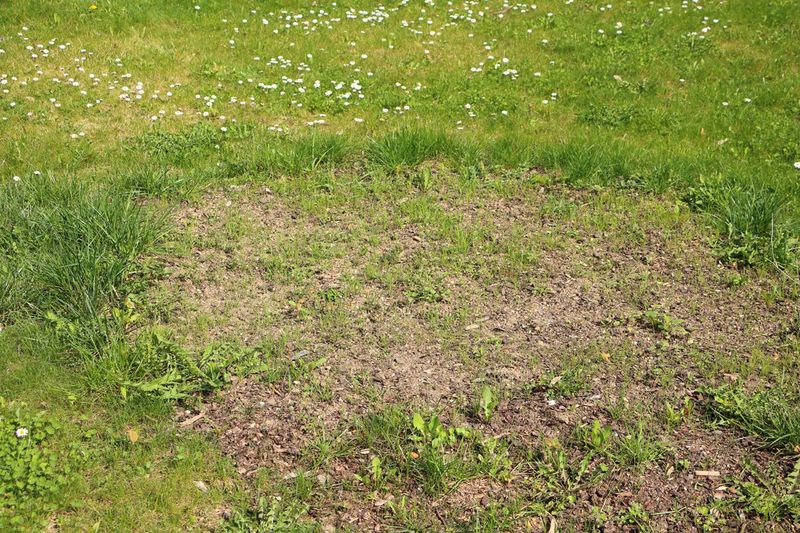
Grabbing that bag of fertilizer and spreading it on your Florida lawn the first warm weekend in March feels satisfying, but it can actually set your grass back rather than push it forward. When warm-season grasses are still in their early transition out of winter dormancy, the root system has not yet fully reactivated.
Feeding the lawn at that stage encourages the grass to push out leafy top growth before the roots below are strong enough to support it.
That kind of growth tends to look lush for a short time but ends up being weak and more vulnerable to stress. Thin, pale blades that grow quickly without a solid root foundation are more susceptible to drought pressure as Florida temperatures rise into summer.
The grass essentially burns through energy reserves it needs for deep root development.
University of Florida IFAS Extension advises homeowners to wait until the lawn has fully greened up and is showing consistent new growth before applying any fertilizer. Letting the grass demonstrate it is actively growing gives you a reliable signal that roots are ready to absorb and use nutrients.
Patience in early spring usually pays off with a thicker, healthier lawn through the long Florida growing season ahead.
4. Florida Lawns Benefit From Fertilizer During Active Growth
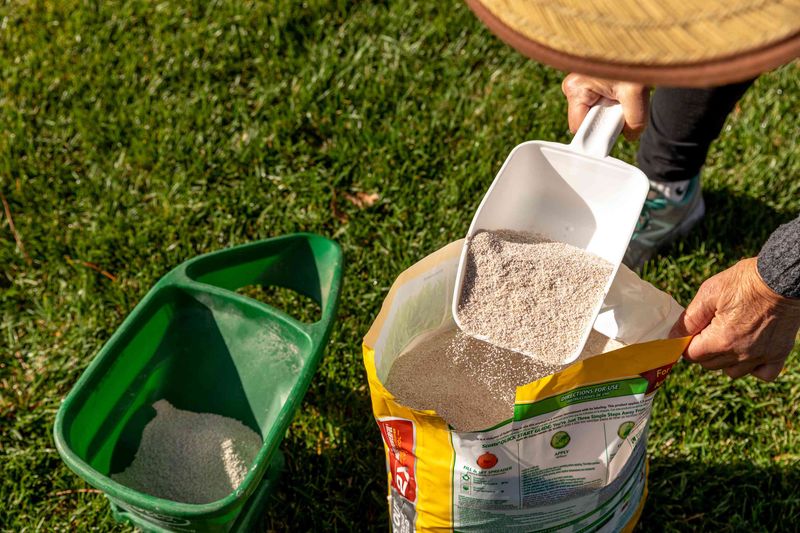
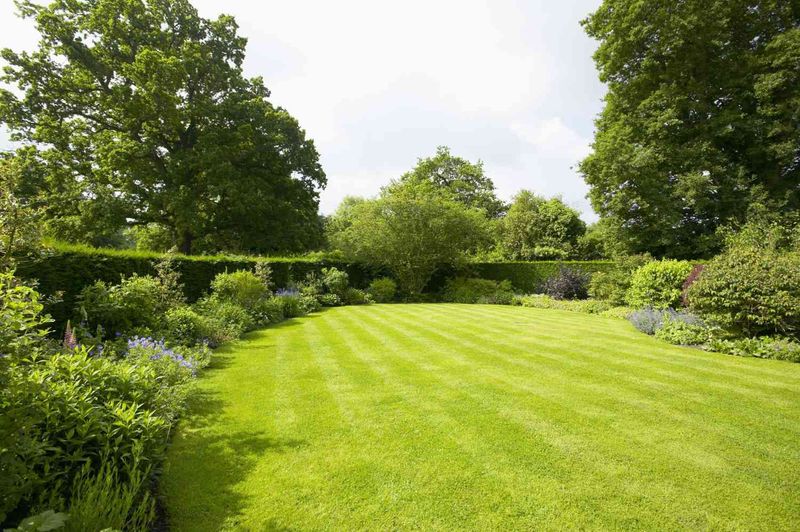
Walking across a fully green, thick Florida lawn in late spring is one of those satisfying rewards that comes from good timing. Once your warm-season grass has completely greened up and is putting out consistent new growth, that is the moment your lawn is truly ready to benefit from fertilizer.
At that stage, roots are actively pulling in water and nutrients, making your fertilizer application far more effective.
University of Florida IFAS Extension recommends applying a slow-release nitrogen fertilizer once your lawn reaches full active growth. Slow-release products deliver nutrients gradually, which matches the steady growth pace of Florida grasses and reduces the risk of nutrient runoff into waterways.
Florida’s sandy soils drain quickly, so slow-release formulas help ensure nutrients stay available in the root zone longer.
When choosing a fertilizer, look for a product with low or no phosphorus unless a soil test shows your lawn genuinely needs it. Florida’s environmental guidelines encourage minimal phosphorus use to protect local water quality.
Applying no more than one pound of nitrogen per 1,000 square feet per application keeps feeding at a responsible level. Fertilizing during active growth, rather than chasing an early calendar date, gives Florida lawns the strong foundation they need for the long growing season ahead.
5. Different Florida Lawn Grasses Wake Up At Different Times
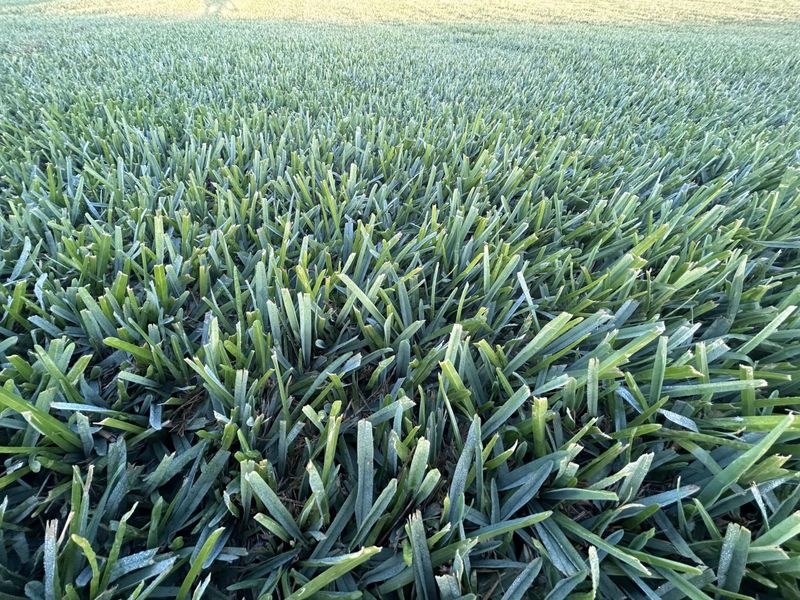
Not every Florida lawn follows the same schedule when spring arrives, and that has a lot to do with which grass type is growing in your yard. St. Augustinegrass, Bermudagrass, Zoysiagrass, and Centipedegrass all have slightly different temperature preferences and growth patterns that affect when they are truly ready for fertilizer.
Bermudagrass tends to green up relatively quickly as temperatures rise and is one of the more cold-sensitive grasses that responds fast to warmth. St. Augustinegrass, which is the most common lawn grass across Florida, usually begins solid growth once soil temperatures are consistently warm, often in April for Central and North Florida.
Zoysiagrass is known for being slower to green up in spring compared to Bermudagrass, sometimes taking longer even in warm conditions.
Centipedegrass is particularly sensitive to early fertilizing and is commonly over-fertilized by well-meaning homeowners. University of Florida IFAS Extension notes that Centipedegrass actually prefers low-fertility conditions and can be harmed by too much nitrogen applied too soon.
Knowing your grass type before you reach for the fertilizer bag is a simple but important step. When in doubt, contact your local University of Florida IFAS Extension office for advice specific to your county and grass species.
6. Healthy Florida Lawns Respond Better To Proper Fertilizer Timing
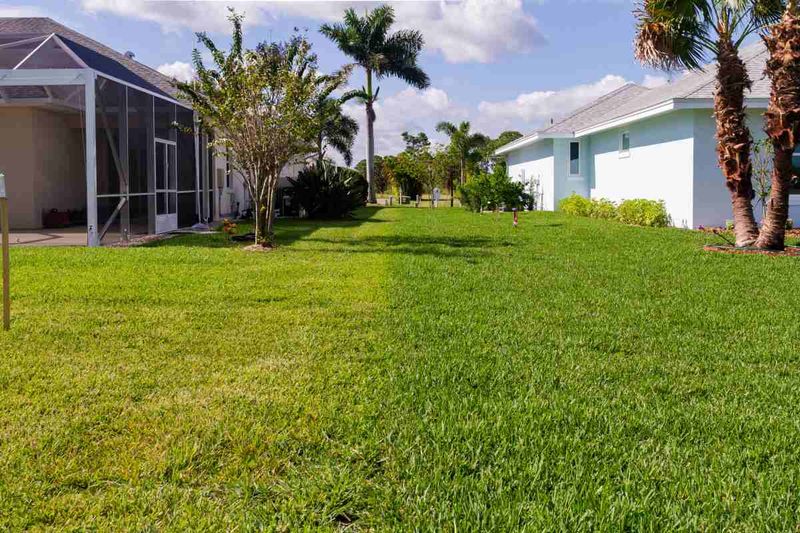
Timing fertilizer correctly does more than just feed your grass on the right day. It actually shapes how strong and resilient your Florida lawn becomes through the heat and humidity of summer.
Grass that receives fertilizer during active growth develops a deeper, denser root system that helps it handle Florida’s intense summer heat and occasional drought conditions far better than grass that was pushed too early.
When roots are healthy and well-established, your lawn also becomes more competitive against weeds. Thick turf that fills in naturally leaves less open space for weed seeds to take hold in Florida’s sandy soils.
That means less time pulling weeds and less need for herbicide applications throughout the growing season.
University of Florida IFAS Extension turfgrass research supports the idea that proper fertilizer timing, combined with correct mowing and irrigation, produces the healthiest results for Florida lawns. Applying fertilizer when the grass is truly ready allows the nutrients to move efficiently through the plant rather than sitting unused or washing away.
Building strong turf from the ground up by waiting for the right growth stage is one of the most practical things a Florida homeowner can do. Strong roots lead to a lawn that looks better and requires less overall maintenance all season long.
7. Too Much Early Fertilizer Can Stress Florida Lawns
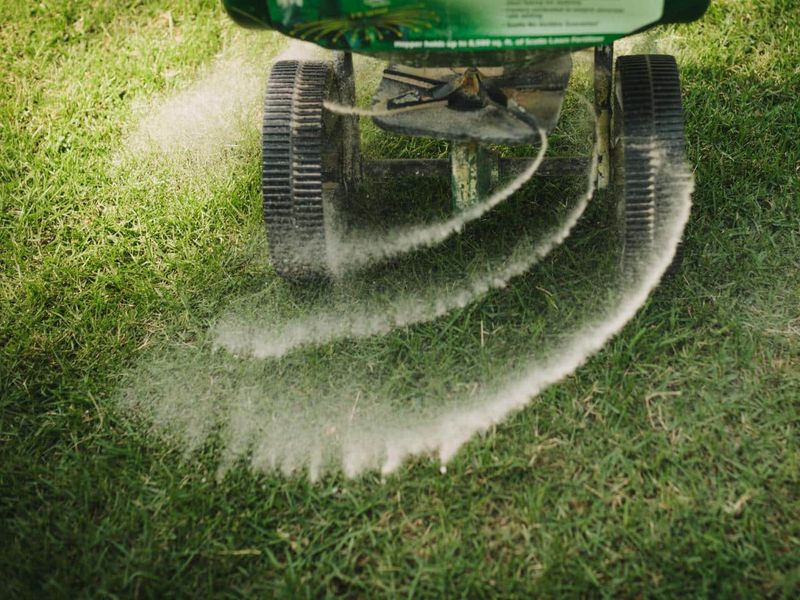
Spreading extra fertilizer in hopes of getting a faster green lawn is a tempting idea, but it often backfires on Florida homeowners. Applying too much nitrogen too early does not give you a thicker lawn twice as fast.
Instead, it can create uneven growth, increased thatch buildup, and turf that becomes more vulnerable to fungal problems in Florida’s warm, humid climate.
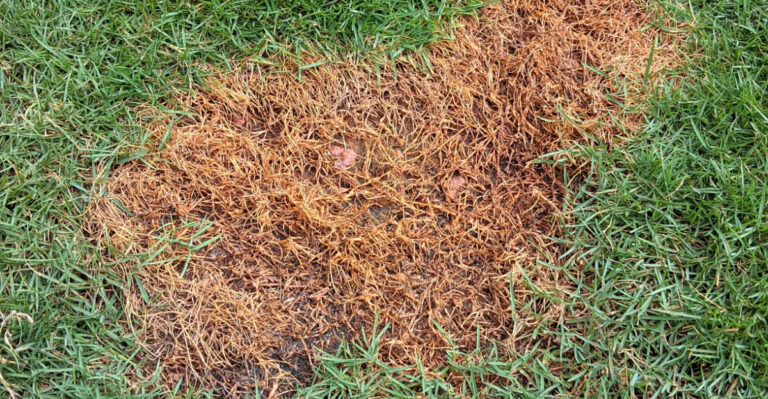
Excessive fertilizer in cool, moist spring conditions creates an environment where fungal diseases like brown patch can develop more easily. Florida’s warm nights and occasional spring rains provide ideal conditions for lawn diseases to spread when grass is growing rapidly but not yet fully hardened.
Sandy Florida soils also allow excess nitrogen to leach downward quickly, potentially reaching groundwater or runoff into local water bodies.
Many Florida counties have local fertilizer ordinances that restrict application rates and timing specifically to address water quality concerns. The Southwest Florida Water Management District and other regional agencies actively encourage responsible fertilizing practices.
Staying within recommended application rates of no more than one pound of nitrogen per 1,000 square feet per application protects both your lawn and Florida’s waterways. Applying the right amount at the right time is always more effective than applying more product earlier in the season.
8. Smart Lawn Care Helps Florida Grass Thrive All Season
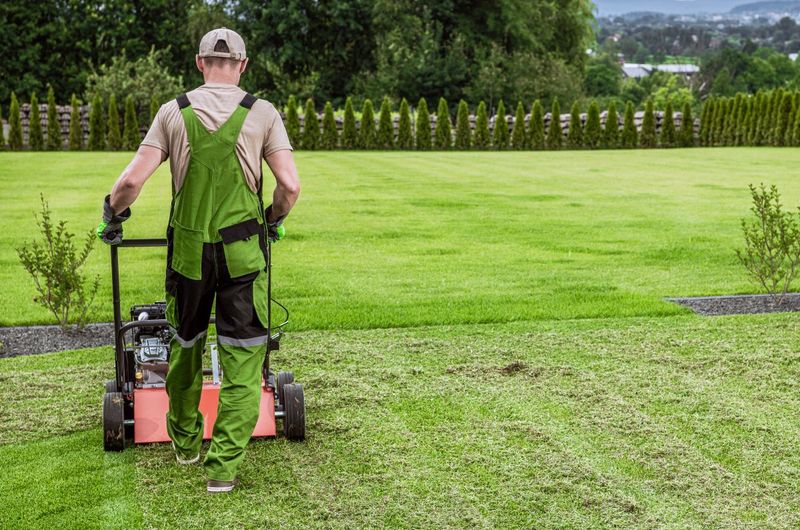
Fertilizing is just one piece of the puzzle when it comes to keeping a Florida lawn looking its best through the long growing season. Mowing height, watering habits, and overall lawn health practices all work together to determine whether your grass thrives or struggles from spring through fall.
Getting these basics right makes every fertilizer application more effective.
University of Florida IFAS Extension recommends mowing St. Augustinegrass at a height between three and a half and four inches for most home lawns. Taller grass shades the soil, reduces moisture evaporation, and helps keep weed seeds from germinating.
Bermudagrass is typically mowed shorter, between one and two inches, depending on the variety. Cutting grass too short, known as scalping, weakens the turf and leaves it more vulnerable to stress in Florida’s hot summers.
Watering deeply but infrequently encourages roots to grow deeper into Florida’s sandy soil rather than staying shallow near the surface. Shallow-rooted lawns dry out faster and need more frequent irrigation.
Watering early in the morning reduces evaporation and helps prevent fungal issues. Combining correct mowing height, smart irrigation, and properly timed fertilization gives Florida lawns the best possible foundation.
A well-maintained lawn naturally resists weeds, handles summer heat better, and stays green longer with less effort throughout the entire season.