Garden Tasks California Homeowners Should Finish Before The Weather Warms Up

California gardens have a small window each year when the weather is still cool, the soil is workable, and outdoor chores feel a lot more pleasant. Once late spring rolls in, hotter days arrive fast and many garden tasks suddenly feel like a race against rising temperatures.
Getting a few important jobs done now can make the entire growing season smoother. Prepping beds, refreshing soil, and taking care of early maintenance helps plants settle in before the real heat kicks in.
It also gives vegetables, flowers, and shrubs the strong start they need to thrive through California’s long, sunny months.
Think of this moment as your garden’s head start. A little effort now can prevent problems later, save water, and keep plants healthier as the weather warms up.
If you want a thriving, low stress garden this season, these are the tasks worth checking off your list while the cool spring air is still on your side.
1. Prune Spring-Flowering Shrubs

Right before the warm season hits, pruning your spring-flowering shrubs is one of the smartest moves you can make. Shrubs like lilac, forsythia, and azalea bloom on old wood, which means they set their flower buds the previous season.
If you wait too long to prune, you risk cutting off all those future blooms.
The best time to prune these plants is right after they finish flowering. That gives them the whole growing season to develop new branches and set buds for next year.
In California, that window can come earlier than in other states because of the mild climate.
Use clean, sharp pruning shears to make smooth cuts just above a healthy bud or branch junction. Avoid tearing or crushing the stems.
Remove any dead, crossing, or crowded branches first, then step back and look at the overall shape before cutting more.
Keeping shrubs well-shaped also improves air circulation, which helps reduce fungal problems during humid stretches. California gardens benefit from this extra care, especially in coastal areas where morning fog can linger.
A well-pruned shrub is not just prettier, it is also healthier and more productive season after season.
2. Clean And Sharpen Garden Tools

Most gardeners overlook their tools until something breaks or stops working right. But taking care of your tools before the busy season starts is one of the easiest ways to make every garden task go smoother.
Clean, sharp tools are safer, more efficient, and way less tiring to use.
Start by scrubbing off any dried soil, rust, or plant residue from last season. A stiff wire brush works great on metal surfaces.
For stubborn rust spots, a little steel wool and some elbow grease will do the trick. After cleaning, dry everything thoroughly to prevent new rust from forming.
Sharpening is just as important as cleaning. Dull blades on pruners, hoes, and spades make every job harder than it needs to be.
A simple hand file or a whetstone can restore a sharp edge in just a few minutes. You do not need fancy equipment to get good results.
Your California Garden Changes Every Week. Your Plan Should Too.
Gardening in California changes quickly throughout the season. Every Friday you’ll receive a simple weekly plan showing exactly what to plant, prune, fertilize, harvest, and protect so you never miss the right timing.
Once your tools are clean and sharp, rub the metal parts with a light coat of linseed oil or WD-40 to protect against moisture. Sand any rough wooden handles and apply linseed oil there too.
In California, where gardening season runs almost year-round, keeping your tools in top shape really pays off.
3. Fertilize Trees And Shrubs
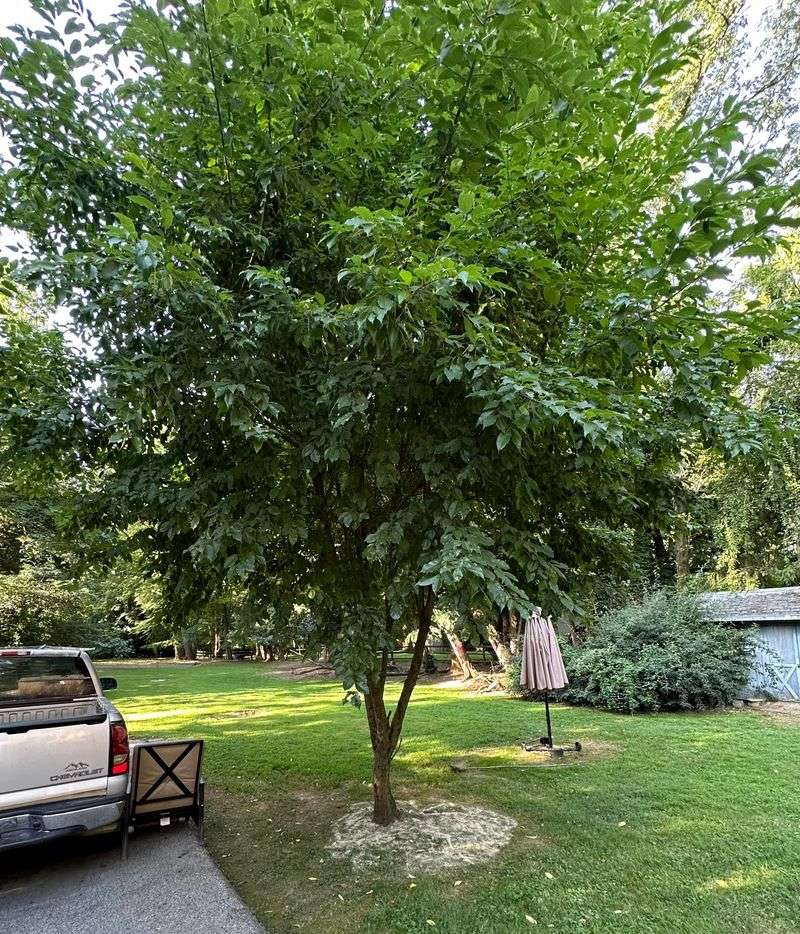
Early spring is prime time to feed your trees and shrubs in California. As the soil starts to warm up, plants wake from their winter rest and begin pushing out new growth.
Giving them a boost of nutrients right at this moment helps them hit the ground running.
For most trees and shrubs, a balanced slow-release fertilizer works really well. Look for something with equal parts nitrogen, phosphorus, and potassium, often listed as NPK on the bag.
Nitrogen encourages leafy green growth, phosphorus supports root development, and potassium helps with overall plant strength.
Fruit trees have slightly different needs. Citrus trees, which are super popular in California yards, benefit from a fertilizer specifically formulated for citrus.
These blends include extra iron and zinc, which citrus trees tend to need more of in our local soils.
Always follow the package directions and avoid over-fertilizing. Too much fertilizer can actually burn roots and cause more harm than good.
Water thoroughly after applying granular fertilizer to help it soak into the soil. Spreading fertilizer in a wide circle around the drip line of the tree, rather than right at the trunk, ensures the roots get the most benefit.
4. Mulch Garden Beds

Mulching might be the single best thing you can do for your California garden before the heat arrives. A good layer of mulch acts like a blanket over your soil, keeping moisture in and weeds out.
When summer temperatures soar, that moisture retention becomes incredibly valuable.
Aim to spread about two to four inches of organic mulch over your garden beds. Wood chips, bark, straw, and shredded leaves all work well.
Avoid piling mulch right up against plant stems or tree trunks, since that can trap moisture and lead to rot. Leave a small gap around the base of each plant.
Beyond saving water, mulch also moderates soil temperature. On a hot California afternoon, bare soil can get scorching hot, which stresses plant roots.
Mulch keeps things cooler underground, giving roots a more comfortable environment to grow in.
As organic mulch breaks down over time, it also adds nutrients back into the soil and improves its texture. Sandy soils drain better with added organic matter, and clay soils become less compacted.
Refreshing your mulch layer each spring is a habit that pays dividends all season long. It is a simple task that makes a noticeable difference in how your garden performs through the warm California months.
5. Prepare Vegetable Beds

Getting your vegetable beds ready before the weather warms up gives your crops the best possible start. Healthy, well-prepared soil is the foundation of a productive vegetable garden, and now is the perfect time to get it in order.
In California, the growing season can stretch nearly year-round, so the effort you put in early really multiplies.
Start by removing any leftover plant debris from the previous season. Old stems, roots, and leaves can harbor pests and diseases if left in the bed.
Toss healthy material into your compost bin and discard anything that looks diseased.
Next, loosen the soil with a garden fork or tiller, working to a depth of about twelve inches. This breaks up compaction and improves drainage.
Add a generous layer of compost, aged manure, or other organic matter and work it into the top several inches of soil. This step dramatically improves soil structure and fertility.
Consider getting a simple soil test before planting. Many California soils are naturally alkaline, and knowing your pH can help you choose the right amendments.
Garden centers across the state carry affordable test kits. Once your beds are loose, rich, and ready, you can transplant seedlings or sow seeds with confidence that your vegetables have a great foundation to grow from.
6. Start Seeds Indoors
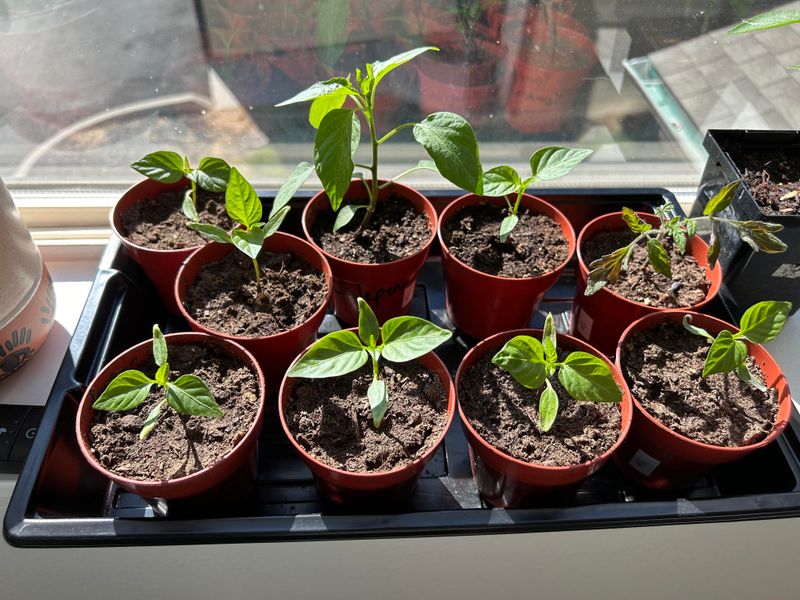
Starting seeds indoors before the warm weather arrives gives your garden a serious head start. By the time outdoor conditions are just right, your seedlings will already be sturdy and ready to transplant.
This approach works especially well for warm-season crops like tomatoes, peppers, and eggplant, which need a long growing season to produce well.
In most parts of California, you can start these seeds indoors six to eight weeks before your last expected frost date. In warmer regions like Southern California, that window can come even earlier.
Check your local UC Cooperative Extension office for planting calendars specific to your area.
Use a good quality seed-starting mix rather than regular garden soil. Seed-starting mix is lighter and drains better, which helps prevent a common problem called damping off, where seedlings suddenly collapse.
Fill small cells or trays, moisten the mix, and plant seeds at the depth recommended on the packet.
Place your trays near a sunny south-facing window or under grow lights set to run about fourteen to sixteen hours a day. Keep the mix consistently moist but not waterlogged.
Once seedlings develop their first set of true leaves, start feeding them with a diluted liquid fertilizer. Before transplanting outdoors, harden them off by gradually increasing their exposure to outside conditions over about a week.
7. Check Irrigation Systems

Water is everything in a California garden, and your irrigation system is the lifeline that keeps things going through the dry months ahead.
Checking it now, before the heat sets in, means you will not be scrambling to fix a broken line or clogged emitter in the middle of a heat wave.
Walk through your yard and turn on each irrigation zone one at a time. Watch for heads that are not popping up properly, drip emitters that seem blocked, or any area where water is pooling unexpectedly.
Even small leaks can waste a surprising amount of water over the course of a season.
Clean or replace any clogged drip emitters. These tiny devices can get plugged with mineral deposits, especially in areas of California with hard water.
Flushing the lines periodically helps keep things flowing smoothly.
Also check your timer or controller to make sure it is programmed for the right schedule. As temperatures rise, plants need more frequent watering, so adjust your settings accordingly.
Many modern controllers have weather-based settings that automatically adjust based on local conditions. If you have one of those, make sure it is updated and working.
A well-functioning irrigation system not only keeps your plants healthy but also helps conserve water, which matters a lot across drought-prone California.
8. Remove Weeds Early

Few things derail a beautiful garden faster than a weed takeover. Getting ahead of weeds in early spring, before they have a chance to flower and set seed, is one of the most effective strategies a California gardener can use.
One weed can produce hundreds or even thousands of seeds, so early removal pays off big time.
After a good rain, weeds come out of the soil much more easily. Grab a hand weeder or hoe and work through your beds while the soil is still moist.
Try to pull weeds out by the root rather than just snapping them off at the surface. Leaving the root behind means the weed will likely come right back.
Pay special attention to perennial weeds like bindweed and nutsedge, which are especially common in California gardens. These troublemakers spread through underground root systems and can be stubborn to manage.
Consistent removal over several seasons is the best approach for keeping them under control.
After weeding, apply a fresh layer of mulch to help prevent new weed seeds from germinating. You can also use a pre-emergent herbicide in areas where weeds have been a recurring problem.
Always read labels carefully and choose products that are safe for the plants you want to keep. Staying on top of weeds early makes the whole gardening season much more enjoyable.
9. Divide Perennials

Perennials are the workhorses of the garden, coming back year after year without needing to be replanted. But over time, many of them get overcrowded and start to underperform.
Dividing them in early spring, just as new growth begins to emerge, is the best way to keep them healthy and blooming at their best.
You will know a perennial needs dividing when the center of the clump starts to look bare or woody while the outer edges still look healthy. Other signs include fewer flowers than in previous years or the plant spreading aggressively into neighboring areas.
Division solves all of these problems at once.
Use a sharp spade or garden fork to dig up the entire clump. Shake off excess soil so you can see the root structure clearly.
Then use your hands, a knife, or two garden forks placed back to back to tease the clump apart into smaller sections. Each division should have healthy roots and a few shoots.
Replant the divisions at the same depth they were growing before and water them in well. In California, early spring is ideal for this task because the cooler temperatures give new divisions time to establish before the heat of summer stresses them.
Share extra divisions with neighbors or tuck them into other spots in your garden to fill in bare areas.
10. Inspect For Pests And Diseases

Catching pest and disease problems early can save you a lot of headaches later in the season. As temperatures warm up across California, insects and fungal problems tend to ramp up quickly.
A thorough inspection now gives you a clear picture of what you are dealing with before things get out of hand.
Start by checking the undersides of leaves, where many pests like to hide. Aphids, spider mites, and scale insects often cluster there, especially on new tender growth.
Look for sticky residue, discoloration, or tiny moving dots, all of which can be signs of insect activity.
Also look for signs of fungal diseases like powdery mildew, leaf spot, or rust. These often appear as white powder, brown spots, or orange pustules on leaves.
In coastal California, where morning fog and humidity are common, fungal problems tend to be more prevalent than in inland areas.
If you find pests, start with the least aggressive approach first. A strong spray of water can knock off aphids, and insecticidal soap handles many soft-bodied insects effectively.
Remove and dispose of heavily infected leaves to slow the spread of disease. Keeping your garden clean and well-ventilated is one of the best defenses against both pests and diseases as the California weather warms up throughout the season.