The Most Expensive Gardening Mistakes California Homeowners Make
Gardening in California starts with the best intentions. A trip to the nursery, a cart full of beautiful plants, and big dreams of a lush backyard oasis.
Then a few months later something feels off. The water bill looks scary, a few plants are struggling, and that “easy” landscaping project somehow cost way more than expected.
The truth is, even experienced gardeners make mistakes that quietly drain their budget. Planting thirsty plants in a dry climate, watering a little too generously, or choosing the wrong materials can turn a simple garden into a surprisingly expensive one.
The frustrating part is that many of these slip-ups look harmless at first. A plant here, a sprinkler tweak there, maybe one more bag of soil.
Suddenly the costs start stacking up. The good news is that once you know the biggest budget busters, they’re easy to avoid and your California garden can stay beautiful without emptying your wallet.
1. Overwatering Plants
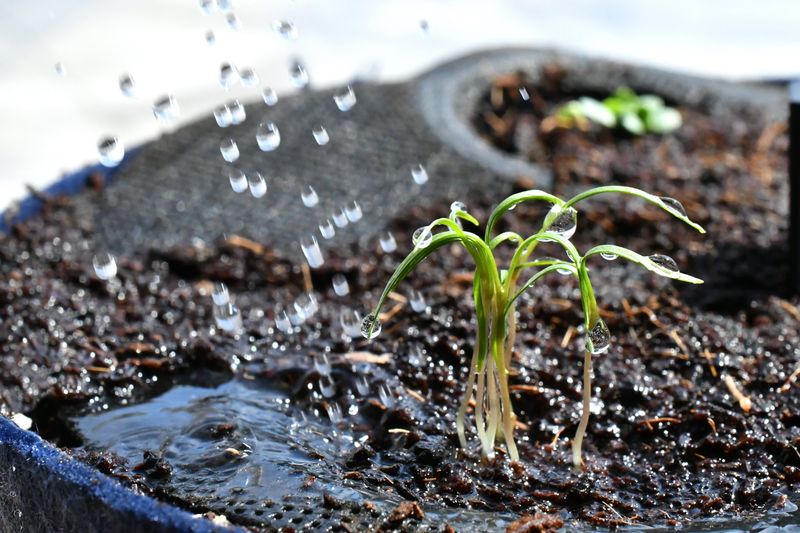
More water does not always mean healthier plants. In fact, overwatering is one of the single most common and costly mistakes California homeowners make.
Roots that sit in soggy soil cannot breathe properly, which leads to weak, struggling plants that are far more likely to develop root rot and fungal diseases.
Replacing a garden full of overwatered plants adds up fast. New plants, fresh soil, and extra labor can easily cost hundreds of dollars.
Many homeowners repeat this cycle season after season without realizing water is the problem.
California’s climate varies a lot by region, but most areas have warm, dry stretches where the instinct is to water more. The trick is to check your soil before reaching for the hose.
Push a finger about two inches into the ground. If it still feels damp, your plants are fine.
A simple drip irrigation system with a timer can take the guesswork out of watering and save water at the same time. Many California counties even offer rebates for installing water-efficient systems.
Paying attention to your watering habits now is one of the easiest ways to protect both your plants and your budget all year long.
2. Choosing Non-Native Species
Walk into any big garden center in California and you will find shelves packed with gorgeous, exotic plants from all over the world. They look stunning in the store.
But once they hit your backyard, many of them fall apart quickly because they were never meant to grow in California’s unique climate.
Non-native species often need more water, more fertilizer, and more attention than plants that naturally thrive here. That extra care adds up.
You might spend twice as much on a non-native plant just trying to keep it alive through a dry California summer.
Beyond the cost, non-native plants can also become invasive. Some spread aggressively and crowd out the plants around them, creating even more work and expense to fix.
Local ecosystems in California are fragile, and introducing the wrong species can cause long-term damage to your yard.
Your California Garden Changes Every Week. Your Plan Should Too.
Gardening in California changes quickly throughout the season. Every Friday you’ll receive a simple weekly plan showing exactly what to plant, prune, fertilize, harvest, and protect so you never miss the right timing.
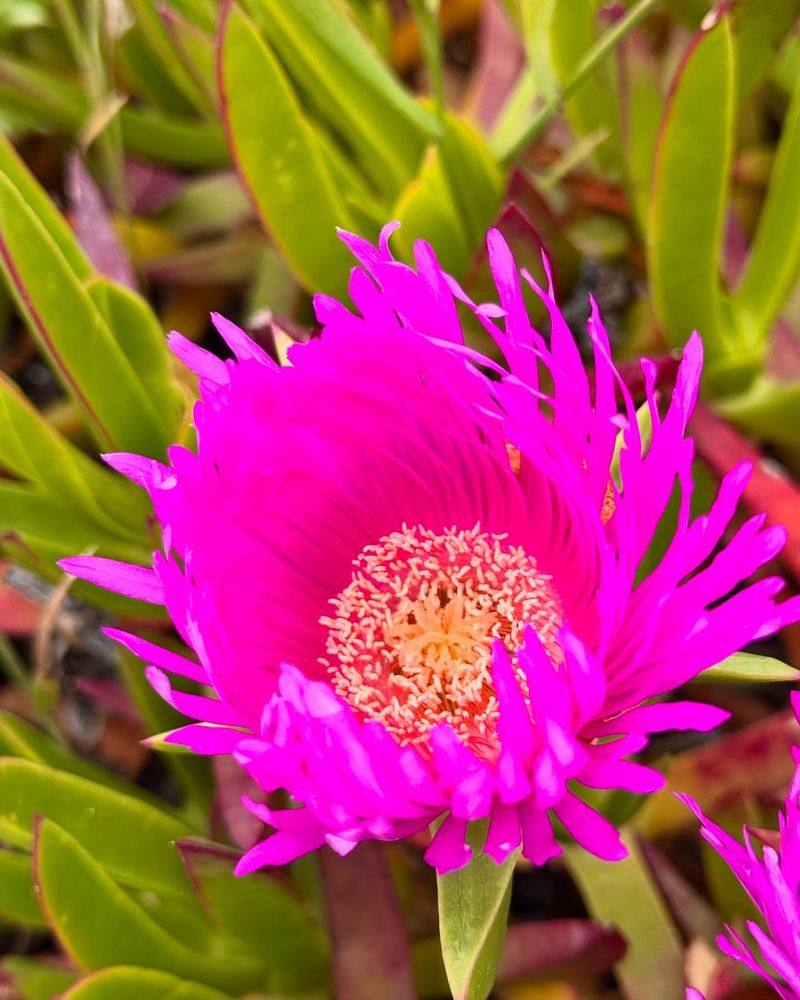
Native California plants like California poppies, toyon, and ceanothus are adapted to local rainfall patterns, soil types, and temperatures. They require far less maintenance once established and attract local pollinators too.
Choosing native species from the start means fewer replacements, lower water bills, and a garden that actually works with nature rather than against it.
3. Planting In Poor Soil Without Amendments
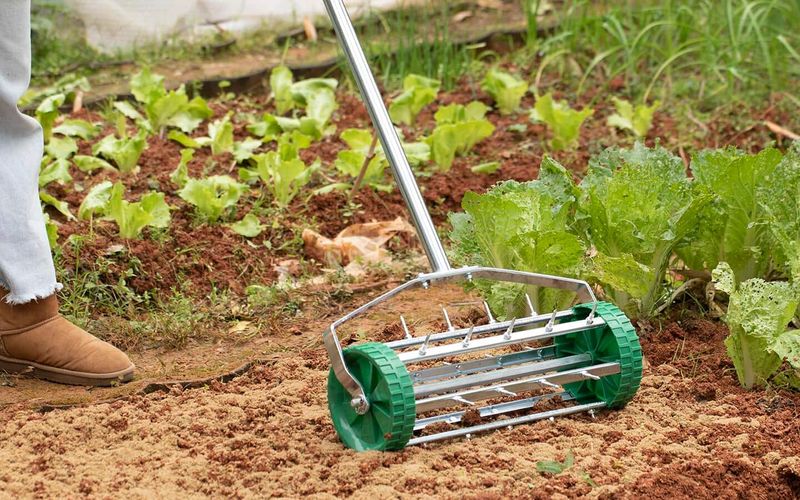
California soil can be sneaky. It looks fine on the surface, but beneath that top layer, many yards have dense clay, compacted dirt, or sandy ground that drains too fast and holds almost no nutrients.
Planting directly into poor soil without fixing it first is a guaranteed way to waste money.
Plants grown in bad soil struggle from the start. Their roots cannot spread properly, they cannot absorb nutrients efficiently, and they become stressed and vulnerable to pests.
You end up spending more on fertilizers and treatments trying to fix problems that started underground.
Soil amendments like compost, aged manure, and perlite work wonders. They improve drainage, add nutrients, and create the kind of loose, rich environment roots love.
In Southern California especially, where soil tends to be heavy clay or sandy depending on the neighborhood, amending before planting makes a dramatic difference.
The upfront cost of quality soil amendments is small compared to replacing failed plants season after season. You can find compost at local garden centers or even make your own at home with kitchen scraps and yard waste.
Taking the time to prepare your soil properly before planting is one of the smartest investments any California homeowner can make for a thriving, cost-effective garden.
4. Ignoring Proper Drainage
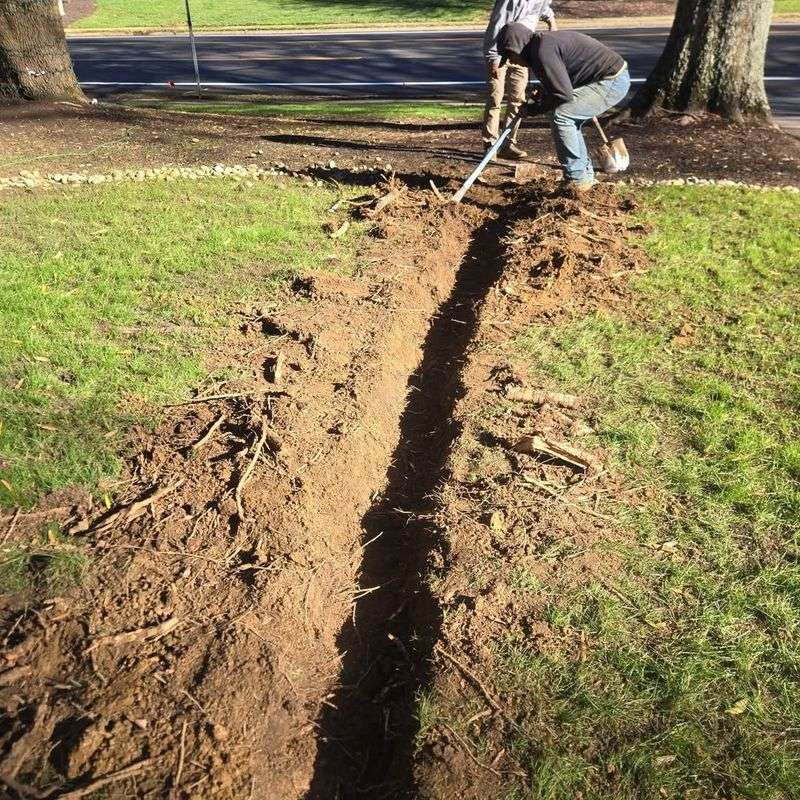
Standing water in a garden is bad news. When water has nowhere to go, it drowns roots, invites mold and mildew, and turns healthy soil into a soggy mess.
Many California homeowners overlook drainage when planning their gardens, and it becomes one of the most expensive oversights they make.
Poor drainage can also damage structures near your garden. Water that pools near a fence, retaining wall, or your home’s foundation can cause serious structural problems over time.
Repair bills for water damage can run into the thousands, making a simple drainage fix look very affordable by comparison.
In parts of California that get heavy winter rains, like the Bay Area or the foothills of the Sierra Nevada, drainage becomes even more critical. A yard that cannot handle seasonal rainfall will flood repeatedly, wiping out plants and eroding topsoil with every storm.
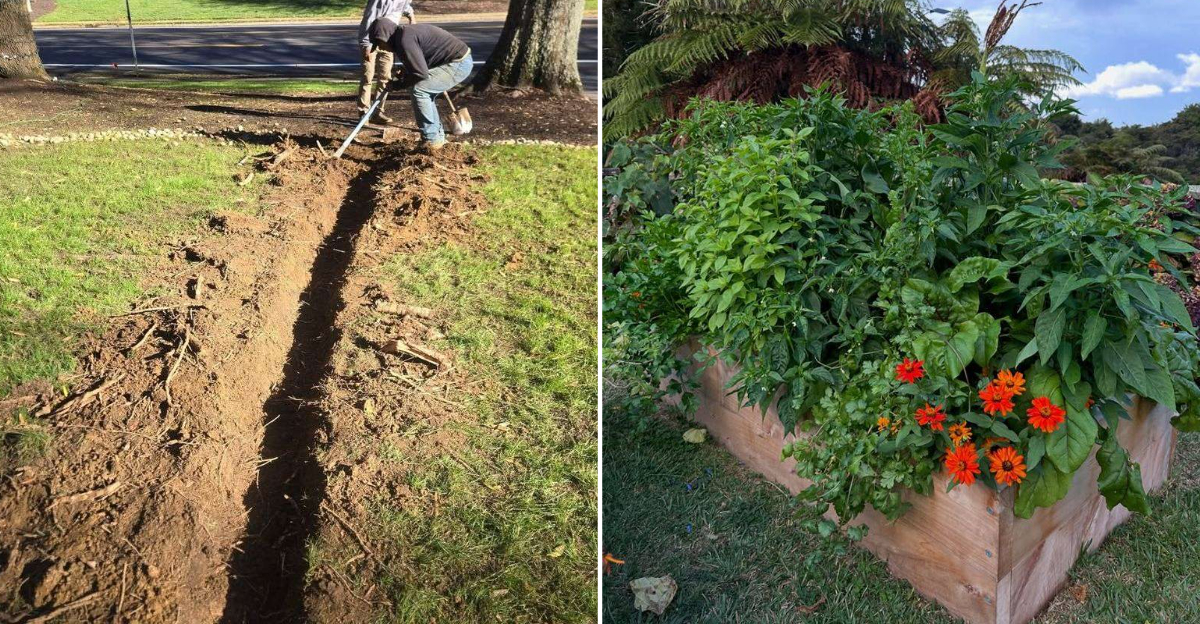
Solutions do not have to be complicated or expensive. Adding gravel to planting beds, installing a French drain, or simply regrading a slope can redirect water away from problem areas.
Raised garden beds are another popular option in California because they offer built-in drainage control. Addressing drainage early in your garden planning saves a huge amount of money and frustration down the road.
5. Skipping Soil Testing
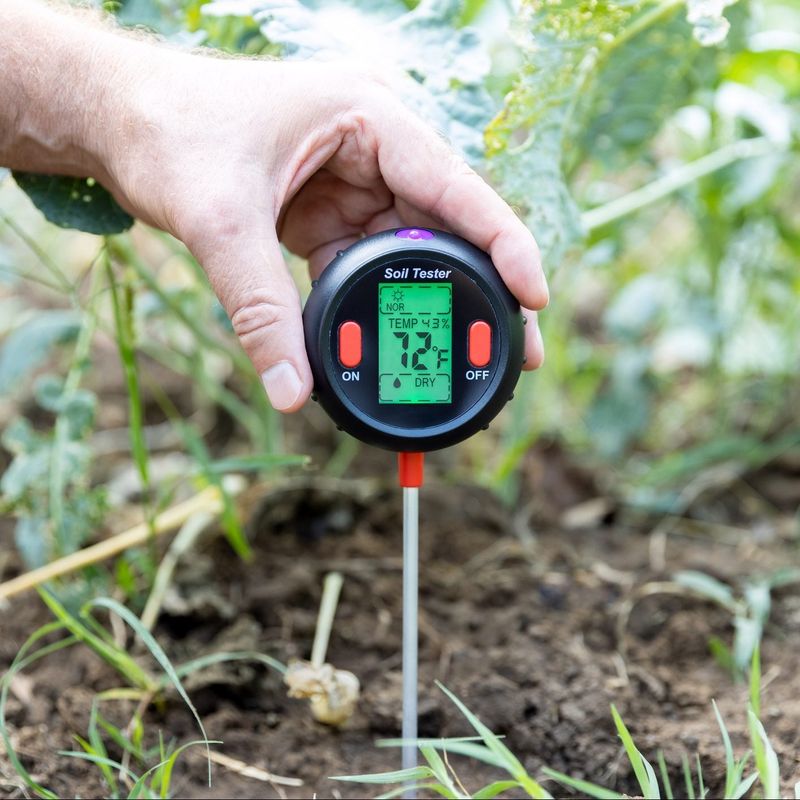
Guessing what your soil needs is like going to a doctor and skipping the exam. You might get lucky, but more often than not, you will end up treating the wrong problem.
Skipping a soil test is one of the sneakiest money-wasters in California gardening because the consequences are slow and easy to miss.
Without knowing your soil’s pH level and nutrient content, you could be adding fertilizers or amendments that your garden does not need at all. Or worse, you might be missing a deficiency that is quietly holding your plants back.
Either way, you are spending money without solving the real issue.
California soils vary wildly from one neighborhood to the next. Coastal areas often have high salinity.
Inland valleys can have alkaline soils that block plants from absorbing iron and other nutrients. A simple soil test, which usually costs less than twenty dollars, tells you exactly what you are working with.
Most university extension programs in California, including those connected to UC Davis, offer affordable soil testing services with clear recommendations. Once you know what your soil actually needs, every dollar you spend on amendments and fertilizers goes to work right away.
A soil test is a small investment that pays off in a big way throughout the entire growing season.
6. Over-Fertilizing Lawns And Beds
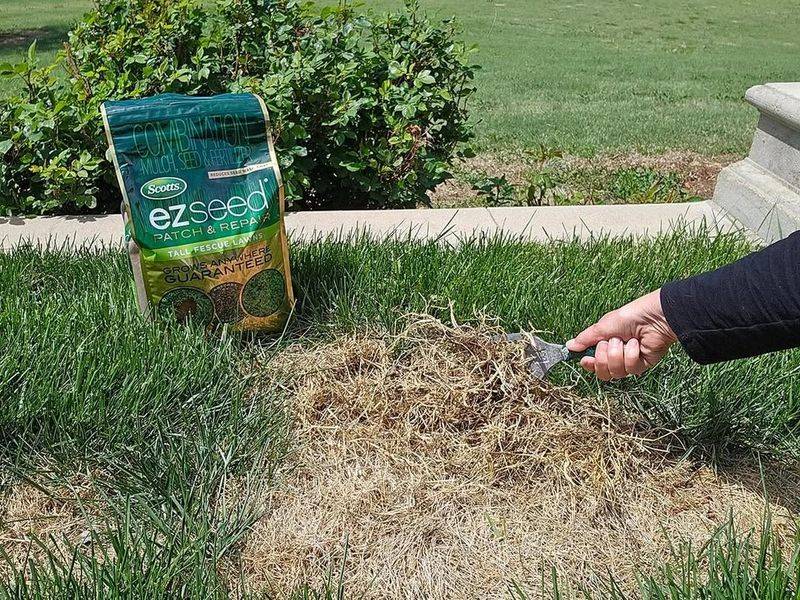
More fertilizer does not mean a greener lawn or bigger blooms. Too much fertilizer actually burns plant roots and causes rapid, weak growth that makes plants more vulnerable to pests and disease.
Over-fertilizing is surprisingly common in California, especially among homeowners who want fast results.
Fertilizer runoff is also a serious environmental concern in California. When you apply too much, rain and irrigation wash the excess into storm drains and eventually into local waterways.
This harms aquatic ecosystems and can even result in fines in certain California counties with strict water quality regulations.
The signs of over-fertilization are not always obvious right away. You might notice yellowing leaves, a crust of white residue on the soil surface, or patches of brown, scorched grass.
By the time these signs appear, damage has already been done and recovery takes time and money.
Reading product labels carefully and following recommended application rates is the simplest fix. Slow-release fertilizers are a smarter choice for most California gardens because they feed plants gradually over time without overwhelming them.
Getting a soil test first, as mentioned earlier, helps you apply only what your soil actually needs. Using fertilizer wisely means healthier plants, lower costs, and a garden that does not need constant rescue treatments.
7. Planting Too Close Together
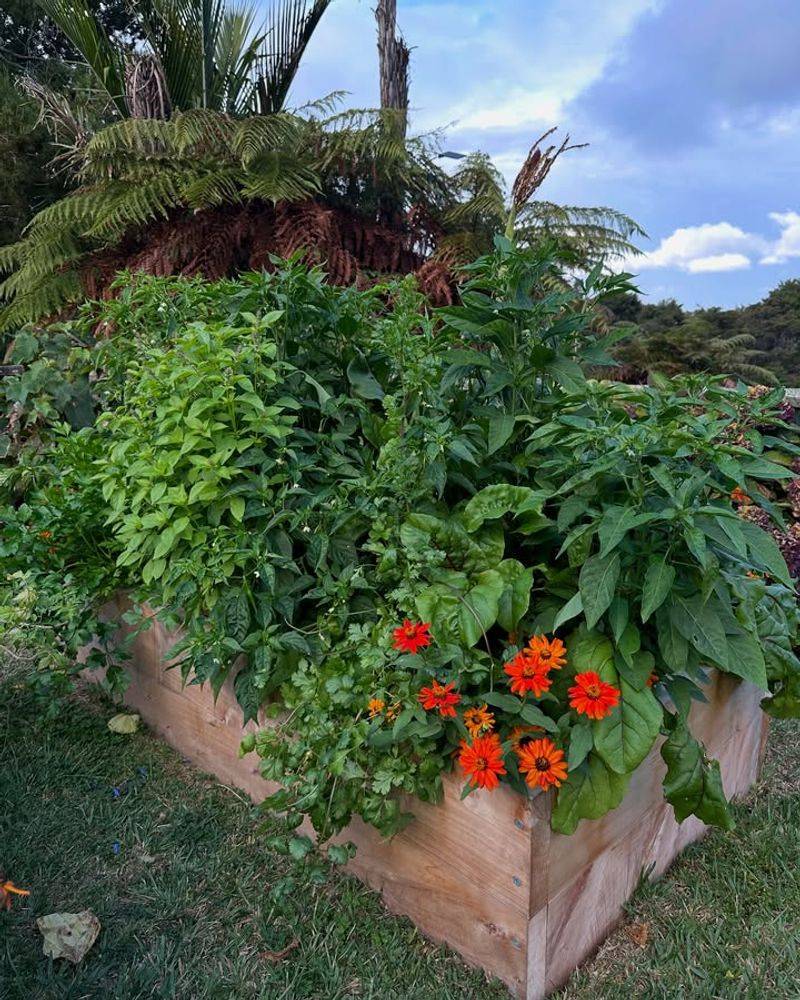
A freshly planted garden bed with small seedlings spaced a foot apart looks sparse at first. The temptation to fill in those gaps with extra plants is real.
But fast-forward six months in a California garden, and those small plants become full-sized shrubs competing for the same water, nutrients, and sunlight.
Crowded plants block airflow between them, and that trapped moisture creates the perfect environment for fungal diseases. Pests also love dense plantings because they provide shelter and easy access to multiple plants at once.
What starts as a full, lush-looking garden can quickly become a tangled, unhealthy mess.
Overcrowding also means more frequent pruning, which takes time and money. If plants grow into each other or into structures like fences and walls, you may need professional help to untangle them.
In California’s warm climate, plants grow fast, so the problem escalates quicker than in cooler states.
Before you plant anything, look up the mature size of each species. Give every plant enough room to reach its full size without touching its neighbors.
It might look sparse for the first season, but your patience will pay off. Mulching the empty spaces between young plants keeps weeds down while your garden fills in naturally.
Proper spacing is one of the most overlooked and most impactful gardening habits you can build.
8. Failing To Prune Correctly
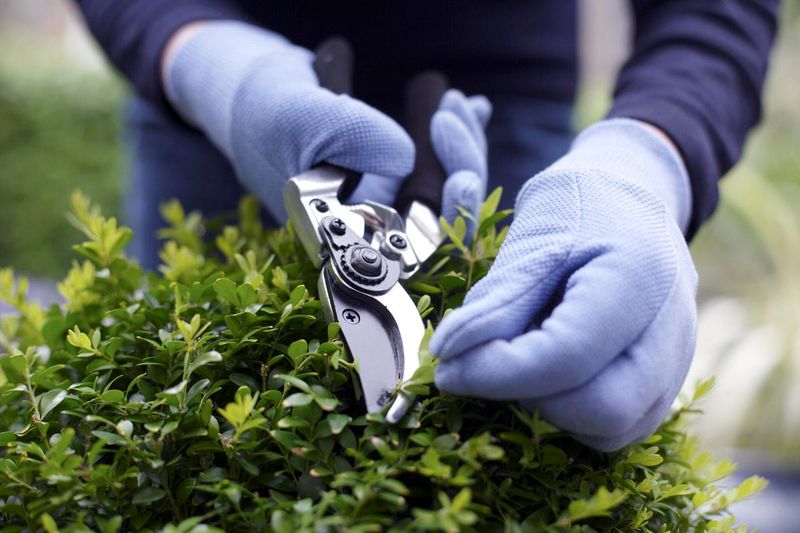
Pruning sounds simple enough. You grab a pair of shears and start cutting.
But improper pruning can set a plant back by an entire season or permanently alter its shape and health. In California, where many plants grow aggressively due to the mild climate, bad pruning habits become expensive problems fast.
Cutting at the wrong time of year is one of the most common errors. Pruning a fruit tree in spring right before it sets fruit, for example, can wipe out your entire harvest.
Pruning certain flowering shrubs at the wrong point in their cycle removes the buds before they ever get a chance to bloom.
Using dull or dirty tools is another issue. Dull blades tear plant tissue instead of cutting cleanly, leaving ragged wounds that invite disease and pests.
Dirty tools can spread fungal spores and bacteria from one plant to another without you even noticing.
Learning the right technique for each plant type in your California garden saves money on replacements and professional corrections.
Many local nurseries in California offer free pruning workshops, and UC Cooperative Extension resources are available online for almost every common garden plant.
Sharp, clean tools and the right timing make all the difference between a thriving, well-shaped garden and one that costs you season after season.
9. Neglecting Pest And Disease Management
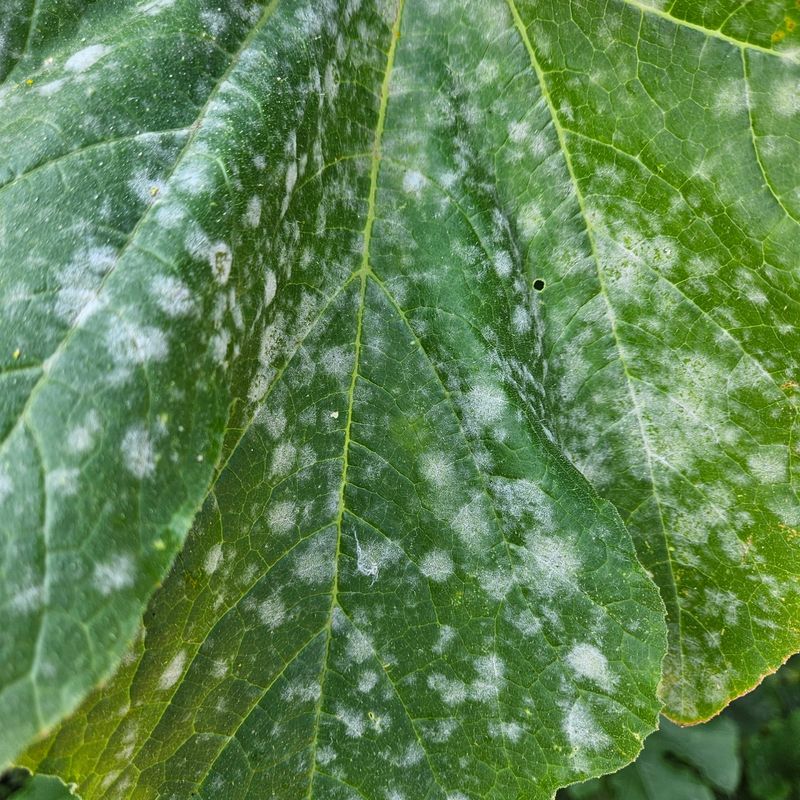
California’s warm, dry climate is wonderful for gardening, but it is equally wonderful for pests and plant diseases.
Aphids, whiteflies, spider mites, and fungal problems like powdery mildew thrive in California gardens, especially when conditions are warm and plants are already stressed.
Ignoring early warning signs is where the real cost comes in. A small aphid colony spotted in April can explode into a full infestation by June if left unchecked.
Once pests spread across multiple plants, the treatments needed become more aggressive and more expensive. In some cases, heavily infested plants need to be removed entirely.
Waiting until the problem is obvious means you have already lost valuable time. Regular garden walkthroughs, even just once a week, help you catch issues early when they are easiest and cheapest to treat.
Look under leaves, check stems, and watch for unusual discoloration or spots.
Integrated pest management, or IPM, is a practical approach widely recommended by California’s agricultural experts.
It combines physical controls like removing pests by hand, biological controls like introducing beneficial insects, and targeted treatments only when necessary.
This approach keeps costs low and avoids overuse of chemicals that can harm pollinators and soil health. Staying proactive about pest and disease management is one of the best ways to protect your California garden investment year-round.
10. Using Low-Quality Materials Or Plants
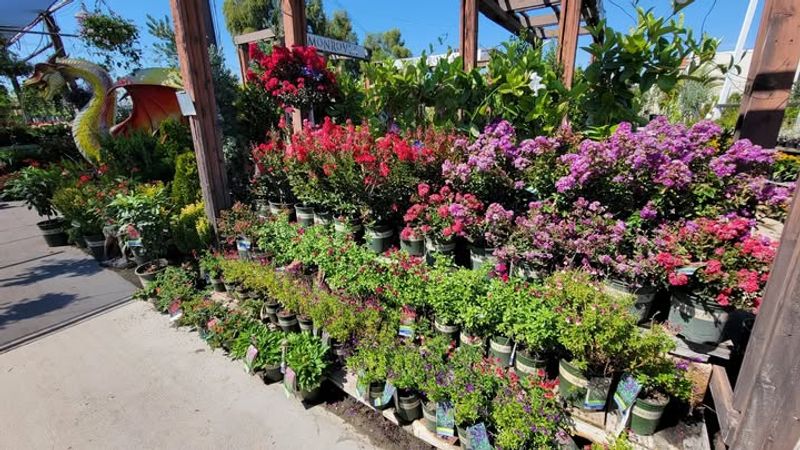
Bargain hunting in the garden center feels smart in the moment. A flat of tomato seedlings for three dollars sounds like a win.
But low-quality plants often come with hidden problems, weak root systems, pest infestations, or disease already present before you even get them home. In California’s competitive growing season, starting with weak plants means struggling all season long.
The same goes for materials like garden beds, irrigation parts, and soil mixes. Cheap irrigation fittings crack under California’s summer heat.
Flimsy raised bed frames warp and collapse within a season. Low-grade potting mixes compact quickly and stop draining properly, which brings you right back to the drainage and soil problems already covered.
Spending a little more upfront on quality plants from reputable California nurseries pays off in a big way. Healthy plants establish faster, need less intervention, and produce better results.
Look for plants that have been grown locally or regionally, as they are already adapted to your area’s specific conditions.
Quality tools also matter. A good pair of pruning shears lasts for years and makes every garden task easier and more precise.
Investing in durable, well-made materials from the start means fewer replacements, less frustration, and a garden that looks and performs the way you envisioned when you first picked up a trowel.