How Michigan Gardeners Can Protect Plants From Late Spring Frost
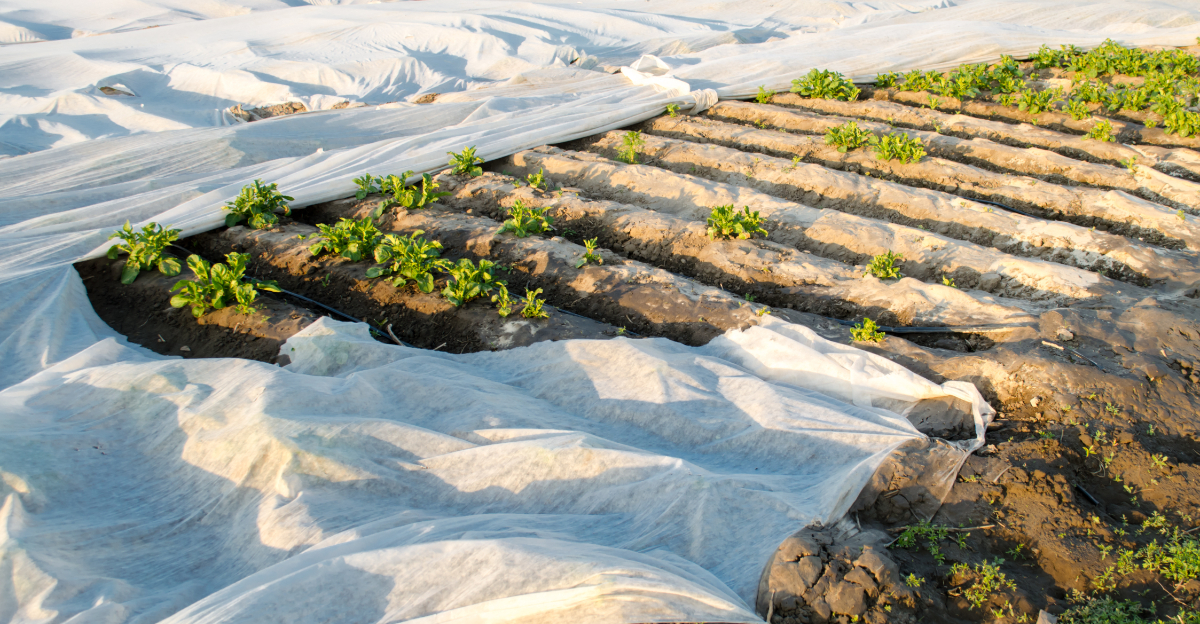
Late spring in Michigan often brings a frustrating surprise for gardeners. Just when plants begin to grow strong and the garden starts filling with color, a sudden overnight frost can leave leaves wilted and new growth badly damaged.
One cold night is sometimes all it takes to set a garden back weeks. Across both the Upper and Lower Peninsulas, these late season cold snaps are a normal part of spring.
Warm daytime temperatures can be followed by chilly nights that dip low enough to threaten vegetables, flowers, and even young fruit tree blossoms. Gardeners who are not prepared can lose some of the most tender new growth.
The key is knowing how to respond before the temperature drops. With the right frost protection strategies ready to go, Michigan gardeners can protect their plants and keep their gardens growing strong through unpredictable spring weather.
1. Cover Plants With Frost Cloths Or Blankets

Nothing beats the feeling of waking up to a garden full of healthy plants after a frosty Michigan night, especially when you planned ahead.
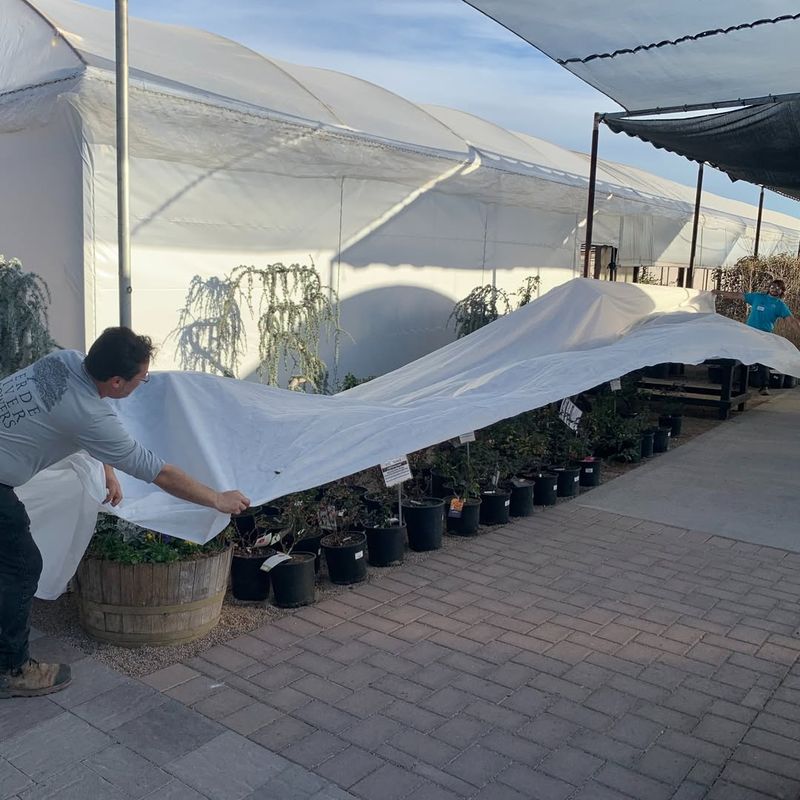
One of the simplest and most trusted ways to protect tender vegetables, flowers, and fruit trees is by covering them with lightweight frost cloths or old household blankets.
These materials trap the warmth that the soil releases during the night, creating a cozy barrier between your plants and the cold air above.
Frost cloths, sometimes called garden fleece, are specially designed to let in air and light while blocking cold temperatures. You can find them at most garden centers across Michigan, and they are reusable season after season.
Old bedsheets, burlap, and even newspapers work well in a pinch if you need a quick solution on short notice.
Always drape the cover all the way to the ground so warm air cannot escape from the sides. Remove the covers in the morning once temperatures rise above freezing, since leaving them on too long can trap heat and stress the plants.
Anchor the edges with rocks, bricks, or soil so wind does not blow them off overnight. With a little preparation, this method can easily protect your Michigan garden from even the most unexpected late spring frost.
2. Use Row Covers For Early Crops
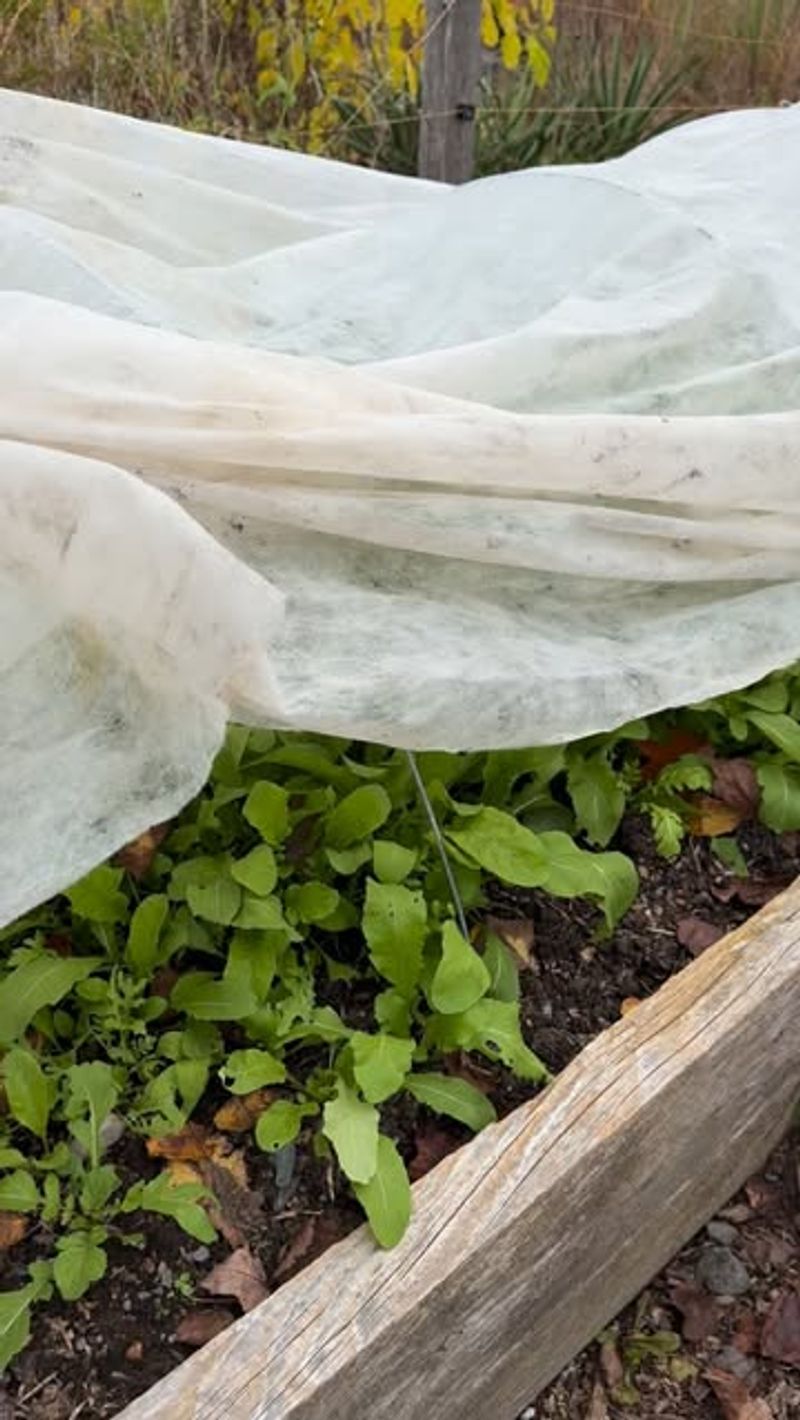
Floating row covers are one of the smartest tools a Michigan gardener can keep in their shed, and once you try them, you will wonder how you ever gardened without them.
These lightweight, breathable fabrics drape right over your garden beds and create a gentle shield that keeps frost away from early crops like lettuce, spinach, and broccoli.
The best part is that sunlight, air, and even some moisture can still pass right through, so your plants keep growing without missing a beat.
Row covers come in different weights, and for frost protection in Michigan’s late spring, a medium-weight version works especially well. Secure the edges with rocks, garden staples, or soil to make sure cold air cannot sneak underneath during overnight temperature drops.
Most floating row covers can protect plants down to temperatures in the upper twenties, which covers most of Michigan’s late frost events.
Your Michigan Garden Changes Every Week. Your Plan Should Too.
Gardening in Michigan changes quickly throughout the season. Every Friday you’ll receive a simple weekly plan showing exactly what to plant, prune, fertilize, harvest, and protect so you never miss the right timing.
You can leave row covers on for days at a stretch during a cold snap, checking underneath every morning to make sure everything looks healthy. Once the threat of frost has passed for the season, simply fold them up and store them for next year.
They are affordable, lightweight, and incredibly effective for protecting early spring crops in Michigan gardens throughout the unpredictable weeks of April and May.
3. Water Soil Before Frost

Here is a trick that surprises many new gardeners: watering your garden before a frost can actually help protect your plants. Moist soil holds heat much more effectively than dry soil does.
When water freezes overnight, it releases a small amount of heat energy into the surrounding area, which raises the temperature around plant roots just enough to make a difference on a borderline frost night.
The key is to water in the late afternoon or early evening before the frost is expected to arrive. Give the soil around your plants a good, thorough soak rather than a light sprinkle.
Dry, sandy soils that are common in parts of Michigan lose heat quickly at night, so keeping moisture levels up going into a cold evening gives your plants an extra layer of natural protection.
This method works best when combined with other strategies like frost cloths or row covers, rather than on its own during a severe freeze. Think of it as an easy first step you can take every time a frost warning pops up on your Michigan weather app.
Keeping the soil consistently watered throughout late spring also supports stronger root development, which helps plants bounce back faster if they do experience any light frost exposure. It is a simple habit that pays off in big ways across your entire garden.
4. Protect Container Plants Indoors Or In Moveable Shelters
One of the biggest advantages of growing plants in containers is that you can move them whenever the weather turns nasty.
Potted tomatoes, peppers, basil, and other frost-sensitive herbs are especially vulnerable to late spring cold snaps in Michigan, but a quick trip into the garage, greenhouse, or covered porch can save them completely.
Container gardening gives you a level of flexibility that in-ground planting simply cannot match.
When frost warnings appear in your Michigan weather forecast, start moving your most vulnerable pots indoors a few hours before sunset.
Even an unheated garage stays significantly warmer than the outdoor air on a frosty night, often warm enough to protect most tender plants.
If you have a lot of containers, a wheeled plant dolly makes the job much faster and easier on your back.
Covered porches and enclosed patios also work well as temporary shelters, especially when combined with an old blanket draped over the plants for extra insulation.
Just make sure the plants get back outside and into sunlight as soon as temperatures rise the next morning, since most vegetables and herbs need plenty of light to stay strong.
Keeping a close eye on the forecast throughout April and May in Michigan means you will rarely be caught off guard, and your container garden will stay productive and lush well into the warmer months ahead.
5. Use Cloches Or Cold Frames

Cold frames and cloches have been used by smart gardeners for centuries, and they remain just as useful today in Michigan as they ever were.
A cloche is a small dome, usually made from glass or clear plastic, that fits right over an individual plant and acts like a tiny greenhouse.
Cold frames are larger, low-profile boxes with transparent lids that can cover an entire row of seedlings and trap solar heat throughout the day.
Both tools work by creating a warmer microclimate directly around your plants, protecting them from frost while also boosting growth during the cool days of early spring.
In Michigan, where late frosts can sneak in well into May, having a few cloches on hand for your most delicate seedlings is a genuinely smart investment. Glass cloches look beautiful in the garden and last for many years with careful storage.
Cold frames are easy to build yourself using old windows and scrap lumber, making them an affordable project for any Michigan gardener. On sunny days, prop the lid open a crack to prevent overheating, and close it tight before temperatures drop in the evening.
You can also use plastic milk jugs with the bottoms cut off as simple DIY cloches for individual plants.
These budget-friendly options work surprisingly well and give new seedlings a safe, warm start even when Michigan’s late spring weather refuses to cooperate.
6. Plant In Sheltered Locations
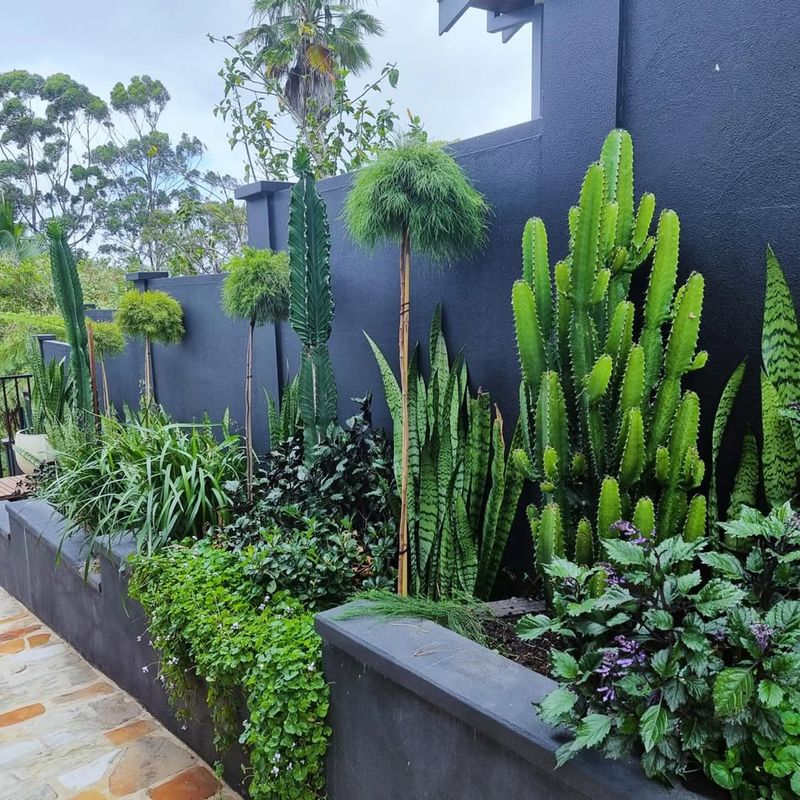
Smart plant placement is one of the most underrated frost protection strategies, and it costs absolutely nothing to implement.
Positioning frost-sensitive plants near walls, fences, or established trees in your Michigan yard can make a surprisingly big difference on cold nights.
Solid structures like brick walls absorb heat from the sun during the day and slowly release that warmth back into the surrounding air overnight, creating a slightly warmer zone right next to them.
South-facing walls are especially valuable in Michigan because they receive the most direct sunlight throughout the day, storing more heat than north or east-facing surfaces.
Fences and hedgerows also help by blocking cold winds, which can rapidly strip warmth away from exposed plants on a frosty night.
Wind is often just as damaging as the cold itself, so reducing airflow around tender plants gives them a real advantage.
Avoid planting frost-sensitive crops in low-lying areas of your Michigan yard, such as the bottom of slopes or depressions in the ground. Cold air is heavier than warm air and naturally flows downhill, pooling in low spots and creating what gardeners call frost pockets.
These areas can be several degrees colder than the rest of your garden on the same night. By choosing elevated or sheltered planting spots thoughtfully, you give your plants a natural head start against Michigan’s unpredictable late spring temperatures without spending a single extra dollar.
7. Apply Mulch After Frost Risk Passes

Mulch is one of the most powerful tools in any Michigan gardener’s toolkit, but timing matters more than most people realize.
A thick layer of organic mulch around your plants insulates the soil beautifully, retains moisture, and keeps roots protected from temperature swings.
However, applying mulch too early in the season can actually trap cold air near the soil surface and slow the warming process that your plants need to thrive.
The best approach in Michigan is to wait until the threat of late spring frost has fully passed before spreading mulch generously around your garden beds.
Michigan State University Extension generally recommends that gardeners in most parts of the state wait until after mid-May before considering the frost season truly over, though this varies by region.
Once you get the green light, spread two to three inches of straw, wood chips, shredded leaves, or grass clippings around your plants for excellent results.
Mulch does so much more than just protect against temperature extremes. It suppresses weeds that compete with your vegetables for nutrients, reduces how often you need to water, and slowly breaks down to enrich your soil over time.
For Michigan gardeners dealing with heavy clay or very sandy soils, regular mulching also helps improve soil structure year after year.
Once late frost season is behind you, laying down fresh mulch is one of the best investments of time and effort you can make for a productive summer garden.
8. Monitor Weather And Use Timely Protection

Staying ahead of the forecast is honestly one of the most powerful things a Michigan gardener can do throughout late spring.
A frost warning gives you a window of several hours to take action, and that time is all you need to cover plants, move containers, or set up cold frames before temperatures drop.
Checking your local weather every evening from mid-April through late May is a simple habit that can protect months of gardening work.
Michigan gardeners have great resources available to them, including the National Weather Service forecasts for specific counties and the Michigan State University Extension frost date maps that break down average last frost dates by region.
Northern Michigan locations like Traverse City and Gaylord tend to see frost threats well into May, while areas in the southern Lower Peninsula around Kalamazoo or Ann Arbor often see the season end a bit earlier.
Knowing your specific region matters a lot. Setting up weather alerts on your phone for frost warnings and freeze watches means you will never be caught off guard during a busy week.
Some Michigan gardeners also keep a simple garden journal where they track frost events from year to year, which helps them spot patterns and plan smarter over time.
The combination of good information and quick action is genuinely the most reliable frost protection strategy available, working hand in hand with all the physical methods you already have in place around your garden.
9. Prune Only After Frost Risk Ends

Pruning at the wrong time of year is a mistake that many enthusiastic Michigan gardeners make without even realizing it. When you cut back tender new shoots or fresh growth in early spring, you expose the vulnerable inner tissue of the plant to cold air at exactly the wrong moment.
That new growth is the most frost-sensitive part of any plant, and trimming it too early can set your garden back significantly during a late cold snap.
The smart move is to hold off on any major pruning until you are confident that frost season has ended in your part of Michigan.
For most of the Lower Peninsula, that typically means waiting until late May, while gardeners in the Upper Peninsula or the northern Lower Peninsula may want to push that timeline even further into early June just to be safe.
Patience pays off in a big way when it comes to pruning timing. Light cleanup pruning, like removing clearly damaged or brown stems from winter, is generally fine in early spring.
But saving the more aggressive shaping, cutting back of perennials, and trimming of fruit tree branches for after the last frost date is the safest approach.
Healthy, intact foliage and stems actually provide some natural insulation to the plant during a cold night. Waiting a few extra weeks to prune your Michigan garden is a small sacrifice that results in stronger, more resilient plants all summer long.