Arizona Hummingbirds Are On Their Way – Here’s When To Expect Them

Early March in Arizona turns backyard birders into professional detectives. One moment the yard sits in total silence, then a metallic blur zips past the salvia like it owns the place.
Feeders that remained untouched for weeks suddenly face a high-speed inspection, and that sharp, rhythmic chip note echoes near the patio at sunrise. Hummingbird activity follows shifting microclimates rather than a calendar.
As the low desert heats up, these aerial acrobats arrive to claim their territory and refuel. Flowers matter just as much as timing.
When your first nectar plants pop, they finally have a reason to pause. A little prep, such as fresh nectar, scrubbed ports, and a few strategic native blooms, turns your space into the kind of sanctuary they remember all season long.
1. When Hummingbirds Usually Return To Arizona

A “return” depends on the species, because some hummingbirds can be present in Arizona year-round, especially around lower elevations and urban plantings.
The bigger spring shift comes from migratory birds that start showing up as the weather warms and nectar sources ramp up.
That’s why some yards feel “active” all winter while others go quiet until spring. A neighborhood with winter-blooming ornamentals can also keep a few birds around longer.
In southern Arizona, migration activity can start as early as late February and early March, with the strongest spring push typically building through March and into April.
Higher elevations often see that wave later, since nights stay colder and bloom cycles lag behind the low desert.
Cooler mornings at elevation can delay the first big feeder rush even when birds are already nearby. Spring storms can also create short pauses, followed by a quick jump in sightings.
Broad-tailed Hummingbirds are a good example of why timing feels different by location.
They’re closely tied to mountain habitats and are often noted as later spring arrivals in parts of southern Arizona, with many sightings clustering around early April rather than early March.
That timing lines up with when higher-elevation flowers and insects start to pick up. Patience helps, because one warm week can change the pace quickly.
Males often show up first at a location, using the early window to claim food and perches before more birds arrive. A single feisty bird guarding a feeder can be the opening act for a much busier week.
That early territorial behavior can make it look like your yard has “one hummingbird,” then suddenly it has several. The first arrivals also tend to favor early morning feeding before the day heats up.
2. Weather Patterns That Affect Arrival Timing

Warm spells can speed the whole season up, especially in the low desert where a few sunny days quickly wake up plants and insects. Cold snaps can do the opposite, slowing bloom timing and nudging hummingbirds to pause longer where food is reliable.
That’s one reason the “first sighting” date can swing from year to year even in the same neighborhood. Wind can matter too, since strong gusts can reduce feeding and make flight more expensive.
Your Arizona Garden Changes Every Week. Your Plan Should Too.
Gardening in Arizona changes quickly throughout the season. Every Friday you’ll receive a simple weekly plan showing exactly what to plant, prune, fertilize, harvest, and protect so you never miss the right timing.
A cloudy stretch can also keep flowers from producing as much nectar, which nudges birds toward feeders.
Dry conditions can also reshape what you notice. Sparse blooms may push birds toward irrigated yards and feeders, while a strong flush of spring flowers can spread them out across the landscape.
Later in the year, summer rains in southern Arizona can trigger new blooms and increase hummingbird activity well past the peak spring window, especially in the sky island region. A strong monsoon can make late summer feel like a second season for nectar.
A weak monsoon can make feeders and irrigated plantings stand out even more.
Local sighting tools can help you read the room. Watching recent reports in your county can give you a realistic idea of what’s already moving through, instead of guessing based on last year’s timing.
That’s especially helpful in years with strange temperature swings. It also helps you decide whether to focus on early bloomers, feeders, or both.
3. Why Arizona Matters For Hummingbird Migration

Southern Arizona sits in one of the most hummingbird-rich corners of the United States, especially along the U.S.–Mexico border.
In fact, this border region from western Texas to southern Arizona is often described as the country’s biggest hotspot for hummingbird diversity, and southeastern Arizona can host a large number of species over the course of a year.
That diversity is a big reason birders travel here from all over. It also means Arizona backyards can see species that feel surprising if you only expect one or two.
That variety comes from Arizona’s dramatic mix of habitats. Desert lowlands, riparian corridors, and higher-elevation “sky island” ranges stack together in a way that creates many different feeding and nesting options across short distances.
Even a short drive can shift you from cactus blooms to pine-country flowers. Those habitat changes can also explain why one town gets hummingbirds weeks before another.
Research and monitoring in southeastern Arizona also add to what we know about migration timing and movement, including hummingbird banding work that tracks when waves build in spring and when the big mid-to-late summer show kicks in.
That work helps separate “a few early birds” from a true migration pulse. It also helps confirm which species tend to peak in which months.
Backyards matter in a practical way, too. Clean feeders and nectar plants can provide dependable refueling stops when natural blooms are patchy, especially in developed areas where landscaping choices influence food availability.
A yard with a few nectar plants can make a noticeable difference on a tough year. Small choices like shade placement and fresh nectar can turn a quick visit into a longer stay.
4. Common Hummingbird Species Seen In Arizona

A lot of Arizona yards see a familiar core group each year. Anna’s Hummingbird can be a common year-round presence in parts of southern and central Arizona, especially around gardens and feeders.
Costa’s Hummingbird can also be present year-round in parts of the Sonoran Desert region, with seasonal shifts depending on local conditions. In cities, ornamental blooms and feeders can make winter sightings more common.
In more natural desert areas, seasonal changes can be easier to notice.
Black-chinned Hummingbirds are a classic warm-season bird across much of Arizona, with spring movement building as temperatures rise.
Broad-tailed Hummingbirds lean mountain, breeding at higher elevations and showing up where meadows and open woodlands fit their style.
Broad-tailed wing trills can be a giveaway in cooler mountain areas. Black-chinned often feel more “feeder regular” across many lower and mid elevations in spring.
Later in the season, Arizona can feel like a revolving door. Rufous Hummingbirds are especially notable because their southbound movement can start surprisingly early, with peak passage later in summer.
And one name update matters for accuracy: Rivoli’s Hummingbird is the current name for what many people learned as the Magnificent Hummingbird. Late summer in southeastern Arizona can bring extra variety at feeders and flowers.
That’s why a “hummingbird season” can feel long here compared with many other states.
5. Native Arizona Flowers That Naturally Attract Hummingbirds

Native blooms do a lot of the heavy lifting in Arizona hummingbird yards, especially when you stagger bloom times so something is offering nectar across the season.
Tubular flowers in warm colors tend to get attention fast, and Arizona has plenty of options that fit that shape.
Native plants also tend to match local heat and soil better than many thirsty ornamentals. That can make the garden easier to manage once everything is established.
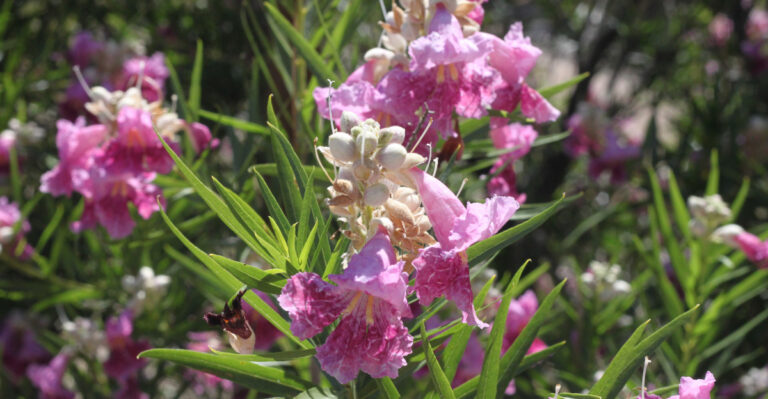
Ocotillo, chuparosa, desert willow, and penstemons are commonly mentioned hummingbird favorites in Arizona-friendly planting lists.
Desert willow in particular can flower over a long stretch and can pull hummingbirds into yards that feel otherwise quiet.
Chuparosa can be a big draw in cooler months where it fits the site. Ocotillo often feels like a spring signal plant when conditions line up.
One correction from the draft matters here: Parry’s Penstemon is associated with Arizona’s lower deserts, not mainly higher-elevation gardens.
Higher elevation yards can still use penstemons, just choose species that match local winter cold and summer moisture patterns.
Local nurseries often carry options better suited to your elevation than a generic list. Matching the right penstemon to your region can make the blooms more reliable.
A simple strategy works well: mix one early spring bloomer, one long-blooming shrub or small tree, and one reliable summer nectar plant. That combination tends to keep visits steadier than a single short bloom burst.
Layering heights also helps, since hummingbirds often feed at different levels through the day. A yard that offers multiple “stations” can spread out the action and reduce feeder drama.
6. When To Put Out And Clean Hummingbird Feeders

Feeder timing can be simple. In many low-desert areas, early March is a practical time to have feeders cleaned and ready, since migration activity in southern Arizona can start early and build quickly.
Higher elevations often ramp up later, so early spring prep still helps without rushing. Clean and ready matters more than “perfect timing,” since early birds can show up unexpectedly.
A second feeder can also help reduce fighting once activity increases.
Cleanliness is the make-or-break detail. Nectar can spoil faster in warm conditions, so the refresh schedule should match the weather.
Guidance commonly recommends changing nectar more frequently in heat, with daily or every-other-day maintenance during hot weather, and less often when temperatures are mild.
Weekly cleaning with hot water and a bottle brush is a good baseline, with extra cleanings anytime you see cloudiness or residue.
Shade can buy you time, but it does not replace cleaning. Old nectar can also attract ants and bees, which can turn a feeder into a mess.
For nectar, plain white sugar and water is the standard approach. A 1 part sugar to 4 parts water recipe is widely recommended, and red dye is not needed.
Hanging feeders in shade can also slow spoilage and keep nectar cooler during warm spells. A simple feeder brush makes cleaning quicker, so it feels less like a chore.
Placement near flowers can also help hummingbirds find the feeder faster, especially early in the season.
7. Simple Yard Features That Make Your Yard More Hummingbird Friendly

Water is a sneaky upgrade that pays off fast. Hummingbirds use misters, drippers, and shallow moving water to bathe and cool off, and those features can attract birds that ignore a feeder for days.
A basic birdbath can still help when it offers a shallow edge or gentle movement, not just a deep still basin. Even a small dripper over a dish can create the sound cue they notice.
In hot weather, water can become a bigger draw than nectar for short periods.
Perches matter more than most people expect. Hummingbirds spend plenty of time sitting still between feeding bursts, so leaving a few open twigs or small branches near feeding areas gives them a place to guard and rest.
A perch with a clear view lets them watch for rivals and predators. That’s why a yard with “landing spots” often feels more active, even when feeders are quiet.
Skip heavy pesticide use when possible, because hummingbirds rely on insects and spiders for protein, not just nectar.
A yard that supports small insects, offers nectar, and keeps water available tends to hold hummingbirds longer than a yard built around sugar water alone.
Native plants help here because they support more local insects. A healthier insect population can also mean fewer pest outbreaks in the long run.
8. Signs Hummingbirds Are Arriving In Your Area

Sound is often the first clue. Sharp chips and quick chittering near blooming plants can give away a new arrival before you ever spot it, especially early in the morning when feeding peaks.
The sound often comes from one bird claiming a small territory, like a favorite shrub or feeder. Quiet mornings make those tiny noises easier to catch.
Behavior changes are another giveaway. A single bird repeatedly patrolling the same corner, chasing others off, or hovering near red blooms often signals the start of a local surge.
Males commonly arrive a bit ahead of females, so that early territorial attitude can show up before your yard gets busy. Early arrivals can also test a feeder without committing, so quick fly-bys still count as a clue.
A bird that returns to the same spot within an hour usually means it likes what it found.
Plants can tip you off too. When ocotillo starts lighting up, penstemons open, or desert willow begins flowering, hummingbirds tend to follow those nectar cues.
Checking recent local reports can also confirm what’s moving through your area before your own feeder turns into a battleground. County-level maps can show whether activity is building nearby or still sparse.
That information helps you decide whether to add a second feeder or refresh nectar more often.