4 Perennials To Plant In Early Spring In Pennsylvania And 3 That Prefer Warmer Soil

Early spring in Pennsylvania brings that exciting moment when the garden begins to wake up again. Snow fades away, the ground slowly softens, and small signs of green start pushing through the soil.
After a long winter, many gardeners are eager to get outside and start planting something new.
Perennials are often the first plants people think about this time of year. Since they return year after year, they help build a garden that becomes fuller and more colorful with every season.
Still, early spring planting can be a little tricky. Some perennials are perfectly happy going into the ground while the air is still cool, while others need warmer soil before they really begin to grow.
Planting at the right time can make a big difference in how well these plants establish themselves. With the right timing, your Pennsylvania garden can start the season strong and continue producing healthy growth and beautiful blooms as the weather warms.
1. Black-Eyed Susan (Rudbeckia Hirta)

Few flowers say “summer is coming” quite like the cheerful Black-Eyed Susan. Those bright yellow petals surrounding a bold dark center are hard to miss, and they bring a burst of sunshine to any garden bed. In Pennsylvania, this tough perennial is a favorite for good reason.
Black-Eyed Susans handle cool spring weather surprisingly well. Planting them early in the season gives their roots plenty of time to settle deep into the soil before the summer heat rolls in.
Once established, they are incredibly low-maintenance and can handle dry spells with ease.
These plants love full sun, so choose a spot in your yard that gets at least six hours of direct sunlight each day.
Well-drained soil is ideal, and you do not need to add a lot of fertilizer to keep them happy. They are actually tougher when grown in leaner soil conditions.
One fun fact about Black-Eyed Susans is that they are native to North America, which means they are perfectly adapted to Pennsylvania’s seasonal changes. They attract butterflies, bees, and even goldfinches that feed on their seeds in late summer and fall.
Planting them in early spring in Pennsylvania, typically between late March and mid-April, gives them the longest possible growing season. Expect blooms from midsummer all the way through early fall.
They also spread naturally over time, so one small planting can eventually grow into a stunning, wide display of golden color.
2. Purple Coneflower (Echinacea Purpurea)

Walk through almost any Pennsylvania garden in summer and you are likely to spot the Purple Coneflower standing tall and proud.
Its bold purple-pink petals and spiky orange-brown center make it one of the most recognizable perennials around. Beyond its good looks, this plant is an absolute powerhouse for pollinators.
Bees, butterflies, and hummingbirds cannot resist Purple Coneflowers. Planting them in early spring in Pennsylvania gives them a strong head start before the busy pollinator season begins.
They are tolerant of cool spring temperatures and establish well when the ground is still a bit chilly.
Your Pennsylvania Garden Changes Every Week. Your Plan Should Too.
Gardening in Pennsylvania changes quickly throughout the season. Every Friday you’ll receive a simple weekly plan showing exactly what to plant, prune, fertilize, harvest, and protect so you never miss the right timing.
Echinacea purpurea thrives in full sun but can handle a little afternoon shade if needed. It prefers well-drained soil and does not like to sit in wet or waterlogged conditions.
Once established, it is remarkably drought-tolerant, making it a reliable choice for Pennsylvania gardeners who want beauty without constant watering.
Did you know that Echinacea has been used in herbal medicine for centuries? Native American tribes used it long before it became a popular garden plant.
Today, it is still widely recognized for its wellness properties, but in the garden, it shines as a long-blooming, low-effort perennial. Expect flowers from midsummer through early fall when planted in early spring.
Leave the seed heads standing through winter, and birds will thank you for the extra food source during the colder Pennsylvania months. It is truly a plant that keeps giving season after season.
3. Columbine (Aquilegia Canadensis)

There is something almost magical about Columbine. Its red and yellow flowers dangle like tiny lanterns from slender stems, swaying gently in the spring breeze.
This native Pennsylvania perennial has a quiet elegance that feels right at home in both wild woodland settings and tidy garden borders.
Aquilegia canadensis is perfectly suited to Pennsylvania’s early spring conditions. It actually prefers the cool, moist weather that comes with the season, and it begins blooming in April or May when many other perennials are still waking up.
Getting it in the ground early gives it the best chance to establish before summer warmth arrives.
Columbine grows well in partial shade, making it a smart pick for spots under trees or along the north side of a house where other sun-loving plants might struggle.
It likes well-drained, slightly moist soil and does not require much fussing once planted. A little compost mixed into the planting hole goes a long way.
Hummingbirds are especially drawn to Columbine’s tubular flowers, which are shaped perfectly for their long beaks.
Planting a patch of this native beauty near a window or patio gives you a front-row seat to some truly delightful wildlife activity throughout spring in Pennsylvania.
Columbine also self-seeds freely, meaning it will spread on its own over the years and fill in bare spots naturally. The plants are short-lived perennials, but this self-seeding habit keeps new plants coming up season after season without any extra effort on your part.
4. Bleeding Heart (Lamprocapnos Spectabilis)

Old-fashioned, romantic, and utterly charming, the Bleeding Heart is one of those plants that stops people in their tracks. Its arching stems carry rows of perfectly heart-shaped pink or white flowers that dangle like tiny pendants.
There is a reason this perennial has been a garden favorite for generations across Pennsylvania.
Early spring is the ideal time to get Bleeding Heart in the ground in Pennsylvania. It is a cool-weather lover through and through, thriving in the moist, shady conditions that come with the season.
Planting it in March or early April lets it establish roots and put on its spectacular floral show before summer heat causes it to go dormant.
Shade is this plant’s best friend. Choose a spot under trees or in a north-facing bed where it will be protected from harsh afternoon sun.
Moist, rich, well-draining soil is key to keeping it healthy. Adding leaf compost or organic matter to the planting area makes a noticeable difference in how well it grows.
One thing to keep in mind is that Bleeding Heart goes dormant in summer when temperatures climb. Plan ahead by planting summer-blooming perennials or ferns nearby to fill in the gap once the foliage fades.
This thoughtful layering keeps your Pennsylvania garden looking full and lush all season long.
The flowers typically last from April through June, giving you nearly two full months of stunning display.
Hostas and astilbes make excellent companions, as they thrive in similar shady, moist conditions and take over beautifully when Bleeding Heart steps back for the season.
5. Hardy Hibiscus (Hibiscus Moscheutos)

If you want a showstopper in your Pennsylvania garden, Hardy Hibiscus is the plant for the job.
Its flowers can grow as large as a dinner plate, reaching up to twelve inches across in shades of red, pink, white, and bicolor blends. It is bold, dramatic, and completely unforgettable once it starts blooming.
Unlike the first four plants on this list, Hardy Hibiscus prefers warm soil before being planted. In Pennsylvania, that generally means waiting until late May or early June, after all frost danger has passed and the soil has had a chance to heat up.
Planting too early in cold soil can slow its growth significantly or prevent it from establishing well.
Choose a spot with full sun for the best results. Hardy Hibiscus loves heat and moisture, so planting near a rain garden or in a low spot that holds some water is actually a good strategy.
It can handle wet feet better than many other perennials, which makes it versatile in Pennsylvania landscapes.
One thing that surprises new gardeners is how late this plant emerges in spring. Do not panic if your Hardy Hibiscus shows no signs of life in April or even early May.
It is one of the last perennials to wake up, but once it does, growth is rapid and impressive. It can reach six feet tall in a single season.
Blooms appear from midsummer through early fall, creating weeks of jaw-dropping color. Butterflies and hummingbirds visit regularly, making it as wildlife-friendly as it is beautiful.
Once established in warm Pennsylvania soil, it comes back reliably every year with even more vigor.
6. Butterfly Weed (Asclepias Tuberosa)
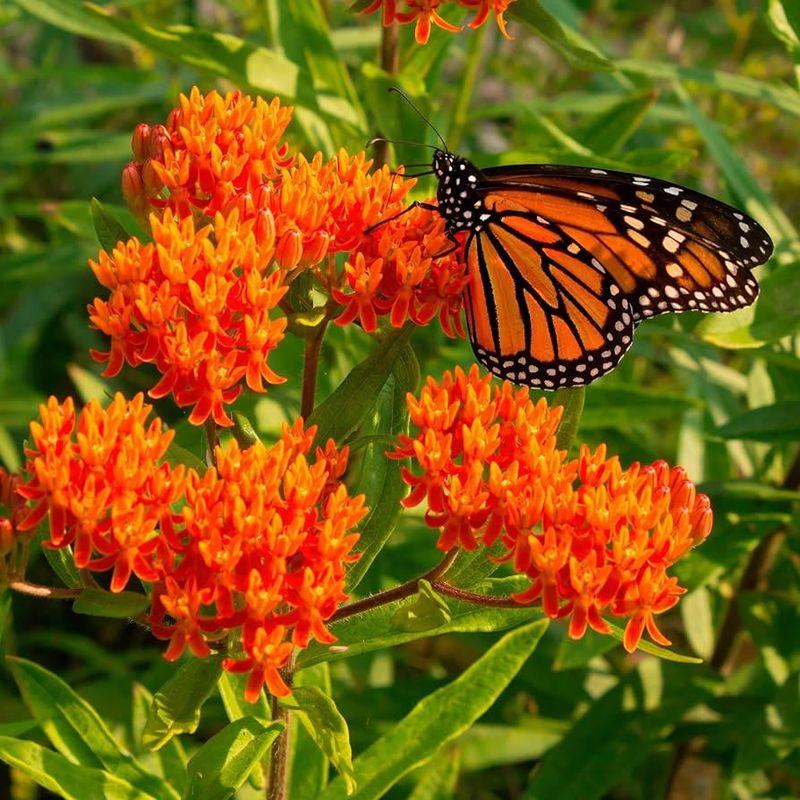
Bright orange and buzzing with pollinators, Butterfly Weed is one of the most ecologically valuable perennials you can grow in Pennsylvania.
It is a native plant, which means it evolved right alongside the local insects and wildlife that depend on it. Monarch butterflies in particular rely on it as a host plant for their caterpillars.
Even though it is native to Pennsylvania, Butterfly Weed establishes best when planted once soil temperatures have risen in mid to late spring. Cold, wet soil in early spring can cause the roots to rot before they have a chance to get going.
Waiting until May gives it the warm conditions it needs to take hold quickly and grow strong.
Full sun is non-negotiable for this plant. It thrives in dry, well-drained, even sandy soil and does not do well in heavy clay or areas that stay wet.
In fact, it is one of those perennials that actually performs better in poor soil conditions, rewarding neglect with reliable blooms season after season.
One of the most common mistakes gardeners make with Butterfly Weed is overwatering it. Once established, it is extremely drought-tolerant and rarely needs supplemental watering in Pennsylvania.
Treat it like a wildflower, give it sun and space, and it will reward you generously. Clusters of vivid orange flowers bloom from June through August, drawing in not just monarchs but also swallowtails, fritillaries, and bumble bees.
The seed pods that follow are also beautiful, splitting open in fall to release silky white seeds that drift on the breeze like tiny parachutes across Pennsylvania landscapes.
7. Joe-Pye Weed (Eutrochium Purpureum)
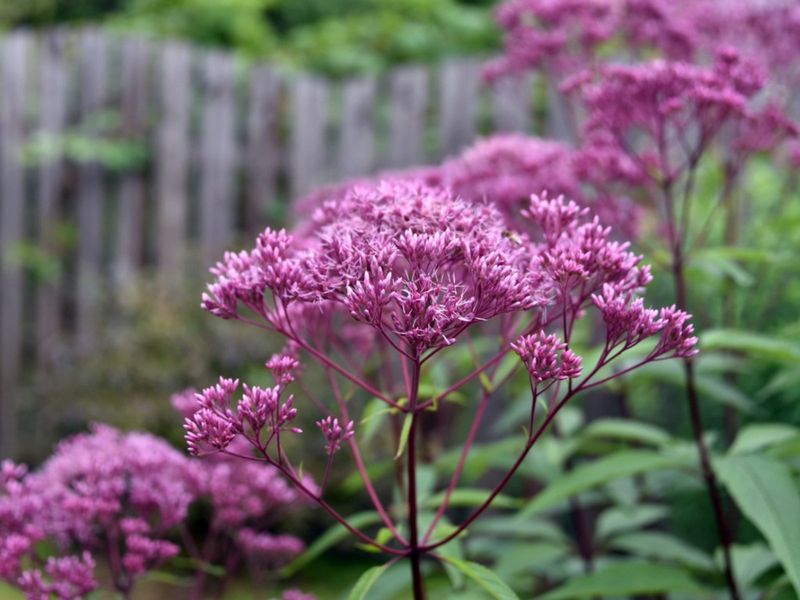
Standing anywhere from four to seven feet tall, Joe-Pye Weed is a true giant of the native plant world in Pennsylvania. Its large, domed clusters of dusty mauve-pink flowers are a magnet for butterflies, especially swallowtails, in late summer.
If you have a big sunny or partly shaded spot that needs filling, this plant was practically made for it.
Joe-Pye Weed prefers warmer soil and steady spring temperatures before being planted. In Pennsylvania, mid to late May is the sweet spot for getting it in the ground.
Planting in cold spring soil can stress the roots and slow establishment, so patience really pays off with this one.
It grows naturally along stream banks and woodland edges across Pennsylvania, which tells you a lot about its preferences.
It likes moist to average soil and can handle partial shade, though it tends to grow tallest and bloom most heavily in full sun. Adding compost to the planting hole gives it a great foundation.
The name Joe-Pye Weed comes from a legend about a Native American healer named Joe Pye who reportedly used the plant to treat fevers.
Whether or not the story is entirely accurate, it adds a fascinating layer of history to an already impressive plant. It has been part of the Pennsylvania landscape long before modern gardens existed.
Once established, Joe-Pye Weed is tough, long-lived, and virtually trouble-free. It blooms from August into September, providing critical late-season nectar for migrating butterflies and bees stocking up before Pennsylvania winters arrive.
Its tall, striking presence makes it a natural focal point in any garden space.