Pennsylvania Native Shrubs That Thrive In Philadelphia Summer
Step outside on a sweltering day in Philadelphia and you can feel how tough the season can be on plants.
Between thick humidity, heat radiating off sidewalks, and compact urban soils, keeping a garden looking good can feel like an uphill battle.
That is where Pennsylvania native shrubs really prove their worth. Built to handle local conditions, these plants tend to adapt well once established and hold up better when temperatures climb.
Choosing the right native shrubs for your Philadelphia landscape can mean less watering, less stress, and a yard that looks vibrant even when the weather turns challenging.
1. Inkberry Handles Heat While Staying Green Year-Round
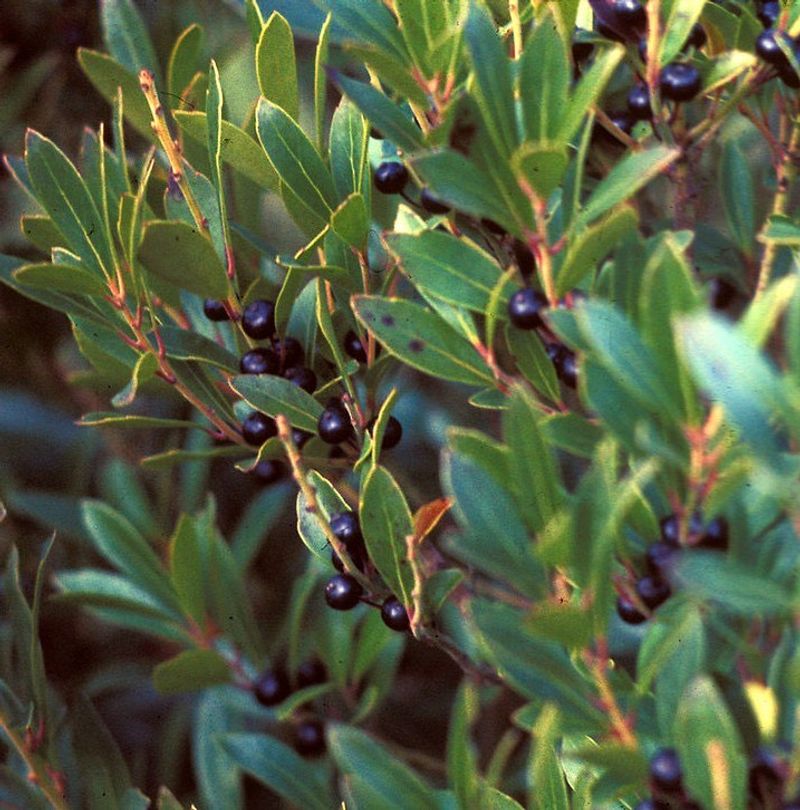
Not every shrub can hold its good looks through a sweltering Philadelphia August, but Inkberry manages to do exactly that.
Known botanically as Ilex glabra, this native holly relative keeps its glossy, dark green foliage from one season to the next, making it a reliable choice for gardeners who want year-round structure without a lot of fuss.
Inkberry grows naturally in wet, acidic soils, which means it handles the poorly draining spots in Philadelphia yards that tend to frustrate homeowners.
It works well near downspouts, low-lying areas, and rain gardens where other shrubs might struggle.
Mature plants typically reach four to eight feet tall, though compact cultivars are available for tighter spaces.
Full sun to partial shade both suit this shrub well. Once established, it shows solid heat tolerance and rarely needs supplemental watering during summer months.
Female plants produce small black berries in late summer and fall that birds find appealing, giving your garden some wildlife value too.
For Pennsylvania gardeners looking for a low-maintenance native that stays green through summer heat and humidity, Inkberry earns a solid spot in the landscape. It also works well as a hedge or mass planting along property borders.
2. Summersweet Brings Fragrance Even In Humid Summers
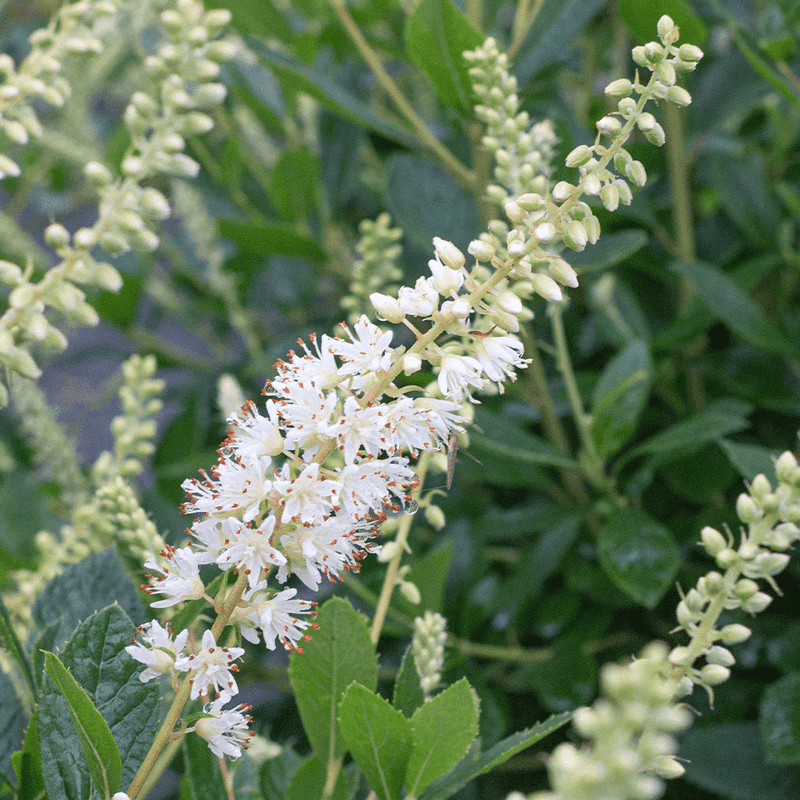
Few things make a summer garden more memorable than fragrance, and Summersweet delivers that in abundance right when Philadelphia heat peaks in July and August.
Clethra alnifolia produces slender, upright spikes of tiny white or pale pink flowers that release a sweet, spicy scent strong enough to enjoy from several feet away.
What makes Summersweet especially practical for Philadelphia gardeners is its tolerance for moist, shady conditions. It thrives in spots under tree canopies or near water features where many flowering shrubs struggle to bloom.
It handles the heavy, clay-like soils common in many Philadelphia neighborhoods reasonably well, particularly with some organic matter worked into the planting area.
Mature plants range from three to eight feet tall depending on the cultivar, making it adaptable to both small city lots and larger suburban yards across Pennsylvania.
Pollinators, especially bees and butterflies, visit the blooms heavily during summer, adding activity and life to the garden.
Fall color is a bonus, with foliage turning golden yellow before dropping.
For shaded corners or moist spots that seem impossible to plant, Summersweet is one of the most rewarding native shrubs Pennsylvania gardeners can choose for reliable summer performance.
Your Pennsylvania Garden Changes Every Week. Your Plan Should Too.
Gardening in Pennsylvania changes quickly throughout the season. Every Friday you’ll receive a simple weekly plan showing exactly what to plant, prune, fertilize, harvest, and protect so you never miss the right timing.
3. Virginia Sweetspire Adds Color And Handles Summer Heat
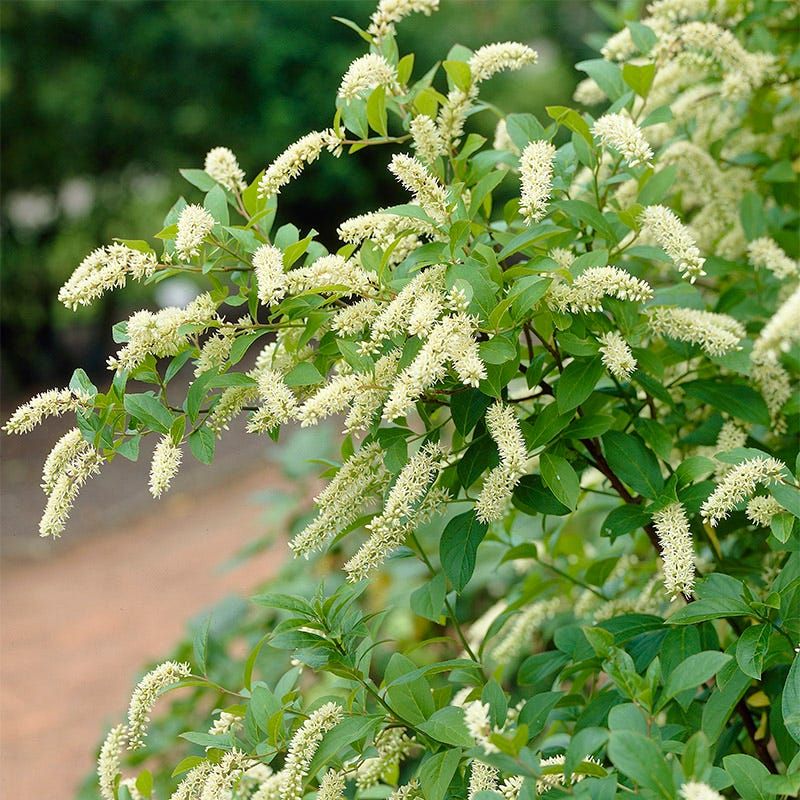
Walk through any well-designed Pennsylvania native plant garden and you are likely to spot Virginia Sweetspire earning its place in the border.
Itea virginica blooms in early summer with graceful, arching clusters of fragrant white flowers that drape elegantly over the foliage, creating a soft, layered look that feels both natural and refined.
One of the reasons Philadelphia gardeners appreciate Virginia Sweetspire is its toughness. It adapts to a wide range of soil conditions, including wet and dry sites, and handles both full sun and partial shade without much complaint.
That kind of flexibility is valuable in city and suburban landscapes where growing conditions can vary dramatically from one part of a yard to another.
Summer heat does not set this shrub back noticeably once it is established. It typically grows three to five feet tall and wide, making it a manageable size for smaller properties common in Philadelphia neighborhoods.
Fall color is genuinely impressive, with leaves turning shades of red, orange, and burgundy that rival many ornamental shrubs.
For gardeners who want a native that earns its keep across multiple seasons, Virginia Sweetspire delivers summer blooms, heat tolerance, and vivid fall color in one compact, adaptable package suited well to Pennsylvania conditions.
4. New Jersey Tea Thrives In Sunny, Dry Conditions
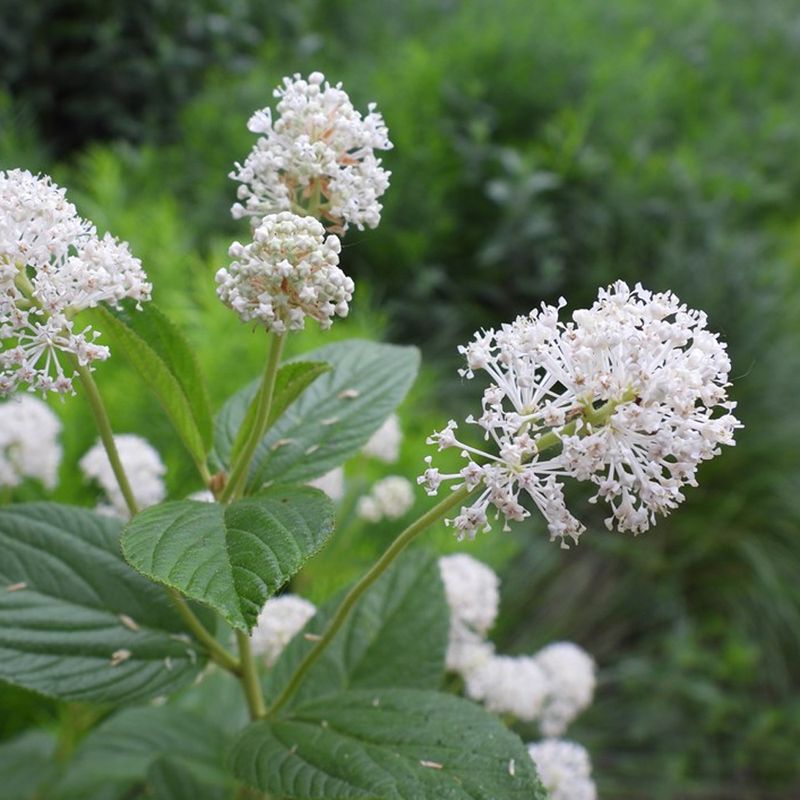
Dry, sunny spots in Philadelphia gardens are often the hardest to plant successfully, but New Jersey Tea was practically made for those conditions.
Ceanothus americanus is a compact native shrub that produces clusters of small, bright white flowers in late spring through early summer, creating a cheerful display even when rainfall is scarce.
Despite its modest size, usually reaching two to four feet tall, this shrub has a deep taproot system that helps it access moisture during dry summer stretches.
That root structure also means it is best transplanted when young, since established plants do not move easily.
Give it a well-drained spot in full sun and it tends to reward you with reliable blooms and tidy growth each season.
New Jersey Tea has an interesting historical footnote worth knowing. During the American Revolution, colonists brewed its leaves as a substitute for imported tea, which is where the common name comes from.
Beyond that fun detail, it functions well ecologically, hosting native bee species and supporting early pollinators through its summer bloom period.
For Pennsylvania gardeners dealing with slopes, rocky soil, or areas that dry out quickly, New Jersey Tea is a tough, attractive native that handles summer heat and drought far better than most ornamental alternatives available at typical garden centers.
5. Ninebark Grows Easily In Tough Urban Soils
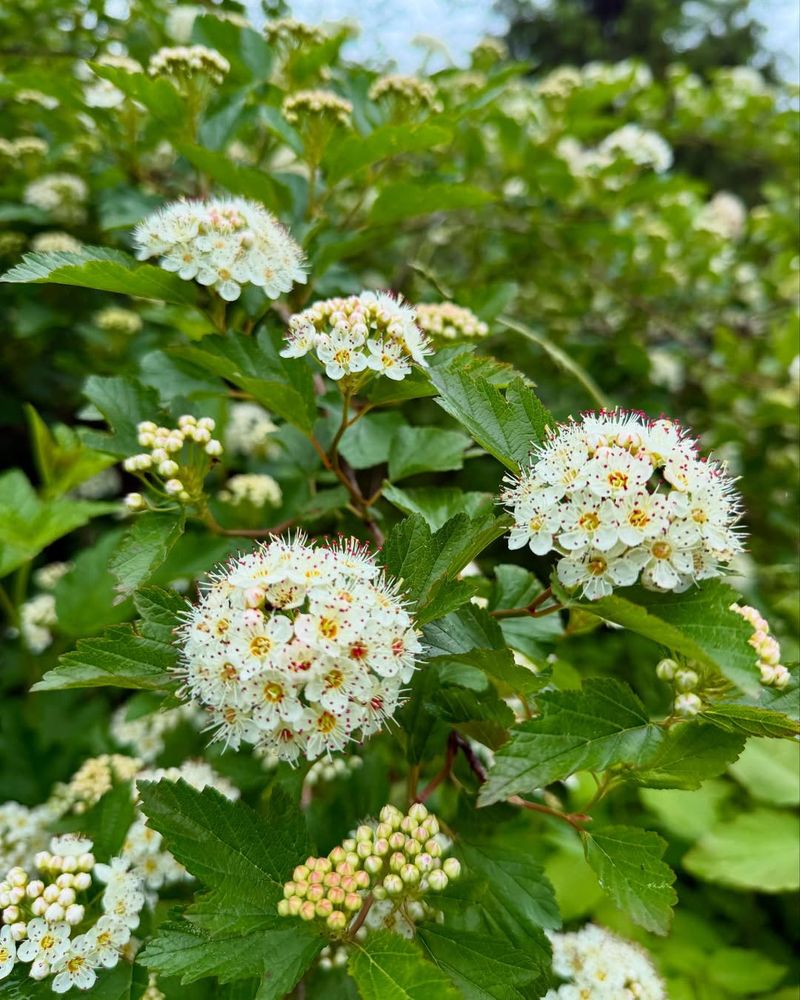
Urban soil in Philadelphia can be compacted, nutrient-poor, and full of construction debris, which makes finding shrubs that genuinely thrive in those conditions a priority for city gardeners.
Eastern Ninebark, Physocarpus opulifolius, is one of the most adaptable native shrubs in Pennsylvania and handles poor soil conditions with a resilience that few plants can match.
Reaching six to ten feet tall at maturity, Ninebark offers year-round visual interest.
Its distinctive peeling bark adds texture during winter, white to pale pink flower clusters attract pollinators in late spring, and the foliage, especially on purple-leaved cultivars, stays colorful through the heat of summer.
Reddish seed capsules extend the ornamental interest into fall.
Full sun to partial shade both work for this shrub, and it tolerates clay soils, occasional flooding, and dry spells once established.
That combination of traits makes it particularly useful along Philadelphia streets, in urban pocket gardens, or in challenging spots near buildings where reflected heat raises temperatures even further.
Gardeners who have struggled to find something that actually looks good in a tough spot often discover that Ninebark is the answer they were searching for.
It grows with minimal intervention once settled in and rarely requires special care to maintain a full, attractive form through summer.
6. Spicebush Supports Wildlife And Tolerates Summer Heat
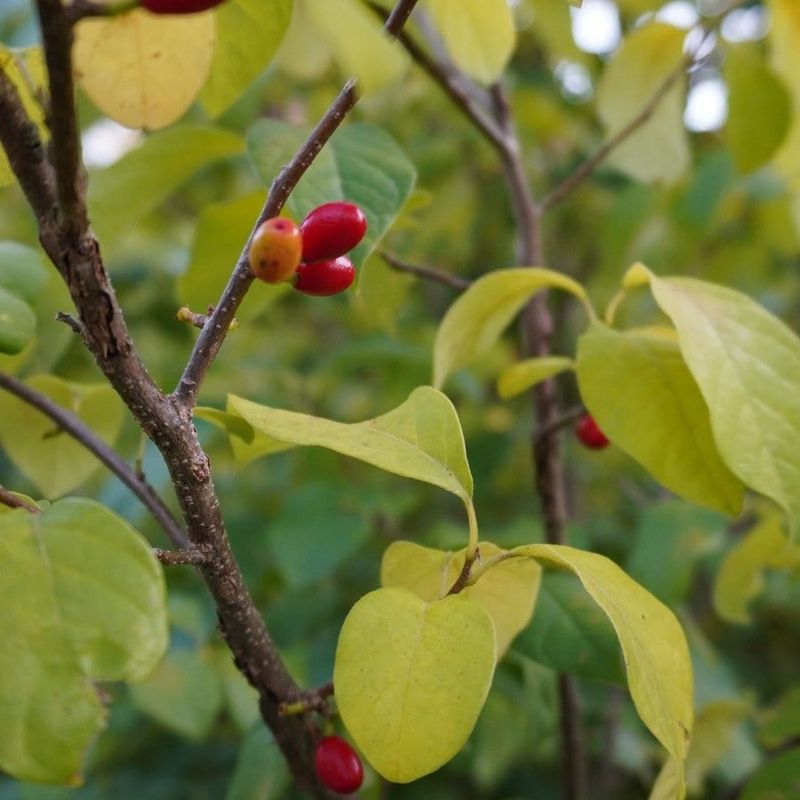
Tucked into a shaded corner of a Philadelphia yard, Spicebush can quietly become one of the most ecologically valuable plants on the property.
Lindera benzoin is a native shrub with aromatic leaves, small yellow flowers that emerge in early spring before the foliage, and bright red berries that ripen in late summer and fall.
Its ecological contributions are genuinely impressive. Spicebush serves as a host plant for the Spicebush Swallowtail butterfly, one of the most striking native butterflies found across Pennsylvania.
Birds, including thrushes and vireos, rely on the red berries as a high-fat food source during their fall migration, making this shrub a meaningful addition to any wildlife-friendly landscape.
Partial shade and moist, well-drained soil suit Spicebush best, though it shows reasonable tolerance for summer heat when it has adequate soil moisture and some protection from afternoon sun.
It typically matures between six and twelve feet tall, creating a loose, layered form that blends naturally with other native plantings.
For Philadelphia gardeners who want to support local wildlife while maintaining an attractive yard, Spicebush offers a combination of seasonal interest and ecological function that is hard to find in a single plant.
Crushing a leaf releases a spicy, pleasant fragrance that makes it fun to grow.
7. Red Chokeberry Adapts Well To City Growing Conditions
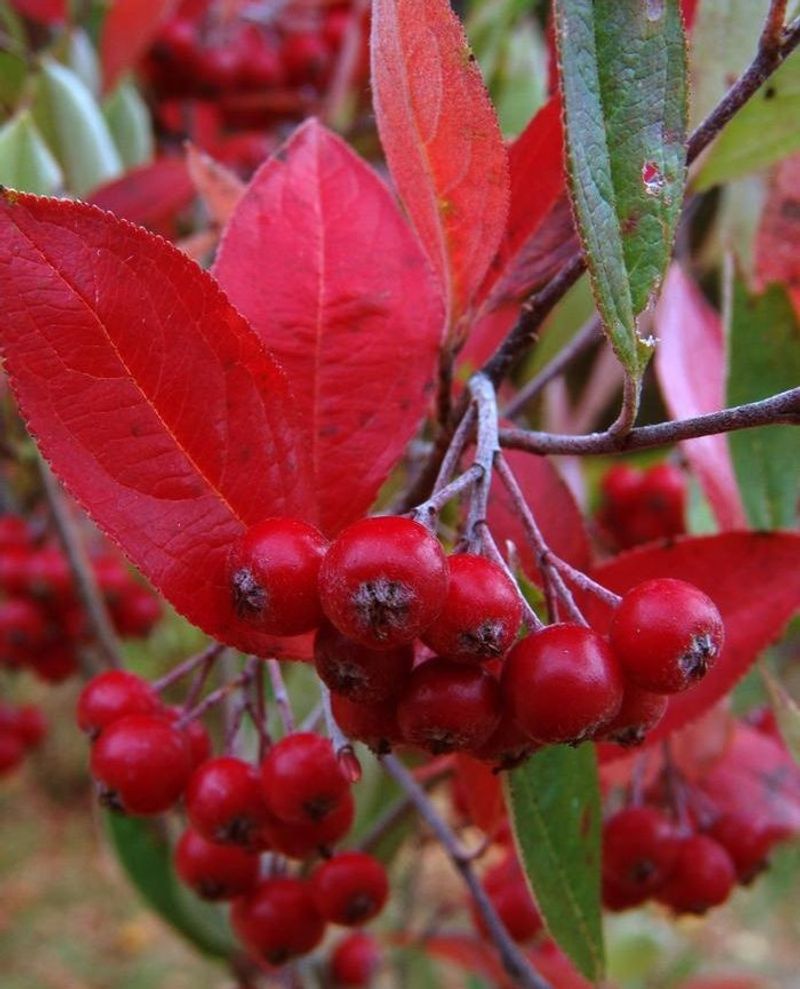
City gardening in Philadelphia comes with real constraints, from narrow planting strips to compacted soil and reflected heat off pavement, but Red Chokeberry handles those challenges with notable flexibility.
Aronia arbutifolia is a native shrub that performs across a surprisingly wide range of conditions, from wet, poorly drained spots to drier urban soils that see little supplemental water.
Spring brings clusters of small white flowers that attract early pollinators. By late summer, the shrub produces glossy red berries that ripen and persist well into autumn, providing food for birds during the cooler months.
The foliage transitions to fiery red in fall, giving this plant strong multi-season appeal beyond its summer heat tolerance.
Red Chokeberry typically grows six to ten feet tall, though regular pruning keeps it more compact if needed.
It tolerates full sun and partial shade, which gives Philadelphia gardeners flexibility when placing it in yards that receive uneven light due to neighboring buildings or mature trees.
One practical note: Red Chokeberry tends to spread through root suckers over time, gradually forming a colony.
That trait makes it useful for stabilizing slopes or filling larger planting areas, but worth keeping in mind for smaller city lots where space is limited and growth needs some management.
8. Buttonbush Thrives In Wet Spots And Summer Heat
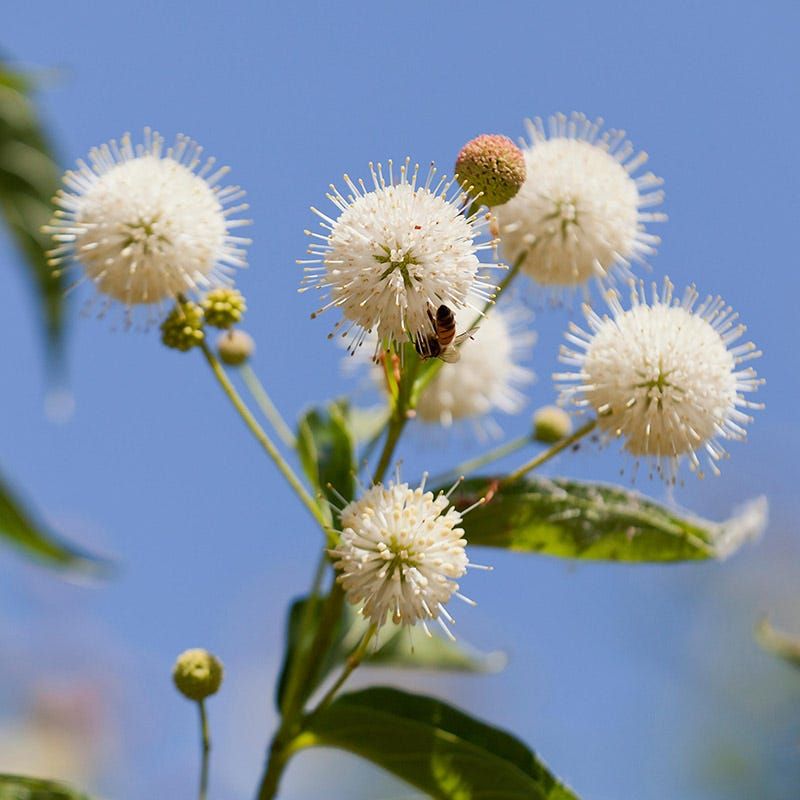
Standing water and soggy soil frustrate most gardeners, but Buttonbush looks at those conditions as an opportunity.
Cephalanthus occidentalis is a native shrub that genuinely thrives in wet areas, making it one of the most useful plants Pennsylvania gardeners can choose for low spots, pond edges, rain gardens, and areas that flood periodically during Philadelphia’s summer storms.
The flowers are unlike anything else in the native shrub world.
Round, globe-shaped clusters of tiny white blooms appear in midsummer, resembling small pincushions and releasing a light fragrance that draws in butterflies, native bees, and hummingbirds.
Few native shrubs offer this level of pollinator activity during the peak of summer heat.
Buttonbush grows vigorously in full sun to partial shade and can reach six to twelve feet tall in ideal conditions.
While it prefers consistently moist or wet soil, established plants show reasonable tolerance for brief dry spells once their root system is well developed.
Beyond its ornamental value, Buttonbush provides habitat and food for waterfowl and shorebirds, which adds another layer of ecological function to its resume.
For Philadelphia gardeners dealing with drainage problems that no amount of grading seems to fix, Buttonbush turns a persistent wet-area headache into a genuinely attractive and productive garden feature.