The Best Time To Prune Roses In Pennsylvania For Bigger Blooms

Have you ever wondered why some rose bushes in Pennsylvania burst with large, vibrant blooms while others struggle to produce more than a few flowers? The answer often comes down to timing.
Pruning roses at the right moment can make a noticeable difference in how healthy the plants grow and how impressive their blooms become later in the season.
Many gardeners feel unsure about when to trim their roses. Cut too early and the plant may suffer from late frosts.
Wait too long and you might miss the window that encourages strong new growth. Finding the sweet spot helps roses focus their energy on producing sturdy stems and fuller blossoms.
Pennsylvania’s changing seasons play an important role in that timing. As winter fades and spring begins to settle in, rose bushes start preparing for new growth.
Knowing when to reach for your pruning shears can help your roses thrive and reward you with bigger, brighter blooms.
Why Pruning Roses Is Important For Bigger Blooms?
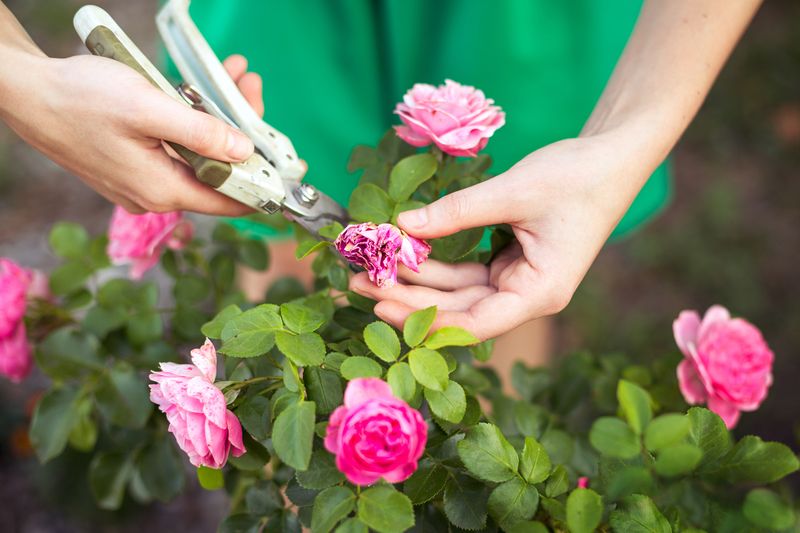
Every experienced rose gardener in Pennsylvania knows one simple truth: pruning is the secret behind those jaw-dropping blooms that make neighbors stop and stare. Without regular pruning, rose bushes become crowded, weak, and far less productive over time.
When you remove old, dry, or damaged canes, the plant can focus all of its energy on pushing out strong new growth. Think of it like clearing a traffic jam. Once the road is open, everything moves faster and more efficiently.
Pruning also plays a huge role in preventing common rose diseases. When canes are packed tightly together, air cannot circulate properly around the plant.
Poor airflow creates the perfect damp environment for fungal diseases like black spot and powdery mildew to spread.
By opening up the center of the plant, you let sunlight and fresh air reach every branch. This keeps the foliage dry and reduces the chance of infection throughout the growing season in Pennsylvania.
Another benefit that often gets overlooked is how pruning shapes the plant’s overall structure. A well-shaped rose bush is not just prettier to look at.
It is also sturdier and better able to support the weight of large, heavy blooms without bending or breaking.
Regular pruning encourages the plant to produce more flowering stems each season. More stems mean more buds, and more buds mean a bigger, more colorful display in your Pennsylvania garden.
Starting this habit early in a rose’s life sets it up for years of healthy, vibrant growth that you can enjoy season after season.
The Best Time To Prune Roses In Pennsylvania

Timing is everything when it comes to pruning roses in Pennsylvania. Prune too early, and a late frost can damage the fresh cuts and tender new growth. Wait too long, and you risk cutting off buds that are already forming and ready to bloom.
For most rose varieties grown across Pennsylvania, the sweet spot falls between late March and early April.
During this window, winter is winding down but the plants have not yet launched into full growth mode. It is the perfect in-between moment that experienced growers look forward to every year.
Your Pennsylvania Garden Changes Every Week. Your Plan Should Too.
Gardening in Pennsylvania changes quickly throughout the season. Every Friday you’ll receive a simple weekly plan showing exactly what to plant, prune, fertilize, harvest, and protect so you never miss the right timing.
The best signal to watch for is bud swell. When you notice the tiny buds along the canes starting to plump up and turn a reddish-pink color, that is your green light to grab your pruning shears and get to work.
Keep in mind that Pennsylvania is a large state with varying microclimates. Gardeners in the northern or mountainous regions, such as those near the Pocono Mountains, may need to wait a week or two longer than gardeners in the warmer southern counties near Philadelphia.
Local weather apps and gardening calendars specific to your zip code can be a huge help in narrowing down the ideal pruning day. Some Pennsylvania gardeners also use the forsythia bloom as a natural timer.
When forsythia bushes burst into bright yellow flowers, it is generally a reliable sign that rose pruning season has arrived.
Staying flexible and observant gives you the best chance of catching that perfect pruning window every single spring.
How Pennsylvania’s Climate Affects Pruning Timing
Pennsylvania’s climate is not exactly gentle when it comes to late winter and early spring. Temperatures can swing wildly from one week to the next, making it tricky to know exactly when it is safe to start pruning your rose bushes.
Winters across Pennsylvania can bring heavy snowfall, freezing rain, and extended cold snaps that linger well into March. Pruning too early during this period exposes fresh cuts to freezing temperatures, which can cause damage that sets the plant back significantly.
Late frosts are another real concern for Pennsylvania gardeners. Even when daytime temperatures start feeling warm and spring-like, a surprise frost in mid-April can sneak up and harm any tender new growth that appeared after pruning. It pays to be patient.
Waiting until the worst of winter has truly passed is always the smarter move. A good rule of thumb is to check the extended forecast before pruning.
If nighttime temperatures are expected to stay above 25 degrees Fahrenheit consistently, it is generally safe to begin.
Pennsylvania’s diverse geography also matters here. The western part of the state, near Pittsburgh, tends to have cloudier and colder springs compared to the southeastern region around Philadelphia, which warms up a bit earlier each year.
Understanding your local microclimate helps you make smarter pruning decisions that protect your plants. Gardeners in higher elevations or areas with heavy tree cover should be especially cautious about pruning too soon.
A little extra patience in Pennsylvania’s unpredictable spring weather almost always leads to healthier, more productive rose bushes come summer.
Signs Your Roses Are Ready To Be Pruned

Knowing exactly when to prune comes down to reading your rose plants carefully. Luckily, the plants themselves give you some very clear signals when the time is right, and once you know what to look for, it becomes second nature every spring.
The most reliable sign is bud swell. Look closely at the canes and watch for the tiny dormant buds to begin puffing up and turning a bright reddish color. This swelling means the plant is waking up and getting ready to push out new growth.
Another clear indicator is visible winter damage on the canes. After a harsh Pennsylvania winter, you will likely spot canes that look brown, shriveled, or blackened.
These sections are no longer healthy and need to be removed to make room for fresh, productive growth.
New shoots appearing near the base of the plant are also a strong signal. These fresh green sprouts pushing up from the root zone tell you that the plant has officially come out of dormancy and is ready for a good pruning session.
Some gardeners in Pennsylvania also do a simple scratch test. Use your fingernail to gently scratch the surface of a cane.
If the tissue underneath is green and moist, the cane is still alive and worth keeping. If it is brown and dry all the way through, it is time for that cane to go.
Checking your roses every few days during late March gives you the best chance of catching these signs right on time. Acting quickly once you spot them helps your plants channel their energy into producing the biggest blooms possible this season.
How To Prune Roses Properly?

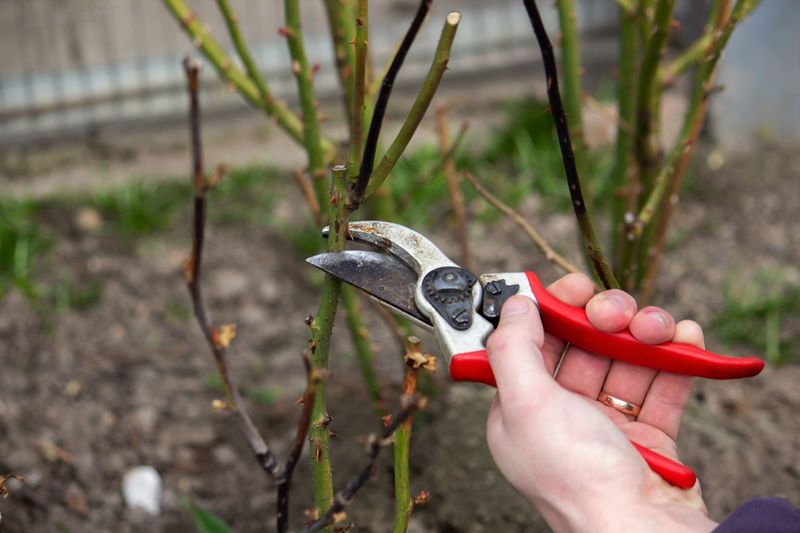
Sharp tools are the first requirement for a successful pruning session. Dull blades crush and tear the canes rather than cutting cleanly, which creates ragged wounds that take longer to heal and can invite disease into the plant.
Always clean your pruning shears with rubbing alcohol before you start. Begin by removing any canes that are clearly dry, damaged, or showing signs of disease.
Cut these back all the way to healthy wood or down to the base of the plant if needed. This step alone makes a noticeable difference in the plant’s overall health and appearance.
Next, tackle any canes that are crossing or rubbing against each other. These create wounds and block airflow through the center of the bush.
Removing them opens the plant up and lets sunlight reach all the remaining canes more evenly.
When making your cuts, always aim for an outward-facing bud. Cutting just above a bud that faces away from the center of the plant encourages new growth to spread outward rather than inward.
This creates an open, vase-like shape that is ideal for Pennsylvania roses. The proper cutting angle matters too. Make each cut at roughly a 45-degree angle, sloping away from the bud.
This angle allows rainwater to run off the cut surface rather than pooling, which reduces the risk of rot and fungal problems during Pennsylvania’s wet spring season.
For hybrid tea roses, cutting canes back to about 18 inches is a widely recommended starting point.
Climbing roses need a slightly different approach, focusing more on removing older non-blooming canes while keeping the younger, more vigorous ones intact for the best results.
Care Tips After Pruning for Better Blooms
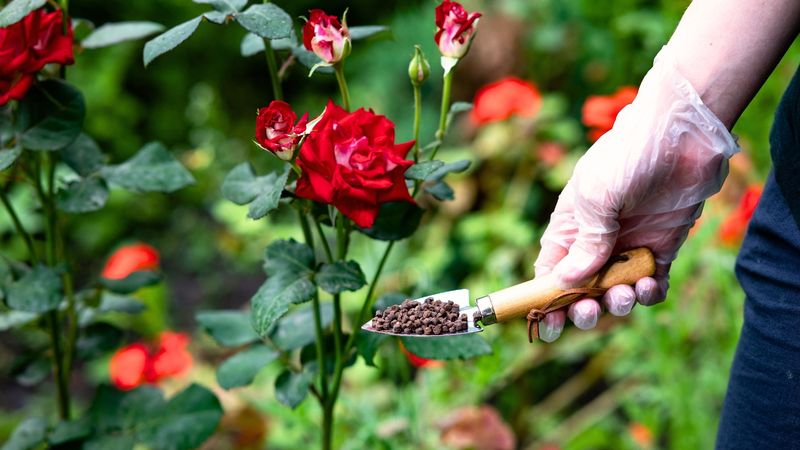
Once the pruning shears go back in the shed, the real work of supporting your roses begins. What you do in the days and weeks after pruning has a direct impact on how many blooms you will see when summer finally arrives in Pennsylvania.
Fertilizing is one of the most important post-pruning steps. Wait until you see new growth actively pushing out from the canes before applying fertilizer.
Feeding too early, before growth begins, can actually stress the plant rather than help it. A balanced rose fertilizer with equal parts nitrogen, phosphorus, and potassium works well for most Pennsylvania gardens.
Adding a fresh layer of mulch around the base of each rose bush is another smart move right after pruning. Mulch helps retain soil moisture, regulates root temperature, and suppresses weeds that would otherwise compete with your roses for nutrients.
Aim for a two to three inch layer, keeping the mulch a few inches away from the main cane to prevent rot.
Watering consistently is equally important during this early growth phase. Pennsylvania springs can be unpredictable, with dry spells interrupting the rainy season. Check the soil around your roses regularly and water deeply when the top inch feels dry.
Keep a close eye out for pests and early signs of disease as the growing season gets underway. Aphids, spider mites, and fungal issues tend to show up right when roses are putting out their first flush of tender new growth.
Catching problems early makes them much easier to manage and protects all the hard work you put into pruning your Pennsylvania roses for a spectacular bloom season ahead.