The Best Perennials To Plant In Central Pennsylvania Yards This Spring
Imagine if you could plant a garden once and enjoy the “returns” for a lifetime. In Central Pennsylvania, spring isn’t just about the blooming tulips – it’s the ultimate window to build a legacy in your backyard.
As our soil finally thaws and those daylight hours stretch, you have a golden opportunity to get perennials in the ground before the summer humidity hits.
Whether you’re dealing with rocky soil or that dappled shade under a massive oak, choosing the right plants now ensures deep roots and effortless blooms for years to come.
1. Purple Coneflower Adds Reliable Color And Pollinator Appeal
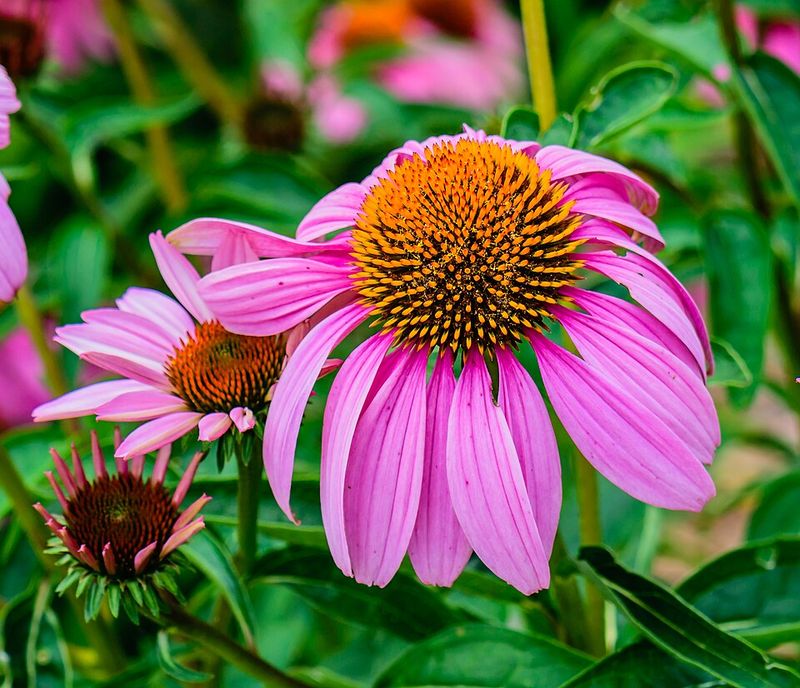
Few sights in a Central Pennsylvania yard feel as rewarding as a patch of purple coneflowers bursting into bloom during midsummer.
Known botanically as Echinacea purpurea, this native perennial produces daisy-like flowers with rosy-purple petals surrounding a raised, spiky orange-brown center.
Blooms typically appear from late June through August, giving your yard weeks of reliable color.
Pollinators absolutely love this plant. Butterflies, native bees, and even goldfinches visit regularly, making it a genuinely lively addition to any garden bed.
Because it is native to this region, purple coneflower is well adapted to Central Pennsylvania’s seasonal swings, from late spring rains to dry summer stretches.
Plant it in full sun with well-drained soil, spacing plants about 18 to 24 inches apart to encourage good air circulation. Once established after its first season, it handles drought conditions with ease and rarely needs much fussing.
Leaving the seed heads standing through fall and winter gives birds a food source and adds quiet visual interest to the garden during colder months.
A light layer of compost worked into the soil at planting time helps young plants get off to a solid start.
2. Black-Eyed Susan Brings Bright Color With Little Effort
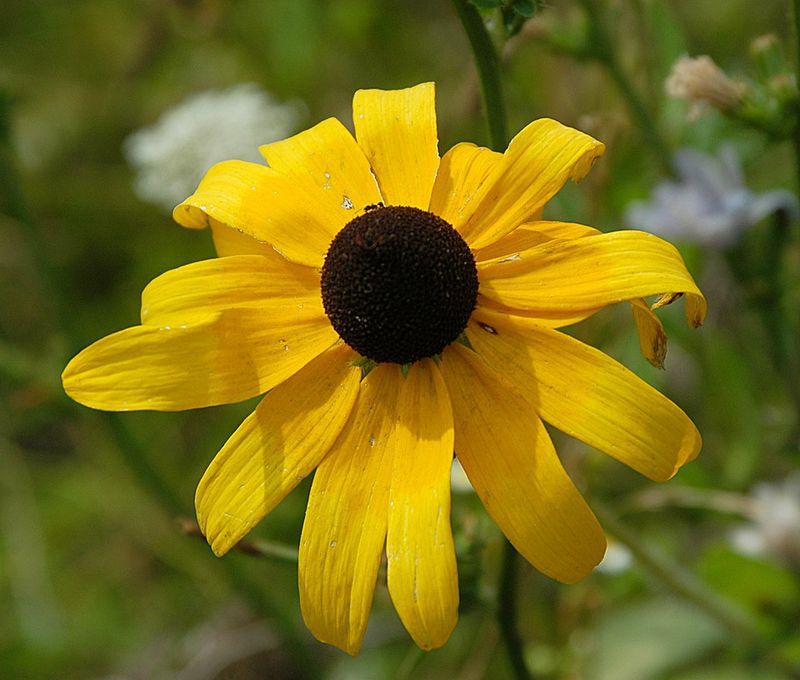
Cheerful and unfussy, black-eyed Susan is the kind of perennial that makes even beginning gardeners look like pros.
Its bright golden-yellow petals surrounding a dark chocolate-brown center have made it one of the most recognized wildflowers across Pennsylvania.
Rudbeckia hirta blooms from midsummer into early fall, bridging the gap when many spring flowers have faded and fall color has not yet arrived.
Central Pennsylvania yards with full sun and average, well-drained soil are practically ideal for this plant. It tolerates heat, handles occasional dry spells, and does not demand rich or heavily amended soil to perform well.
That adaptability makes it a go-to choice for homeowners who want seasonal color without constant maintenance.
Space plants roughly 18 inches apart so they have room to fill out naturally over time. Black-eyed Susan tends to self-seed modestly, meaning a small planting can gradually expand into a fuller, more established grouping across seasons.
Cutting back spent flowers during the growing season can extend blooming, though leaving some seed heads in place attracts birds like finches later in the year.
It pairs beautifully with purple coneflower and ornamental grasses in mixed perennial borders throughout the region.
Your Pennsylvania Garden Changes Every Week. Your Plan Should Too.
Gardening in Pennsylvania changes quickly throughout the season. Every Friday you’ll receive a simple weekly plan showing exactly what to plant, prune, fertilize, harvest, and protect so you never miss the right timing.
3. Bee Balm Attracts Pollinators And Handles Summer Heat
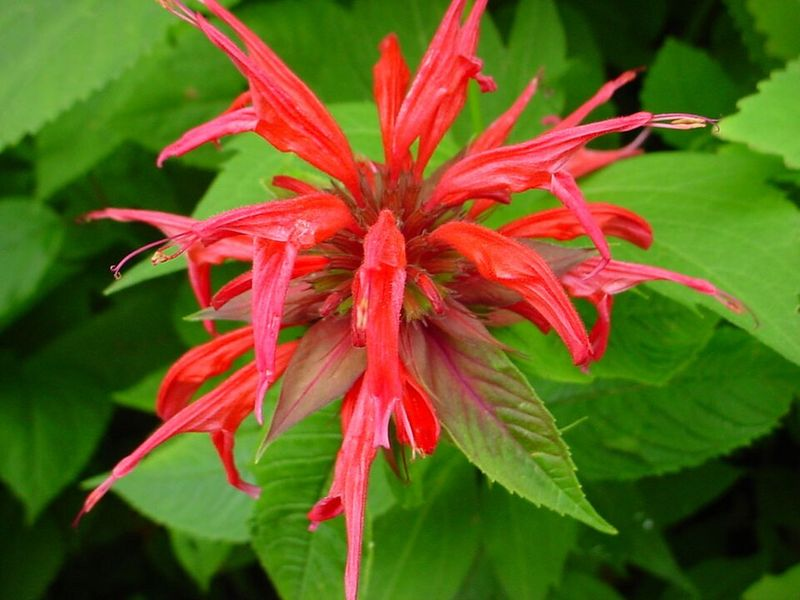
Walk past a blooming bee balm plant on a warm July morning in Central Pennsylvania and you will likely hear it before you see it – the steady hum of bees, the flutter of butterfly wings, and occasionally the whir of a hummingbird hovering nearby.
Monarda didyma produces shaggy, tubular flowers in shades of red, pink, lavender, and white, blooming from mid-June through August depending on the variety chosen.
Bee balm grows well in full sun to partial shade, which makes it versatile for Central Pennsylvania yards where tree canopy creates shifting light conditions throughout the day.
It prefers consistently moist, well-drained soil and benefits from regular watering during dry summer stretches, especially in its first season of growth.
Give plants plenty of space – about 18 to 24 inches apart – since good air circulation helps reduce powdery mildew, a common issue with this species in humid conditions.
Selecting mildew-resistant varieties such as Jacob Cline or Raspberry Wine is a practical choice for this region’s warm, humid summers.
Cutting stems back by about one-third after the first flush of blooms often encourages a second round of flowering. The aromatic foliage is a pleasant bonus that many gardeners genuinely enjoy throughout the growing season.
4. Coreopsis Keeps Gardens Bright With Easy Care
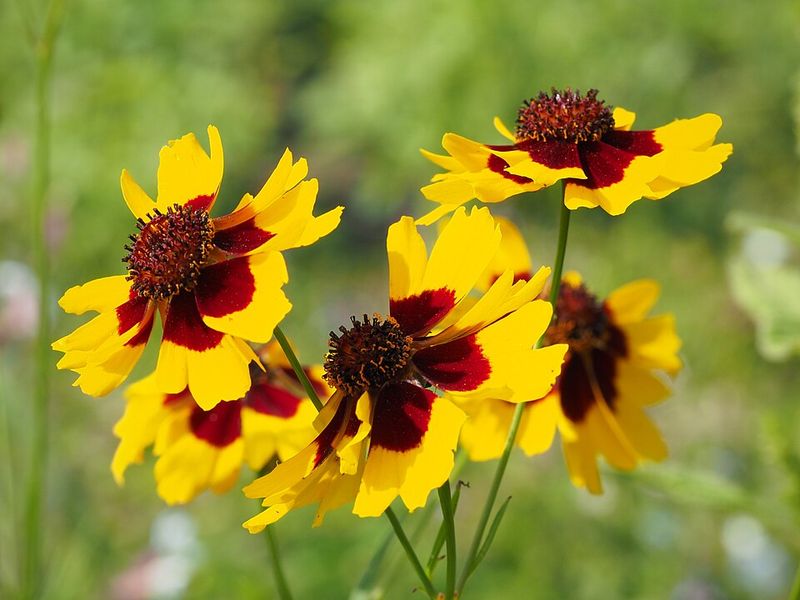
Some perennials ask a lot from gardeners. Coreopsis is not one of them.
With cheerful yellow, golden, or sometimes pink blooms that appear from late spring well into summer, this plant earns its place in Central Pennsylvania gardens through sheer reliability and low maintenance.
The fine, thread-like foliage gives it a light, airy texture that contrasts nicely with bolder plants in mixed beds.
Coreopsis thrives in full sun and handles lean, sandy, or average soils without complaint. In fact, overly rich or consistently wet soil can actually work against it, leading to floppy stems and reduced flowering.
Central Pennsylvania’s naturally variable soils – ranging from sandy loam in some areas to clay-heavy ground in others – are manageable for this plant as long as drainage is reasonable.
Space plants about 12 to 18 inches apart and plan for them to spread gradually over time into small clumps. Deadheading spent blooms regularly encourages continuous flowering throughout the season.
Cutting plants back by roughly one-third in midsummer can refresh their appearance and stimulate a second flush of color heading into late summer.
Coreopsis also attracts native bees and small butterflies, adding quiet ecological value to the yard without requiring much effort from the gardener at all.
5. Shasta Daisy Adds A Classic Look To Sunny Beds
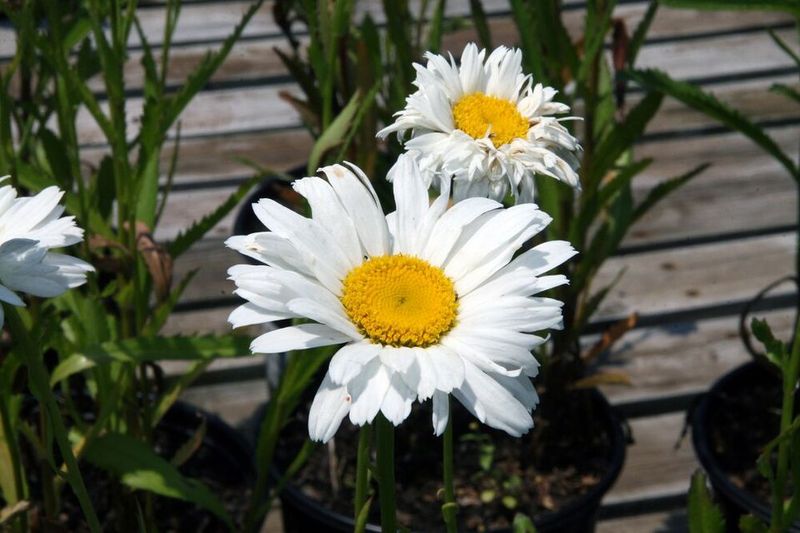
There is something timeless about a patch of Shasta daisies in a sunny garden bed.
Their crisp white petals and bold yellow centers have a clean, classic look that complements almost any planting style, from cottage gardens to more structured landscape borders.
In Central Pennsylvania, Shasta daisies typically bloom from late June through August, providing weeks of bright, cheerful flowers during the heart of summer.
Leucanthemum x superbum performs best in full sun with well-drained, moderately fertile soil.
It handles the warm temperatures of Central Pennsylvania summers reasonably well, though consistent moisture during extended dry periods helps keep plants looking their best.
Avoid planting in low spots where water tends to collect, as soggy soil can cause root problems over time.
Space plants about 18 to 24 inches apart to allow for good air movement and natural spreading. Deadheading spent flowers regularly throughout the season encourages continued blooming and keeps plants looking tidy.
Dividing established clumps every two to three years helps maintain vigor and prevents the center of the plant from thinning out.
Shasta daisies pair well with ornamental grasses, salvia, and coneflowers, making them a versatile choice for building out a layered, multi-season perennial border in Central Pennsylvania yards.
6. Daylily Adapts Easily To Different Garden Conditions
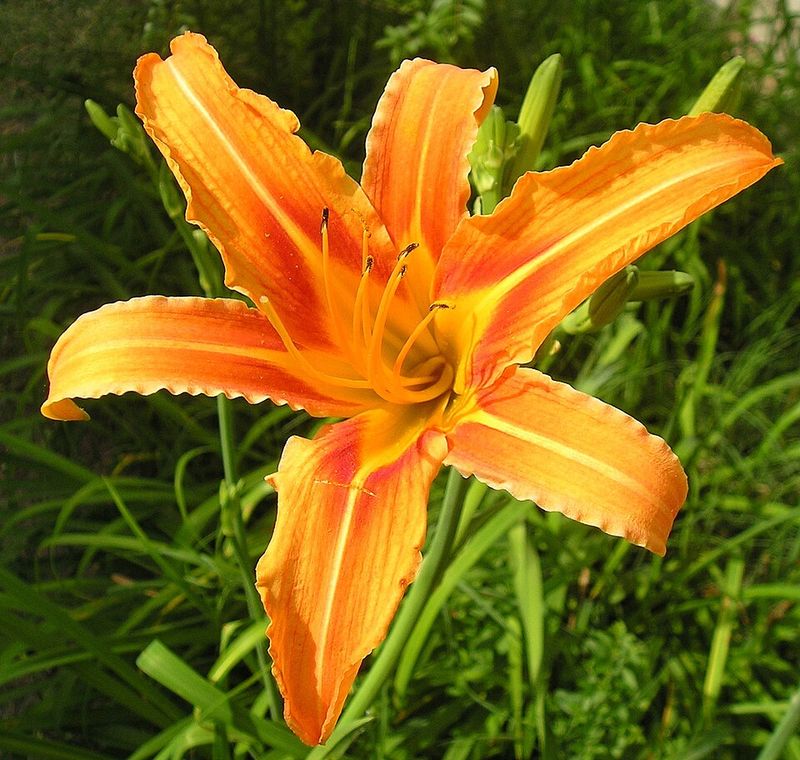
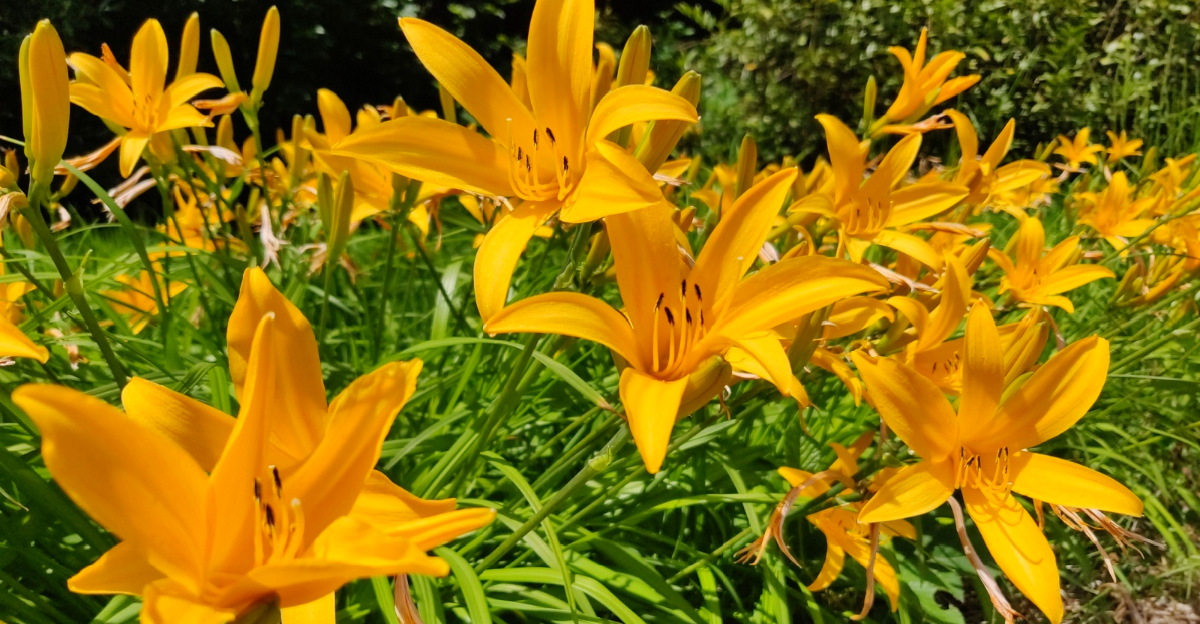
Hemerocallis, commonly known as daylily, has earned a well-deserved reputation as one of the most adaptable perennials a Central Pennsylvania homeowner can choose.
The name comes from the Greek words for day and beauty, a nod to the fact that each individual bloom lasts just one day – though a single plant produces many buds over several weeks, keeping the display going through much of the summer.
Daylilies grow in full sun to partial shade, tolerate a range of soil types from sandy to clay-heavy, and bounce back from occasional drought once established.
That flexibility makes them useful in spots around Central Pennsylvania yards where other plants might struggle, such as sloped areas prone to dryness or partially shaded borders near fences and structures.
Plant daylily crowns with the top of the root mass about one inch below the soil surface, spacing clumps roughly 18 to 24 inches apart.
They spread steadily over time and can be divided every three to four years to rejuvenate growth and share divisions with other parts of the yard.
With hundreds of cultivars available in colors ranging from pale yellow to deep burgundy, there is a daylily suited to nearly any color scheme a Central Pennsylvania gardener has in mind.
7. Salvia Handles Dry Conditions And Adds Vertical Interest
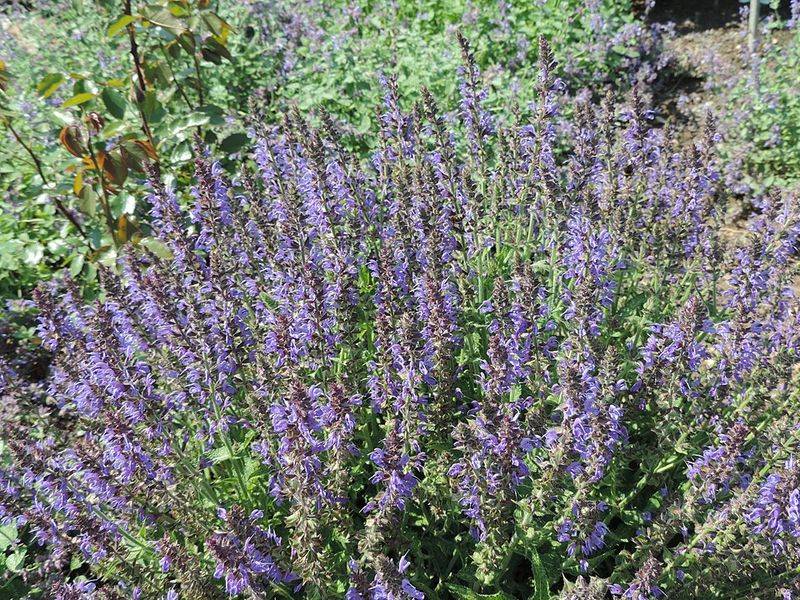
Vertical interest is something many home gardens lack, and salvia fills that role beautifully.
The tall, upright flower spikes of perennial salvia rise above neighboring plants in shades of blue, purple, pink, or white, creating a strong visual contrast with mounding or spreading perennials nearby.
In Central Pennsylvania, varieties like Salvia nemorosa and Salvia x sylvestris typically bloom from late May through July, with a second flush possible if cut back after the first bloom cycle.
One of salvia’s strongest qualities for Central Pennsylvania gardeners is its ability to handle dry, warm conditions once established. It thrives in full sun and well-drained soil, and does not appreciate heavy clay or consistently wet ground.
In areas where summer heat and dry spells are common, salvia tends to outperform many showier but more demanding perennials.
Space plants about 18 inches apart to encourage good air circulation and a full, bushy habit. After the first bloom period ends, cutting flower spikes back to the basal foliage often prompts a second round of flowering before the season winds down.
Salvia also attracts bumblebees, honeybees, and hummingbirds, adding lively pollinator activity to the garden.
Its compact, tidy form makes it a reliable edging or mid-border plant in a wide range of Central Pennsylvania landscape settings.
8. Garden Phlox Brings Height And Summer Color To Borders
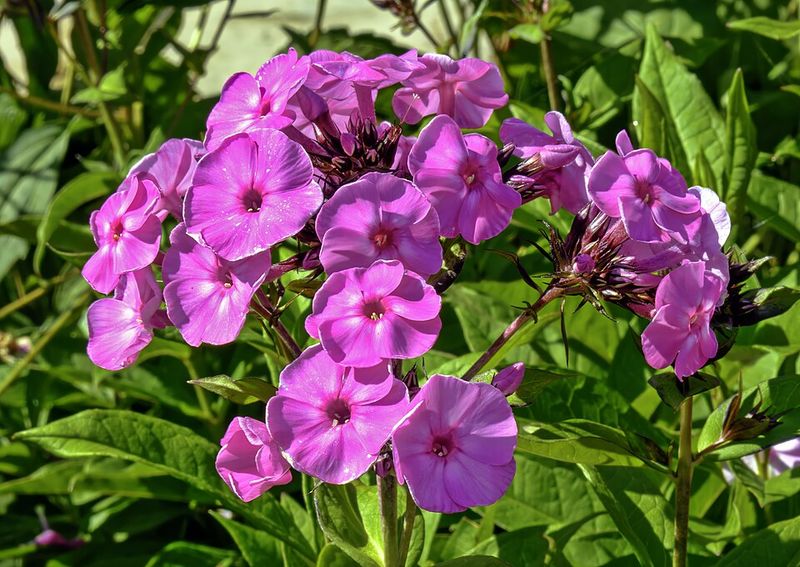
By midsummer, many perennial gardens in Central Pennsylvania start to lose some of their energy, but garden phlox keeps things interesting.
Phlox paniculata produces large, fragrant flower clusters in shades of pink, white, lavender, red, and bicolor combinations atop stems that reach two to four feet tall.
Blooming from July through September, it fills the back or middle of a border with bold color during the warmest part of the season.
Garden phlox prefers full sun to light shade and moist, well-drained, fertile soil.
Consistent moisture throughout the growing season helps it perform at its best, making irrigation or regular watering during dry spells a worthwhile habit in Central Pennsylvania summers.
The fragrance of the blooms is a genuine bonus, particularly in the evening when the scent carries through the garden.
To reduce powdery mildew – a common concern in humid Central Pennsylvania summers – choose mildew-resistant varieties such as David, Robert Poore, or Jeana, and space plants at least 18 to 24 inches apart for airflow.
Thinning stems to five or six per clump also helps.
Dividing established clumps every two to three years maintains plant vigor and prevents overcrowding. The tall, showy flower heads pair naturally with shorter perennials like coreopsis and salvia in layered border designs.
9. Columbine Thrives In Partial Shade And Early Season Conditions
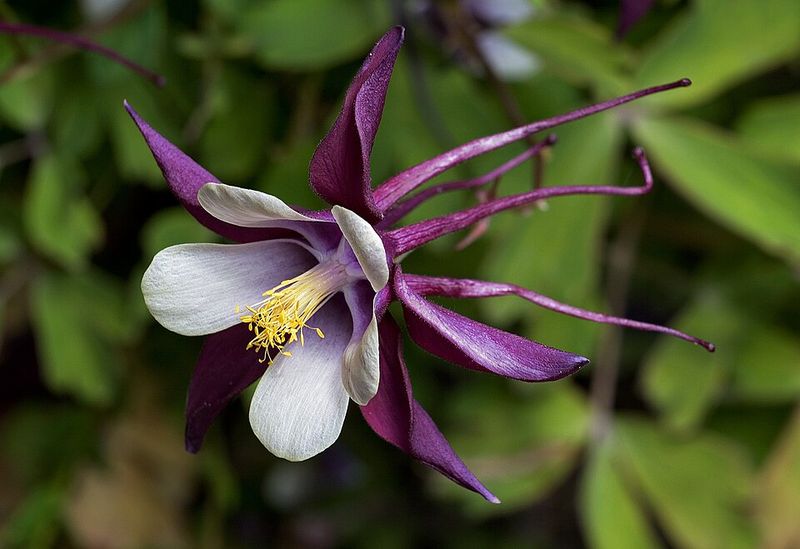
Early spring in Central Pennsylvania can be unpredictable – cool nights, occasional late frosts, and soil that is still warming up.
Columbine, known botanically as Aquilegia, handles those early-season conditions with ease, producing its distinctive spurred flowers in shades of blue, purple, red, yellow, and bicolor combinations from late April through June.
It is one of the earlier perennials to bloom in the season, bridging the gap between spring bulbs and summer perennials.
What makes columbine especially useful for Central Pennsylvania yards is its tolerance for partial shade.
Under the dappled light of deciduous trees or along the shaded edge of a fence or building, columbine puts on a reliable show where sun-loving plants would struggle.
It grows best in well-drained, moderately fertile soil and does not like to sit in soggy conditions.
Space plants about 12 to 18 inches apart and let them self-seed naturally – columbine tends to produce seedlings that fill in over time, gradually expanding a planting without much intervention.
The foliage, which resembles clover in texture, remains attractive even after blooms fade.
Hummingbirds are drawn to the tubular spurs of the flowers during their spring migration through Central Pennsylvania, making columbine a genuinely rewarding choice for gardeners who enjoy watching wildlife up close.
10. Hosta Fills Shady Spaces With Lush Foliage
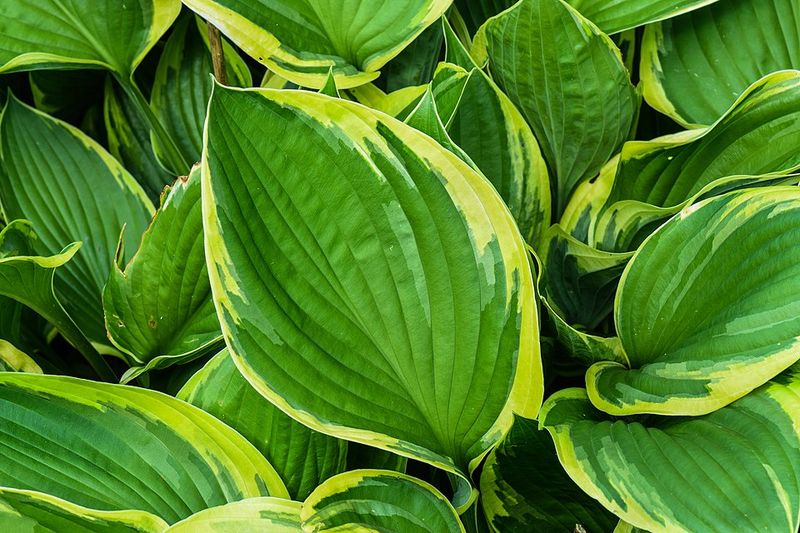
Shady corners and spots under mature trees can be some of the trickiest spaces to plant in Central Pennsylvania yards.
Hosta handles those challenging areas with confidence, producing broad, bold leaves in shades of deep green, blue-green, gold, and variegated combinations that bring genuine visual richness to spaces where flowering plants often fall short.
While hosta does produce lavender or white flower spikes in summer, its foliage is the real attraction.
Hostas range widely in size, from compact miniatures under six inches tall to large specimens with leaves spanning over two feet across.
That variety makes it easy to find a cultivar suited to the specific scale of a shaded bed in a Central Pennsylvania yard.
They prefer partial to full shade and consistently moist, well-drained, humus-rich soil. Working compost into the planting area before setting plants in the ground makes a noticeable difference in how well they establish and grow.
Space hostas according to their mature size – typically 18 inches to three feet apart – so they have room to develop their full, rounded form without crowding.
Slugs can be a nuisance in moist, shaded conditions, so monitoring for them early in the season is worthwhile.
Once established, hostas are remarkably low-maintenance and can thrive in the same spot for many years with minimal attention.