Easy Ways To Attract Tufted Titmice To Your Pennsylvania Garden
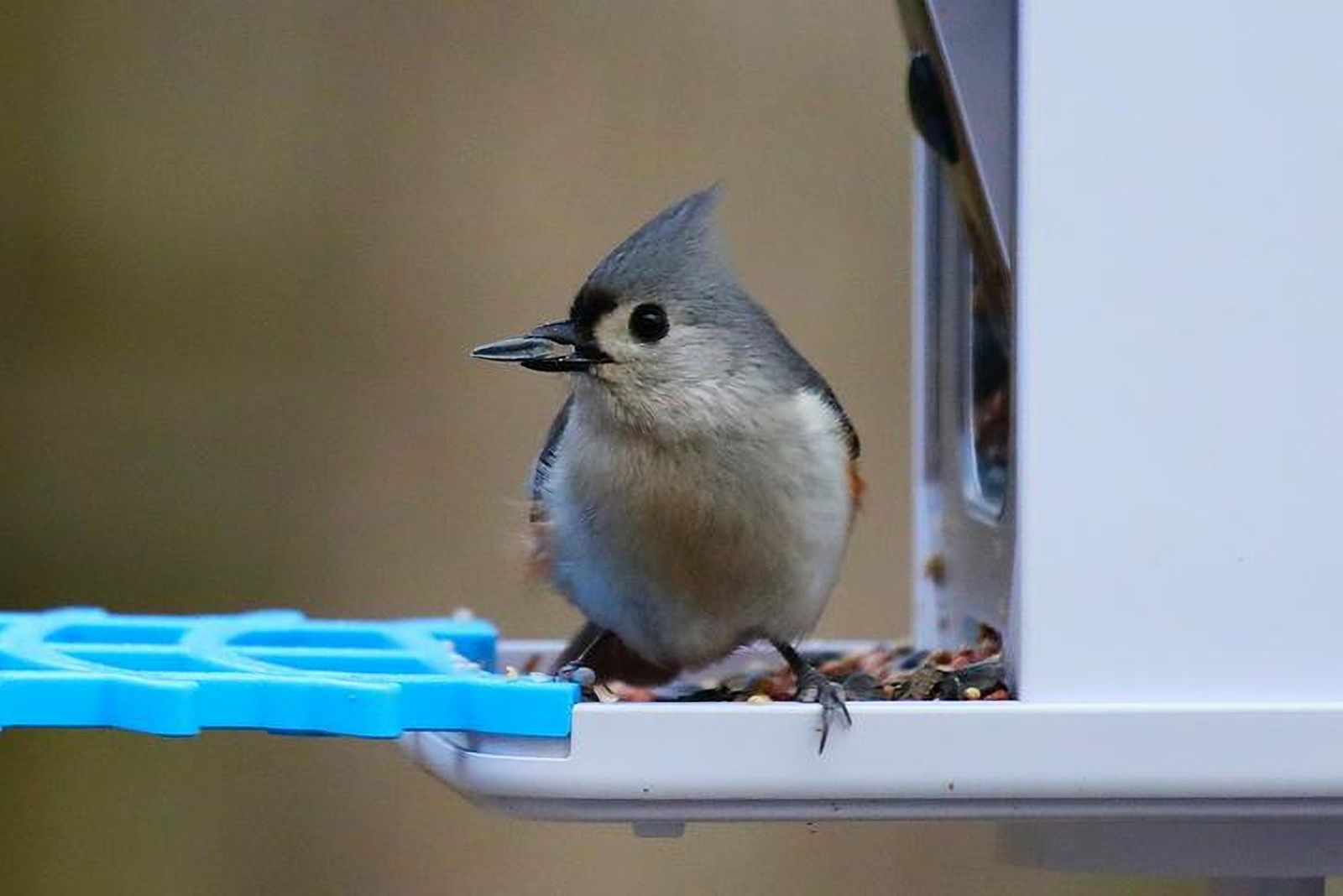
A quick flash of gray wings and a cheerful whistle can bring a surprising amount of joy to a backyard. Tufted titmice are small, lively birds that many Pennsylvania gardeners love spotting among trees and shrubs.
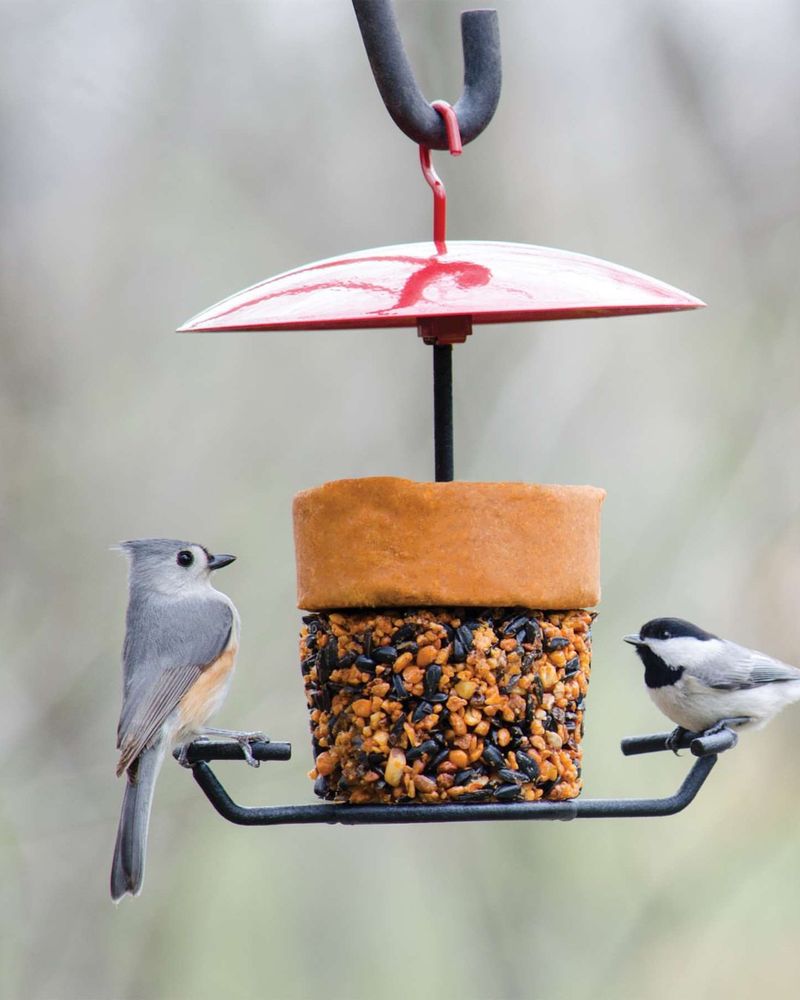
With their soft gray feathers, bright eyes, and distinctive crested heads, they are easy to recognize once they visit your yard.
These curious birds are known for their energetic personalities. They hop from branch to branch, investigate feeders, and often travel alongside chickadees and other small birds.
When a garden provides the right mix of food, shelter, and safe nesting spots, tufted titmice are more likely to stick around.
Creating a welcoming space for them does not require a complicated setup. A few thoughtful choices can make your garden far more inviting to these friendly visitors.
With the right plants, feeders, and natural features, your Pennsylvania yard can become a favorite stop for tufted titmice throughout the year.
1. Offer Sunflower Seeds In Feeders
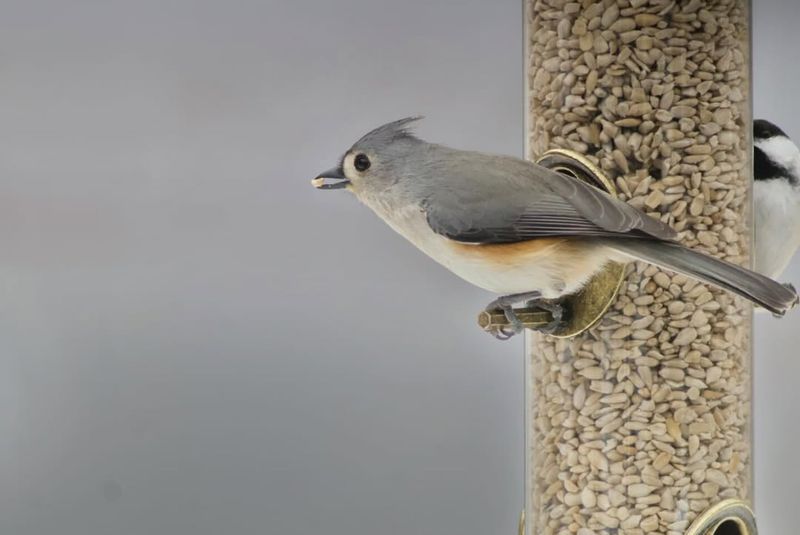
Few things work as reliably as a well-stocked feeder when it comes to pulling tufted titmice into your Pennsylvania yard. Black oil sunflower seeds are hands-down their favorite snack.
These seeds have thin shells that are easy to crack open, and they are packed with fat and energy that birds need to stay active.
Tube feeders and platform feeders both work great for offering sunflower seeds. Tube feeders are especially helpful because they keep seeds dry and fresh longer.
Platform feeders, on the other hand, give titmice plenty of room to land and pick through the seeds at their own pace. Either style will get results.
Placement matters a lot. Try hanging your feeder within ten to fifteen feet of a tree or large shrub.
This gives titmice a quick escape route if they feel threatened by a predator. Birds are more likely to visit feeders that feel safe and close to natural cover.
One fun thing about tufted titmice is how they eat. They often grab a single seed, fly to a nearby branch, and crack it open with their strong little beak.
Then they come right back for another one. Watching this routine is honestly one of the best parts of backyard birding in Pennsylvania.
Refill your feeder regularly so seeds stay fresh. Stale or wet seeds can grow mold, which is not good for any bird.
A clean, well-stocked feeder is your best tool for building a loyal titmouse fan base in your garden.
2. Provide Suet During Colder Months
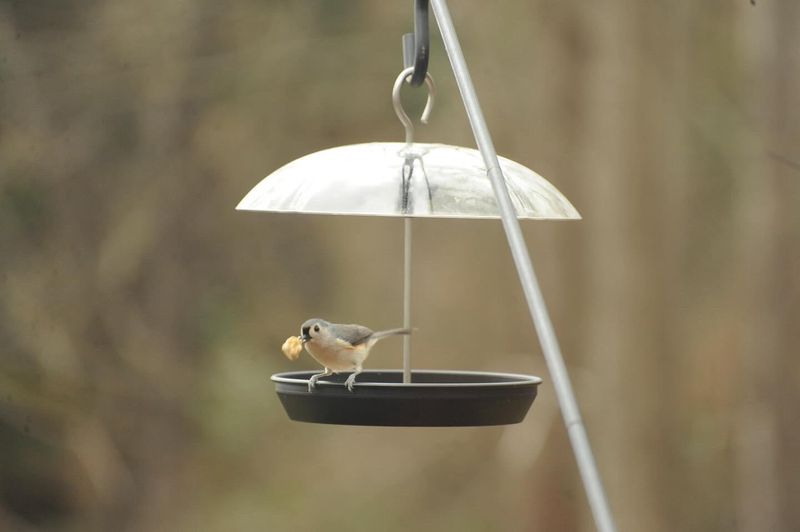
When Pennsylvania winters roll in and temperatures drop, natural food becomes much harder for birds to find. That is exactly when suet becomes a game-changer for tufted titmice.
Suet is basically rendered animal fat, often mixed with seeds, peanuts, or berries, and it gives birds a serious burst of calories to keep warm.
Titmice absolutely love suet, especially from late fall through early spring. Cage-style suet feeders are the most common and easiest to use.
You simply slide in a suet cake and hang it from a branch or shepherd’s hook. Log-style feeders drilled with holes are another great option that looks natural in a garden setting.
Your Pennsylvania Garden Changes Every Week. Your Plan Should Too.
Gardening in Pennsylvania changes quickly throughout the season. Every Friday you’ll receive a simple weekly plan showing exactly what to plant, prune, fertilize, harvest, and protect so you never miss the right timing.
Always make sure your suet is fresh. Rancid suet smells bad and can actually make birds sick.
During warmer months, switch to no-melt suet cakes that are specially made to hold up in the heat. These are widely available at garden centers and bird supply stores across Pennsylvania.
Did you know that suet feeders also attract other cool birds like woodpeckers, nuthatches, and Carolina wrens? Setting up a suet feeder is like opening a little diner that serves multiple species all at once. It adds so much life and movement to your yard.
Hang your suet feeder near other feeders to create a feeding station. Tufted titmice are social birds and often show up in small mixed flocks.
Giving them a variety of food options in one spot makes your Pennsylvania garden even more inviting throughout the cold season.
3. Plant Native Trees And Shrubs
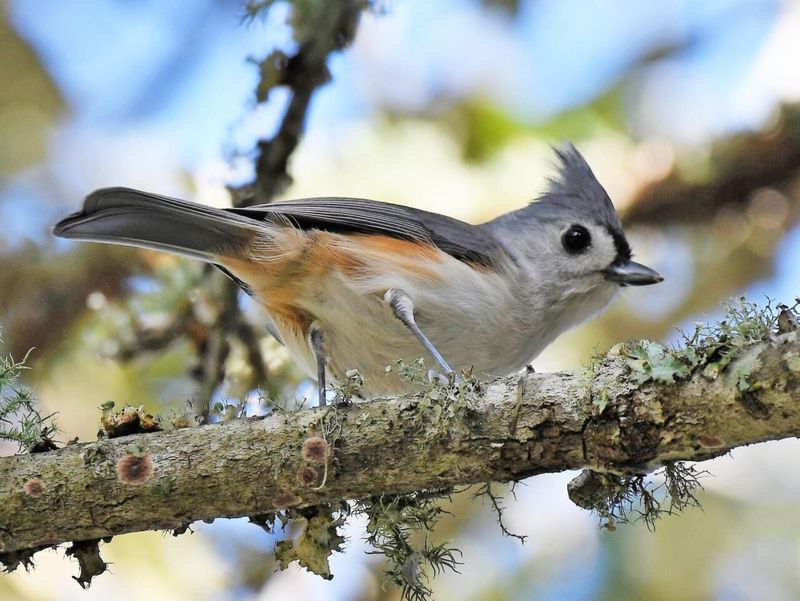
One of the smartest long-term moves you can make for your Pennsylvania garden is planting native trees and shrubs. Native plants have evolved alongside local wildlife for thousands of years.
That means they naturally support the insects, berries, and seeds that tufted titmice depend on to survive and raise their young.
Oak trees are especially valuable. A single mature oak can support hundreds of species of insects, many of which end up as food for titmice and their babies.
Maples and serviceberries are also excellent choices that provide both shelter and seasonal food sources throughout the year in Pennsylvania.
Shrubs like dogwood and viburnum are fantastic additions too. They produce berries in late summer and fall that titmice love to snack on.
These shrubs also create dense cover where birds can hide from hawks and other predators. Layering tall trees with medium shrubs and low ground plants creates a rich, multi-level habitat.
Planting natives does not have to be expensive or complicated. Many local nurseries in Pennsylvania carry native species, and some conservation groups even offer free or discounted native plants for homeowners.
Starting with just one or two trees can make a noticeable difference in how many birds visit your yard.
Beyond attracting titmice, native plantings support butterflies, bees, and other wildlife that make your garden feel alive and thriving. It is a win for the whole local ecosystem.
Think of every native tree you plant as a permanent invitation for tufted titmice to call your yard home.
4. Install Nest Boxes
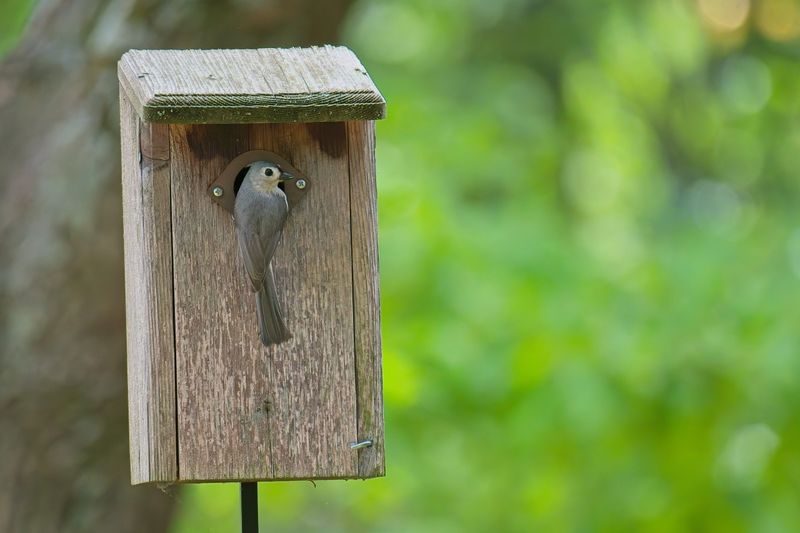
Tufted titmice are cavity nesters, which means they naturally look for holes in trees to raise their families. In many Pennsylvania neighborhoods, large old trees with natural cavities are harder to find.
That is where a well-placed nest box can make a real difference and encourage titmice to settle in your yard.
The right dimensions matter when choosing or building a nest box for tufted titmice. Look for a box with an entrance hole that is exactly one and a quarter inches in diameter.
This size is just right for titmice while keeping out larger, more aggressive birds like starlings. Mount the box six to ten feet off the ground on a post or tree trunk.
Place your nest box near trees or shrubs so the birds feel protected. Avoid areas with heavy foot traffic or places where pets roam freely.
Titmice like a little privacy when they are nesting, so a quiet corner of your Pennsylvania garden is ideal. Face the entrance hole away from prevailing winds to keep the inside dry and comfortable.
Here is something fascinating about tufted titmice: they sometimes line their nests with soft fur or hair collected from living animals, including pets and even humans.
If you brush your dog outside, leaving a little fur near the nest box is a sweet and practical gift for a nesting pair.
Clean out your nest box each fall after the breeding season ends. Removing old nesting material helps prevent parasites and makes the box ready for the next spring season. A well-maintained nest box can attract titmice year after year in your Pennsylvania garden.
5. Leave Some Natural Areas In The Garden
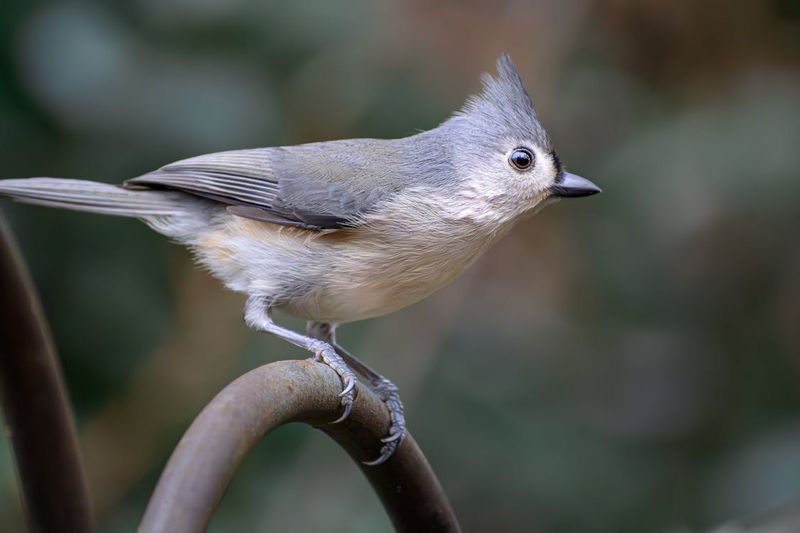
Not every part of your garden needs to be perfectly manicured. Leaving a few natural, slightly wild areas can be one of the most helpful things you do for tufted titmice in Pennsylvania.
These birds are active foragers that love to poke through leaf litter, search under bark, and explore dense shrubs for insects and hidden seeds.
A pile of fallen leaves in a corner of your yard is like a buffet for titmice. Insects, spiders, and larvae hide in decomposing leaves, and titmice are expert at finding them.
Resisting the urge to rake every single leaf can actually boost the bird activity in your garden significantly during fall and winter.
Standing dry wood, sometimes called snags, is another valuable natural feature. Dry branches and stumps are full of beetles and other insects that titmice love.
If a dry branch on a tree is not a safety hazard, consider leaving it in place. It serves as both a food source and a potential nesting spot.
Dense shrub areas also give titmice safe places to rest between feeder visits. Birds need cover to feel secure, and a yard that offers both food and shelter is far more attractive than one that is just open space.
Think of natural areas as the cozy hiding spots your backyard birds cannot resist. Creating a wild corner does not mean letting your whole garden go. Even a small patch of natural ground cover near a fence or along a garden edge makes a real difference.
Pennsylvania tufted titmice will notice and appreciate every bit of natural habitat you provide.
6. Add A Birdbath For Fresh Water
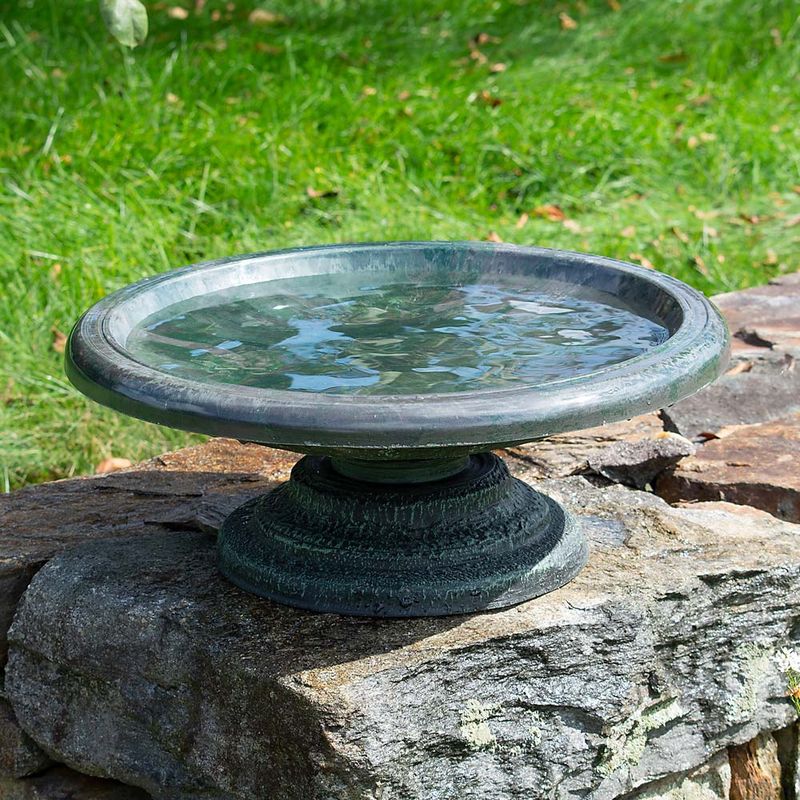
Water is just as important as food when it comes to attracting birds, and tufted titmice are no exception. A clean birdbath gives them a place to drink and bathe, which helps them stay healthy and keep their feathers in top condition.
Adding a birdbath to your Pennsylvania garden is one of the quickest ways to increase bird activity year-round.
Tufted titmice prefer shallow water. A bath that is only one to two inches deep at its shallowest point works best.
Make sure the surface has some texture so birds can grip it without slipping. Smooth basins can be made safer by adding a few flat stones or a textured mat to the bottom.
Keep your birdbath clean by scrubbing it and changing the water every two to three days. Stagnant water grows algae and can attract mosquitoes, so fresh water is a must.
Birds are also much more likely to visit a bath that looks and smells clean. A quick rinse with a hose and a scrub brush is really all it takes.
During Pennsylvania winters, water sources can freeze solid. A heated birdbath or a small birdbath heater keeps water liquid even on the coldest days.
This makes your yard a standout destination when other water sources are frozen, and titmice will remember where to find it.
Adding a small dripper or solar-powered water wiggler creates gentle movement in the water. Moving water catches the attention of passing birds and can be heard from a distance.
It is a simple upgrade that makes your birdbath even more irresistible to tufted titmice and many other Pennsylvania backyard birds.
7. Avoid Using Pesticides
Bugs might not be your favorite thing, but for tufted titmice, insects are absolutely essential. During nesting season, titmice feed their chicks almost entirely on caterpillars, beetles, and other soft-bodied insects.
If your Pennsylvania garden is regularly sprayed with pesticides, that food source disappears quickly, making your yard much less attractive to these birds.
Cutting back on pesticide use is one of the most impactful steps you can take for backyard wildlife. Chemical sprays do not just target the pests you want gone.
They also wipe out the beneficial insects that birds, pollinators, and the whole garden ecosystem depend on. Going pesticide-free, or even just reducing how often you spray, creates a healthier and more balanced yard.
There are plenty of natural alternatives that work well for common garden problems. Neem oil, insecticidal soap, and hand-picking pests are all effective options that will not harm the insect populations titmice rely on.
Encouraging natural predators like ladybugs and lacewings also helps keep pest numbers in check without chemicals.
Healthy soil is another piece of the puzzle. Soil full of earthworms and decomposing organic matter supports a rich underground insect community.
Tufted titmice will happily forage through garden beds and lawns when they know insects are plentiful. A chemical-free lawn and garden in Pennsylvania is an open invitation for these birds to stick around.
Think of every insect in your yard as a potential meal for a tufted titmouse family. Protecting that insect population by skipping the pesticides is one of the kindest and most effective things you can do. Your garden, your birds, and the whole local ecosystem will be better for it.