What Pennsylvania Hibiscus Need Before The Heat Gets Intense
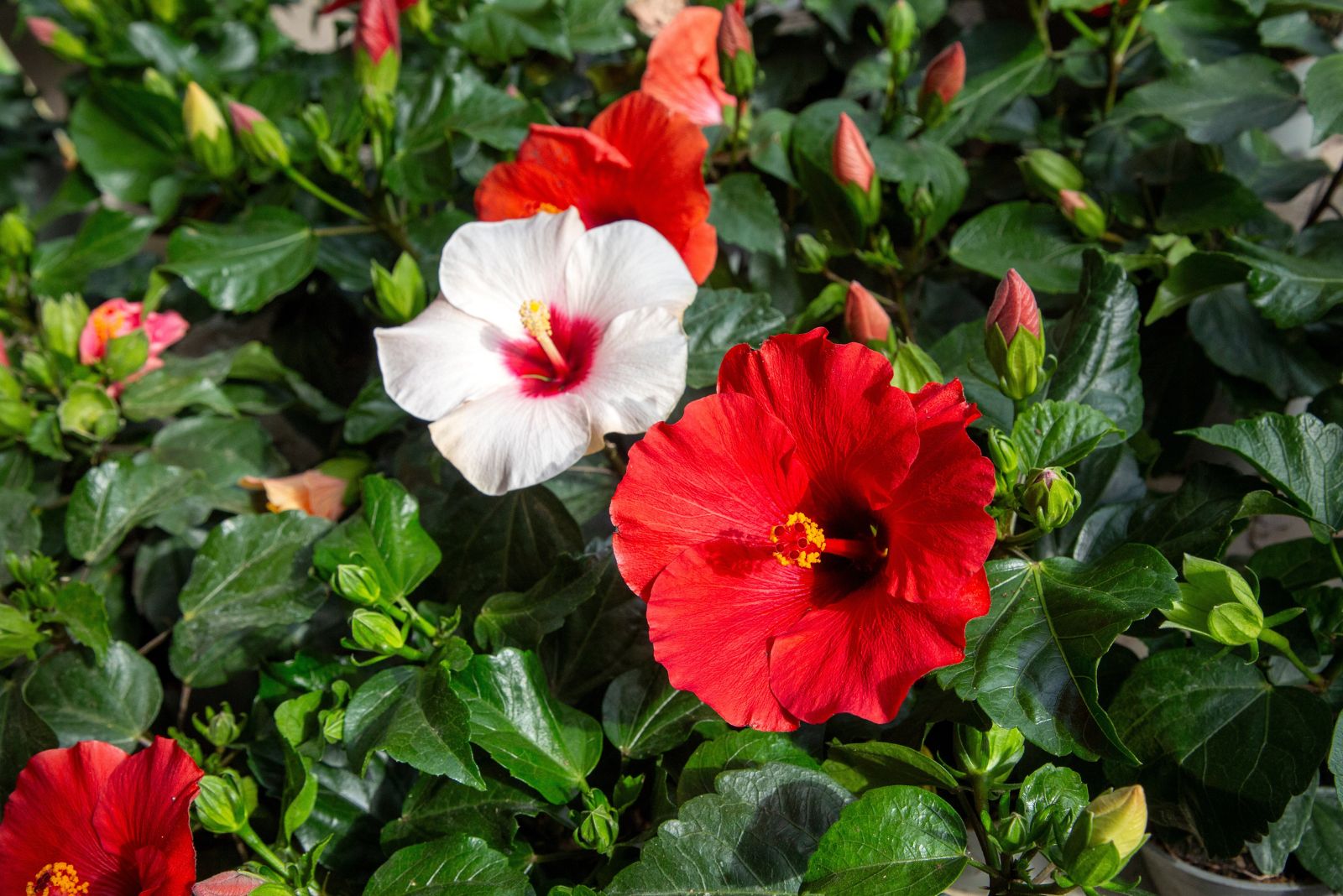
Pennsylvania summers can sneak up fast. One week your hibiscus is looking fresh and cheerful, and the next it is staring down hot afternoons, dry soil, and humidity that feels like a wet blanket.
These bold bloomers love warm weather, but they still need a little help before the real heat settles in.
A healthy hibiscus can put on an incredible show, with big, colorful flowers that make the whole garden feel brighter.
But if the plant goes into summer already thirsty, underfed, crowded, or stressed, those gorgeous blooms may be smaller, fewer, or quick to fade. That is why late spring care matters so much.
Before temperatures climb, Pennsylvania gardeners can give hibiscus plants the support they need to handle the season ahead. A few simple steps now can lead to stronger growth, happier roots, and flowers that look like they belong on a tropical postcard.
1. Deep, Consistent Watering
Shallow watering is one of the sneakiest problems for hibiscus in Pennsylvania. When you only wet the top inch or two of soil, roots stay close to the surface where they quickly dry out once the summer heat kicks in.
Those surface roots cannot anchor the plant well, and they are the first to suffer when temperatures climb.
Deep watering changes everything. When you water slowly and thoroughly, moisture soaks down several inches into the soil.
Roots follow that moisture downward, growing stronger and deeper with every good watering session. Deeper roots reach cooler, more stable soil layers that stay moist longer, even during hot spells.
The best time to water your hibiscus is early in the morning. Morning watering gives the soil time to absorb moisture before midday heat starts pulling it away through evaporation.
Evening watering can leave leaves damp overnight, which sometimes leads to fungal problems.
Aim to water your hibiscus deeply about two to three times per week before the heat peaks. Stick your finger about two inches into the soil near the plant.
If it feels dry at that depth, it is time to water. If it still feels moist, wait another day and check again.
Consistency matters more than volume. A steady routine builds a root system that handles Pennsylvania heat with strength and resilience throughout the whole summer season.
2. A Layer Of Mulch
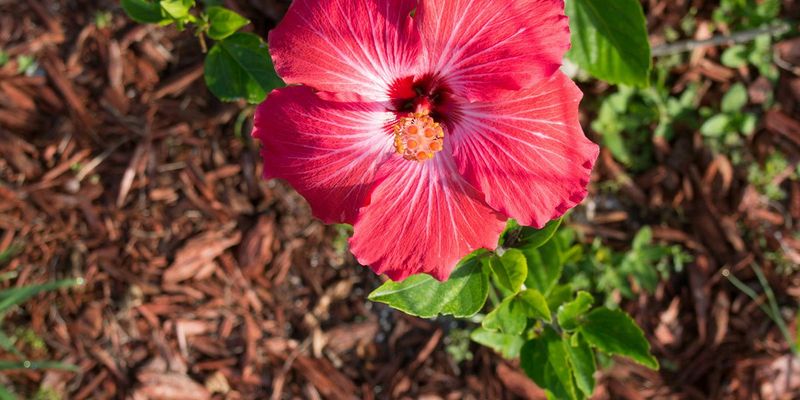
Bare soil is a hibiscus plant’s worst enemy when summer temperatures rise in Pennsylvania. Without any cover, the ground heats up fast, dries out quickly, and puts enormous stress on the root system sitting just below the surface.
You can actually feel how hot exposed garden soil gets on a July afternoon in places like Lancaster or Harrisburg.
Mulch solves this problem in a simple and affordable way. Spreading a two to three inch layer of organic mulch around the base of your hibiscus acts like a blanket for the soil.
It slows evaporation, keeps soil temperatures lower, and reduces how often you need to water. Shredded bark, wood chips, and straw all work well as mulch options.
Your Pennsylvania Garden Changes Every Week. Your Plan Should Too.
Gardening in Pennsylvania changes quickly throughout the season. Every Friday you’ll receive a simple weekly plan showing exactly what to plant, prune, fertilize, harvest, and protect so you never miss the right timing.
One important detail to remember: keep the mulch a few inches away from the main stem of the plant. Mulch piled directly against the stem traps moisture there and can cause rot over time.
Create a small gap around the base and then spread the mulch outward in a wide circle for the best results.
Fresh mulch applied in late spring, just before the heat arrives, gives you the most benefit going into summer. Older mulch that has broken down can be refreshed with a new thin layer on top.
Over time, organic mulch also improves soil quality as it decomposes, adding nutrients and improving the texture of Pennsylvania garden soil naturally and gradually.
3. Full Sun With Some Afternoon Protection

Hibiscus plants absolutely love sunlight. They need at least six hours of direct sun each day to produce those big, showy blooms that make them so popular in Pennsylvania gardens.
Without enough light, the plant puts out weak growth and very few flowers. Sunlight is non-negotiable for a healthy, blooming hibiscus.
That said, the intense midday and afternoon sun during a Pennsylvania summer can sometimes be too much of a good thing.
Temperatures that push into the upper 80s and 90s, combined with direct sun beating down for hours, can scorch hibiscus leaves. Scorched leaves look bleached or crispy at the edges and cannot recover once damaged.
A smart solution is to position your hibiscus where it gets strong morning sun but receives light shade during the hottest part of the afternoon, roughly between two and five in the evening.
A nearby tree, fence, or shade cloth can provide just enough relief without blocking too much light overall.
If your hibiscus is growing in a container, you have a real advantage here. You can simply move the pot to a shadier spot during peak heat and return it to full sun in the morning.
For in-ground plants in hotter Pennsylvania locations, installing a simple shade cloth on a frame near the plant works well. Getting this sunlight balance right before summer peaks keeps leaves healthy and flowers blooming strong all season long.
4. Balanced Fertilizer
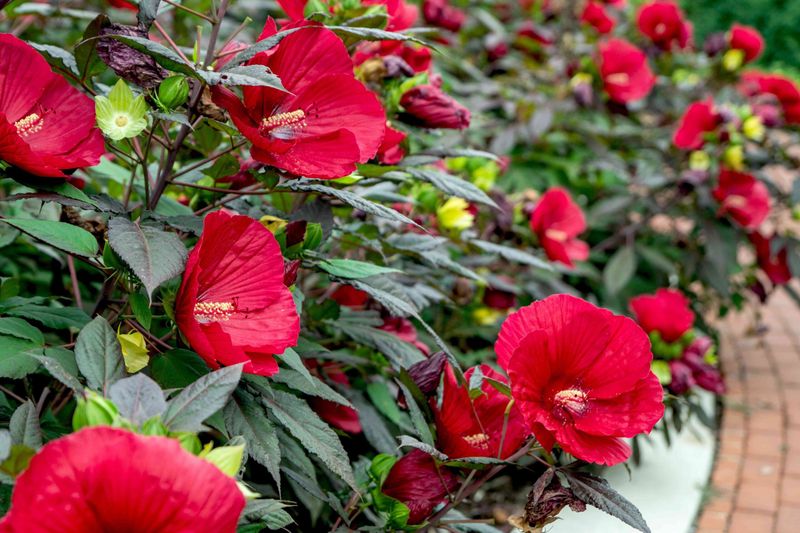
A hungry hibiscus is a struggling hibiscus. When soil nutrients are low, the plant cannot produce the energy it needs to grow vigorously or push out those spectacular blooms everyone loves.
Nutrient deficiency shows up as pale leaves, small flowers, or very little new growth, all signs that the plant is running on empty heading into summer.
Feeding your hibiscus with a balanced fertilizer before the heat arrives gives it a strong foundation for the season. Look for a fertilizer with roughly equal amounts of nitrogen, phosphorus, and potassium, sometimes labeled as a 10-10-10 or similar ratio.
Nitrogen supports leafy green growth, phosphorus encourages strong roots and blooms, and potassium helps the plant handle stress.
Apply fertilizer in early spring as new growth begins to appear. A slow-release granular fertilizer is a great option because it feeds the plant gradually over several weeks rather than all at once.
Avoid over-fertilizing, which pushes out soft, tender growth that wilts easily under heat stress.
For Pennsylvania gardeners who want to go a step further, a water-soluble fertilizer applied every two to three weeks during the growing season keeps nutrients consistently available.
Always water the plant thoroughly before and after applying fertilizer to help distribute it evenly and prevent root burn.
Well-fed hibiscus plants go into summer with stronger stems, deeper color, and the energy reserves needed to keep blooming even when Pennsylvania temperatures get uncomfortable.
5. Well-Draining Soil
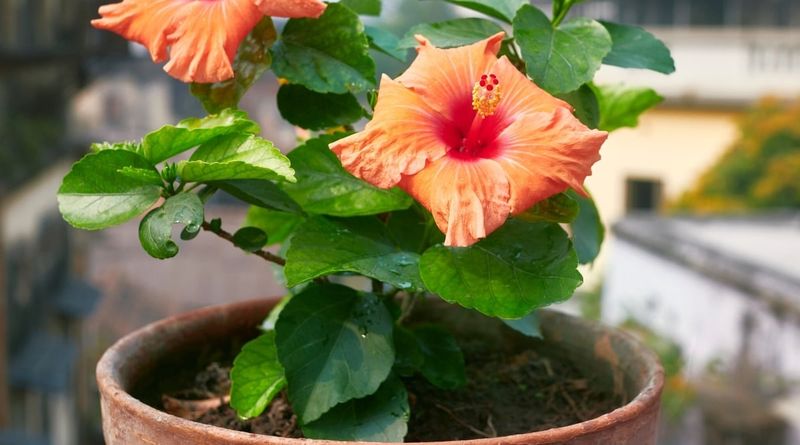
Soggy soil and hibiscus roots are a bad combination, especially when summer heat arrives. You might think that wet soil would help a plant stay cool and hydrated, but standing water around the roots actually cuts off oxygen.
Roots need air as much as they need water, and waterlogged soil creates conditions that weaken the plant fast.
Pennsylvania soil varies a lot from region to region. Some areas have heavy clay soil that holds water too long, while others have sandy or loamy soil that drains more freely.
Before summer hits, it pays to check how quickly water moves through your garden bed after a heavy rain. If puddles linger for more than an hour or two near your hibiscus, drainage needs improvement.
Mixing compost into the soil is one of the best fixes available. Compost loosens heavy clay, improves soil structure, and helps water move through more evenly.
Work a few inches of compost into the planting area around your hibiscus each spring for noticeable results over time.
Raised beds are another excellent option for Pennsylvania gardeners dealing with poor native soil. Filling a raised bed with a blend of quality garden soil, compost, and perlite creates near-perfect drainage conditions for hibiscus.
Container growers should always use a well-draining potting mix and make sure drainage holes at the bottom of the pot are clear and functional. Good drainage keeps roots healthy and ready to handle whatever the summer season brings.
6. Early Pest Check And Control
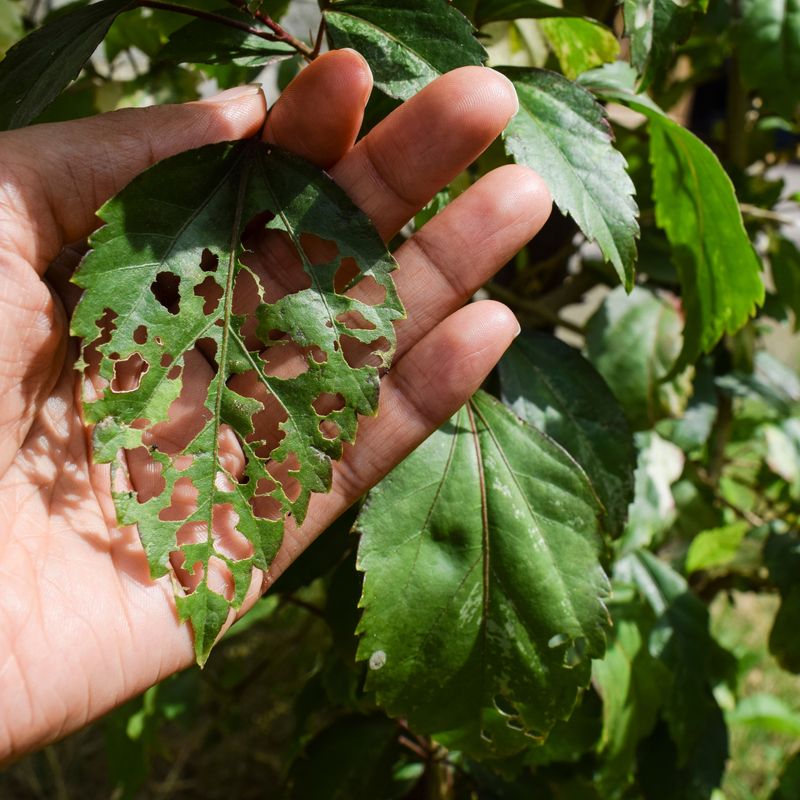
Pests love warm weather just as much as your hibiscus does, and they usually show up before you notice them. Aphids, spider mites, and whiteflies are among the most common troublemakers for hibiscus plants in Pennsylvania.
These tiny insects feed on plant sap, and a growing infestation steadily weakens the plant right when it needs its energy most.
Getting ahead of pest problems before the heat peaks is the smartest move a Pennsylvania gardener can make. Inspect your hibiscus plants carefully every week starting in spring.
Flip leaves over and look at the undersides where many pests like to hide. Check new growth, stems, and flower buds too.
Catching a small colony of aphids early is much easier than dealing with a full-blown infestation in July.
Organic control methods work well for most common hibiscus pests. A strong blast of water from a garden hose knocks aphids off leaves quickly.
Neem oil spray is effective against spider mites and whiteflies and is safe to use around beneficial insects when applied in the early morning or evening.
Insecticidal soap is another reliable option that is gentle on the plant but tough on soft-bodied pests. Always read product labels before applying anything to your hibiscus.
Healthy, well-fed plants resist pests better than stressed ones, so combining good cultural care with regular inspections gives your Pennsylvania hibiscus the best chance of staying pest-free and blooming beautifully all summer long.