What Texas Gardeners Should Do During March For A Strong Spring Start
Spring mornings in Texas have a way of sneaking up on you. One day the roses are still tucked under frost blankets, and the next the air smells faintly of green growth and freshly turned soil.
You might find yourself sipping coffee on the porch, watching the kids’ sneakers stomp along the yard, and realizing it’s time to shake off winter.
March is the month when gardens start to wake, and there’s a lot you can do to get ahead. Lawns, flower beds, and vegetables all respond to a little early attention.
From pruning and fertilizing to starting seeds indoors, the right moves now set your outdoor spaces up for weeks of success.
If you’ve been waiting for that first push of spring, this guide walks through the exact steps to take – everything from protecting tender plants to prepping lawns so your garden hits the ground running. By the time April arrives, you’ll already be ahead of the game.
1. Stop Weeds Before They Start With Smart Lawn Prep

Weeds are sneaky. They show up quietly, spread fast, and before you know it, they are stealing water and nutrients from the plants you actually want, weakening growth and competing for sunlight.
March is the perfect time to get ahead of them before they take over your Texas lawn and garden beds.
Pre-emergent herbicides can help prevent many weed seeds from sprouting if applied correctly, which is often easier than removing established weeds later. Apply them early in the month, especially if you live in Central or South Texas where warming soil temperatures can trigger early weed growth.
Always follow the label instructions carefully so you protect your lawn without harming desirable plants or nearby flowers and shrubs.
Beyond chemicals, good lawn prep also means clearing away dead leaves, old mulch, and debris that give weeds a cozy place to settle in. Rake your beds clean, loosen the top layer of soil, and get ready to add fresh mulch.
A tidy yard is not just pretty. It is a strategic move that makes your whole spring garden easier to manage.
Staying ahead of weeds in March can make later garden maintenance easier, reduce stress, and help lawns and beds establish more cleanly for a vibrant, healthy spring.
2. Trim And Shape Shrubs And Trees For Spring Success

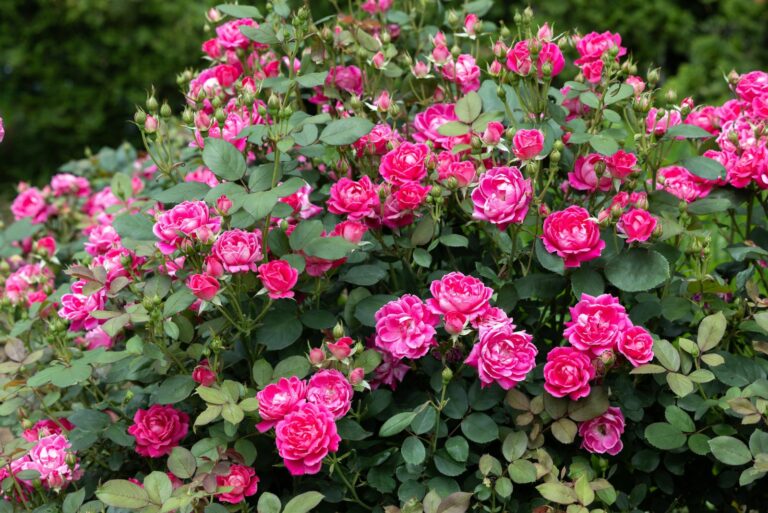
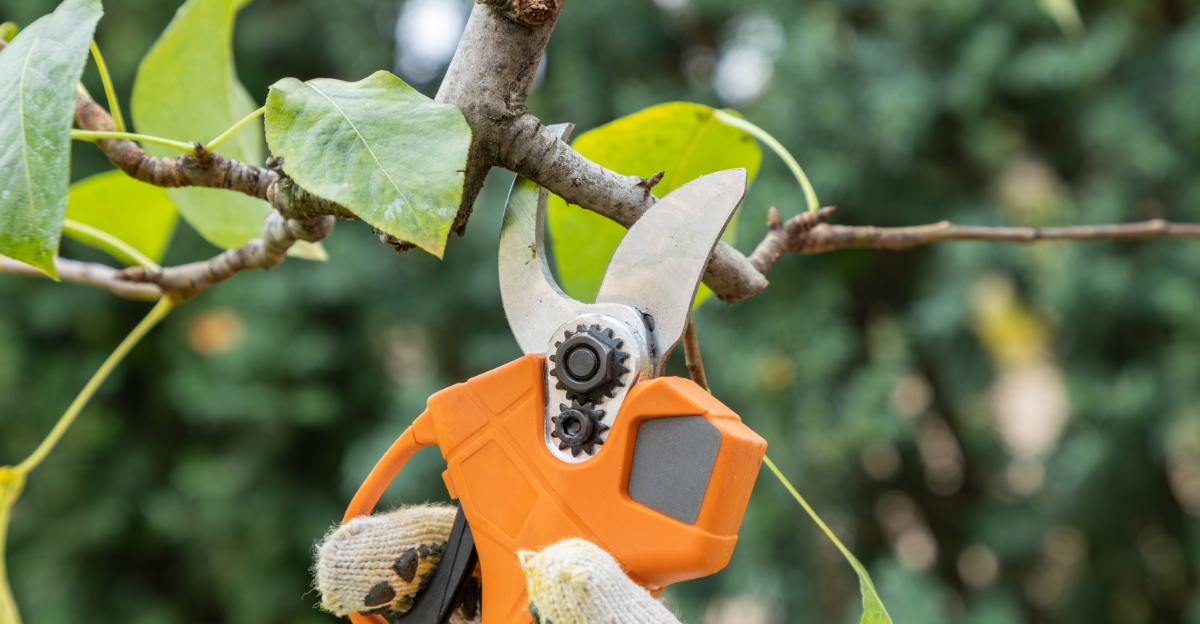
Grab your pruning shears because March is prime time to shape up your shrubs and trees before the big spring growth rush kicks in across Texas. Pruning now, while most plants are still waking up from winter, helps you see the structure of each plant clearly and make better cuts.
Focus first on removing any branches that look damaged, broken, or crossed over each other in awkward ways. These problem spots can slow down a plant’s energy and leave it vulnerable to disease.
For most ornamental shrubs in Texas, a light trim encourages fuller, bushier growth as warmer weather arrives. Just be careful with spring-blooming plants like azaleas and spirea.
Your Texas Garden Changes Every Week. Your Plan Should Too.
Gardening in Texas changes quickly throughout the season. Every Friday you’ll receive a simple weekly plan showing exactly what to plant, prune, fertilize, harvest, and protect so you never miss the right timing.
Pruning them too early can remove the flower buds they have been developing all winter.
Trees also benefit from some early-spring attention. Look for any limbs that are rubbing against each other or growing in odd directions.
Cleaning up a tree’s canopy now allows better airflow and light penetration, which keeps the whole plant healthier through the hot Texas summer ahead. If a tree has large or high branches that need removal, calling a certified arborist is always the safest choice.
A little thoughtful pruning in March goes a long way toward keeping your landscape looking sharp and growing strong all season long.
3. Kickstart Your Veggies Indoors For Early Harvest Wins

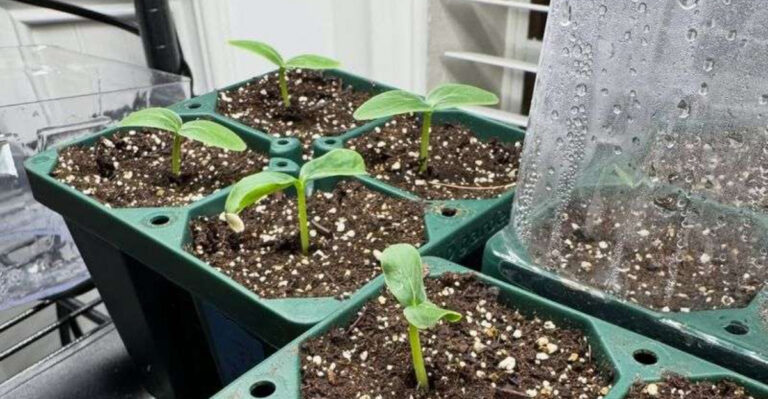
Starting vegetables indoors in March can give Texas gardeners a helpful head start for warm-season crops. Tomatoes, peppers, and eggplants all need a long growing season, and giving them a head start inside means you will have strong transplants ready to go into the ground the moment outdoor conditions are right.
Fill seed trays or small pots with a quality seed-starting mix, not regular garden soil. Sow your seeds according to the packet depth instructions, then place them somewhere warm and bright.
A south-facing windowsill works well, or you can use a simple grow light to keep seedlings from getting leggy and weak. Keep the soil consistently moist but never soggy, and watch for sprouts within one to two weeks for most warm-season crops.
Soil temperatures in Texas typically need to hit around 75 degrees Fahrenheit before transplanting warm-season crops outdoors. That usually means mid to late March for South Texas and April for the northern parts of the state.
In the meantime, your indoor seedlings will grow sturdy roots and strong stems. Harden them off gradually by setting them outside for a few hours each day before fully moving them to the garden.
Starting early indoors may allow homegrown tomatoes and peppers to get a head start compared to waiting to direct sow outdoors.
4. Cool-Season Crops Ready For Crisp, Fresh Picks

If you have not planted your cool-season vegetables yet, March is still calling your name. Crops like lettuce, spinach, kale, radishes, carrots, beets, and onions absolutely love the mild temperatures that Texas enjoys in early spring.
They grow quickly, taste amazing, and can handle a light frost without much fuss.
Direct sowing these seeds straight into prepared garden beds is easy and rewarding. Loosen the soil about six inches deep, mix in some compost, and scatter or press seeds in at the recommended spacing.
Radishes are especially satisfying for beginners because they can be ready to harvest in as little as three to four weeks. Carrots and beets take a bit longer but are well worth the wait when you pull them fresh from your Texas soil.
One thing to keep in mind is timing. Cool-season crops do not like intense heat, and Texas summers arrive fast.
Planting early in March gives these vegetables time to mature before temperatures climb too high. You can also use shade cloth later in the season to extend their harvest window a little longer.
Growing your own salad greens and root vegetables is one of the most satisfying parts of spring gardening. Fresh, homegrown produce from your backyard tastes noticeably better than anything from a store, and the savings add up quickly over the season.
5. Give Perennials Room To Grow With Strategic Division

Perennials are the workhorses of any Texas garden. They come back year after year, adding color and life without requiring replanting.
But over time, many perennials get crowded, and that is when their performance starts to slip. March is the ideal month to divide them and give each plant the space it needs to truly shine, encouraging stronger growth and more vibrant blooms.
You will know a perennial needs dividing when the center of the clump looks bare or weak while the outer edges still grow vigorously. Plants like daylilies, coneflowers, black-eyed Susans, and ornamental grasses all benefit from being dug up and split every few years.
Use a sharp garden fork or spade to lift the entire clump, then gently pull or cut it apart into smaller sections. Replant the healthiest pieces in refreshed soil and water them in well to help them settle quickly.
The bonus of dividing perennials is that you end up with more plants for free. Share the extras with neighbors, fill in bare spots around your Texas yard, or pot them up as gifts for fellow gardening enthusiasts.
Early spring division gives new transplants plenty of time to establish strong root systems before summer heat arrives. With a little effort now, your perennial beds will look fuller, bloom more abundantly, and stay healthier throughout the entire growing season ahead, providing continuous color and interest in your garden.
6. Mulch Like A Pro To Save Water And Curb Weeds

Fresh mulch is one of the best investments you can make in your Texas garden each March. It might seem like a simple step, but the benefits stack up fast.
A good layer of mulch conserves soil moisture, moderates soil temperature, suppresses weed growth, and even adds organic matter to your beds as it breaks down over time.
Aim for a layer about two to three inches thick across all your garden beds. Cedar, pine bark, and hardwood mulch are all popular choices in Texas and work well in both flower beds and vegetable gardens.
One thing to remember is to keep mulch a few inches away from the base of plant stems and tree trunks. Piling it up against them can trap moisture and encourage rot, which is the last thing you want for healthy plants.
In a state where summer heat and drought are facts of life, mulch acts like a protective blanket for your soil. It can reduce how often you need to water by slowing evaporation significantly, which saves both time and money on your water bill.
Applying mulch in early spring, before the heat really sets in, gives it time to settle and start doing its job effectively. Mulching is one of those satisfying garden tasks that takes just an afternoon but pays off all season long across every corner of your Texas landscape.
7. Tune Up Irrigation Before The Spring Rush
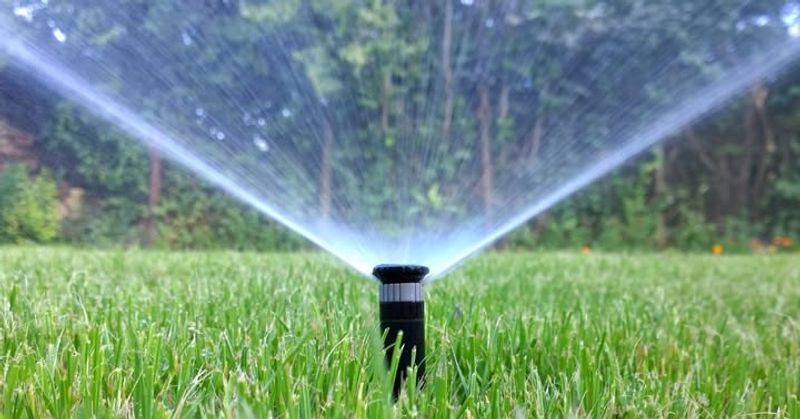
Before the real heat of Texas spring settles in and your plants start demanding consistent water, take time in March to give your irrigation system a thorough once-over. Finding and fixing problems now, while watering demand is still low, is far easier than scrambling to repair a broken sprinkler head during a heat wave in June.
Walk through your yard and turn on each irrigation zone one at a time. Look for heads that are clogged, tilted, or spraying in the wrong direction.
Check drip lines for cracks, clogs, or disconnected emitters. Even small leaks can waste hundreds of gallons of water over a season, which adds up fast on your water bill and leaves some plants underwatered while others get too much.
If your system has a timer or smart controller, update the watering schedule to match spring conditions. Early morning watering is ideal because it gives foliage time to dry before evening, reducing the risk of fungal disease.
Many Texas cities also have seasonal watering restrictions, so check your local rules and program your system accordingly. Adding a rain sensor, if you do not already have one, is a worthwhile upgrade that prevents your system from running during or right after rainfall.
A well-tuned irrigation system is the quiet backbone of a successful Texas garden, keeping everything growing strong without wasting a drop.
8. Catch Pests Early To Keep Gardens Thriving

Spring in Texas brings warmth, color, and unfortunately, pests. As temperatures climb in March, insects start becoming active again, and some of them have their sights set on your garden.
Catching pest problems early is far easier than dealing with a full-blown infestation later, so make regular plant inspections part of your weekly routine right now.
Aphids are among the first troublemakers to appear, clustering on soft new growth and sucking sap from stems and leaves. A strong blast of water from a garden hose knocks many of them off effectively.
Caterpillars, spider mites, and whiteflies are also common early-season visitors in Texas gardens. Check the undersides of leaves carefully since that is where many pests hide and lay eggs.
Catching them at this stage makes management much simpler and less disruptive to your plants.
Encouraging beneficial insects is one of the best natural strategies available to Texas gardeners. Ladybugs, lacewings, and parasitic wasps feed on common garden pests and help keep populations in balance without any chemicals at all.
Planting flowers like marigolds, dill, and fennel near your vegetables attracts these helpful allies. When chemical treatments are truly necessary, choose targeted, least-toxic options and apply them early in the morning or evening to avoid harming pollinators.
Staying observant and proactive in March sets the tone for a pest-managed, thriving garden all the way through the Texas growing season.