Why Some California Hibiscus Drop Buds Before They Bloom
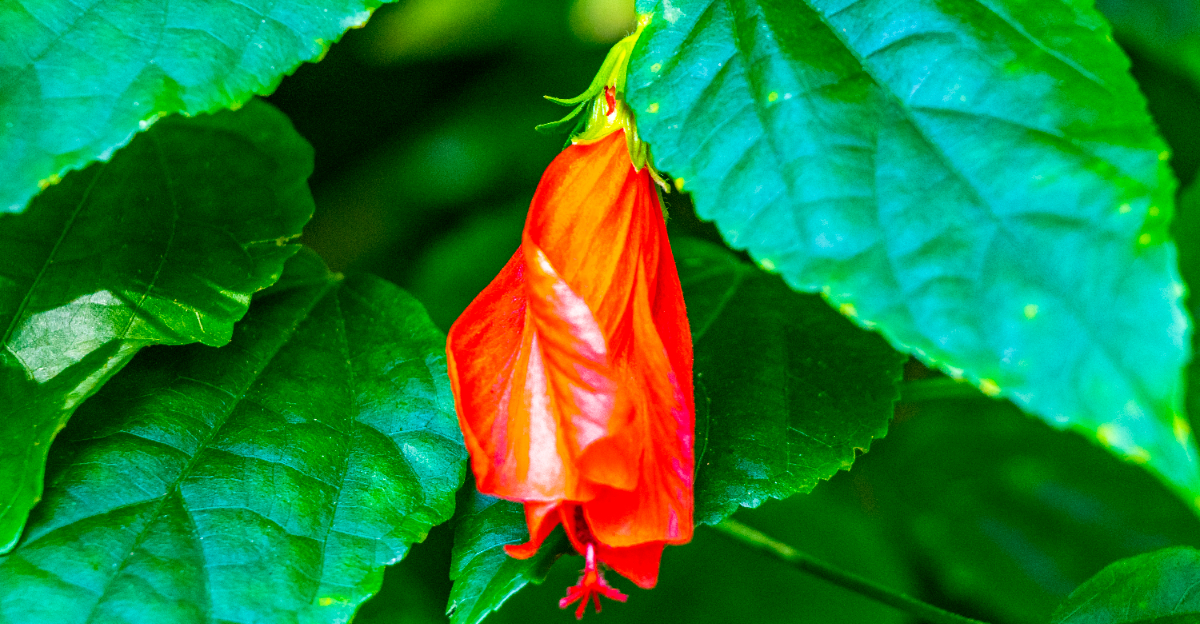
Hibiscus plants are known for their big, tropical looking blooms that instantly brighten a California garden.
When they’re happy, these plants can produce a steady stream of colorful flowers that make patios, fences, and garden beds feel vibrant all summer long.
But many gardeners run into a confusing problem. The plant forms plenty of buds, everything looks promising, and then suddenly those buds fall off before they ever get the chance to open.
It can feel like the plant is teasing you with flowers that never actually arrive. The good news is that hibiscus bud drop is a very common issue, especially in California’s changing spring conditions.
Small shifts in care, environment, or weather can sometimes trigger the plant to drop buds early.
Once you understand what’s happening behind the scenes, it becomes much easier to help your hibiscus hold onto those buds and finally deliver the beautiful blooms you’ve been waiting for.
1. Why Hibiscus Buds Drop Early
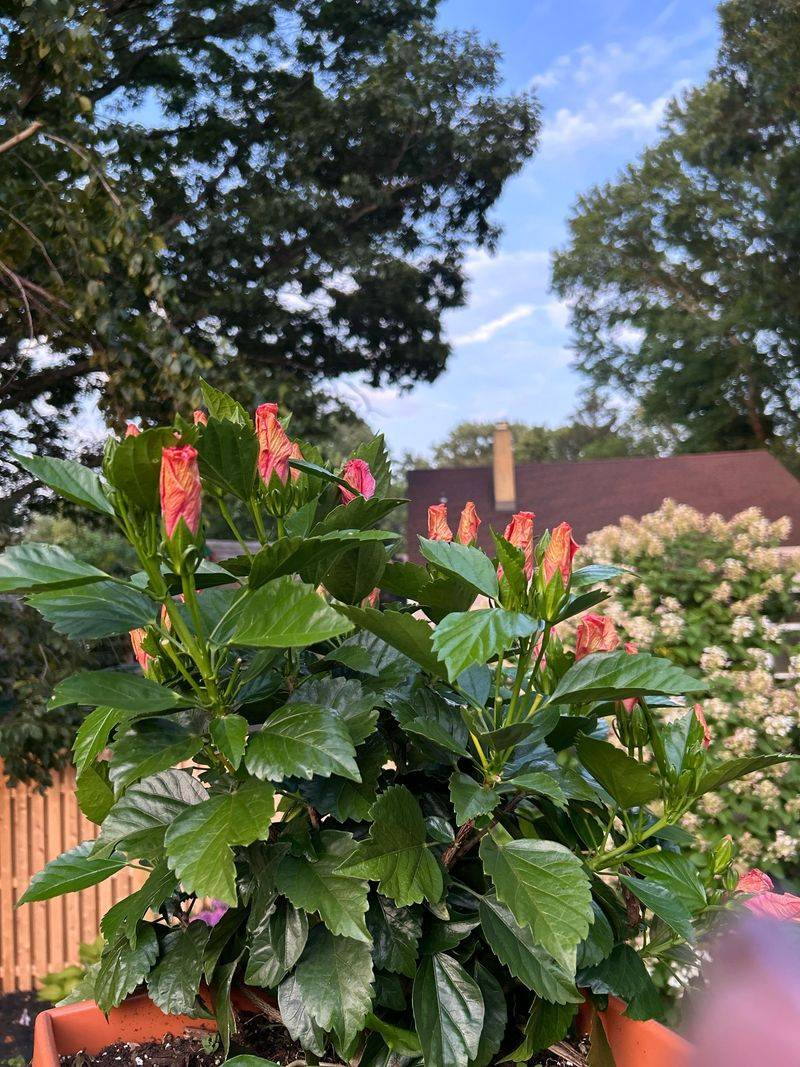
Something feels wrong when you spot a hibiscus bud on the ground before it ever gets a chance to open. Bud drop is not random.
It is actually the plant sending a signal that something in its environment is off. When hibiscus plants feel stressed, dropping buds is one of the first things they do.
Think of it as the plant protecting itself. Instead of spending energy on flowers, it redirects that energy toward survival.
This happens with both tropical and hardy hibiscus varieties grown throughout California.
The tricky part is that bud drop can have several different causes happening at the same time. It could be water, temperature, pests, or even the fertilizer you are using.
Pinpointing the exact cause takes a little detective work, but it is absolutely worth it.
California gardens face unique challenges, from dry Santa Ana winds to sudden coastal fog and extreme inland heat. All of these conditions can push a hibiscus plant past its comfort zone.
Once you understand the most common triggers, you will be much better equipped to keep those buds on the plant and watch them bloom into the beautiful flowers you have been waiting for.
2. Inconsistent Watering Causes Stress
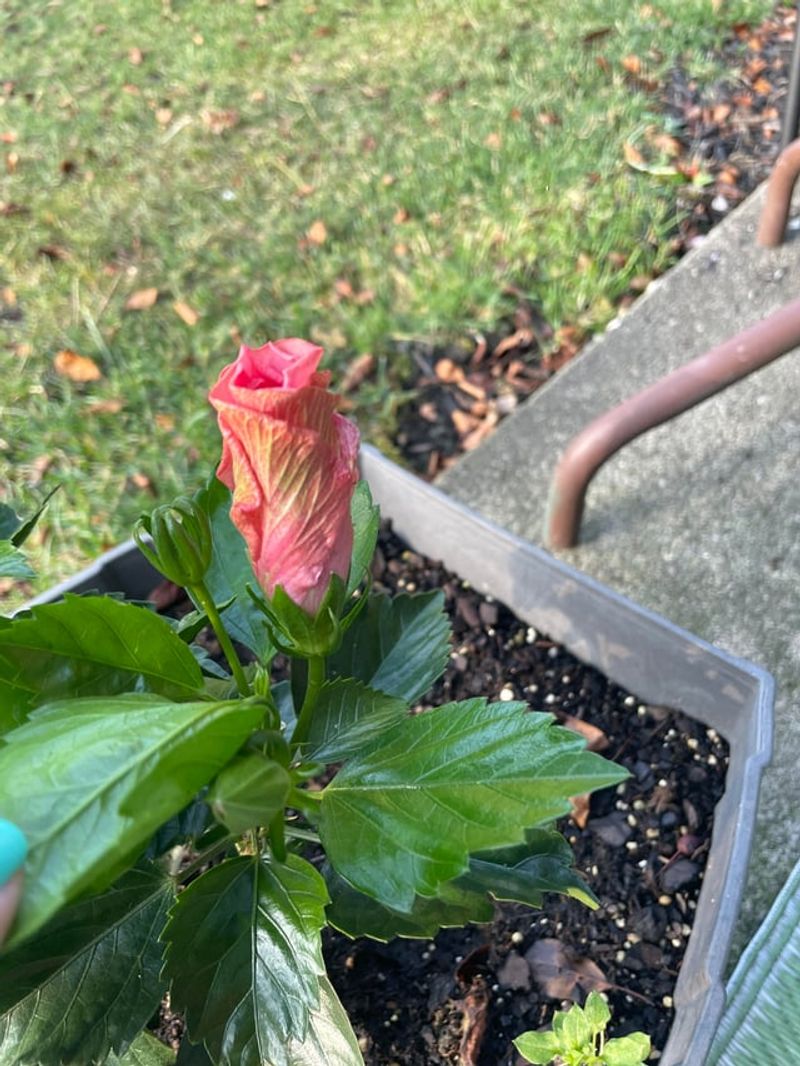
Water is everything to a hibiscus plant, and getting it wrong in either direction can cause serious problems. Too little water leaves the plant dehydrated and unable to support developing buds.
Too much water can lead to soggy roots that struggle to absorb nutrients properly, which also causes buds to drop.
Hibiscus plants in California need consistent moisture, especially during the hot summer months when soil can dry out fast. A good rule of thumb is to check the top inch or two of soil.
If it feels dry, it is time to water. If it still feels damp, wait another day.
Watering deeply and less frequently is usually better than shallow, daily watering. Deep watering encourages roots to grow downward, making the plant more stable and drought-resistant over time.
Shallow watering keeps roots near the surface where they are more vulnerable to heat and dryness.
Your California Garden Changes Every Week. Your Plan Should Too.
Gardening in California changes quickly throughout the season. Every Friday you’ll receive a simple weekly plan showing exactly what to plant, prune, fertilize, harvest, and protect so you never miss the right timing.
In Southern California especially, summer temperatures can make soil moisture evaporate quickly. Adding a layer of mulch around the base of the plant helps lock in moisture and keeps the roots cooler.
Consistent watering is one of the simplest and most effective ways to prevent bud drop in California hibiscus plants.
3. Temperature Swings Affect Buds
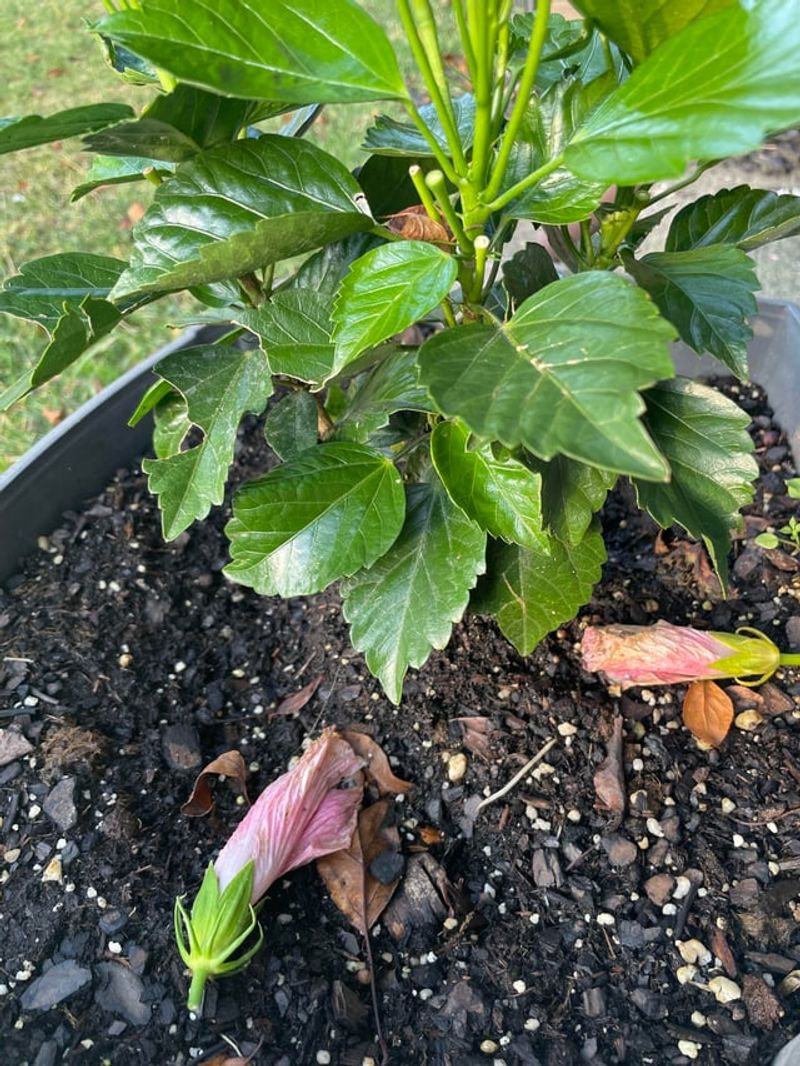
Hibiscus plants love warmth, but they do not love wild temperature swings. When temperatures drop below 50 degrees Fahrenheit or spike above 95 degrees, the plant goes into stress mode and buds are often the first to go.
California is full of these kinds of dramatic temperature shifts.
In the Central Valley, summer afternoons can get scorching hot while nights cool down quickly. Along the coast, marine layers bring cold mornings followed by warm afternoons.
Both situations can confuse a hibiscus plant and trigger bud drop before the flowers ever open.
Moving a potted hibiscus from indoors to outdoors too quickly is another common problem. The sudden change in temperature and light can shock the plant.
It is best to transition plants gradually, spending a few hours outside each day before leaving them out full time.
If you live in a particularly hot area of California, try placing your hibiscus where it gets morning sun and afternoon shade. This helps prevent heat stress during the hottest part of the day.
Keeping temperatures as stable as possible around your hibiscus gives buds the best chance of developing fully and opening into gorgeous blooms you will love.
4. Dry Air And Wind Problems
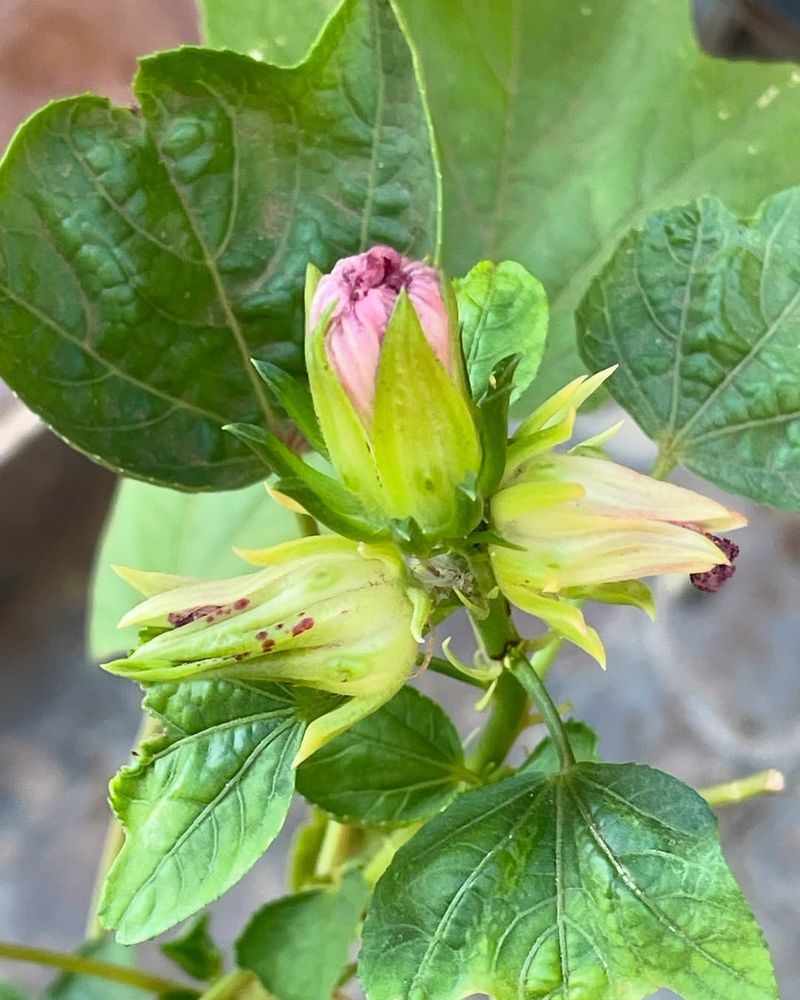
California is known for its sunshine, but it is also known for some seriously dry air and strong winds.
The Santa Ana winds that sweep through Southern California can strip moisture from plants almost overnight. For hibiscus, this kind of dry, hot wind is a real problem that often leads to bud drop.
When humidity drops too low, hibiscus plants lose water through their leaves faster than their roots can replace it.
Buds are especially sensitive because they are still forming and do not have the same protective layers as mature leaves. Low humidity combined with wind creates a one-two punch that stresses the plant quickly.
Placing your hibiscus in a sheltered spot can make a big difference. A wall, fence, or row of taller plants can act as a windbreak and help hold in some moisture around the plant.
In very dry inland areas of California, misting the leaves lightly in the morning can also help raise humidity slightly.
Container-grown hibiscus plants are especially vulnerable to wind and dry air because their roots have less soil insulation. If you grow hibiscus in pots, consider moving them to a more protected spot during Santa Ana wind events.
A little extra protection goes a long way when it comes to keeping those buds intact.
5. Too Much Nitrogen Fertilizer
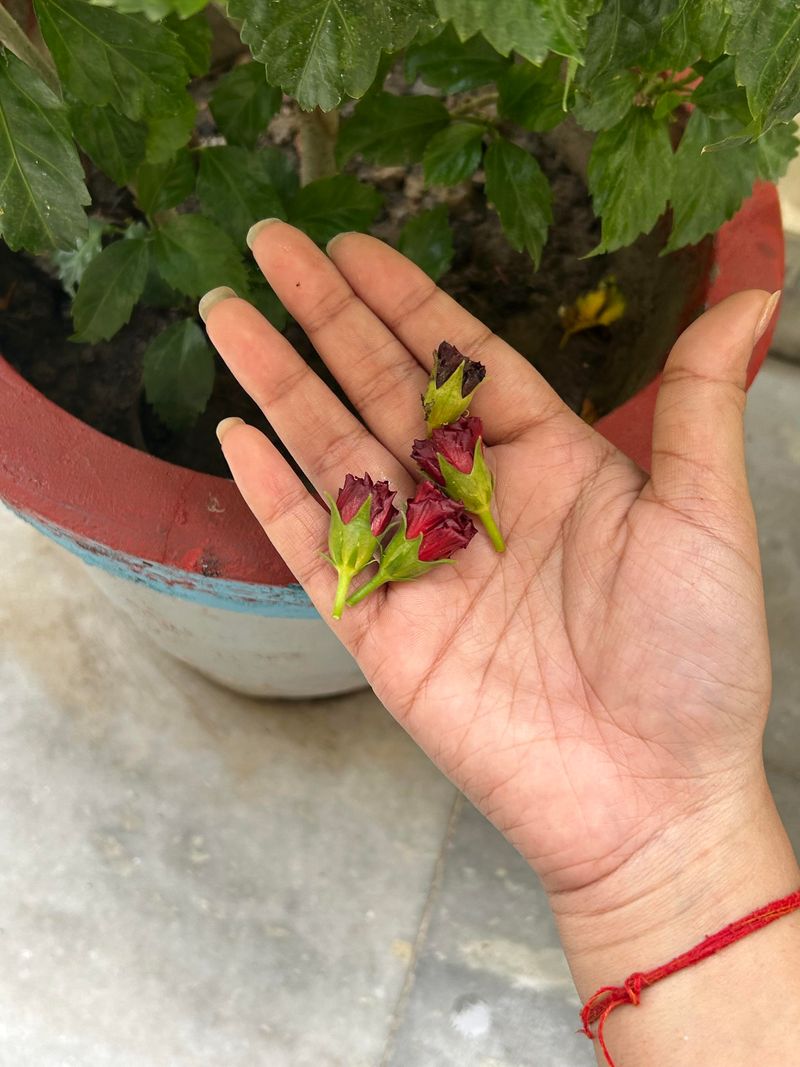
Fertilizer is supposed to help plants grow, but using the wrong kind can actually cause bud drop. Too much nitrogen is one of the sneaky culprits behind hibiscus plants that look lush and leafy but never seem to bloom.
Nitrogen pushes plants to grow lots of green foliage, sometimes at the expense of flowers.
Hibiscus plants need a balanced diet that includes potassium and phosphorus, not just nitrogen. Potassium supports strong stems and healthy blooms, while phosphorus encourages root development and flower production.
When nitrogen is too high, the plant focuses energy on leaves instead of buds.
A fertilizer labeled for flowering plants or one with a higher middle and last number in the N-P-K ratio is a better choice for hibiscus. Look for something like 10-20-20 or similar formulas.
Avoid general-purpose lawn fertilizers, which tend to be very high in nitrogen and are not ideal for blooming plants.
In California, hibiscus plants in the ground tend to need fertilizing every four to six weeks during the growing season. Container plants may need feeding more often since nutrients wash out with watering.
Always follow the label directions and avoid the temptation to add extra, because more fertilizer is not always better for your blooms.
6. Pests That Damage Flower Buds
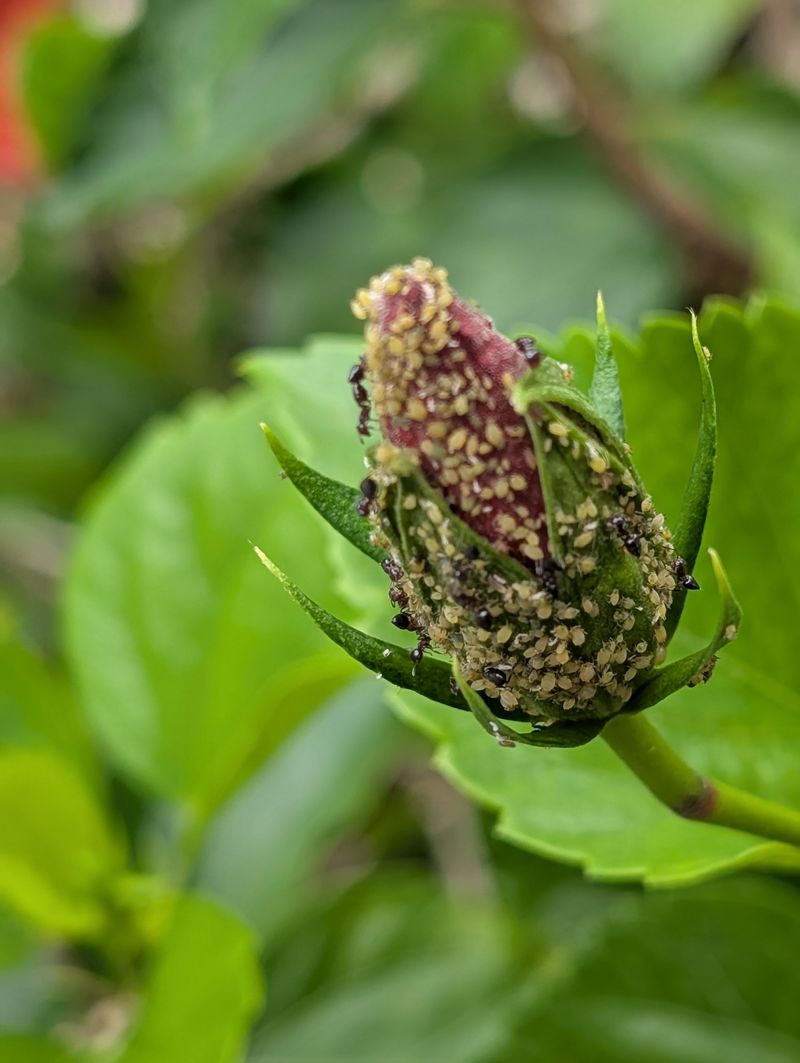
Tiny bugs can cause big problems for hibiscus plants. Aphids, spider mites, and thrips are among the most common pests that target hibiscus buds in California gardens.
They feed on the tender tissue inside developing buds, weakening them until they fall off the plant before ever opening.
Aphids are small, soft-bodied insects that cluster on new growth and buds. They suck plant sap and can cause buds to shrivel and drop.
Spider mites are even tinier and tend to show up during hot, dry California summers. You might notice fine webbing on the plant or a dusty, speckled look on the leaves.
Thrips are another common pest that slips inside hibiscus buds and feeds from the inside out. By the time you notice the damage, the bud may already be too stressed to survive.
Regular inspection is the best way to catch infestations early before they get out of hand.
A strong spray of water can knock aphids and spider mites off the plant. Neem oil is a popular organic option that works well against a range of pests without harming beneficial insects.
Checking your California hibiscus plants at least once a week during the growing season makes it much easier to catch pest problems early and protect those precious buds.
7. How To Prevent Bud Drop
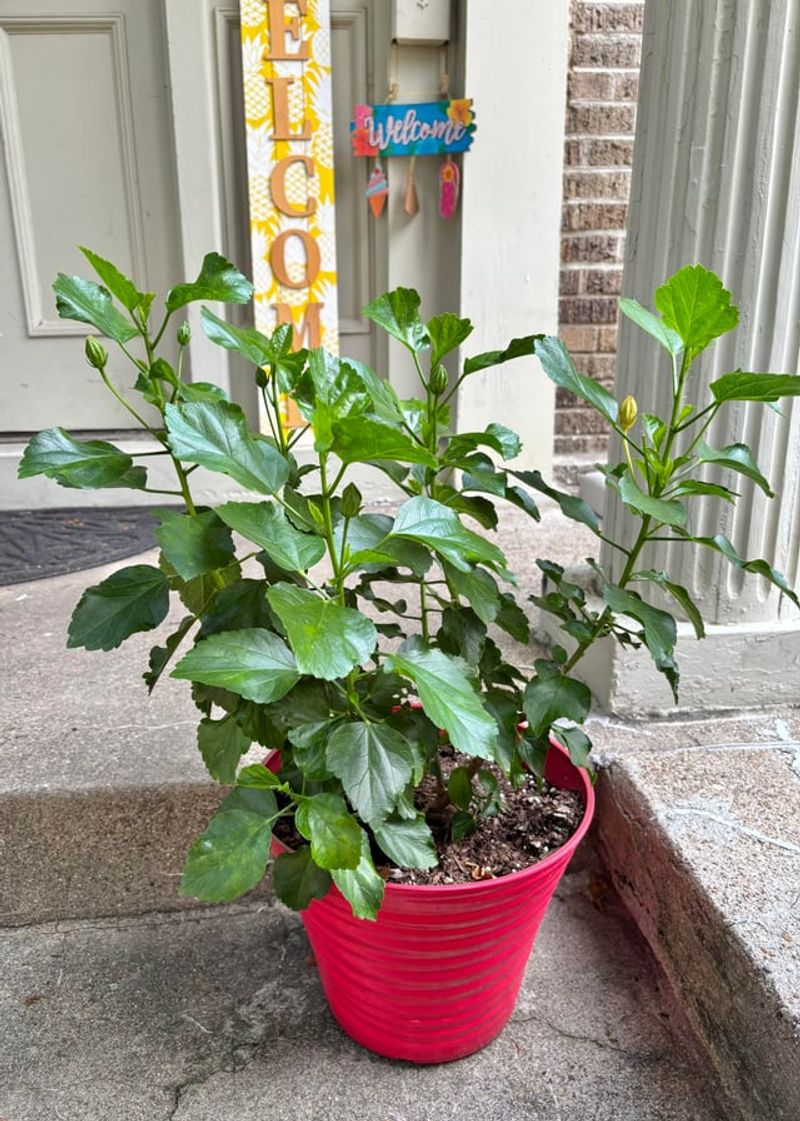
Preventing bud drop is mostly about giving your hibiscus plant a stable, comfortable environment. When conditions stay consistent, the plant has no reason to drop its buds.
The key is addressing the most common stressors before they become problems, not after you start seeing buds on the ground.
Start with a good watering routine. Check soil moisture regularly and water deeply when the top inch or two is dry.
Add mulch around the base to hold moisture and regulate soil temperature. In hot California summers, this simple step can make a noticeable difference in plant health.
Choose the right fertilizer and stick to a schedule. Use a balanced formula designed for flowering plants and avoid over-applying.
Feed your hibiscus regularly during the growing season, but always follow the product directions. More fertilizer does not mean more flowers, and it can actually cause the opposite effect.
Keep an eye out for pests by inspecting your plants weekly. Catching an infestation early makes treatment much easier and more effective.
Also, try to protect your hibiscus from extreme temperature swings and harsh winds by choosing a sheltered planting spot. California gardens can be tough on hibiscus, but with consistent care, you can enjoy healthy, beautiful blooms throughout the season.
8. Keeping Hibiscus Blooming Longer
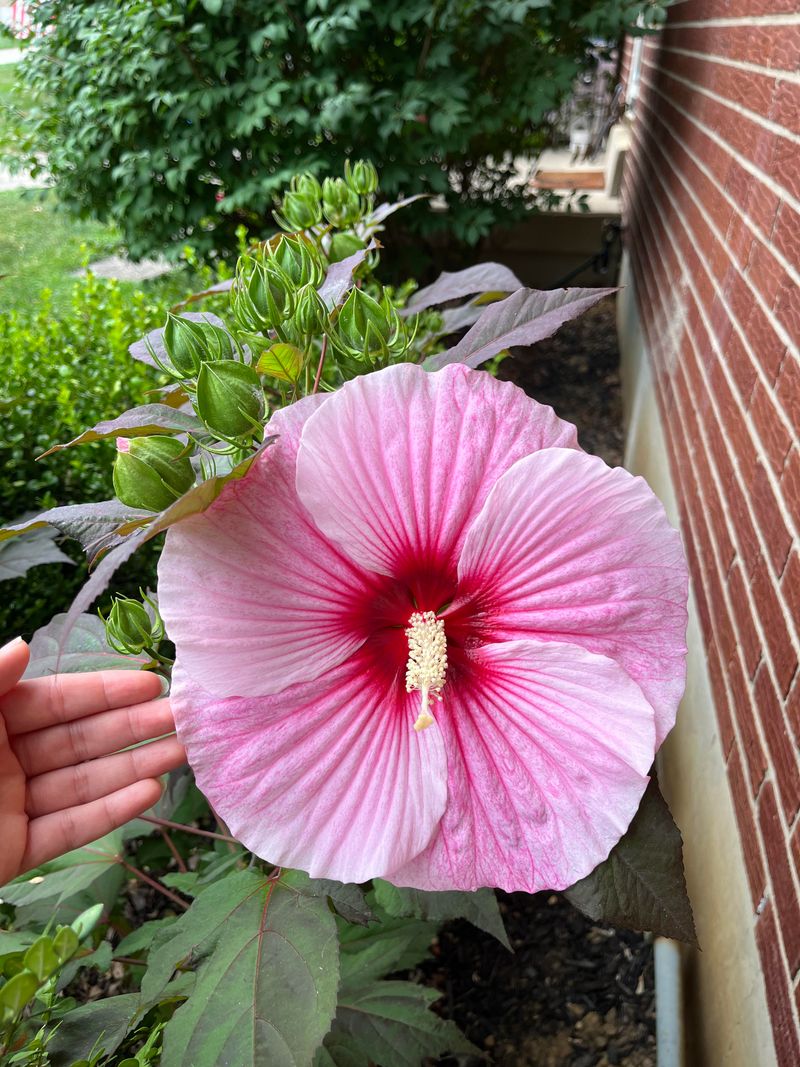
Getting your hibiscus to bloom is great. Getting it to keep blooming all season long is even better.
With the right care routine, California gardeners can enjoy a steady parade of colorful flowers from late spring all the way through fall. It just takes a little planning and attention.
Deadheading spent flowers can encourage the plant to produce more buds. Once a flower fades, remove it to redirect the plant’s energy toward new growth.
Some gardeners also do light pruning in early spring to shape the plant and stimulate fresh, vigorous new growth that leads to more blooms.
Keeping the plant well-fed and well-watered throughout the growing season is essential for continuous blooming. Skipping feedings or letting the soil dry out too much between waterings can slow down bud production.
Consistency is really the secret ingredient for a long-lasting bloom cycle.
Pay attention to how your plant looks and responds to your care. Yellowing leaves might mean a nutrient issue.
Wilting between waterings might mean the plant needs more frequent watering during California’s hottest months. Hibiscus plants are actually very good at showing you what they need if you know what to look for.
Staying observant and responsive keeps your California hibiscus looking its absolute best all season long.