California Plants That Settle In Better When Planted Before May Ends
Some California plants establish faster when they go in before May ends, and waiting too long can make the job harder on both you and the plant.
Warmer days are great, but once the heat really kicks in, new roots have a tougher time settling in without extra water and extra fuss.
That early planting window matters in California, where late spring can give shrubs, perennials, and other landscape favorites a head start before summer turns up the pressure.
Get them in at the right time, and they can focus on rooting in instead of just trying to survive. Much better arrangement.
The payoff is a garden that fills in faster and handles summer with a lot less drama. Stronger roots, less transplant stress, and fewer plants that look personally offended by the weather.
If you want better odds of success, planting before May wraps up can make all the difference.
1. Manzanitas
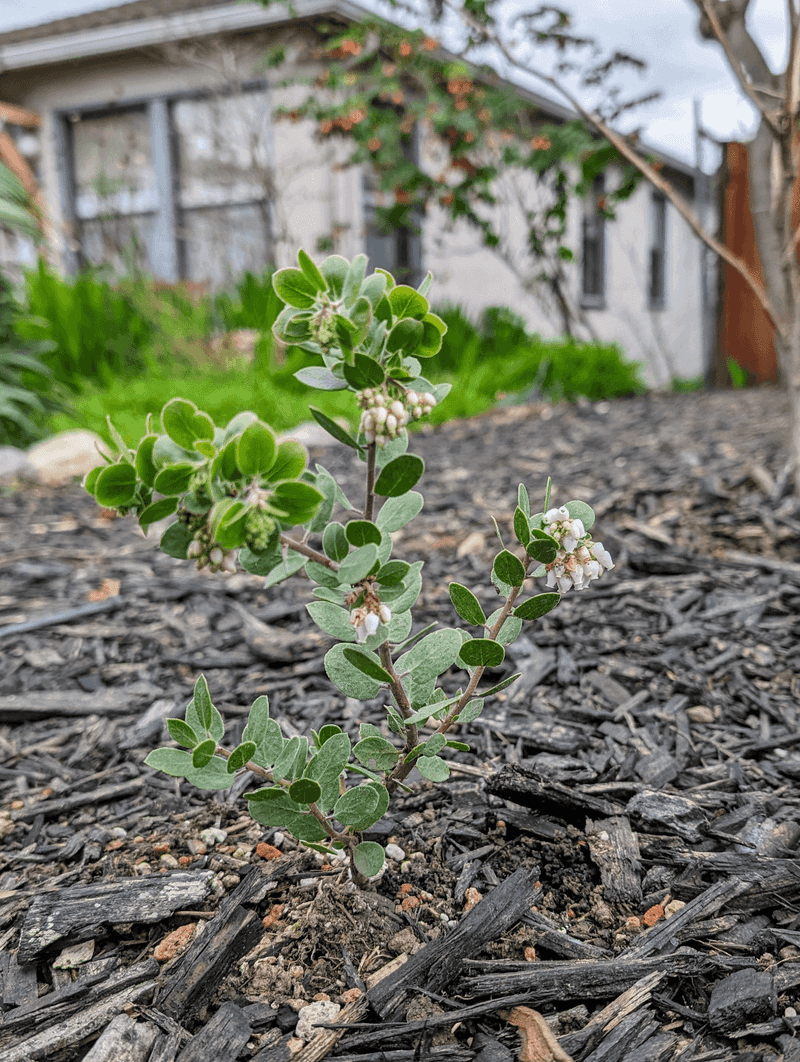
Few plants look as striking in a California garden as manzanita. That smooth, reddish-brown bark practically glows in the morning sun, and the little urn-shaped flowers are a favorite stop for hummingbirds every year.
Getting this plant settled before May ends is one of the smartest moves a California gardener can make.
Manzanitas are tough once established, but they need time to build a strong root system before summer arrives. Planting early in the season lets the roots push deep into the soil while temperatures are still mild.
Once that root system is in place, the plant can handle California’s dry summers with very little extra water.
There are dozens of manzanita species native to California, ranging from low ground covers to tall shrubs. Most prefer well-drained soil and full sun.
They do not like soggy roots, so avoid overwatering after planting. A layer of mulch around the base helps keep moisture in without letting the soil stay too wet.
Manzanitas are also deer resistant, which is a huge bonus for gardeners in foothill and mountain communities across the state.
2. California Lilacs
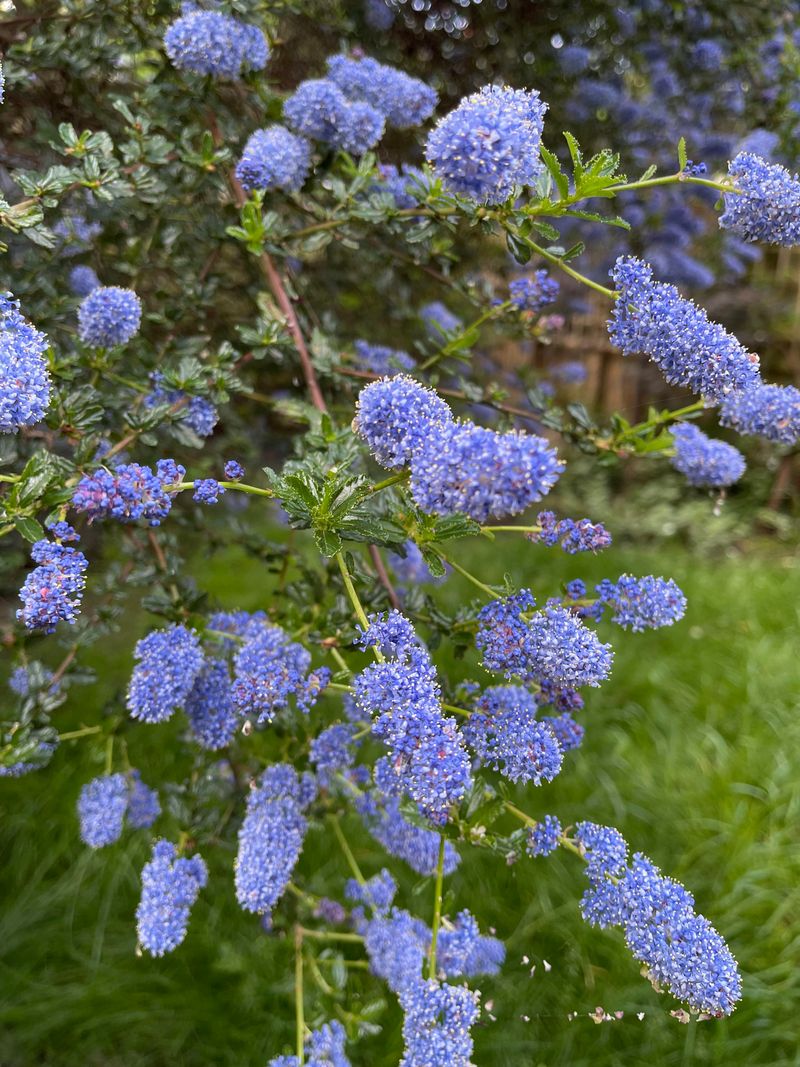
Walk past a California lilac in full bloom and you will stop in your tracks. The clusters of blue, purple, or white flowers are absolutely stunning, and the buzzing of bees around them makes the whole plant feel alive.
Ceanothus is one of California’s most beloved native shrubs, and for good reason.
Planting Ceanothus before the end of May gives it the best possible start. Spring soil is moist but not waterlogged, and temperatures are warm enough to encourage root growth without stressing the plant.
Once summer heat rolls in across California, a well-rooted Ceanothus handles drought conditions remarkably well.
One thing many gardeners do not realize is that California lilacs actually fix nitrogen in the soil. That means they help improve the ground around them over time.
They prefer full sun and fast-draining soil. Avoid planting them in areas where water tends to pool.
These shrubs grow quickly, so give them enough space to spread out. Some varieties stay compact and tidy, while others can grow quite large.
Your California Garden Changes Every Week. Your Plan Should Too.
Gardening in California changes quickly throughout the season. Every Friday you’ll receive a simple weekly plan showing exactly what to plant, prune, fertilize, harvest, and protect so you never miss the right timing.
Knowing your variety before planting helps you plan your garden layout more effectively.
3. Flannel Bush
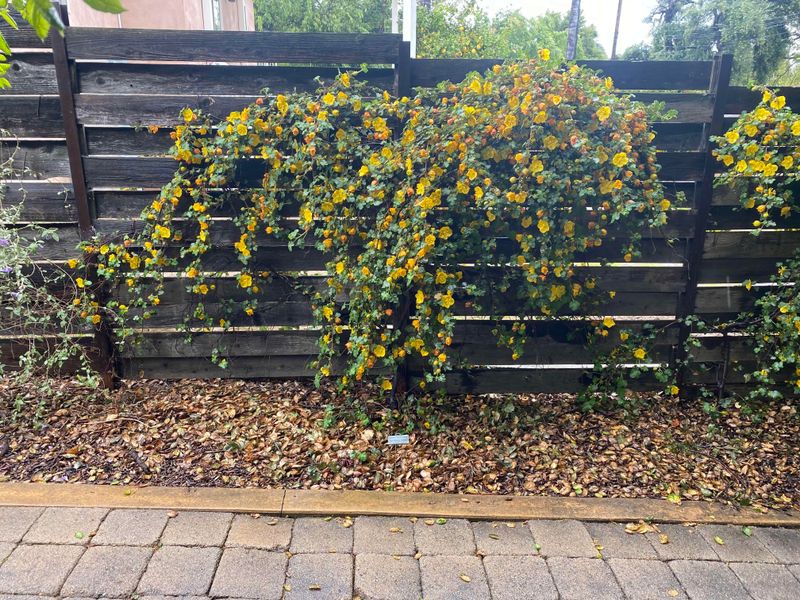
Bright yellow flowers the size of your palm cover this plant when it blooms, and the sight is genuinely hard to forget. Flannel bush is a California native that puts on one of the most impressive spring shows of any shrub in the state.
It is bold, cheerful, and surprisingly low maintenance once it finds its footing.
The key phrase there is once it finds its footing. Flannel bush needs time to establish, and planting before May ends gives it exactly that.
Spring warmth encourages root development, and by the time summer arrives in California, the plant is ready to handle the heat and the dry conditions that come with it.
One important note for new gardeners: flannel bush does not like summer water. Once established, it prefers to be left alone during hot months.
Overwatering is the most common mistake people make with this plant. Plant it in full sun with excellent drainage and let nature do the rest.
The tiny hairs on the leaves and stems can irritate skin, so wearing gloves when handling it is a smart idea. Despite that quirk, flannel bush remains one of California’s most rewarding native plants to grow.
4. Matilija Poppy
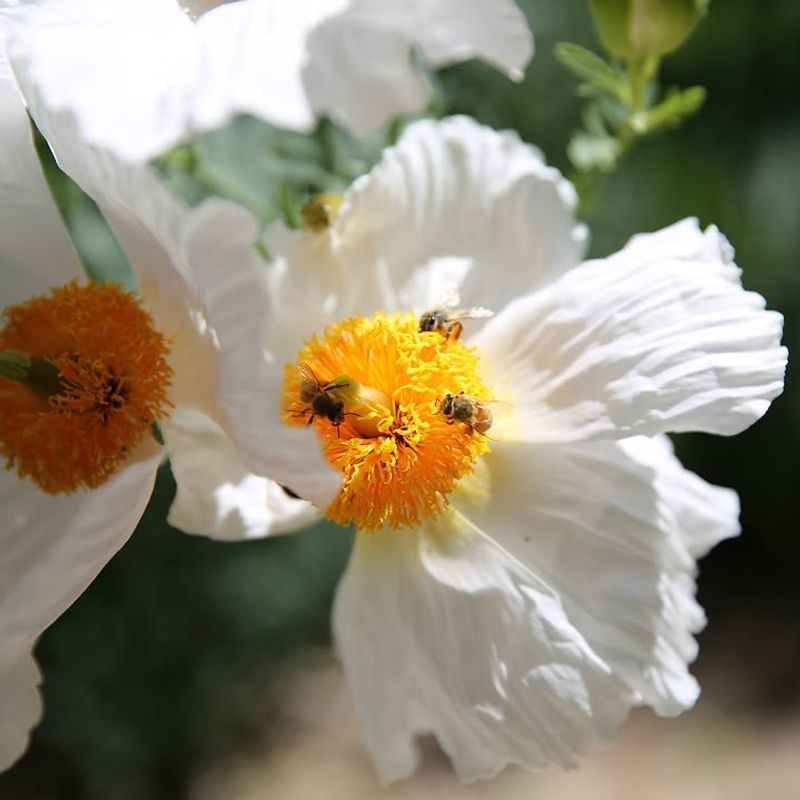
Sometimes called the fried egg flower because of its giant white petals and golden yellow center, Matilija poppy is one of those plants that makes people stop and ask what it is. It is dramatic, tall, and absolutely gorgeous in bloom.
Native to southern California, it brings a wild, natural energy to any garden space.
Getting this plant in the ground before May ends is especially helpful because Matilija poppy benefits from mild spring temperatures to get its roots established. It is a spreading plant that can be slow to settle in at first, but once it does, it spreads enthusiastically.
Gardeners in southern California often find it popping up in unexpected spots after a few seasons, which most people consider a wonderful surprise.
Full sun and well-drained soil are non-negotiable for this plant. It is highly drought tolerant once established, making it an ideal choice for California’s water-conscious gardeners.
Avoid rich, amended soil because this plant actually prefers lean, poor conditions. Too much fertilizer or water leads to weak growth.
The flowers have a faint, pleasant fragrance and are excellent for attracting pollinators. Matilija poppy can grow six to eight feet tall, so give it room to stretch upward and outward.
5. Woolly Blue Curls
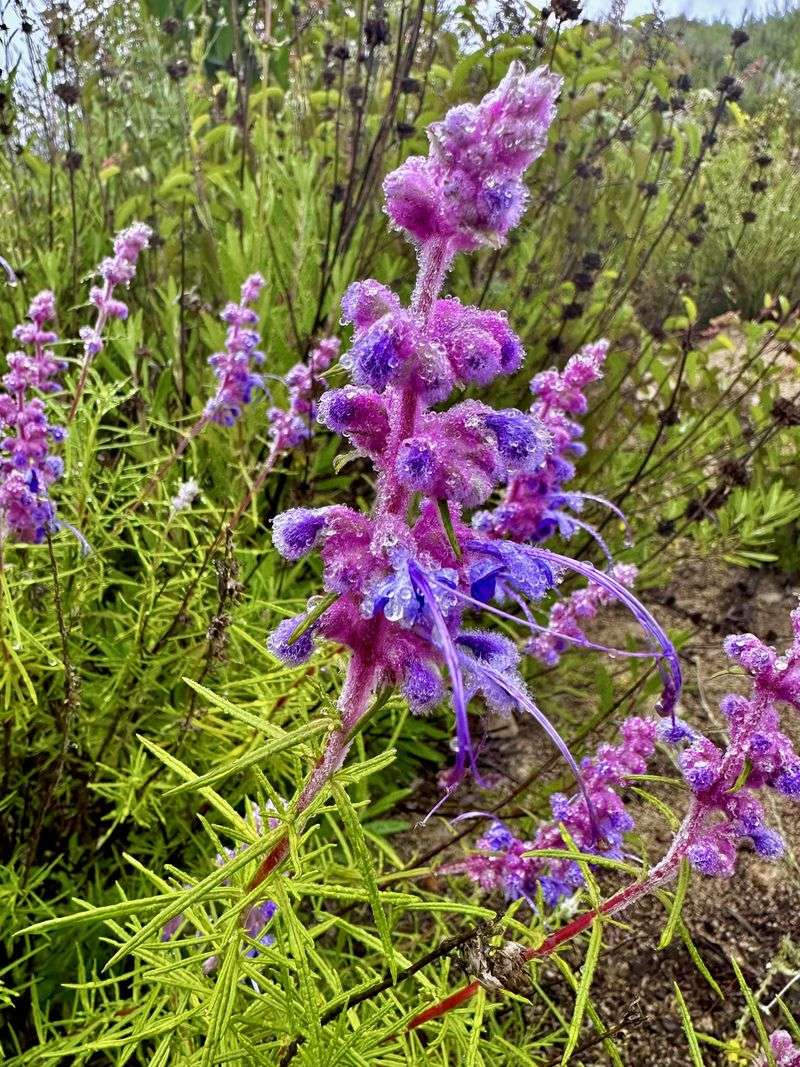
If you have never grown woolly blue curls before, you are in for a real treat. This plant is one of California’s hidden gems, with fuzzy purple-blue flower spikes that look almost too interesting to be real.
Hummingbirds and butterflies absolutely love it, which makes a garden feel lively and full of motion all season long.
Planting woolly blue curls before May ends gives the plant time to settle into its spot before the heat of California’s summer arrives. It is a plant that genuinely thrives with neglect once established, which is great news for busy gardeners.
The aromatic foliage smells wonderful when brushed lightly, adding a sensory bonus to the garden experience.
This plant demands excellent drainage above all else. It is native to dry, rocky slopes in coastal and inland California, so it does not do well in heavy clay or areas that stay moist.
Full sun is essential. Avoid amending the soil too much before planting because this plant prefers it lean and gritty.
Once it is established, do not water it during summer. It is a true California-tough plant that rewards hands-off gardening with season after season of stunning blooms and fragrant foliage.
6. Western Redbud
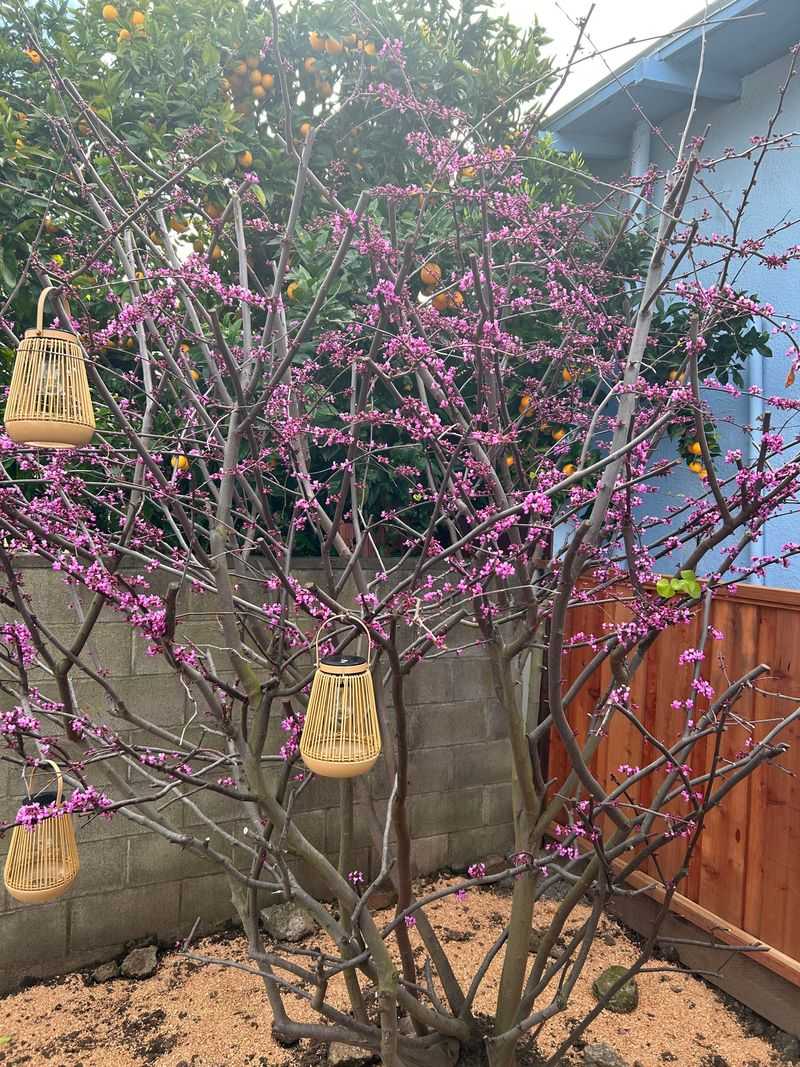
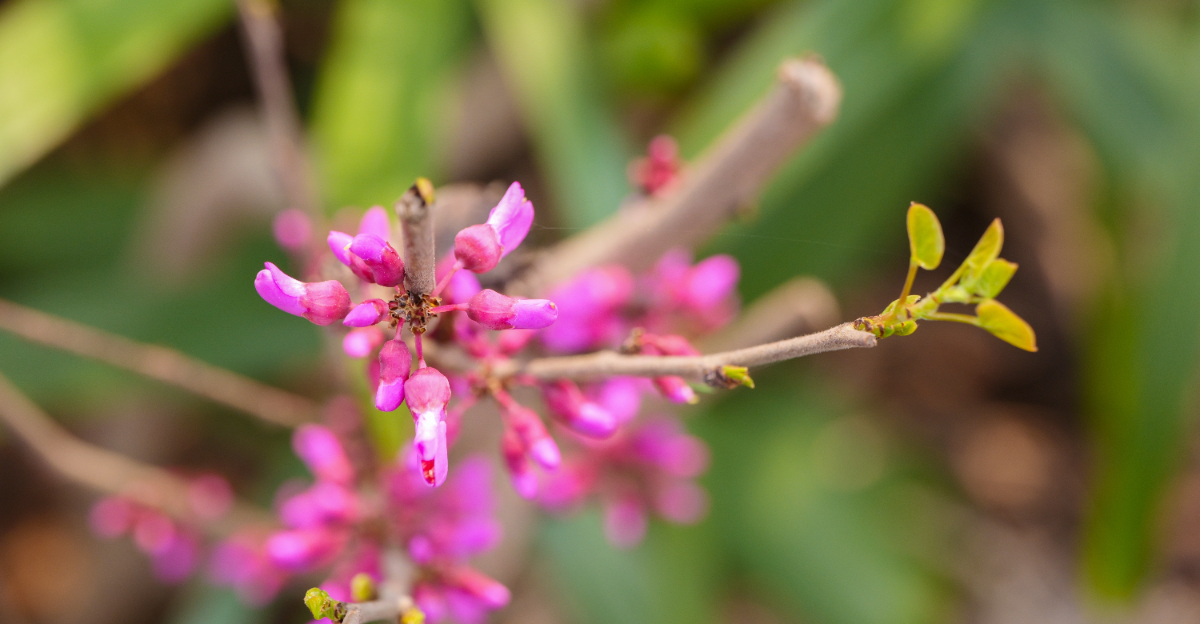
Every spring, western redbud puts on a flower show that feels almost unbelievable. Bright magenta-pink blooms appear directly on the bare branches before the leaves even open, creating a cloud of color that is unlike anything else in the California landscape.
It is one of those trees that gardeners fall in love with the first time they see it in bloom.
Planting western redbud before May ends gives this small tree the ideal window for root establishment. California’s mild spring conditions allow the roots to spread comfortably before the summer heat arrives.
A well-rooted redbud handles dry summers with ease and barely needs supplemental water once it has been in the ground for a couple of seasons.
Western redbud is native to the foothills and lower mountain slopes of California, so it is perfectly suited to the state’s climate. It grows well in full sun to partial shade and tolerates a range of soil types as long as drainage is decent.
The heart-shaped leaves that follow the spring blooms are charming, and the seed pods that hang on through winter add year-round visual interest. This tree is a true four-season performer that brings joy to any California garden no matter the time of year.
7. Elderberries
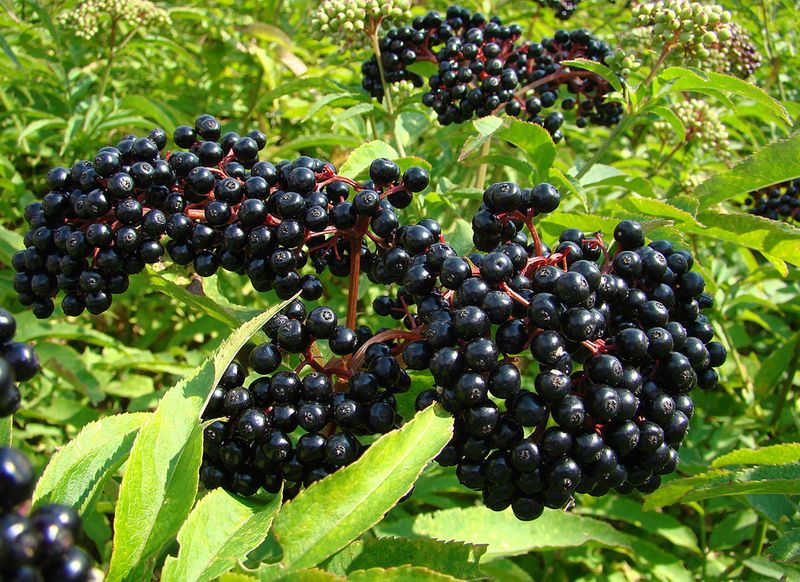
Elderberries are one of those plants that give back in every possible way. The flat-topped clusters of creamy white flowers attract a parade of pollinators in spring, and the dark purple berries that follow are loved by birds and wildlife across California.
On top of all that, elderberries are used in everything from jams to herbal remedies, making them genuinely useful plants to have around.
Planting elderberries before May ends gives them a solid head start on the growing season. They grow quickly once established and can put on several feet of new growth in a single year under good conditions.
Getting the roots settled in cool spring soil means the plant can focus energy on above-ground growth once summer warmth arrives in California.
Elderberries prefer moist, well-drained soil and do well in full sun to partial shade. They are often found growing near streams and in riparian areas throughout California, which tells you they appreciate a bit more water than most native plants.
However, they adapt well to garden conditions and are not overly demanding once established. Prune them back in late winter to encourage fresh, vigorous growth each spring.
They make excellent habitat plants and add real ecological value to any California garden.
8. Dogwoods
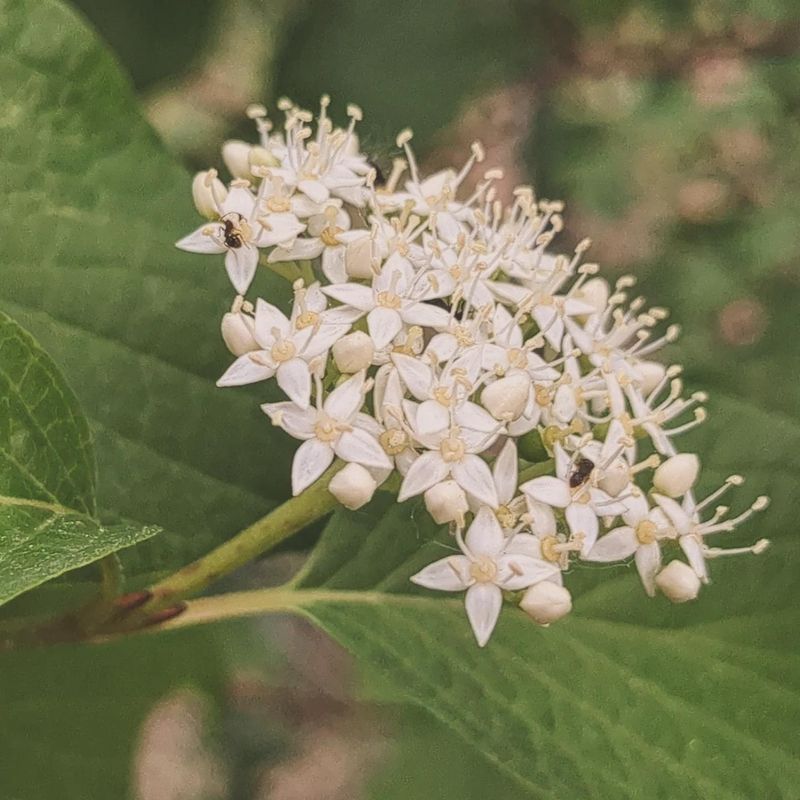
There is something almost magical about a dogwood in bloom. The large white bracts surrounding the tiny central flowers create a display that looks like something out of a painting.
California is home to several native dogwood species, and all of them are worth getting to know a little better.
Planting dogwoods before May ends is especially beneficial because these trees and shrubs prefer to establish during cooler, moister conditions. Spring in California provides exactly that.
Once the roots are settled before summer heat peaks, dogwoods handle the warmer months much more comfortably. They are not the most drought-tolerant plants on this list, so giving them that early advantage really matters.
California native dogwoods generally prefer partial to full shade and moist, well-drained soil. They are naturally found along streams and in shaded canyon areas throughout the state.
In a garden setting, a spot with morning sun and afternoon shade works well. Regular watering during the first summer is important to keep the plant healthy while it finishes establishing its root system.
The fall color on dogwoods is also worth mentioning because the leaves turn rich shades of red and orange, giving the garden a warm seasonal glow before winter sets in.
9. Bigleaf Maple
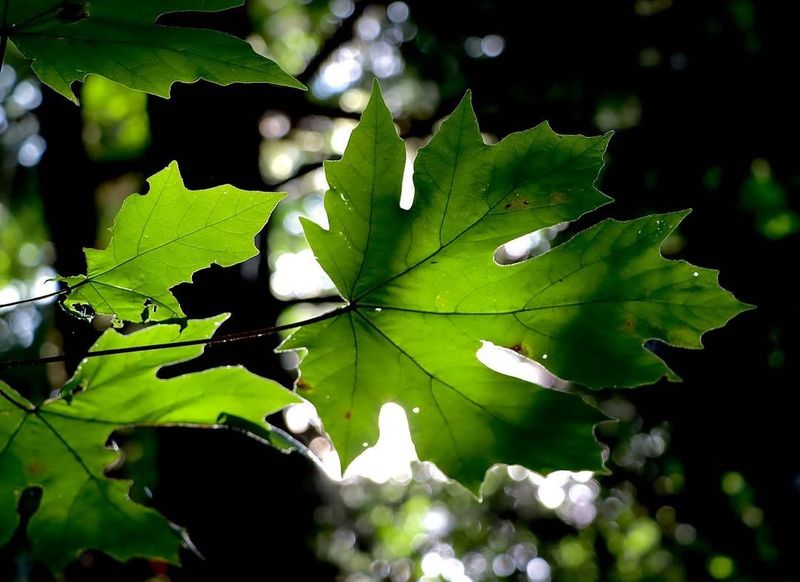
The name really does say it all. Bigleaf maple has the largest leaves of any maple species in North America, and standing under one in full leaf is a genuinely impressive experience.
This native California tree brings shade, beauty, and a real sense of scale to any garden that has room for it.
Getting a bigleaf maple planted before May ends gives it the best possible start. Spring planting allows the roots to push outward through moist soil before summer heat arrives across California.
Young trees establish faster when they are not fighting heat stress at the same time they are trying to build a root system. A little patience in the first season pays off with years of fast, strong growth ahead.
Bigleaf maple grows naturally along streams and in moist canyons throughout California, so it appreciates regular water, especially when young. Full sun to partial shade works well for this tree.
The hanging clusters of fragrant yellow-green flowers in spring attract bees enthusiastically. In fall, the enormous leaves turn golden yellow before dropping, creating a stunning seasonal display.
This tree grows large over time, so plant it where it has space to spread its canopy and become the anchor of the garden landscape.