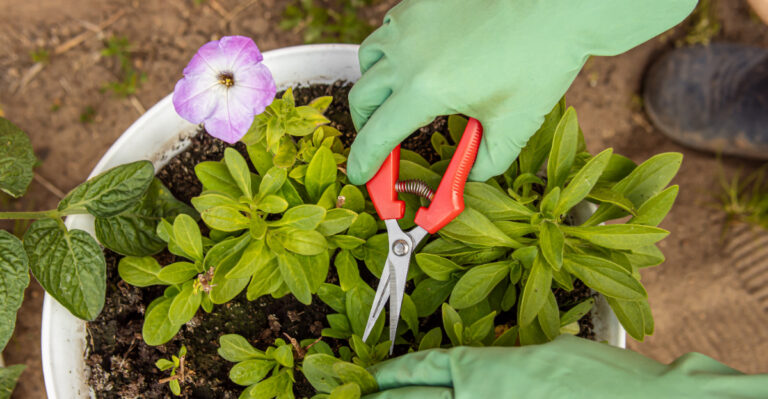
Should Arizona Gardeners Prune Bougainvillea Before Spring Growth

Bougainvillea is one of those plants that instantly makes a yard feel alive. In Arizona, its bright bursts of color can turn a plain wall, fence, or patio into something that looks straight out of a tropical postcard.
But once winter starts fading and the desert begins warming up, many gardeners start asking the same question. Is this the right moment to prune it, or is it better to wait?
Timing matters more than many people realize. Bougainvillea responds strongly to pruning, and cutting it at the wrong moment can delay blooms or slow the strong growth that usually explodes once warm weather settles in.
Arizona’s spring temperatures can rise quickly, which means the plant often wakes up fast after winter dormancy.
Before grabbing the pruners, it helps to understand how bougainvillea actually grows and when trimming encourages the healthiest branches and the most colorful blooms through the long Arizona growing season.
1. A Light Trim In Early Spring Helps Bougainvillea Grow Stronger

Bougainvillea that gets a light trim before new growth appears tends to bounce back with more energy and fuller color. Early spring, right before those first buds start pushing out, is actually the sweet spot for this kind of pruning in Arizona.
You are not hacking the plant apart. Just cleaning it up a bit so the energy goes where you want it to go.
In Arizona, February into early March is when most gardeners get out there with their clippers. The desert climate means plants respond fast once temperatures start warming up.
A light trim at this point signals the plant to push out fresh stems rather than wasting resources on old, tired wood.
Cutting back just the tips of long branches, maybe four to six inches, encourages side shoots to develop. More side shoots means more flowering points, which is exactly what you want out of a bougainvillea.
Even small adjustments at the right time can lead to noticeably thicker, more colorful growth by late spring.
Skipping this step does not ruin the plant, but you may end up with long, leggy vines that bloom only at the tips.
Arizona heat arrives fast and hard, so giving your bougainvillea a head start through smart pruning helps it settle into the growing season strong rather than scrambling to catch up later.
2. Wait Until Freezing Temperatures Are No Longer Expected

Pruning too early in Arizona can backfire fast. If you cut back your bougainvillea and then a late freeze rolls through, all that fresh new growth is suddenly exposed and vulnerable.
Even in the low desert around Phoenix and Tucson, cold snaps in late January or early February are not unheard of.
Waiting until nighttime lows are consistently staying above 40 degrees Fahrenheit is a smart rule of thumb.
By mid-February in most parts of Arizona, that window starts to open up, though higher elevation areas like Prescott or Flagstaff may need to hold off until March or even later.
Knowing your local microclimate matters more than following a calendar date.
Your Arizona Garden Changes Every Week. Your Plan Should Too.
Gardening in Arizona changes quickly throughout the season. Every Friday you’ll receive a simple weekly plan showing exactly what to plant, prune, fertilize, harvest, and protect so you never miss the right timing.
Bougainvillea is surprisingly cold-sensitive for a plant that handles blazing Arizona summers without blinking.
A hard freeze right after pruning can set the plant back significantly, sometimes causing damage all the way to the base. Patience here really does pay off.
Watch local forecasts for a stretch of warmer nights before you make your cuts. Once it looks clear, you have a solid window to prune without worrying about cold damage undoing your work.
Gardeners in the Phoenix metro area often have more flexibility than those in northern Arizona, so location within the state plays a big role in the timing decision.
3. Remove Winter Damage And Weak Branches First
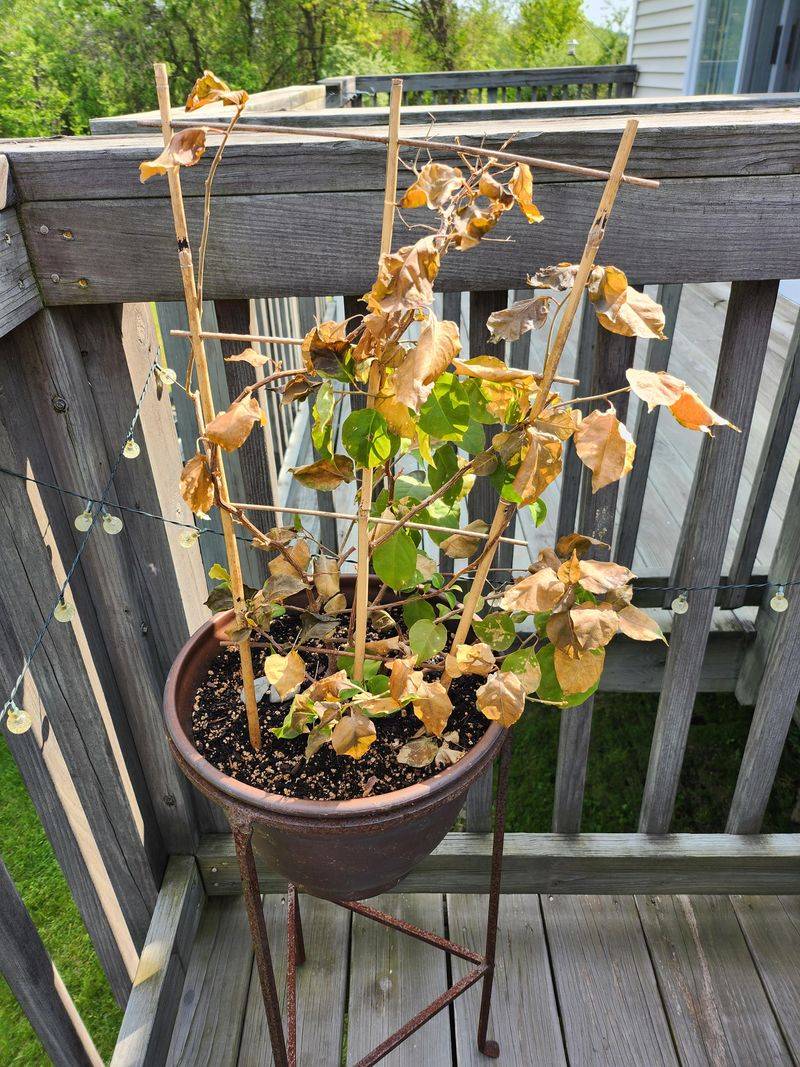
Before you do anything else, take a good look at your bougainvillea and find the branches that did not make it through winter in good shape. Brown, brittle, or mushy stems are obvious signs of frost damage, and those sections need to come off.
Start by bending a few suspect branches gently. If they snap instead of flexing, that is a clear sign the wood is no longer viable.
Work your way through the plant and remove everything that looks like it is struggling or already gone. Cut back to a point where the inside of the stem looks green and healthy.
Weak, spindly branches that never thickened up over last season are also worth removing. These thin stems rarely produce strong blooms and often just clutter the interior of the plant.
Clearing them out improves the overall structure and gives the stronger branches more room to develop.
Arizona winters can vary a lot from year to year. Some seasons barely touch the bougainvillea, while others leave behind noticeable damage, especially in areas that dip below freezing for several nights in a row.
Getting in the habit of doing a damage assessment before your main pruning session makes the whole process more efficient and keeps the plant healthier heading into the warm months ahead.
4. Thin Crowded Stems To Improve Light And Airflow

A bougainvillea that has been growing for several years in Arizona can turn into a seriously tangled mess if nobody has been thinning it out regularly.
Crowded stems block sunlight from reaching the inner parts of the plant, and poor airflow in that dense center creates the perfect setup for fungal issues during humid monsoon months.
Thinning is different from shaping. Rather than cutting the outside edges, you are reaching into the middle of the plant and removing branches that are crossing, rubbing against each other, or just adding unnecessary bulk.
Pull back the outer vines and look for stems growing inward or downward without purpose.
Removing about one-third of the interior growth in a single session is a reasonable target. You do not want to strip the plant bare, but opening it up enough to see light passing through the canopy makes a visible difference.
Plants that breathe better tend to bloom more consistently and hold up better during Arizona monsoon season.
Thick gloves are non-negotiable here. Bougainvillea thorns are sharp and long, and they catch on everything including your skin and clothing.
Long sleeves are a good idea too. Working slowly and deliberately through the interior of the plant takes time, but the results show up clearly once spring growth fills in the remaining stems with fresh, vibrant color.
5. Shape Long Vines To Keep Growth Manageable
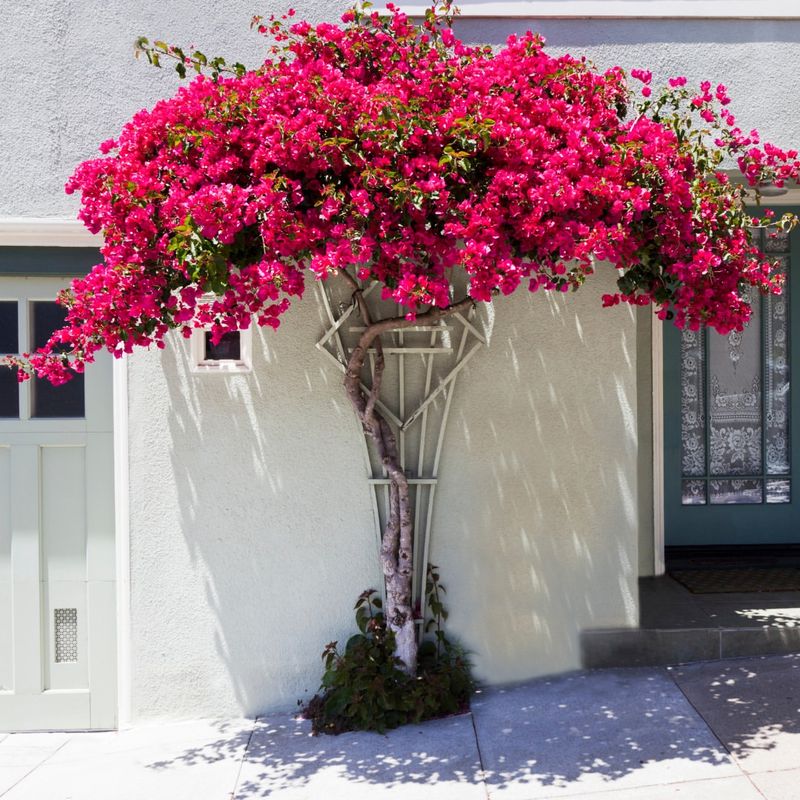
Bougainvillea in Arizona can grow fast and get out of hand before you realize it. Some vines stretch six to ten feet in a single season, climbing fences, walls, and whatever else they can grab onto.
Shaping those long runners before spring growth starts is one of the most practical things you can do to stay in control of the plant.
Focus on any vines that have pushed well beyond the space you intended them to fill. Cut them back to a reasonable length, keeping in mind that new growth will add another few feet once the warm weather arrives.
Cutting back to a strong lateral branch gives the plant a natural-looking shape instead of a choppy, blunt end.
Shaping also helps with flowering. Bougainvillea blooms on new growth, so encouraging the plant to push out fresh stems along a manageable framework leads to more blooms across the whole structure rather than just at the tips of runaway vines.
A well-shaped plant looks intentional and tends to be easier to maintain throughout the season.
For plants growing against a wall or fence in an Arizona yard, this is also a good time to retrain any vines that have drifted in an unwanted direction. Gently redirect stems and secure them loosely if needed.
Getting the structure right before the growth surge of spring saves a lot of frustration later when the heat picks up and the plant starts pushing out new growth rapidly.
6. Heavy Pruning Is Possible But Can Delay Flowering

Cutting a bougainvillea way back is not off the table, but you should go in knowing what to expect afterward. Heavy pruning, meaning cutting the plant down to its main structural branches or even close to the base, can rejuvenate an old or overgrown plant.
However, it also pushes back the flowering timeline by several weeks or even a couple of months.
Bougainvillea blooms on new wood, so after a hard cutback the plant first has to spend its energy growing fresh stems before it can even think about producing flowers. In Arizona, where the warm season is long, this is usually not a dealbreaker.
A plant pruned hard in February can still put on a strong show by late spring or early summer.
Deciding whether heavy pruning makes sense depends on the condition of the plant. If it has years of tangled, woody growth and has been producing fewer blooms each season, a dramatic cutback can reset the whole thing.
If the plant is still performing well, a lighter approach preserves the current structure and keeps flowers coming sooner.
After heavy pruning, give the plant a slow-release fertilizer formulated for flowering plants to help fuel the recovery. Water consistently but avoid overwatering, since bougainvillea roots do not like sitting in wet soil.
With Arizona’s reliable warmth and sunshine, a hard-pruned plant typically rebounds faster than it would in cooler climates, which makes this state a forgiving place to take that kind of risk.
7. Use Clean, Sharp Tools To Protect The Plant From Stress

Dull blades do more harm than most gardeners realize. When you cut a stem with a dull tool, you are essentially crushing and tearing the tissue rather than making a clean slice.
That ragged wound takes longer to close and leaves the plant open to infection, especially when Arizona temperatures start swinging between warm days and cool nights in early spring.
Sharp bypass pruners are the go-to tool for stems up to about half an inch in diameter. For thicker branches, a pair of loppers with clean, sharp blades handles the job without requiring you to force or twist the cut.
Forcing a dull blade through thick wood is also a good way to strain your wrist or hand.
Cleaning your tools before and after pruning is a habit worth building.
A quick wipe down with rubbing alcohol or a diluted bleach solution prevents spreading any fungal or bacterial issues from one part of the plant to another, or from plant to plant if you are working in multiple spots around your Arizona yard.
After each pruning session, take a few minutes to wipe the blades clean, dry them off, and apply a light coat of oil to prevent rust. Arizona air is dry, but tools left dirty or damp can still degrade faster than expected.
Keeping your equipment in good shape means it is always ready when you need it, and your bougainvillea gets the clean, precise cuts it deserves every single time.