6 Plants That Struggle In Arizona Caliche Soil And What To Plant Instead
Ever feel like you’re gardening on a concrete slab instead of soil? If your plants are struggling despite constant watering, you might be fighting a hidden enemy: caliche.
This rock-hard layer of calcium carbonate lurks beneath Arizona yards, acting like a subterranean wall that chokes roots and traps water.
Caliche doesn’t just block growth; it spikes soil pH and starves plants of vital nutrients like iron.
That doesn’t mean you can grow these finicky favorites at all in Arizona – many simply won’t thrive under these conditions.
But here’s the game-changer: you don’t have to fight the earth to have a stunning yard.
By swapping finicky favorites for desert-adapted powerhouses, you can create a vibrant, low-maintenance oasis that actually loves the intense Arizona sun and unique desert soil.
1. Roses and Arizona Caliche Soil Don’t Mix Well
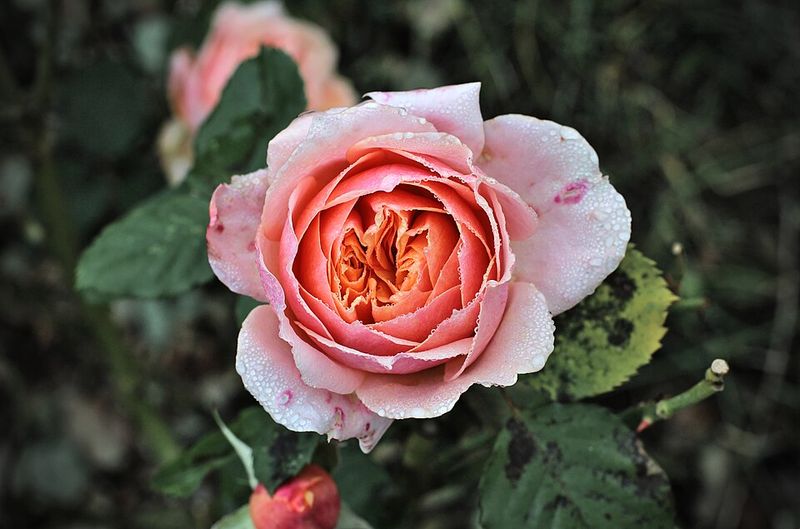
Growing roses in Arizona’s low desert can be a frustrating experience, and caliche soil is often a major reason why.
This dense, calcium-rich layer sits just inches below the surface in many Phoenix-area yards, blocking root penetration and causing water to pool rather than drain.
When roots cannot reach deeper, cooler soil, rose bushes become stressed during Arizona’s brutal summer heat.
Caliche also raises soil pH well above the slightly acidic range that roses prefer. High pH locks out iron, leading to chlorosis, where leaves turn yellow while veins stay green.
Even with heavy fertilizing and soil amendments, maintaining the right chemistry in caliche-heavy soil is an ongoing battle that many Arizona gardeners eventually lose.
Roses also demand consistent moisture, but caliche creates a bathtub effect where water sits stagnant near roots, promoting root rot rather than healthy growth.
At higher elevations like Prescott, where soils may be less extreme, roses can perform somewhat better, but in the Phoenix basin they tend to struggle.
If you love the look of blooming shrubs in your landscape, there are far more soil-tolerant options worth exploring instead.
2. Texas Sage: A Smarter, Low-Maintenance Swap
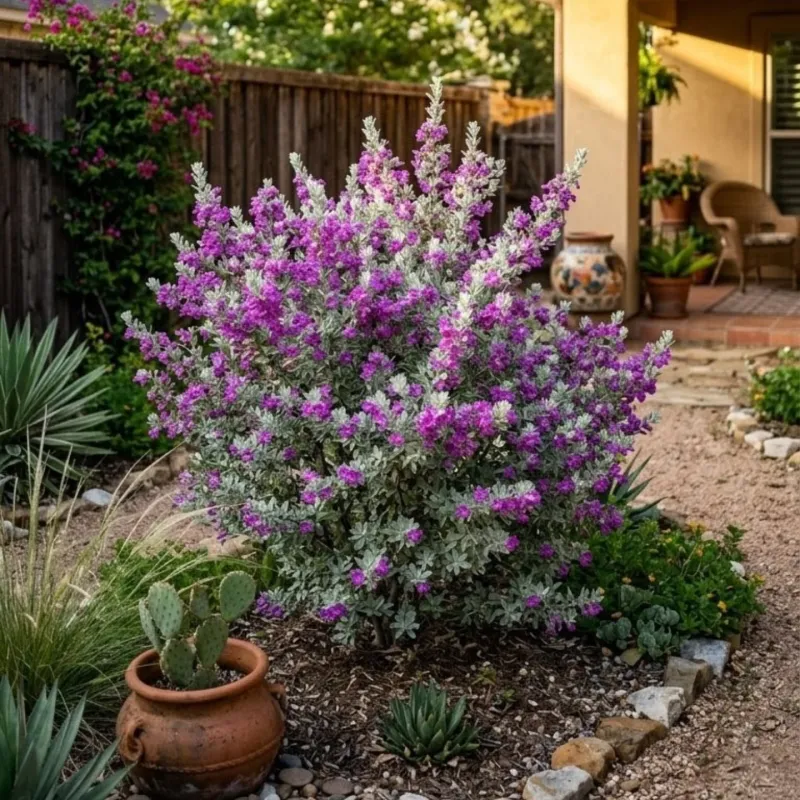
Few shrubs put on a showstopper display quite like Texas Sage after a monsoon rain rolls through Arizona.
Officially known as Leucophyllum frutescens, this silvery-leafed beauty practically explodes with purple, pink, or white flowers within days of a good soaking.
Arizona gardeners have come to call it the “barometer bush” because its blooms seem to predict incoming moisture.
Unlike roses, Texas Sage was practically built for caliche. Its roots are tough and adaptable, handling compacted, alkaline, and nutrient-poor soils without complaint.
The plant thrives in the reflected heat of Phoenix walls, medians, and xeriscape gardens, asking for very little once it gets established. It tolerates drought remarkably well and rarely needs supplemental fertilizer.
Texas Sage grows into a naturally rounded shrub reaching four to eight feet tall and wide, making it useful as a hedge, screen, or accent plant.
In Arizona’s low desert, it typically blooms multiple times from summer through fall, especially after humidity spikes.
Your Arizona Garden Changes Every Week. Your Plan Should Too.
Gardening in Arizona changes quickly throughout the season. Every Friday you’ll receive a simple weekly plan showing exactly what to plant, prune, fertilize, harvest, and protect so you never miss the right timing.
Pruning should be minimal since heavy shearing can reduce blooms and distort its natural shape. For gardeners replacing struggling roses, Texas Sage delivers reliable seasonal color with a fraction of the maintenance.
3. Shasta Daisies Can Struggle In Alkaline Caliche Soil
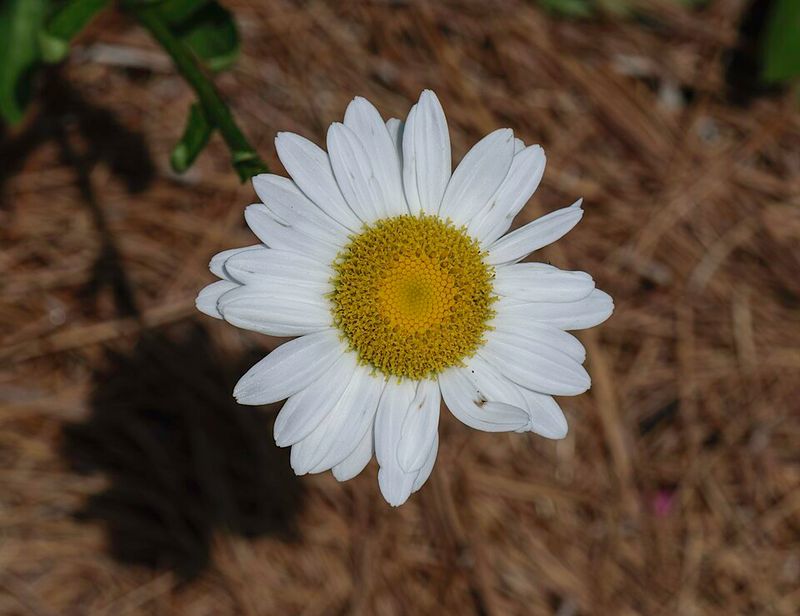
Shasta daisies are cheerful, familiar flowers that gardeners across the country enjoy, but Arizona’s caliche soils can make them difficult to sustain.
These classic white-petaled perennials prefer loose, well-drained soil with a near-neutral to slightly acidic pH, conditions that are hard to maintain when caliche is lurking beneath the surface.
The hardpan layer prevents water from escaping, which leads to root-zone saturation that Shastas cannot handle for long.
Nutrient uptake is another challenge. Caliche’s high calcium carbonate content raises soil pH significantly, which limits how well plants can absorb iron, manganese, and other essential micronutrients.
Shasta daisies deprived of iron often show pale, washed-out foliage rather than the deep green leaves that support healthy blooming.
In Phoenix and the surrounding low desert, summer temperatures above 110 degrees compound these soil-related stresses considerably.
Even with soil amendments and raised beds, Shastas in Arizona often behave more like short-lived annuals than the reliable perennials they are in cooler, more acidic regions.
Gardeners in Flagstaff or higher-elevation areas may find slightly better results due to cooler temperatures and different soil profiles.
Still, if you want long-lasting daisy-type blooms without constant intervention, a more heat-adapted alternative is worth considering.
4. Blanketflower: Heat-Tolerant Color That Lasts
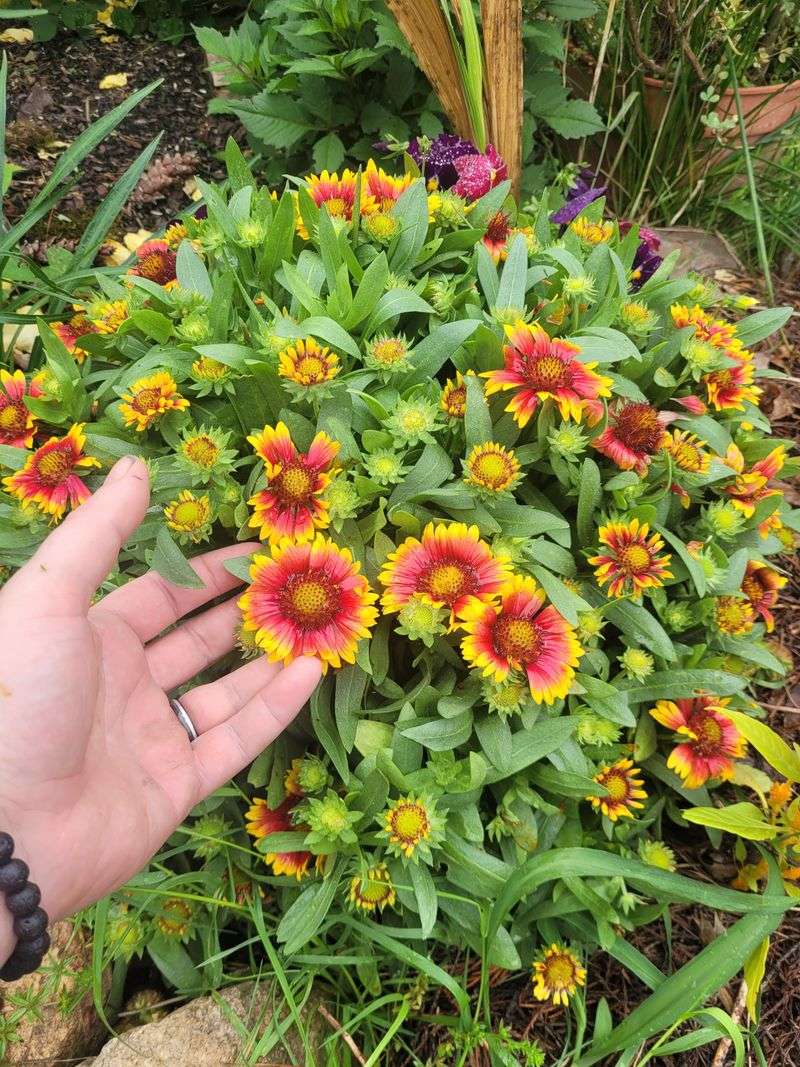
Blazing Arizona summers that send most flowers into retreat are exactly the conditions that make Blanketflower shine.
Gaillardia, commonly called Blanketflower, produces bold red, orange, and yellow blooms that look like tiny sunsets scattered across the garden.
Native to North America’s grasslands and desert edges, this plant has a natural toughness that makes it well-suited to Arizona’s challenging growing conditions.
Blanketflower handles alkaline, rocky, and sandy soils with ease, which means caliche-heavy Arizona ground is far less of an obstacle for it than for Shasta daisies.
Good drainage is actually one of its preferences, so the slightly raised, dry conditions that form around caliche layers can work in its favor.
Once established, Blanketflower needs very little supplemental water, making it a smart choice for water-conscious Arizona landscaping.
In the low desert, Blanketflower blooms prolifically from spring through fall, often pausing only during the most intense summer heat before rebounding with monsoon moisture.
Deadheading spent flowers encourages continued blooming, though the plant self-seeds readily if some flowers are left in place.
It pairs beautifully with other desert-adapted plants like desert marigold and globe mallow, creating a wildflower-style garden that feels vibrant and natural without demanding constant attention.
5. Azaleas Struggle With Desert Heat And High pH Soils
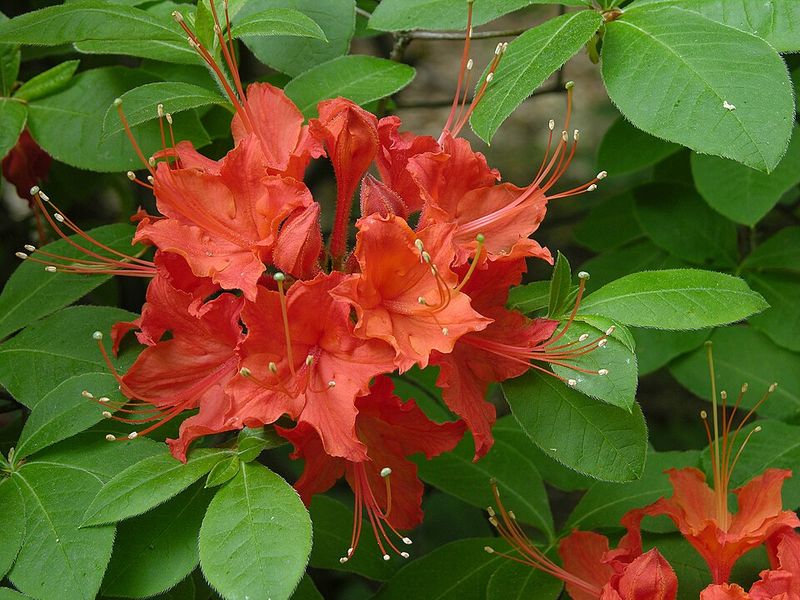
Azaleas are one of the most beloved flowering shrubs in American gardens, but Arizona is genuinely one of the hardest places to grow them successfully.
These acid-loving plants thrive in rich, moist, well-drained soils with a pH between 4.5 and 6.0, conditions that are essentially the opposite of what caliche-heavy Arizona soils provide.
When planted in alkaline desert ground, azaleas often show severe iron chlorosis within a single growing season.
The combination of high soil pH, intense sun, low humidity, and summer temperatures regularly exceeding 110 degrees in Phoenix creates a compounding stress environment for azaleas.
Even when gardeners work hard to acidify the soil with sulfur and peat moss, maintaining those conditions long-term against the buffering power of caliche is exhausting and often unsuccessful.
Roots that encounter a caliche hardpan have nowhere to go and become waterlogged during irrigation cycles.
Some gardeners in Tucson or mid-elevation Arizona areas have reported modest success growing azaleas in deep shade with heavily amended soil, but these results require significant ongoing effort.
For most Arizona landscapes, the investment rarely pays off.
Choosing a plant that genuinely matches the soil and climate conditions available will save time, water, and frustration over the long run.
6. Autumn Sage: Vibrant Blooms For Dry Gardens
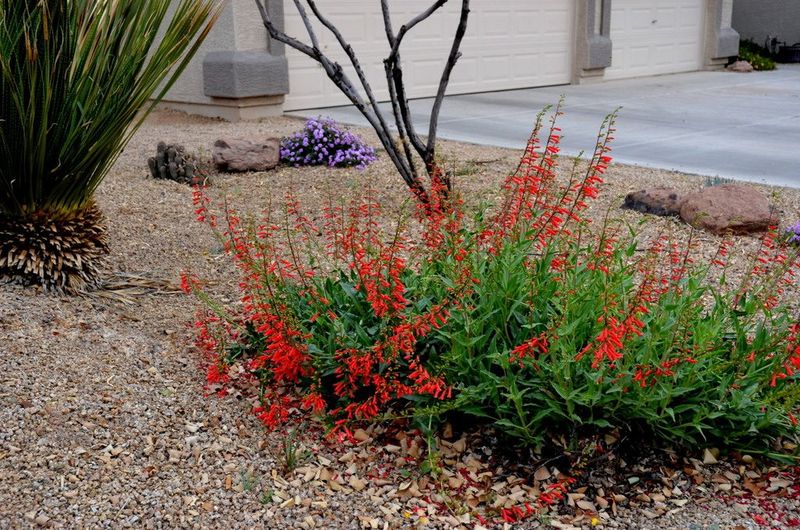
Walk through any well-designed Arizona xeriscape garden and you will likely spot the cheerful red, coral, or pink blooms of Autumn Sage catching the light.
Salvia greggii, native to Texas and northern Mexico, is a natural fit for Arizona’s dry, alkaline, caliche-prone landscapes.
Where azaleas fade and struggle, Autumn Sage settles in and blooms reliably across multiple seasons.
One of its most practical qualities is a genuine tolerance for poor, rocky, and alkaline soils. Caliche layers that would trap moisture and stress acid-loving shrubs barely register as an obstacle for Autumn Sage’s deep, drought-adapted roots.
Once established, it handles long dry spells between waterings and bounces back quickly after monsoon rains with fresh flushes of color.
In Arizona’s low desert, Autumn Sage typically blooms from early spring through late fall, with a natural slowdown during the most intense summer heat. A light trim after each bloom cycle encourages denser growth and more flowers.
Hummingbirds are drawn to its tubular blooms, adding lively wildlife interest to the garden. Growing two to three feet tall and wide, it fits neatly into borders, rock gardens, or mixed desert plantings without overwhelming neighboring plants.
It is one of the most rewarding low-effort shrubs available to Arizona gardeners.
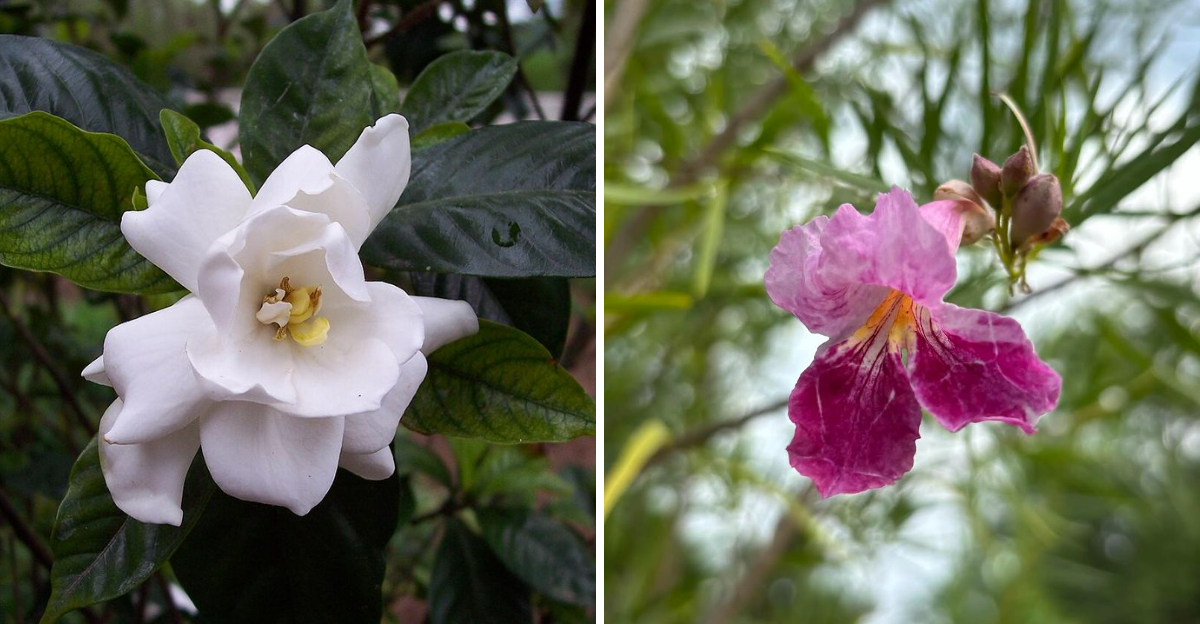
7. Gardenias Don’t Thrive In Compact, Alkaline Desert Soil
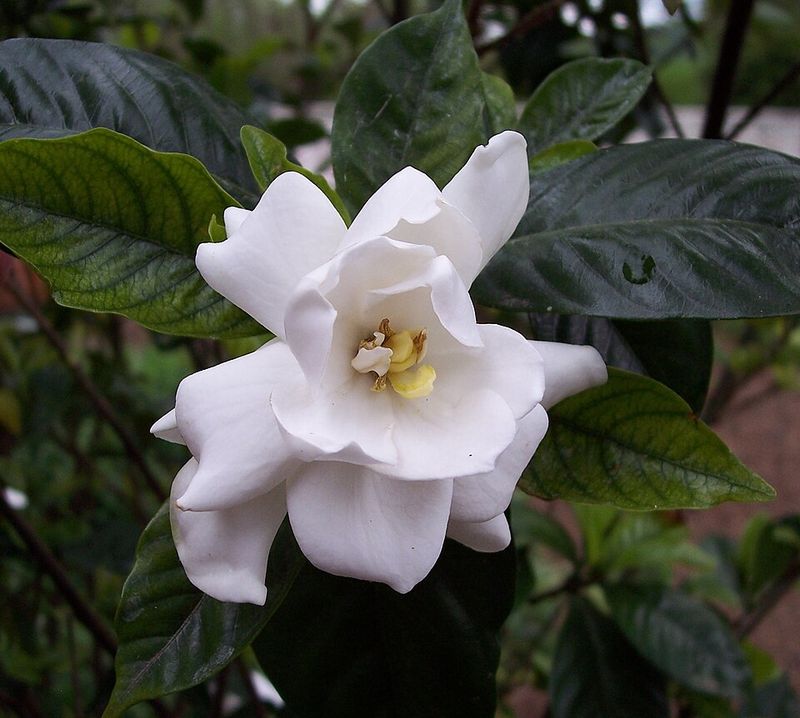
The fragrance of a gardenia in full bloom is hard to match, but coaxing that scent out of an Arizona garden is a tall order.
Gardenias are tropical plants that demand humid air, consistent moisture, acidic soil with a pH between 5.0 and 6.5, and protection from intense afternoon sun.
Arizona’s low desert delivers almost none of those conditions naturally, and caliche soil makes the challenge even steeper.
When gardenias encounter caliche hardpan, their roots become confined to a shallow layer of soil that heats up rapidly and dries out unevenly.
The high pH caused by calcium carbonate in caliche blocks iron absorption, which gardenias need urgently for healthy dark green foliage.
Without adequate iron, leaves turn yellow and flower production drops dramatically. Even container-grown gardenias placed in acidified potting mix can struggle once Arizona’s summer heat pushes temperatures past 100 degrees.
Arizona’s low relative humidity, often dropping below 15 percent during late spring, is another factor that stresses gardenias regardless of soil conditions.
Bud drop is common when humidity is too low during flower development.
Gardeners who want fragrant flowering shrubs in their Arizona landscape will find much greater success exploring native and desert-adapted alternatives that do not require constant soil correction and environmental modification to survive.
8. Desert Willow: Elegant Flowers Built For Arizona
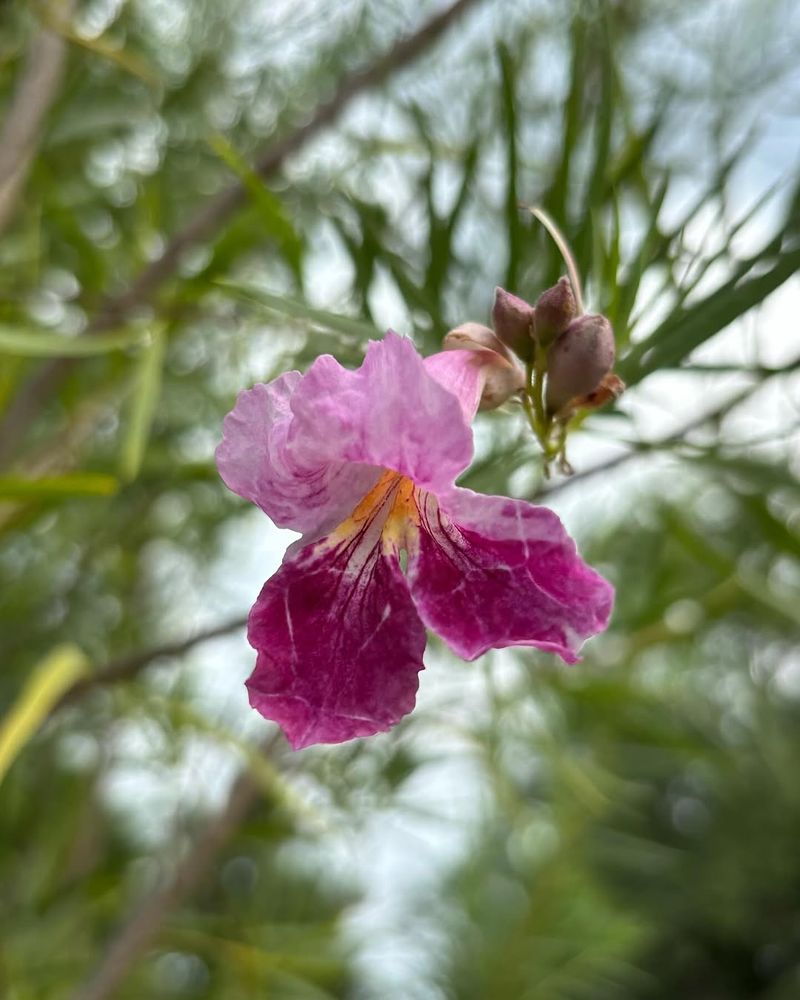
There is something quietly spectacular about a Desert Willow in full bloom along an Arizona wash or garden border.
Chilopsis linearis produces long, trumpet-shaped flowers in shades of pink, lavender, white, and deep magenta from late spring through fall, drawing hummingbirds and pollinators throughout the warm months.
Despite its common name, it is not a true willow but a member of the Bignonia family, closely related to the Catalpa tree.
What makes Desert Willow exceptional for Arizona gardens is its native adaptability to exactly the conditions that send gardenias into decline.
It evolved along desert washes where caliche layers, rocky soils, and intermittent flooding are the norm rather than the exception.
Its deep, flexible root system navigates compacted layers with far greater ease than shallow-rooted ornamentals, and it handles the full force of Phoenix summer heat without missing a beat.
Desert Willow grows quickly to 15 to 25 feet tall, providing light filtered shade that Arizona patios benefit from during the hottest months.
It is deciduous, dropping its leaves in winter, which some gardeners find preferable since the bare branches have an elegant sculptural quality.
Water needs are low once established, and the tree rarely requires fertilizer in native desert soils. For a small to medium-sized flowering tree in an Arizona landscape, Desert Willow is a standout choice.
9. Camellias Are Sensitive To Arizona’s Sun And Soil
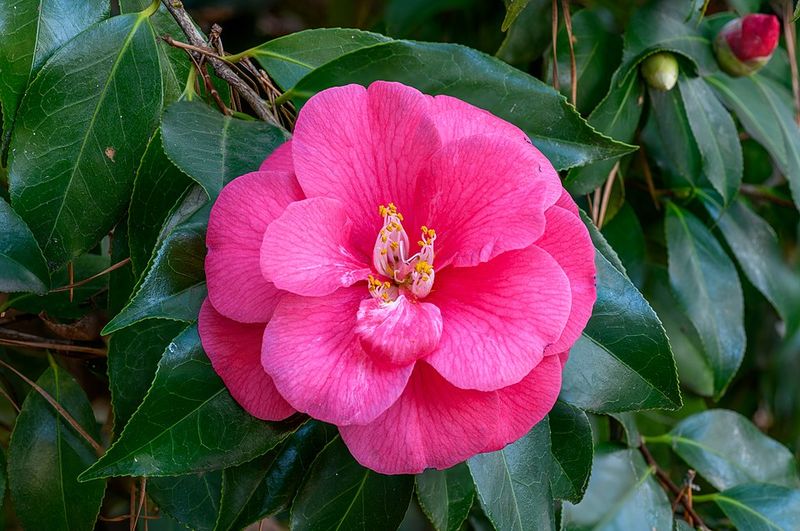
Camellias have a devoted following in the southeastern United States, where mild winters and acidic, humus-rich soils let them flourish into large, glossy-leafed shrubs covered in elegant blooms. Transplanting that success to Arizona is a different story.
Camellias require soil pH between 5.5 and 6.5, consistent moisture, and protection from intense afternoon sun, conditions that Arizona’s caliche-heavy desert soils make nearly impossible to sustain outdoors.
Caliche raises soil pH dramatically, and the calcium carbonate content that gives it that white chalky appearance actively interferes with the acidic conditions camellias need.
Iron deficiency chlorosis sets in quickly, turning leaves pale and yellow while reducing the plant’s energy for blooming.
Even in partially shaded spots, Arizona’s soil temperature in summer can climb high enough to damage camellia roots, which prefer cooler, more stable ground conditions.
Some Arizona gardeners have experimented with growing camellias in large containers filled with specially formulated acidic potting mix, placed in protected north or east-facing spots.
While this approach can yield modest results, it requires regular monitoring of soil pH, careful irrigation management, and protection from wind.
The effort involved is considerable. For gardeners who want a lush, flowering shrub without the constant soil correction, desert-adapted alternatives offer a far more satisfying and sustainable path forward.
10. Red Yucca: Striking Blooms With Minimal Care
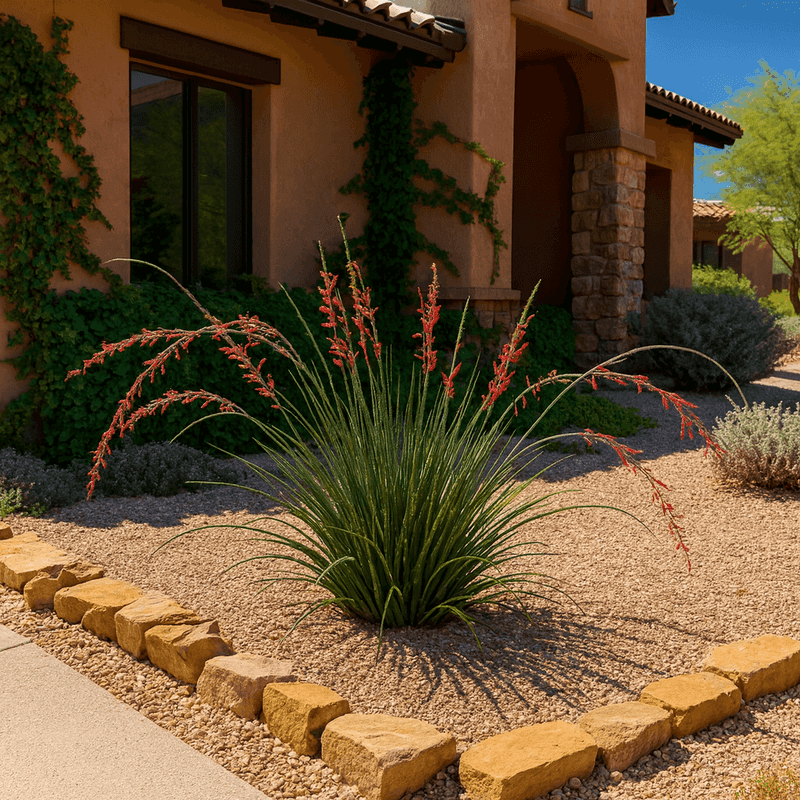
Coral-red flower spikes rising four to five feet above arching, grass-like foliage make Red Yucca one of the most visually dramatic plants available to Arizona gardeners.
Despite its common name, Hesperaloe parviflora is not a true yucca but a close relative that shares the same tough-as-nails desert resilience.
Hummingbirds treat its tubular flowers like a favorite restaurant, returning repeatedly throughout the blooming season from spring into summer.
Red Yucca thrives in the kinds of soils that send camellias into distress. Caliche, rocky ground, sandy mixes, and high-pH alkaline conditions are not obstacles for this plant – they are essentially home turf.
Its roots are adapted to navigate compacted layers and reach moisture stored deep in desert soil profiles.
Established plants need very little supplemental irrigation in Arizona, making them a natural fit for low-water landscaping requirements that many municipalities now encourage.
In the low desert, Red Yucca is essentially evergreen, with its strap-like leaves staying attractive year-round. It grows slowly into a clumping form about two to three feet tall and wide, making it easy to incorporate into borders, rock gardens, or containers.
Cold hardiness is solid down to around 0 degrees Fahrenheit, so it performs well across Arizona’s varied elevation zones from Phoenix to Prescott. Few plants deliver this much visual interest for so little effort.
11. Hydrangeas Can Suffer In Low-Nutrient, Alkaline Soil
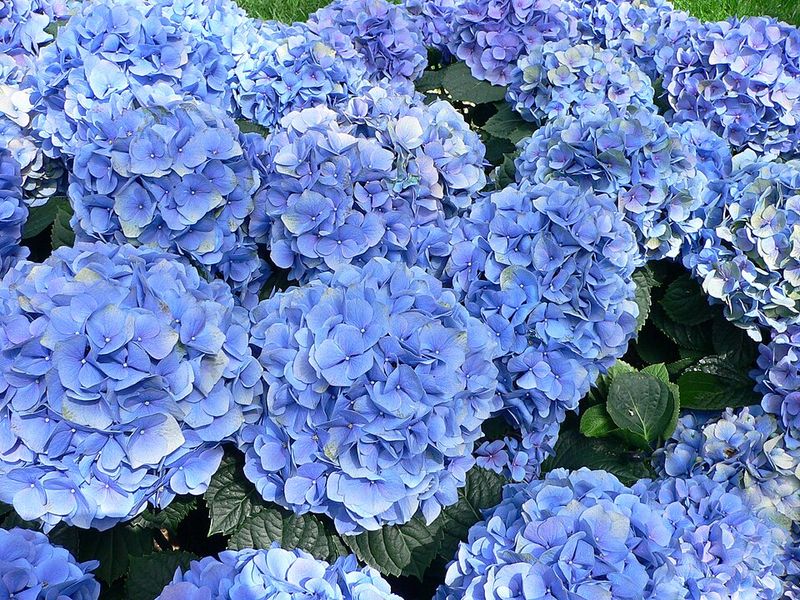
Hydrangeas are dream plants for many gardeners, with their massive flower heads and lush green foliage creating a cottage-garden look that feels lush and romantic. In Arizona, however, that dream often runs into the hard reality of caliche soil.
Hydrangeas need rich, well-draining, slightly acidic to neutral soil to produce their signature blooms, and caliche delivers almost the opposite: compacted, alkaline, nutrient-poor conditions that stress these moisture-loving shrubs from the start.
Iron and manganese deficiencies are especially common when hydrangeas are planted in caliche-heavy Arizona soil.
Without these micronutrients, the large leaves that hydrangeas are known for turn pale and sickly, reducing the plant’s ability to photosynthesize and produce energy for flowering.
Even regular applications of chelated iron can provide only temporary relief when the underlying soil chemistry keeps working against the plant.
Hydrangeas also suffer in Arizona’s dry air and intense sun. Afternoon sun exposure in Phoenix can cause severe leaf scorch even when soil moisture is adequate.
Gardeners sometimes manage to grow hydrangeas in deep shade with heavily amended soil and frequent irrigation, but the results are rarely as impressive as what these plants achieve in cooler, more humid climates.
Selecting plants that genuinely suit Arizona’s conditions leads to a healthier, more rewarding garden with less ongoing frustration.
12. Lantana: Colorful, Drought-Tolerant Desert Shrub
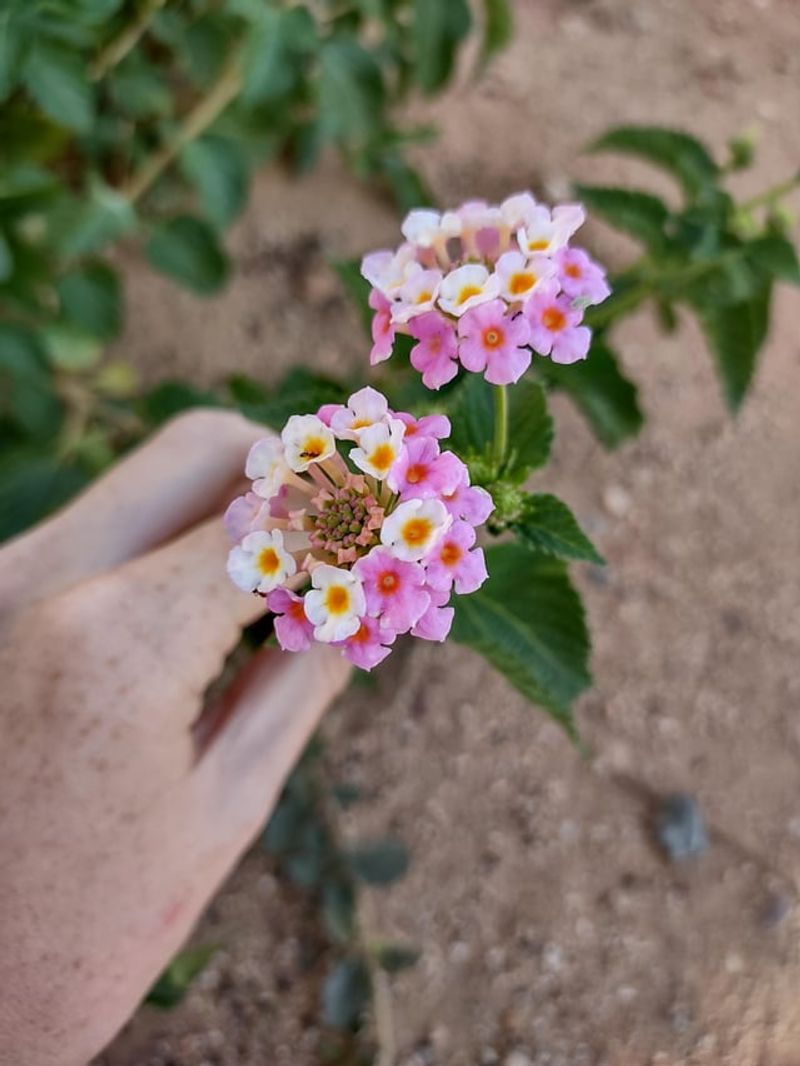
Intense heat, dry soil, and relentless sun are no match for Lantana, which seems to bloom more enthusiastically the hotter Arizona gets.
This sprawling, colorful shrub produces dense clusters of tiny flowers in combinations of orange, yellow, pink, red, and white, creating a mosaic effect that draws butterflies by the dozens.
For gardeners transitioning away from high-maintenance plants like hydrangeas, Lantana offers an immediate visual payoff with almost no soil prep required.
Caliche soil that would waterlog and stress hydrangeas actually suits Lantana’s drainage preferences reasonably well. Lantana originated in tropical and subtropical regions of the Americas where soils are often poor, rocky, and fast-draining.
Its roots adapt well to compacted and alkaline conditions, and established plants handle extended dry periods without significant decline.
In Arizona’s low desert, Lantana often blooms from early spring all the way through the first cool nights of November.
Lantana grows vigorously in Phoenix-area landscapes, sometimes reaching three to four feet tall and spreading several feet wide in a single season.
Trailing varieties work well in containers or spilling over retaining walls, while upright types fill large border spaces efficiently.
It is worth noting that Lantana berries can be harmful to pets and children, so placement in the landscape should be considered thoughtfully. Regular deadheading is optional but can encourage denser, more continuous blooming throughout the season.