The Benefits Of Spring Pruning And Trimming Plants In Georgia Gardens
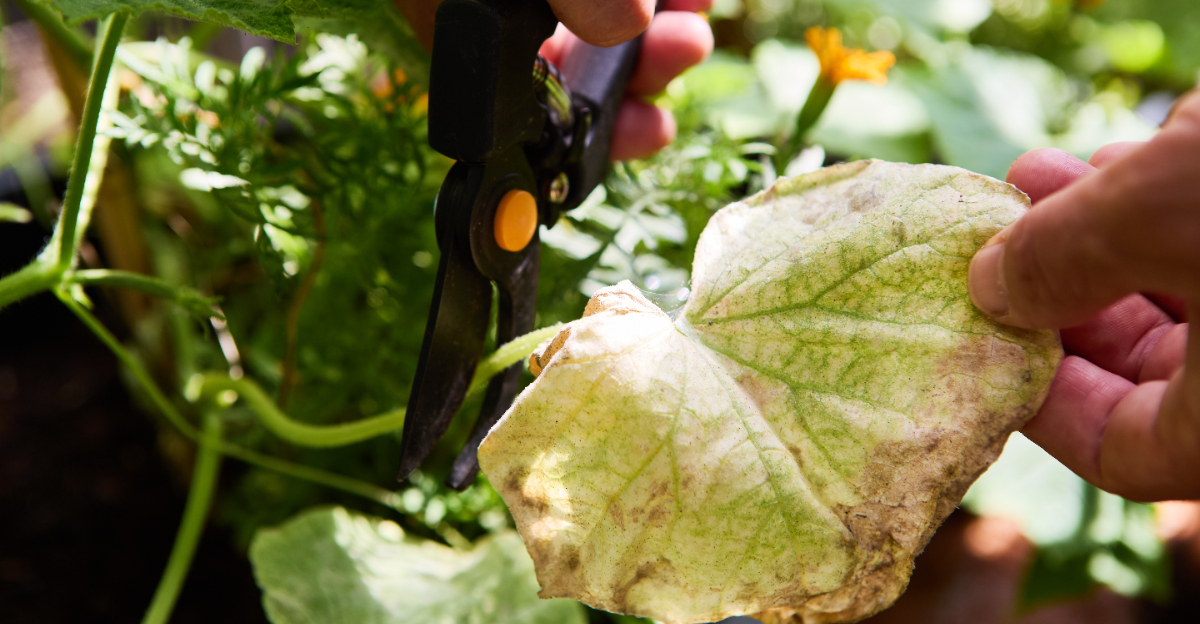
Gardeners across Georgia often reach for their pruners once the weather begins warming up.
After winter, many plants look crowded, uneven, or full of older wood, and a quick trim can feel like the easiest way to refresh the garden before the growing season takes off.
But spring pruning is not just about tidying things up.
When done at the right moment, trimming plants can actually help them grow stronger, fuller, and more balanced through the long Georgia growing season.
Removing weak or damaged branches allows plants to focus their energy on healthy new shoots, while better airflow and sunlight through the plant can reduce common issues during Georgia’s warm, humid months.
A thoughtful spring trim can set the tone for the entire season. Done properly, it encourages vigorous growth, better flowering, and healthier plants that hold up far better once summer heat arrives.
1. Cleaner Structure Before Growth Begins
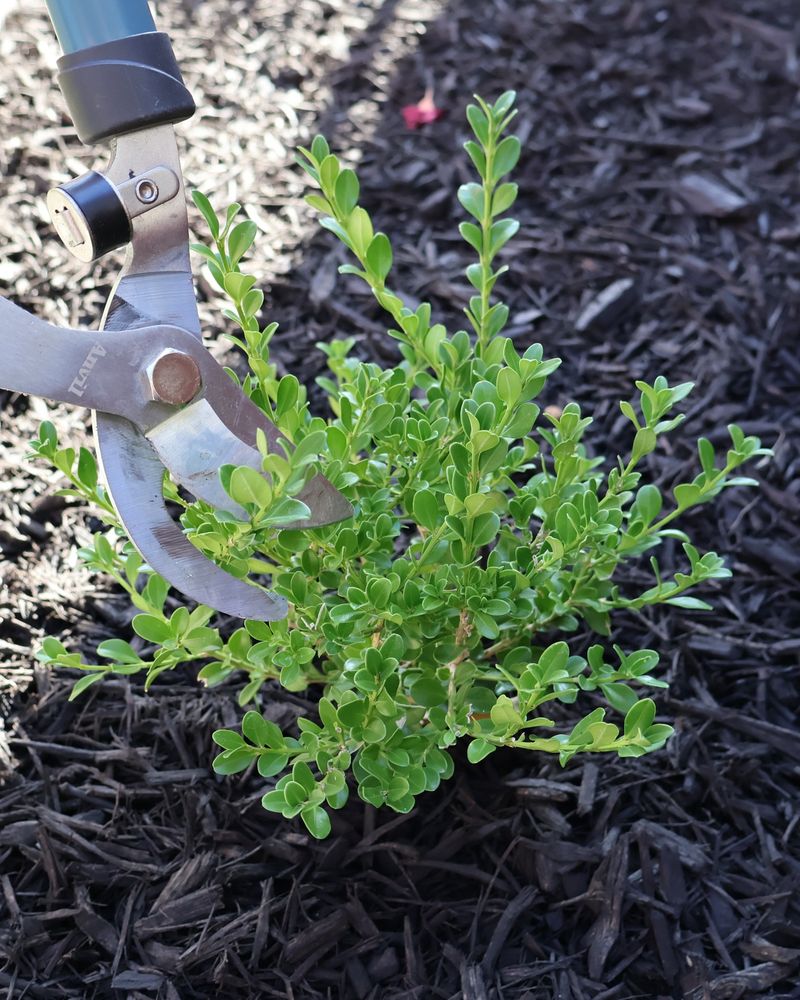
Before a plant has the chance to push out a single new leaf, spring pruning gives you total control over its shape. Right now, while branches are still bare or just barely budding, you can actually see the full structure of the plant.
That visibility disappears fast once Georgia’s warm weather kicks in and foliage fills everything in.
Cutting back now means you are working with a clear picture. You can spot crossing branches, awkward angles, and weak spots that would otherwise stay hidden under a canopy of leaves.
Removing those problem areas early sets the plant up with a clean, balanced framework before it puts energy into new growth.
Gardeners across Georgia, from the suburbs of Atlanta to the coastal yards of Brunswick, know that plants allowed to grow without direction tend to get messy fast. A shrub that goes unchecked through one spring can double its tangled growth by summer.
Cleaning that up mid-season is twice the work and far more stressful for the plant.
Starting with a clean slate in early spring means less corrective work later. You are guiding the plant, not fighting it.
Roses, ornamental grasses, crape myrtles, and fruit trees all respond well to structural pruning before the growing season kicks into gear.
Just a few clean cuts at the right time can redirect a plant’s entire energy into productive, well-organized growth rather than a chaotic tangle of stems going in every direction.
2. Stronger New Shoots In Warm Weather
Pruning right before Georgia’s warm season hits is like clearing the runway before a plane takes off.
When you remove old, weak, or spent wood, the plant is free to channel everything it has into producing strong new shoots instead of wasting resources on struggling stems.
Plants do not have unlimited energy. Every branch, even a weak or damaged one, draws from the plant’s overall reserves.
Cutting back unproductive growth in early spring forces the plant to redirect that energy into fresh, vigorous shoots that grow faster, stay stronger, and hold up better through Georgia’s brutal summer heat.
Your Georgia Garden Changes Every Week. Your Plan Should Too.
Gardening in Georgia changes quickly throughout the season. Every Friday you’ll receive a simple weekly plan showing exactly what to plant, prune, fertilize, harvest, and protect so you never miss the right timing.
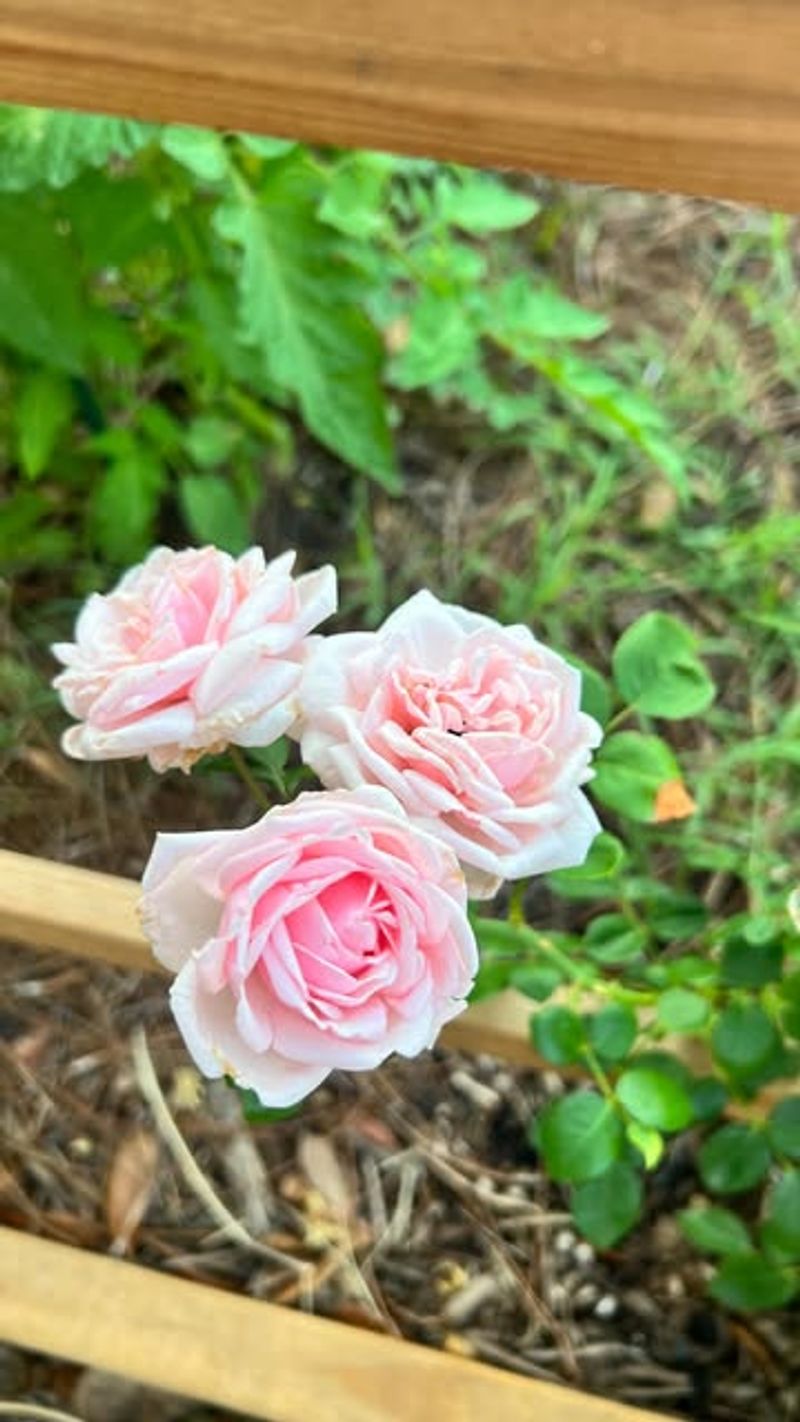
Shrub roses are a great example. Left unpruned, they tend to put out spindly, weak canes that bend and break easily.
Cut them back properly in late winter or early spring, and the new canes that emerge are thicker, more upright, and much more capable of producing full, healthy blooms through the season.
Warm weather in Georgia arrives quickly and with intensity. Plants that enter the growing season already pruned have a real head start.
Their new shoots harden off faster and develop root support more efficiently than growth coming off old, cluttered wood.
Across Georgia’s varied regions, from the Piedmont to the coastal plain, gardeners who prune consistently before warm weather arrives tend to see noticeably more robust growth compared to plants left to their own devices.
A small investment of time in spring pays off visibly by June.
3. Better Airflow During Humid Months
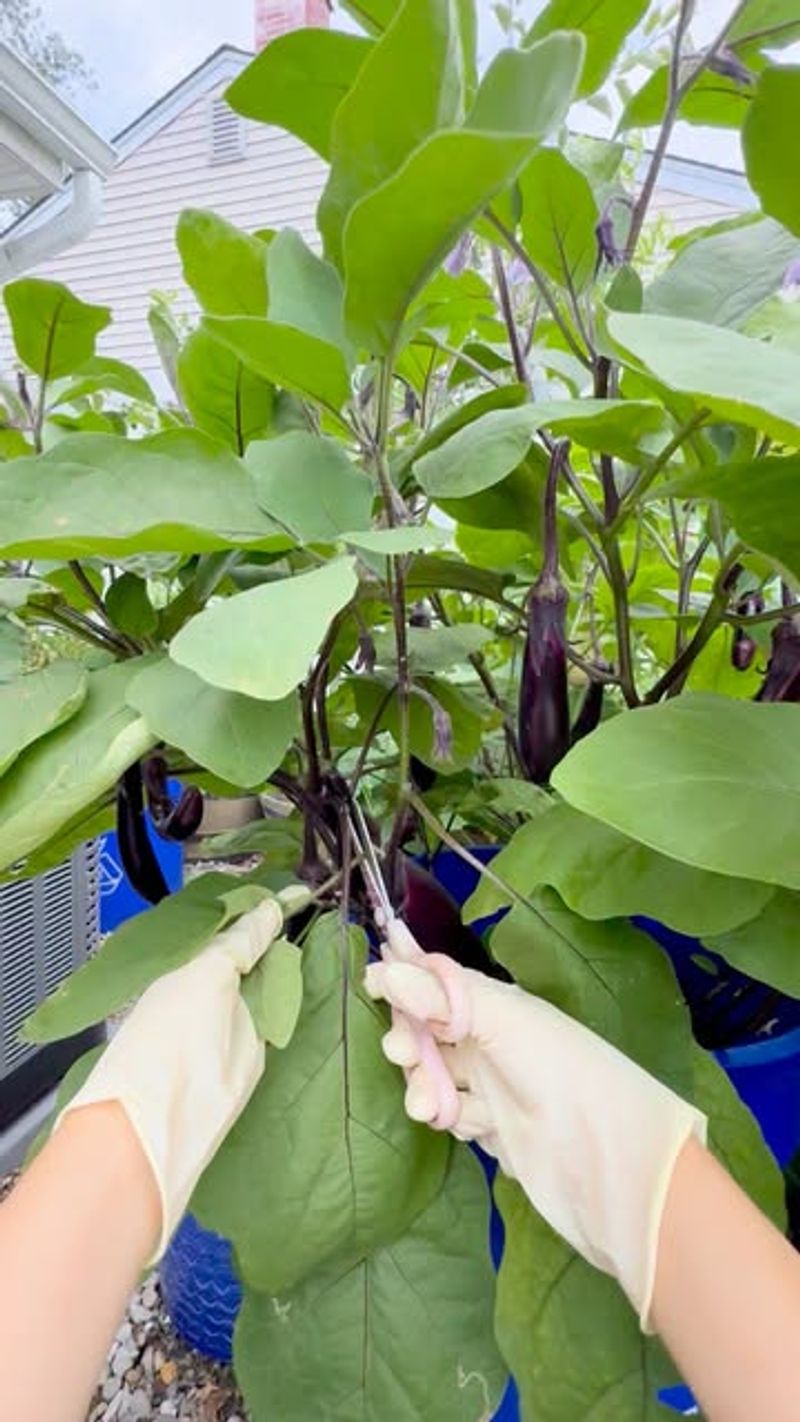
Georgia summers are no joke when it comes to humidity. Thick, overgrown plants trap moisture between their branches like a sponge, and that trapped moisture creates the perfect conditions for fungal problems to take hold.
Spring pruning is one of the most practical ways to get ahead of that issue before it starts.
Opening up the interior of a plant by removing crowded or crossing branches allows air to move freely through the canopy. Moving air dries leaf surfaces faster after rain or morning dew, which makes it much harder for fungal spores to get a foothold.
Powdery mildew, black spot on roses, and leaf blight are all conditions that thrive in stagnant, moist air.
Gardeners in coastal Georgia cities like Savannah and Brunswick deal with especially high humidity for months at a stretch. Even inland areas around Macon and Columbus see enough summer humidity to cause real problems in dense, unpruned plantings.
A little strategic thinning in spring can dramatically reduce the need to spray fungicides all summer long.
Thinning does not mean stripping a plant bare. It means selectively removing branches that cross, rub, or crowd each other, leaving the plant with an open, airy center while keeping its natural form intact.
Azaleas, viburnums, hollies, and even ornamental trees benefit from this kind of careful thinning.
Plants with good airflow just look healthier, and in Georgia’s humid climate, that difference between a thinned plant and an overgrown one becomes obvious by midsummer.
4. More Sunlight Reaches Inner Branches
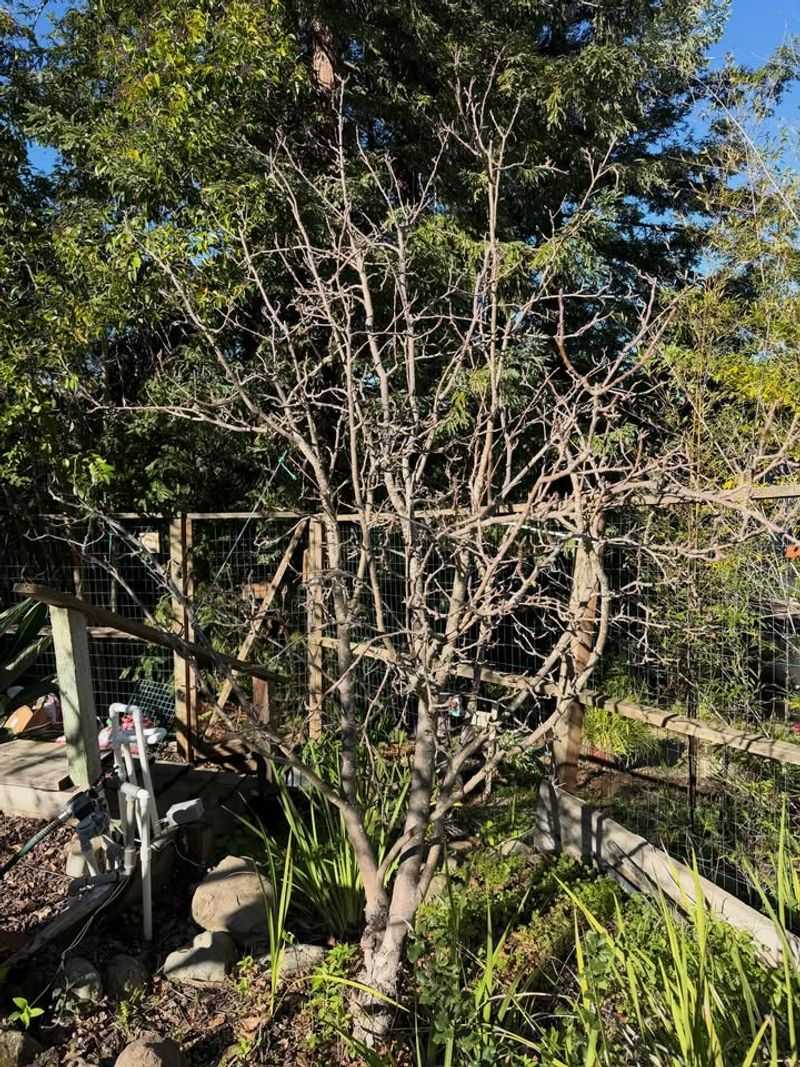
Sunlight is fuel. Without it reaching deep into a plant’s structure, the inner branches gradually weaken and stop producing.
Spring pruning opens up the canopy so that light can penetrate all the way to the center of the plant, not just the outermost layer of leaves.
Fruit trees in Georgia, especially peaches and apples, are classic examples of plants that need this kind of light management.
Georgia is famous for its peaches, and experienced growers know that a dense, unpruned canopy means shaded fruit that stays small and poorly colored.
Removing select branches in early spring lets sunlight reach developing fruit throughout the whole tree, not just on the tips of outer branches.
Ornamental shrubs benefit just as much. Gardenias, for instance, tend to develop a thick outer shell of foliage while the inner branches slowly decline from lack of light.
Selective pruning breaks that pattern and allows interior growth to stay green and productive. You end up with a fuller, healthier plant rather than a hollow-looking shell with all the action happening on the outside edge.
In Georgia’s long growing season, maximizing light exposure from the start of spring pays off through the entire year. Plants with well-lit interiors tend to have more balanced growth and respond better to summer heat.
Whether you are growing blueberries in the Georgia Piedmont or ornamental shrubs in an Atlanta suburb, improving light distribution through smart spring pruning gives every branch a fair shot at producing strong, healthy growth all season long.
5. Controlled Size Before Rapid Growth
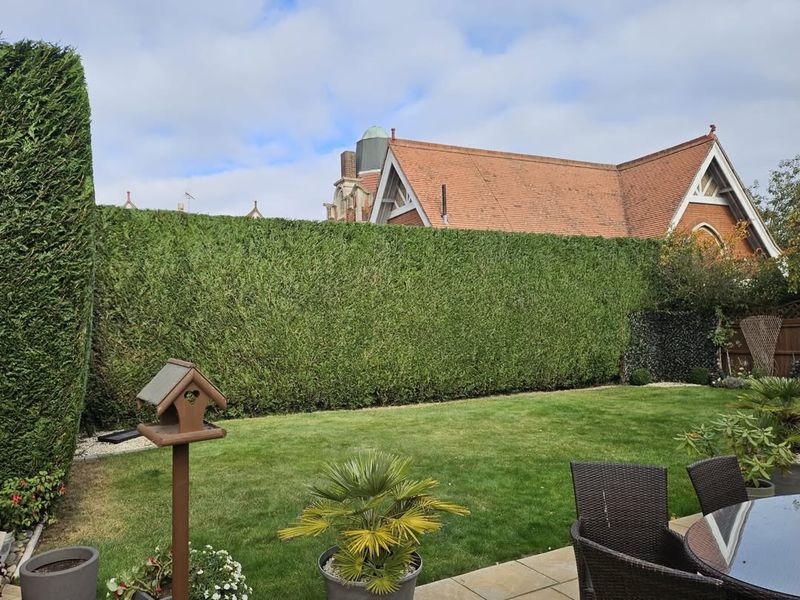
Georgia plants grow fast. The combination of long warm seasons, abundant rainfall, and rich soil in many parts of the state means that a shrub you trimmed in fall can easily double in size before summer is over.
Getting ahead of that growth in spring is the smartest move you can make for keeping your garden manageable.
Pruning before the big spring push allows you to set the size you actually want, not just react to whatever the plant decides to do.
Boxwoods along a walkway, ligustrums used as privacy hedges, and loropetalum planted near a foundation all have a habit of outgrowing their space quickly if left unchecked.
A few well-timed cuts in early spring establish clear boundaries before rapid growth begins.
Trying to control a plant that has already exploded into summer growth is frustrating work. Heavy pruning in the middle of a hot Georgia summer can stress plants significantly.
But trimming in early spring, before growth accelerates, is far less taxing on the plant and far less work for the gardener.
Foundation plantings are a common concern for Georgia homeowners. Shrubs that creep too close to the house can trap moisture against siding, block windows, or create hiding spots for pests.
Bringing them back to a controlled size in spring prevents all of those problems from developing.
Consistent spring trimming year after year also encourages denser, more compact growth habits, making the plants easier to manage over time without requiring dramatic cutbacks that take seasons to recover from.
6. Improved Flower And Fruit Production
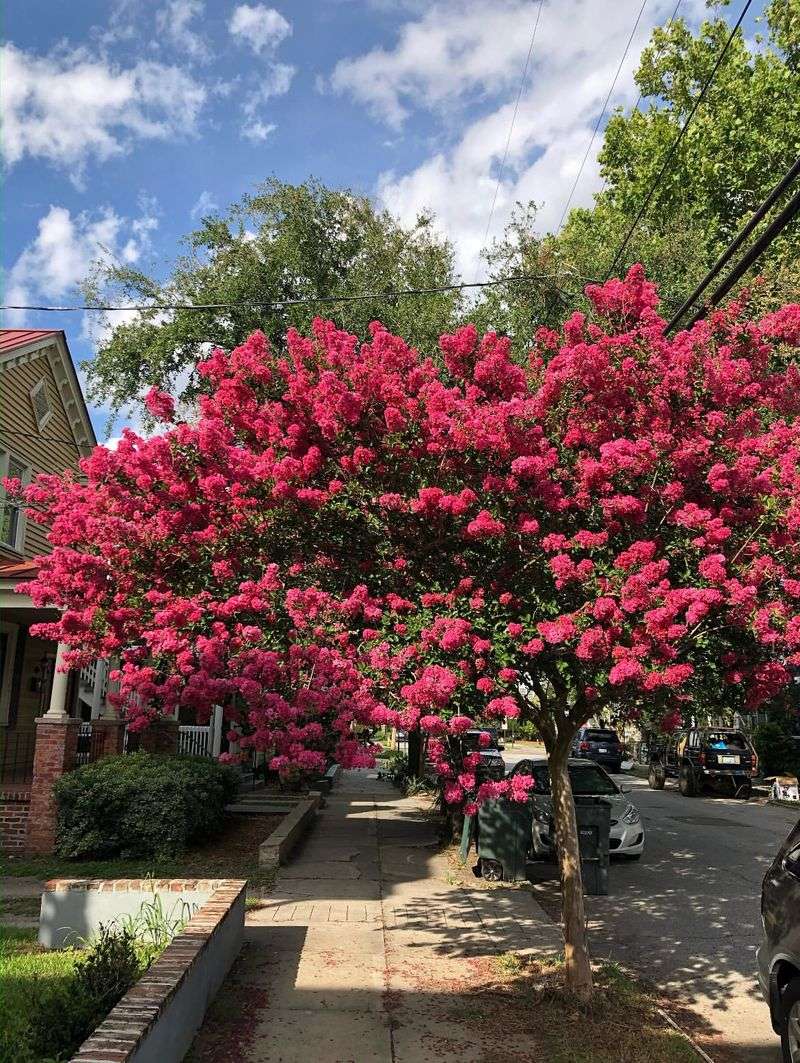
Ask any experienced Georgia gardener and they will tell you the same thing: the plants that get pruned properly in spring almost always outperform the ones that do not. More flowers, bigger blooms, and better fruit are not accidents.
They are the direct result of smart pruning that redirects the plant’s energy where it counts most.
Summer-blooming shrubs like crape myrtles, panicle hydrangeas, and shrub roses all produce flowers on new growth.
Cutting them back in early spring encourages a flush of vigorous new stems that carry far more flower buds than old, woody growth ever would.
Gardeners across Georgia who prune their crape myrtles correctly, rather than topping them brutally, see fuller canopies and more blooms every single season.
Fruit production follows the same logic. Peach trees, blueberry bushes, and fig trees all respond to pruning with increased productivity.
Removing old or unproductive wood pushes the plant to invest in fruit-bearing branches instead of maintaining growth that contributes nothing.
Georgia’s warm climate already gives fruit trees a long productive window, and pruning extends and maximizes that window significantly.
Timing matters a lot here. Spring-flowering shrubs like azaleas and camellias should be pruned right after they finish blooming, not before.
Cutting them before bloom removes the flower buds that formed over winter. For summer bloomers and fruiting plants, late winter to early spring is the ideal window.
Getting the timing right for each specific plant in your Georgia garden makes all the difference between a good season and a truly impressive one.
7. Less Risk Of Pest And Disease Issues
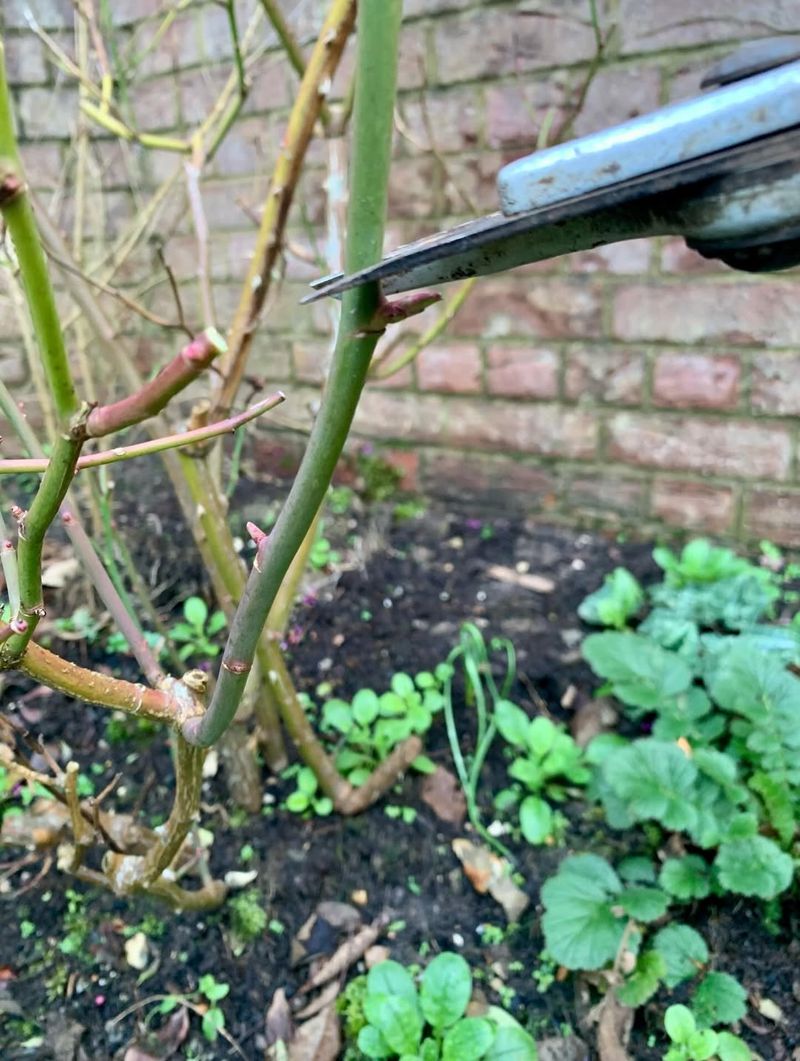
Weak, damaged, or overcrowded growth can easily invite pests and disease. Branches that are already struggling provide easy entry points for boring insects and fungal pathogens that can then spread to the rest of the plant.
Cleaning those problem areas out in spring is one of the most effective preventive steps a Georgia gardener can take.
Certain pests in Georgia, like scale insects and borers, actively seek out stressed or damaged plant tissue. A plant full of old, unproductive wood gives them exactly what they are looking for.
Pruning removes that vulnerable tissue before insects become active in the warming spring temperatures, reducing the chances of an infestation before it ever gets started.
Fungal diseases follow a similar pattern. Dense, tangled growth holds moisture and creates low-light conditions where fungal spores thrive.
Georgia’s warm, wet springs create ideal conditions for diseases like fire blight in fruit trees and cercospora leaf spot in viburnums.
Cleaning and sanitizing your pruning tools between plants is a step that should not be skipped. Disease can travel from one plant to another on dirty blades faster than most people realize.
A quick wipe with rubbing alcohol between cuts keeps the problem contained.
Across Georgia, from the red clay hills of the north to the sandy coastal plains, consistent spring pruning combined with clean tools is one of the most reliable ways to keep a garden looking healthy from season to season.