8 Native Spring Plants That Can Brighten Your Georgia Garden
Spring in Georgia brings a wave of fresh growth, warmer days, and the return of color to gardens that felt quiet through winter. It is also the perfect time to look at plants that naturally belong in the region.
Native plants are already adapted to Georgia’s soil, rainfall, and seasonal temperature swings, which makes them some of the easiest and most reliable choices for home landscapes.
Many native spring bloomers also play an important role in local ecosystems. They provide nectar for bees, butterflies, and hummingbirds just as these pollinators begin becoming active again after winter.
Beyond their environmental benefits, native plants can bring striking color and texture to the garden. From bright wildflowers to graceful flowering shrubs, these plants can help create a landscape that feels lively, natural, and well suited to Georgia’s spring season.
1. Purple Coneflower That Attracts Butterflies And Bees
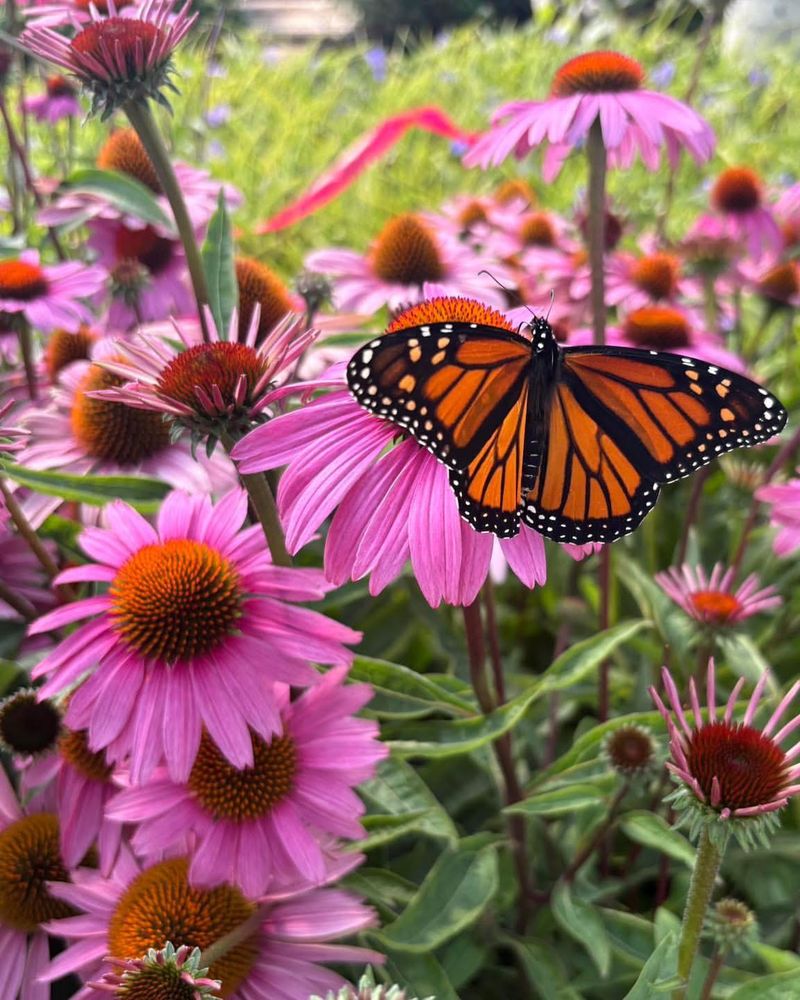
Few plants pull their weight in a Georgia garden quite like Purple Coneflower. Butterflies land on it constantly, bees circle it from morning to late afternoon, and the blooms keep coming for weeks without much fuss from you.
It is one of those plants that earns its spot fast.
Purple Coneflower, known scientifically as Echinacea purpurea, pushes up tall stems topped with bold purple-pink petals that fan out around a raised, spiky golden center. Planted in full sun, it can reach three to four feet tall by late spring.
Sandy or average garden soil works perfectly fine for it across most of Georgia.
Deadheading spent blooms encourages more flowers, but if you leave some seed heads standing at the end of the season, goldfinches will thank you. Birds pick at those dried centers all winter long.
It is a two-season plant with real staying power.
Starting from transplants gives you blooms faster, though growing from seed works well too if you start early indoors. Space plants about eighteen inches apart so air moves freely between them.
In Georgia’s warm springs, coneflowers establish quickly and rarely need supplemental watering after their first season in the ground.
Pair it with Butterfly Weed or Wild Geranium for a naturalistic planting that looks intentional without requiring much planning. The color combination practically designs itself.
2. Coral Honeysuckle Vine Loved By Hummingbirds
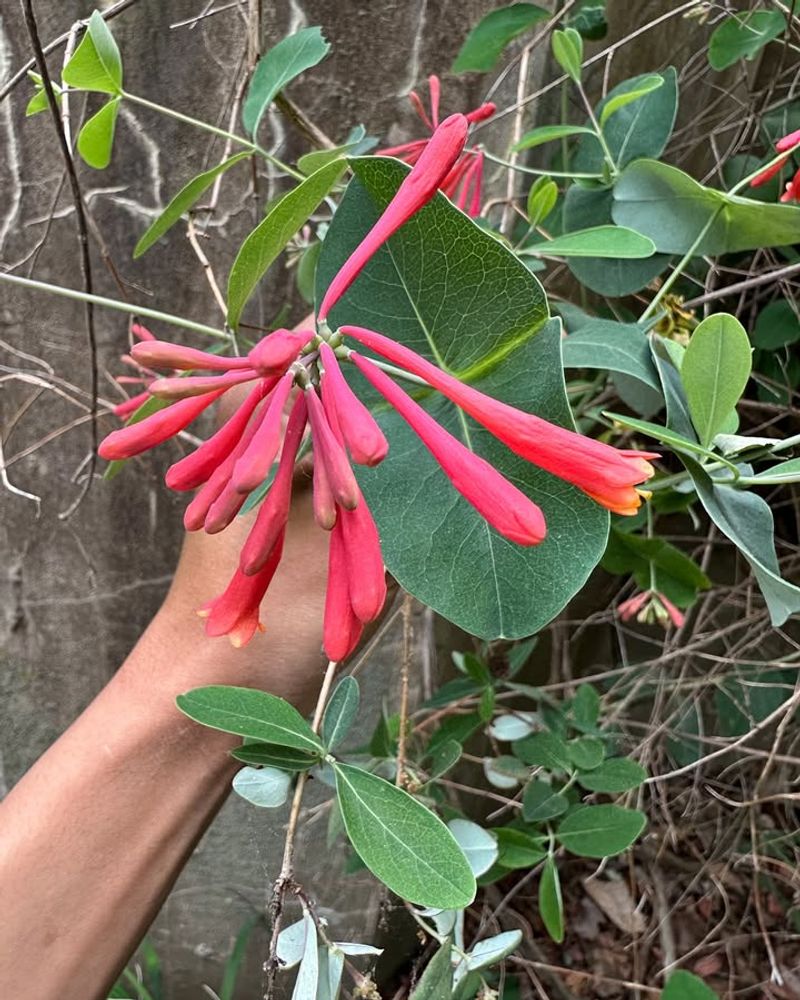
Hummingbirds show up like clockwork when Coral Honeysuckle starts blooming. Ruby-throated hummingbirds, which pass through Georgia every spring during migration, zero in on those tubular red-orange flowers almost immediately.
Plant this vine near a window and you will have front-row seats to the action.
Lonicera sempervirens climbs fences, trellises, arbors, and even old tree stumps with ease. It is a true native vine, not to be confused with the invasive Japanese Honeysuckle that takes over roadsides across Georgia.
Coral Honeysuckle stays polite and manageable, rarely smothering whatever it climbs.
Full sun brings out the heaviest flowering, but partial shade still produces a respectable show. Blooms begin appearing in early spring and can continue in waves through summer if conditions stay favorable.
Georgia’s warm springs give this vine a long runway to perform.
Your Georgia Garden Changes Every Week. Your Plan Should Too.
Gardening in Georgia changes quickly throughout the season. Every Friday you’ll receive a simple weekly plan showing exactly what to plant, prune, fertilize, harvest, and protect so you never miss the right timing.
Plant it where the soil drains reasonably well and give it something sturdy to grab onto right from the start. Thin, flexible stems need guidance early, but once they find their grip, the plant takes off on its own.
A simple wooden trellis or a section of wire fencing works perfectly.
Beyond hummingbirds, the berries that follow the flowers feed native songbirds in fall. Planting Coral Honeysuckle is essentially setting up a free wildlife feeding station that looks beautiful at the same time.
3. Southern Blue Flag Iris For Moist Garden Areas
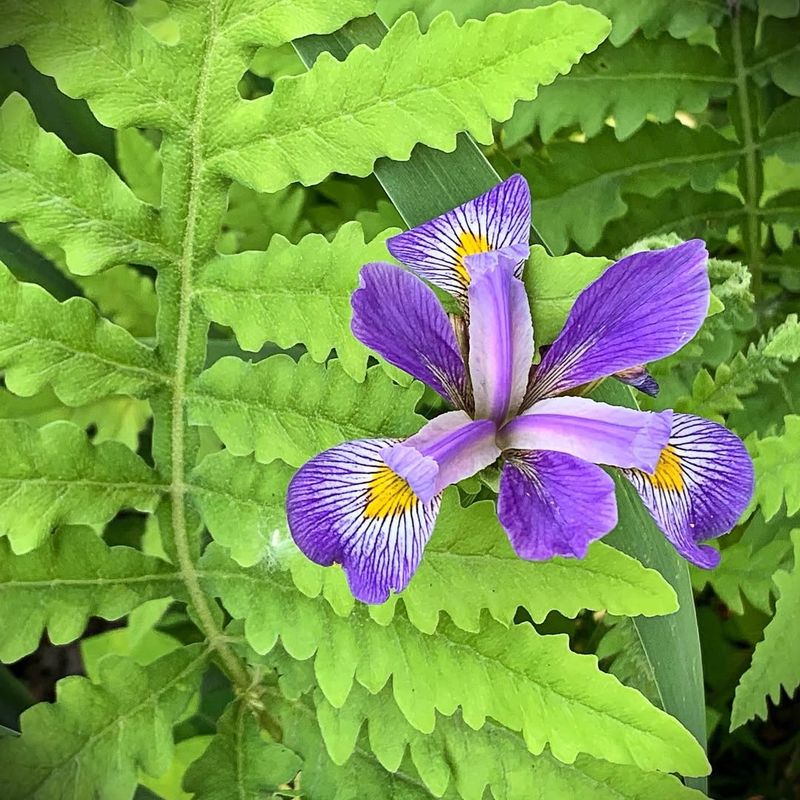
Got a soggy spot in your yard that nothing seems to want to grow in? Southern Blue Flag Iris was practically built for exactly that situation.
It thrives in wet soil, along pond edges, and in low areas that stay damp long after rain. Georgia has plenty of those spots, and this iris fills them beautifully.
Iris virginica produces striking blue-purple flowers with delicate veining on the petals, usually appearing in mid to late spring. Sword-shaped leaves grow upright and give the plant a bold, architectural look even when it is not in bloom.
In Georgia’s coastal plain and piedmont regions, it grows naturally near marshes and slow-moving streams.
Plant it in full sun to partial shade, and keep the soil consistently moist, especially during the first growing season. Grouping several plants together creates a more dramatic display than planting them individually.
Three to five plants clustered at a pond edge look far better than a single isolated clump.
Dividing clumps every few years keeps the plants healthy and encourages stronger blooming. After the flowers finish, the foliage remains attractive well into summer, so there is never an empty gap in the garden where it grows.
Pollinators visit the flowers regularly, particularly native bumblebees that are strong enough to push past the petals to reach the nectar inside. It is a plant that rewards you on multiple levels.
4. Butterfly Weed With Bright Orange Spring Flowers
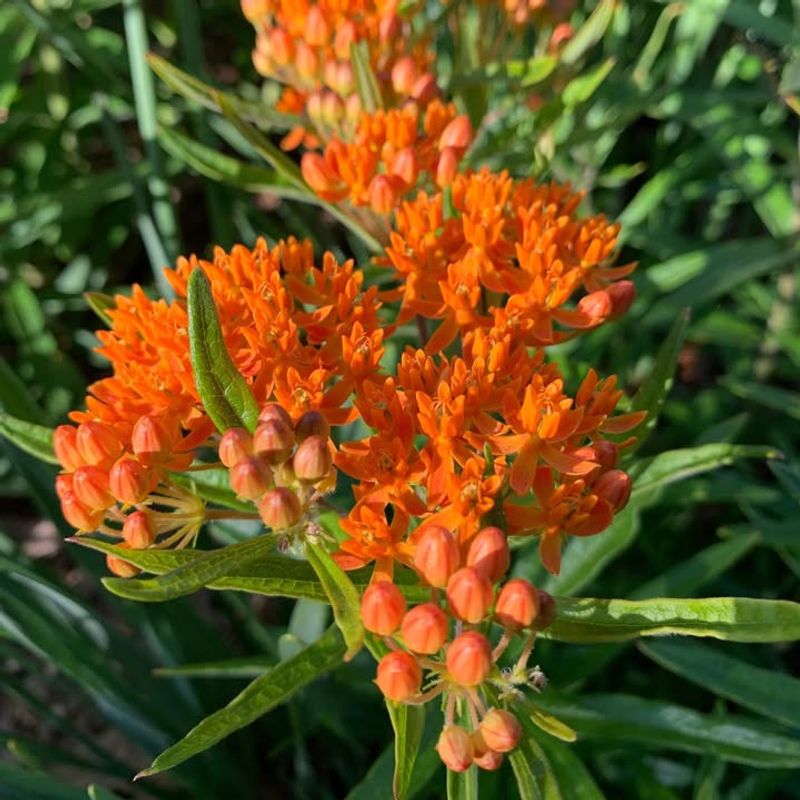
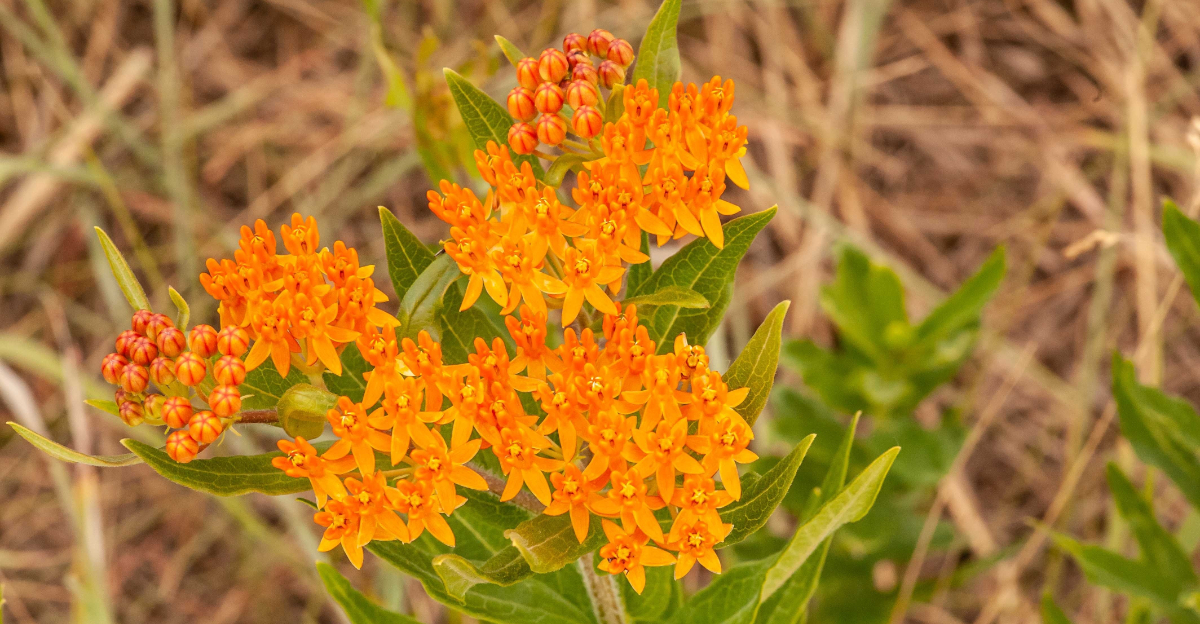
Monarch butterflies cannot complete their life cycle without milkweed, and Butterfly Weed is the native milkweed that actually looks great in a garden. Bright orange flower clusters pop against green foliage and catch your eye from across the yard.
It is one of the few native plants that looks as intentional as anything from a garden center.
Asclepias tuberosa grows naturally across Georgia in dry, sunny meadows and roadsides. Sandy or well-drained soil suits it perfectly, and it handles drought without complaint after it settles in.
Avoid planting it in heavy clay or spots that stay wet, because that is where it struggles.
Spring blooms typically arrive between April and June, depending on your location in Georgia. Blooms attract not just monarchs but swallowtails, fritillaries, and a long list of native bees.
The plant earns its name honestly, acting like a magnet for winged visitors from the moment the first flowers open.
Leave the long, narrow seed pods on the plant after blooming finishes. They split open in fall, releasing seeds attached to silky fibers that float on the breeze and sometimes sprout nearby.
Letting it self-seed is the easiest way to expand your patch without buying more plants.
Plant Butterfly Weed near Purple Coneflower or Blue Eyed Grass for a sunny native border that looks wild and colorful without any complicated planning or upkeep on your part.
5. Eastern Columbine That Thrives In Woodland Gardens
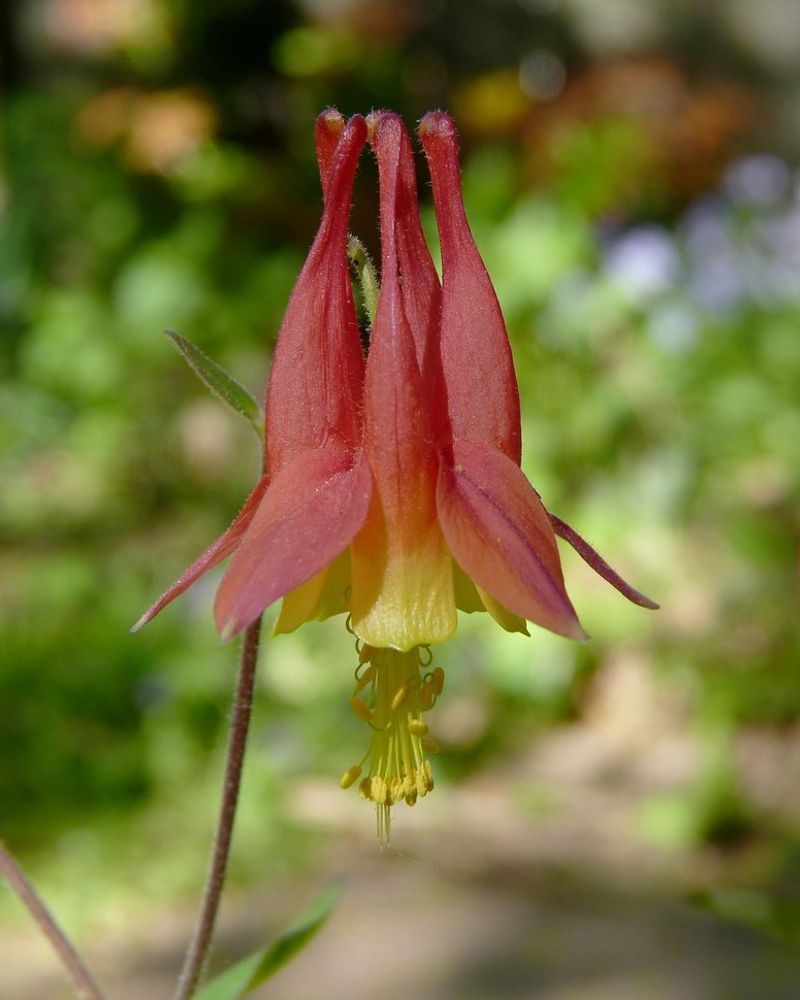
Nodding red and yellow flowers hang from delicate stems like tiny lanterns, and that is Eastern Columbine doing what it does best. It looks fragile but handles Georgia’s unpredictable spring weather with surprising toughness.
Woodland gardeners across the state have been relying on it for years.
Aquilegia canadensis grows naturally in rocky woodlands, along stream banks, and at the edges of forested areas throughout Georgia. Dappled shade suits it well, though it can handle a bit more sun in cooler, northern parts of the state.
Loose, well-drained soil with some organic matter gives it the best start.
Hummingbirds are particularly drawn to the long nectar spurs at the back of each flower. Ruby-throated hummingbirds arrive in Georgia around the same time Eastern Columbine blooms in spring, making the timing almost too perfect.
Plant it near a garden path where you can watch the interaction up close.
Columbine self-seeds freely, which means a small planting can spread naturally into a larger colony over a few seasons. Seedlings pop up in unexpected places, often tucking themselves between rocks or at the base of tree roots.
Rather than pulling them out, let them find their own spots.
Pairing Eastern Columbine with Wild Geranium or Woodland Phlox creates a shaded spring garden that feels genuinely alive. All three bloom around the same time, and their colors play off each other in a relaxed, natural way.
6. Wild Geranium With Soft Pink Spring Blooms
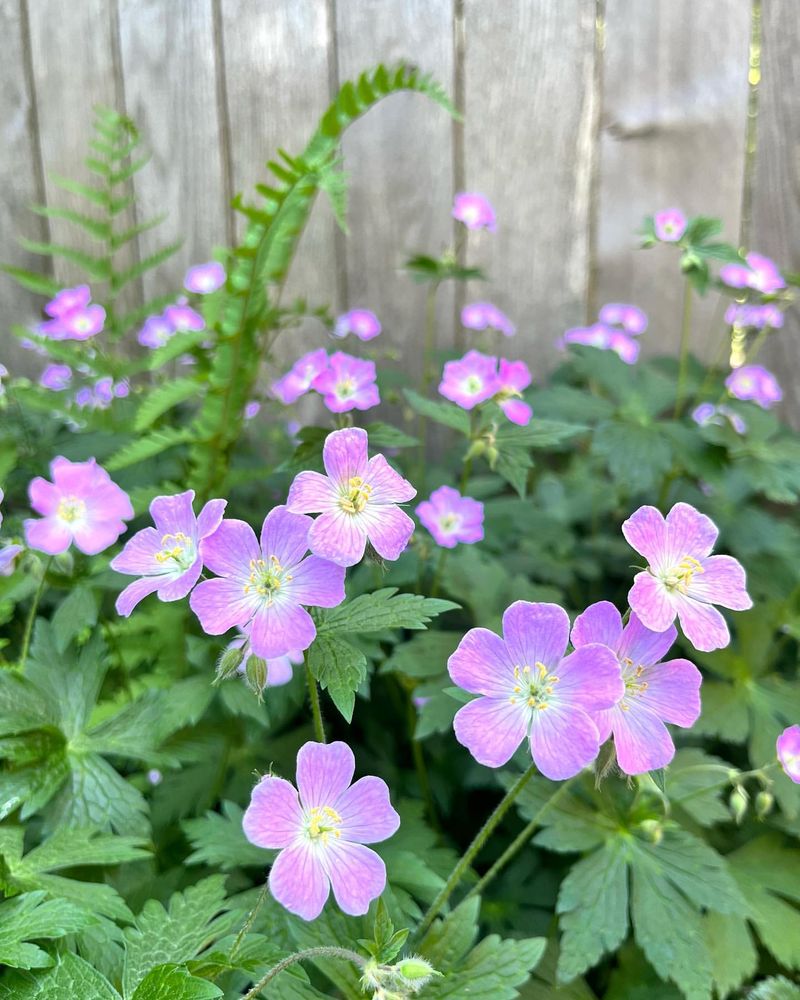
Soft pink and quietly beautiful, Wild Geranium is the kind of plant you almost overlook until suddenly you realize your whole shaded garden bed is glowing with it.
It spreads gradually by both seed and rhizome, filling gaps between taller plants without ever becoming pushy about it.
Geranium maculatum is a true native wildflower found across Georgia’s piedmont and mountain regions. It blooms reliably in spring, typically from March through May depending on elevation and weather.
Five-petaled flowers in shades of pale to medium pink rise above deeply lobed, attractive foliage that stays green well into summer.
Partial to full shade suits it best, making it a practical choice under deciduous trees where little else wants to grow. Rich, moist soil produces the lushy, fullest plants, but average woodland soil works fine too.
Consistent moisture during spring bloom time makes a noticeable difference in flower count.
Wild Geranium is one of those plants that brings native bees out early in the season when not much else is blooming yet. Small native bees and bumblebees visit the flowers regularly, collecting both pollen and nectar.
It fills an important ecological gap in early spring Georgia gardens.
Combine it with Eastern Columbine and Woodland Phlox for a shaded planting that feels completely natural. All three bloom in overlapping waves, keeping color in the shaded garden from early spring well into late May.
7. Woodland Phlox That Spreads Color In Shade
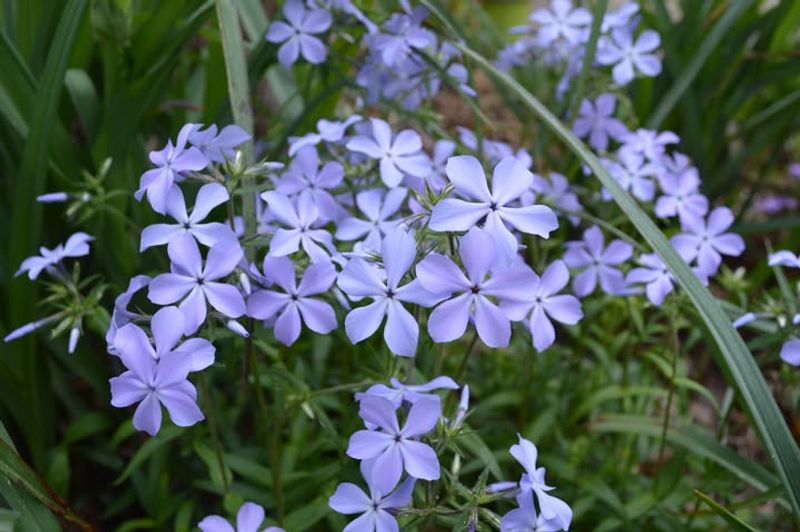
Walk through a Georgia forest in April and you might stumble across a carpet of pale lavender-blue flowers spreading across the ground, and that is Woodland Phlox doing exactly what it was born to do.
It spreads naturally through shaded areas, threading between rocks, roots, and other plants without crowding anyone out.
Phlox divaricata grows in loose, creeping mats that stay relatively low to the ground. Flower stalks rise just above the foliage, holding clusters of flat, five-petaled blooms in shades ranging from soft white to lavender to deeper blue-violet.
Fragrance is a bonus, faint but pleasant on warm spring afternoons.
Full to partial shade is ideal, especially under deciduous trees that let spring light filter through before leafing out completely. Moist, well-drained soil with organic matter keeps plants healthy and encourages spreading.
In Georgia’s piedmont and northern mountain areas, it naturalizes especially well.
Cutting plants back lightly after blooming finishes encourages fresh foliage and a tidier look through summer. Stems that touch the ground often root on their own, which is how the plant expands its territory gradually.
You can encourage this by pressing a few stems gently into moist soil.
Swallowtail butterflies and sphinx moths are regular visitors to Woodland Phlox blooms. Planting it along a shaded walkway gives you both the visual effect of a flower-covered ground and regular wildlife activity right at eye level.
8. Blue Eyed Grass With Small Star Shaped Flowers
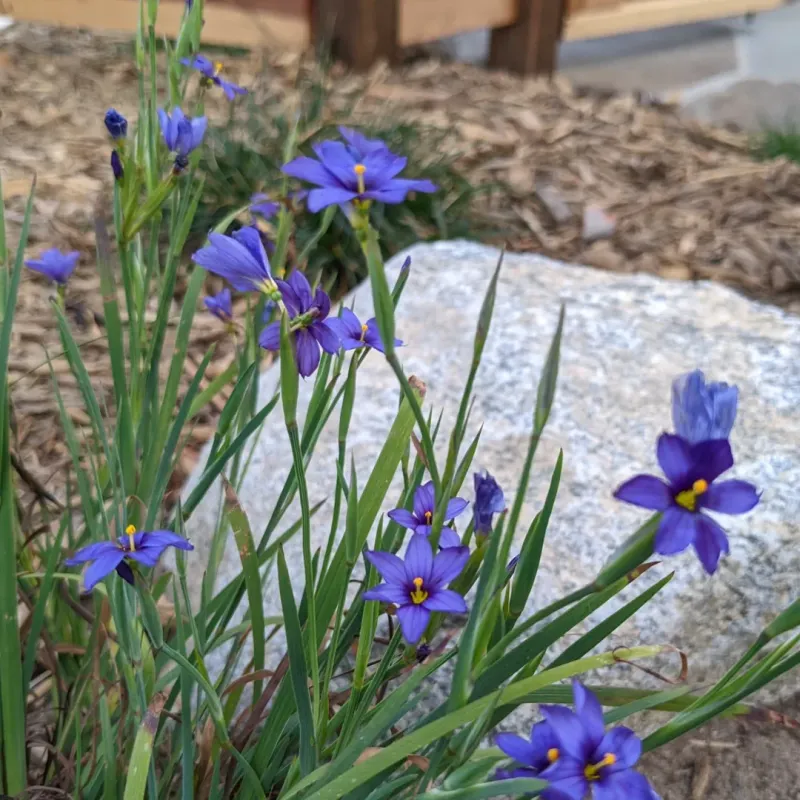
Do not let the name fool you, Blue Eyed Grass is not actually a grass at all. It belongs to the iris family, and up close, those tiny star-shaped violet-blue flowers with bright yellow centers are genuinely charming.
It is the kind of plant that rewards anyone who slows down long enough to look at it carefully.
Sisyrinchium angustifolium grows in clumps of narrow, grass-like foliage that blends easily into meadow gardens, lawn edges, and sunny borders across Georgia.
Flowers appear in spring, usually from March through May, and each bloom lasts only a day or two, but new ones open continuously so the display keeps going for weeks.
Full sun brings out the most flowers, and average to moist soil suits it well. It grows naturally in open meadows, roadsides, and along stream banks throughout Georgia, which tells you it is comfortable in a range of conditions.
Avoid deep shade, where it stretches and produces far fewer blooms.
Clumps expand slowly over time and can be divided in early spring to create new plants. Division is simple, just dig up a clump and pull it apart into smaller sections before replanting.
It is an easy way to spread the plant to new areas without spending anything extra.
Planting Blue Eyed Grass alongside Butterfly Weed or Purple Coneflower creates a bright, sun-loving native border that looks effortlessly natural and buzzes with pollinator activity from early spring onward.